Artwork
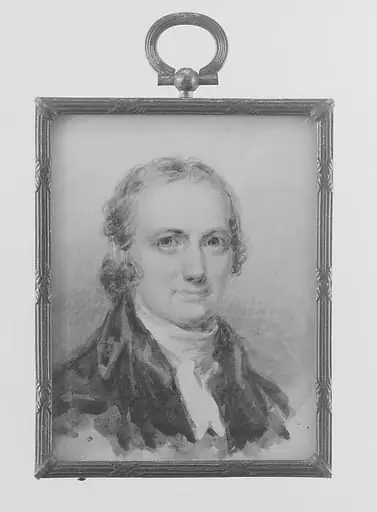
Portrait of a Gentleman
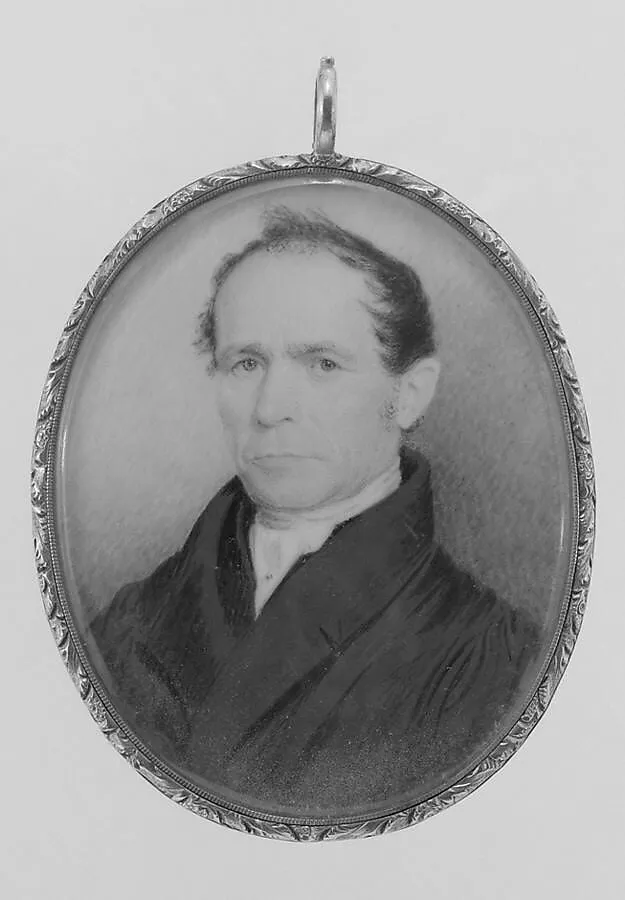
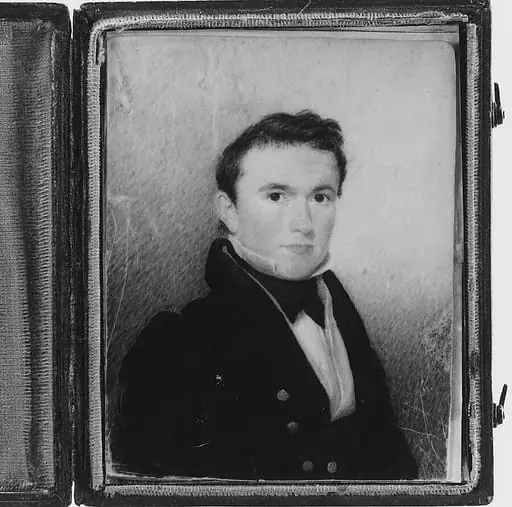
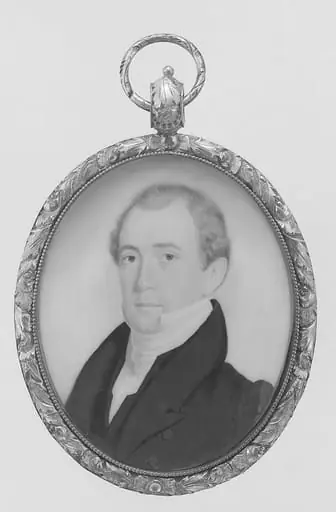
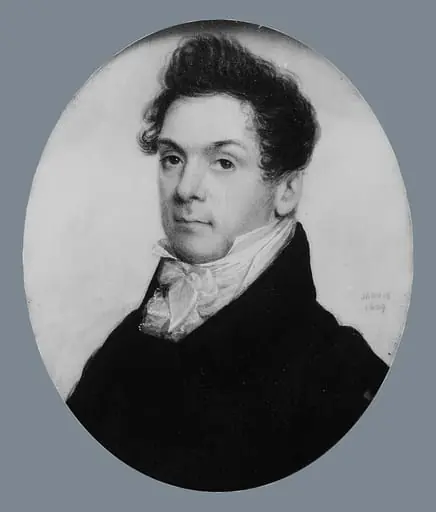
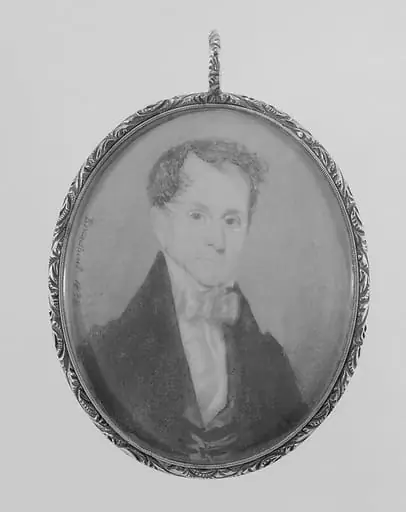
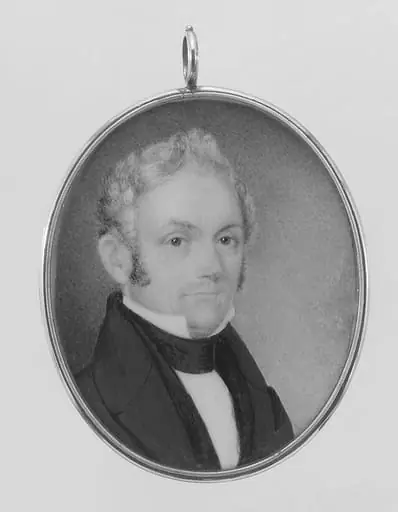
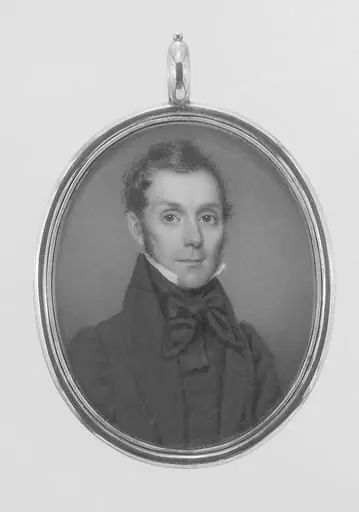
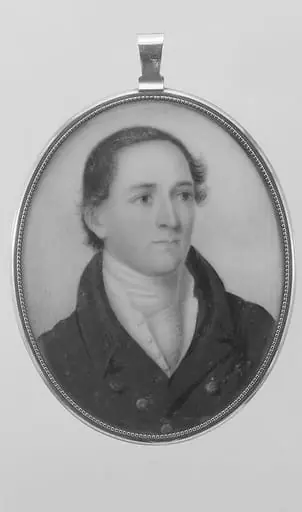
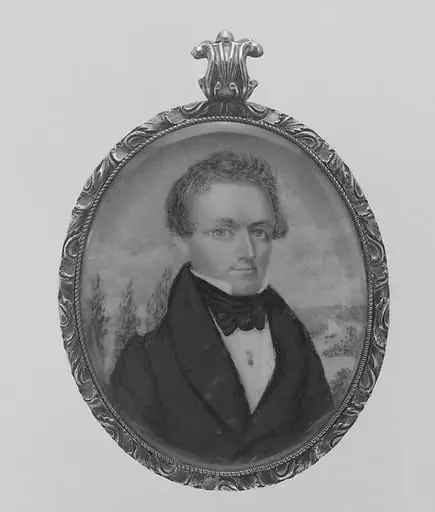
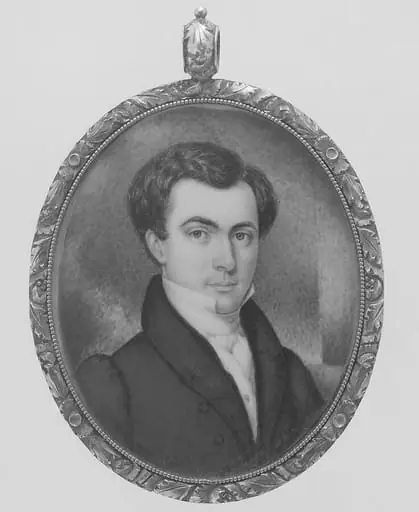
Portrait of a Gentleman is a watercolor painting by the American Folk Art artist Eliza Goodridge. It dates from 1825 and is held in the collection of the Metropolitan Museum of Art.
About this work
Technique & Style
The medium and support are explicitly identified as watercolor on ivory, indicating the delicate handling required for the fragile surface.
The work is executed in watercolor on an ivory support, a technique typical of early-19th-century portrait miniatures. According to the catalog entry, the painting measures roughly 5.8 × 4.7 centimeters, matching the dimensions recorded for the piece in the Metropolitan Museum of Art's collection. It portrays a man, consistent with its classification as a portrait within the American Wing.
The medium and support are explicitly identified as watercolor on ivory, indicating the delicate handling required for the fragile surface. No condition details or specific handling protocols are provided in the available documentation.
History & Provenance
Portrait of a Gentleman by Eliza Goodridge, a watercolor on ivory executed in 1825, is held in the collection of the Metropolitan Museum of Art, classified under the institution's American Wing. The work is catalogued as part of the museum's holdings, with the cited records confirming both its location and its inclusion in the Metropolitan Museum of Art's collection. No specific inventory or accession number is recorded in the available documentation, and no exhibition history is documented in the provided sources.
Overview
Elizabeth Goodridge, an American artist active in the early 19th century, created this Portrait of a Gentleman around 1825. Rendered in watercolor on a small ivory support, the work exemplifies the miniature portrait tradition prevalent in the United States. Goodridge was recognized for her ability to capture individual likenesses within these intimate formats, contributing to the broader American folk art movement of her era.
Subject & Meaning
The painting presents a man in formal attire, his dark coat contrasting with his softly illuminated face. He engages the viewer directly with his gaze, conveying a sense of personal connection. Such miniature portraits served a practical and emotional purpose in the early 1800s, often carried as cherished mementos to keep images of loved ones close before the widespread advent of photography.
Context
Before the invention of photography, miniature portraits like this one were essential for preserving the images of family and friends. Artists such as Elizabeth Goodridge, often referred to as Eliza, found a viable profession in creating these intimate works. Many women in early America supported themselves through this specialized art form, demonstrating their skill and contributing significantly to the visual culture of the time.
Artist & collection
Artist
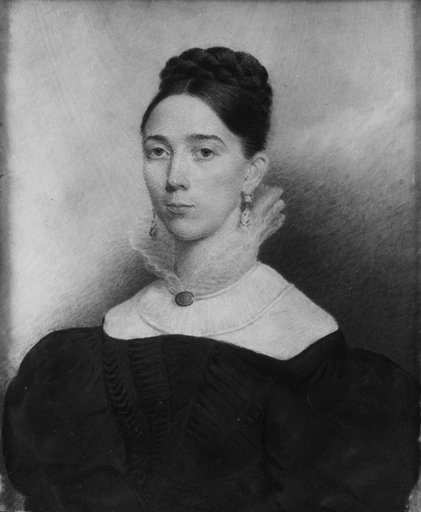
Elizabeth Goodridge (March 12, 1798 – April 18, 1882) was an American painter who specialized in miniatures. She was the younger sister of Sarah Goodridge, also an American miniaturist.