Artwork
Captain John Lovejoy
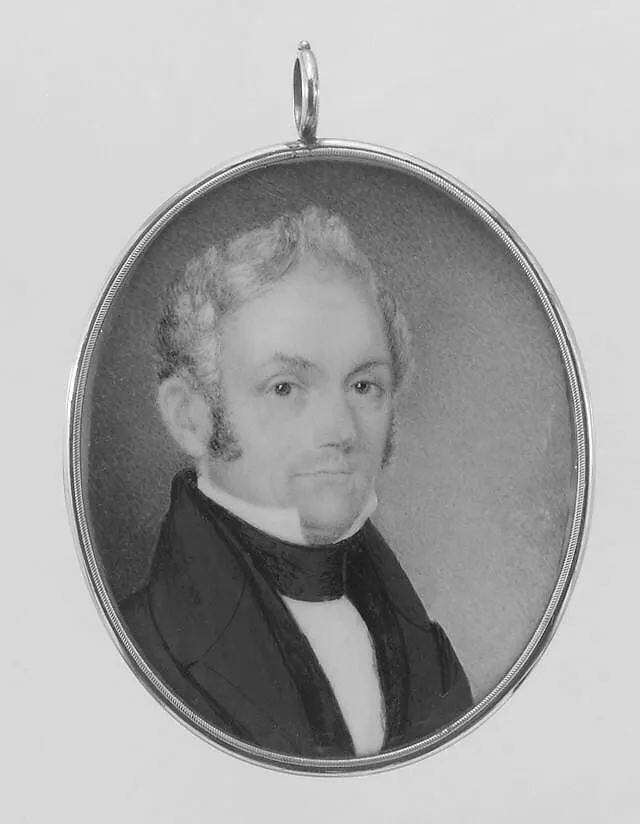
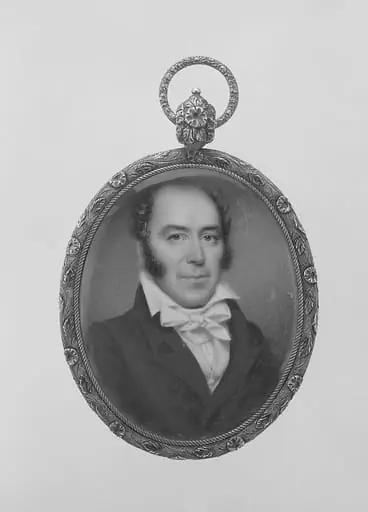
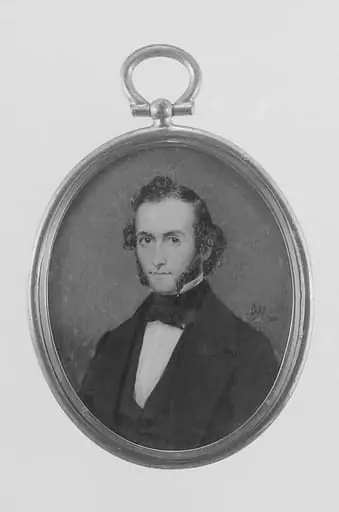
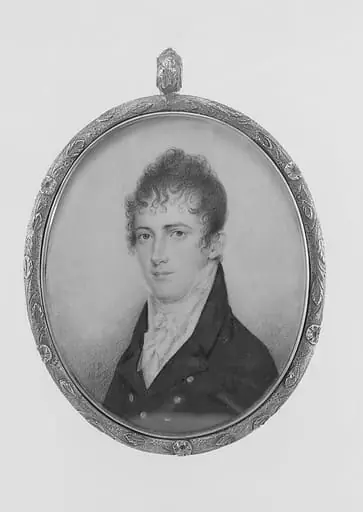
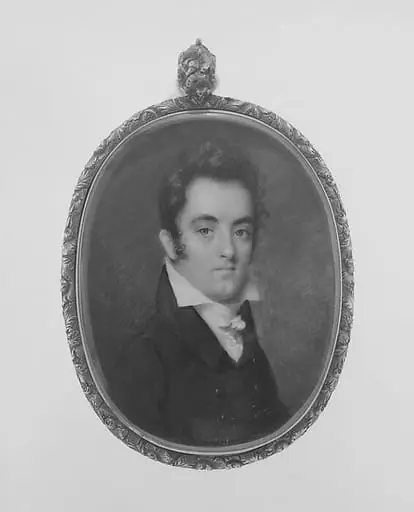
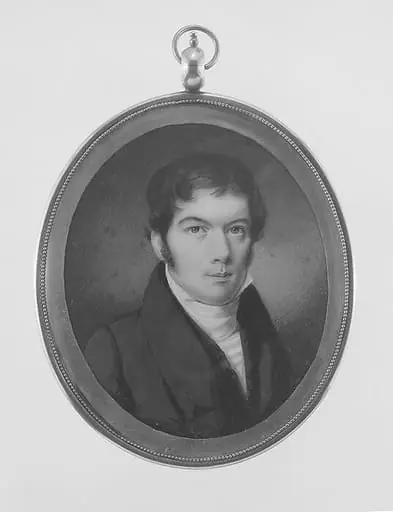
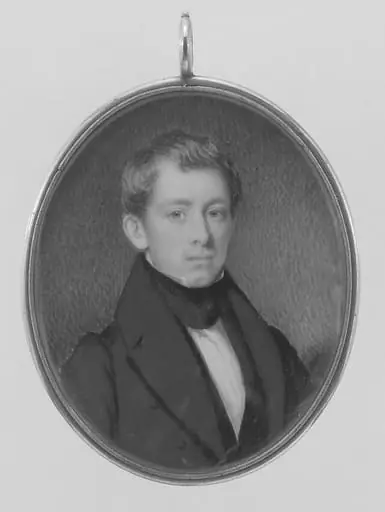
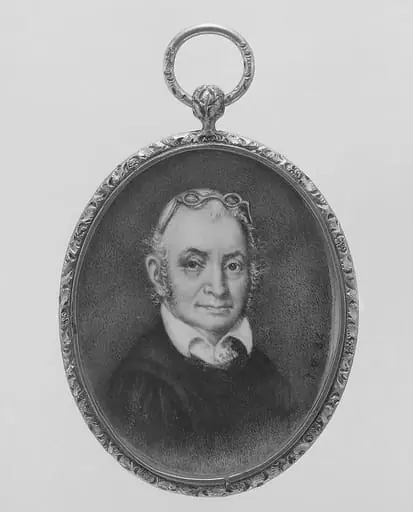
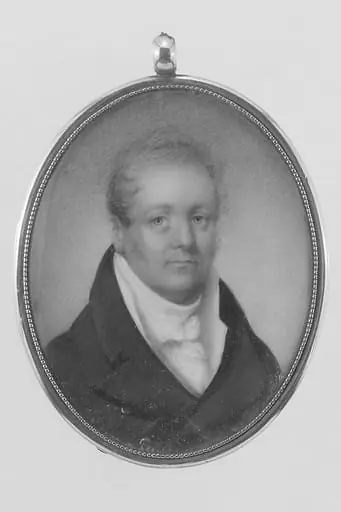
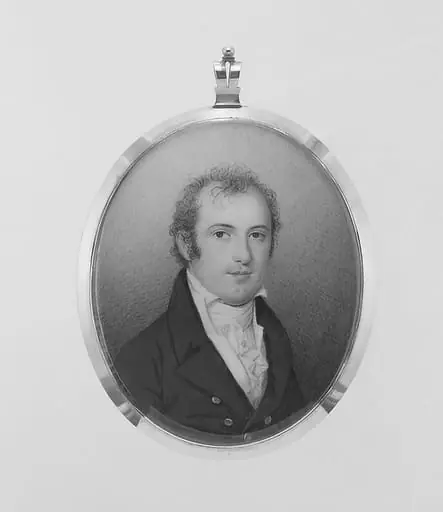
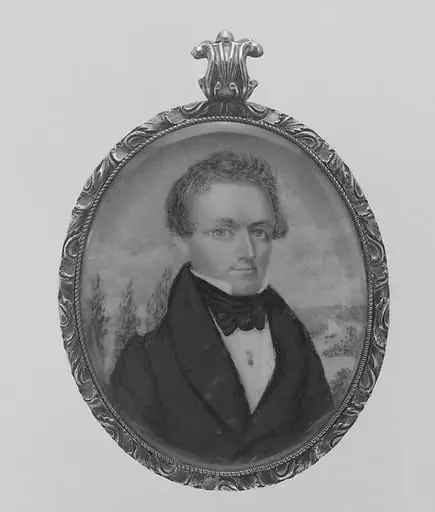
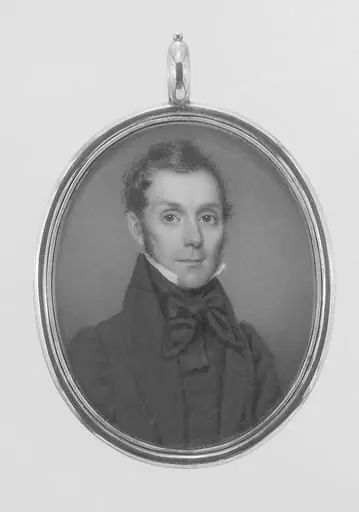
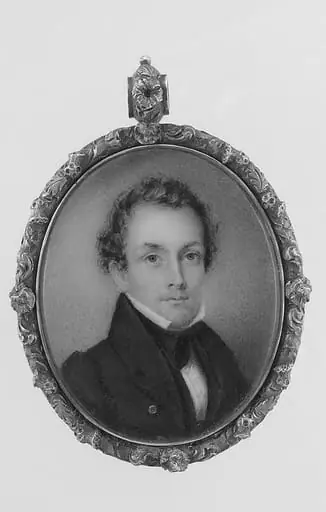
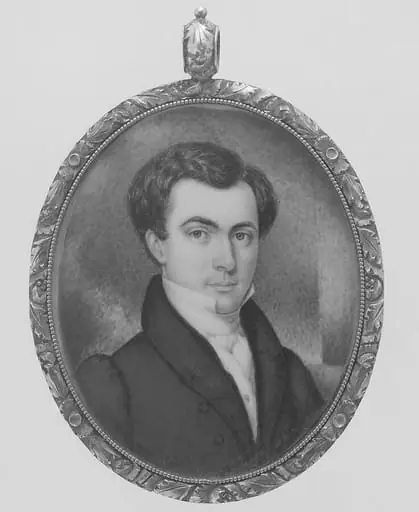
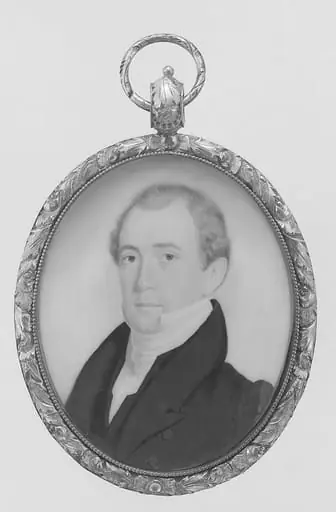
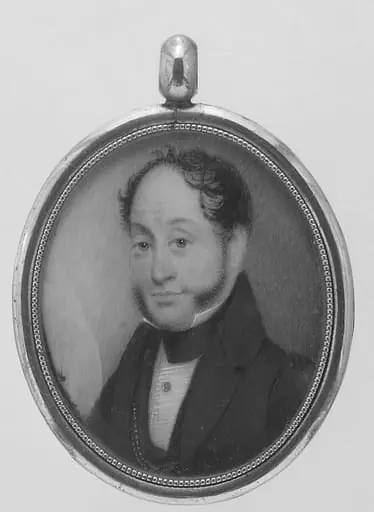
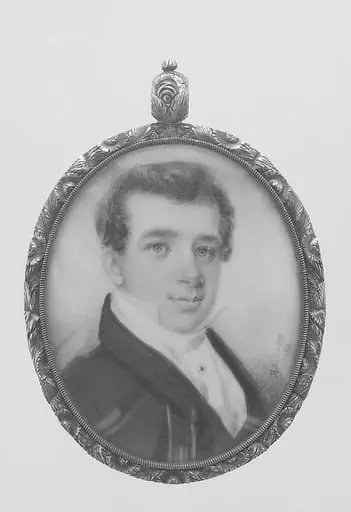
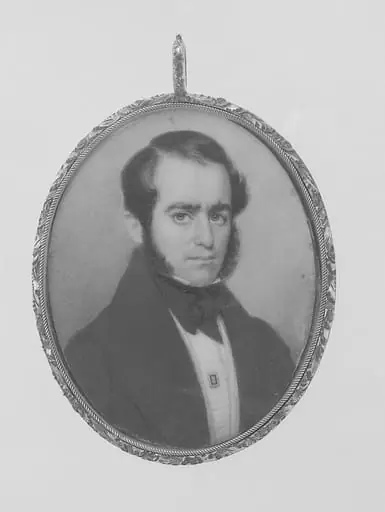
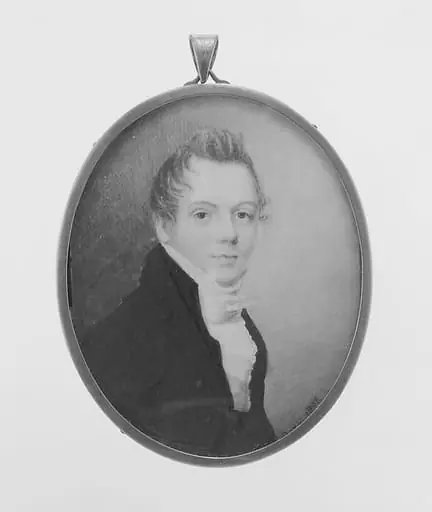
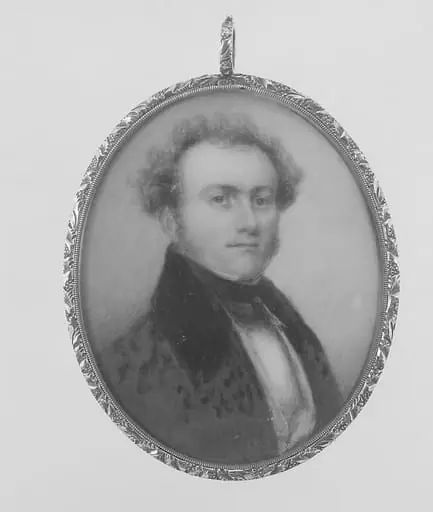
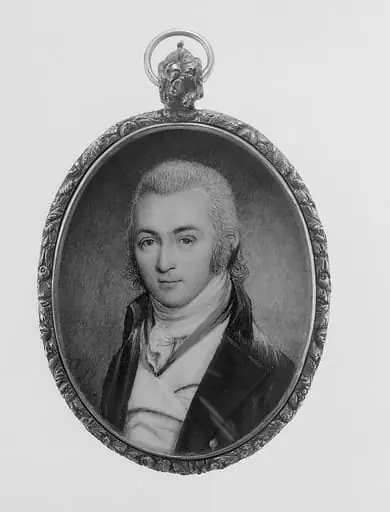
Captain John Lovejoy is a watercolor painting. It dates from 1835 and is held in the collection of the Metropolitan Museum of Art.
About this work
Subject & Meaning
The piece is catalogued as an anonymous painting within the museum’s collection, yet its title and date anchor it to a specific historical figure.
The watercolor portrait dated 1835 portrays a male sitter identified as Captain John Lovejoy; it is executed on ivory and housed in a gilded copper case with a hair reserve on the verso. The work belongs to the portrait genre and is part of The American Wing collection at the Metropolitan Museum of Art. As a formal likeness, it functions to record the sitter’s appearance and convey his social standing, reflecting the commemorative intent typical of early‑American portraiture.
The piece is catalogued as an anonymous painting within the museum’s collection, yet its title and date anchor it to a specific historical figure.
Technique & Style
Captain John Lovejoy is executed in watercolor on ivory, a miniature portrait technique in which pigments are applied with delicate brushwork onto the smooth, luminous surface of an ivory support. The work is housed within a gilded copper case, a typical protective setting for nineteenth-century miniatures, and incorporates a hair reserve on the verso, a convention in which a lock of the sitter's hair is preserved behind the portrait as a sentimental keepsake. The compact format, measuring approximately 6.5 by 5.4 centimeters, reflects the small scale characteristic of portable keepsake portraits intended for private viewing.
The combination of watercolor on ivory with a gilded locket-style case situates the object within the established tradition of American miniature portraiture of the period.
History & Provenance
The portrait is held by The Metropolitan Museum of Art, New York, accessioned as 1975.135.1. It was first documented in the museum’s collection in 1975. The watercolor on ivory miniature, measuring 6.5 cm in height and 5.4 cm in width, entered the museum as part of an anonymous gift that year.
Overview
This small watercolor portrait depicts Captain John Lovejoy, rendered with delicate brushwork on an ivory support. Created around the 1830s, this type of miniature was designed for personal possession rather than public display. Its intimate scale and the inclusion of a hair reserve on the reverse underscore its function as a cherished keepsake, reflecting a common practice of the era for preserving the likeness of loved ones.
Context
In the 1830s, miniature portraits served as highly personal objects, often commissioned to commemorate individuals or maintain a visual connection with absent loved ones. Unlike larger oil paintings intended for display on walls, these small works were crafted to be carried or kept in private settings. Their portability and intimate nature made them precursors to modern wallet photographs, offering a tangible link to the subject.
Artist & collection