Artwork
Self-portrait
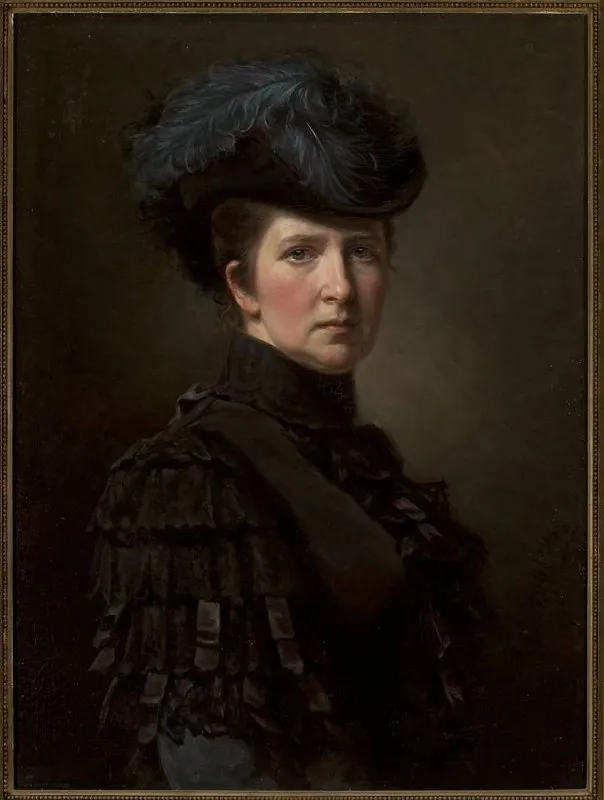
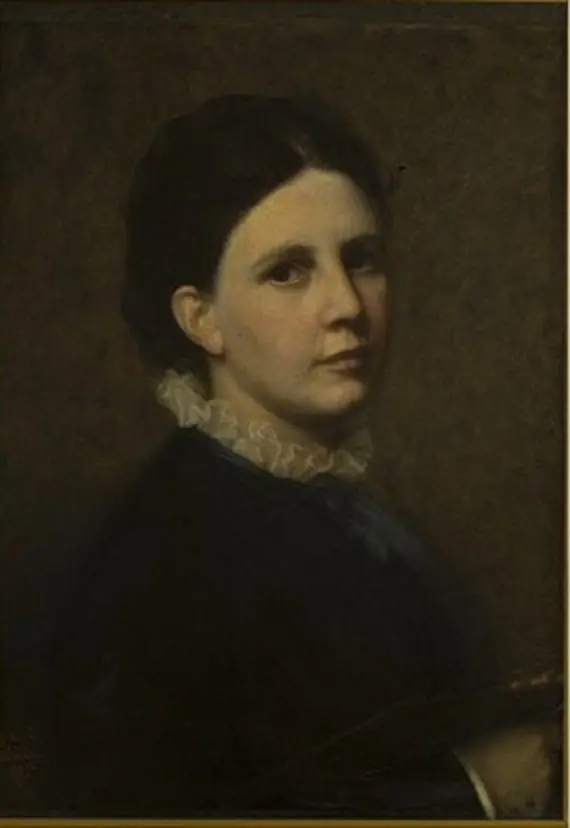
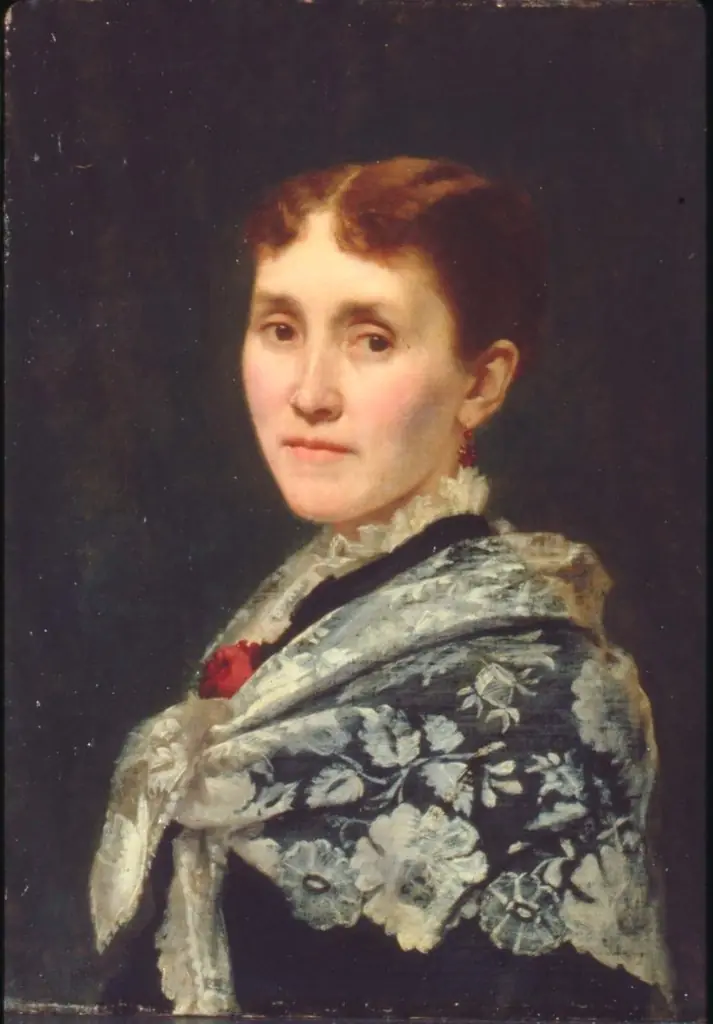
Self-portrait is an oil painting by the Impressionist artist Emilia Dukszyńska-Dukszta. It dates from 1896 and is held in the collection of the National Museum in Warsaw. Emilia Dukszyńska‑Dukszta’s self‑portrait, executed in oil in 1896, is part of the National Museum in Warsaw’s collection.
About this work
Overview
3 by 55 centimeters, this vertical composition depicts the artist from the chest up, turned slightly to her left while meeting the viewer's gaze directly.
Self-portrait is an oil on canvas painting created in 1890 by the Polish artist Emilia Dukszyńska-Dukszta. Measuring 74.3 by 55 centimeters, this vertical composition depicts the artist from the chest up, turned slightly to her left while meeting the viewer's gaze directly. The work is held in the collection of the National Museum in Warsaw, where it is classified as a painting in the portrait genre. As a self-portrait by a female artist working in the late nineteenth century, it belongs to a significant but historically underrepresented category of women's self-portraiture, a field that has gained increasing scholarly attention through initiatives such as the Wikimedia Commons galleries documenting self-portraits by women artists.
Subject & Meaning
The painting depicts Dukszyńska-Dukszta herself, as confirmed by the work's genre classification and the Wikidata record identifying the depicted subject as the artist. She wears a large black hat decorated with blue-gray feathers that extend upward and to the left, and a dark, high-collared garment with layered, ruffled fabric across the shoulders and chest. The muted, dark brown-gray background contains no distinguishable features, focusing attention entirely on the figure. The palette of blacks, deep browns, and subdued blues is relieved only by the feathers and a hint of warm pink in her cheeks. The direct gaze and frontal presentation assert the artist's presence and professional identity, while the elegant but restrained attire suggests a balance between personal expression and the conventions of respectable feminine self-presentation in late nineteenth-century Polish society.
Technique & Style
The painting is executed in oil on canvas with a polished, realistic finish. Light falls from the upper left, illuminating the artist's face and the left side of the hat while casting the right side of her figure into shadow, creating a subtle modeling of form. The brushwork varies across the surface: smooth and controlled in the rendering of skin, more textured and layered in the clothing and hat. This differential handling demonstrates technical versatility and a conventional academic approach to portraiture, prioritizing the lifelike depiction of flesh while allowing more expressive treatment of fabrics and accessories. The work is presented in a simple, narrow gold frame, and bears a visible signature in the lower right corner. The overall effect is one of restrained elegance and technical competence within the established conventions of European portrait painting of the period.
History & Provenance
The painting was created in 1890, a date recorded in both the internal corpus source and the Wikidata entry, which specifies January 1 as the inception date. The work's current location is the National Museum in Warsaw, where it is held in the museum's collection. No detailed provenance or ownership history prior to its acquisition by the museum is provided in the available sources. Similarly, no exhibition history is documented in the sources provided. The painting's presence in the National Museum in Warsaw indicates its recognition as a work of cultural and historical significance within Polish art heritage.
Context
Emilia Dukszyńska-Dukszta worked in a period when female artists faced significant barriers to professional recognition and training, yet increasingly asserted their presence in the art world through self-portraiture and other genres. The Wikimedia Commons project documenting self-portraits by women artists, which includes this work, reflects growing scholarly and institutional interest in recovering and cataloguing women's artistic production. The category of nineteenth-century self-portrait paintings by women, which contains 152 documented works across 23 subcategories, indicates the scale of this artistic practice while also suggesting how much material remains to be studied. Dukszyńska-Dukszta's self-portrait participates in a tradition that allowed women artists to claim authorship, demonstrate technical skill, and construct professional identities in a field dominated by male practitioners and institutions.
Legacy
The legacy of Dukszyńska-Dukszta's Self-portrait is tied to broader efforts to document and study women's artistic production. Its inclusion in Wikidata and Wikimedia Commons galleries of women's self-portraits has facilitated its visibility among researchers and the public, though detailed scholarly analysis of the work appears limited in the available sources. The painting's preservation in the National Museum in Warsaw ensures its continued accessibility for study and exhibition. As part of the documented corpus of nineteenth-century women's self-portraits, it contributes to an expanding field of art historical inquiry that seeks to understand how female artists represented themselves and negotiated professional identities in periods of restricted opportunity. The work stands as material evidence of Dukszyńska-Dukszta's practice, even as much critical and biographical detail about her career remains to be recovered.
Artist & collection
Artist
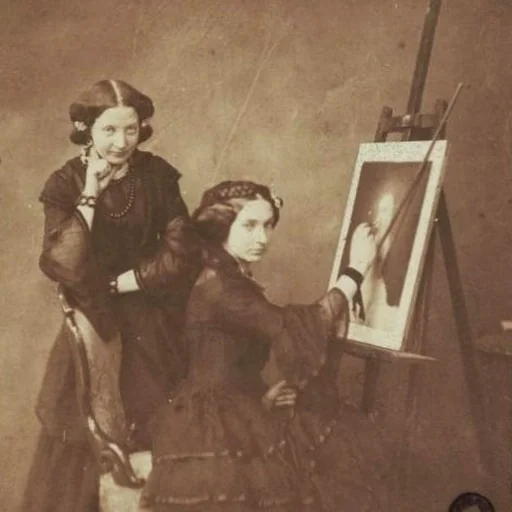
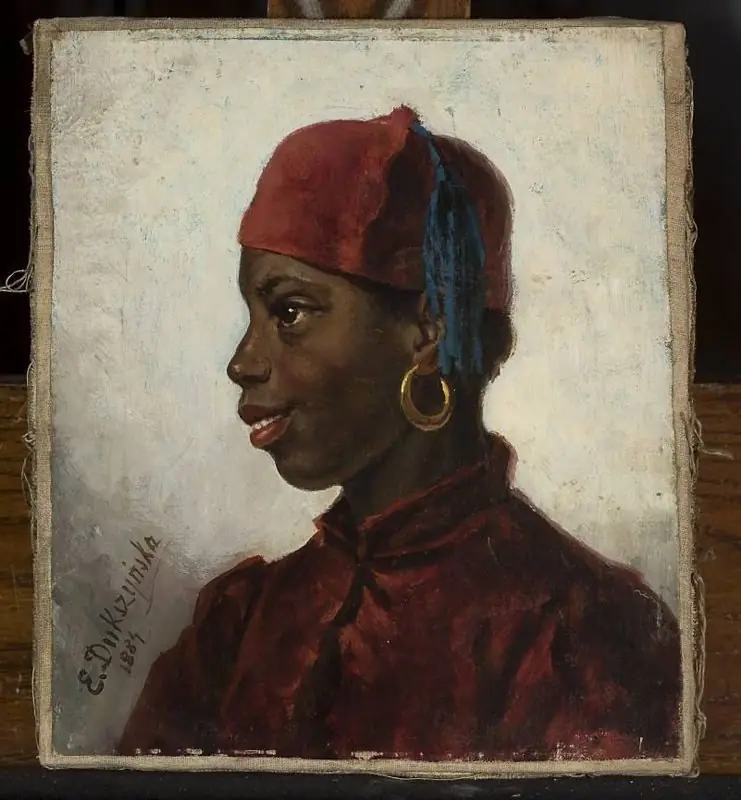
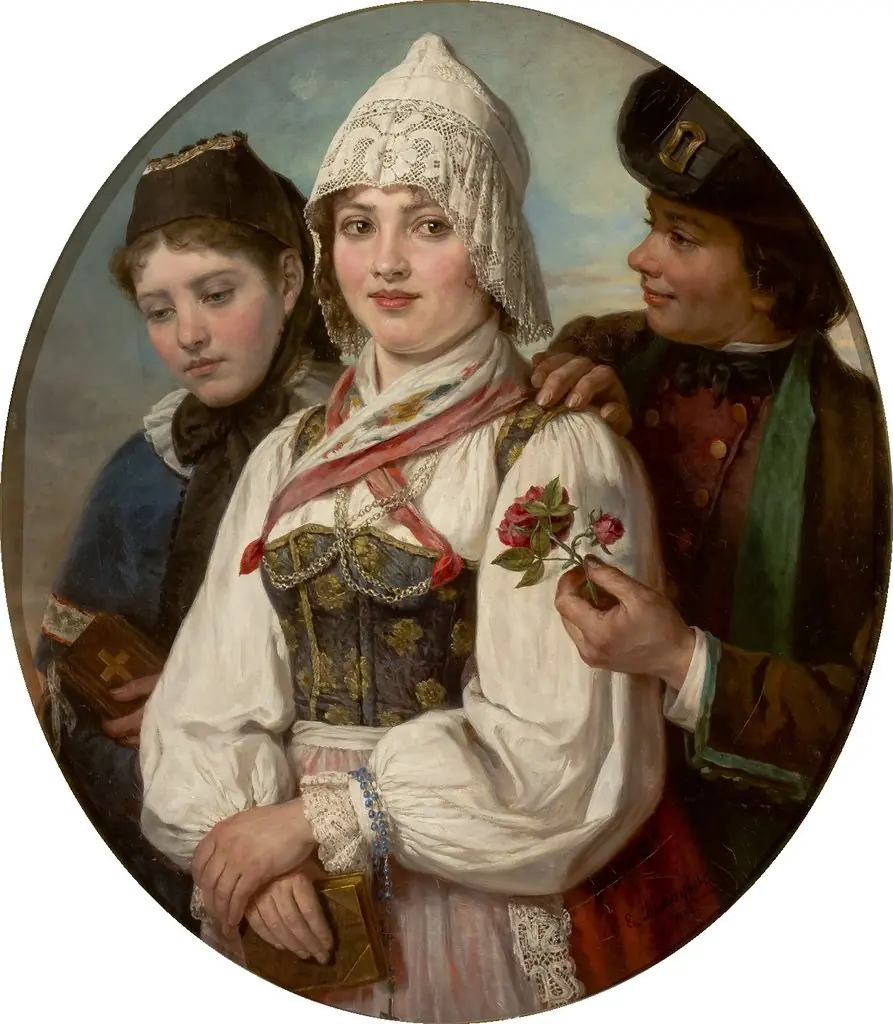
Emilia Dukszyńska-Dukszta (1837–1898) was an artist, born in Saint Petersburg.

- Berta von Brukenthal
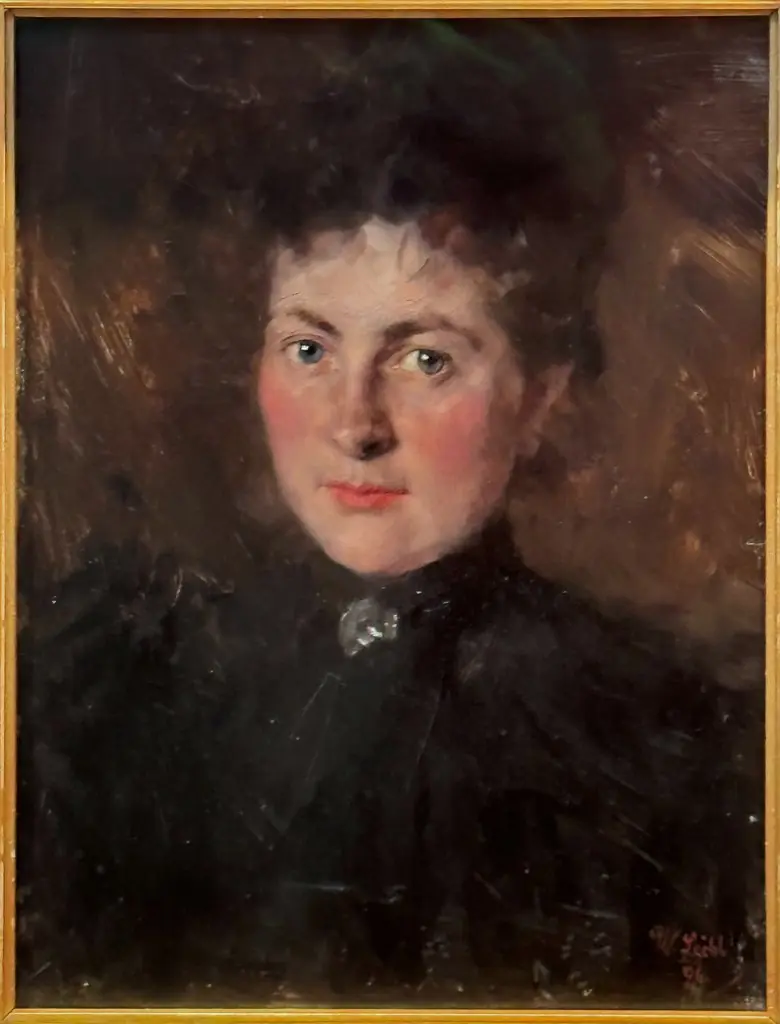 Felicia Kirchdorffer, die Nichte des Künstlers
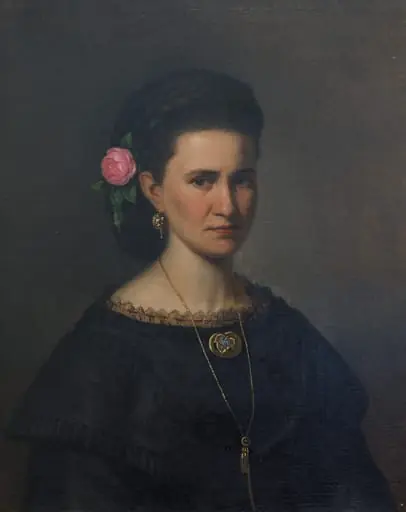 Portret de femeie
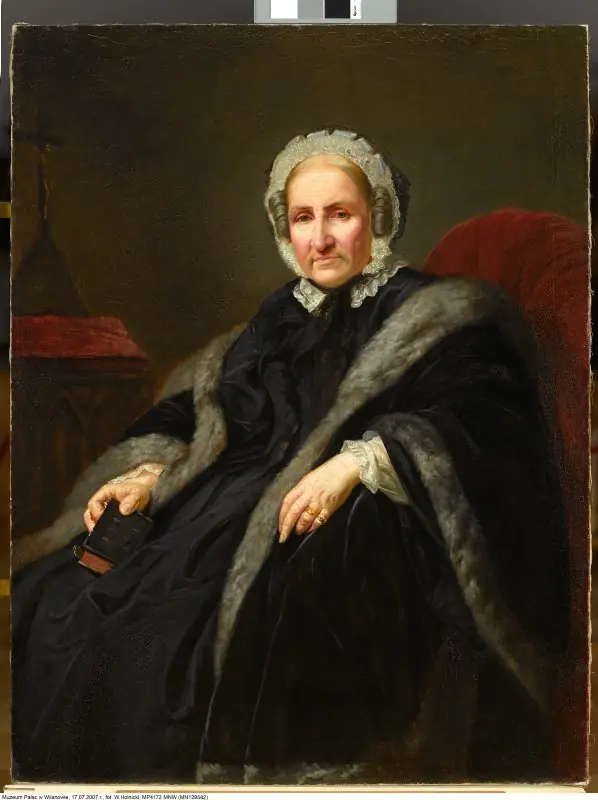 Portrait of countess Róża Sobańska
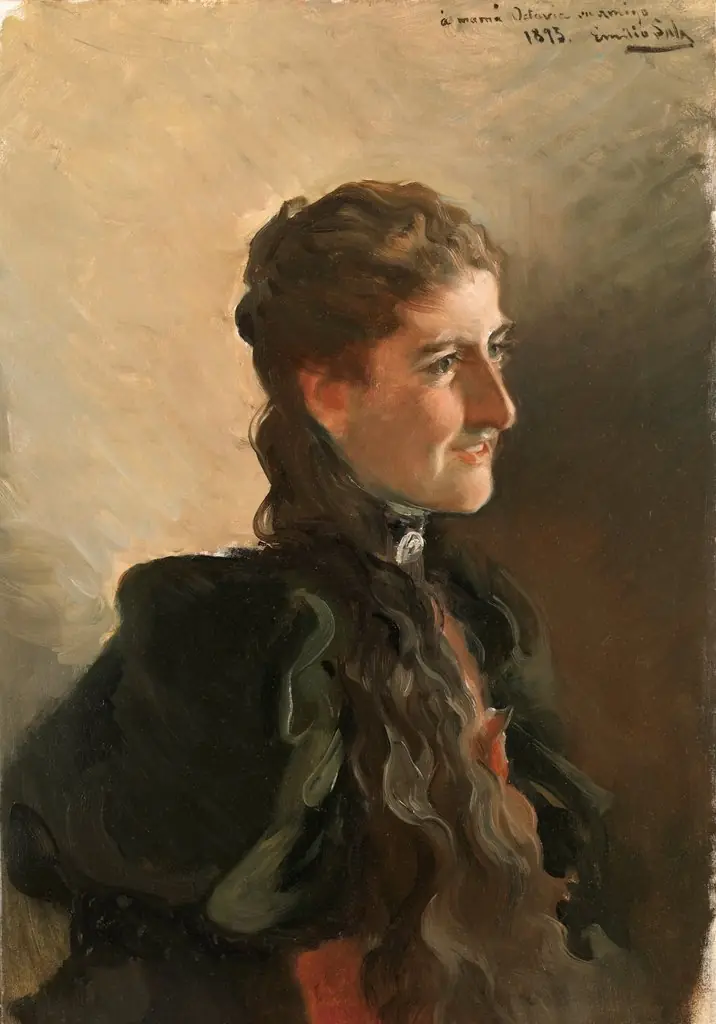 María Octavia Picón y Pardiñas
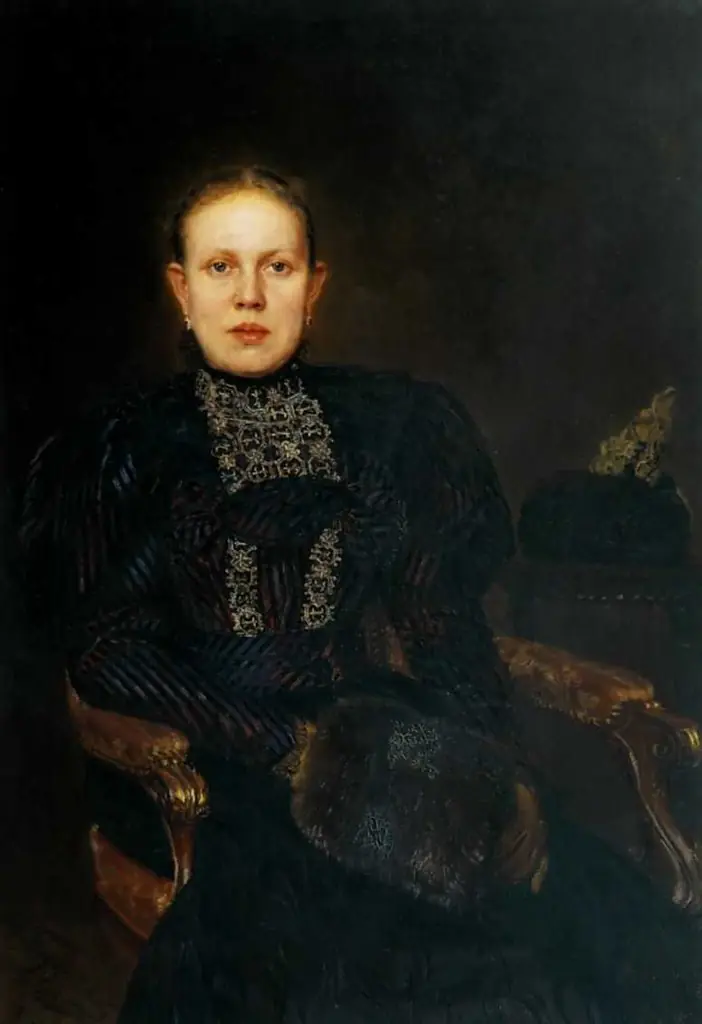 Portrait of O. Buryshkina
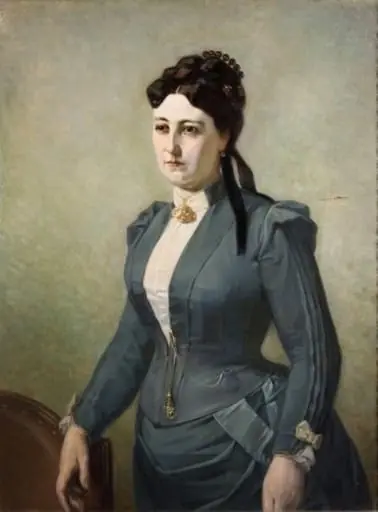 Jenny Schmidt
 Madame Spée
 Mrs A.J. Zubli-Maschhaupt
 Self-portrait
 Portrait of Mrs. Joseph-Gustave Allard (1811-1886)
 Mrs. H. D. Chapin