Artwork
Still Life
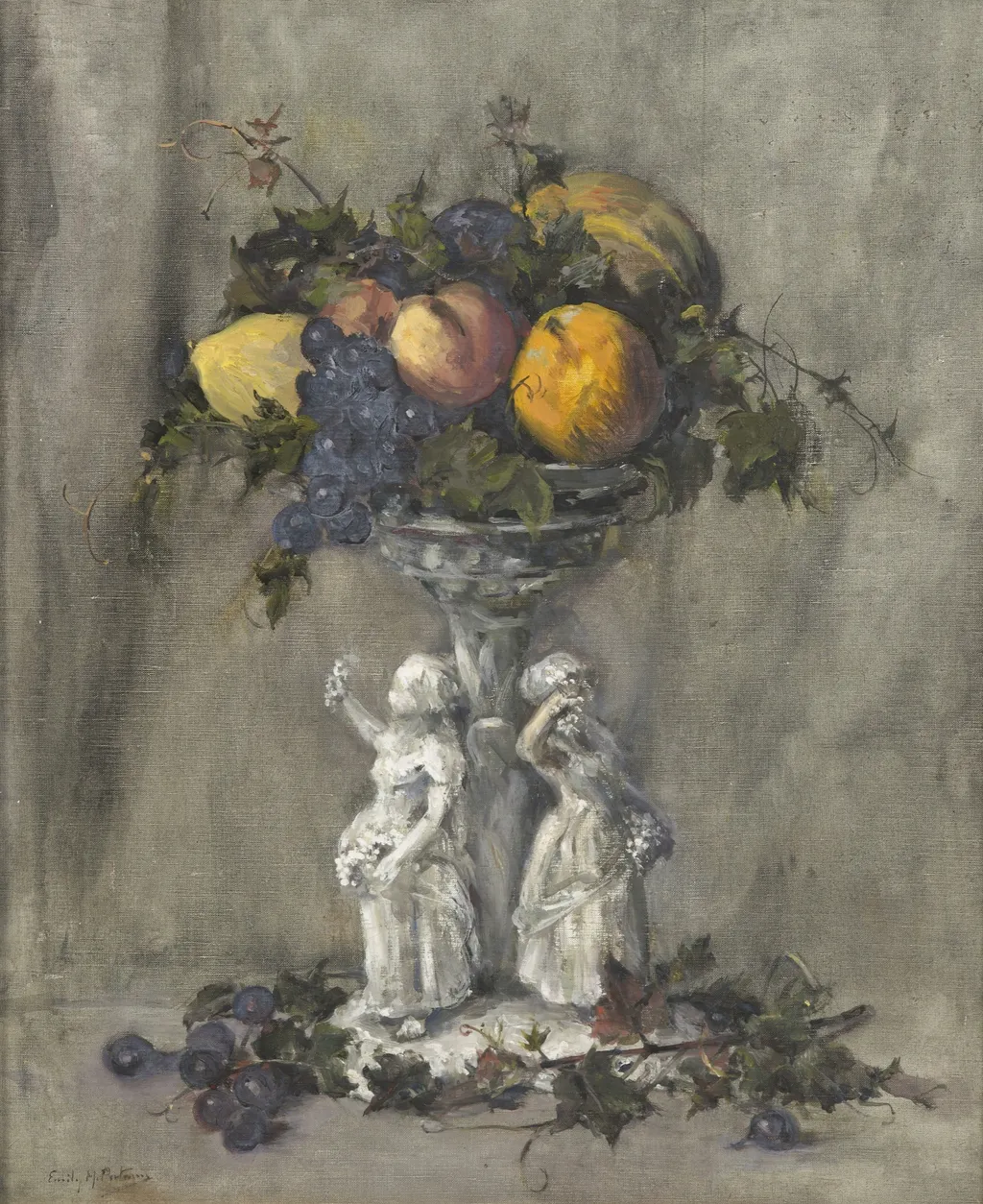
Still Life is an oil painting by the Contemporary Realist artist Emily Murray Paterson. It is held in the collection of the Museum of New Zealand Te Papa Tongarewa.
About this work
Overview
Emily Murray Paterson, a Scottish painter linked to the Glasgow School and active in the Society of Women Artists, completed this oil painting in 1936.
Emily Murray Paterson, a Scottish painter linked to the Glasgow School and active in the Society of Women Artists, completed this oil painting in 1936. It presents a carefully composed arrangement of everyday objects, reflecting the quiet precision of contemporary realism. The work is part of the permanent collection at Te Papa Tongarewa in New Zealand, where it contributes to the museum’s representation of early 20th-century still-life traditions.
Subject & Meaning
The composition centers on a bowl of fruit, apples, grapes, and lemons, resting on a raised pedestal. Two small statuettes flank the bowl, while scattered leaves and grape clusters lie on the floor below. These elements suggest themes of abundance and transience, common in still-life traditions. The absence of human presence invites contemplation of natural cycles and the quiet dignity of ordinary things.
Technique & Style
Paterson employed oil paint to render textures with subtle precision: the waxy sheen of lemon rinds, the soft bloom on apples, and the clustered transparency of grapes. The background is uniformly muted, allowing the objects to emerge with clarity. Lighting is even and diffused, minimizing dramatic shadows to emphasize form and surface rather than theatrical effect.
History & Provenance
Painted in 1936, the work remained in private hands until its acquisition by Te Papa Tongarewa. Its journey to New Zealand reflects the international circulation of works by women artists of the period. While little is documented about its early ownership, its inclusion in the museum’s collection affirms its significance within the broader context of interwar British and Commonwealth art.
Context
Paterson worked during a time when still life was often dismissed as secondary to grand historical or narrative subjects. As a woman artist in a male-dominated field, her focus on domestic arrangements aligned with limited public opportunities, yet she maintained a disciplined approach rooted in observation. Her work quietly challenged assumptions about the value of feminine-coded subjects in art.
Legacy
Though not widely exhibited, this painting endures as a representative example of early 20th-century British still life by a female artist. It contributes to ongoing scholarly efforts to recover the contributions of women in regional art movements. Its presence in a national museum underscores the growing recognition of such works as vital to understanding the period’s visual culture.
Own this work as a print
Artist & collection
Artist
Emily Murray Paterson RSW SWA (1855–1934) was a Scottish artist, connected with the Glasgow School and member of the Society of Women Artists.

Museum
Museum of New Zealand Te Papa Tongarewa
Continue through works from the same source collection.
- Still-life study of fruit on a marble sarcophagus, used as a preparatory study for <i>Clytie</i>
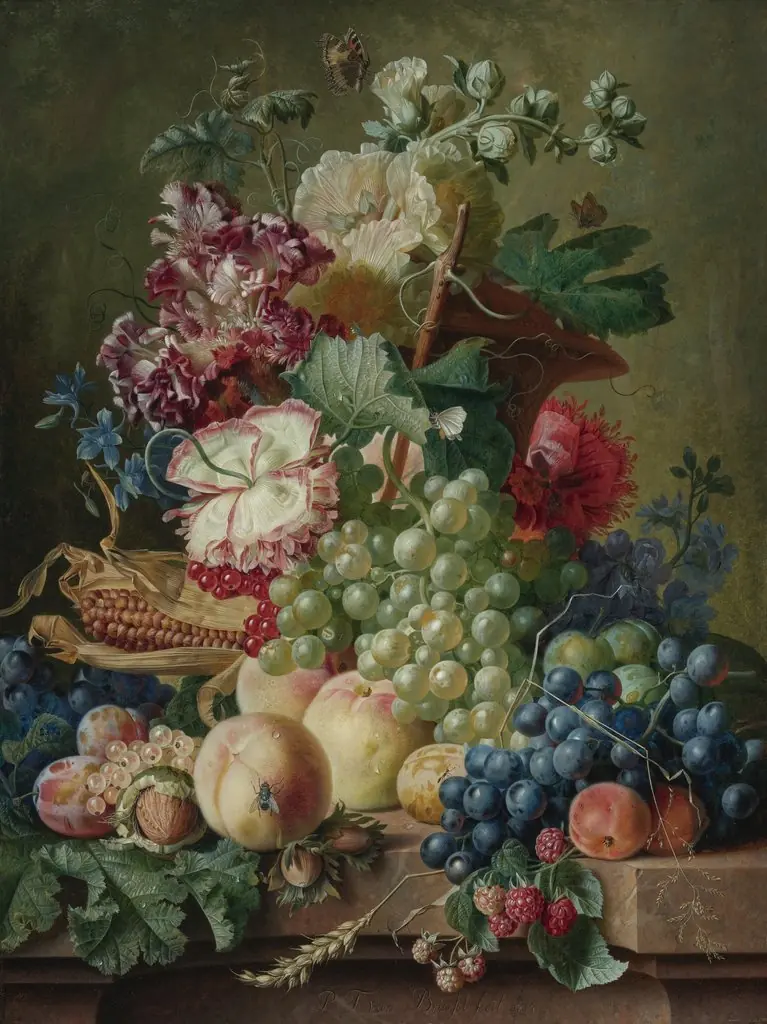 Still life of flowers and fruits on a marble ledge
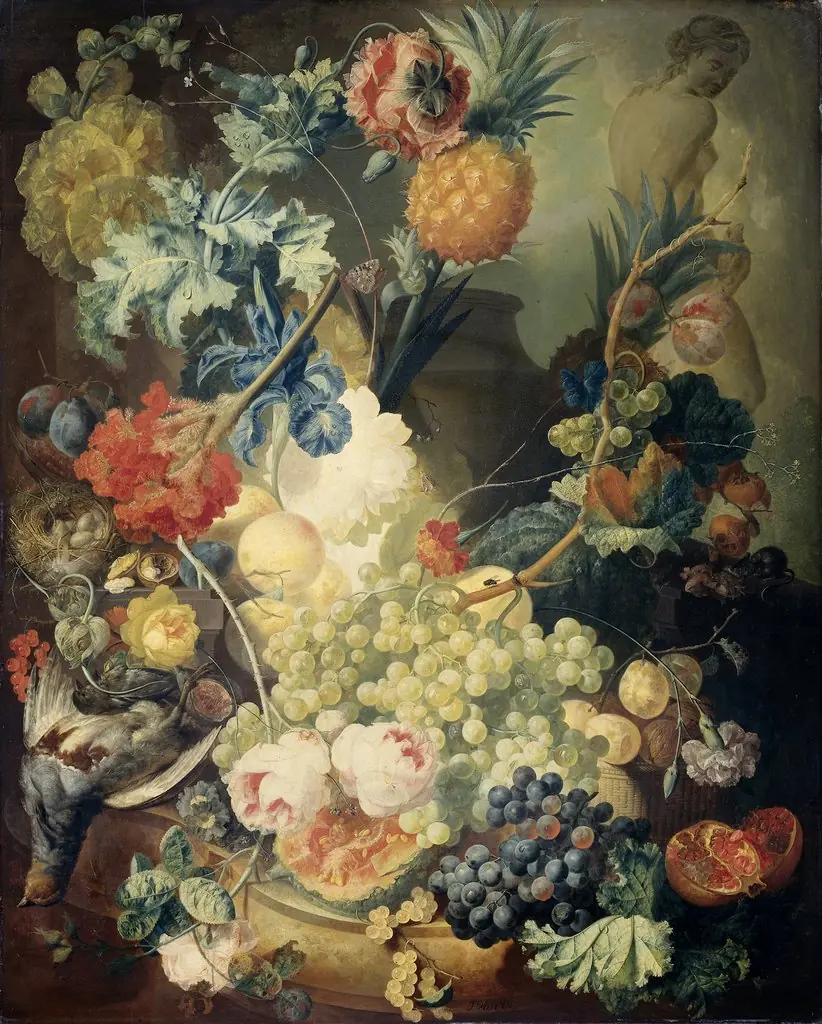 Still Life with Flowers, Fruit and Birds
 Still Life with Flowers, Fruit and Birds
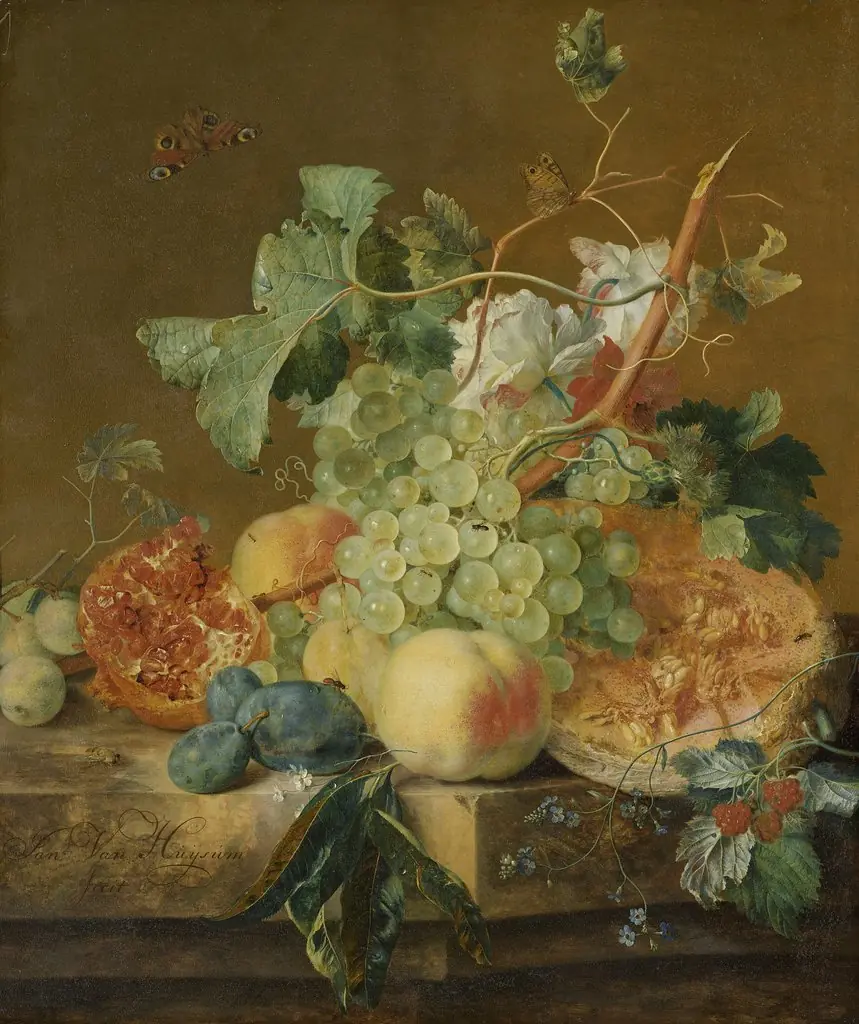 Still Life with Fruit
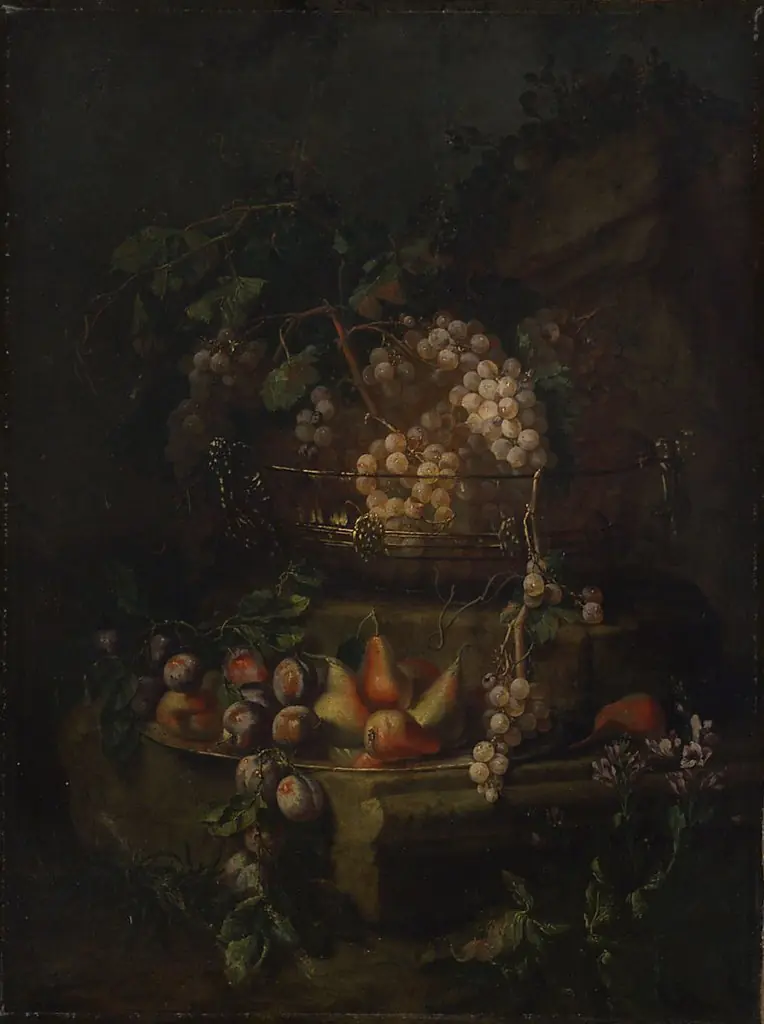 Still life with Fruit
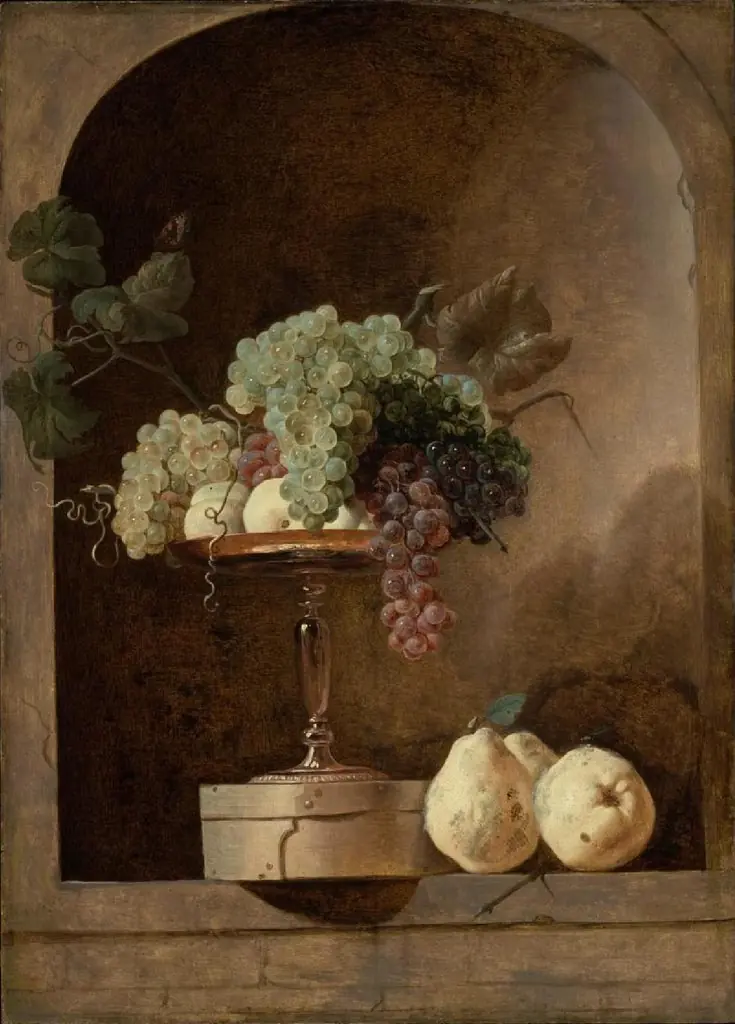 Grapes, Peaches and Quinces in a Niche
 Bunches of Grapes, Pomegranates and Figs in a Landscape
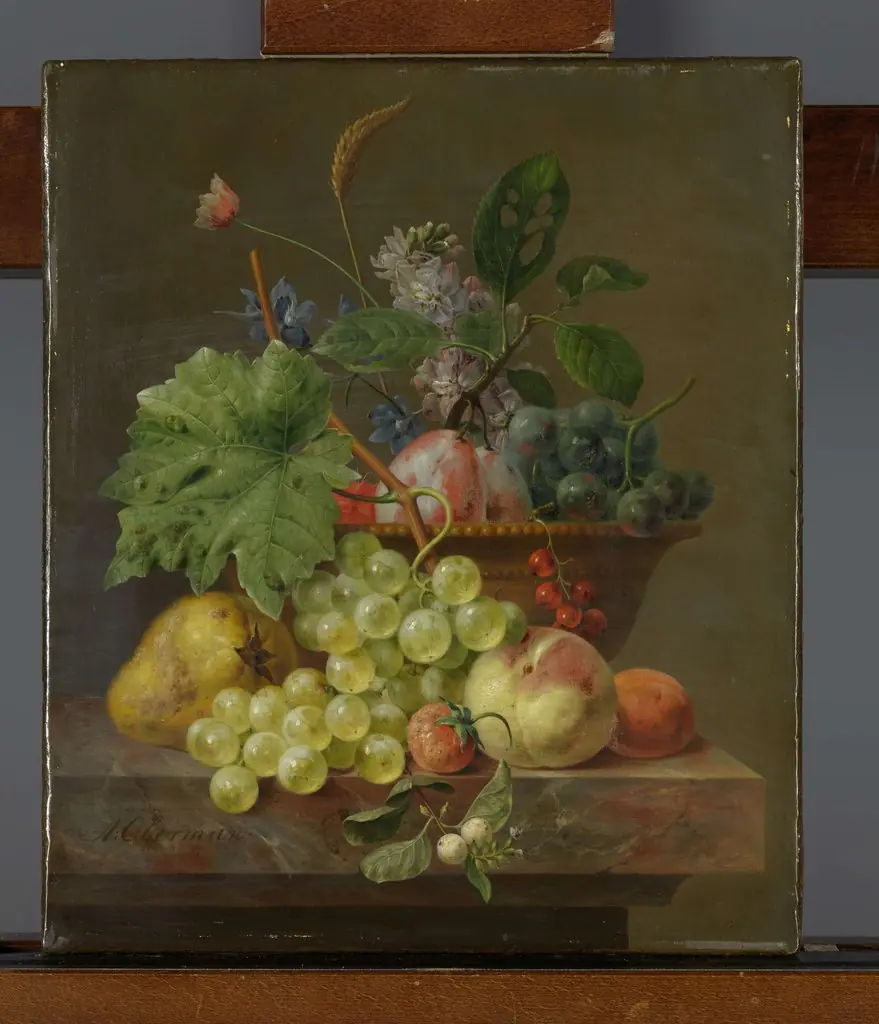 Still Life with Fruit in a Terracotta Dish
 Still Life with Grapes and other Fruit
 still life with fruits and flowers
 Coș cu fructe