Artwork
Paul Henri Marron, president of the consistory of the Protestant church in Paris
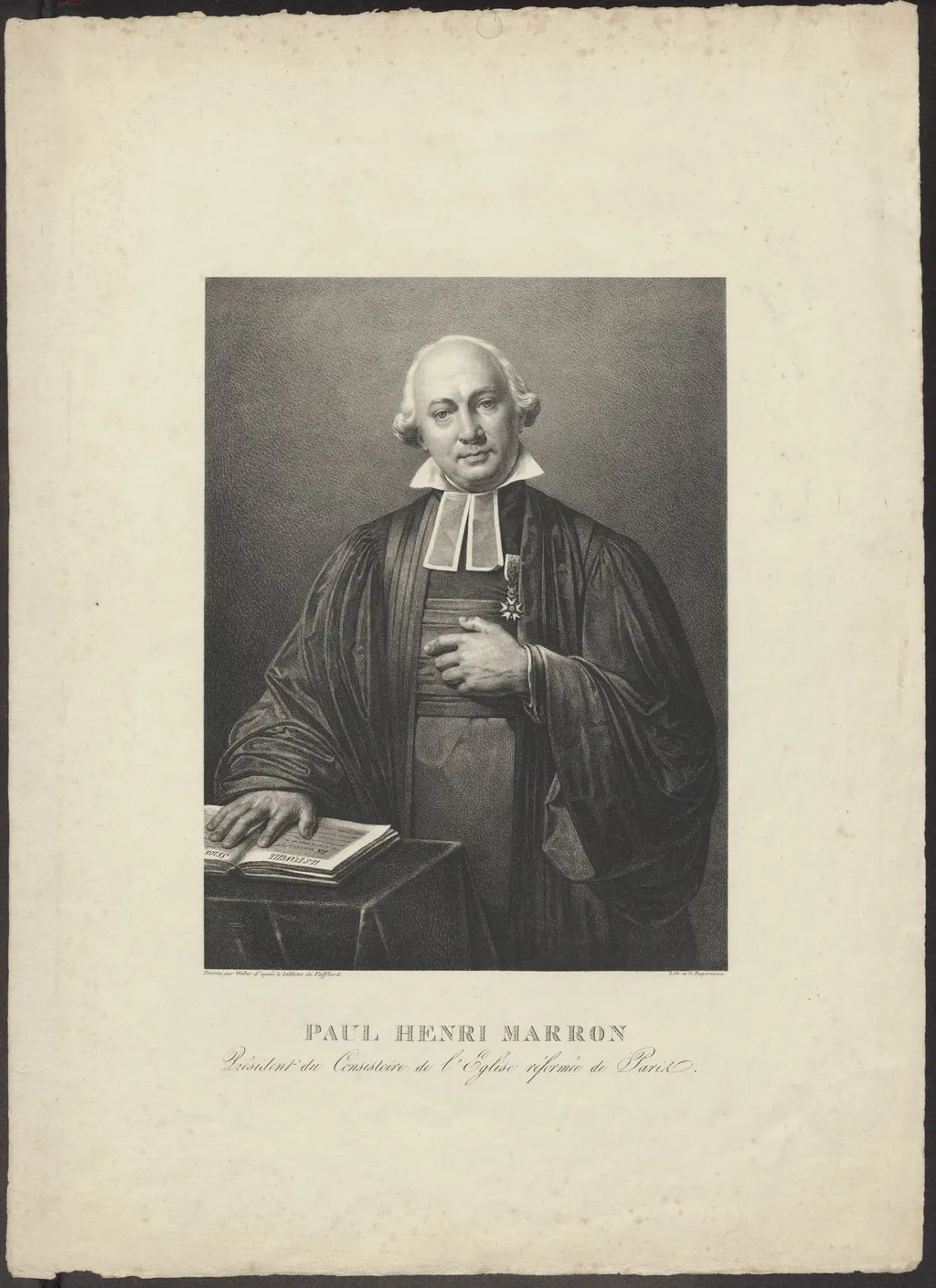
Paul Henri Marron, president of the consistory of the Protestant church in Paris is a drawing by Engelmann Gottfried. It is held in the collection of the Leiden University Libraries. The portrait depicts Paul Henri Marron, who served as president of the Parisian Protestant consistory.
About this work
You can see the thin, parallel lines, called cross-hatching, around the collar and face.
This drawing shows Paul Henri Marron, the president of Paris’s Protestant church. He sits straight-backed, one hand resting on a book. The artist uses careful lines to shape his face and coat.
The drawing comes from a sketch by Weber. Weber started with a painting by Vafflard, and Engelmann copied that drawing. You can see the thin, parallel lines, called cross-hatching, around the collar and face.
Look up Engelmann, Gottfried, (1788–1839) to see more of his work.
Overview
The portrait depicts Paul Henri Marron, who served as president of the Parisian Protestant consistory. Rendered in a monochrome drawing, Marron is seated upright, his posture formal, with one hand placed on a book. The work is executed in fine linear marks that define his facial features and the folds of his coat.
Subject & Meaning
Marron’s representation emphasizes his clerical authority and scholarly demeanor, suggested by the book he holds and his composed bearing. The restrained composition reflects the dignified role he occupied within the Protestant community of early‑19th‑century Paris.
Technique & Style
The drawing relies on delicate cross‑hatching, a method of parallel lines that builds tonal depth, particularly evident around the collar and facial planes. These precise strokes create subtle gradations of light and shadow, characteristic of the period’s draftsmanship.
History & Provenance
The image originates from a chain of reproductions: Gottfried Engelmann (1788–1839) copied a sketch made by an artist named Weber, which itself was derived from an original painting by Vafflard. Engelmann’s version preserves the linear qualities of the intermediary sketch.
Context
The portrait belongs to a tradition of documenting religious leaders through portraiture, a practice common in post‑Revolutionary France as Protestant institutions re‑established their public presence. The collaborative lineage of the work illustrates how images were disseminated among artists and patrons at the time.
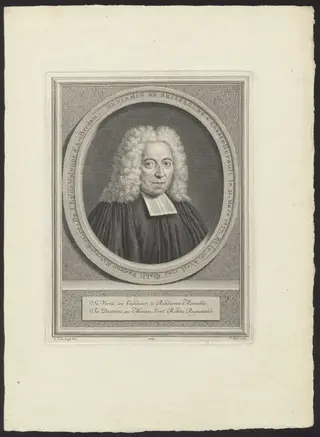
Own this work as a print
Artist & collection
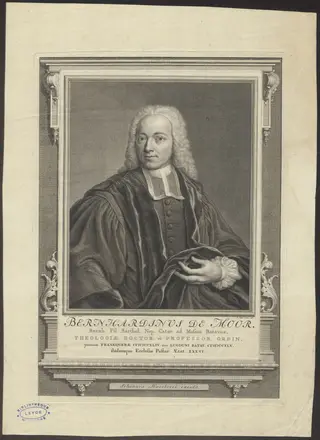 Portrait of Bernardinus de Moor, professor of theology
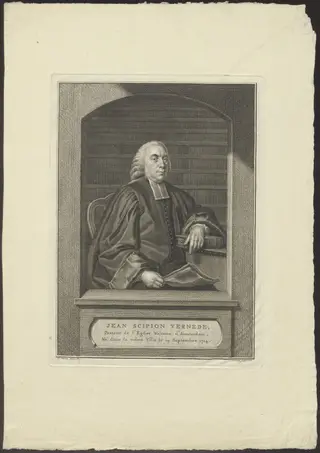 Portrait of Jean Scipion Vernede, Walloon minister in Amsterdam
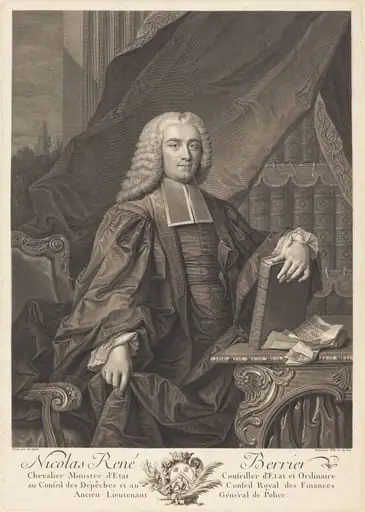 Nicolas Rene Berryer
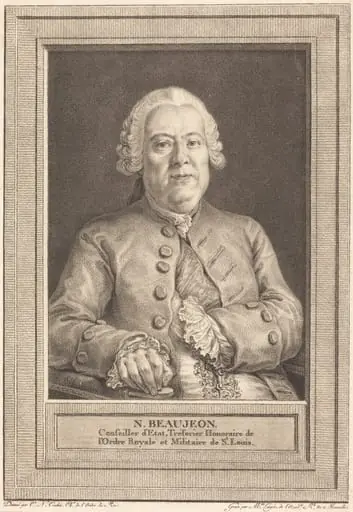 N. Beaujeon
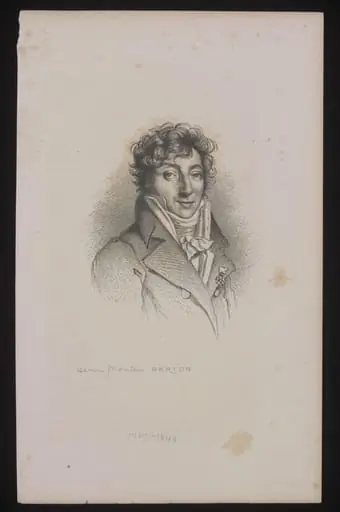 H Beard Print Collection
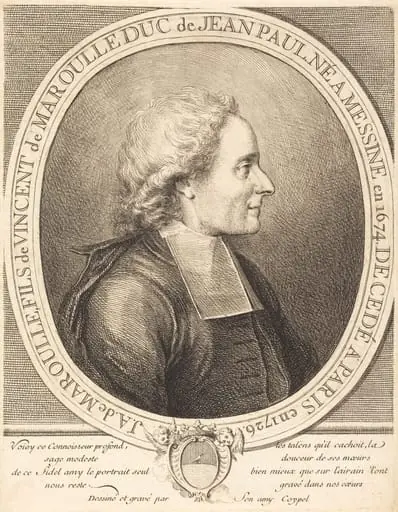 L'Abbe Jean-Antoine de Maroulle
 H Beard Print Collection
 Abbé Nollet
 Portrait of J.H. Samuel Formey
 Portrait of Jean Claude, Ministre de Charenton