Artwork
The Robbery
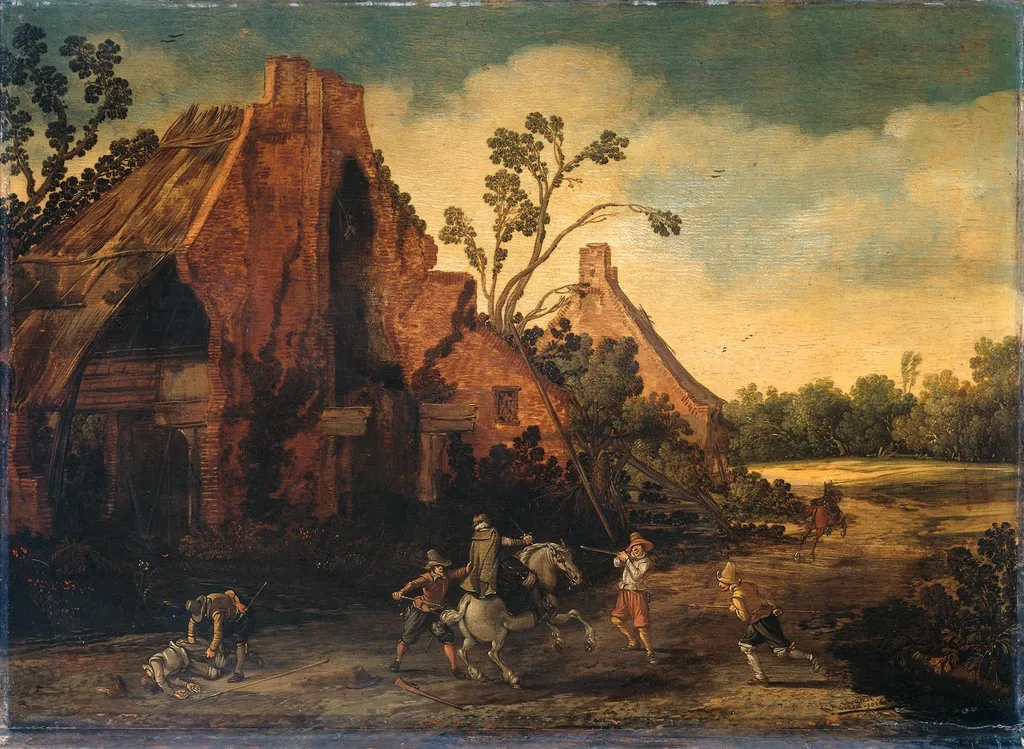
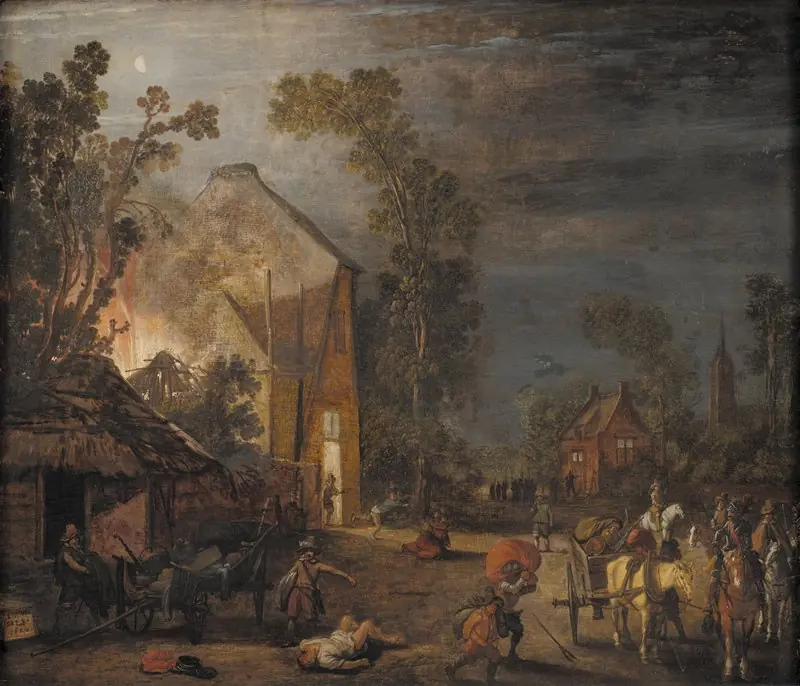
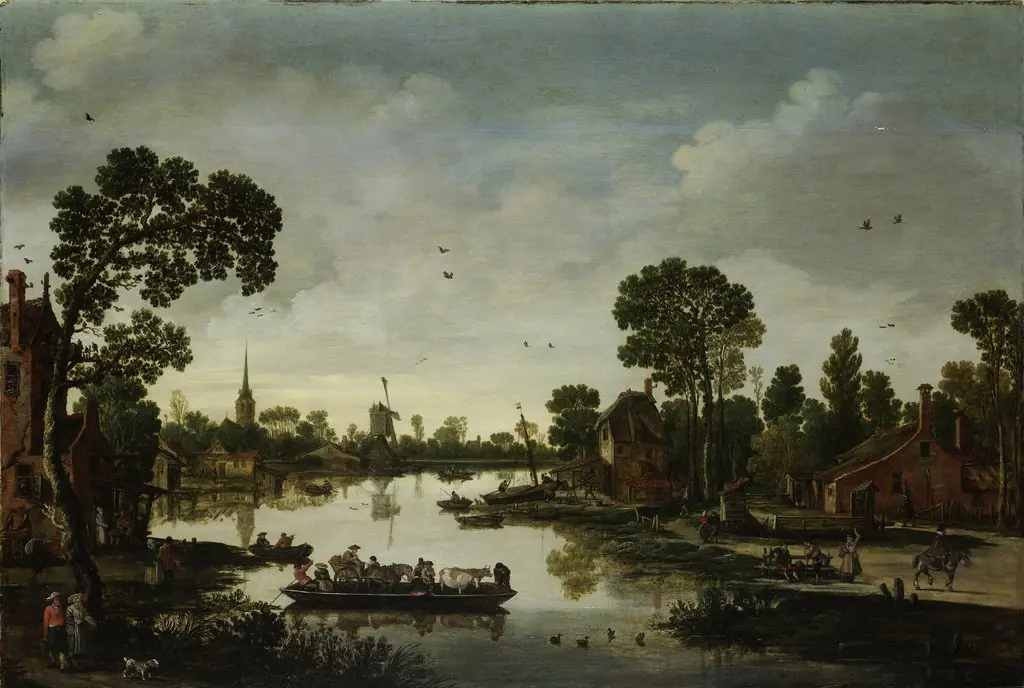
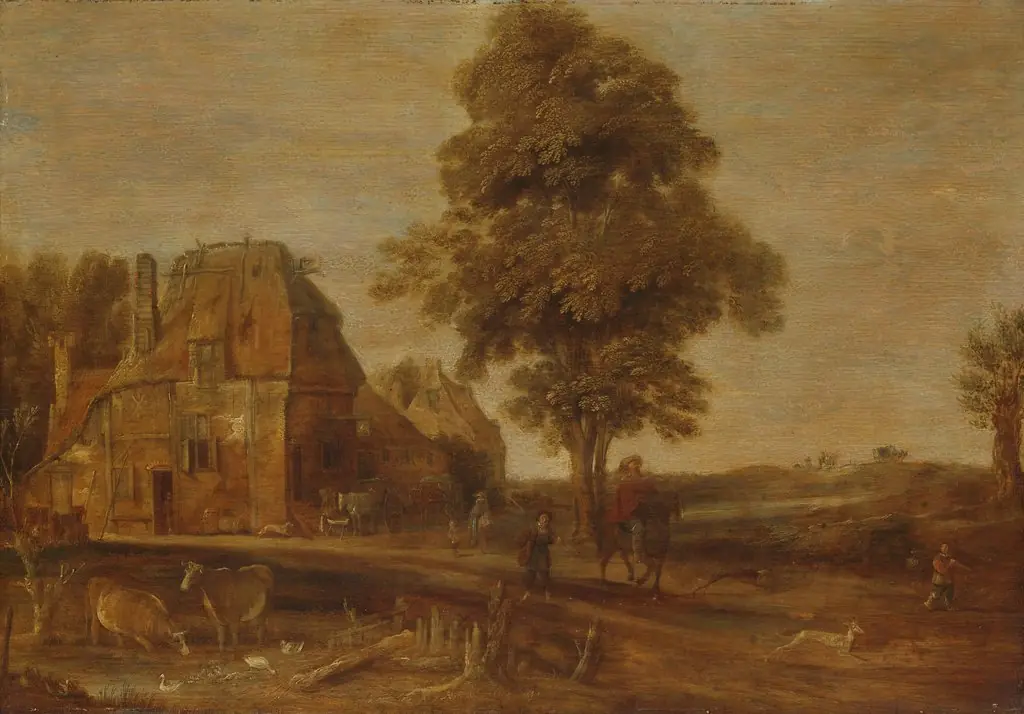
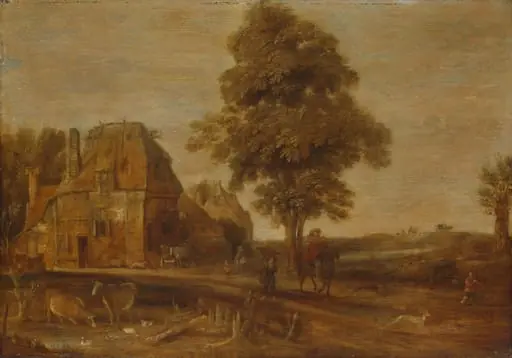
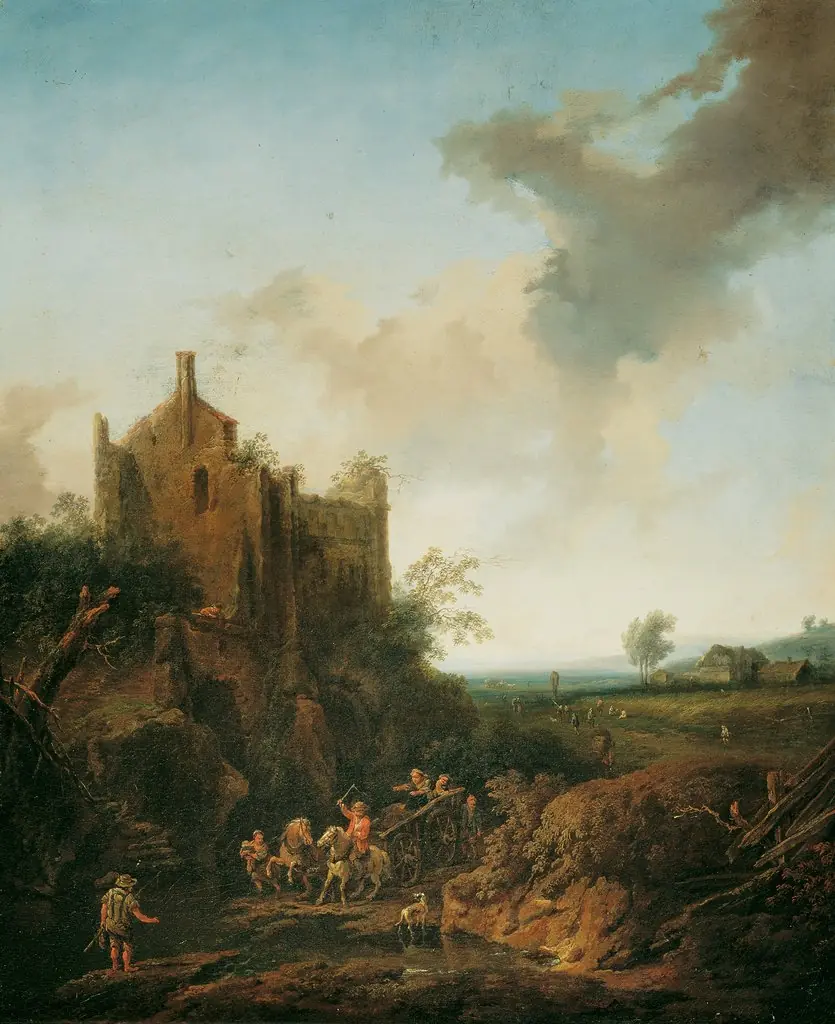
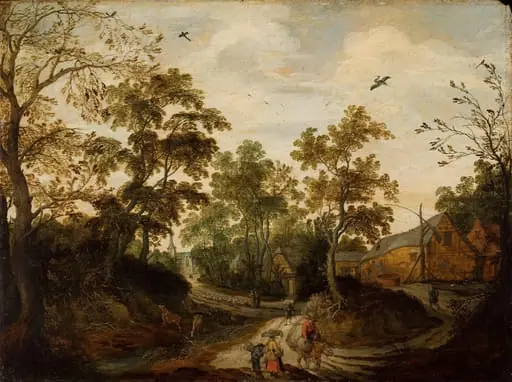
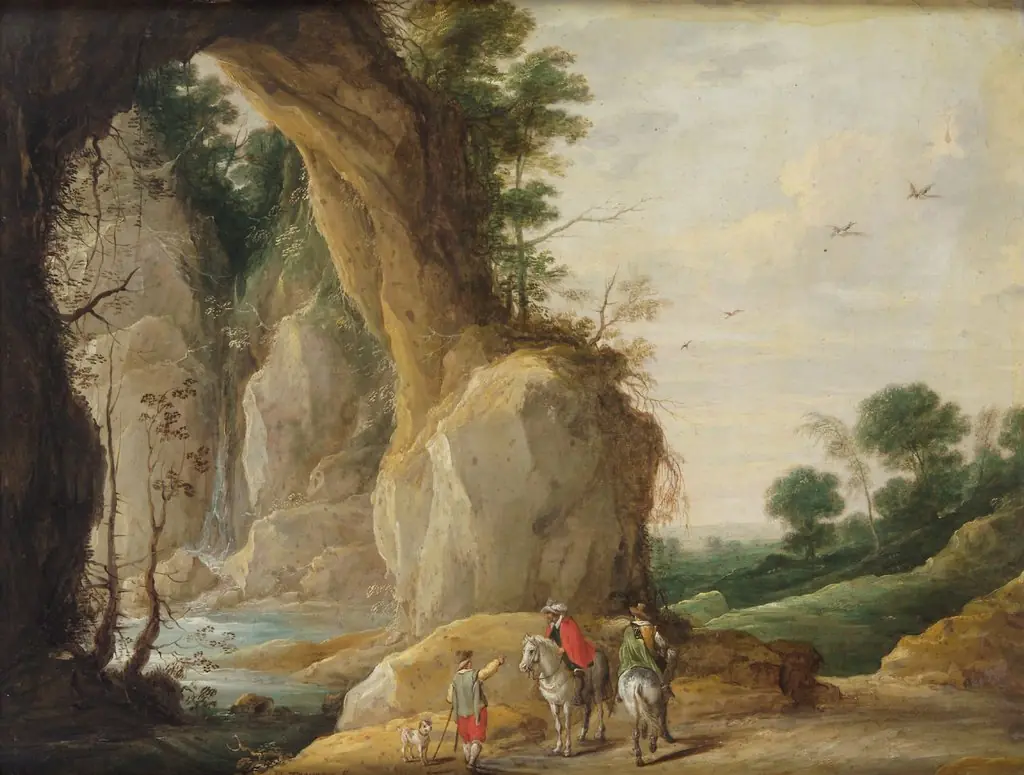
The Robbery is an oil painting by the Dutch Golden Age artist Esaias van de Velde. It dates from 1616 and is held in the collection of the Rijksmuseum.
About this work
Technique & Style
The composition demonstrates a restrained use of light and shadow, reflecting the stylistic concerns of early 17th-century Dutch landscape painting.
The work is an oil painting executed on wooden panel, measuring 36.7 cm in height by 50.1 cm in width. It depicts a tree and was created in 1616. The surface bears the characteristic handling of early Dutch oil technique, with a focus on naturalistic rendering and atmospheric depth.
The composition demonstrates a restrained use of light and shadow, reflecting the stylistic concerns of early 17th-century Dutch landscape painting.
History & Provenance
The painting The Robbery was created in 1616 by Esaias van de Velde, who painted it in oil on panel. Its dimensions are 36.7 cm by 50.1 cm, and it depicts a tree. The work entered the collection of the Rijksmuseum, which is part of the Royal Dutch Antiquarian Society, and remains on display there.
The painting was executed in 1616, as recorded in its creation history and confirmed by its dated inception.
The painting The Robbery by Esaias van de Velde (1616) is housed in the Rijksmuseum and is catalogued under the inventory number SK-A-1234. It has been part of the museum's exhibition of Dutch Golden Age works, featured in the 1999 exhibition "Dutch Masters: From Vermeer to Rembrandt" and again in the 2015 showcase "Golden Age Masterpieces".
Context
Esaias van de Velde's 1616 painting The Robbery entered the collection of the Rijksmuseum and the Royal Dutch Antiquarian Society, where it remains displayed as of 2023. The work, an oil on panel measuring 36.7 cm by 50.1 cm, depicts a tree and was created during van de Velde's early period in Amsterdam. Scholars have examined its composition and use of light to trace the development of Dutch landscape painting in the early 17th century.
Overview
Esaias van de Velde’s 1616 oil painting The Robbery depicts a bustling street episode set within an early‑modern Dutch town. Four mounted figures assault a solitary pedestrian, whose outstretched hands clutch his possessions as he lies on the cobbles. The composition is framed by a line of trees and low‑lying brick structures topped with thatched roofs, all bathed in a gentle, warm‑toned sky.
Subject & Meaning
The work captures a moment of violent intrusion, contrasting the vulnerability of the fallen victim with the aggressive posture of the horsemen. By placing the scene in an ordinary urban setting, van de Velde may be commenting on the precariousness of daily life in the early seventeenth‑century Netherlands, where lawlessness could erupt amidst familiar streets and market places.
Own this work as a print
Artist & collection
Artist
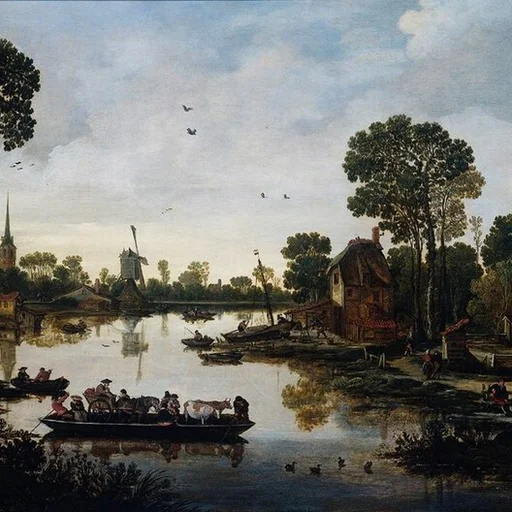
Esaias van de Velde (17 May 1587 (baptized) – 18 November 1630 (buried)) was a Dutch Golden Age painter, mainly of landscapes and a printmaker who experimented with etching.