Artwork
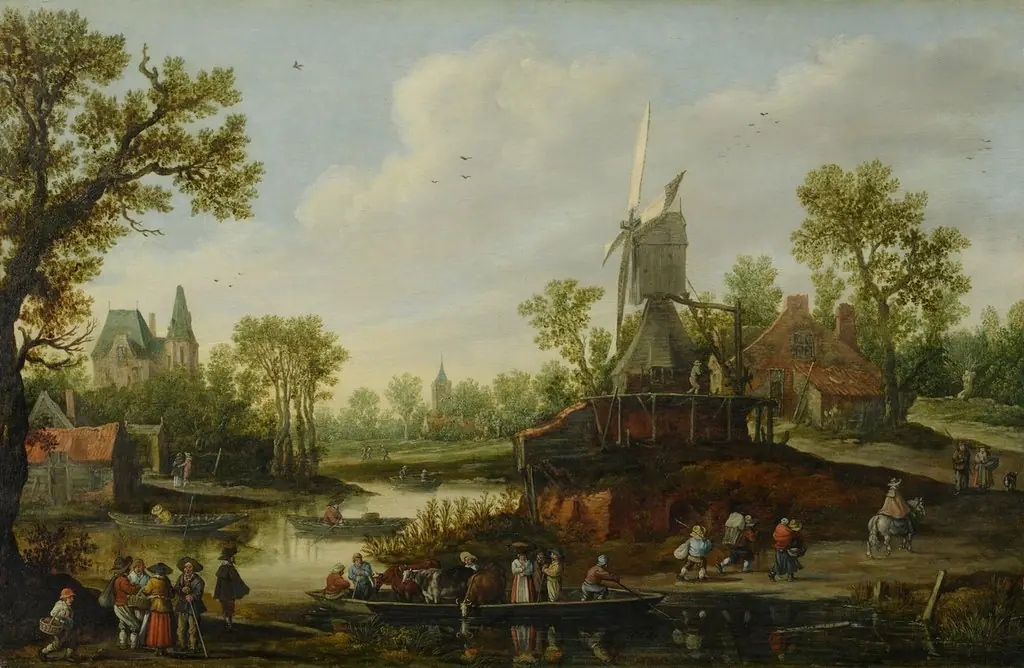
Het ponteveer
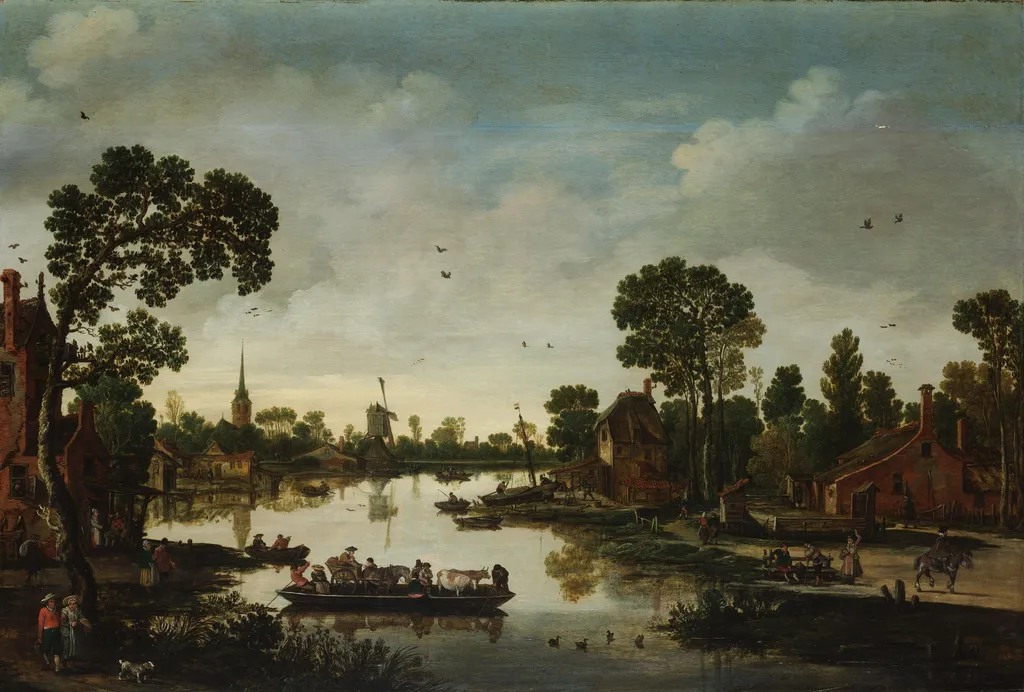
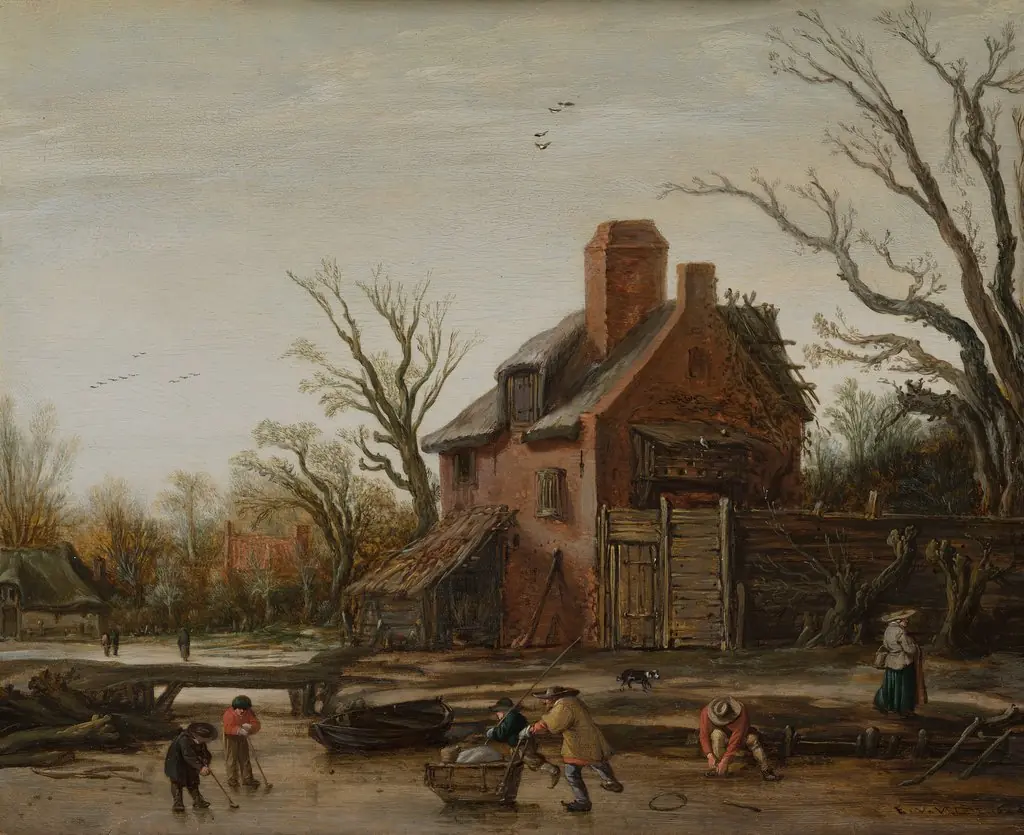
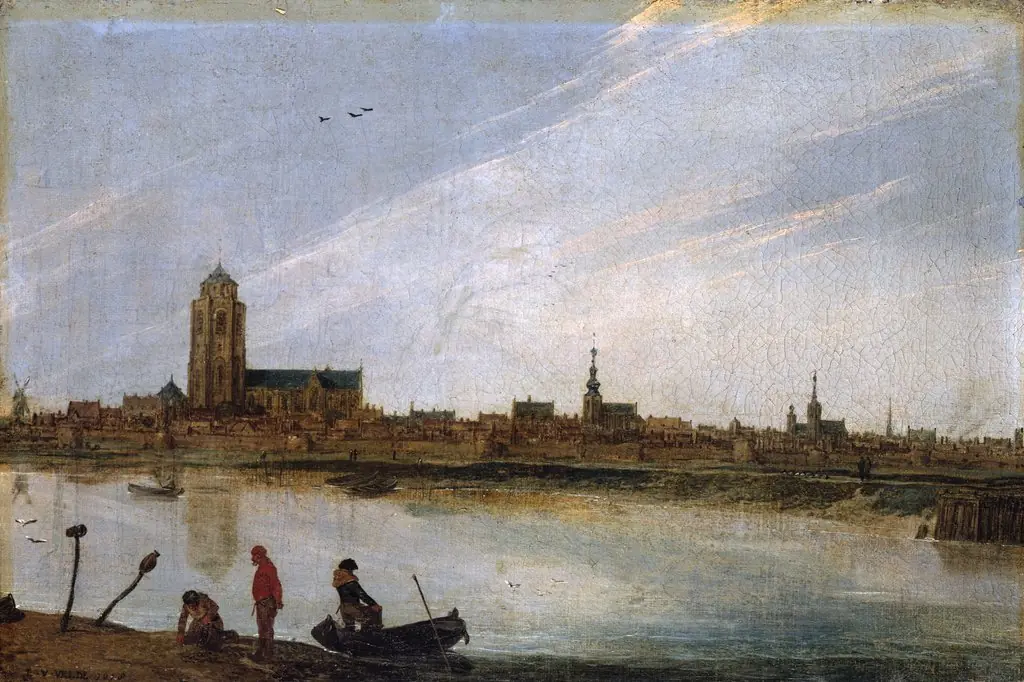
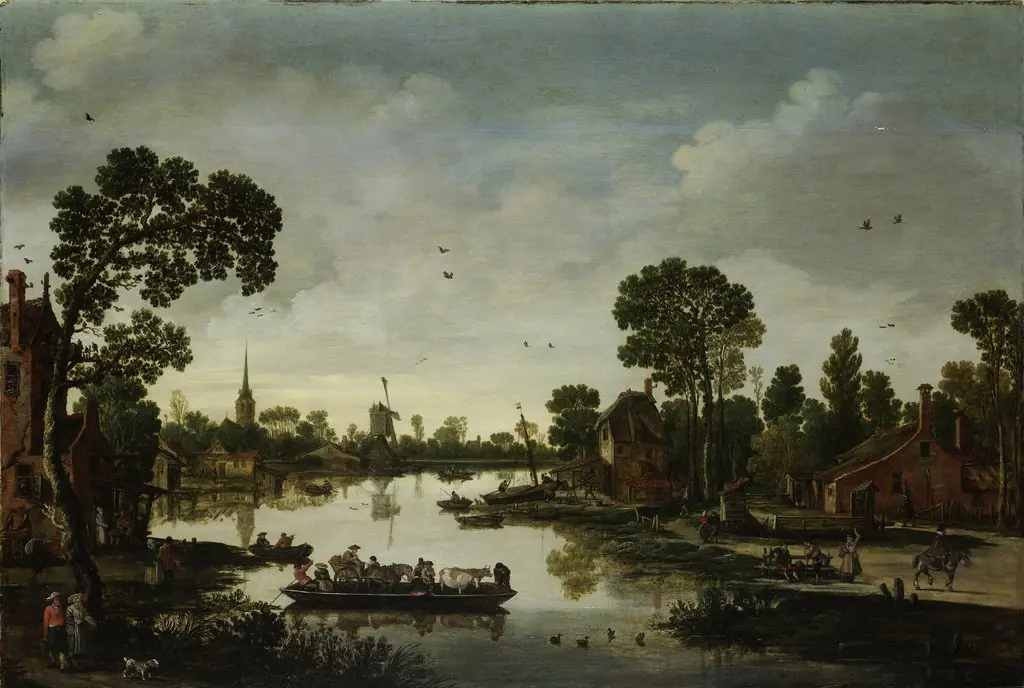
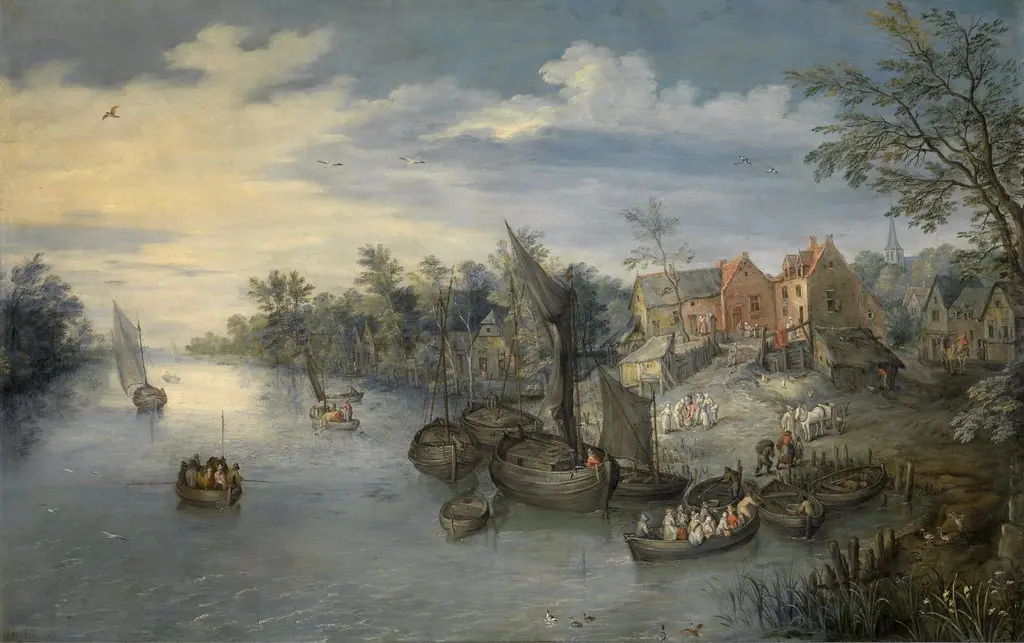
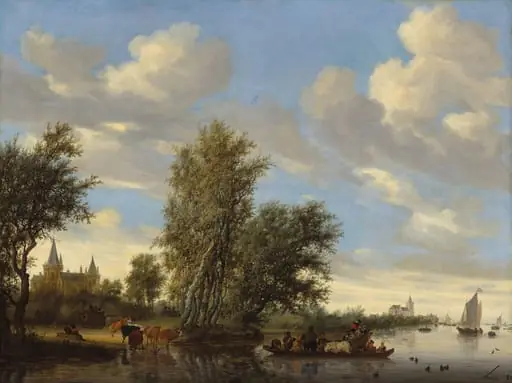
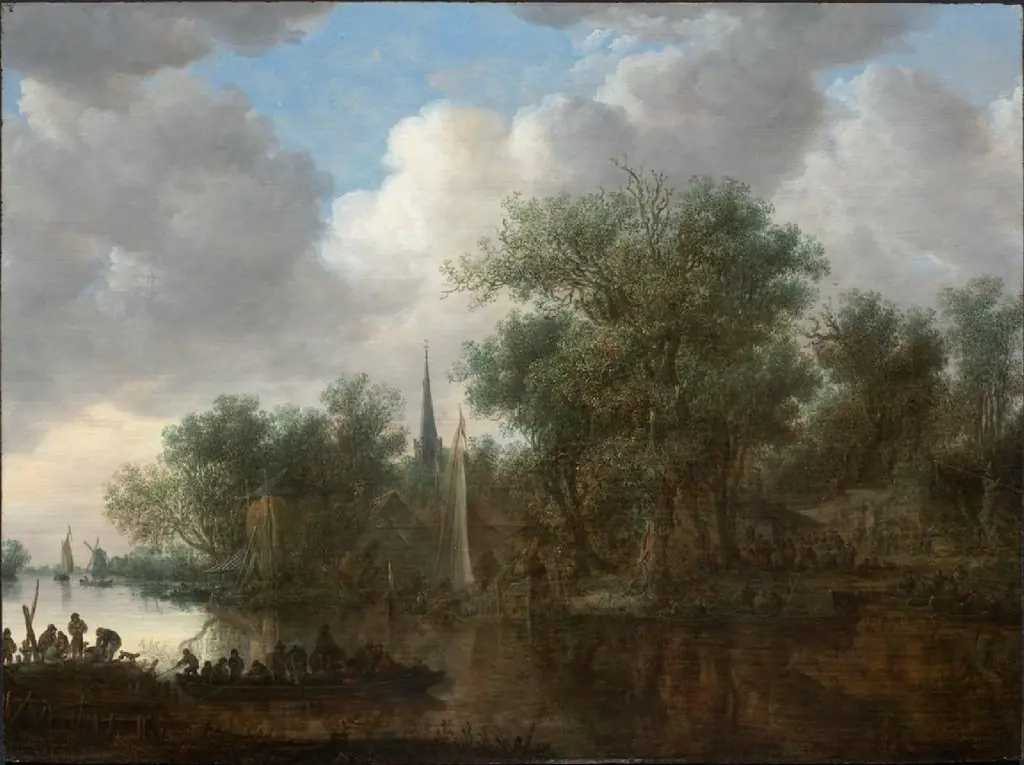
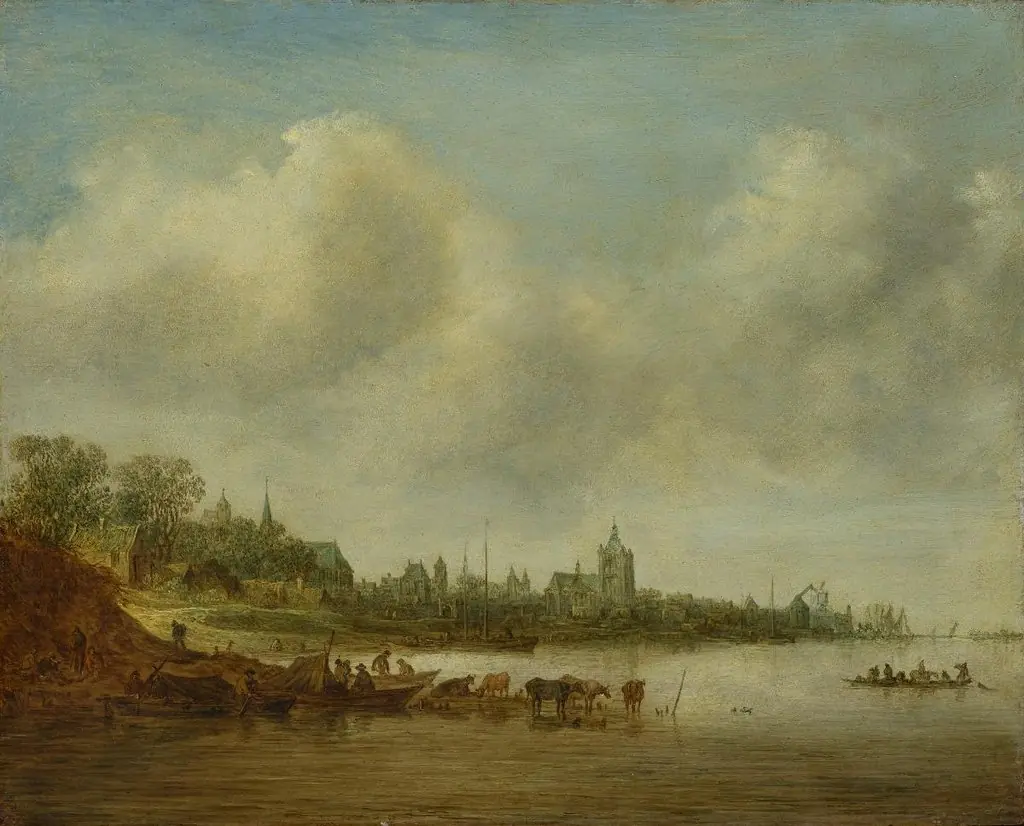
Het ponteveer is an unspecified painting by the Dutch Golden Age artist Esaias van de Velde. It dates from 1622 and is held in the collection of the Rijksmuseum. The work presents an expansive view of a Dutch river at twilight, rendered on a canvas unusually large for its period.
About this work
Subject & Meaning
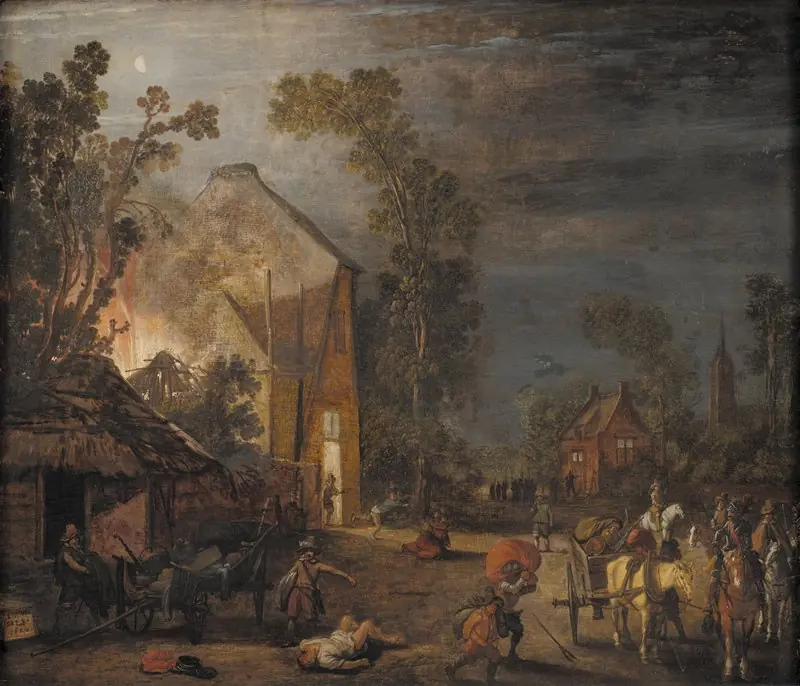
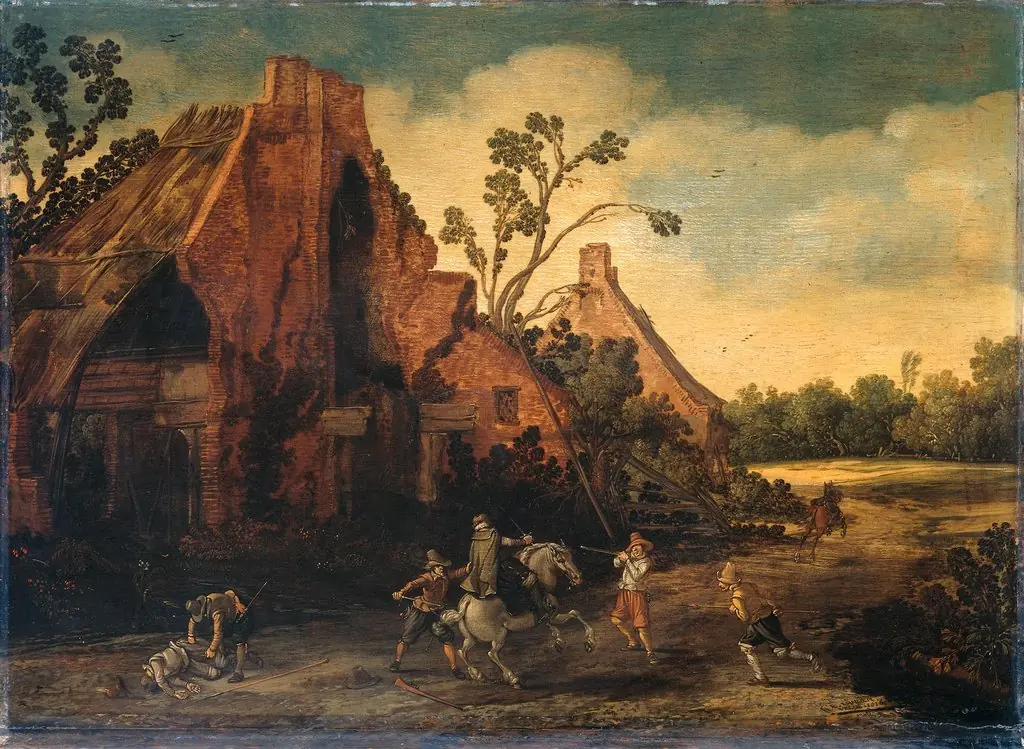
His works frequently depicted military engagements, village life, and winter scenes, reflecting the turbulent early 17th-century Netherlands.
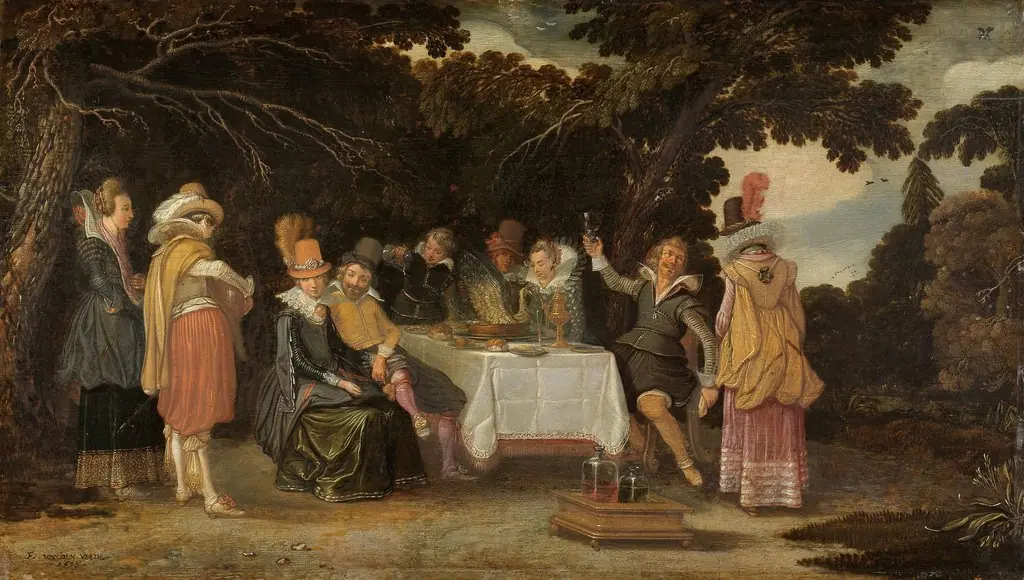
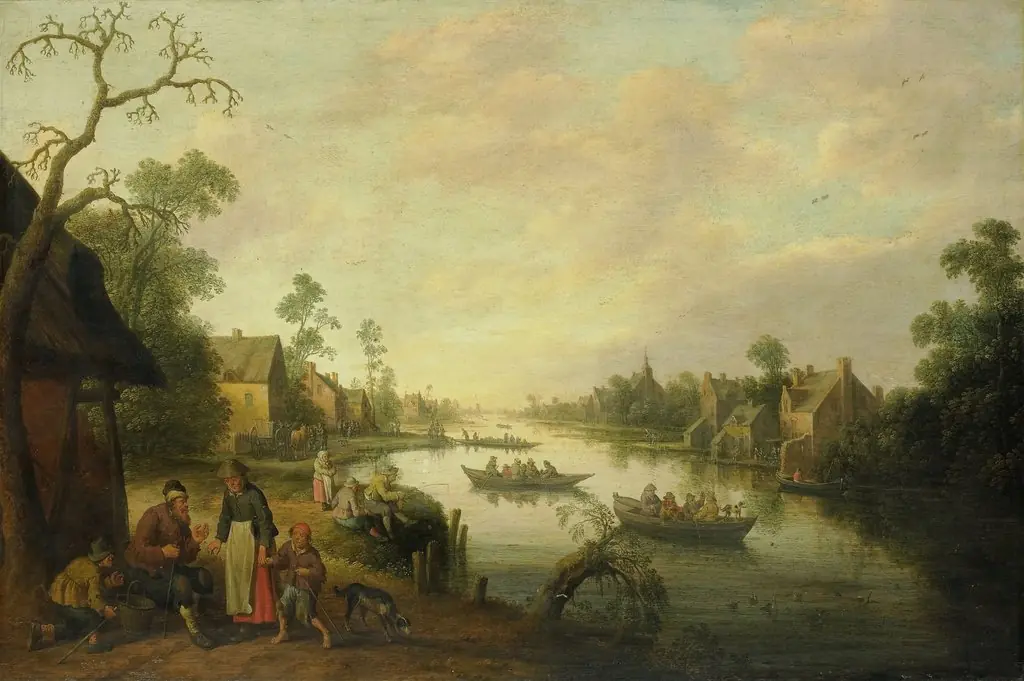
Esaias van de Velde specialized in landscapes and battle scenes that often carried moral or patriotic undertones. His works frequently depicted military engagements, village life, and winter scenes, reflecting the turbulent early 17th-century Netherlands. Symbolically, his winter landscapes and rural festivities conveyed themes of communal resilience and the passage of time, while his battle paintings, such as La Redditeit van Bois-le-Duc, celebrated Dutch resistance and triumphs. These subjects aligned with his role as a court painter to Prince Maurits and Frederick Henry, blending realism with allegorical meaning.
History & Provenance
The work Het ponteveer was created in 1622 by Esaias van de Velde, as recorded in the internal catalog entry (SOURCE 1) which specifies the date and artist. Esaias van de Velde was baptized in Amsterdam on 17 May 1587 and died in The Hague in 1630, with his career centered in Haarlem and later at the court of Maurice and Frederick Henry of Nassau, as detailed in SOURCES 3 and 4. He developed his landscape style through experimentation with etching and was influenced by Adam Elsheimer and the German painter Adam Elsheimer, contributing to the emergence of realistic Dutch landscape painting in the early 17th century. His court role and artistic output were documented in Dutch and German sources, including his membership in the Haarlem Guild of St. Luke in 1612 and his work for Prince Maurits, with his death and burial recorded in The Hague in 1630. The painting's creation history aligns with his broader practice of genre and military subjects, as noted in SOURCE 3 and SOURCE 4, and his influence on later Dutch painters such as Jan van Goyen and Pieter de Neyn is confirmed by multiple biographical records. Het ponteveer is held in the collection of the Rijksmuseum in Amsterdam with the inventory number SK-A-1666. The work was created in 1622 by Esaias van de Velde, a Dutch Golden Age landscape painter. It has been exhibited in at least two major retrospectives: the 1984 exhibition "Esaias van den Velde, 1587-1630" organized by George S. Keyes, and a 2015 joint presentation at the Rijksmuseum and the Mauritshuis that featured the painting alongside other works by the artist. No further exhibition records are documented in the provided sources.
Context
Esaias van de Velde (baptized 17 May 1587, buried 18 November 1630) was a Dutch Golden Age painter of landscapes, genre scenes, and battle subjects, as well as a pioneering printmaker who experimented with etching. Trained first by his father Hans van de Velde and probably by Gillis van Coninxloo, he joined the Haarlem Guild of St. Luke in 1612 alongside Hercules Segers, an event that helped establish realistic landscape painting as an independent genre in the northern Netherlands. His adoption of a lowered horizon and triangular compositions, influenced by Adam Elsheimer, pushed Dutch landscape away from the mannerist tradition of his teacher. Working in Haarlem from 1610 to 1618 and then in The Hague, where he served as Court Painter to Prince Maurits and Frederick Henry of Nassau, van de Velde is regarded as a founder of the Dutch school of battle painters, drawing on prints after Antonio Tempesta and Otto van Veen. His pupils included Jan van Goyen, Pieter de Molyn, Pieter de Neyn, and Pieter van Laer, artists who carried his naturalistic landscape approach into the next generation. The principal scholarly monograph on him is George S. Keyes, Esaias van den Velde, 1587-1630 (1984).
Own this work as a print
Artist & collection
Artist
Esaias van de Velde (17 May 1587 (baptized) – 18 November 1630 (buried)) was a Dutch Golden Age painter, mainly of landscapes and a printmaker who experimented with etching.