Artwork
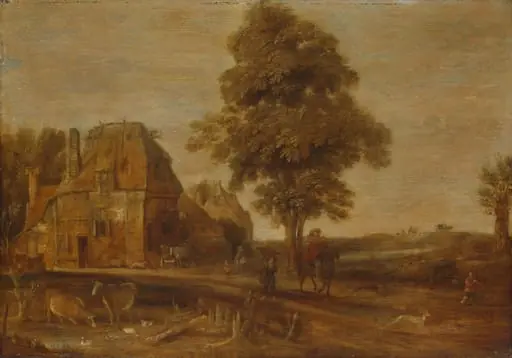
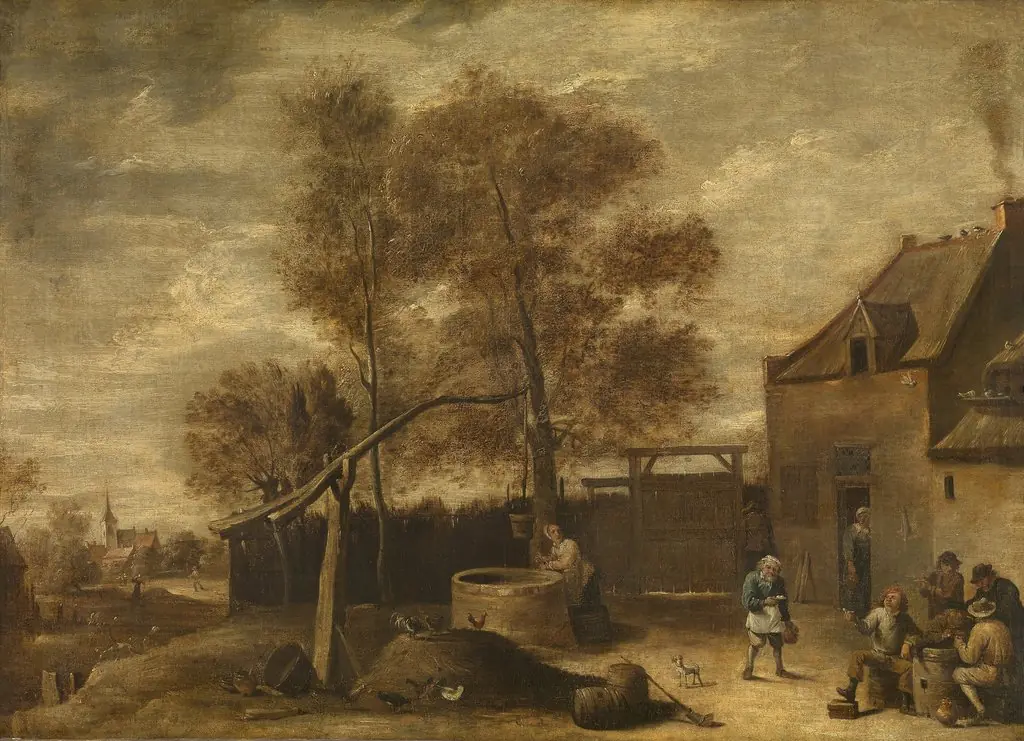
Landscape with watering place
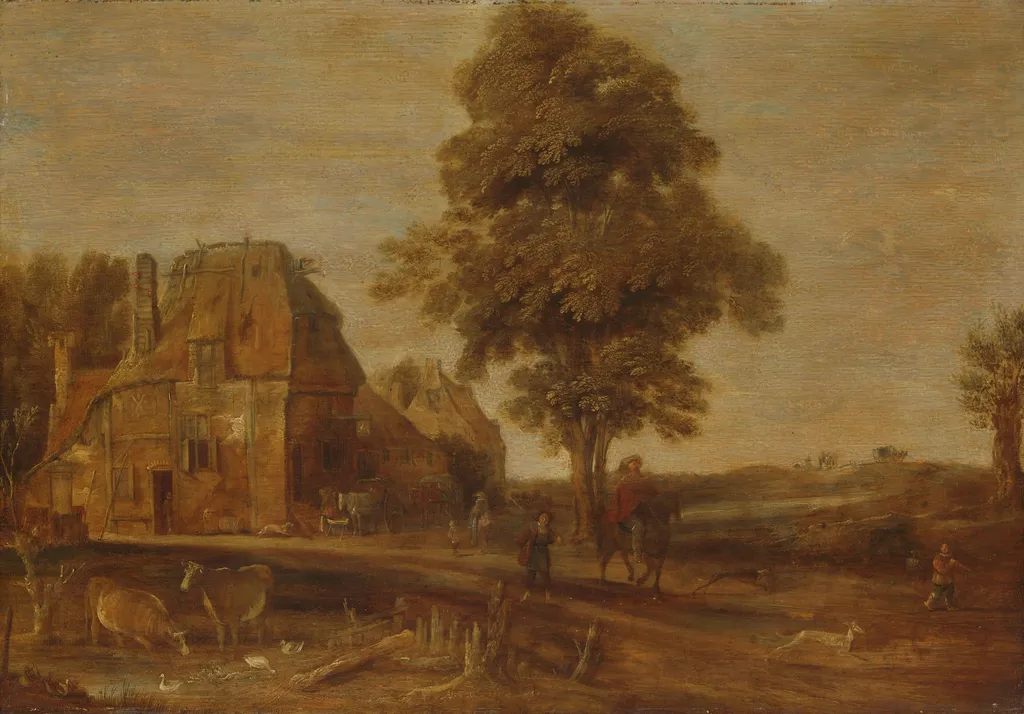
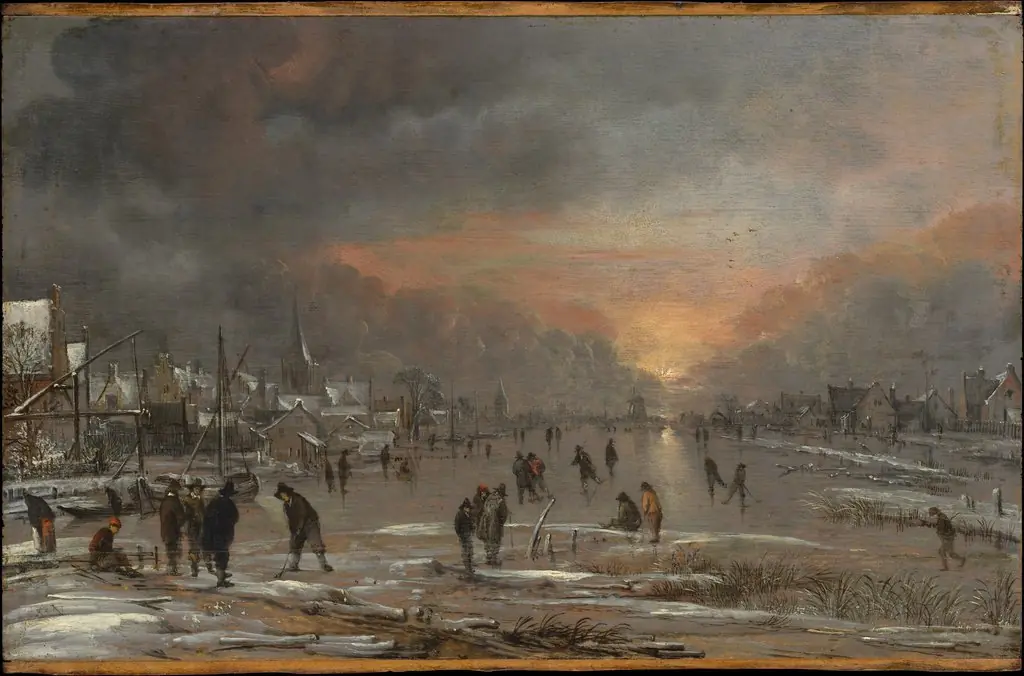
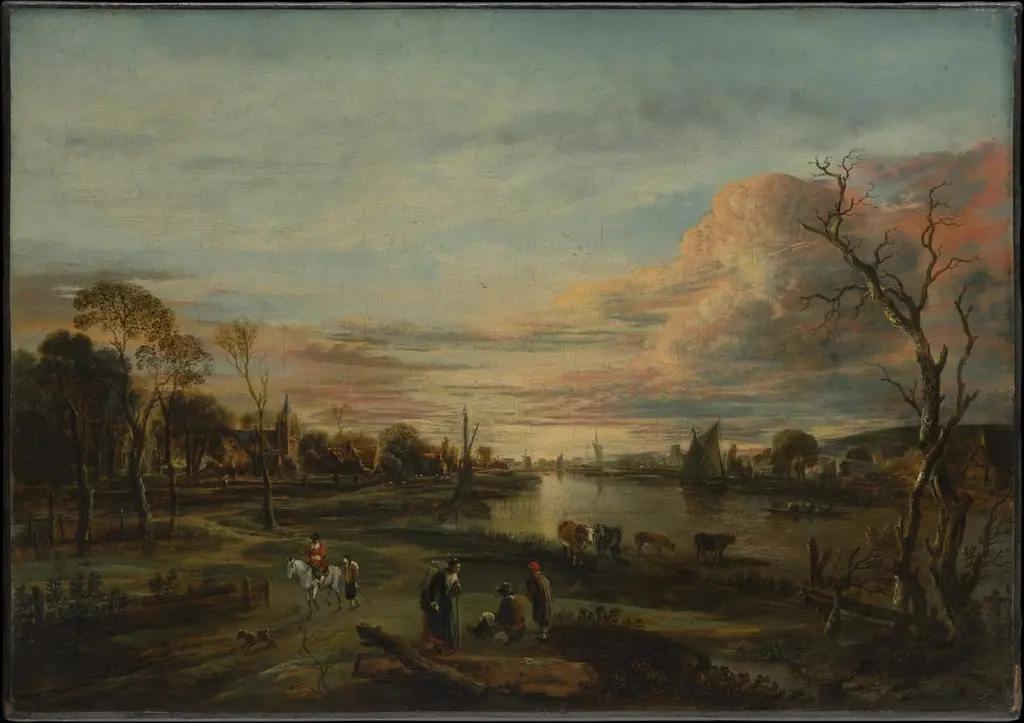
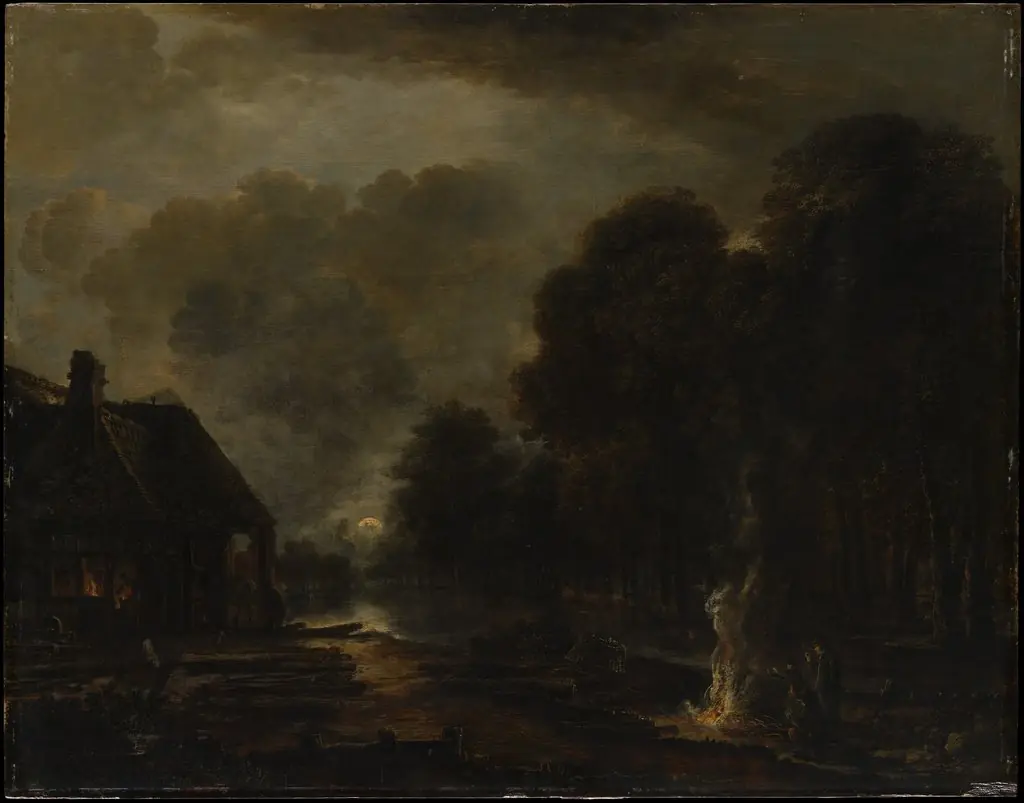
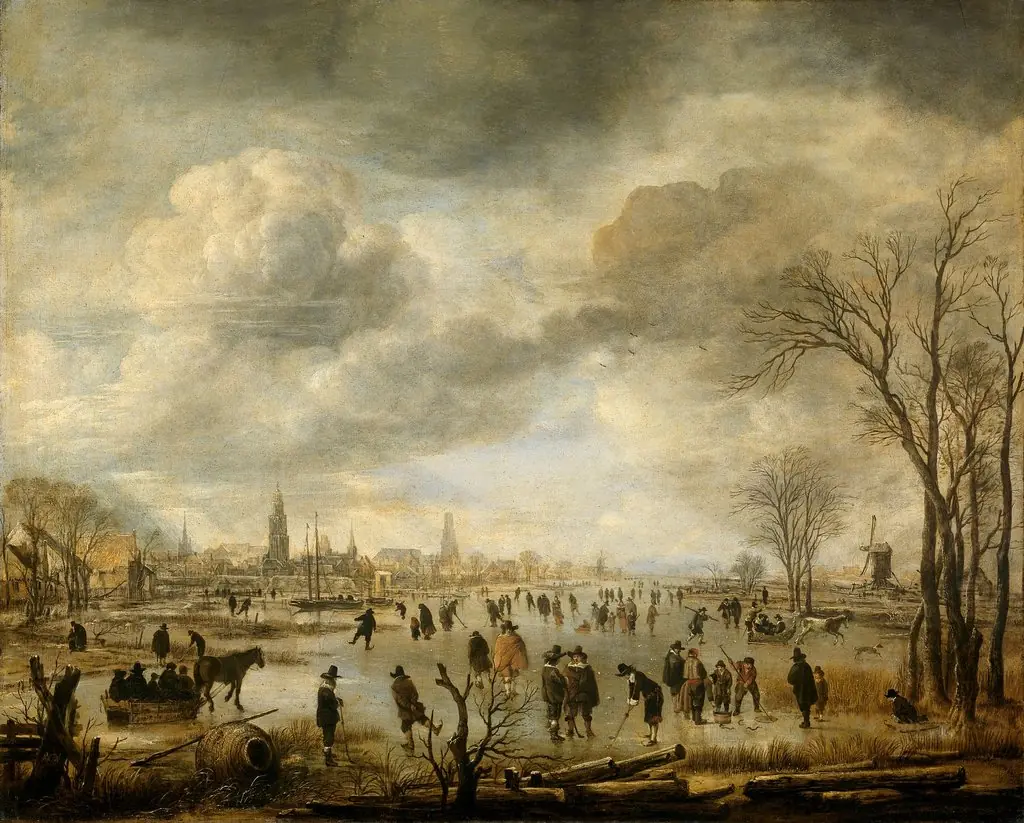
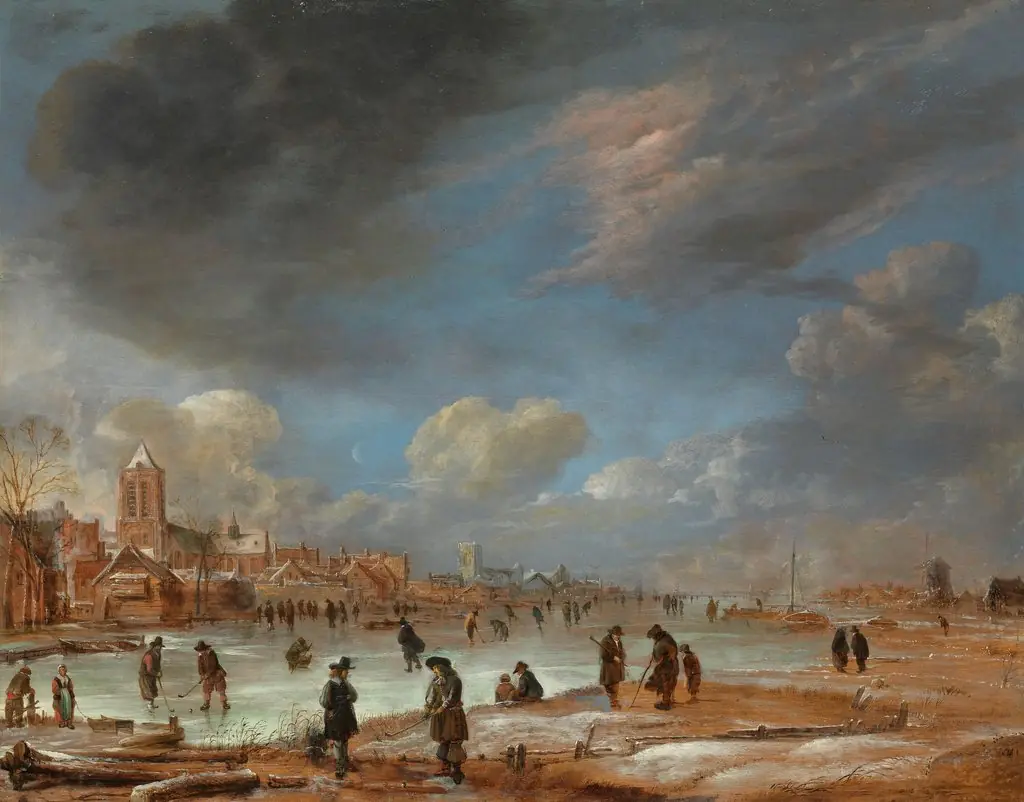
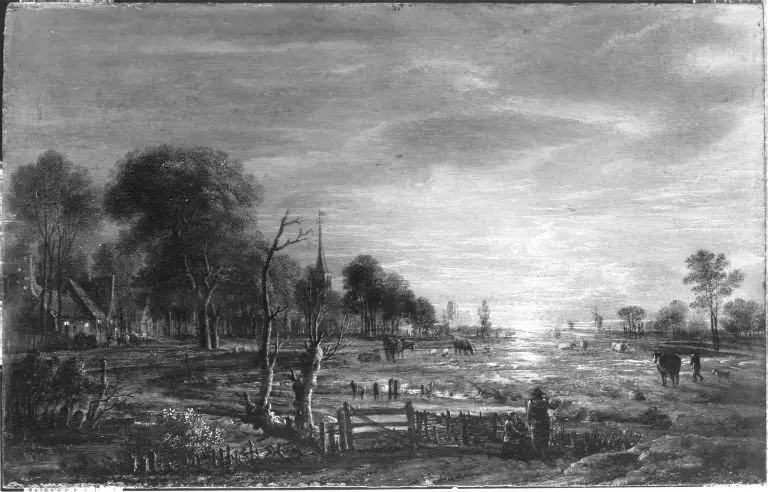
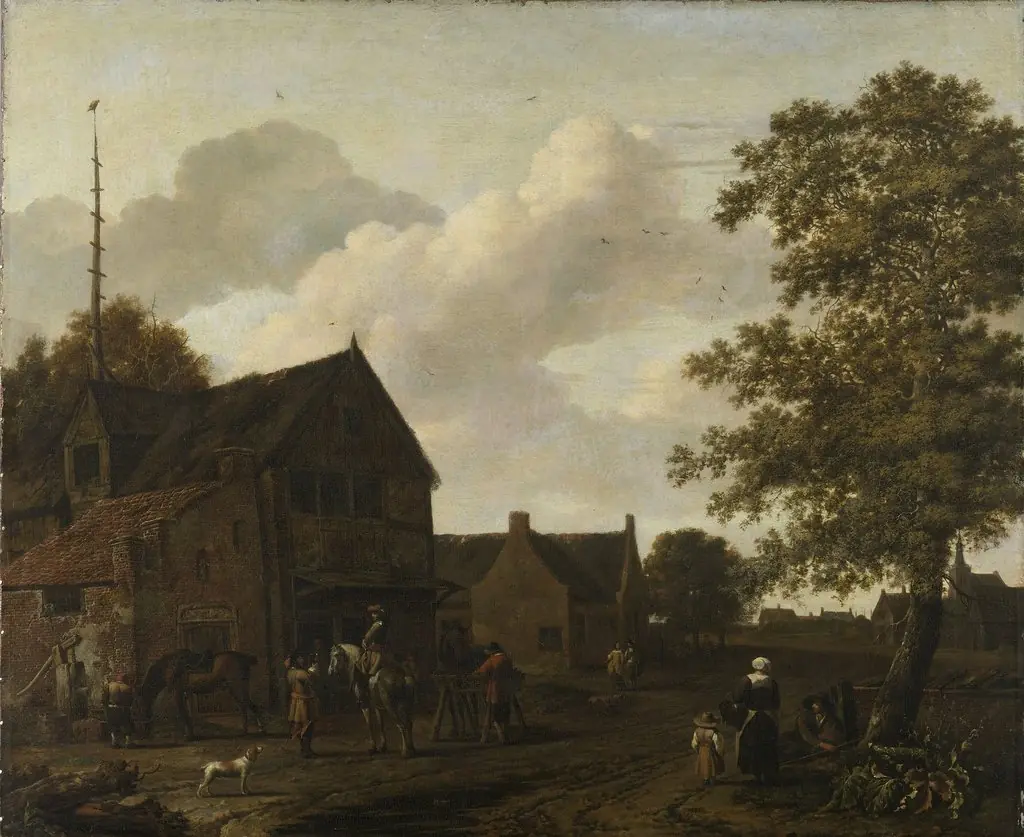
Landscape with watering place is an oil painting by the Dutch Golden Age artist Aert van der Neer. It dates from 1639 and is held in the collection of the Rijksmuseum.
About this work
Subject & Meaning
The work is part of the Rijksmuseum collection and was created by Aert van der Neer in 1639 using oil paint on panel, measuring 30.
Landscape with watering place depicts a tranquil river scene with a small boat and figures near a watering trough, reflecting the Dutch Golden Age interest in everyday rural scenery and the symbolic representation of water as a source of life and renewal. The composition emphasizes naturalistic detail and atmospheric perspective characteristic of 17th-century landscape painting, conveying a sense of peaceful domesticity and harmony with the environment.
The work is part of the Rijksmuseum collection and was created by Aert van der Neer in 1639 using oil paint on panel, measuring 30.5 cm in height and 43 cm in width.
The painting’s iconography highlights the significance of water sources in Dutch agrarian society, suggesting themes of sustenance and communal activity while reinforcing the artist’s focus on realistic observation of nature.
Technique & Style
Aert van der Neer painted Landscape with watering place in 1639 using oil paint applied to a wooden panel. The work measures 30.5 cm in height and 43 cm in width, reflecting the artist's characteristic tight, almost miniature execution within the Dutch landscape tradition. Its handling emphasizes precise detail and luminous atmosphere, contributing to the compositional balance and textured surface typical of early Dutch Golden Age landscape painting.
The formal qualities reveal a meticulously structured scene with flattened spatial depth and delicate tonal modulation, underscoring van der Neer's stylistic focus on nocturnal ambience and meticulous natural observation.
History & Provenance
Aert van der Neer painted Landscape with watering place in 1639 as an oil painting on panel. The work entered the collection of Gijsbert de Clercq before being acquired by the Rijksmuseum, where it remains in the Dutch Golden Age gallery. Its dimensions measure 30.5 cm by 43 cm, and it is classified as a landscape painting from the 17th century.
The painting's provenance traces from de Clercq's ownership to its accession by the Rijksmuseum, establishing a clear chain of custody. Creation history is anchored to its 1639 execution date, confirmed through stylistic analysis and archival records.
Landscape with watering place is held in the Rijksmuseum collection under inventory number SK-A-2641. The work was previously owned by Gijsbert de Clercq before entering the museum's holdings. It has been part of the Rijksmuseum's exhibition displays, including its presentation in the museum's landscape paintings gallery.
The painting measures 30.5 cm in height and 43 cm in width, created in 1639 using oil paint on panel.
Overview
Landscape with Watering Place, executed in oil on canvas in 1639, is a modestly sized work by Dutch painter Aert van der Neer. Known for his nocturnal and wintry scenes, van der Neer captures a tranquil village setting under a muted sky. The painting is part of the Rijksmuseum’s collection, representing the broader output of the Dutch Golden Age.
Own this work as a print
Artist & collection
Artist
Aert van der Neer, or Aernout or Artus (c. 1603 – 9 November 1677), was a landscape painter of the Dutch Golden Age, who specialized in small night scenes lit only by moonlight and fires, and snowy winter landscapes,…