Artwork
Marée basse
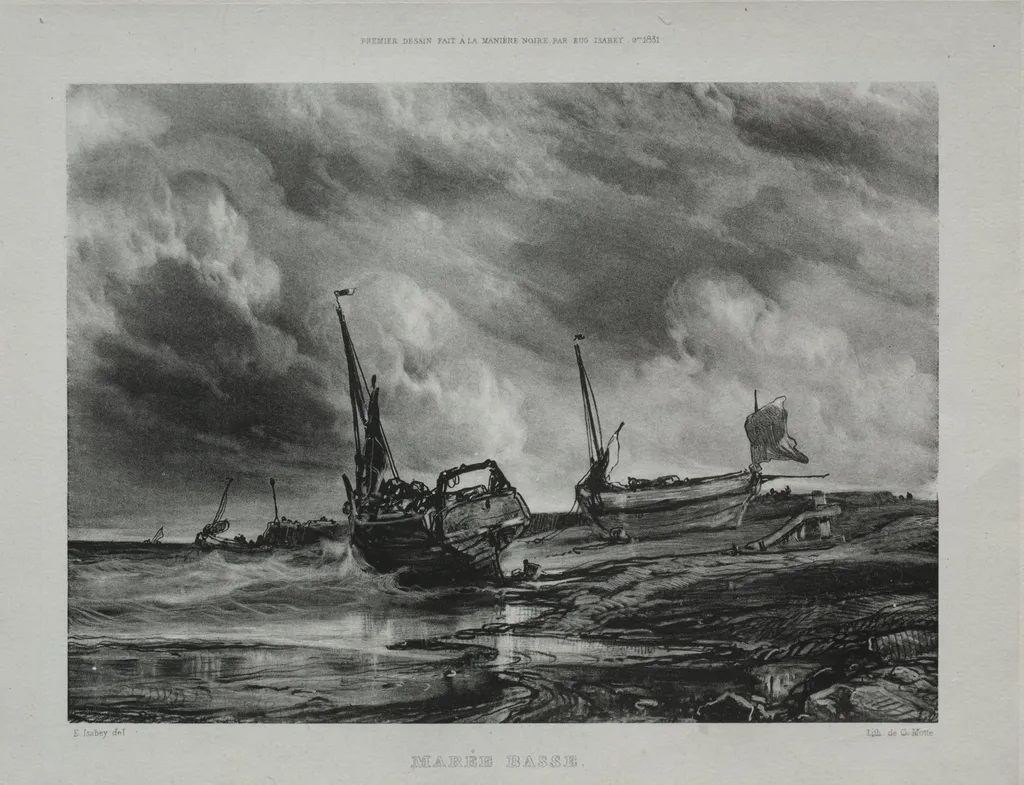
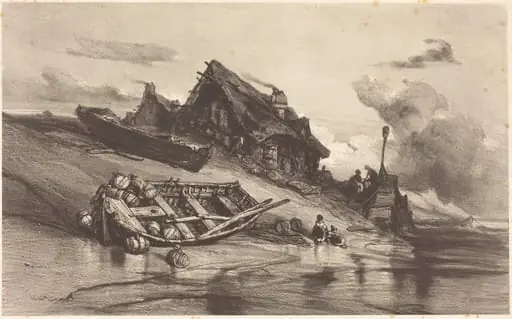
Marée basse is a print by the Romanticist artist Eugène Isabey. It dates from 1831 and is held in the collection of the Cleveland Museum of Art.
- Accession no.
- 1922.258
- Credit line
- Gift of The Print Club of Cleveland
About this work
Overview
Created in 1831 by French artist Eugène Isabey, Marée basse is a black-and-white lithograph capturing a moment of maritime stillness amid chaos.
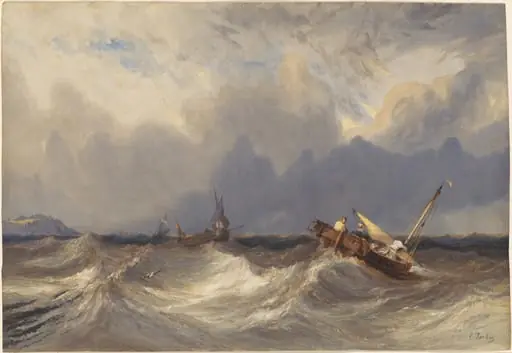
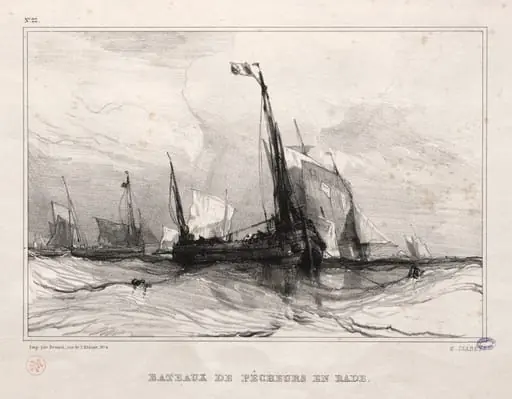
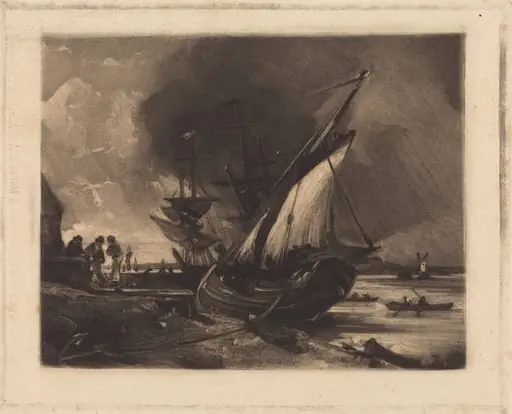
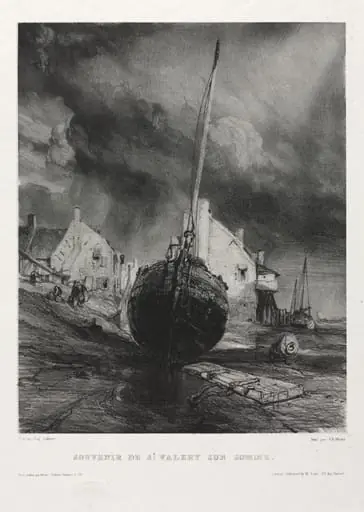
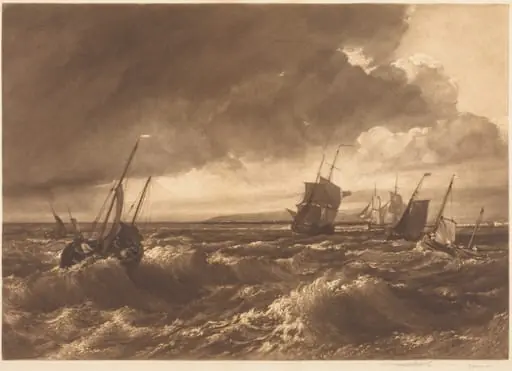
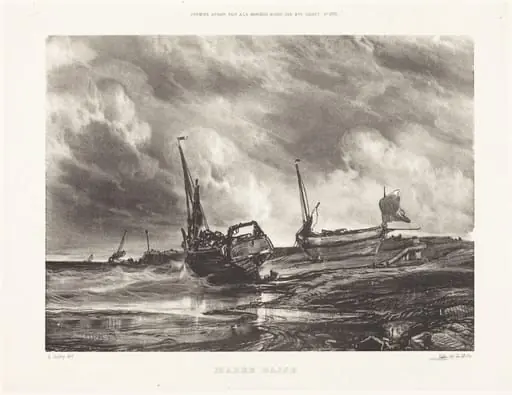
Created in 1831 by French artist Eugène Isabey, Marée basse is a black-and-white lithograph capturing a moment of maritime stillness amid chaos. The scene depicts two small vessels stranded in shallow water near a rugged coastline, their motion halted by the receding tide. Isabey’s use of rapid, expressive lines conveys the turbulence of the sea and the weight of the overcast sky, aligning the work with Romantic sensibilities that valued emotional resonance over idealized form.
Subject & Meaning
The title, meaning 'low tide' in French, reveals the central tension: human activity halted by nature’s rhythm. The boats, caught between land and sea, suggest vulnerability against elemental forces. Isabey does not depict rescue or triumph, but rather quiet endurance.
The composition emphasizes isolation and the inevitability of natural cycles, reflecting a Romantic preoccupation with humanity’s fragile place within the wilder aspects of the environment.
Technique & Style
Isabey employed lithography to achieve a sketch-like immediacy, using fluid, energetic lines to render crashing waves and turbulent clouds. The absence of color heightens the drama, focusing attention on contrast and movement. Delicate hatching suggests foam and spray, while heavier strokes define the rocky shore and hulls of the boats.
The technique mirrors the spontaneity of a field sketch, yet retains the compositional control characteristic of academic training.
History & Provenance
The print was produced in 1831 during a period when Isabey was actively engaged in maritime subjects, often commissioned for illustrated publications. It entered the collection of The Cleveland Museum of Art through documented acquisition, likely as part of a broader interest in 19th-century French graphic arts. Its preservation reflects institutional recognition of Isabey’s role in bridging documentary observation with Romantic expression in print media.
Context
In early 19th-century France, Romanticism reshaped artistic priorities, favoring emotional depth and the sublime over classical order. Isabey’s work responded to this shift, portraying the sea not as a backdrop but as an active, unpredictable presence. Coastal scenes like this one resonated with audiences increasingly aware of industrialization’s distance from natural rhythms, offering a visual meditation on impermanence and elemental power.
Legacy
Isabey’s Marée basse exemplifies how lithography became a vehicle for conveying atmospheric emotion in the Romantic era. While not widely reproduced, the work influenced later artists interested in the interplay between nature and human endeavor. Its presence in a major museum collection underscores its value as a quiet, evocative document of 19th-century visual culture, where technical precision served emotional truth.
Own this work as a print
Artist & collection
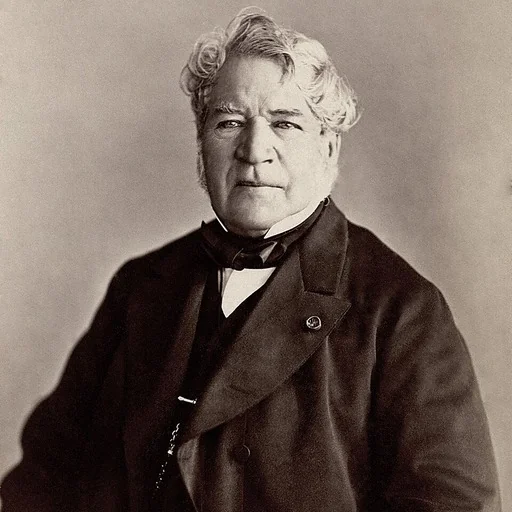
Artist
Eugène Louis Gabriel Isabey (French pronunciation:; 22 July 1803 – 25 April 1886) was a French painter, lithographer and watercolorist in the Romantic style.