Artwork
風外慧薫筆 達磨図|Portrait of Daruma
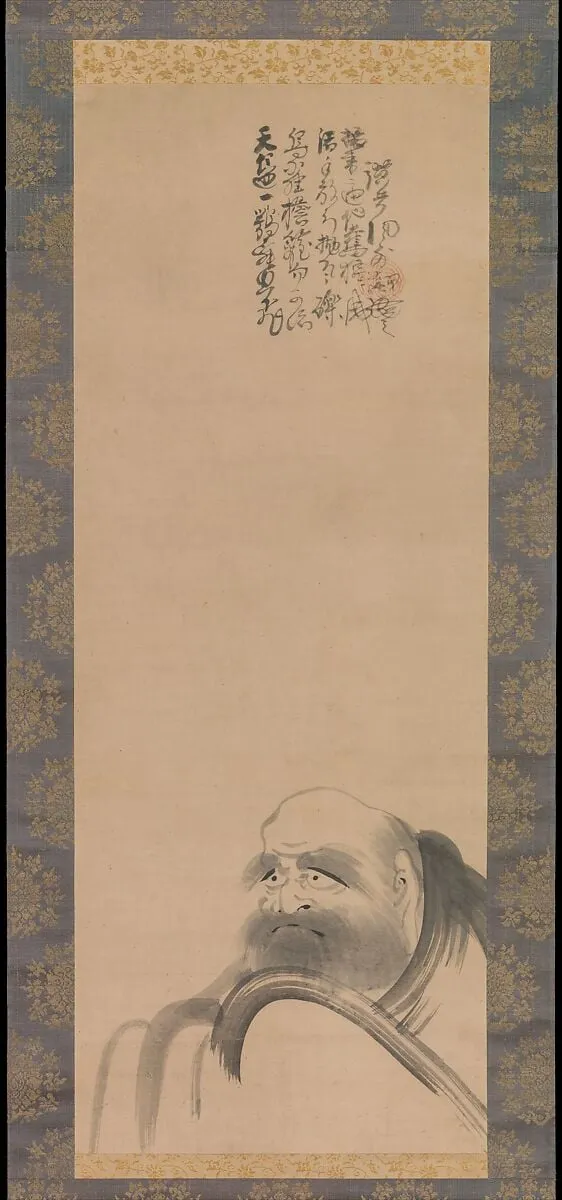
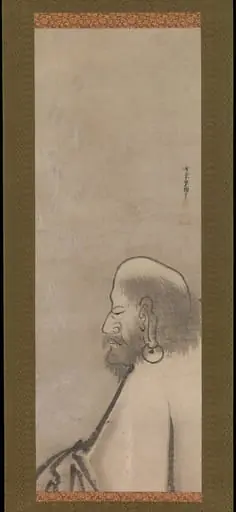
風外慧薫筆 達磨図|Portrait of Daruma is an ink painting by the Baroque artist Fūgai Ekun. It dates from 1616 and is held in the collection of the Metropolitan Museum of Art.
About this work
Subject & Meaning
Executed in 1616 as a hanging scroll of ink on paper, it belongs to the portrait genre and was created in Japan.
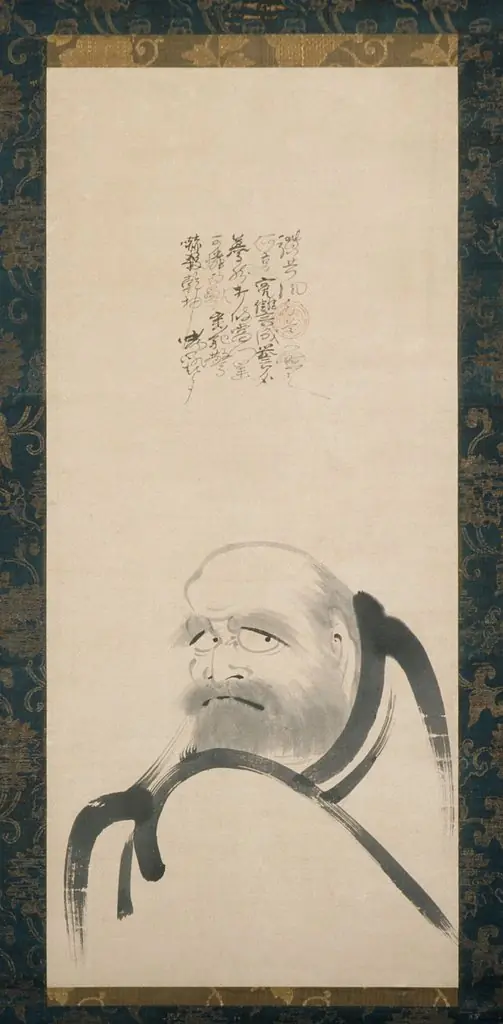
The painting presents Daruma, a Buddhist monk, rendered as a male figure. Executed in 1616 as a hanging scroll of ink on paper, it belongs to the portrait genre and was created in Japan. The work, titled 風外慧薫筆 達磨図, is housed in the Metropolitan Museum of Art.
Its subject is depicted as a man, consistent with the canonical representation of Daruma in Japanese art. The piece functions as a devotional portrait within the Zen tradition.
Technique & Style
The work titled 風外慧薫筆 達磨図, also known as Portrait of Daruma, is executed as a hanging scroll using ink on paper. Its dimensions measure roughly 77.5 cm in height by 30.8 cm in width, indicating a vertical format typical of Japanese scroll paintings. Created in 1616 in Japan, the piece belongs to the portrait genre and portrays a male figure;.
The ink medium allows for varied brushstroke intensity, producing a stark, expressive rendering of the subject’s face and robe. As part of the Metropolitan Museum of Art’s collection, the scroll is preserved and displayed in a controlled environment, maintaining its structural integrity as a hanging support.
History & Provenance
The work titled 風外慧薫筆 達磨図, also known as Portrait of Daruma, was produced in 1616 in Japan by the painter Fūgai Ekun as a hanging scroll executed in ink on paper. It belongs to the portrait genre and depicts a male figure. According to the Metropolitan Museum of Art’s records, the scroll entered the museum’s collection and has been displayed there since its acquisition.
The precise commission details are not documented, but the dating, medium, and creation location are confirmed by contemporaneous cataloguing. The artwork remains part of the Met’s holdings, preserving its historical context within Japanese portraiture.
The Portrait of Daruma by Fūgai Ekun is held in the collection of the Metropolitan Museum of Art, where it is recorded under accession number 2015.448. The hanging scroll, executed in ink on paper, measures 77.5 cm in height and 30.8 cm in width. As of the documented record, the work has not appeared in any institutional exhibition listings associated with the museum’s collection records.
Overview
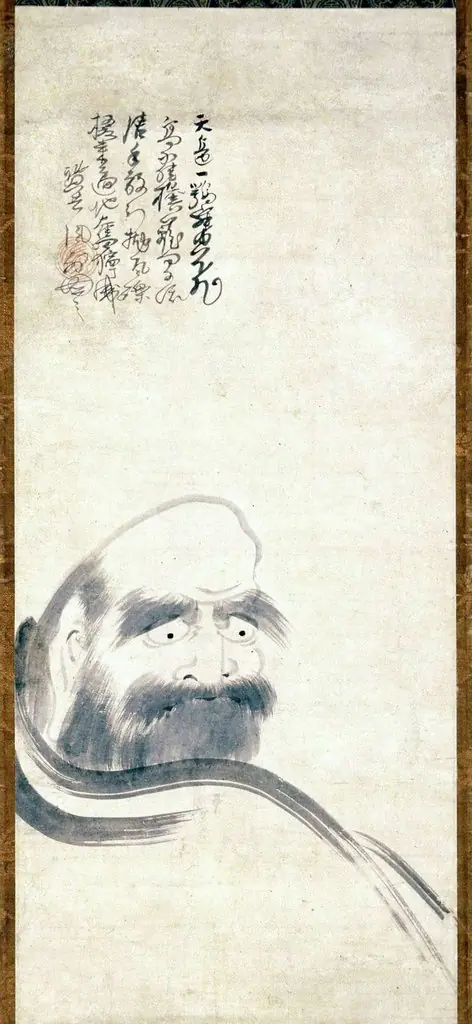
Painted in 1616 by the Japanese Zen monk Fūgai Ekun, this hanging scroll depicts Bodhidharma, the semi-legendary founder of Chan (Zen) Buddhism in China. Executed in ink on paper, the work presents the patriarch as a bald figure with prominent bushy eyebrows and a long beard, suspended against an unadorned white background. The composition relies on stark contrast and expressive economy; the robe is rendered through rapid, scratchy brushstrokes that suggest the texture of rough fabric and the immediacy of the artist's hand.
A defining feature of the portrait is the asymmetrical treatment of the eyes: one pupil is rendered as a sharp, focused dot, while the other appears as a soft, blurred mark. This technique visually articulates the Zen concept of intense, unwavering concentration alongside a state of detached awareness. Created during the early Edo period, the work exemplifies the tradition of Zen portraiture (chinzō), which prioritizes spiritual essence over physical realism.
Fūgai, known for his eccentricity and deep engagement with Zen practice, utilized this dynamic, calligraphic style to capture the inner vitality of the subject, aligning the painting with the broader aesthetic of spontaneous expression valued in Japanese ink painting.
Context
This portrait emerged during the early 17th century in Japan, a period marked by the increasing popularity and dissemination of Zen Buddhist thought. Fūgai Ekun, the artist, was a Zen monk known for his reclusive lifestyle, often painting from memory while living in a cave. His direct and unembellished approach to depicting spiritual figures like Daruma resonated with the era's emphasis on simplicity and inner experience within Zen practice.
Artist & collection