Artwork
清 法若真 雲山圖軸|Cloudy Mountains
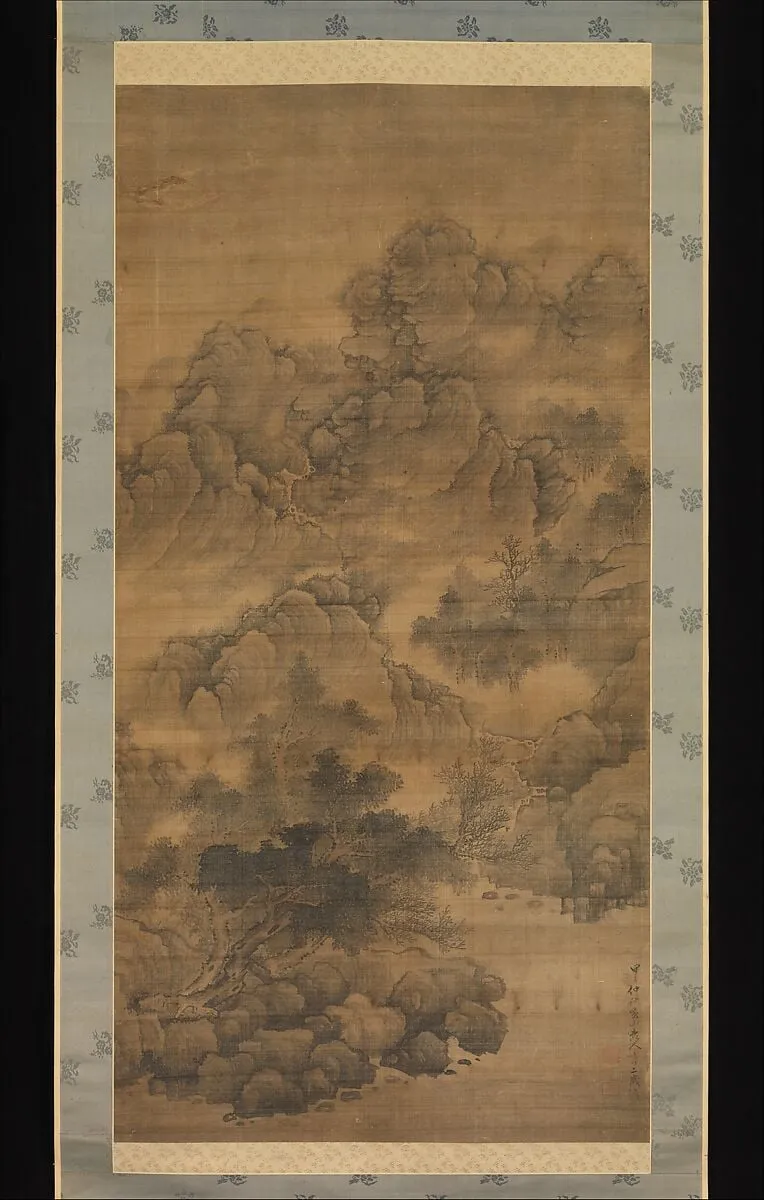
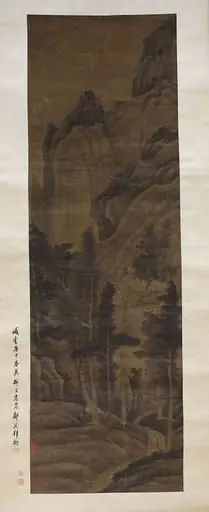
清 法若真 雲山圖軸|Cloudy Mountains is an ink painting by the Baroque artist Fa Ruozhen. It dates from 1684 and is held in the collection of the Metropolitan Museum of Art.
About this work
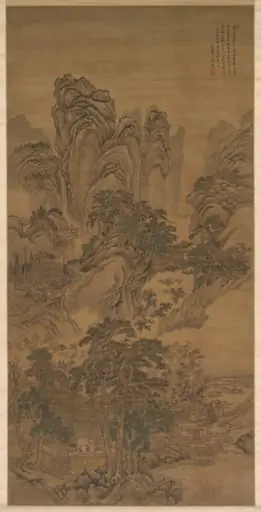
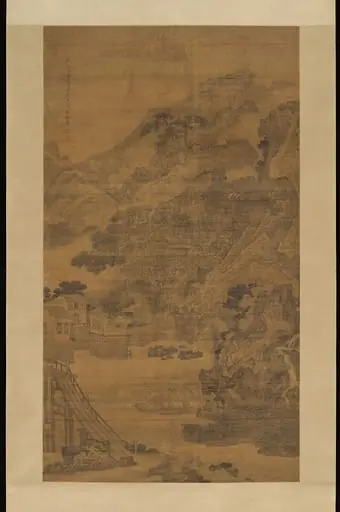
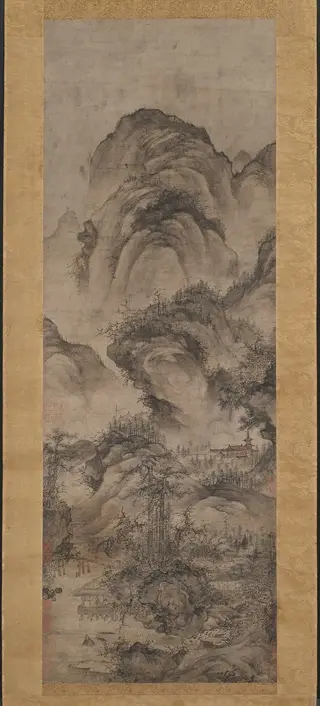
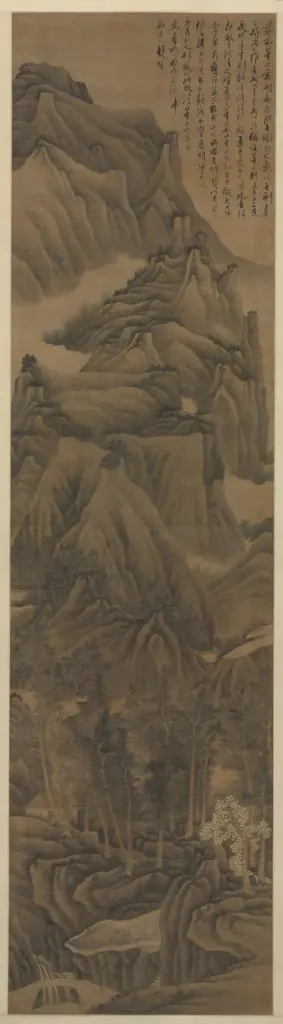
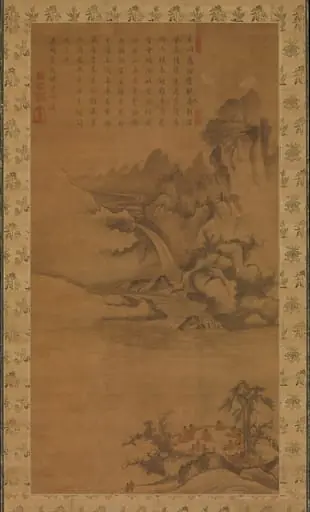
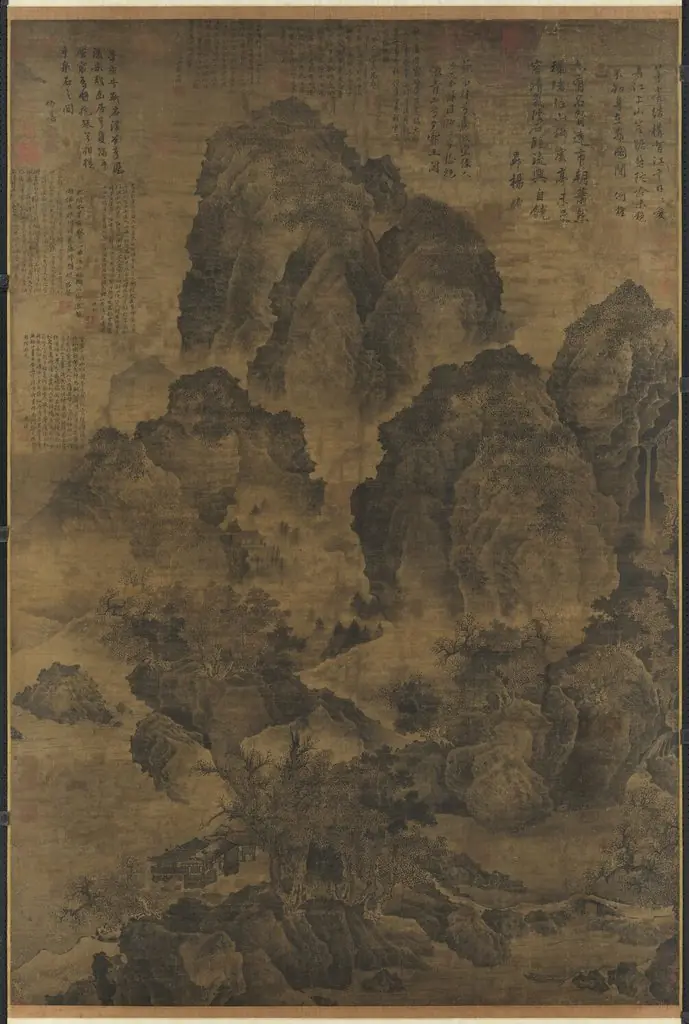
Soft gray mountains rise in layers on a tall scroll, clouds drifting between them like smoke. Fa Ruozhen painted it in 1684, late in life, using almost no color, just ink and water and small brushstrokes to build rock and mist. The stillness feels deliberate, like a pause in a long walk.
Subject & Meaning
Executed in ink and color on silk, the work functions as a traditional Chinese landscape painting, focusing on the natural topography of mountainous terrain.
Created in 1684 by the Qing dynasty artist Fa Ruozhen, this hanging scroll depicts a landscape dominated by mountains. Executed in ink and color on silk, the work functions as a traditional Chinese landscape painting, focusing on the natural topography of mountainous terrain. The subject matter is strictly defined by these geological forms, presenting a view of clouded peaks and rugged elevations.
While the specific symbolic intent or deeper philosophical meaning regarding the clouds and mountains is not explicitly detailed in the available records, the piece represents a formal engagement with the landscape genre prevalent in China during this period. The composition serves as a visual record of the artist's interpretation of natural scenery, utilizing the vertical format of the hanging scroll to emphasize the height and grandeur of the depicted mountains.
Technique & Style
The work is a hanging scroll executed in ink and polychrome pigments on silk, a format typical of Qing dynasty landscape painting. According to the catalog entry, the piece portrays a mountainous scene rendered in a style attributed to the artist Fa Ruozhen, dating to 1684. The composition emphasizes verticality, with the scroll’s dimensions of 137.5 cm in height and 69.5 cm in width framing a series of mist‑shrouded peaks that dominate the surface.
The use of layered ink washes combined with subtle color washes creates a sense of depth and atmospheric recession, characteristic of the era’s scholarly aesthetic. The painting’s material support, silk, provides a smooth, flexible ground that enhances the fluidity of the brushwork.
History & Provenance
Created in 1684 by the Chinese artist Fa Ruozhen, this hanging scroll titled 'Cloudy Mountains' was executed using ink and color on silk. The work, which depicts a mountainous landscape, originated in China during the Qing dynasty. While specific details regarding its original commission or intermediate ownership history are not provided in the available records, the painting is currently held in the collection of the Metropolitan Museum of Art.
The piece measures approximately 137.5 centimeters in height and 69.5 centimeters in width, representing a significant example of landscape painting from this period.
The work is held in the collection of the Metropolitan Museum of Art, New York, as indicated by its Wikidata entry. Its dimensions are recorded as 137.5 cm in height and 69.5 cm in width, and it is identified as a hanging scroll in ink and color on silk, painted in 1684. No exhibition history is provided in the cited sources.
Overview
Fa Ruozhen's Cloudy Mountains, created in 1684, is a hanging scroll rendered in ink and subtle color on silk. This painting presents a serene landscape dominated by towering peaks. The composition emphasizes the atmospheric interplay between layered mountains and ethereal clouds, conveying a sense of tranquil contemplation. The work reflects a deliberate quietude, inviting viewers into a moment of visual stillness.
Context
Fa Ruozhen completed Cloudy Mountains in 1684, during the later period of his life. This work aligns with a long-established tradition of landscape painting in Chinese art, where natural scenes often serve as subjects for philosophical reflection and aesthetic appreciation. Such compositions frequently explore themes of solitude, the vastness of nature, and the human place within the cosmos, offering a visual counterpart to poetic and contemplative practices.
Artist & collection