Artwork
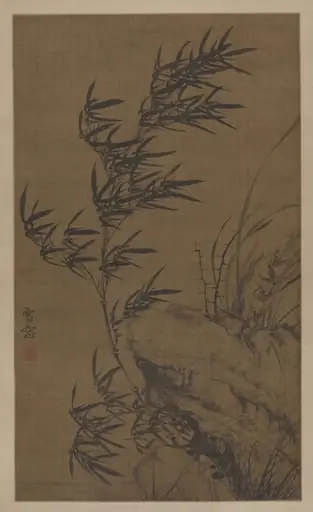
元 吳鎮 高節凌雲圖 軸|Bamboo, old tree, and rock
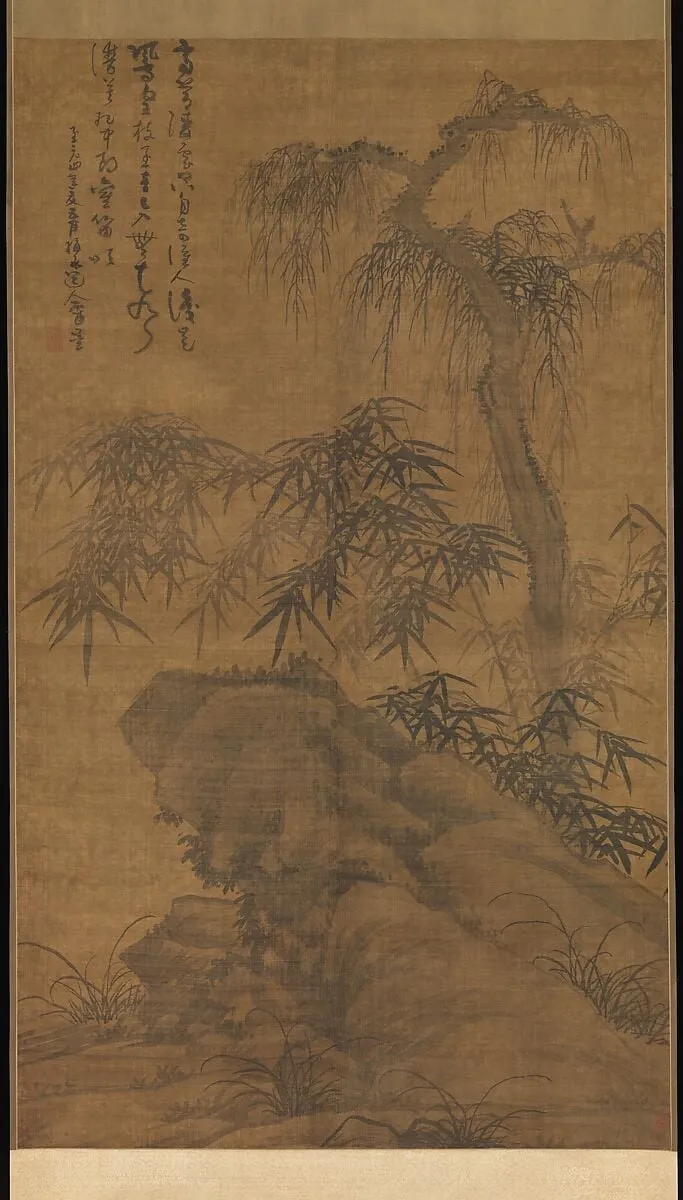
元 吳鎮 高節凌雲圖 軸|Bamboo, old tree, and rock is an ink painting by the Yuan dynasty literati painting artist Wu Zhen. It dates from 1338 and is held in the collection of the Metropolitan Museum of Art.
About this work
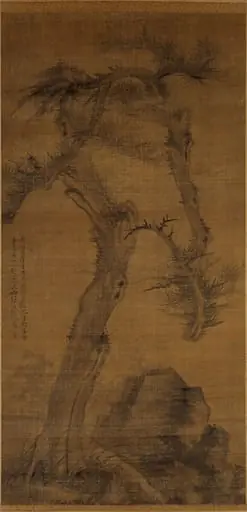
You see a tall bamboo stalk, a gnarled old tree, and a jagged rock on a silk scroll.
Wu Zhen painted this in 1338, when most artists filled every inch. Here, the empty silk is part of the picture, it lets the bamboo feel like it’s growing into open sky. The brushstrokes are dry and quick, almost like calligraphy.
Look up “cross-hatching” to see how ink lines build shadows without color.
History & Provenance
The painting is held in the collection of the Metropolitan Museum of Art in New York, cataloged among its holdings of Chinese paintings.
Created in 1338, the hanging scroll Bamboo, old tree, and rock (also known as Gaojie Lingyun Tu) is an ink-on-silk work by the Yuan dynasty master Wu Zhen, executed in China in the fourteenth century. It depicts bamboo, an old tree, and rock, reflecting the artist's signature literati subject matter. The painting is held in the collection of the Metropolitan Museum of Art in New York, cataloged among its holdings of Chinese paintings.
The available records confirm the date and the artist's identity but do not provide a specific accession number, details of the original commission, the initial patron, or an exhibition history.
Context
The hanging scroll by Wu Zhen, dated 1338 and executed in ink on silk, exemplifies Yuan-period painting. Its subject, bamboo, an ancient tree, and a rock, is a hallmark of literati art. Scholarship situates the piece within Wu Zhen's broader oeuvre of ink-based natural motifs, noting its role in the development of Chinese literati landscape and bamboo painting traditions.
As part of the museum's collection, the scroll contributes to scholarly understanding of 14th-century Chinese painting and illustrates the integration of poetic inscription with visual composition in the period.
Overview
Wu Zhen's "Bamboo, Old Tree, and Rock" is an ink painting on silk, created in 1338. This hanging scroll features a composition centered around a tall bamboo stalk, a gnarled ancient tree, and a rugged rock formation. The work exemplifies the artist's distinctive approach to landscape and botanical subjects, utilizing traditional materials to convey a sense of natural vitality and atmospheric depth.
Subject & Meaning
The painting's title, "High Virtue Soaring to the Clouds," alludes to the symbolic significance of its primary elements. Bamboo, often associated with resilience and integrity in Chinese culture, reaches upwards, suggesting noble character. The ancient tree and robust rock further contribute to a sense of enduring strength and steadfastness, themes frequently explored in literati painting of the Yuan dynasty.
Technique & Style
Wu Zhen employed a distinctive technique, leaving significant portions of the silk unpainted. This negative space is integral to the composition, allowing the bamboo to appear as if extending into an expansive sky. His brushwork is characterized by dry, rapid strokes, reminiscent of calligraphic practice. Shadows and volume are rendered through precise ink lines and cross-hatching, rather than color, creating textural depth.
Artist & collection



 Untitled
 元 唐棣 松溪歸漁圖 軸|Returning Fishermen
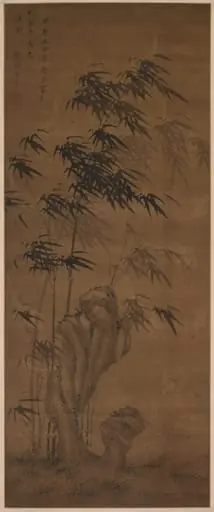 Bamboo in the Wind
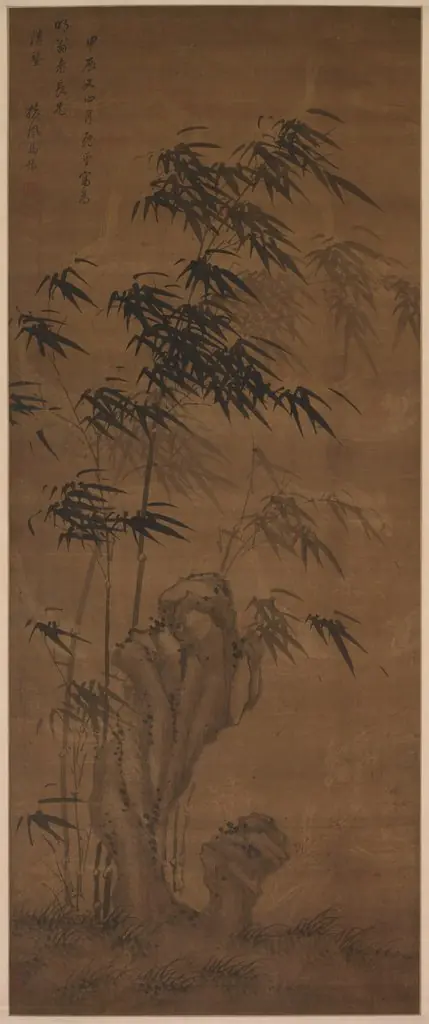 Bamboo in the Wind
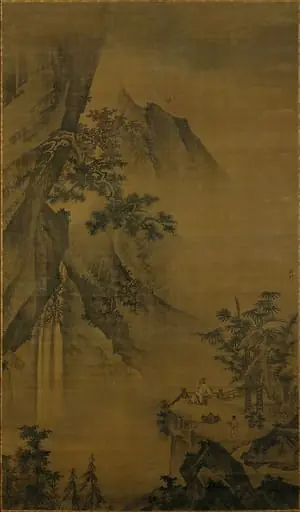 明 鍾禮 觀瀑圖 軸|Li Bai gazing at the waterfall on Mount Lu
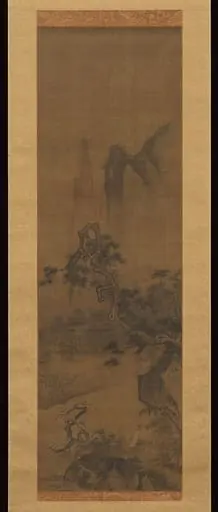 南宋 佚名 賞梅圖 軸|Scholar admiring plum blossoms
 Bamboo in the Wind
 같은 해에 태어난 관리들의 친목 모임 조선|同庚契會圖 朝鮮|Gathering of government officials
 Fishing on an Autumn River
- 元 羅稚川 古木寒鴉圖 軸|Crows in Old Trees