Artwork
John Milton
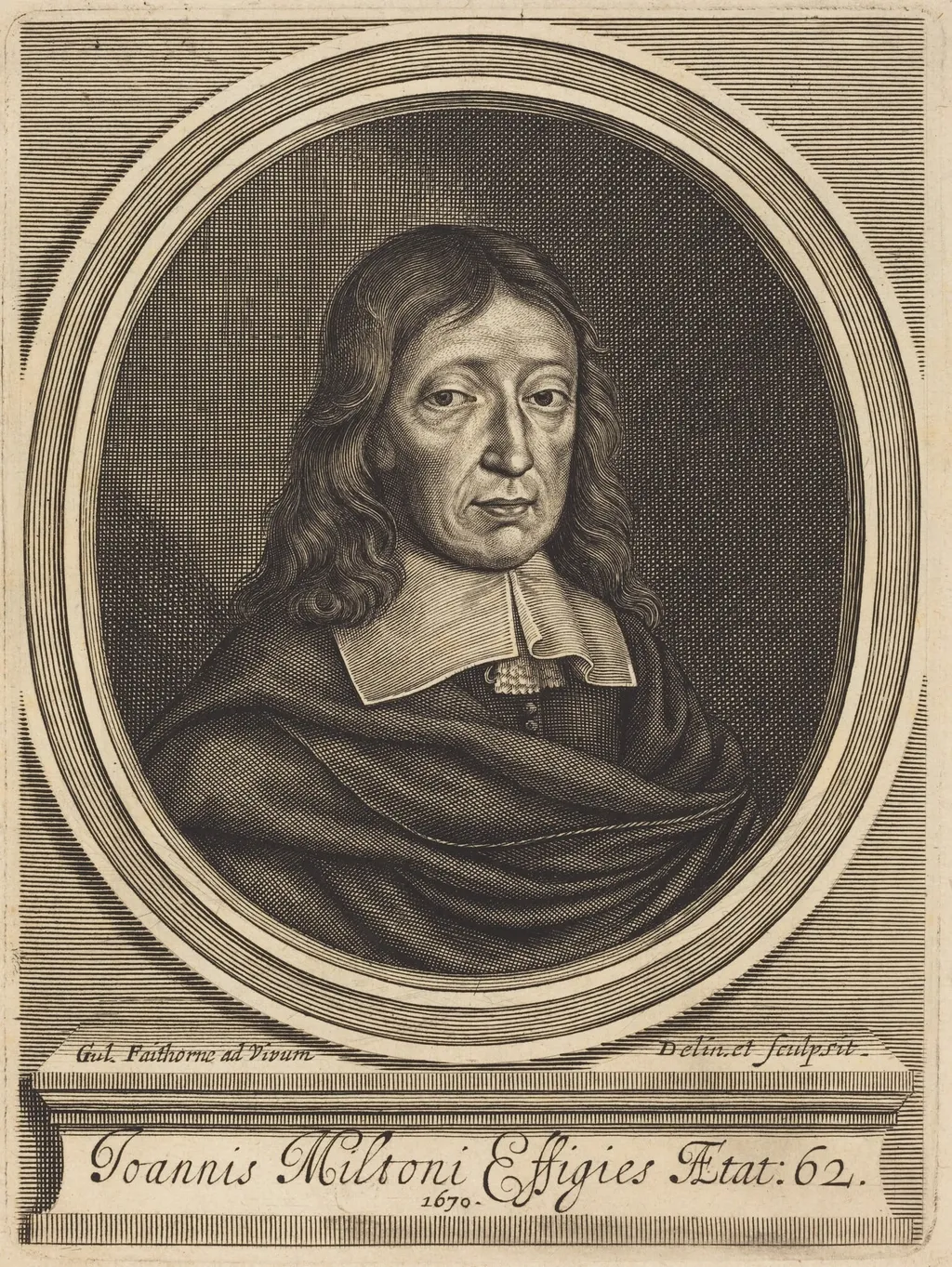
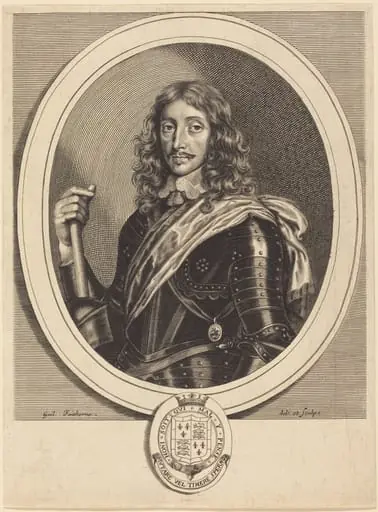
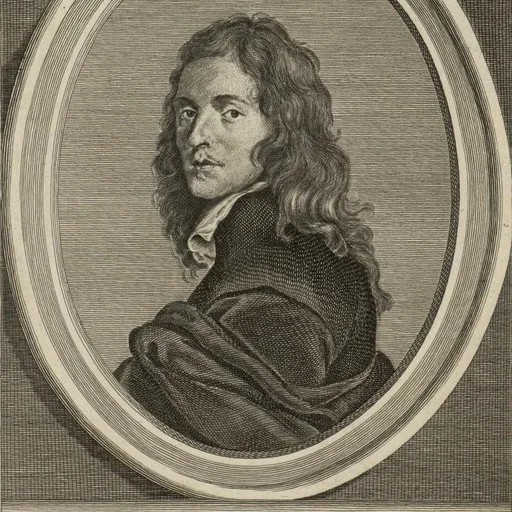
John Milton is an ink print by the Baroque artist William Faithorne. It dates from 1670 and is held in the collection of the National Gallery of Art.
About this work
If you like this style, look up engraving to see how artists create detailed images with just lines.
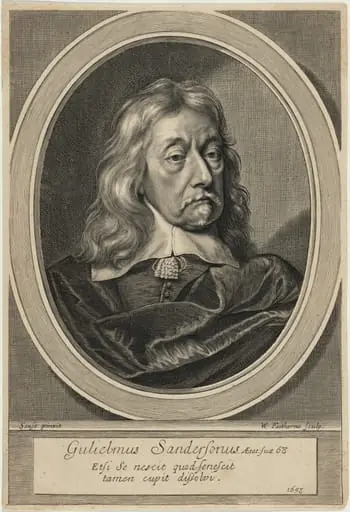
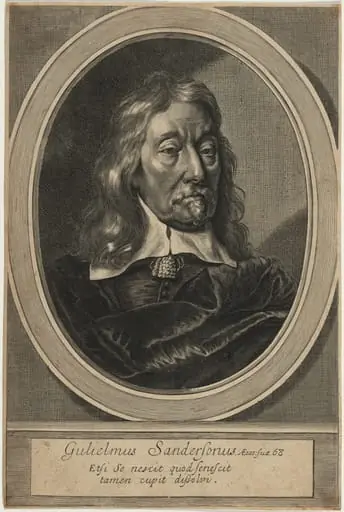
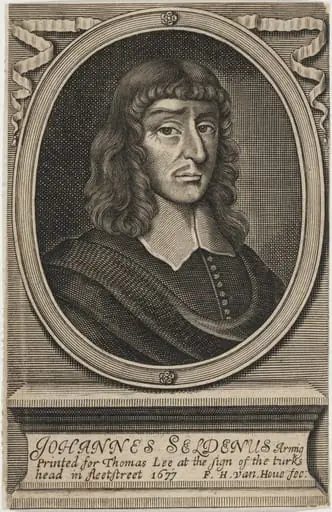
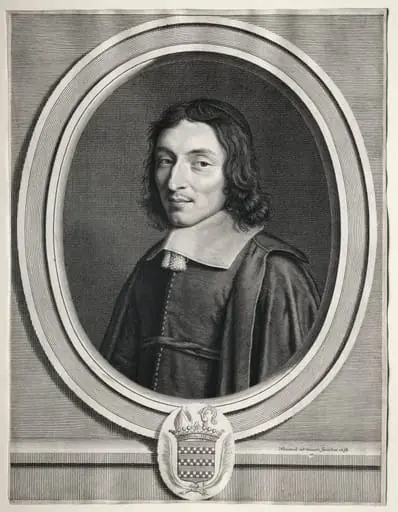
This is a black-and-white portrait of a man with curly hair and a serious face. He’s wearing a high collar with a ruffled edge, and his hands rest on a dark oval frame. The background is plain, but the lines around his head create a 3D effect.
The text at the bottom says "Joannis Miltoni Effigies," which means it’s a portrait of John Milton. It was made in 1670 using a method that carves lines into metal.
If you like this style, look up engraving to see how artists create detailed images with just lines.
Overview
This engraving, titled John Milton, is a portrait created by William Faithorne in 1670. The work depicts a man with distinctive curly hair and a solemn expression, set against a plain background.
Subject & Meaning
The subject of the engraving is John Milton, identified by the Latin inscription 'Joannis Miltoni Effigies' at the bottom of the piece. His attire, including a high, ruffled collar, suggests a formal, possibly literary, persona.
Technique & Style
Executed using a metal engraving technique, the portrait relies on intricate lines to achieve depth and dimensionality, notably around the subject's head, creating a subtle 3D effect.
History & Provenance
Created in 1670 by William Faithorne, specific details about the engraving's provenance or original commission context are not provided in the available information.
Context
The engraving reflects 17th-century portrait conventions, emphasizing the subject's intellectual or social stature through attire and demeanor. The medium of engraving was popular for disseminating images of notable figures during this period.
Own this work as a print
Artist & collection
Artist
William Faithorne (1616–1691) was a British artist, born in Greater London.