Artwork
Small Mosque in the Kaiserbagh
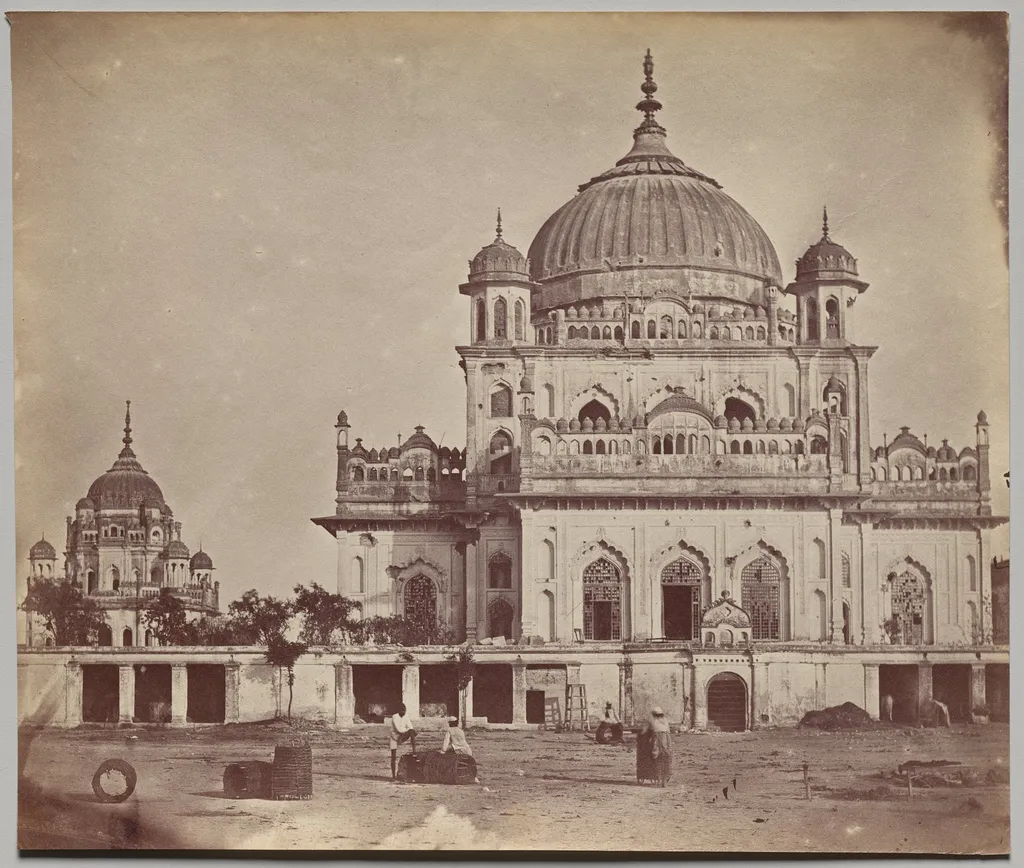
Small Mosque in the Kaiserbagh is a photography by the Impressionist artist Felice A. Beato. It dates from 1858 and is held in the collection of the Cleveland Museum of Art. The black‑and‑white image records a modest mosque situated within the remains of Kaiserbagh Palace in Lucknow, northern India.
- Accession no.
- 2019.170.16
- Credit line
- Severance and Greta Millikin Purchase Fund
About this work
The palace was built in the 1840s for a local ruler, then damaged during a violent uprising against British rule in 1857.
This is a black-and-white photo of a small mosque inside a ruined palace in Lucknow, India. Broken walls, scattered stones, and a lone tree fill the frame.
The palace was built in the 1840s for a local ruler, then damaged during a violent uprising against British rule in 1857. The photo was taken just a year later, when the dust had barely settled. It’s one of the earliest war photographs, raw, not staged.
To see how other photographers documented conflict, look up Felice A. Beato (British, 1830–1906).
Overview
The black‑and‑white image records a modest mosque situated within the remains of Kaiserbagh Palace in Lucknow, northern India. The composition shows crumbling walls, strewn masonry and a solitary tree, emphasizing the building’s dilapidated state shortly after the 1857 conflict.
Subject & Meaning
The mosque, originally intended for the private worship of Wajid Ali Shah’s household and court, functioned as a place for the five daily prayers and Qur’anic instruction. Its presence within the palace complex underscores the integration of religious practice into the domestic sphere of the 19th‑century Nawab.
Technique & Style
Captured in monochrome soon after the siege, the photograph exhibits the stark realism characteristic of early war photography. The lack of staging and the focus on structural ruin convey a documentary immediacy, typical of mid‑19th‑century photographic processes.
History & Provenance
Kaiserbagh Palace was erected between 1848 and 1850 for Nawab Wajid Ali Shah. During the Indian Rebellion of 1857, parts of the palace were heavily damaged. The photograph was taken in 1858, when the city’s dust had barely settled, making it one of the earliest visual records of the uprising’s architectural impact.
Context
The image belongs to a nascent genre of conflict photography that emerged during the mid‑1800s, contemporaneous with the work of photographers such as Felice A. Beato, who also documented the aftermath of colonial wars across Asia.
Artist & collection
Artist
Felice A. Beato and Felice Antonio Beato are collective signatures used by the brothers Felice Beato and Antonio Beato, who were both pioneering photographers in the 19th century. They were noted for their depictions of…

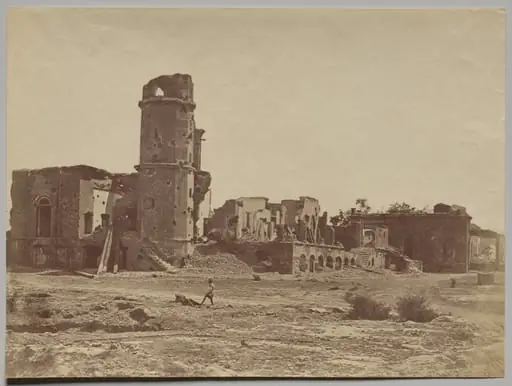 The Residency, Taken from the Redan Battery
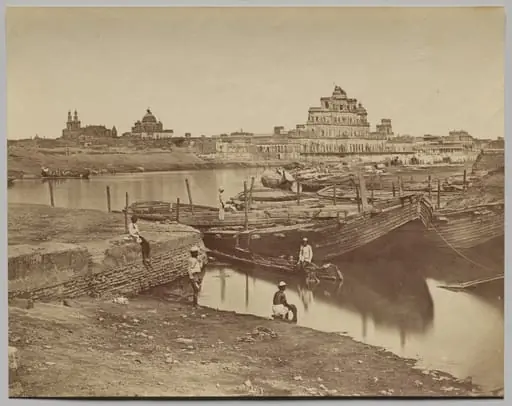 Bridge of Boats over the Gumti River near the Chattar Manzil and Fusseed Bakah or Old Palace
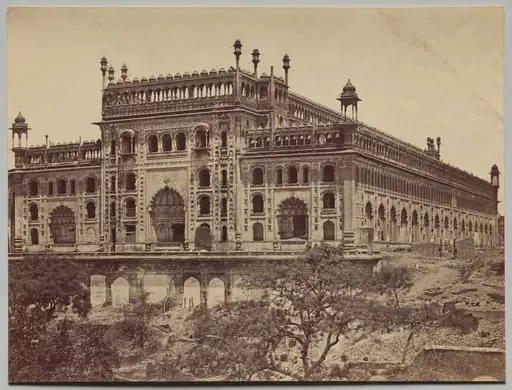 Exterior of Asaf-ud-Daula's Imambara, or Tomb
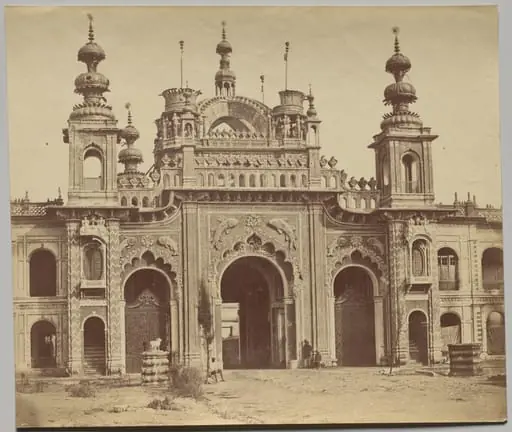 The Great Gateway of the Kasierbagh
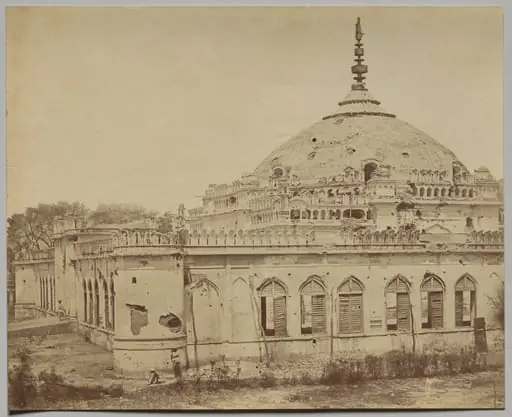 Shah Najaf
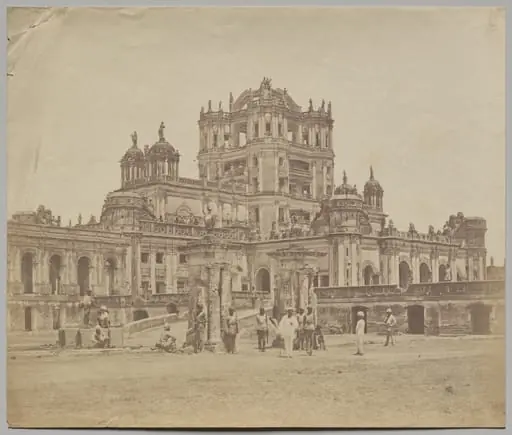 The Martinière College
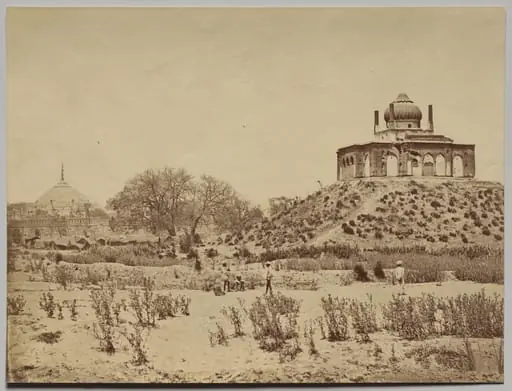 The Kudmsee Russol
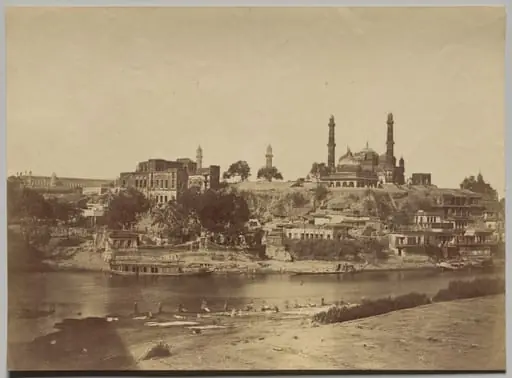 The Muchee Bhawan Fort and the Gomti River Taken from the Stone Bridge
- The Tomb of Saadat Ali in the Kaiserbagh Palace
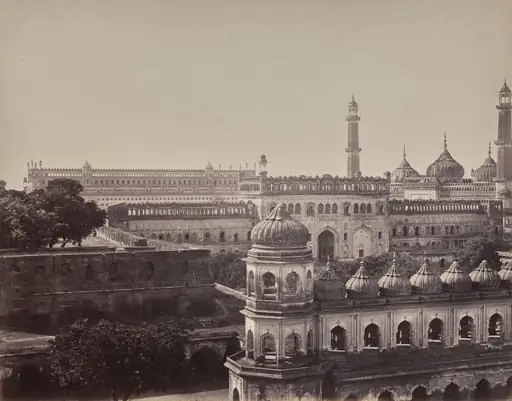 Lucknow. The Great Emambara and Mosque
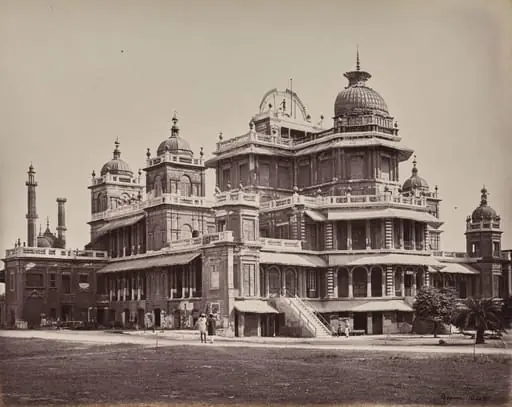 Lucknow. The Kaiser Pass and Southeast View
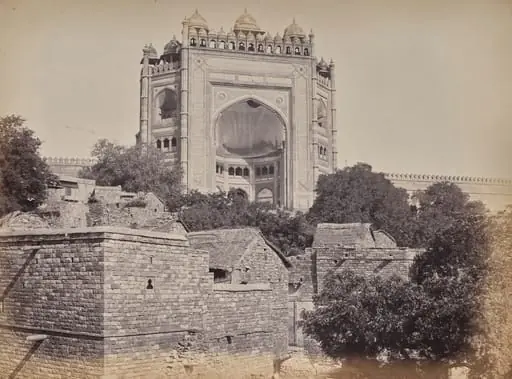 Futheypoor Sikre Guard Gate of the Fort
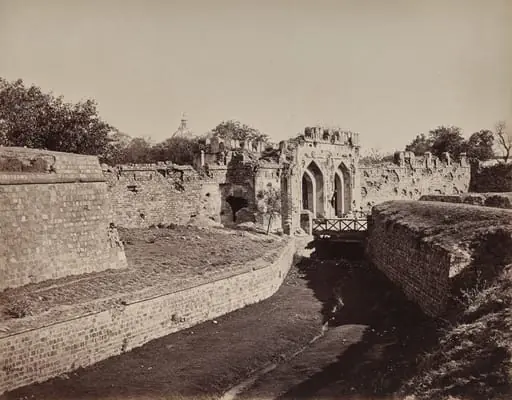 Delhi. The Kashmire Gate. The Scene of Some Very Hard Fighting in 1857
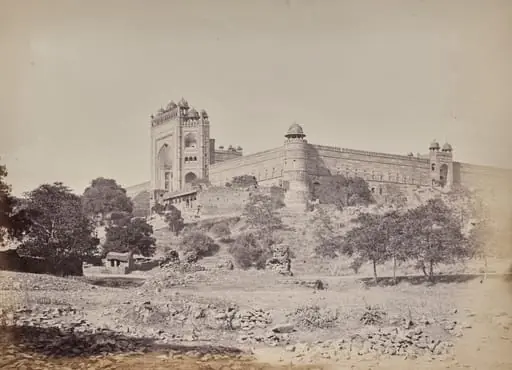 Fort of Futheypoor Sikre near Agra. The Residence of the Emperor Akbar