Artwork
Fort of Futheypoor Sikre near Agra. The Residence of the Emperor Akbar
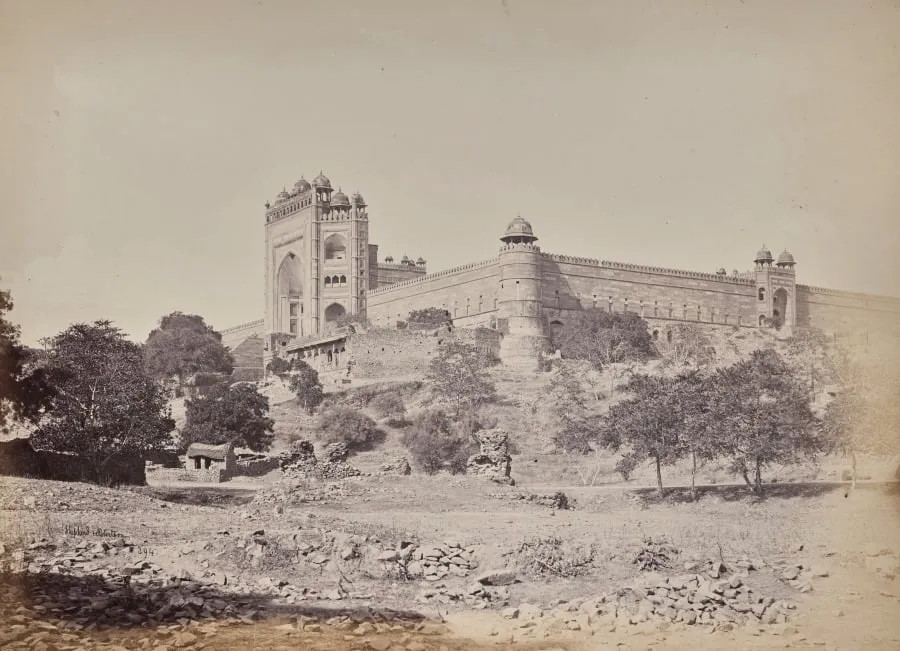
Fort of Futheypoor Sikre near Agra. The Residence of the Emperor Akbar is a photography by the Impressionist artist Samuel Bourne. It dates from 1866 and is held in the collection of the Cleveland Museum of Art. This photograph, taken in the 1860s, depicts the Fort of Futheypoor Sikre situated near Agra.
- Accession no.
- 2024.5.43
- Credit line
- Severance and Greta Millikin Purchase Fund
About this work
Overview
This photograph, taken in the 1860s, depicts the Fort of Futheypoor Sikre situated near Agra. The image captures the fort’s stone walls bathed in gentle sunlight, set beside a river, with a small group of figures near the entrance that emphasize the scale of the structure.
Subject & Meaning
The picture presents a tranquil fortified complex, illustrating the relationship between the massive masonry and the surrounding landscape. The presence of a few individuals at the gate underscores the fort’s functional role as a residence while also highlighting its imposing, defensive character.
Technique & Style
Created with the large‑format photographic equipment of the mid‑nineteenth century, the image exhibits the high level of detail typical of early documentary photography. The soft lighting and careful composition convey a realistic, unembellished view of the architecture.
History & Provenance
The photograph is part of a series of fifty images captured during a journey across northern India, ranging from Himalayan hill towns to major urban centers such as Lahore, Delhi, Lucknow, Agra, Benares, and Calcutta. It was produced while the British Raj governed the region, offering a contemporary visual record before later conservation work.
Context
At the time of its creation, the fort served as a residence for Emperor Akbar, linking the image to the broader Mughal architectural heritage. The photograph contributes to a visual archive that documents how key monuments appeared prior to twentieth‑century restoration efforts.
Artist & collection

Artist
Samuel Bourne was a British photographer known for his prolific seven years' work in India, from 1863 to 1870.

 Ceylon Views to Adam's Tooth
 Shimla
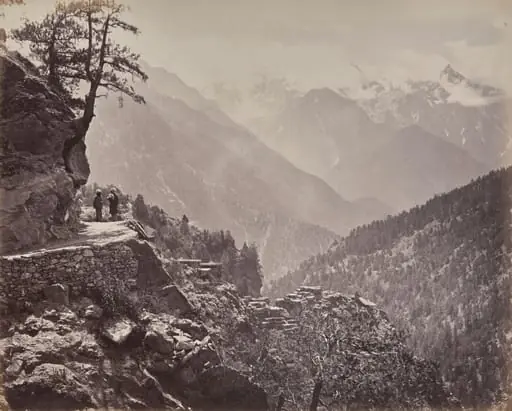 The Upper Himmalayahs. View on the New Road between India and China. Mt. Pangi with the Snowy Peaks of China in the Distance
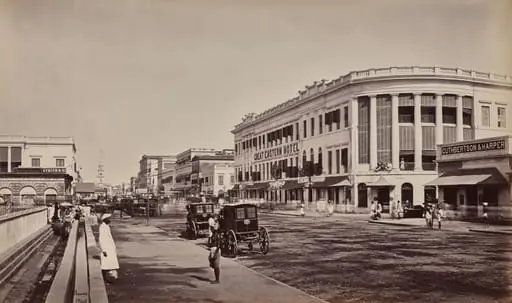 Calcutta. Old Court House Street
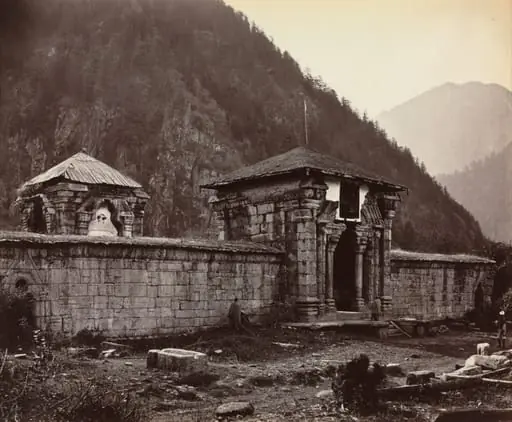 Temple at Naveshera, Kashmir, India
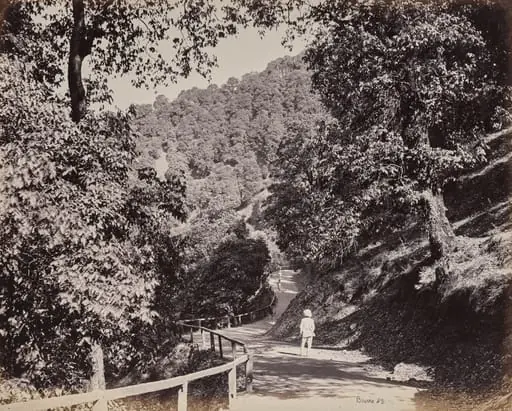 Shimla. The Mall near Rabq Lodge
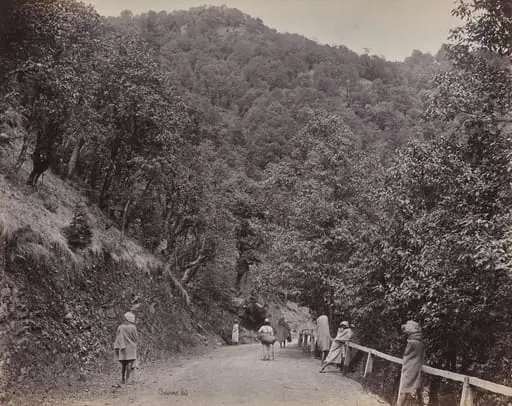 Shimla. The Mall or Principal
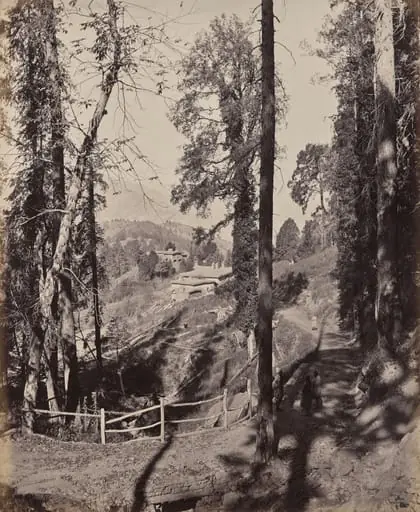 Murree. A Hill Station in the Himmalayahs, View Through the Forest
- Agra. View of the Taj from a Corner in the Quadrangle
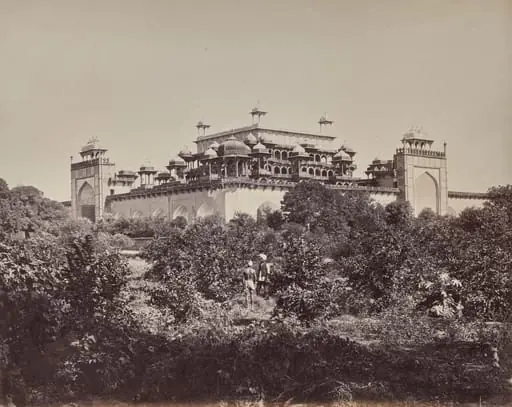 Secundra Near Agra. The Mausoleum of the Emperor Akbar
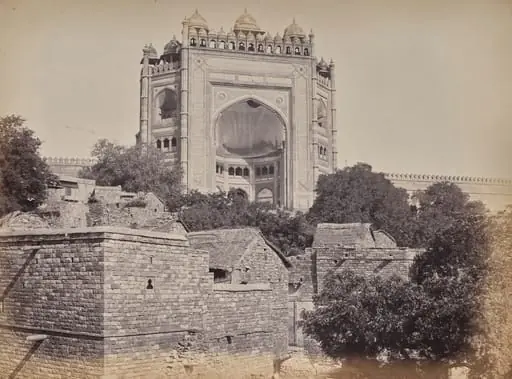 Futheypoor Sikre Guard Gate of the Fort
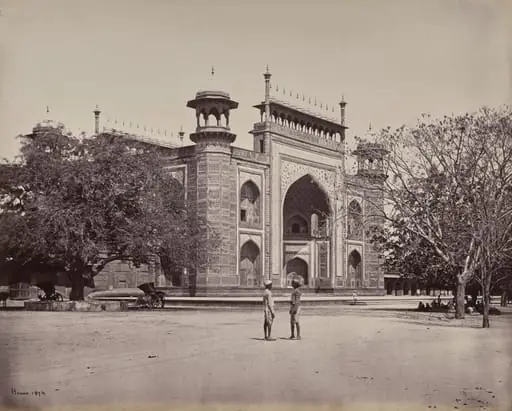 Agra. The Gateway of the Gardens Surrounding the Taj
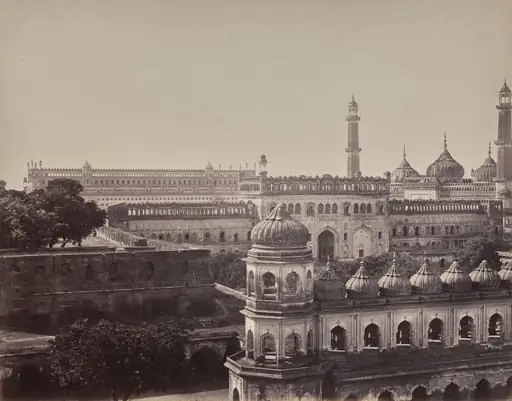 Lucknow. The Great Emambara and Mosque
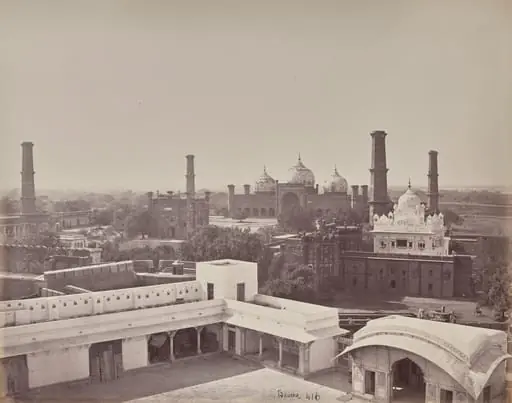 View of the City of Lahore Taken from the Roof of the Palace in the Fort
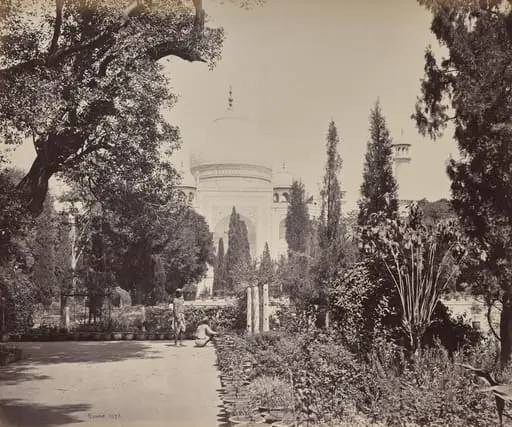 Agra. View of the Taj from the Garden
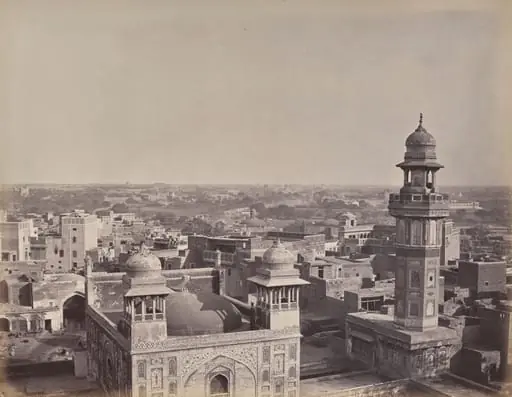 The City of Lahore. Another View Taken from Huzeer Khan's House
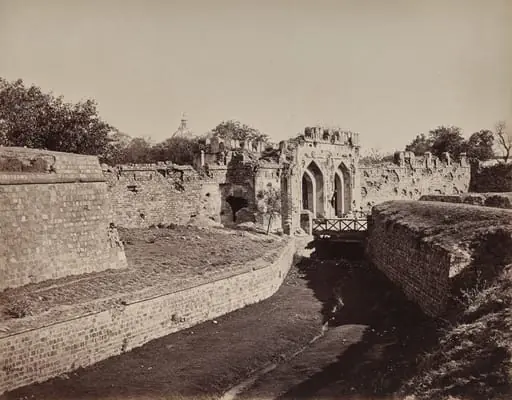 Delhi. The Kashmire Gate. The Scene of Some Very Hard Fighting in 1857
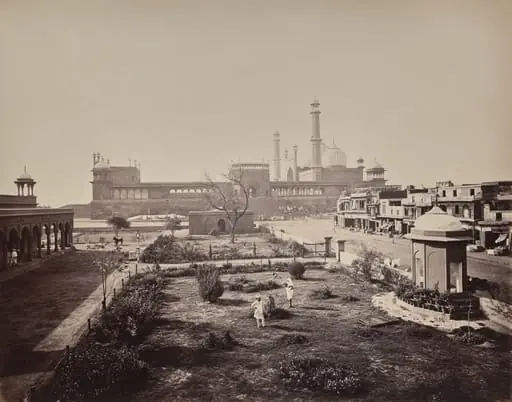 Delhi. View of North Side of the Jamma Musjid in Principal Mabonedau Place of Worship
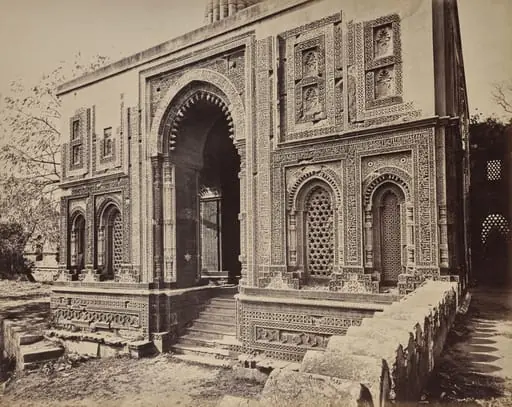 Delhi. Gateway of Allahood Deen's Palace, Old Delhi