Artwork
Louis-Stanislas-Xavier, comte de Provence (1755-1824)
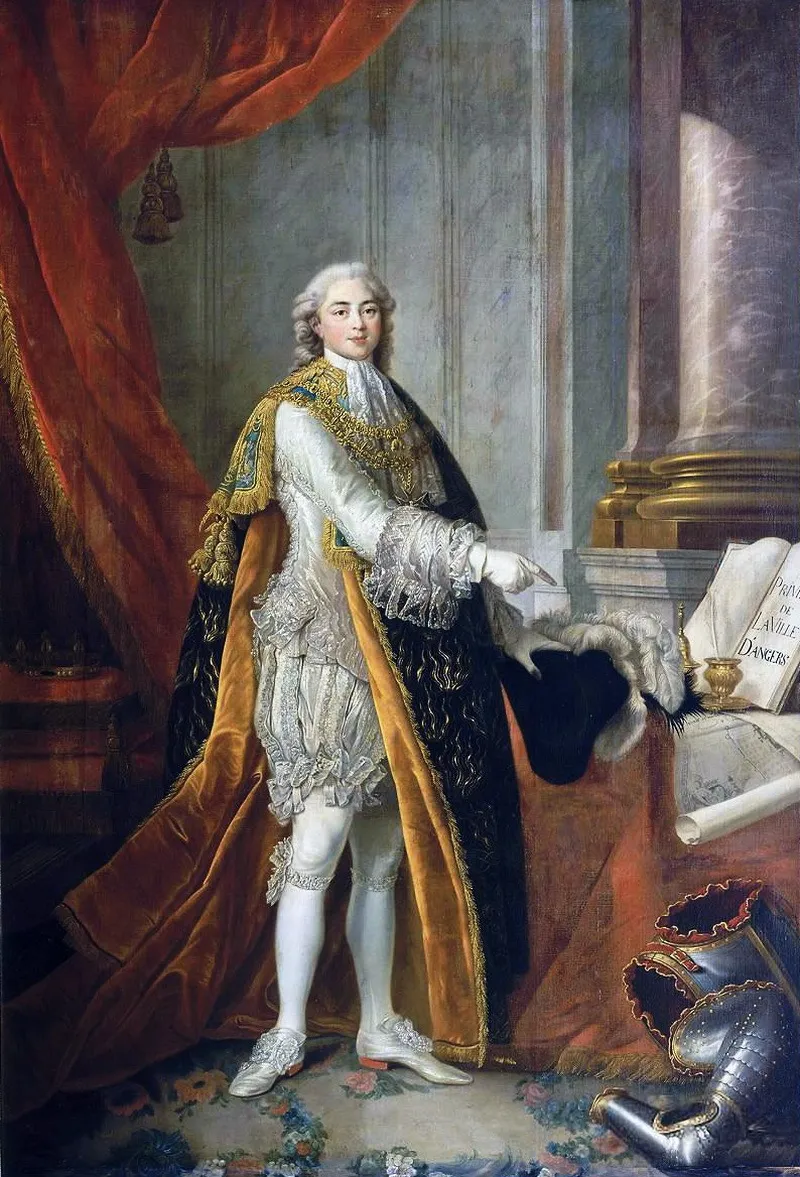
Louis-Stanislas-Xavier, comte de Provence (1755-1824) is an oil painting by the Rococo painting artist François-Hubert Drouais. It dates from 1774 and is held in the collection of the Palace of Versailles.
About this work
The painting depicts a man in an ornate white and gold outfit, standing in a room with red curtains and a marble column.
The painting depicts a man in an ornate white and gold outfit, standing in a room with red curtains and a marble column. He is wearing a long, dark cape with gold trim and has a white wig. The man is looking at something off to his right, with his left hand pointing towards it.
In the foreground, there is a table with a book, a cup, and a piece of paper on it. The background of the painting is a muted color, with some subtle details that suggest a luxurious setting.
The painting is a portrait of Louis XVIII of France, created by François-Hubert Drouais in 1774. To learn more about the artist's use of chiaroscuro, look up François-Hubert Drouais.
Overview
François-Hubert Drouais executed this oil-on-canvas portrait in 1774, presenting the future Louis XVIII as a young nobleman. The composition places the sitter within an elegant interior, surrounded by red drapery, a marble column, and a table bearing a book, a cup, and a sheet of paper. Drouas’s work remains part of the Versailles collection.
Subject & Meaning
The figure is Louis-Stanislas-Xavier, then comte de Provence, who would later ascend the throne as Louis XVIII. He is shown in a lavish white and gold ensemble, his dark cape trimmed in gold, and a powdered white wig. His gaze is directed to the right, with his left hand gesturing, suggesting engagement with an unseen document or conversation.
Technique & Style
Rendered in the Rococo idiom, the portrait combines delicate brushwork with a subtle handling of light and shade. Drouais employs a restrained chiaroscuro that models the fabrics and facial features while preserving the airy elegance typical of late‑18th‑century French court portraiture.
History & Provenance
Created during the later years of Louis XV’s reign, the painting was commissioned for the royal household, reflecting Drouais’s status as a favored portraitist of the French aristocracy. It entered the Palace of Versailles collection, where it remains on display as part of the museum’s holdings of pre‑revolutionary portraiture.
Artist & collection
Artist
François-Hubert Drouais (French pronunciation:; Paris, 14 December 1727 – Paris, 21 October 1775) was a leading French portrait painter during the latter years of Louis XV's reign.

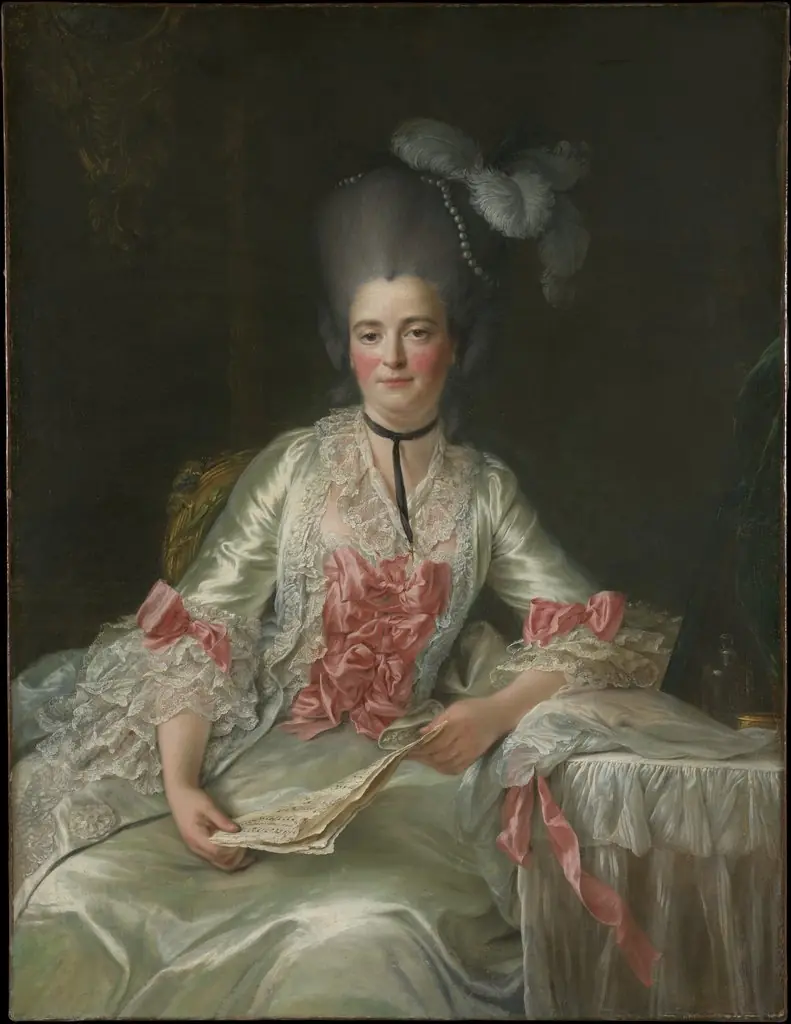 Marie Rinteau, called Mademoiselle de Verrières
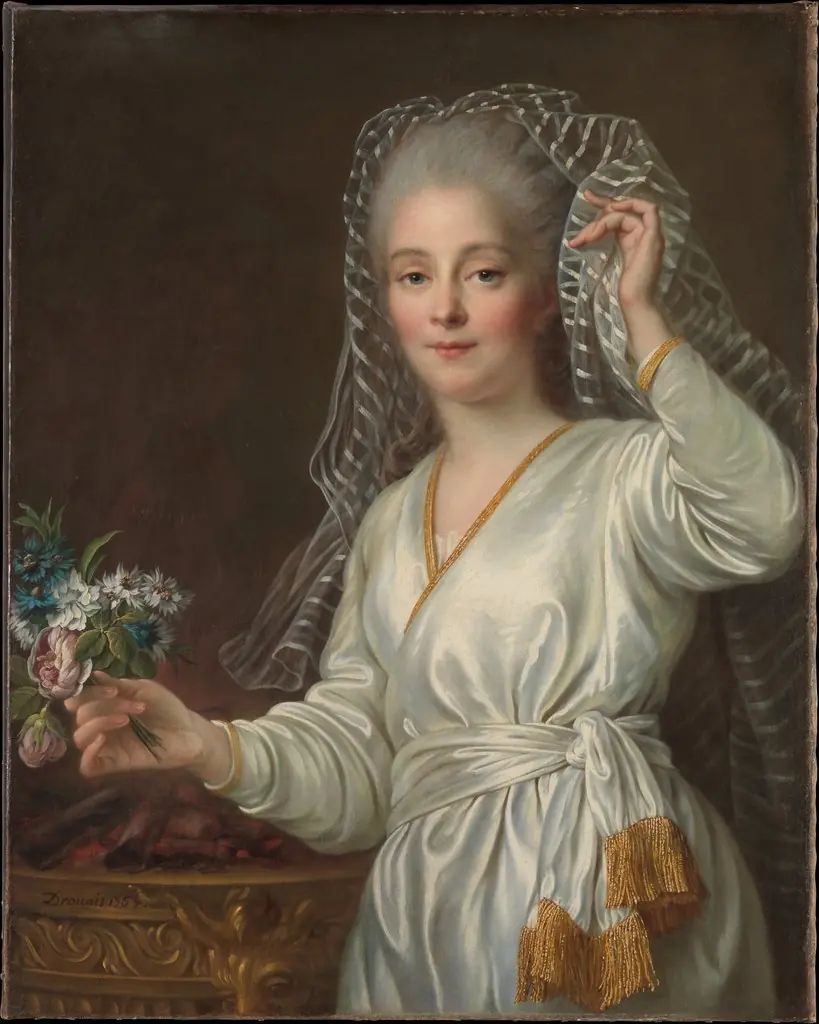 Portrait of a Young Woman as a Vestal Virgin
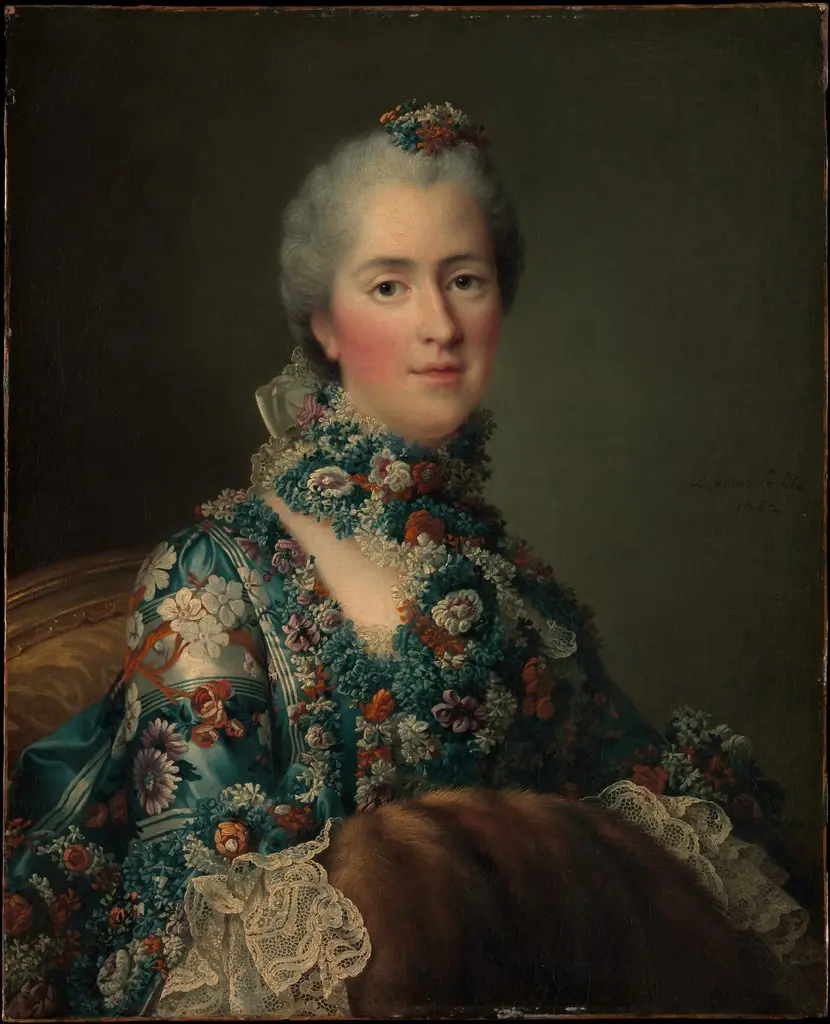 Madame Sophie de France (1734–1782)
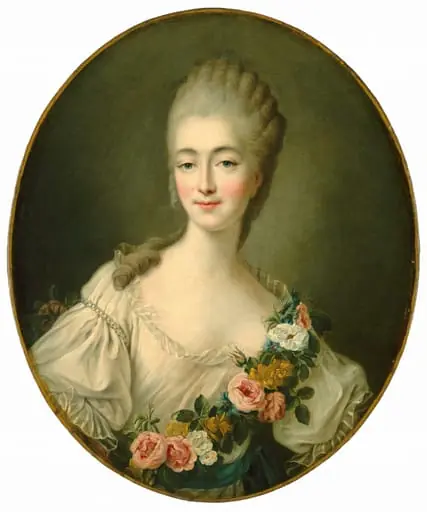 Jeanne Bécu, Comtesse du Barry
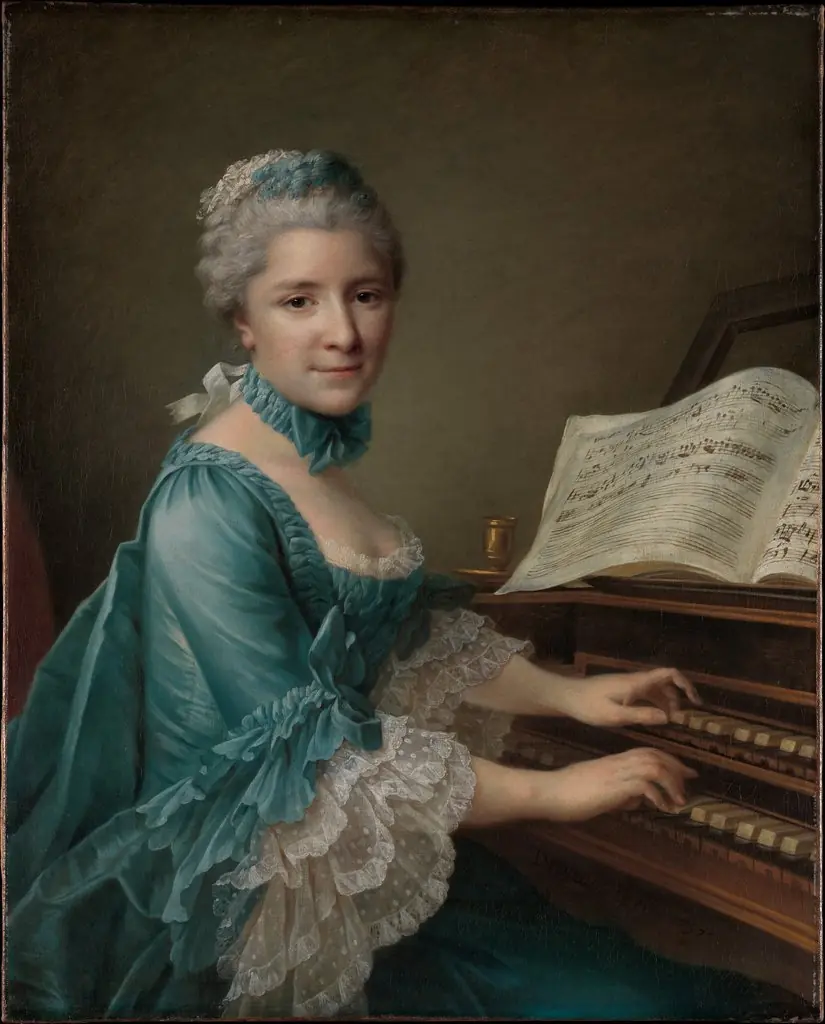 Portrait of a Woman, Said to be Madame Charles Simon Favart (Marie Justine Benoîte Duronceray, 1727–1772)
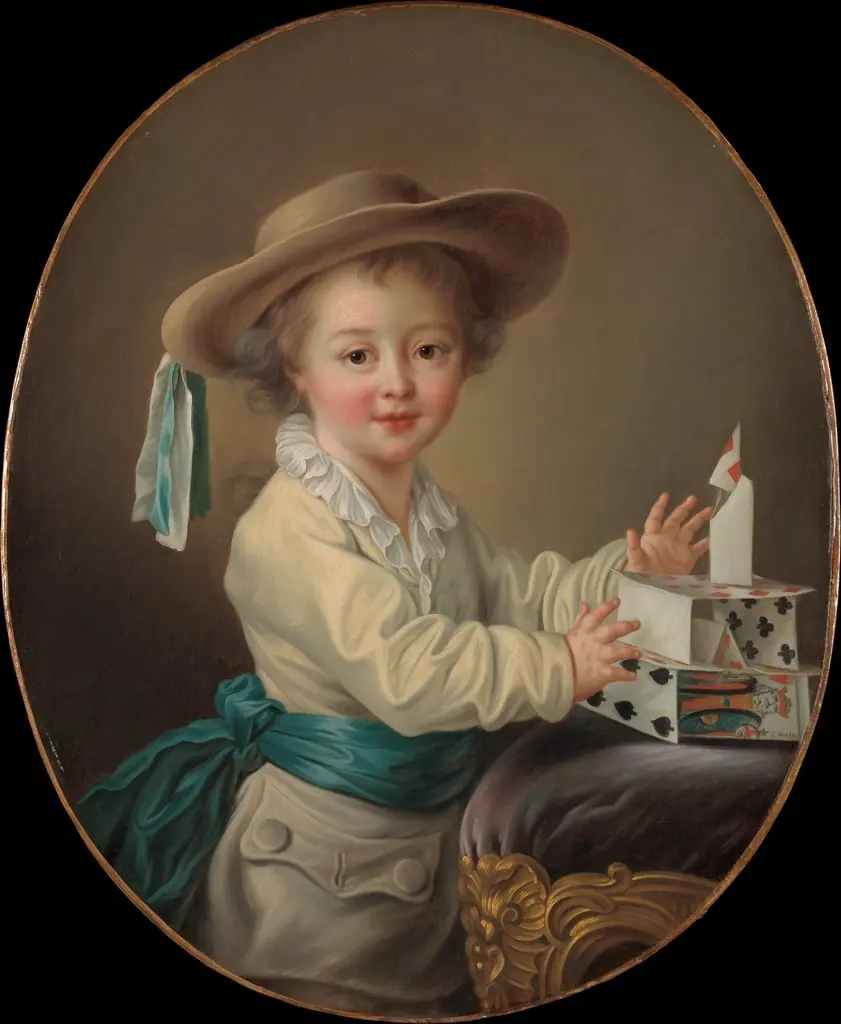 Boy with a House of Cards
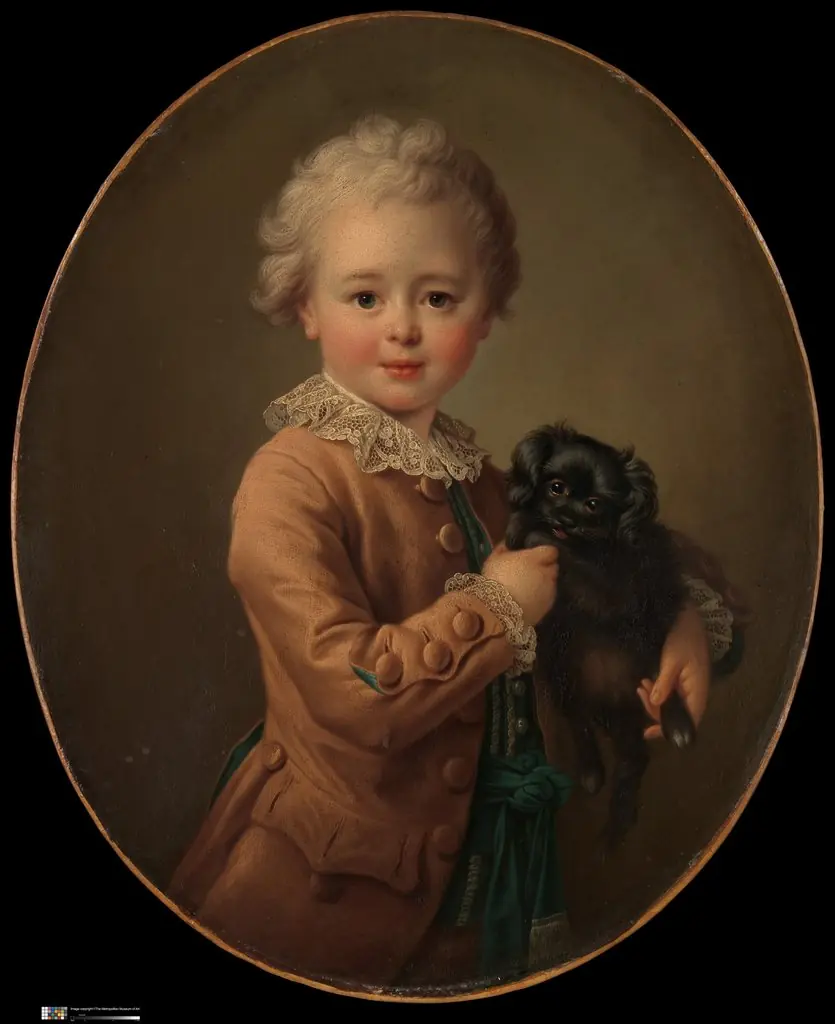 Boy with a Black Spaniel
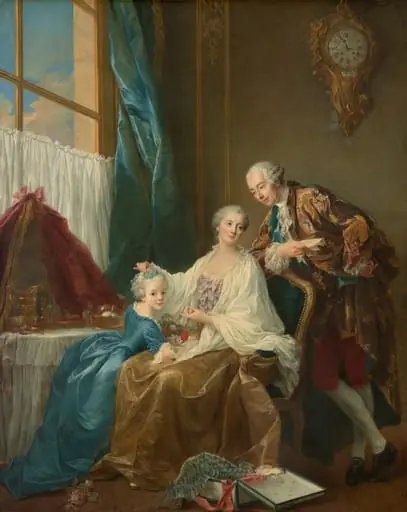 Family Portrait
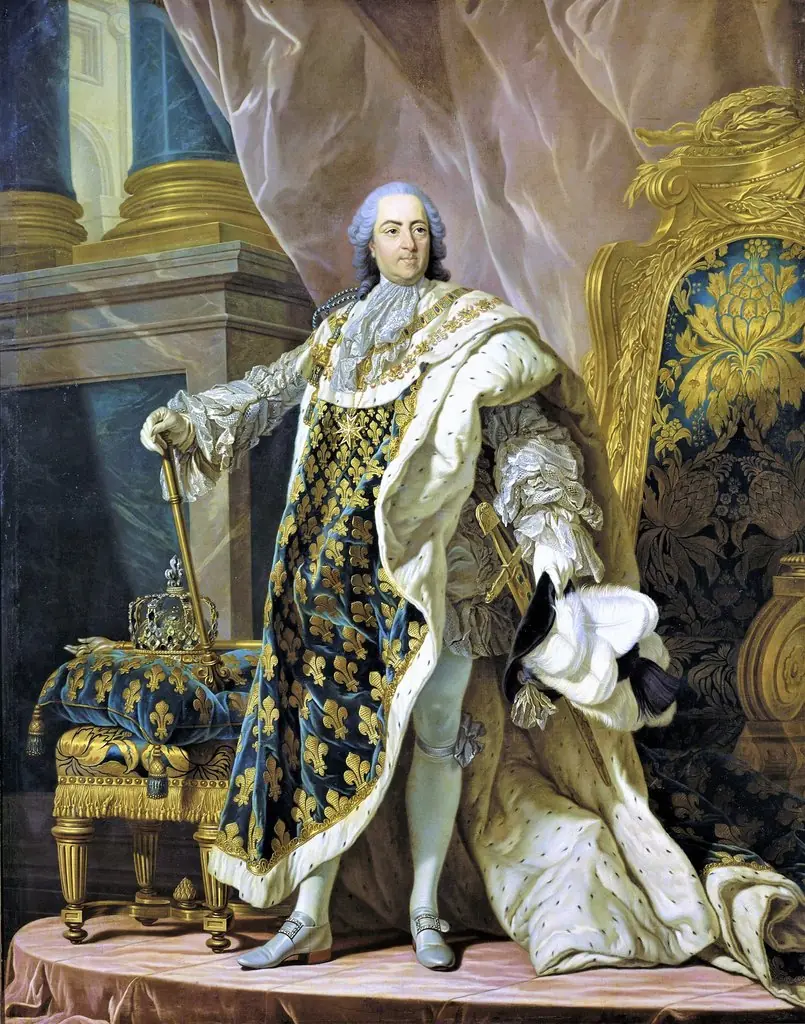
- Portrait of Louis XV of France (1710-1774)
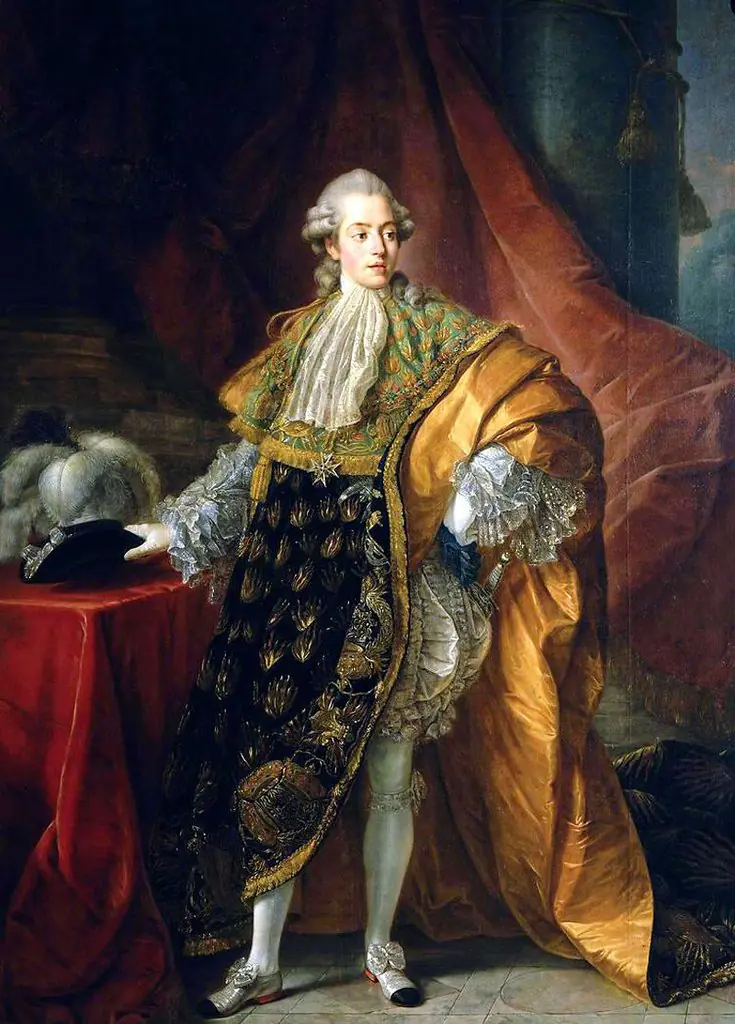 Philippe of France, Count of Artois (1757-1836)
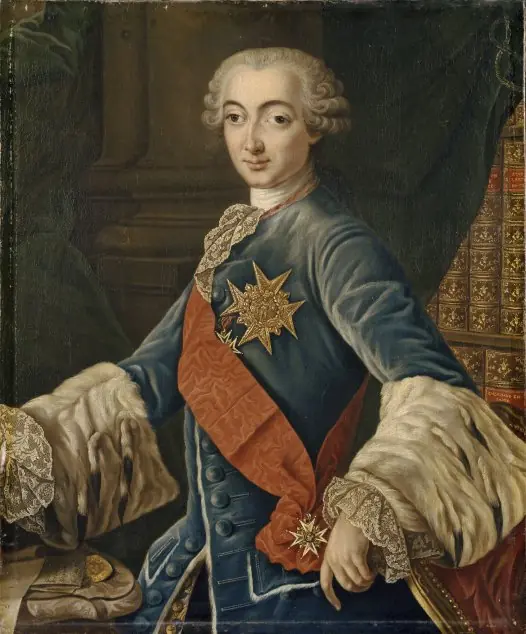 Antoine-René de Voyer, marquis de Paulmy d'Argenson (1722-1787), diplomate français.
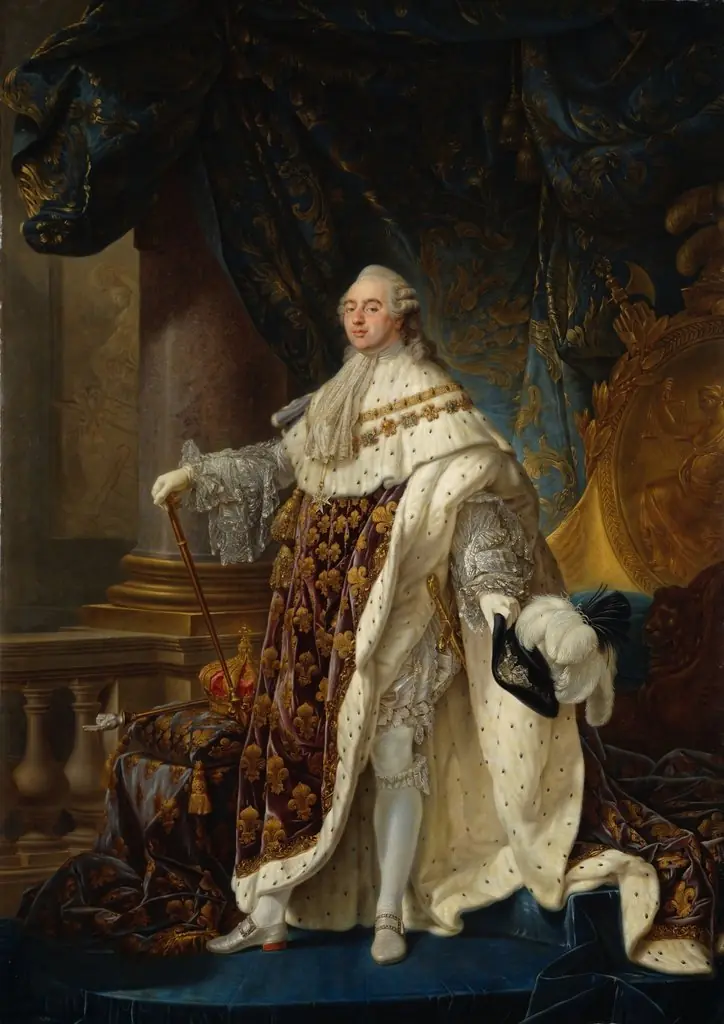 Louis XVI
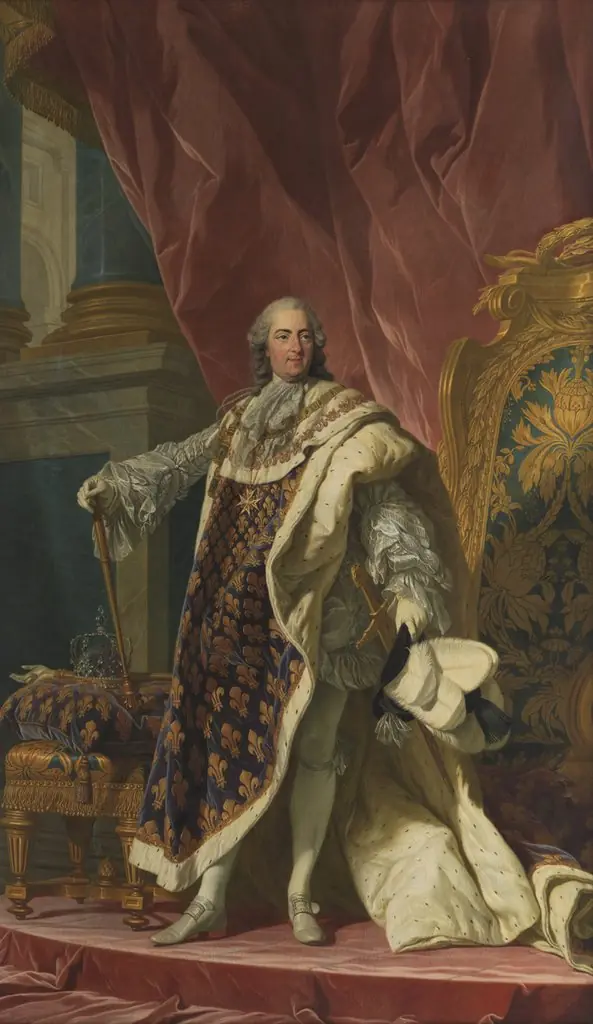 Louis XV of France (1710-1774)
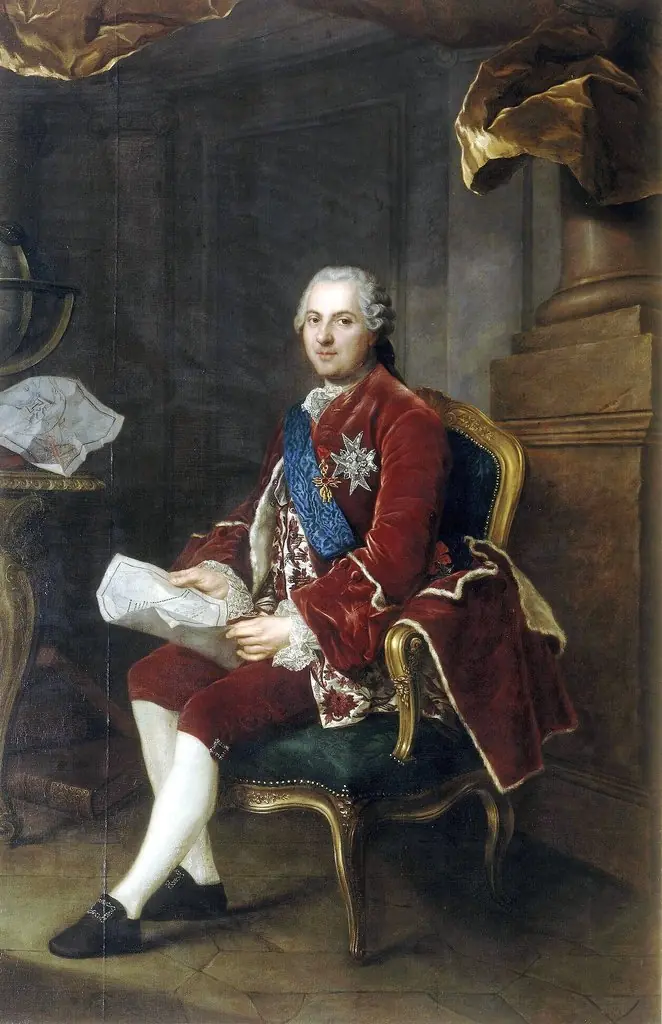 Louis, Dauphin of France
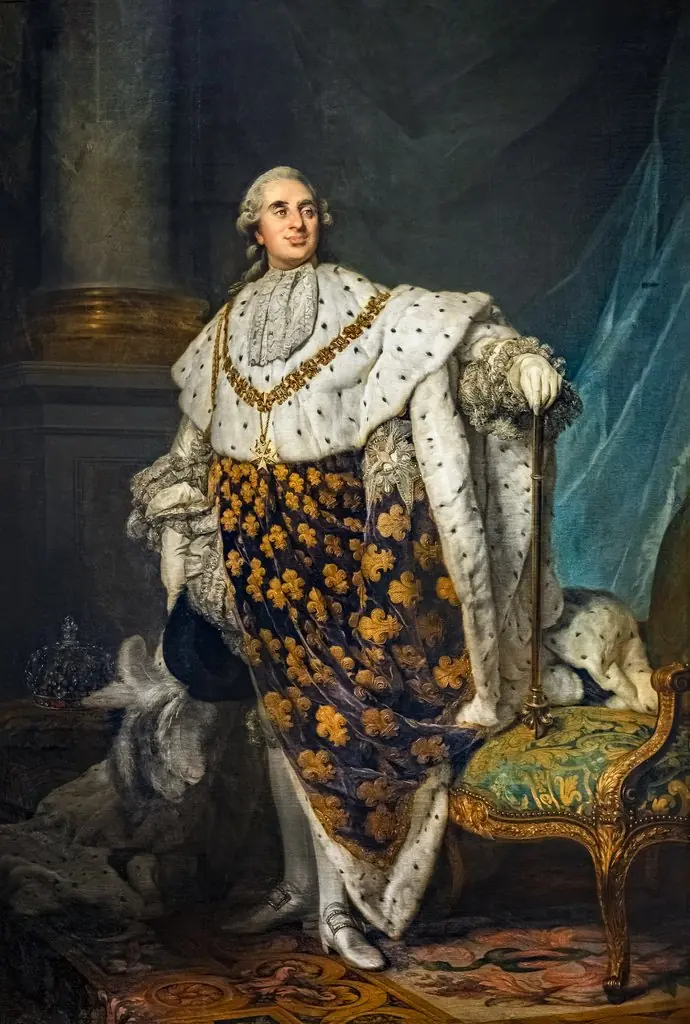 Louis XVI in Coronation Robes
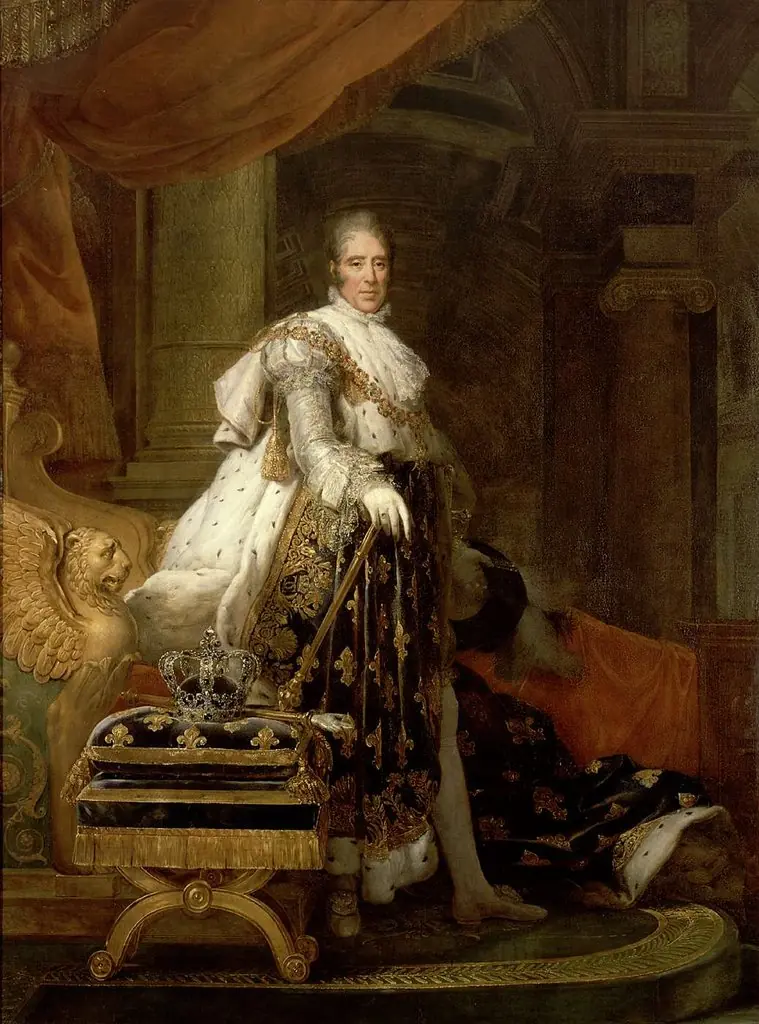 Charles X of France
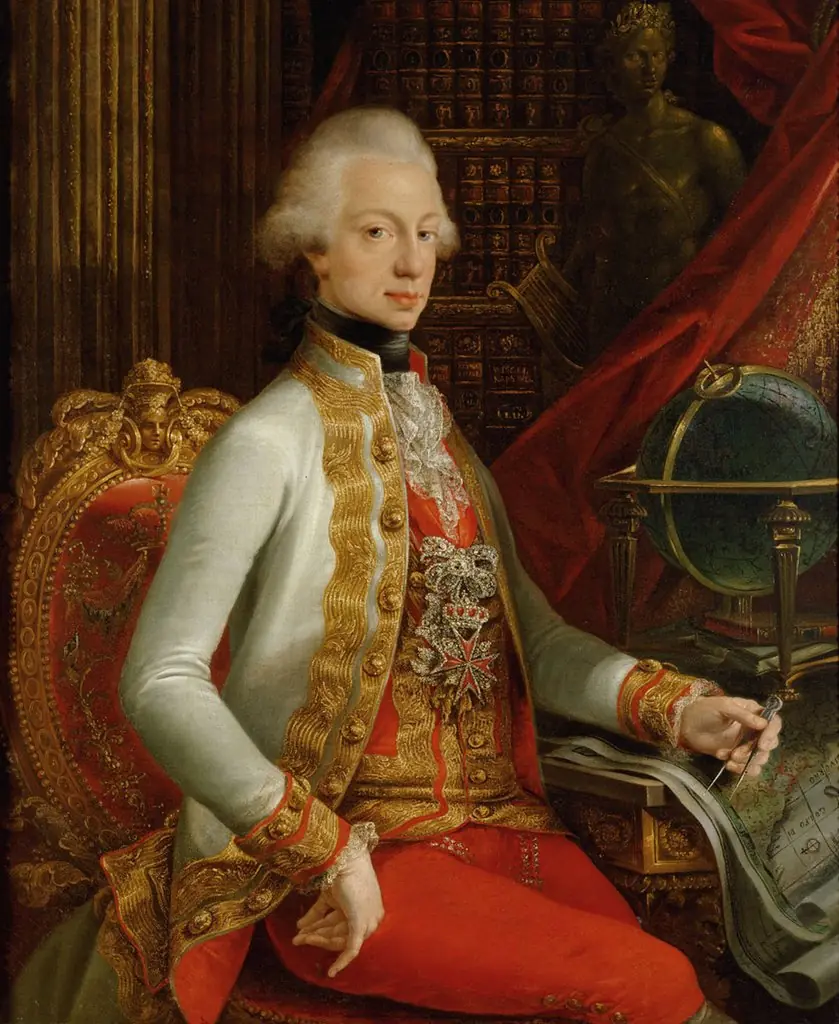 Portrait of Ferdinand III, Archduke of Austria and Grand Duke of Tuscany (1769-1824) sitting in his library
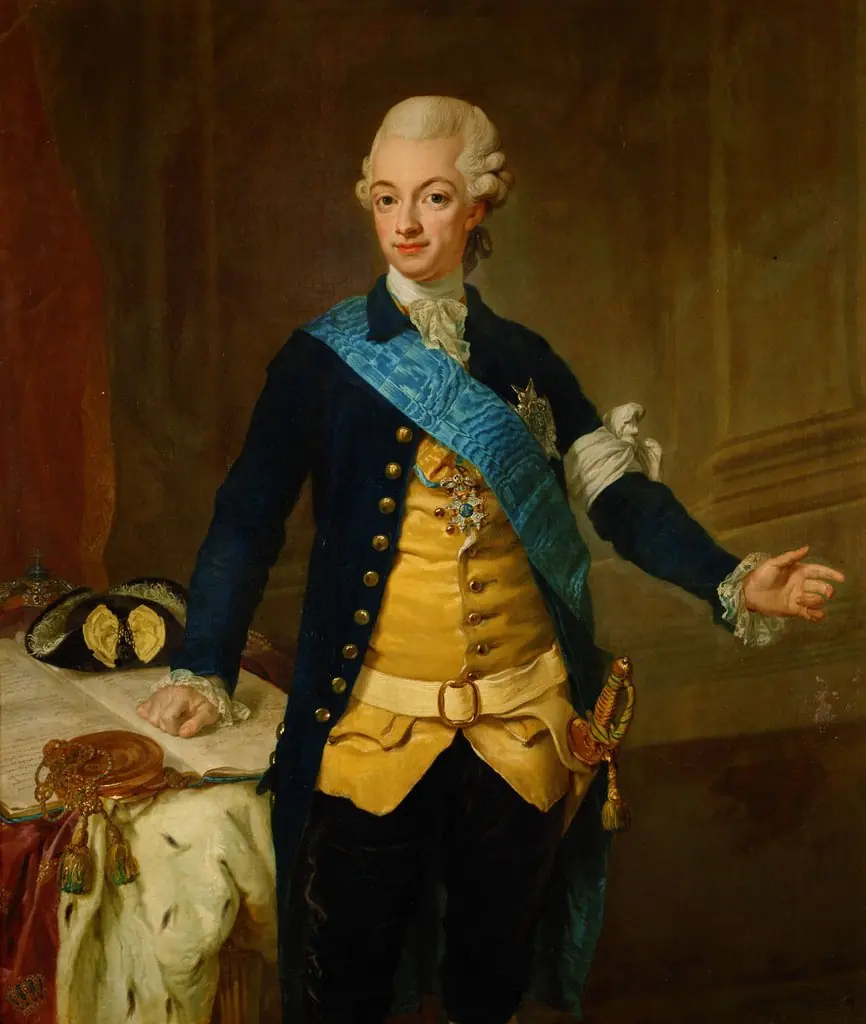 König Gustav III. (1746-1792) von Schweden in Uniform, Kniestück
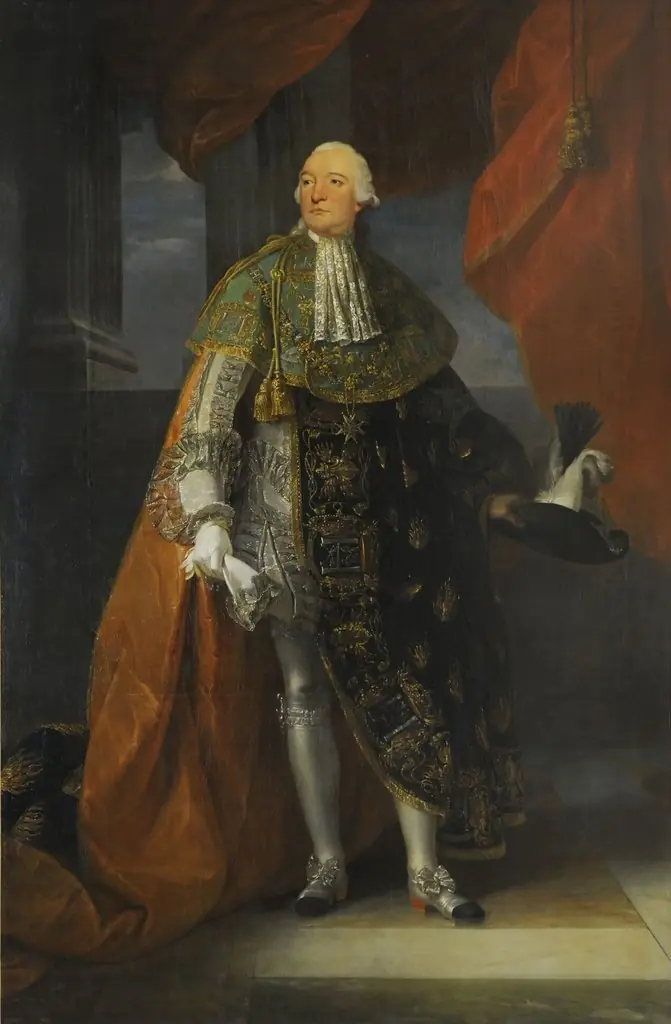 Louis-Philippe-Joseph, Duke of Orleans, known as Philippe-Egalité
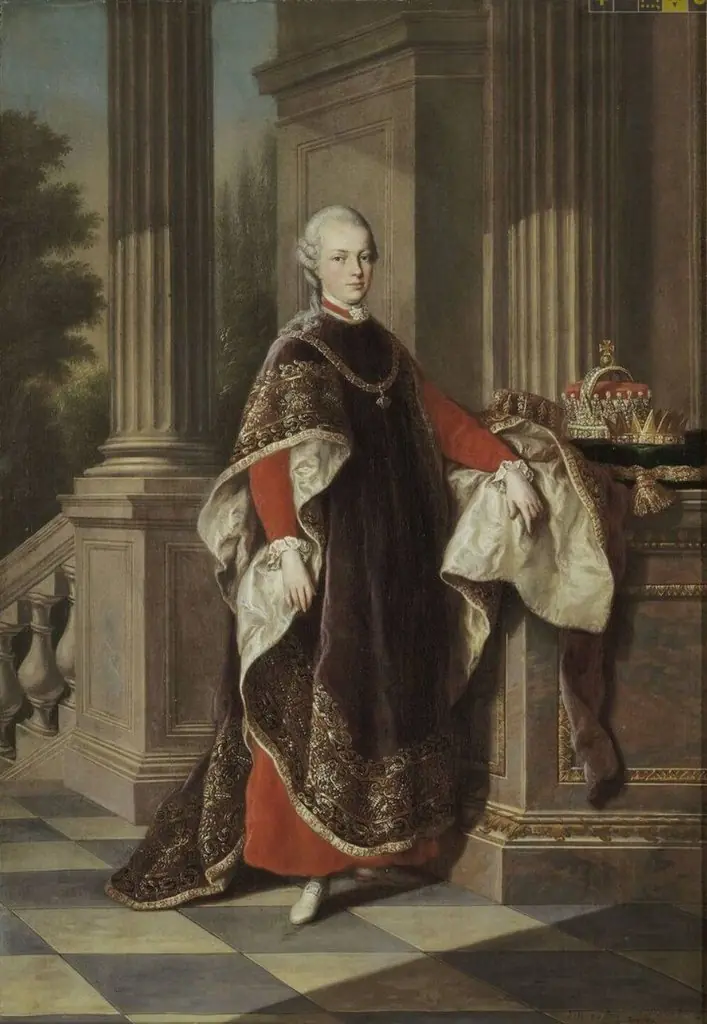 Kaiser Leopold II in Kleidung des Ritterordens vom Goldenen Vlies