Artwork
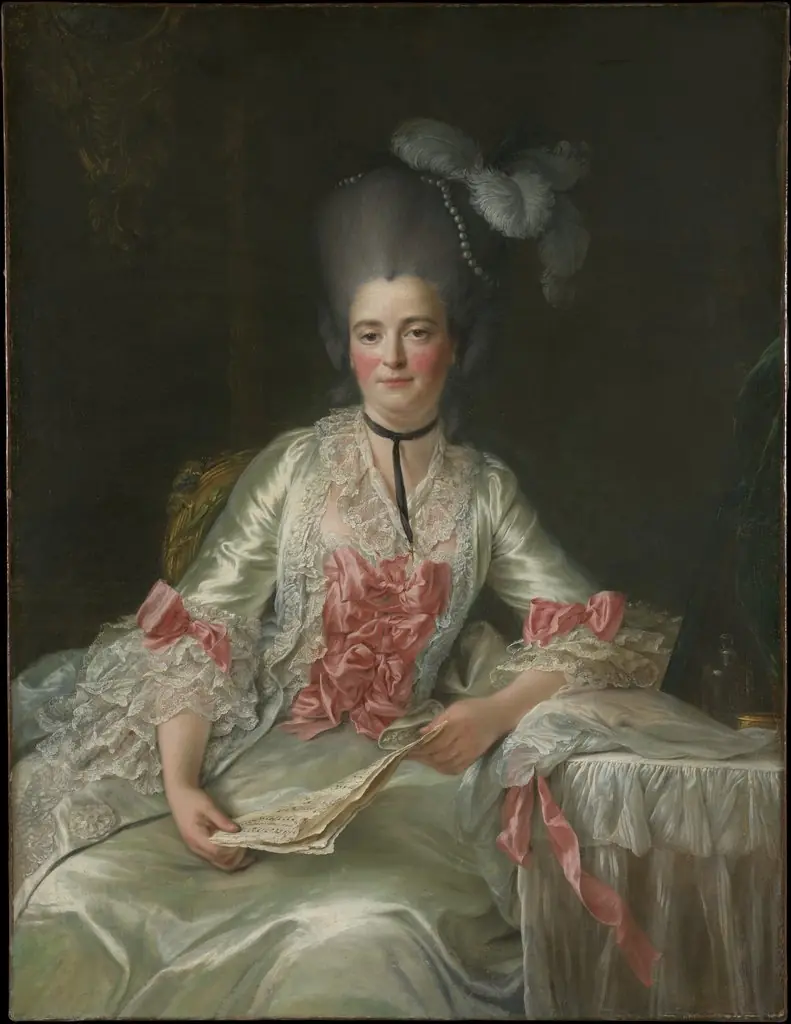
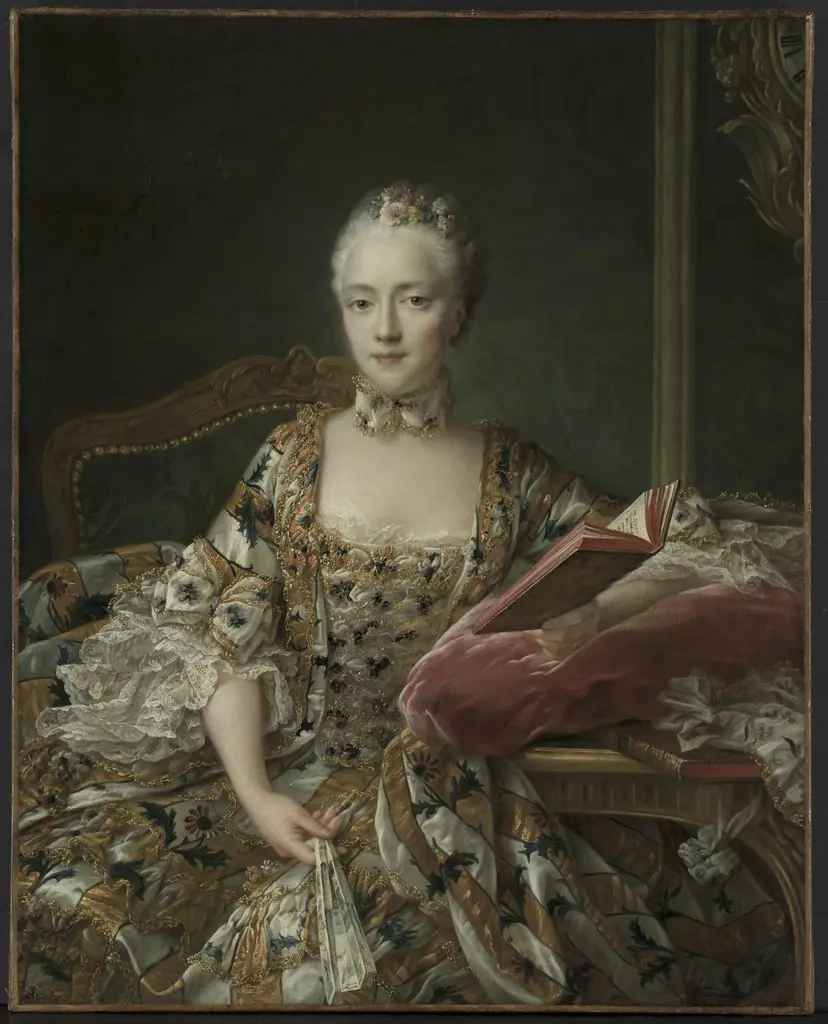
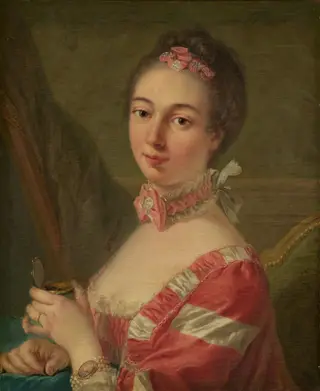
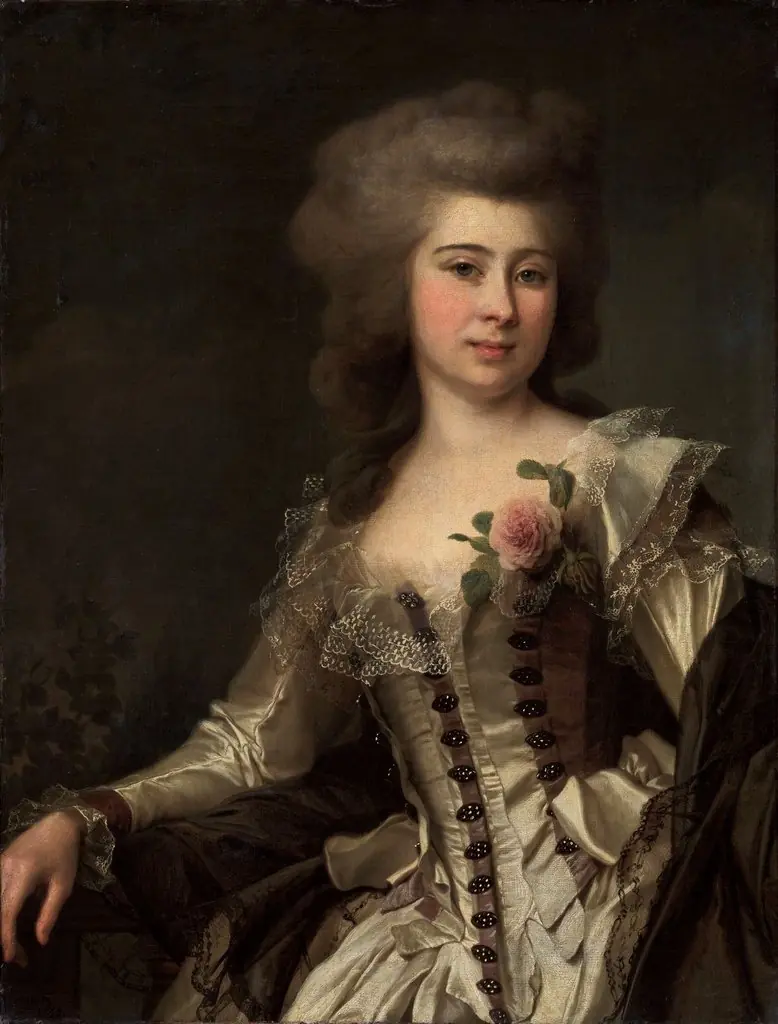
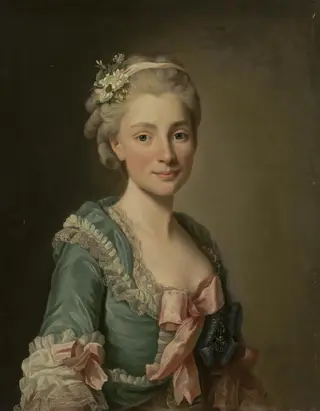
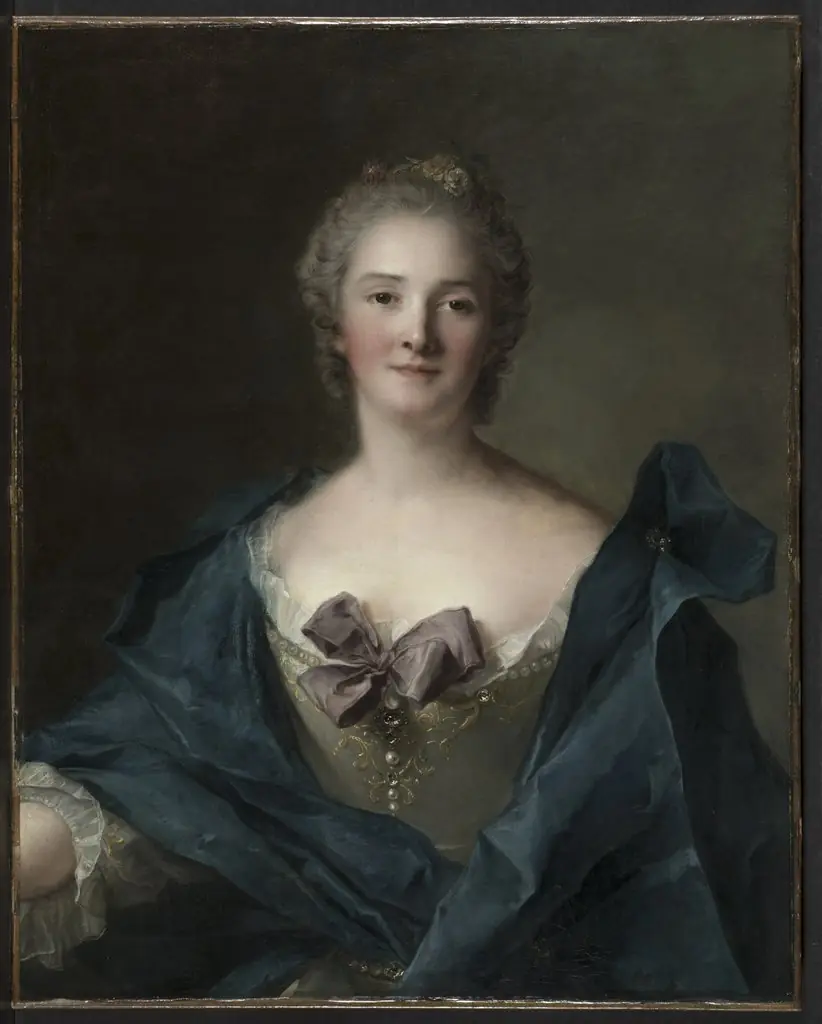
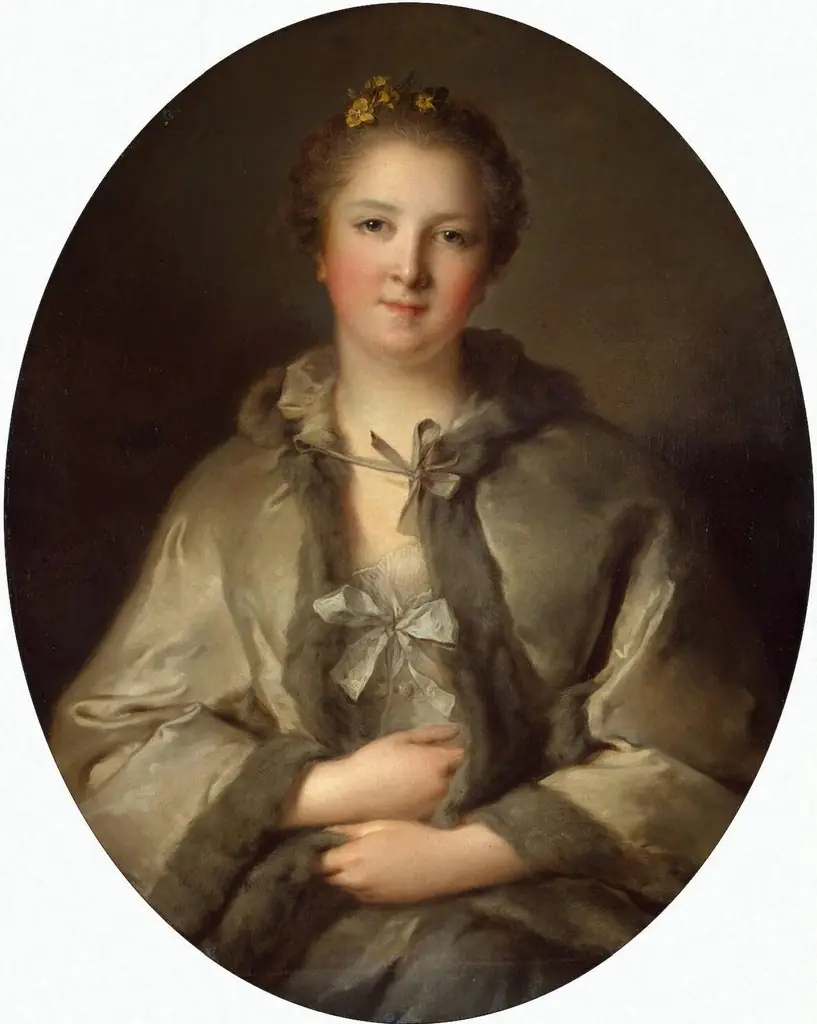
Portrait of a Woman, Said to be Madame Charles Simon Favart (Marie Justine Benoîte Duronceray, 1727–1772)
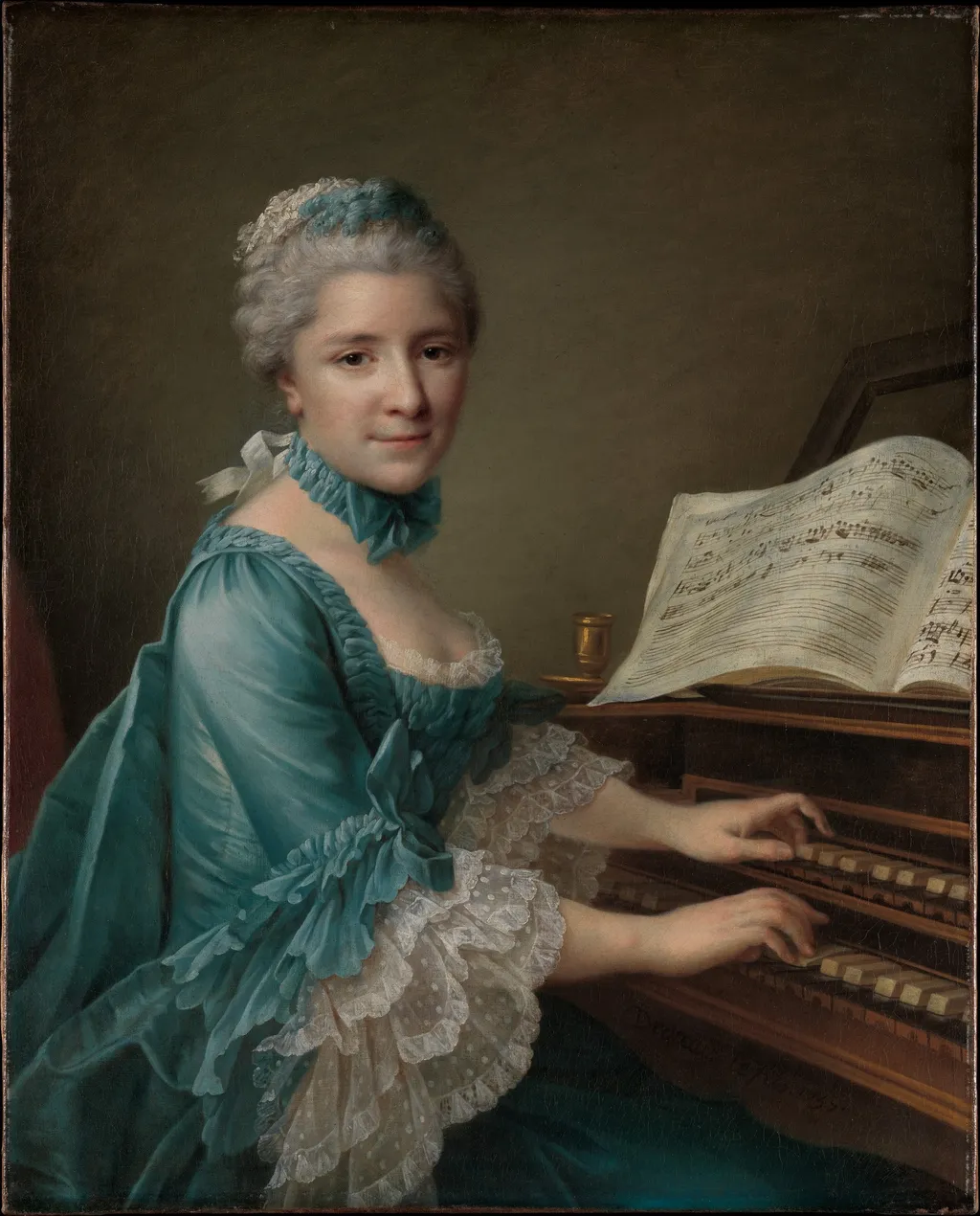
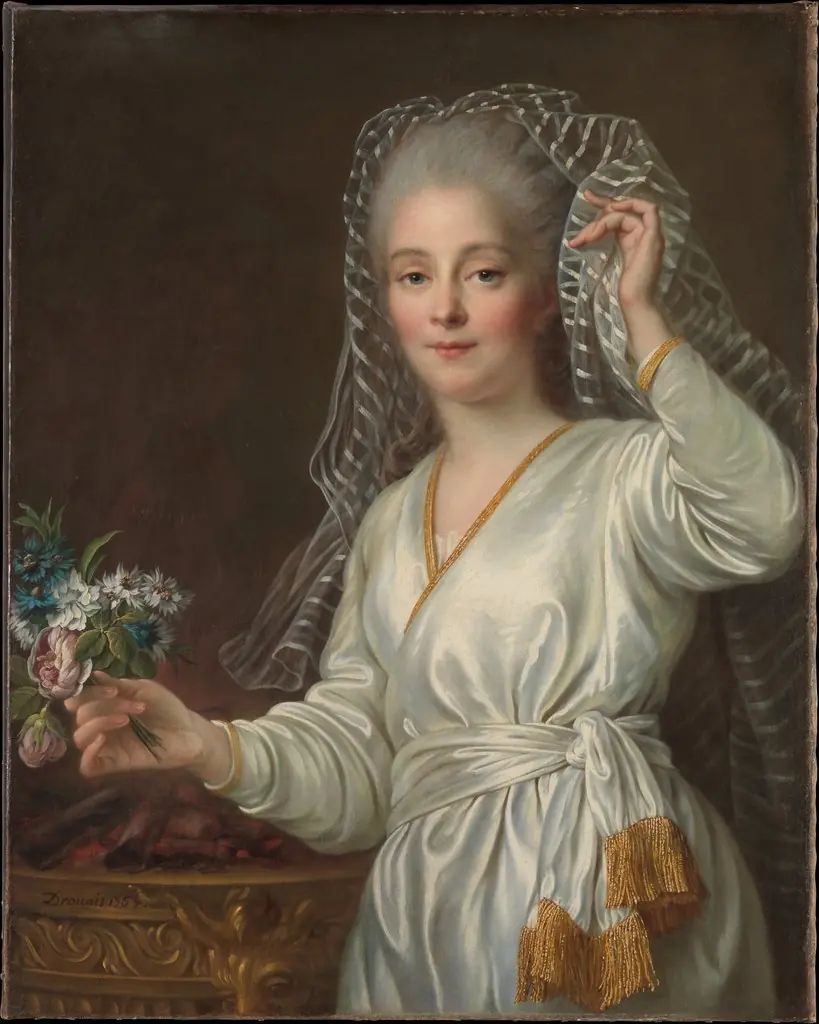
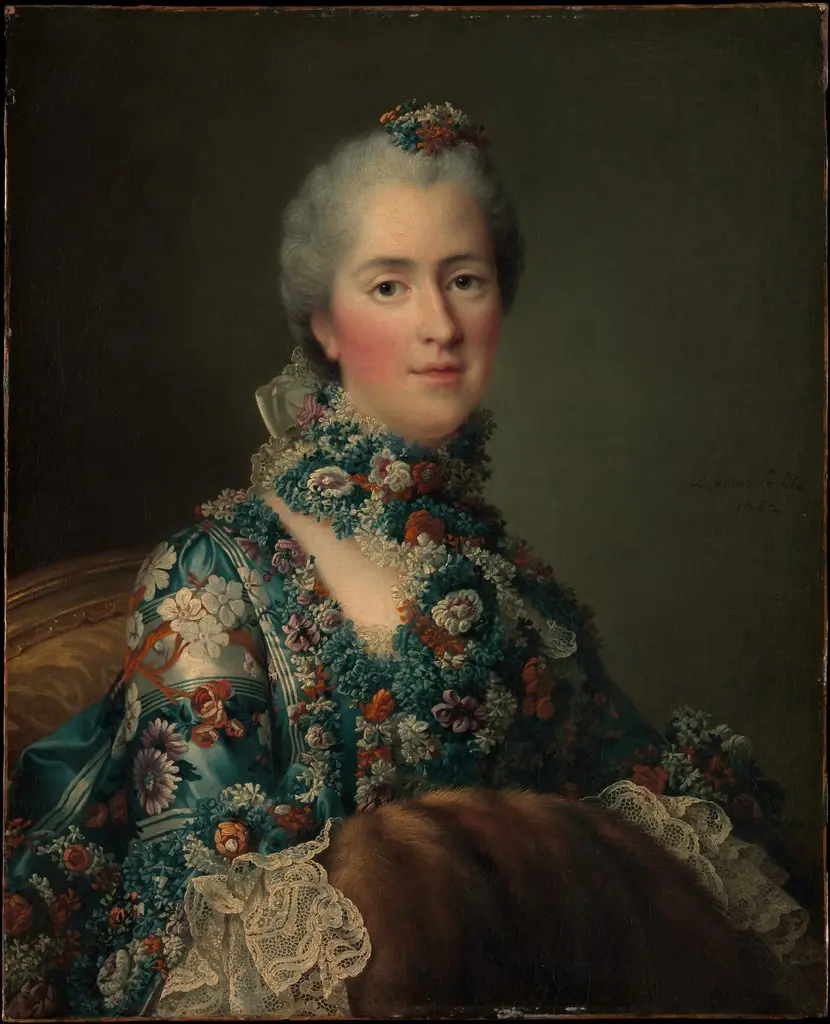
Portrait of a Woman, Said to be Madame Charles Simon Favart (Marie Justine Benoîte Duronceray, 1727–1772) is an oil painting by the Rococo painting artist François-Hubert Drouais. It dates from 1757 and is held in the collection of the Metropolitan Museum of Art.
About this work
Technique & Style
No further technical details regarding underdrawing, ground, condition, or stylistic handling are documented in the available sources.
The work is executed in oil paint on canvas, a standard support for mid-eighteenth-century French portraiture. The Metropolitan Museum of Art records the canvas dimensions as 80 by 64.8 centimeters, giving it a vertical format suited to a half- or three-quarter-length depiction of the sitter. Classified simply as a painting in the portrait genre and dated 1757, the medium and support are consistent with François-Hubert Drouais's established practice of working in oil on canvas during this period. No further technical details regarding underdrawing, ground, condition, or stylistic handling are documented in the available sources.
History & Provenance
Portrait of a Woman, identified as Madame Charles Simon Favart, is attributed to François-Hubert Drouais and dated 1757. Executed in oil on canvas, the painting measures 80 × 64.8 cm and depicts a woman with a musical instrument. It is classified as a portrait and is held in the collection of the Metropolitan Museum of Art, New York.
The work entered the museum's holdings at an undocumented date, and no contemporary documentation of its commission survives. The attribution and dating rest on stylistic analysis and documentary records linking the subject to the eighteenth-century French musical milieu. No specific exhibition history is recorded in the available sources.
Context
The 1757 oil portrait of a woman identified as Madame Charles Simon Favart exemplifies mid-eighteenth-century French portraiture, reflecting the Rococo emphasis on refined elegance and intimate representation. Attributed to François-Hubert Drouais, the work is housed in the Metropolitan Museum of Art. Its recorded dimensions, oil-on-canvas medium, and portrait classification situate it within Drouais's broader output of aristocratic and artistic subjects.
Overview
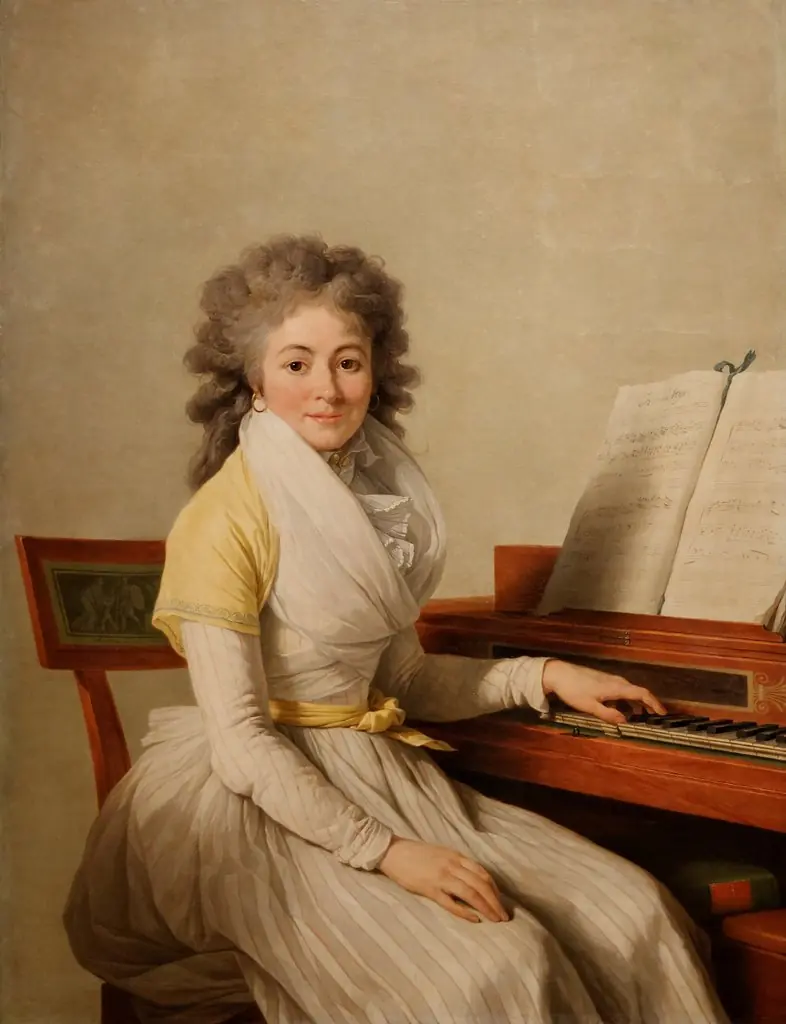
Painted in 1757 by François-Hubert Drouais, this oil portrait depicts a woman, traditionally identified as Madame Charles Simon Favart, seated at a harpsichord. The composition centers on the sitter, who wears a light blue dress accented by a white lace ruffle at the wrist and a powdered wig with soft curls. Her hands rest gently on the instrument's keys, suggesting a moment of pause during musical performance.
An open sheet of music lies on the harpsichord surface beside her, accompanied by a small candle, elements that emphasize her cultural refinement and domestic elegance. Drouais, a leading portraitist of the French Rococo era, captures the sitter with a naturalistic yet idealized grace characteristic of his mid-career work. The painting reflects the 18th-century French fascination with musical accomplishment among the bourgeoisie and aristocracy.
Executed during a period when Drouais was establishing his reputation as the premier portrait painter of the French court, the work demonstrates his skill in rendering textures, from the delicate lace to the smooth fabric of the dress, while maintaining a composed and intimate atmosphere.
Subject & Meaning
The sitter is identified as Marie Justine Benoîte Duronceray, known as Madame Charles Simon Favart, a prominent actress and playwright of the 18th century. Her portrayal with a harpsichord and sheet music highlights the cultural importance of musical accomplishment among aristocratic and theatrical figures of the era. The elegant yet understated attire and composed demeanor suggest a woman of refinement and intellectual pursuits, reflecting the ideals of the French Enlightenment.
Own this work as a print
Artist & collection
Artist
François-Hubert Drouais (French pronunciation:; Paris, 14 December 1727 – Paris, 21 October 1775) was a leading French portrait painter during the latter years of Louis XV's reign.