Artwork
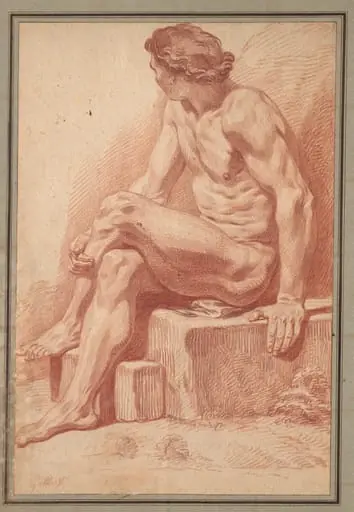
Neopolitan Fisherman
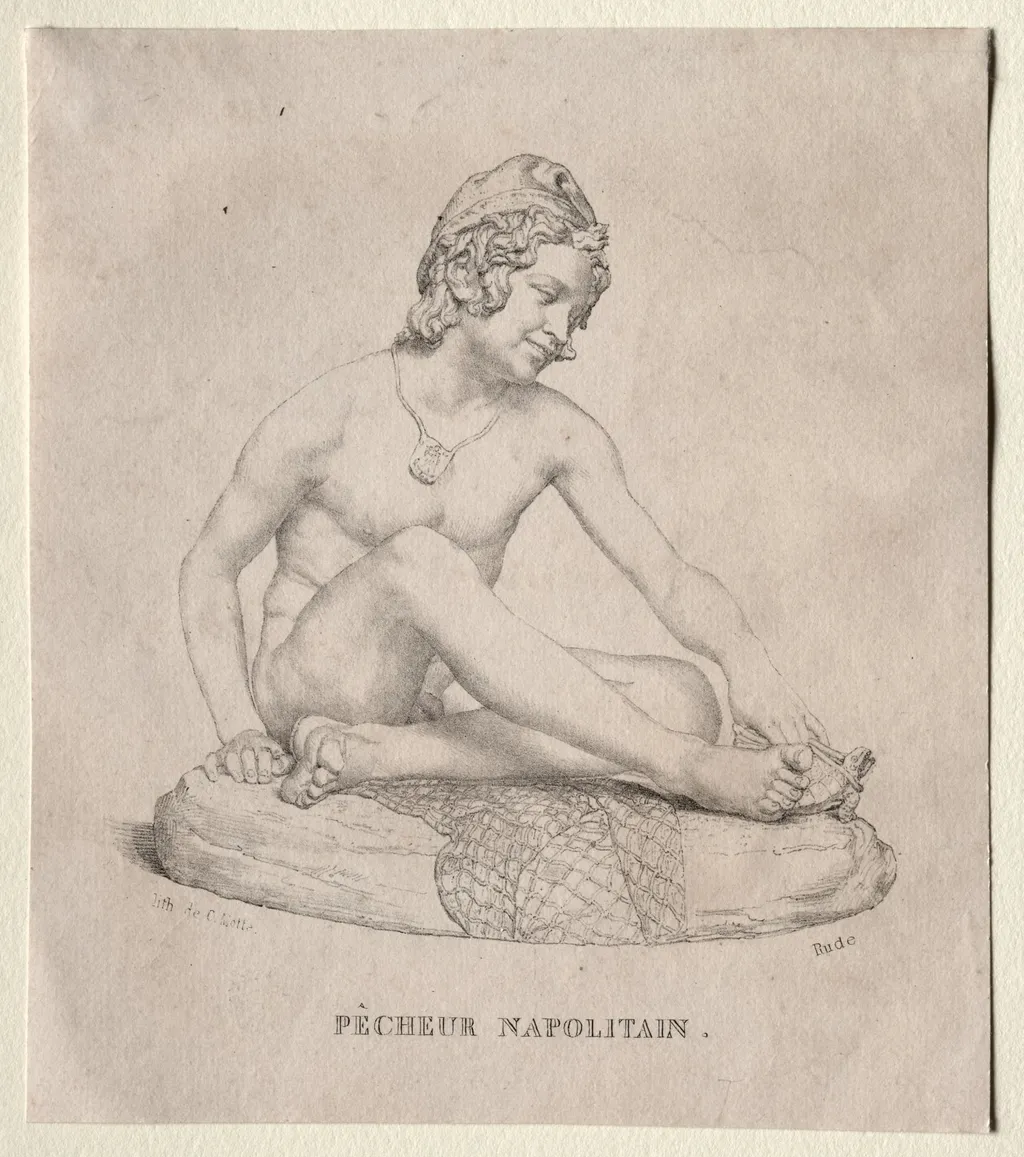
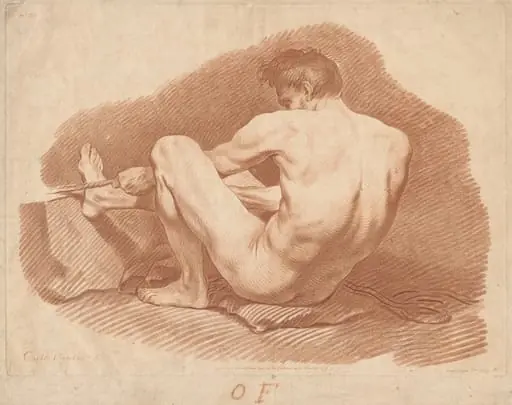
Neopolitan Fisherman is a print by the Romanticist artist François Rude. It dates from 1835 and is held in the collection of the Cleveland Museum of Art.
- Accession no.
- 1940.1172
- Credit line
- Mr. and Mrs. Lewis B. Williams Collection
About this work
Overview
The work is part of the Cleveland Museum of Art’s collection.
Created in 1835 by French sculptor François Rude, Neapolitan Fisherman is a bronze sculpture that captures a moment of quiet introspection in a working-class figure. Unlike the idealized forms of neoclassicism, this piece embraces a more naturalistic and emotionally grounded approach, reflecting Rude’s evolving artistic direction during the rise of romanticism in early 19th-century Europe. The work is part of the Cleveland Museum of Art’s collection.
Subject & Meaning
The sculpture portrays a nude male fisherman seated on a rock, his body relaxed yet muscular, engaged in the simple act of examining his foot. His calm expression and unidealized posture emphasize dignity in labor rather than heroic grandeur. The headcloth and necklace suggest regional identity, grounding the figure in a specific cultural context. The focus on an ordinary moment signals a broader shift toward humanizing everyday subjects in art.
Technique & Style
Rude employed detailed modeling to render the figure’s anatomy with lifelike precision, using subtle variations in surface texture to suggest skin and muscle. The play of light and shadow enhances the three-dimensionality of the form, demonstrating a mastery of chiaroscuro in sculpture. The composition is intimate and contained, directing attention to the figure’s gesture and stillness rather than dramatic movement.
History & Provenance
Executed during Rude’s transition from neoclassical conventions toward romantic expression, the sculpture was likely made as a study or independent work rather than a commission. It entered the Cleveland Museum of Art’s collection in the 20th century, where it remains as an example of Rude’s lesser-known but significant explorations of non-idealized human form outside large-scale public monuments.
Context
In the 1830s, European artists increasingly turned to real-life subjects, laborers, peasants, and common people, as worthy of artistic attention. Rude’s Neapolitan Fisherman aligns with this trend, paralleling developments in French painting and literature that valued emotional authenticity over mythological or historical grandeur. The work reflects a growing interest in regional identity and the dignity of manual labor.
Legacy
Though not as widely recognized as Rude’s monumental works, Neapolitan Fisherman exemplifies his contribution to the shift from academic idealism toward psychological realism in sculpture. It influenced later artists who sought to portray the human condition with empathy and without embellishment, helping to broaden the scope of what sculpture could represent in the modern era.
Own this work as a print
Artist & collection
Artist
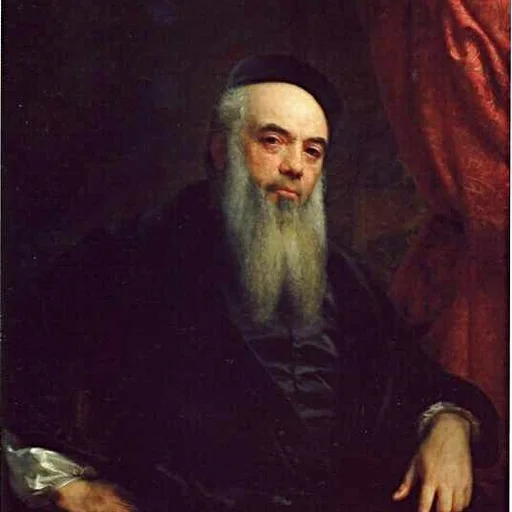
François Rude (French pronunciation:; 4 January 1784 – 3 November 1855) was a French sculptor, best known for the Departure of the Volunteers, also known as La Marseillaise on the Arc de Triomphe in Paris.