Subject
Beach
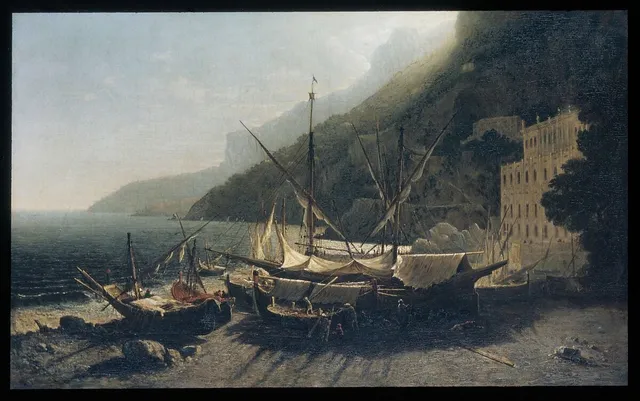
Beach is a subject in art. The gallery holds 181 works in this subject in art, including works by Gustave Courbet, Albert Bierstadt and Alfred Thompson Bricher.
A beach is a landform alongside a body of water composed of loose particles—sand, gravel, shingle, pebbles, or biological matter such as mollusc shells and coralline algae. As a subject in art, however, the beach is far younger than the shoreline itself. For centuries the coast appeared only incidentally, as a backdrop to maritime trade, shipwreck, or biblical episode. The Dutch Golden Age was the first to treat the open shore as a subject in its own right: Adriaen van de Velde's The Beach at Scheveningen (1658), depicting what was then a fishing village near The Hague, is regarded as one of the outstanding beachscapes of the period.
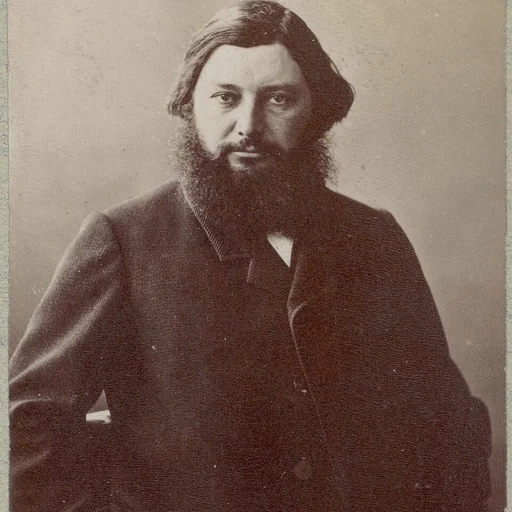
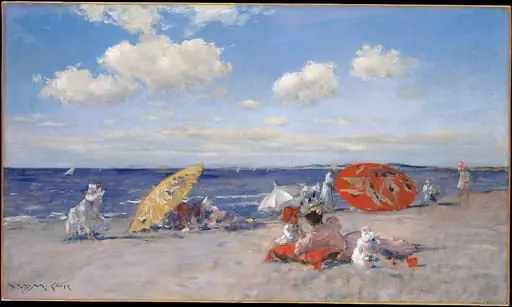
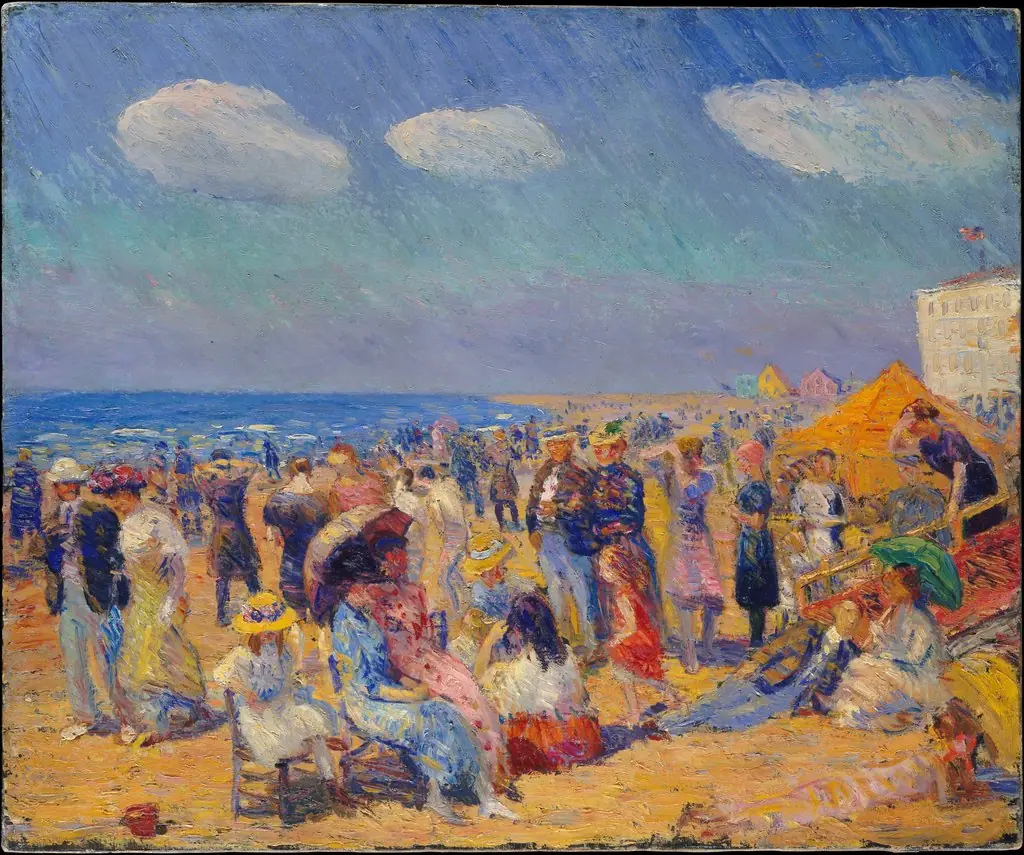
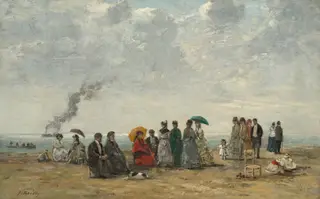
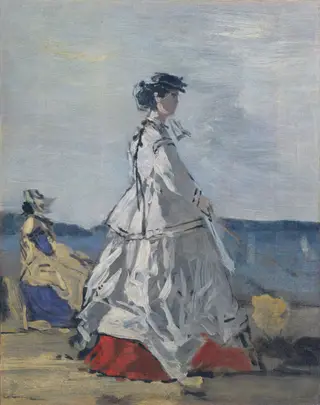
The beach became a major theme only in the nineteenth century, often called the genre's golden age. The spread of the railway and the rise of organized leisure transformed modest fishing ports into fashionable resorts, and sea-bathing for health drew crowds to the coast. Eugène Boudin, a native of Honfleur, began painting the Normandy beaches around 1860 and from 1863 made Trouville his summer base; between 1860 and 1896 he produced nearly three hundred of these "crinoline" beach scenes, writing in 1865, "I will always be the painter of beaches." The critic Castagnary credited him with inventing a new kind of seascape. Gustave Courbet, whose Beach in Normandy is in our collection, brought a Realist weight to the same coast.
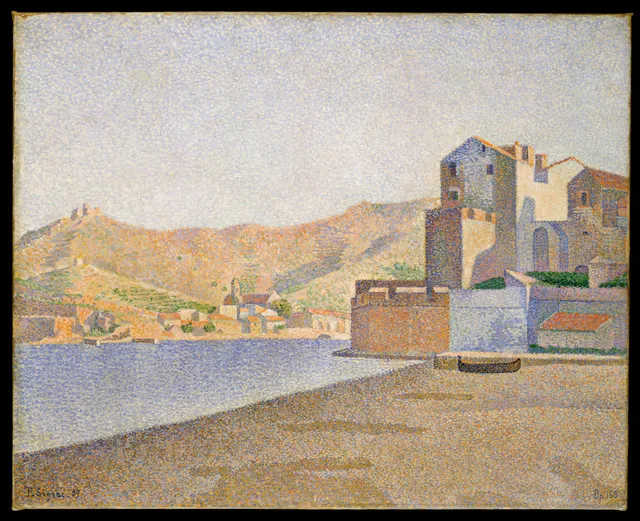
The Impressionists made the beach a laboratory for fugitive light. Monet painted his Trouville series in the 1870s, and Manet, Renoir, and Morisot worked en plein air along the shore. Neo-Impressionism carried the motif further: Paul Signac's The Town Beach, Collioure, Opus 165 (1887), held here, builds the scene from tiny dots of pigment that fuse in the eye at a distance. In Spain, Joaquín Sorolla, the "painter of light," rendered the dazzle of the Valencian coast in works such as Beach of Valencia by Morning Light (1908).
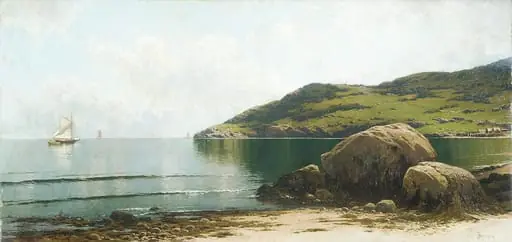
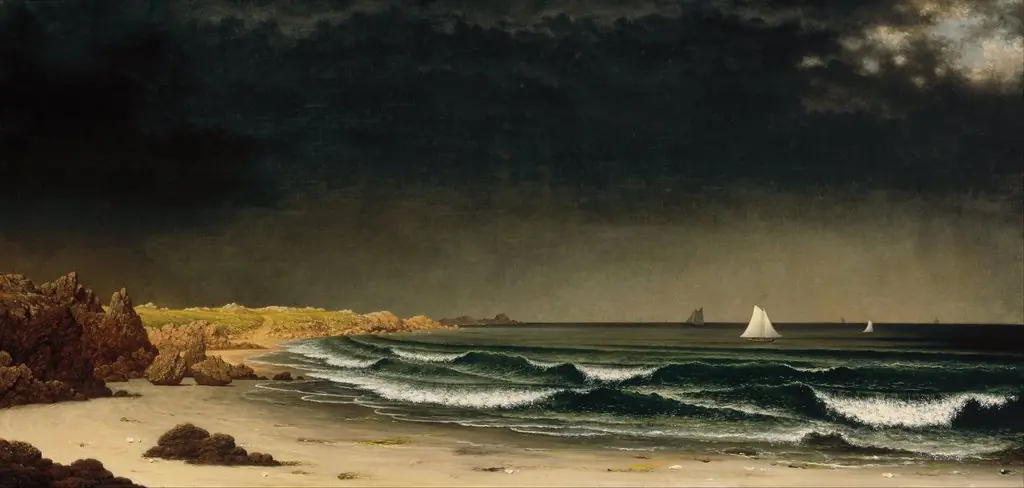
The beach's legacy reaches across luminism and marine painting—seen in our Alfred Thompson Bricher and Martin Johnson Heade canvases—into Symbolism and modernism, where artists like Maurice Denis returned the shore to myth. It remains bound to landscape and plein-air traditions, a meeting of land, water, light, and modern leisure.
Key artists


Overview
A beach is a landform alongside a body of water composed of loose particles, typically sand, gravel, shingle, or pebbles, though biological materials such as mollusc shells or coralline algae also contribute. While beaches commonly form along ocean coasts, they also appear beside lakes and large rivers. In art, the beach functions as a versatile motif that bridges land and water, offering artists a stage for human activity, natural drama, and atmospheric effect. The collection holds 182 works depicting beaches, ranging from marine landscapes and coastal views to genre scenes and mythological subjects, indicating the motif's sustained importance across centuries of artistic production.
Iconography & meaning
The beach carries layered symbolic resonance in visual art. As an ecotone between terrestrial and aquatic realms, it represents transition, liminality, and the meeting of opposing elements. Geologically, beaches embody constant flux, shaped by wave action, sediment deposition, and erosion, processes that artists have exploited to evoke time's passage and nature's power. The beach also functions as a social space, signifying leisure, tourism, and human encounter with nature, associations that intensified from the nineteenth century onward. In religious or mythological contexts, shores serve as sites of arrival, departure, or transformation. The specific material of beaches, whether white, black, or pink sand, volcanic or shell-derived, carries local and sometimes exotic connotations that artists have deployed to signal geography, climate, and cultural difference.
Legacy
The beach motif's legacy extends beyond fine art into broader visual culture, including tourism promotion, environmental documentation, and popular media. The very qualities that attracted painters, transient light, human recreation, and natural grandeur, made beaches central to modern leisure industries and their representations. Environmental awareness has more recently reframed beaches as vulnerable ecosystems threatened by coastal erosion, sea level rise, and human development, concerns that retroactively inform interpretation of historical depictions. The collection's sustained acquisition of beach imagery across two centuries testifies to the motif's enduring capacity to register changing relationships between human societies and coastal environments. Contemporary artists continue to engage beaches as sites of climate vulnerability, postcolonial memory, and persistent aesthetic fascination, ensuring the motif's relevance in present-day practice.
Works
 Marine Landscape
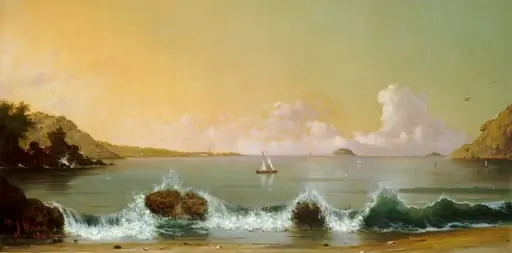 Rio de Janeiro Bay
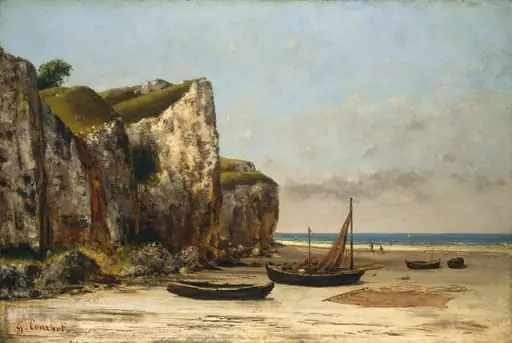 Beach in Normandy
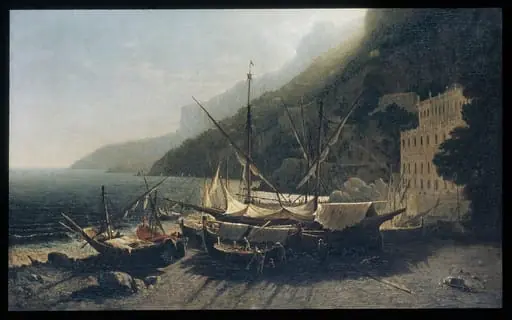 View at Amalfi, Bay of Salerno
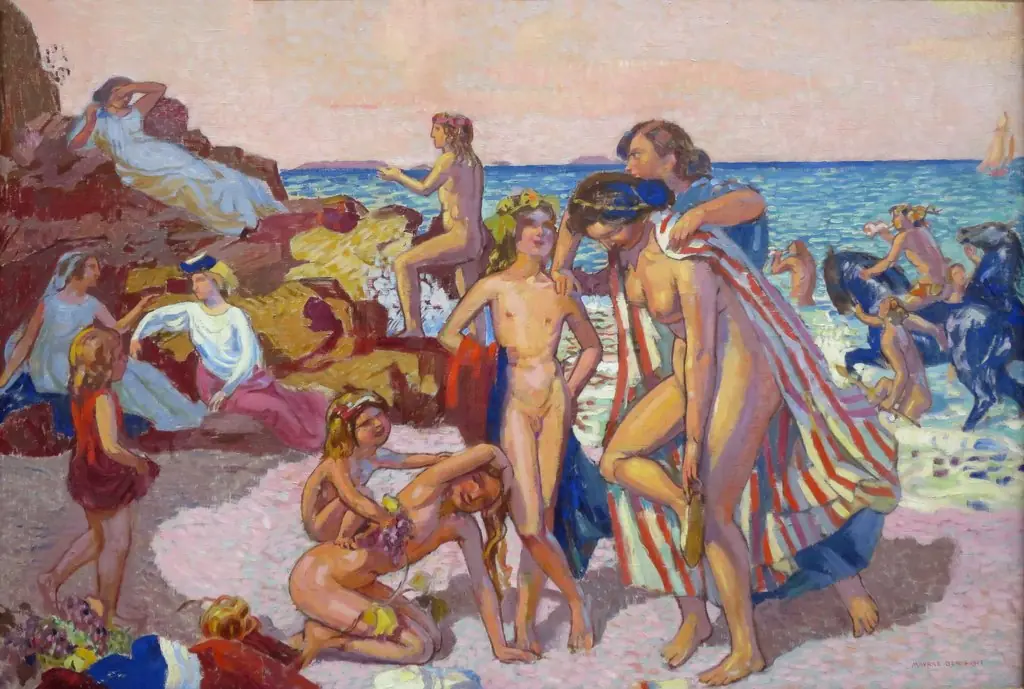 Bacchus and Ariadne
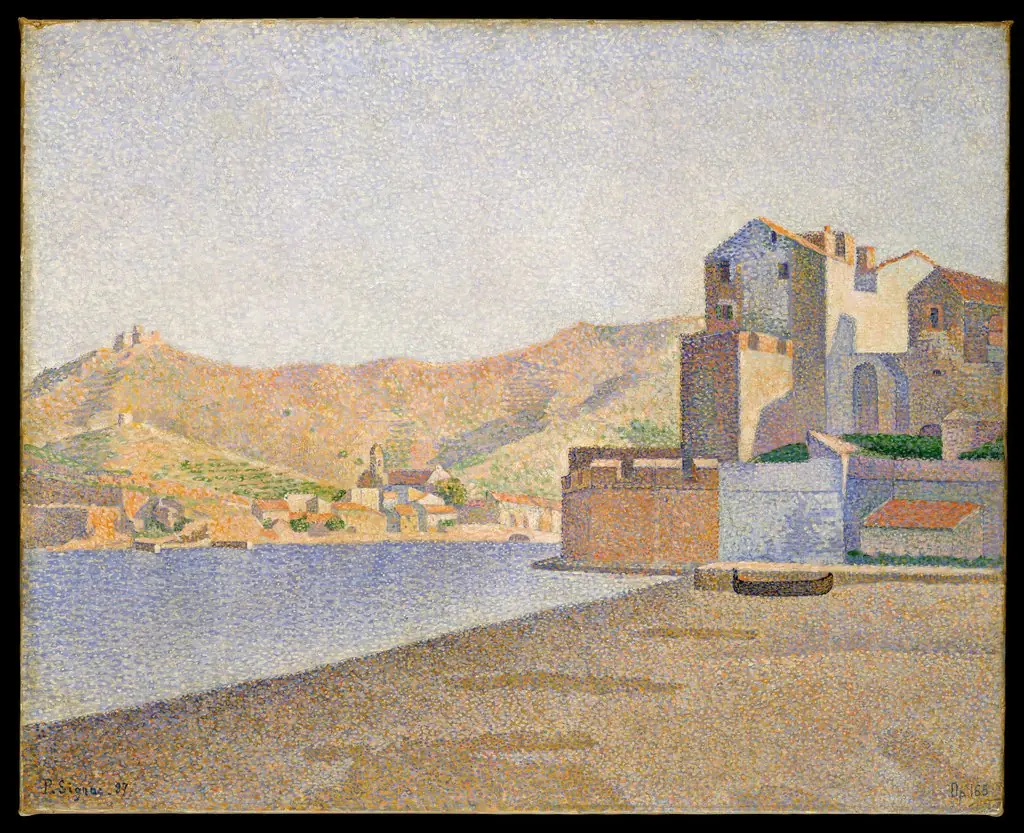 The Town Beach, Collioure, Opus 165
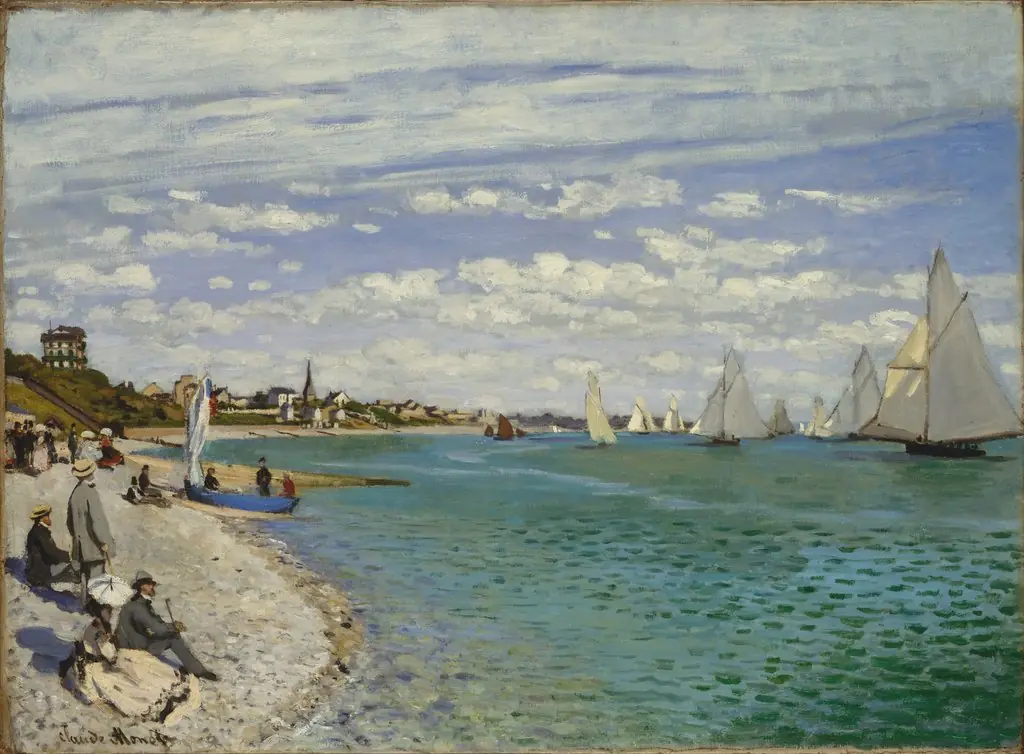 Regatta at Sainte-Adresse
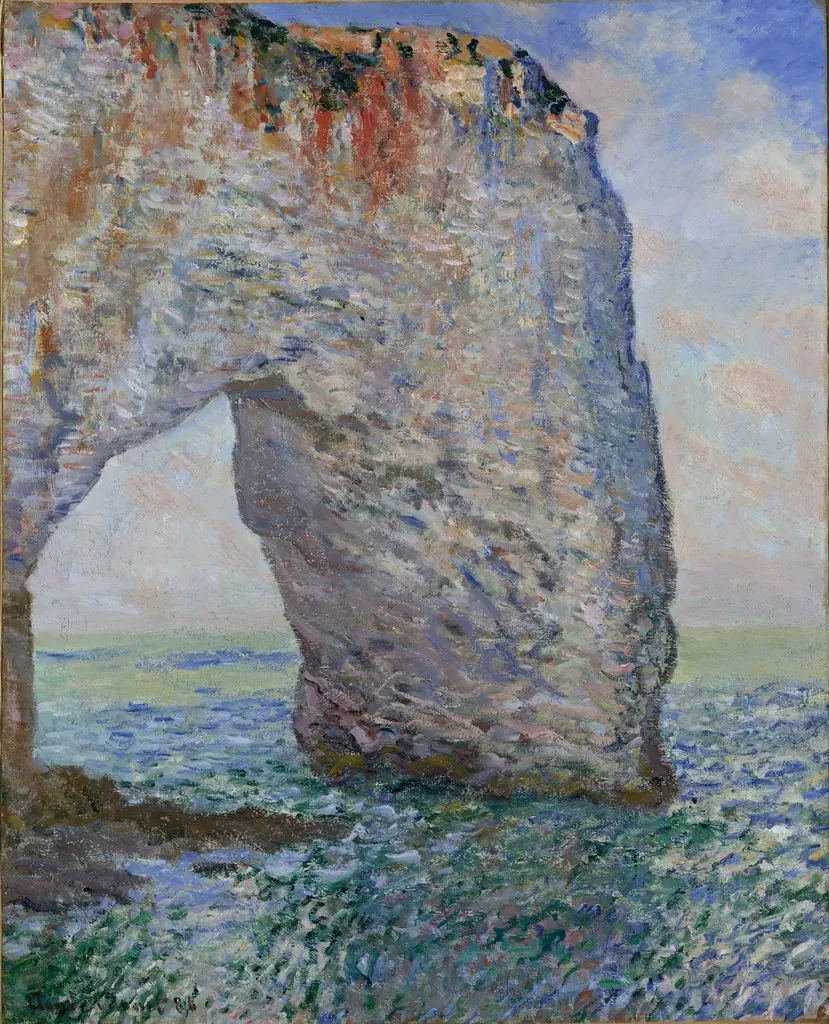 The Manneporte near Étretat
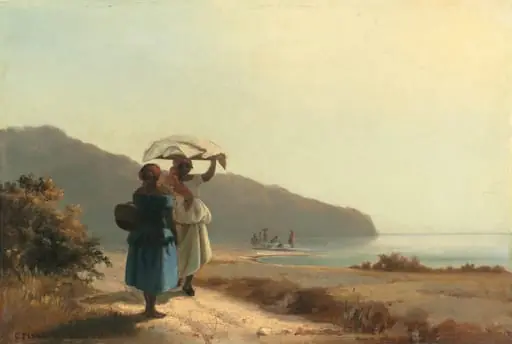 Two Women Chatting by the Sea, St. Thomas
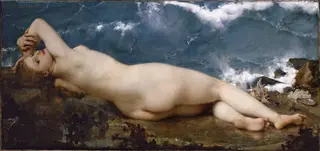 The Pearl and the Wave
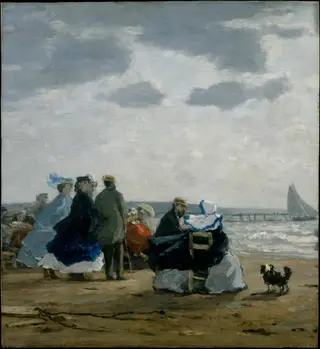 On the Beach, Dieppe
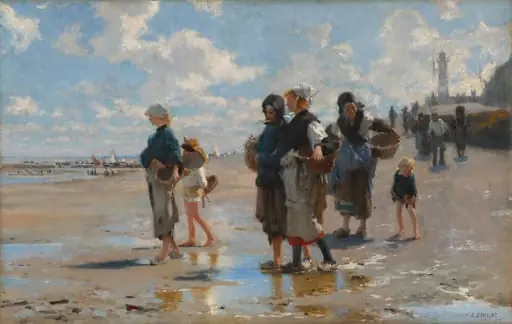 En route pour la pêche (Setting Out to Fish)
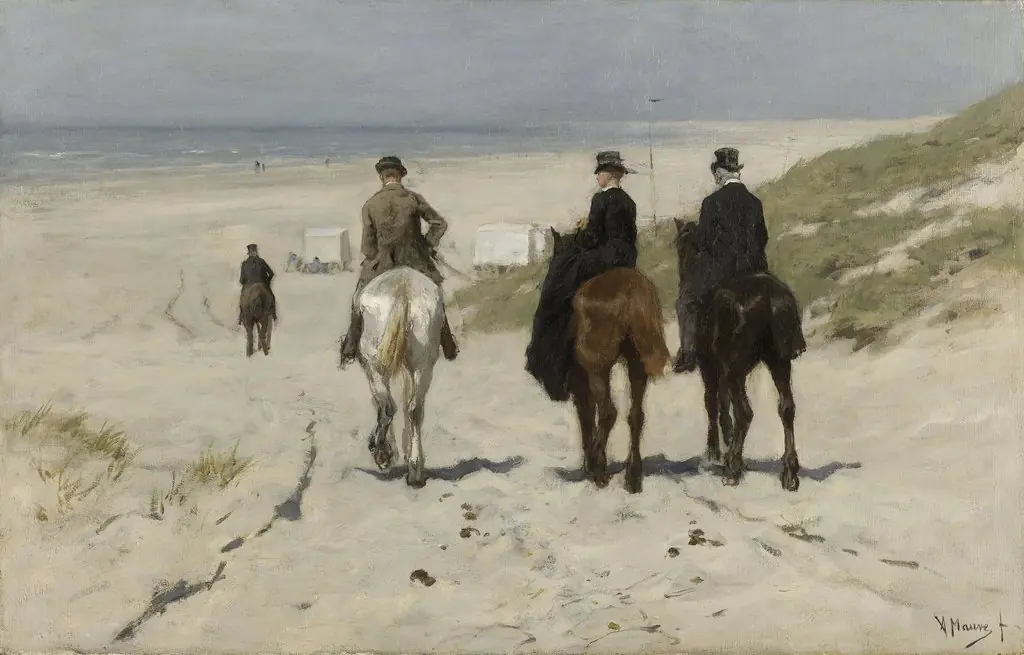 Morning Ride on the Beach
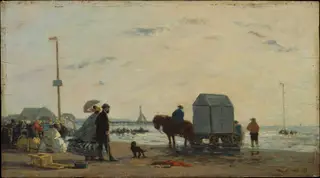 On the Beach at Trouville
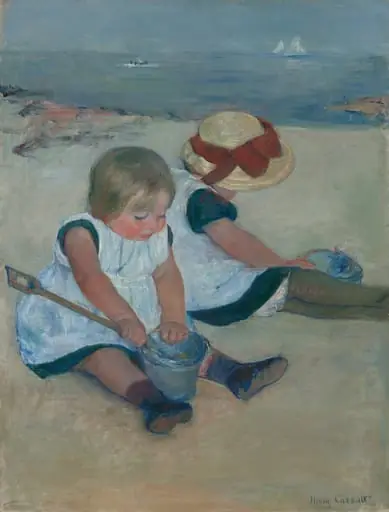 Children Playing on the Beach
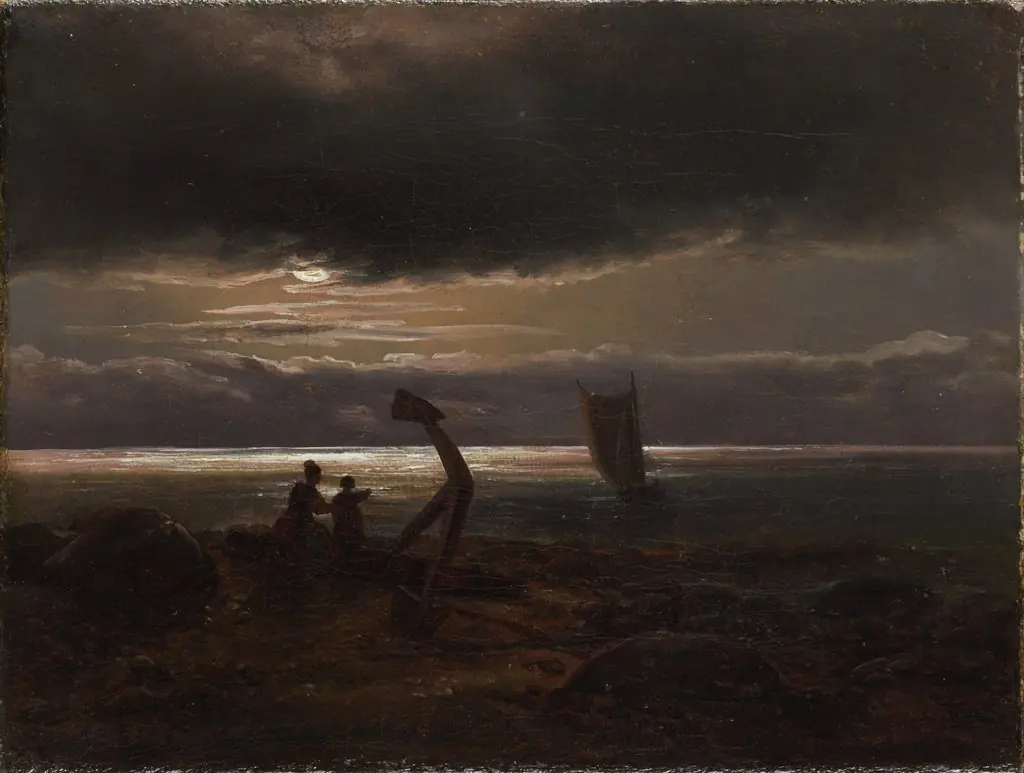 Mother and Child by the Sea
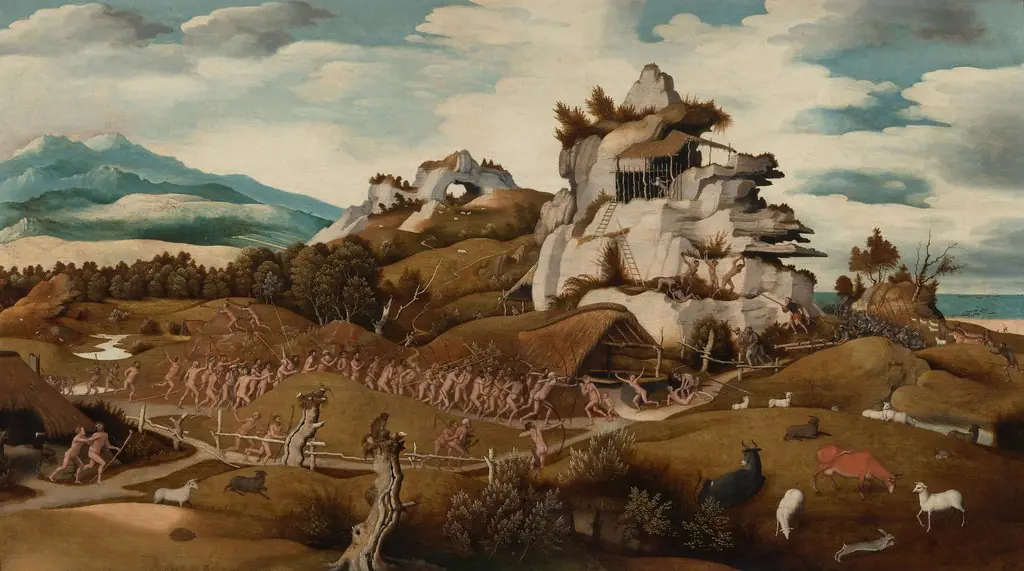 Landscape with a Scene of the Conquest of America
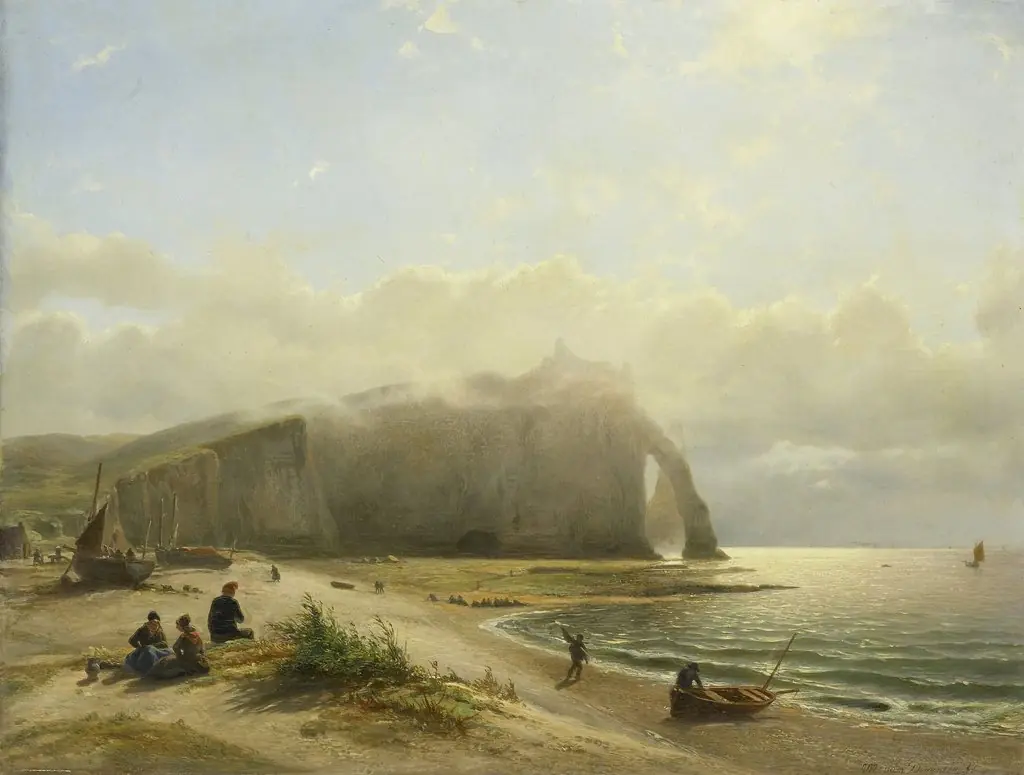 Seascape
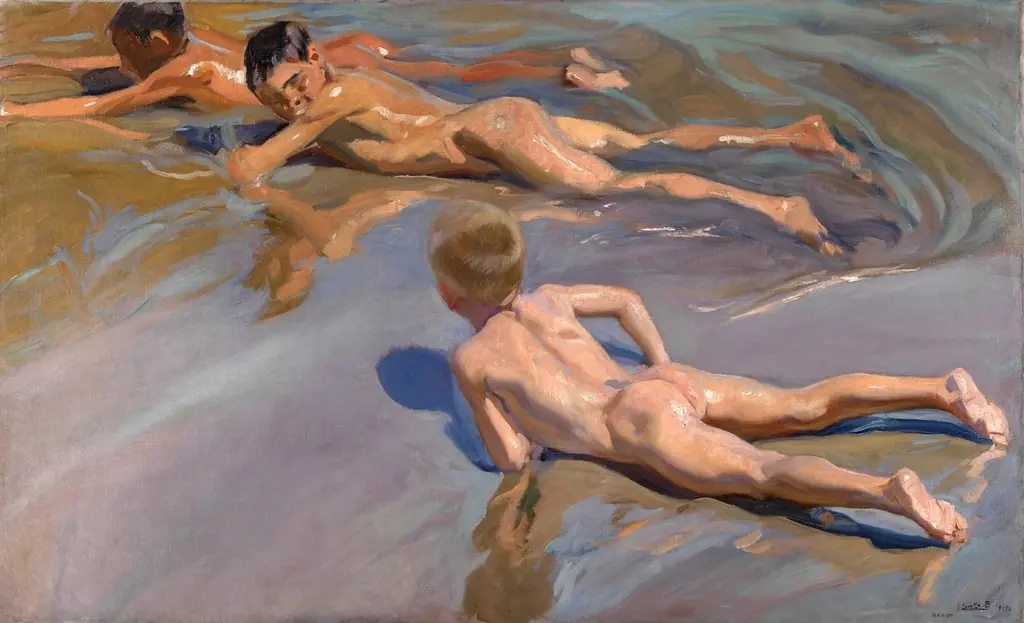 Chicos en la playa
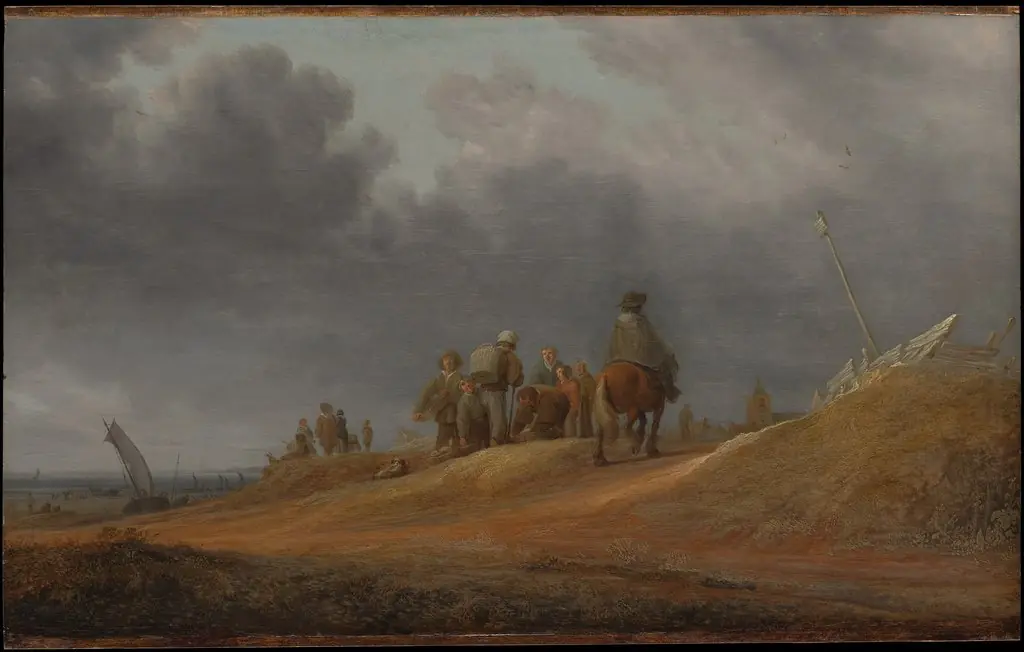 Market by the Seashore
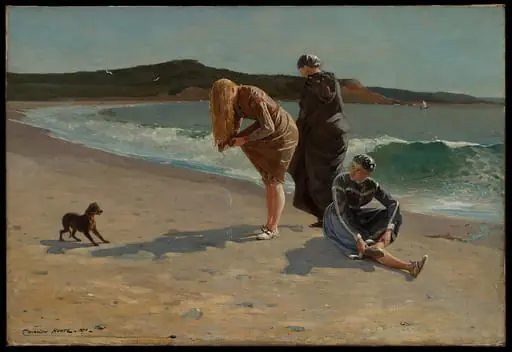 Eagle Head, Manchester, Massachusetts (High Tide)
 At the Seaside
 Crowd at the Seashore
 Figures on the Beach
 Princess Pauline Metternich (1836–1921) on the Beach
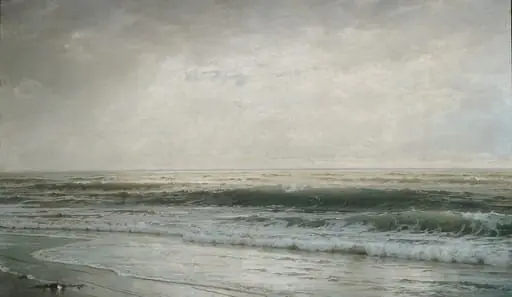 New Jersey Beach
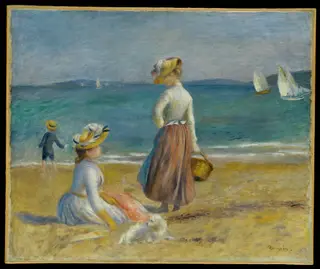 Figures on the Beach
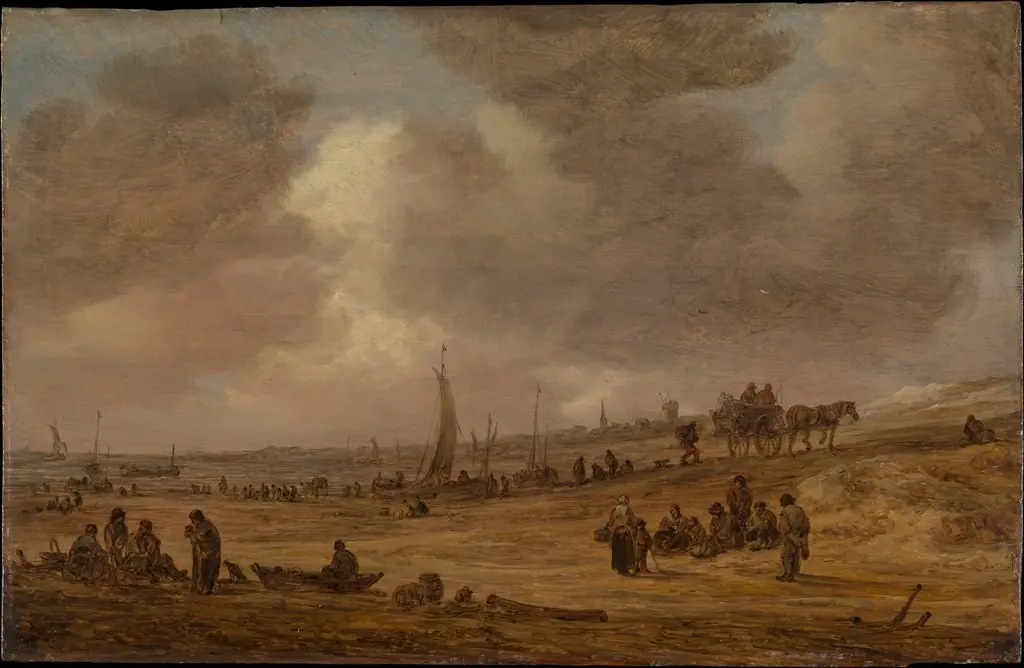 A Beach with Fishing Boats
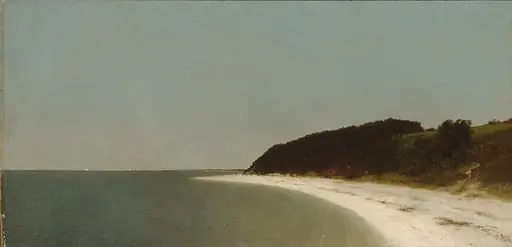 Eaton's Neck, Long Island
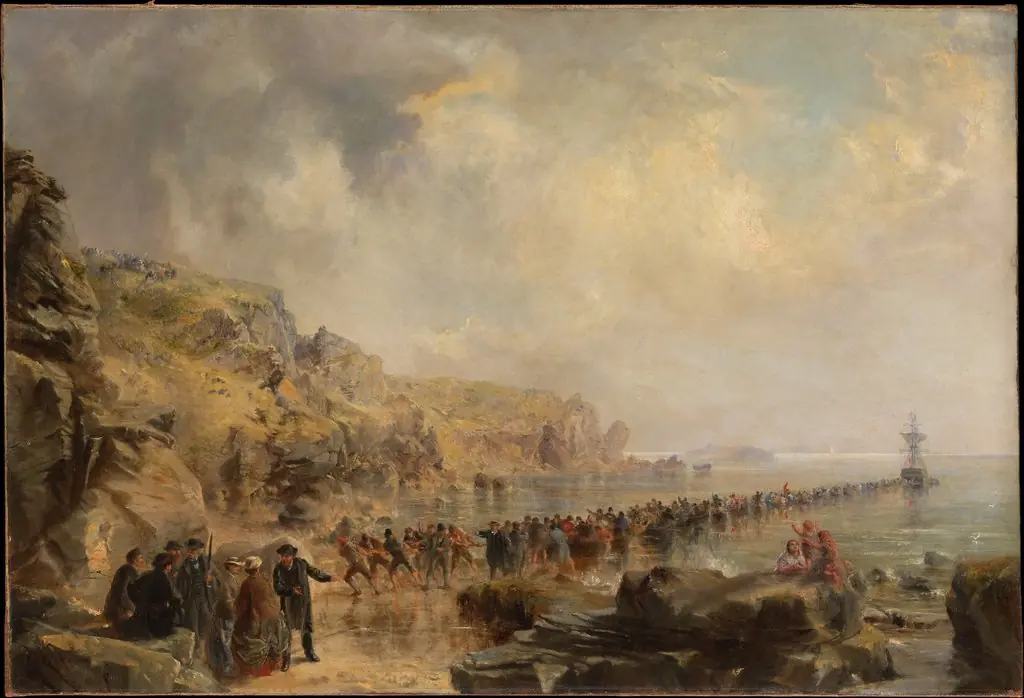 Landing the Shore End of the Atlantic Cable
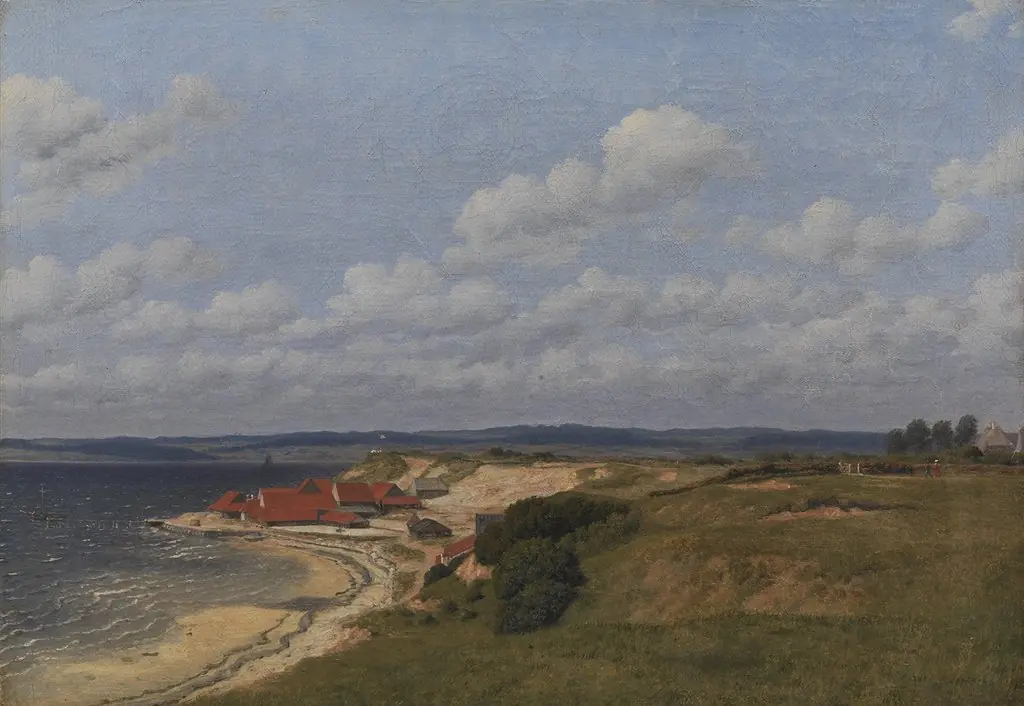 Renbjærg Tileworks by Flensburg Fiord
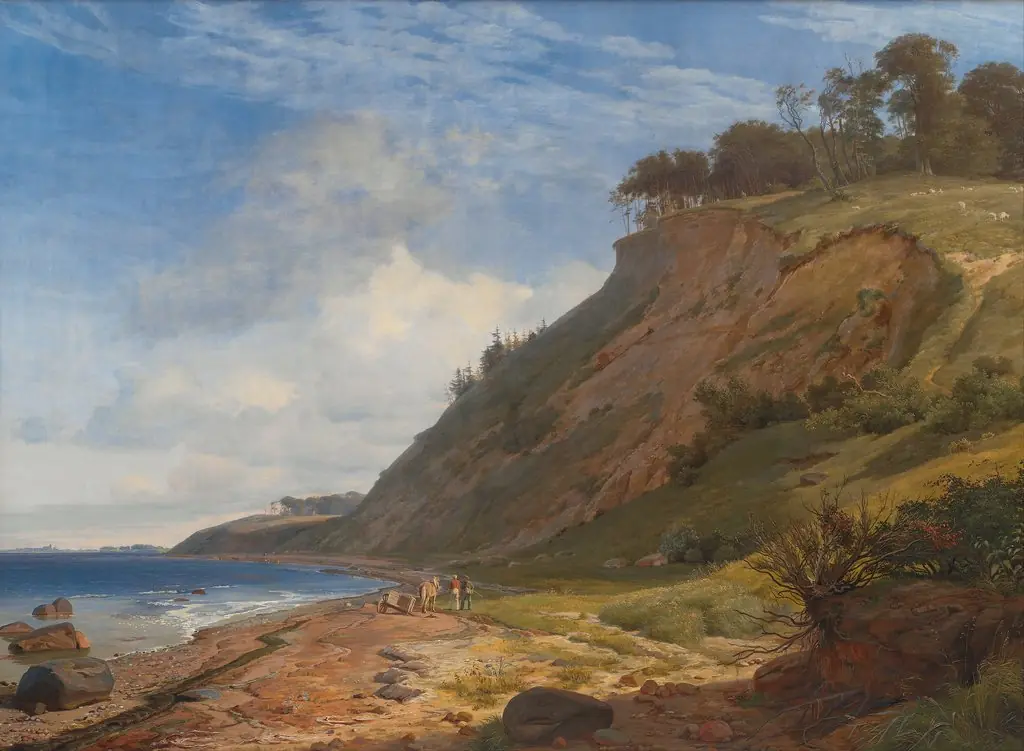 A Danish Coast. View from Kitnæs on Roskilde Fjord. Zealand
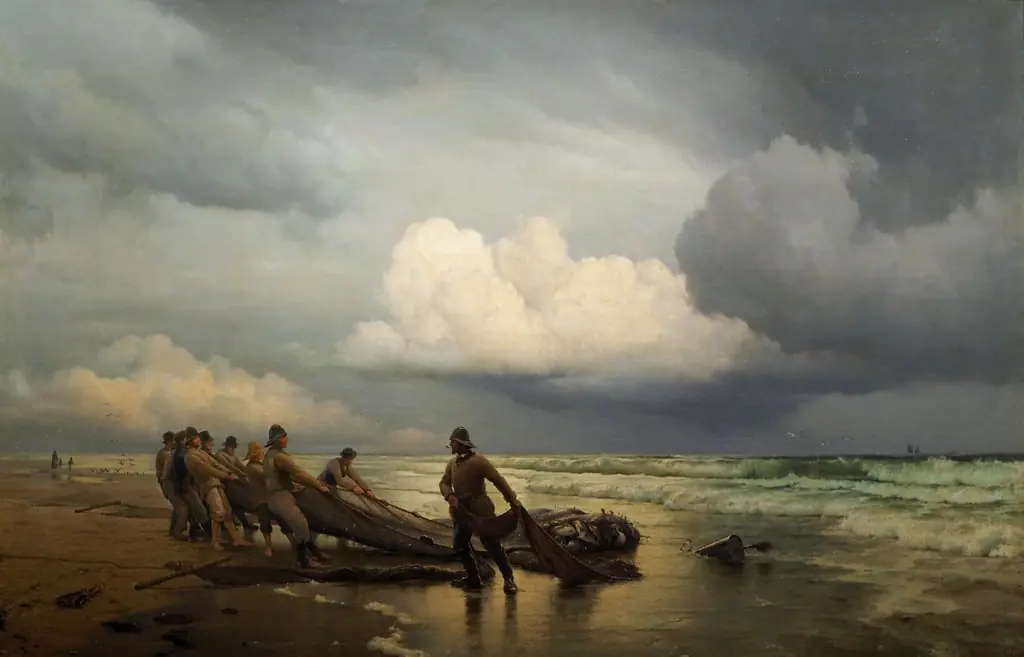 Fiskere trækker våd på Skagen Nordstrand
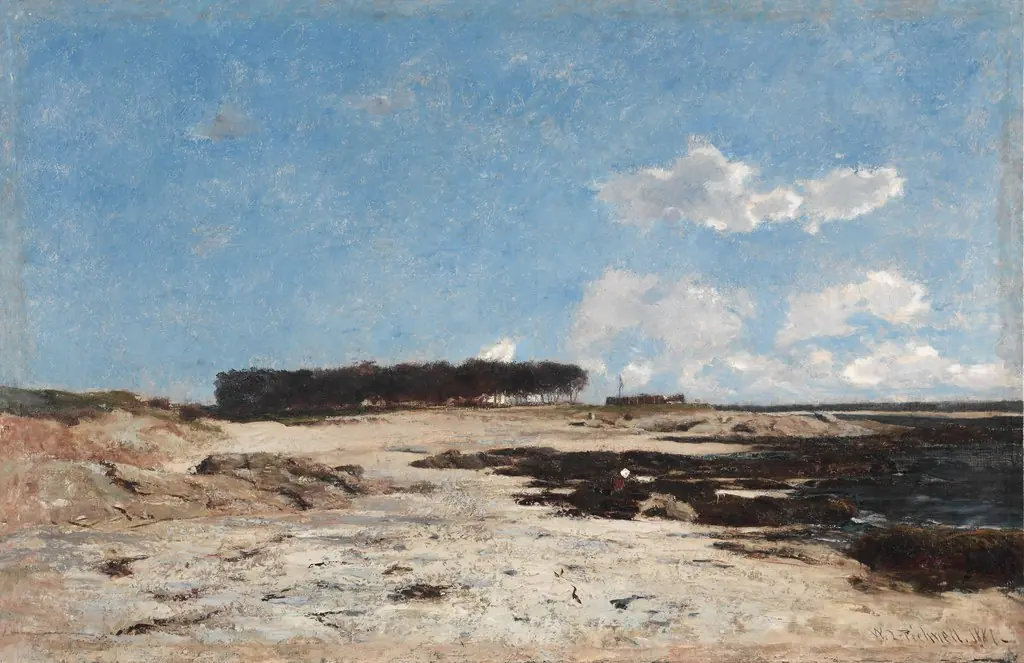 Pointe de Cabellou, Brittany
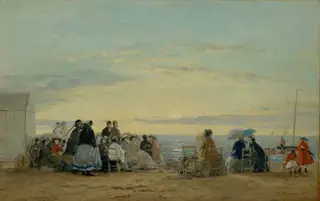 On the Beach, Sunset
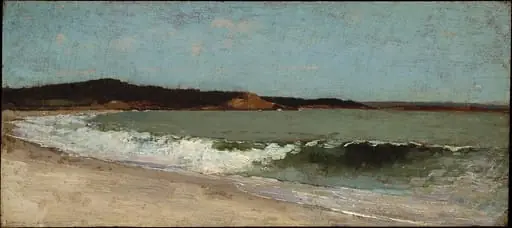 Study for Eagle Head, Manchester, Massachusetts
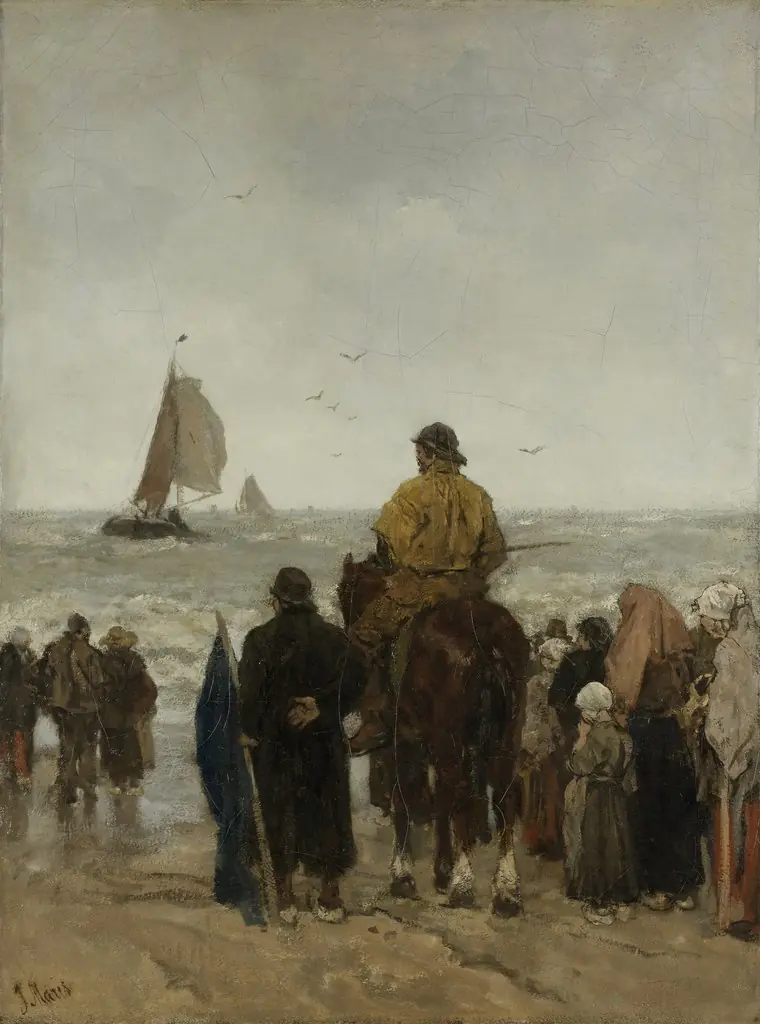 Arrival of the Boats
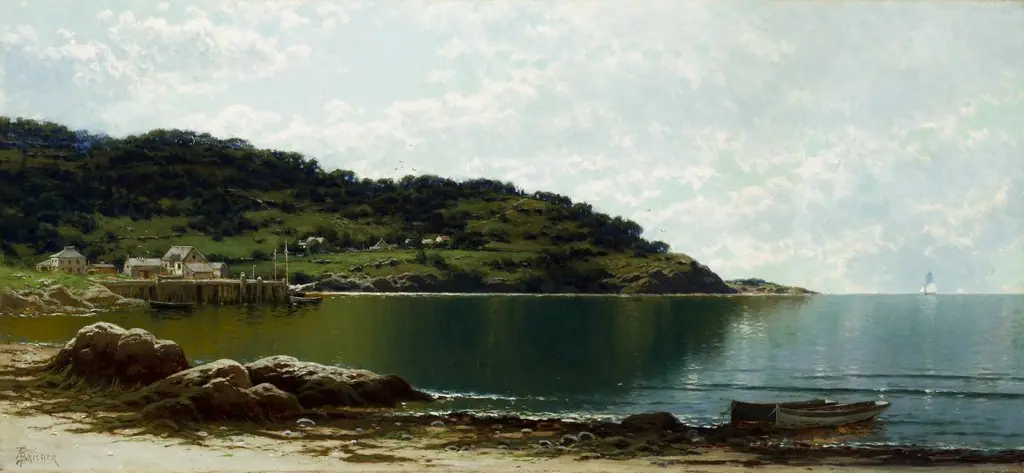 Along the Maine Coast
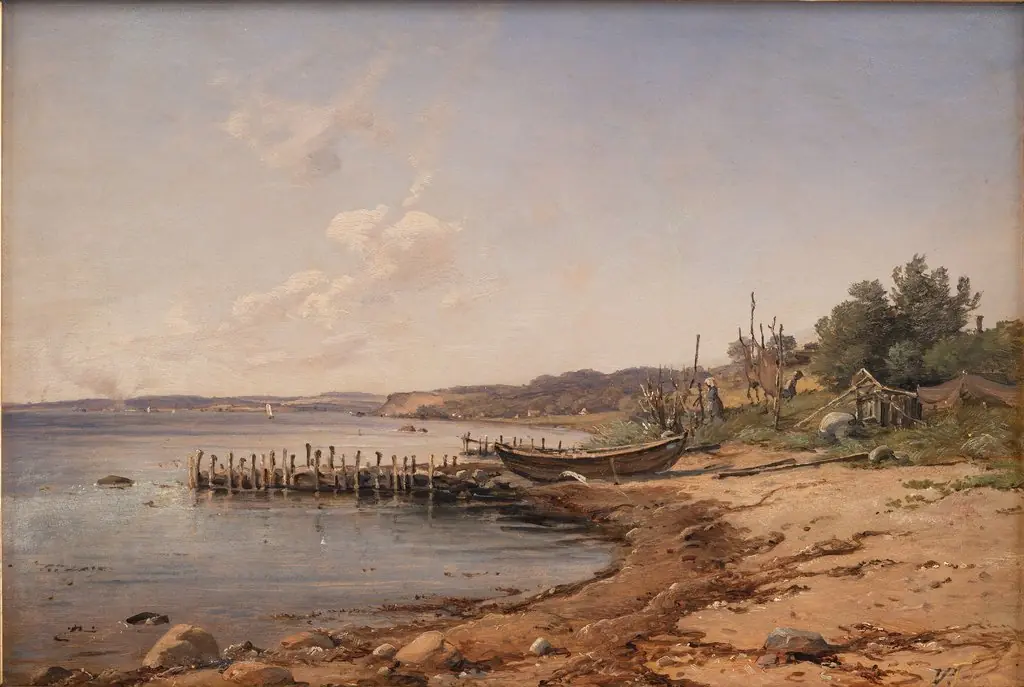 A Beach by the Sound
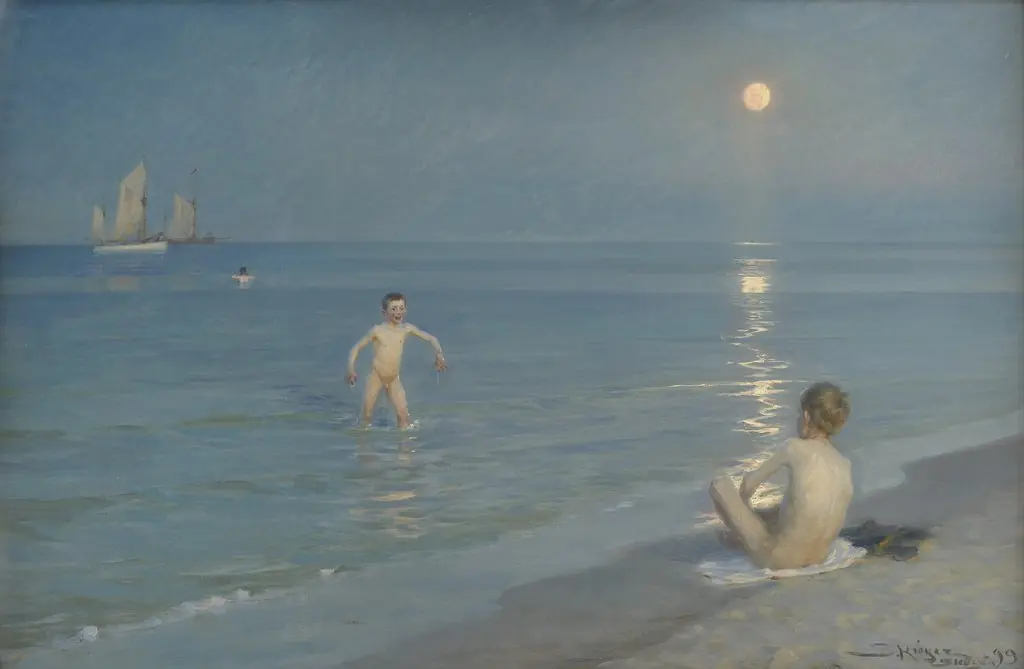 Boys Bathing at Skagen. Summer Evening
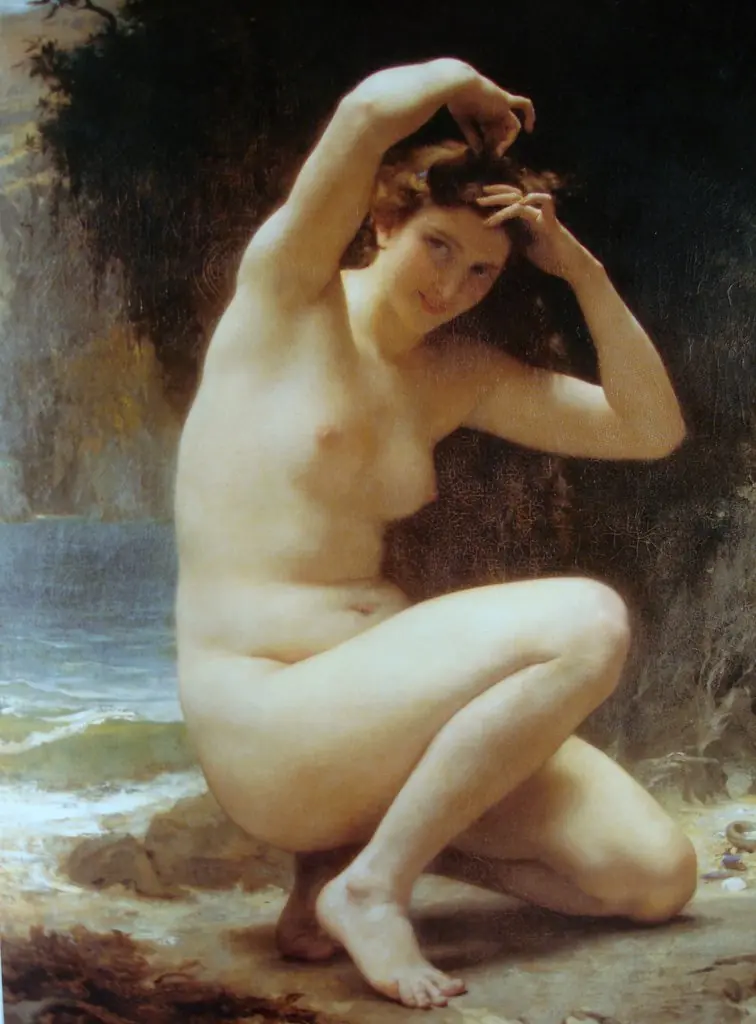 The toilette of Venus
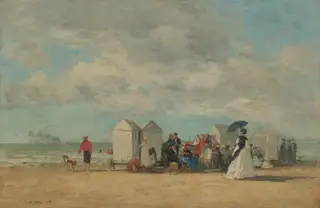 Beach Scene
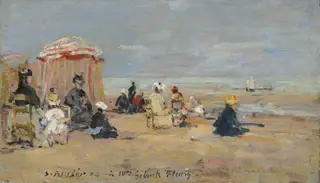 On the Beach
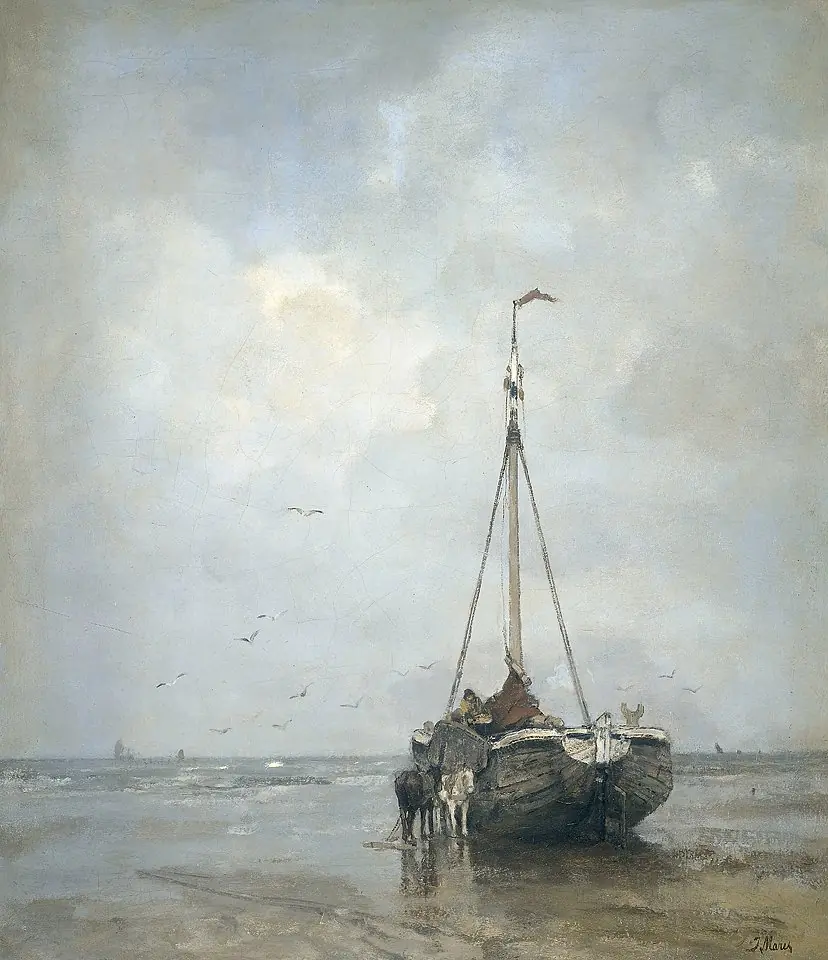 Bluff-bowed Fishing Boat on the Beach at Scheveningen
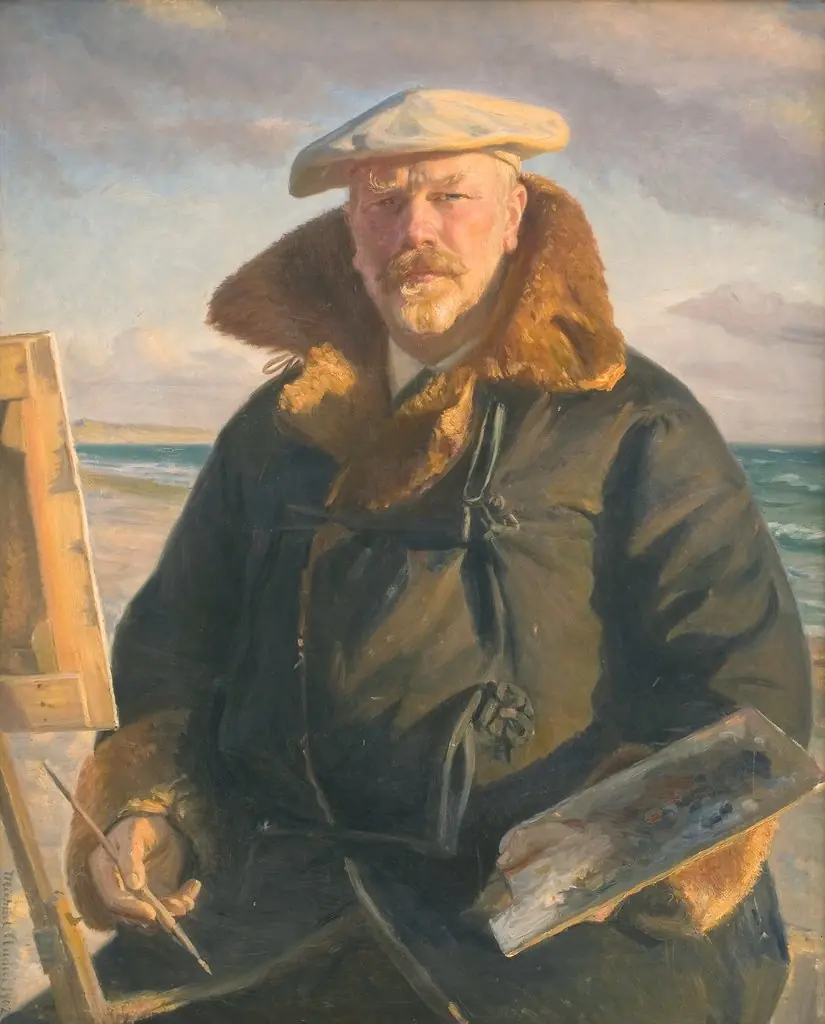 Self-Portrait
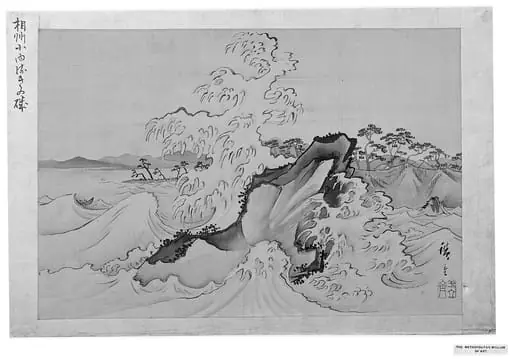 Untitled
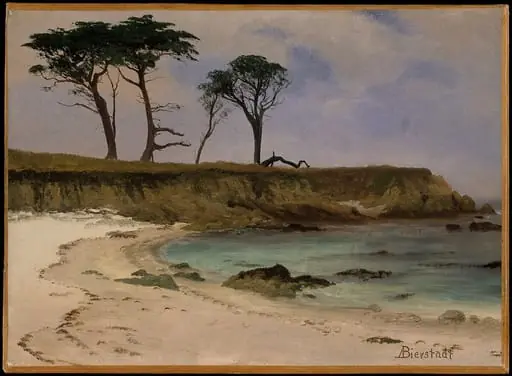 Sea Cove
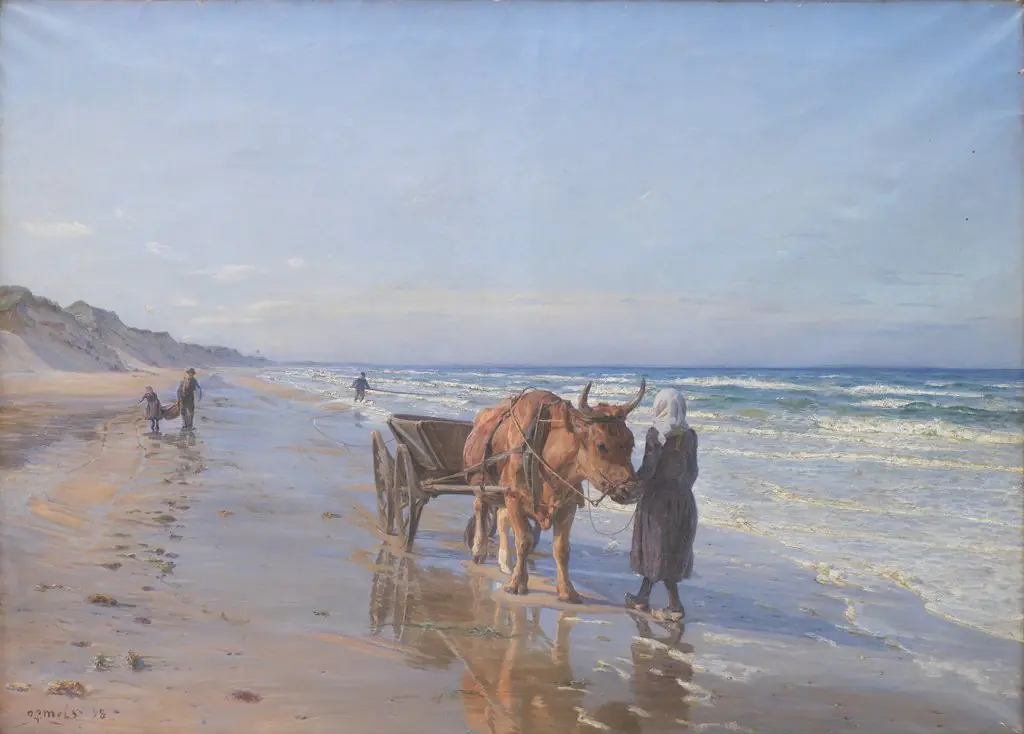 Kystboerne drager vod i landingen
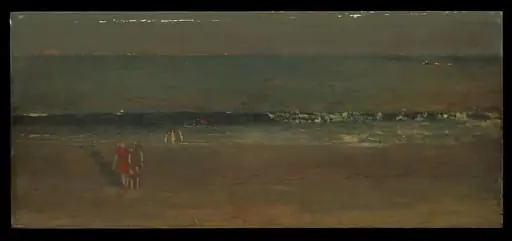 The Beach, Late Afternoon
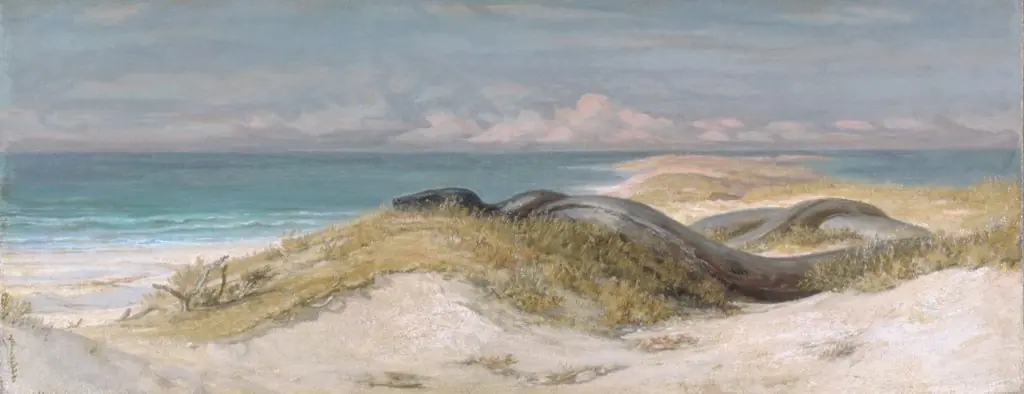 Lair of the Sea Serpent
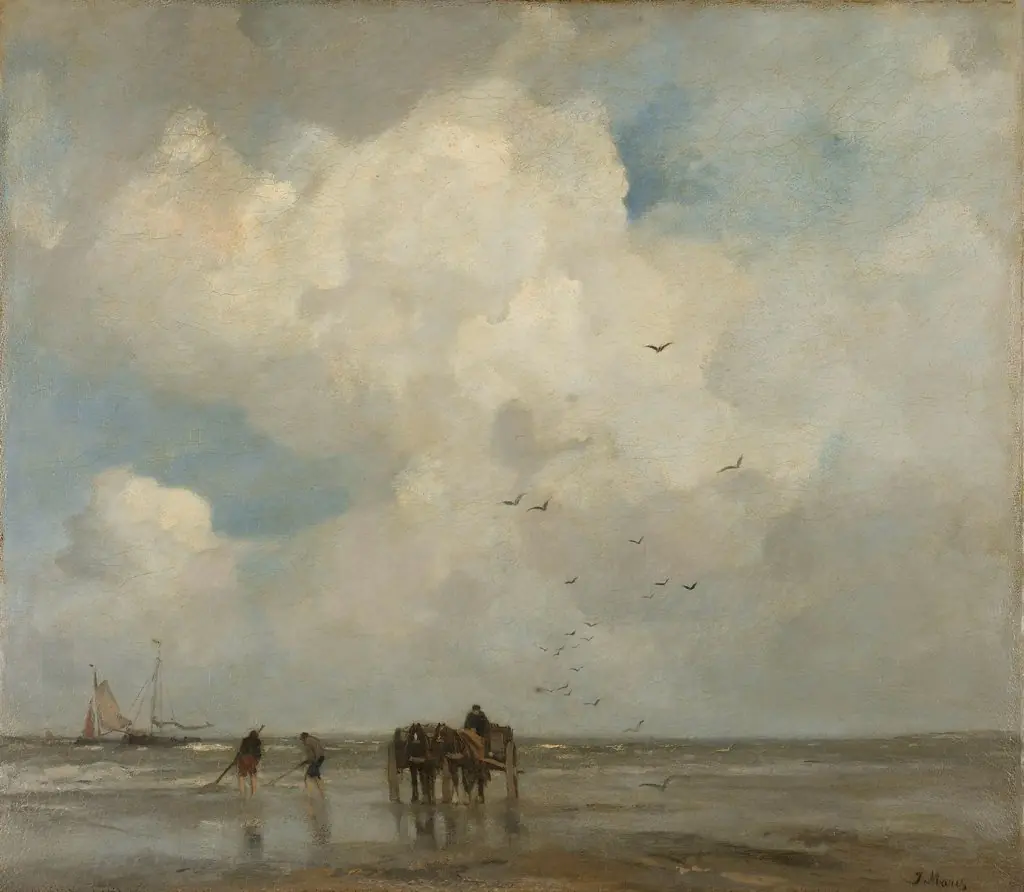 Shellfishing
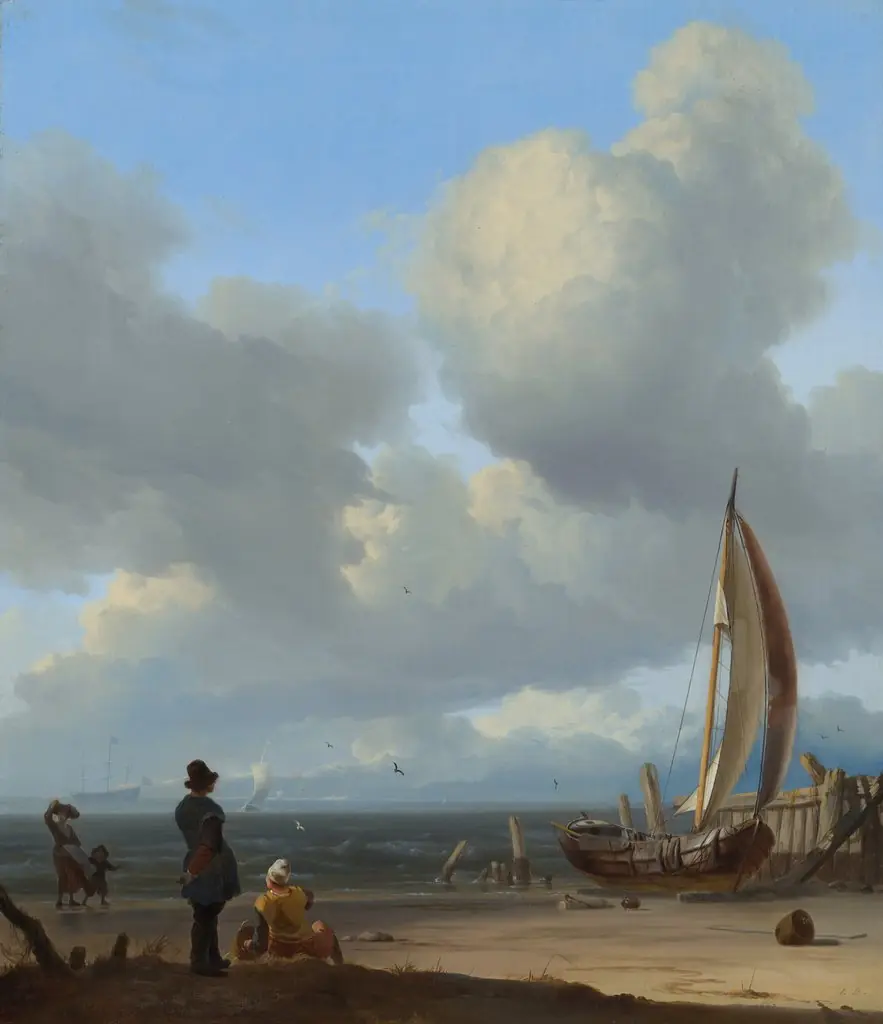 An extensive seascape with figures by a boat on a shore near Huisduinen
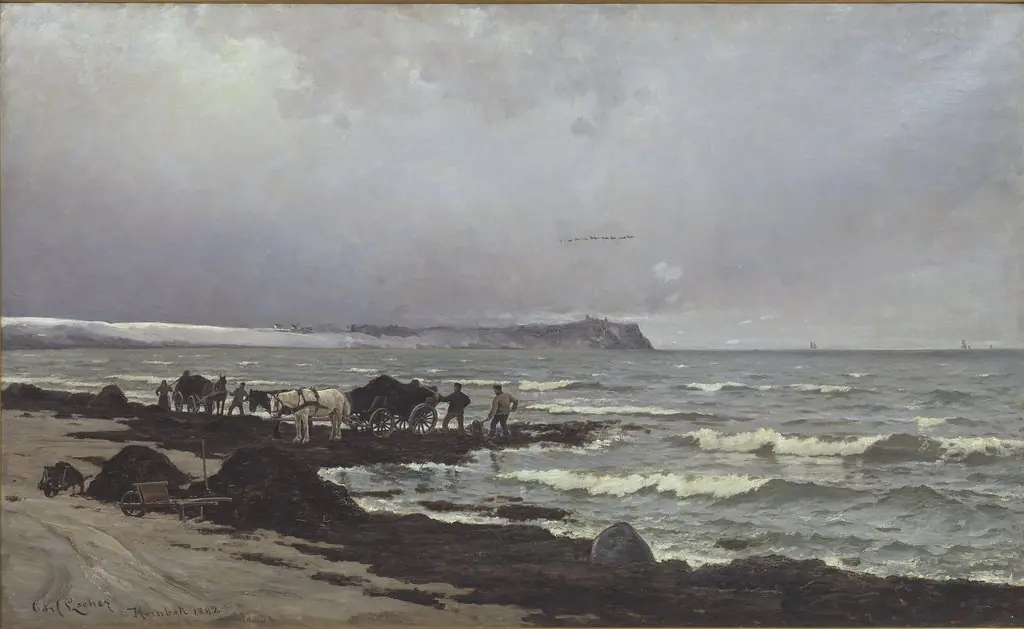 Der læsses tang ved Hornbæk Strand
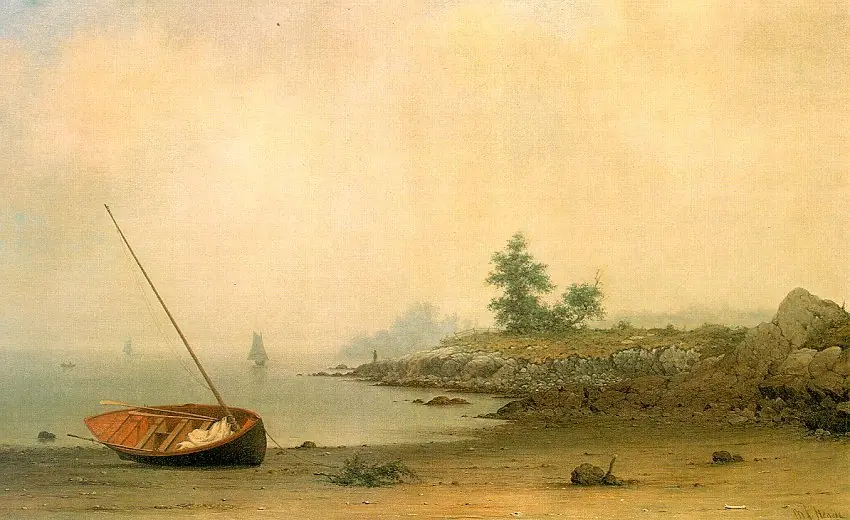 The Stranded Boat
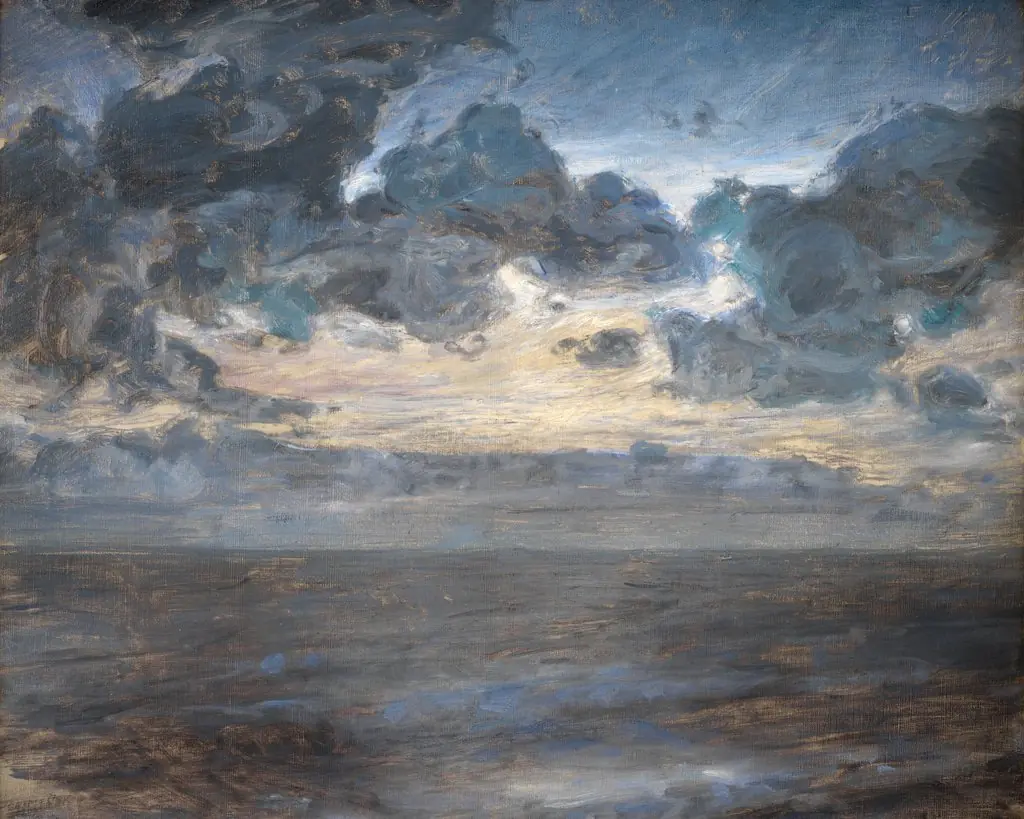 Midsummer Night at Tisvilde Beach
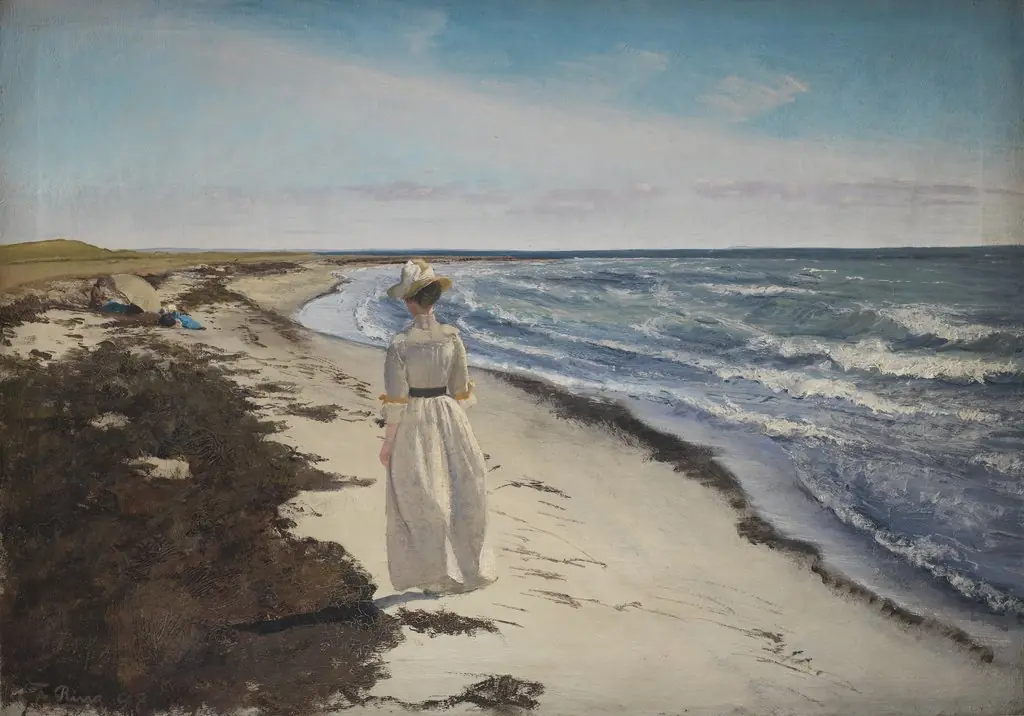 Lady at Karrebæksminde Beach, Zealand
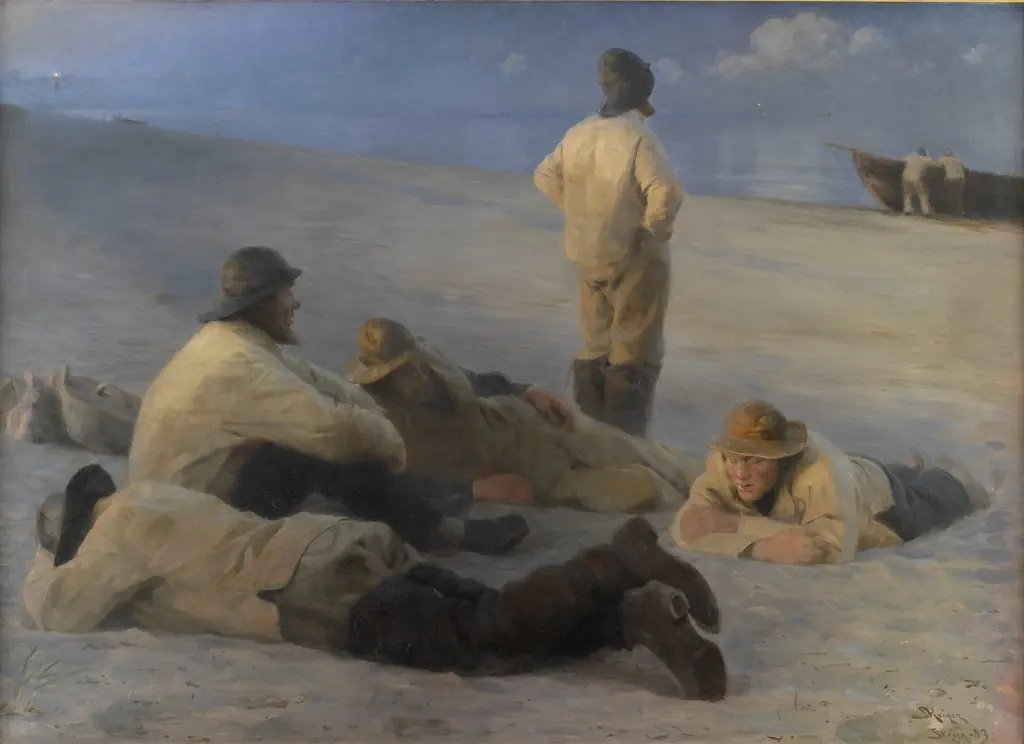 Fishermen at Skagen Beach
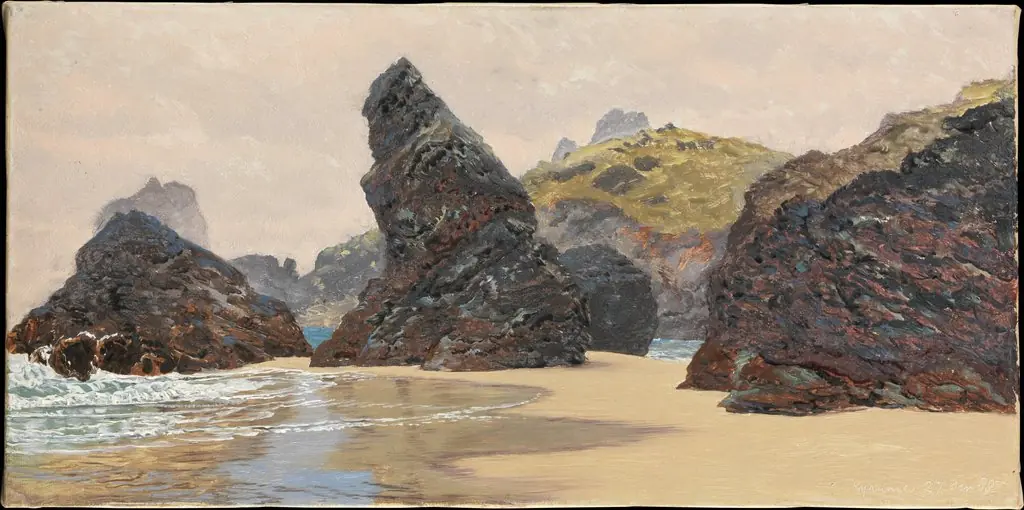 Kynance
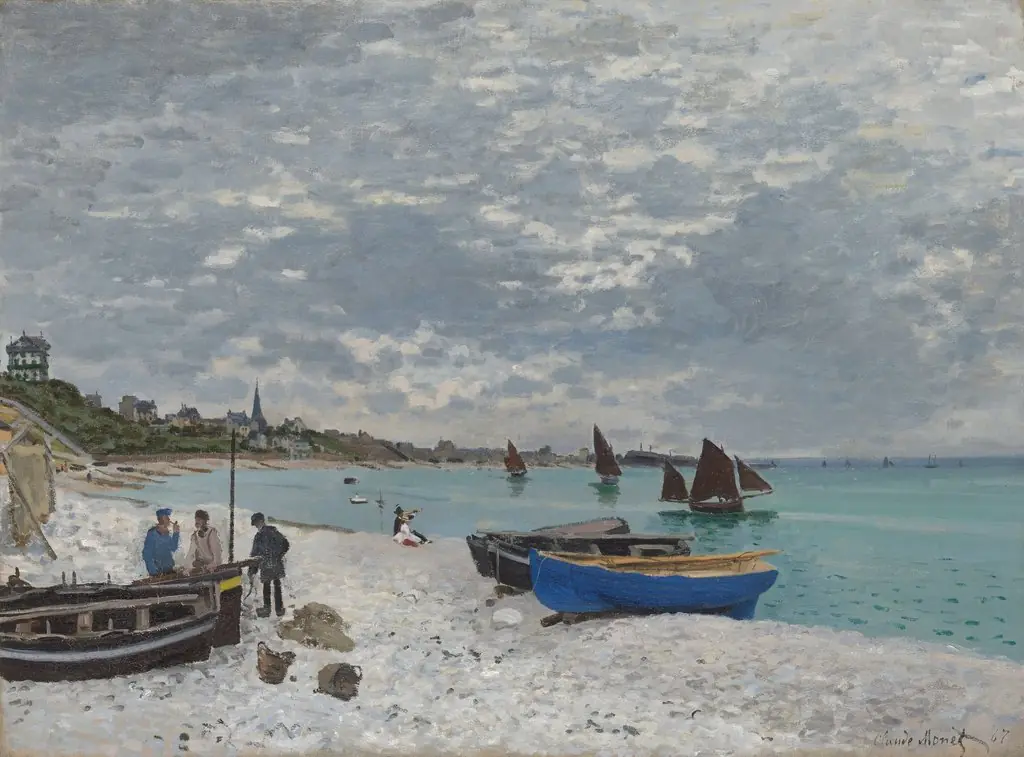 The Beach at Sainte-Adresse
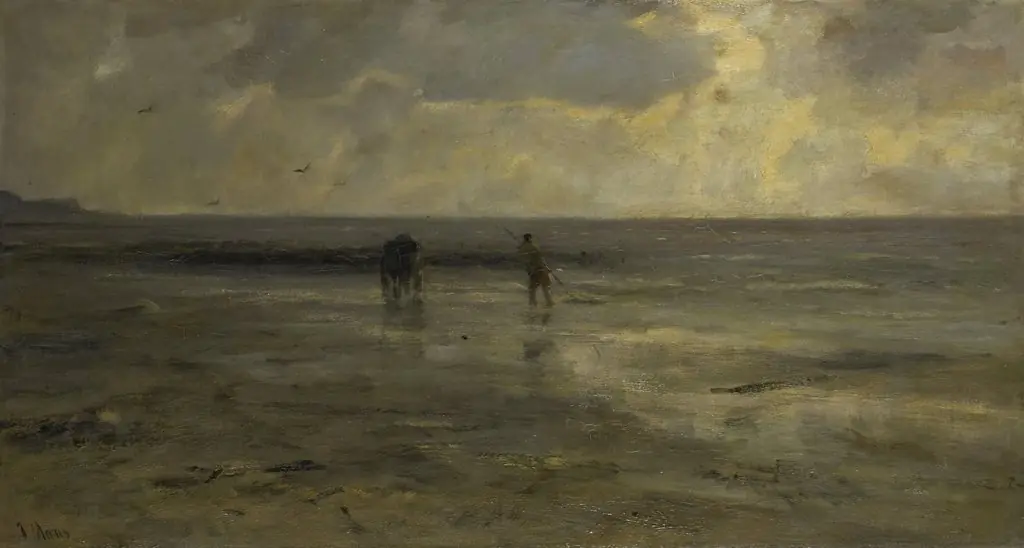 Beach at evening
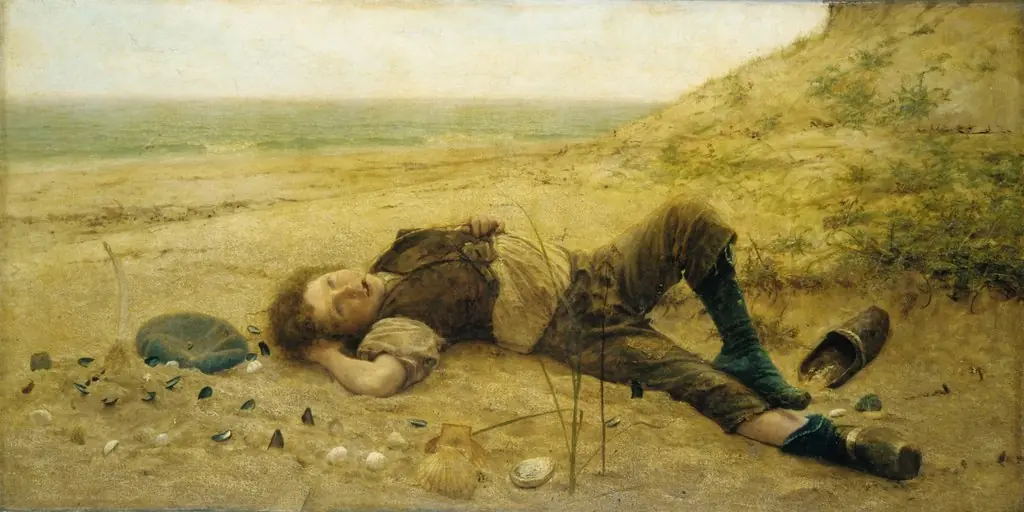 Castles in Spain (Chateaux en Espagne)
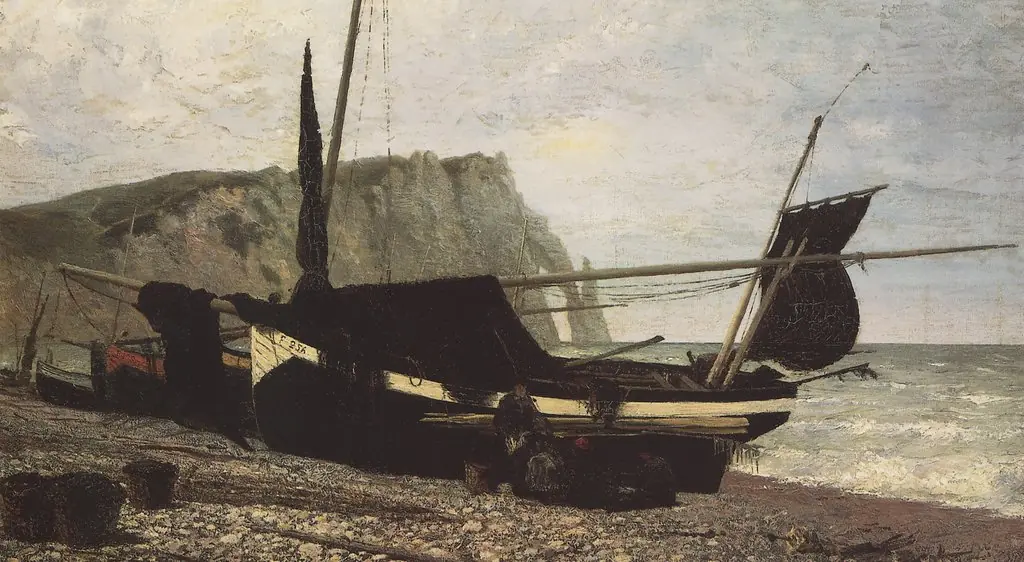 Étretat
 The Beach
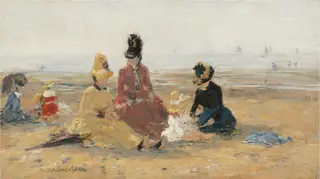 On the Beach, Trouville
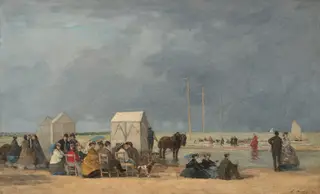 Bathing Time at Deauville
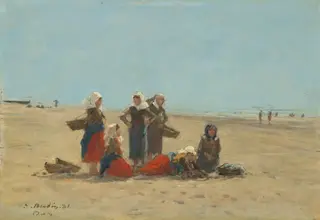 Women on the Beach at Berck
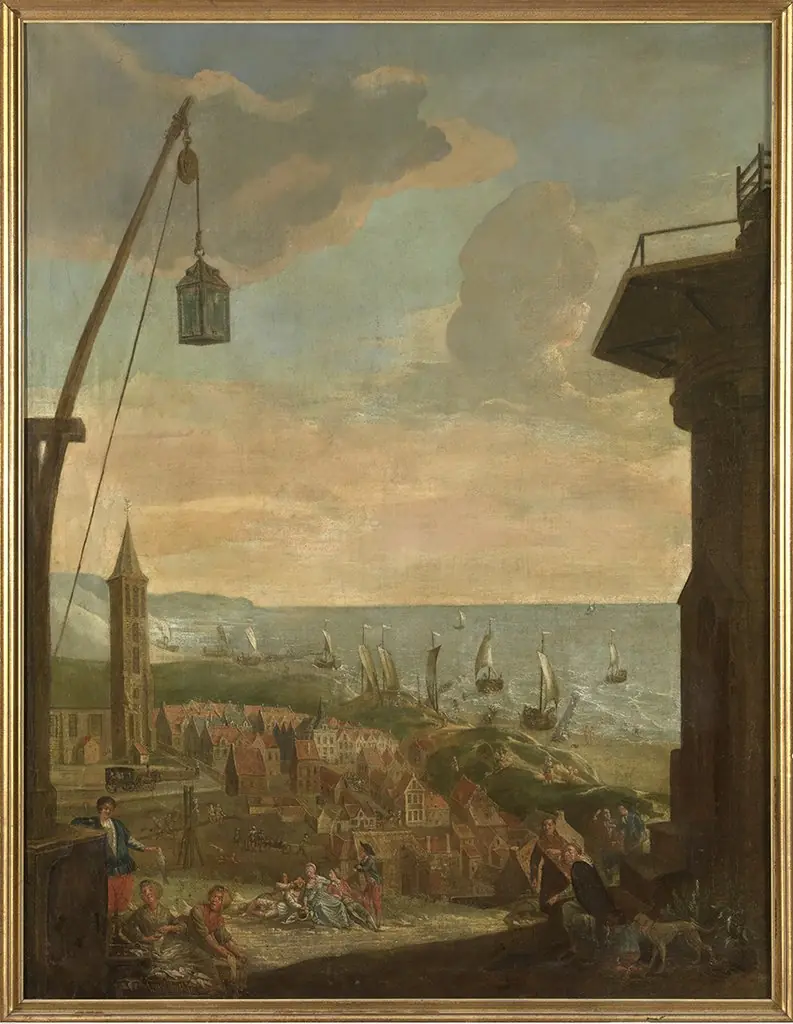 Gezicht op Blankenberghe
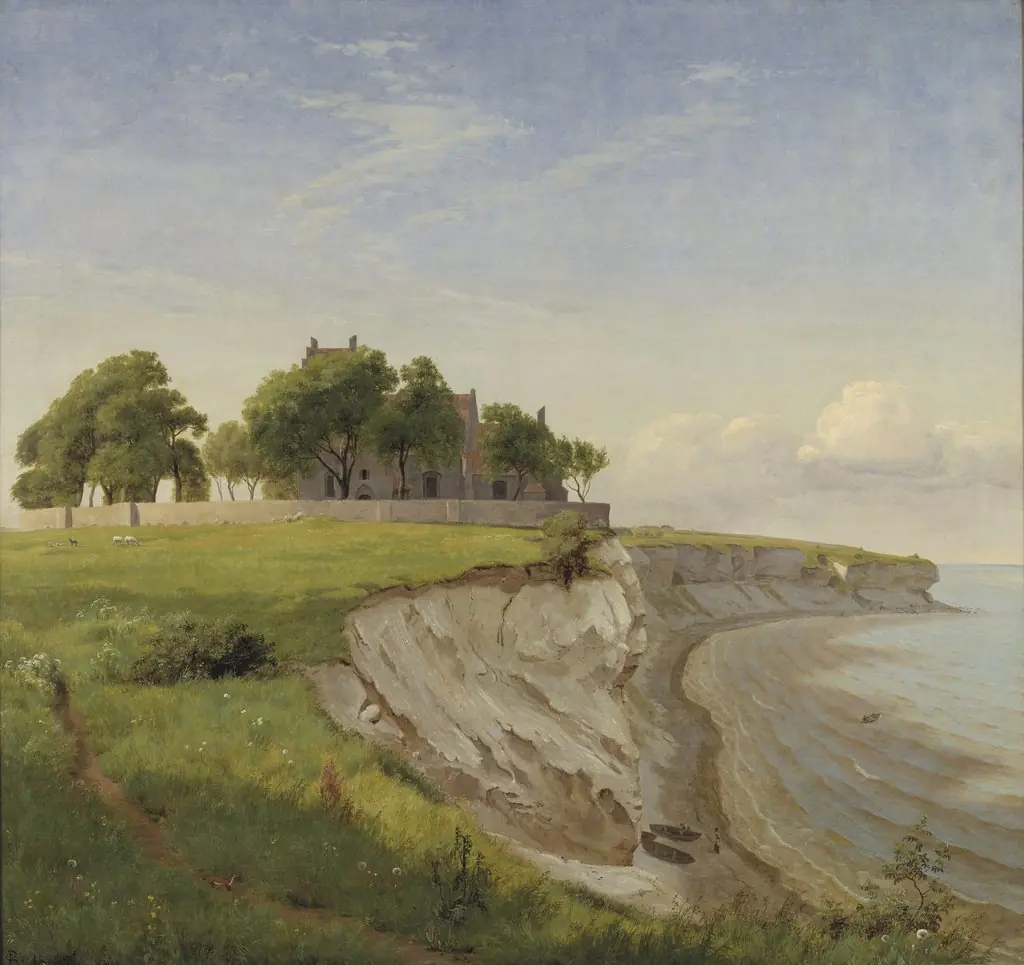 Højerup Church on the Cliffs of Stevns, Zealand
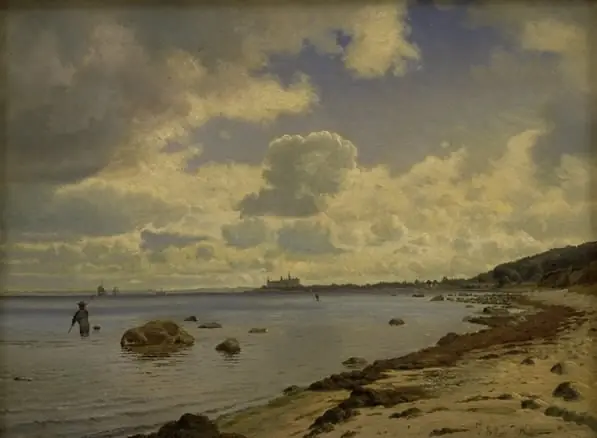 Sjællands nordkyst med udsigt til Kronborg
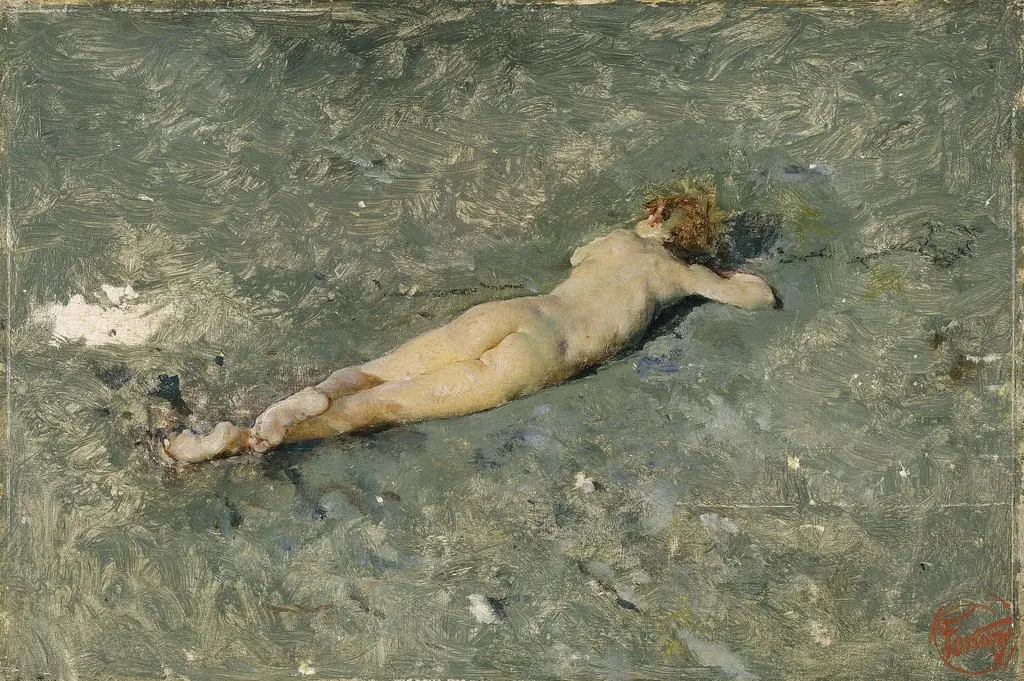 Nude Boy on the Beach at Portici
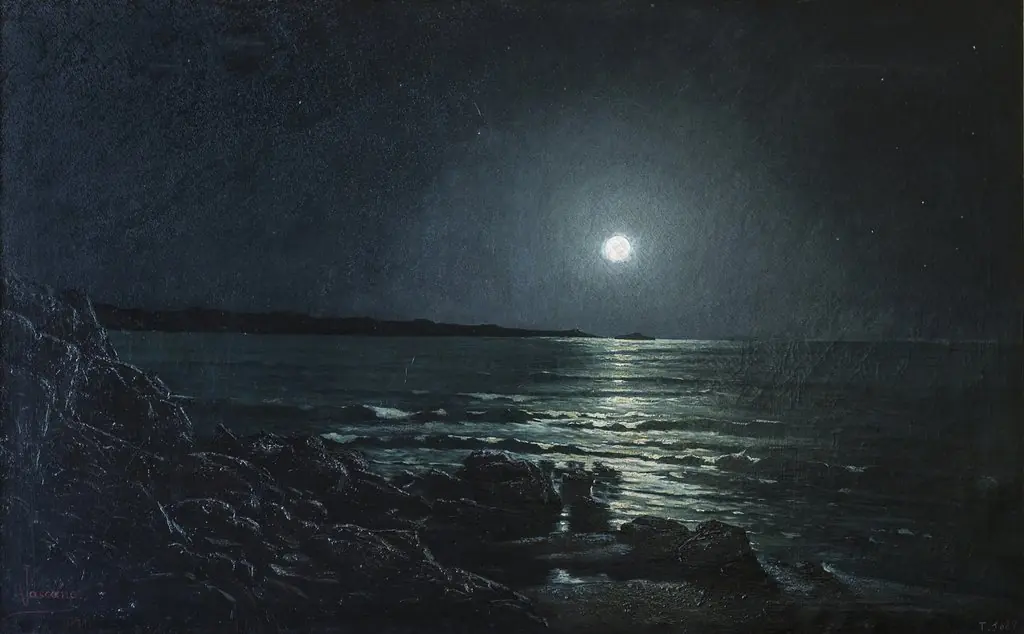 A Night at the Sea
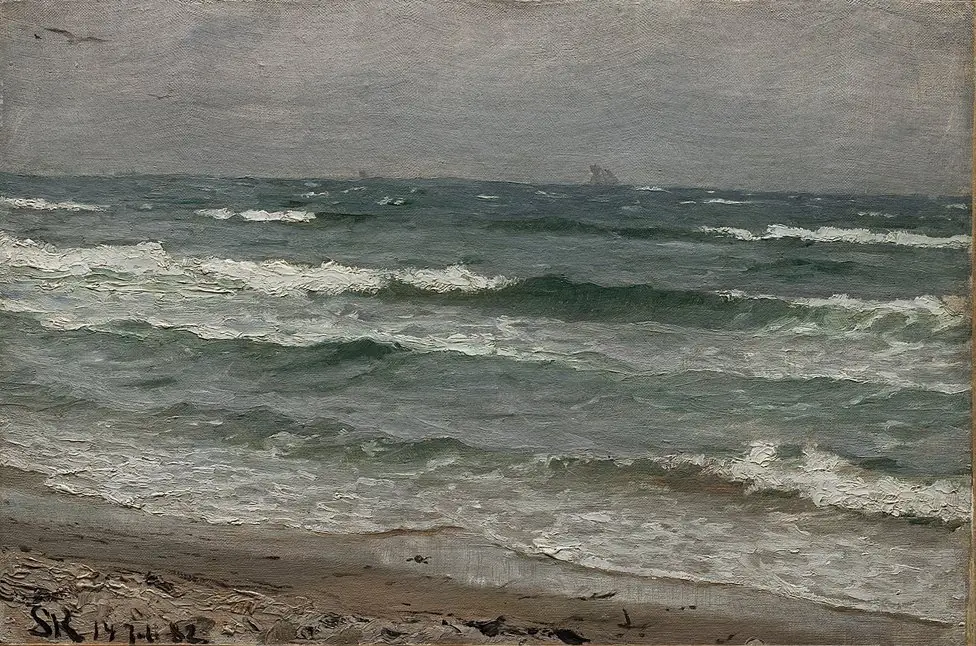 Seascape. Skagen
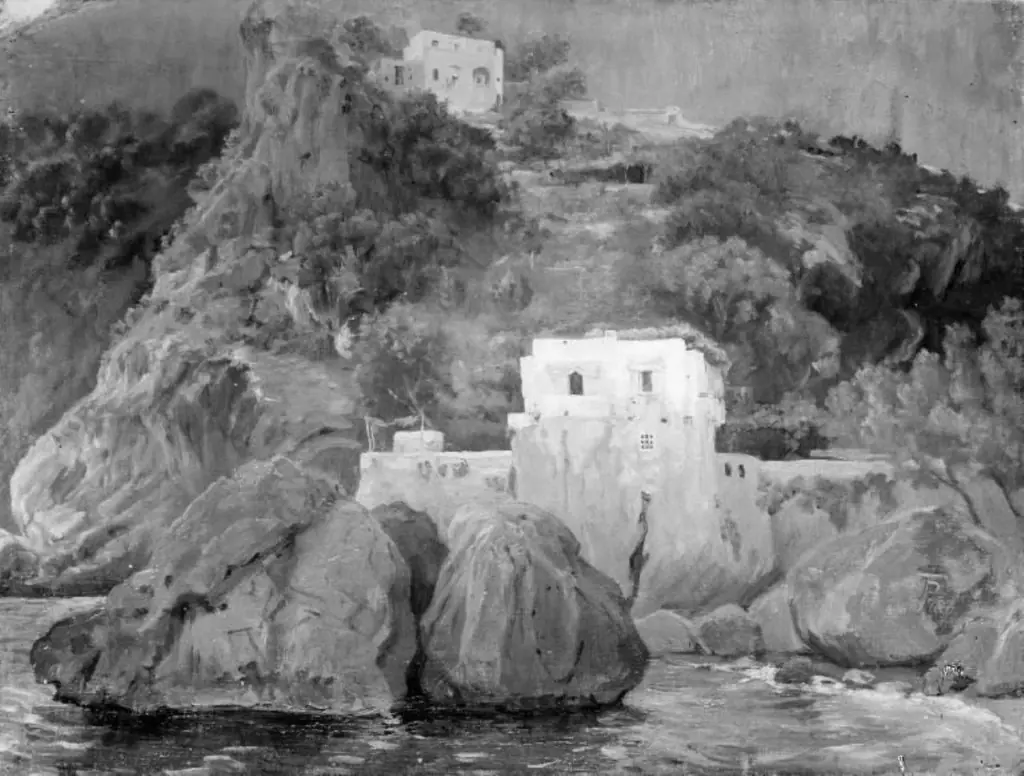 A coastline. Amalfi, Italy
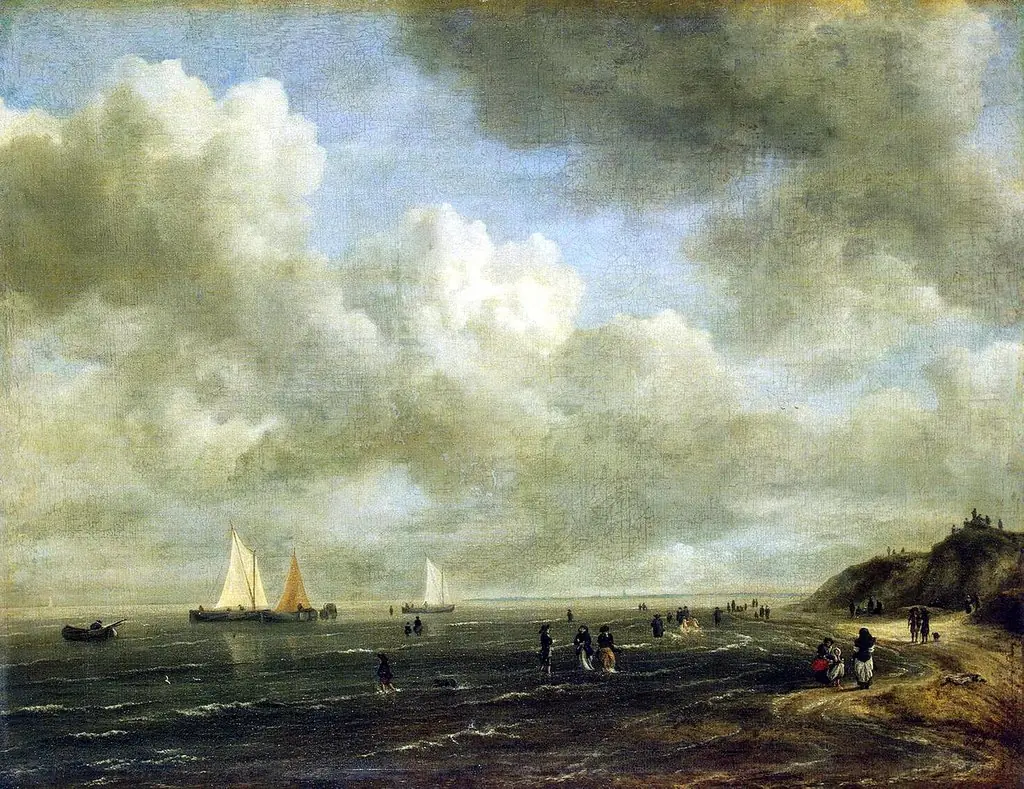 Seashore
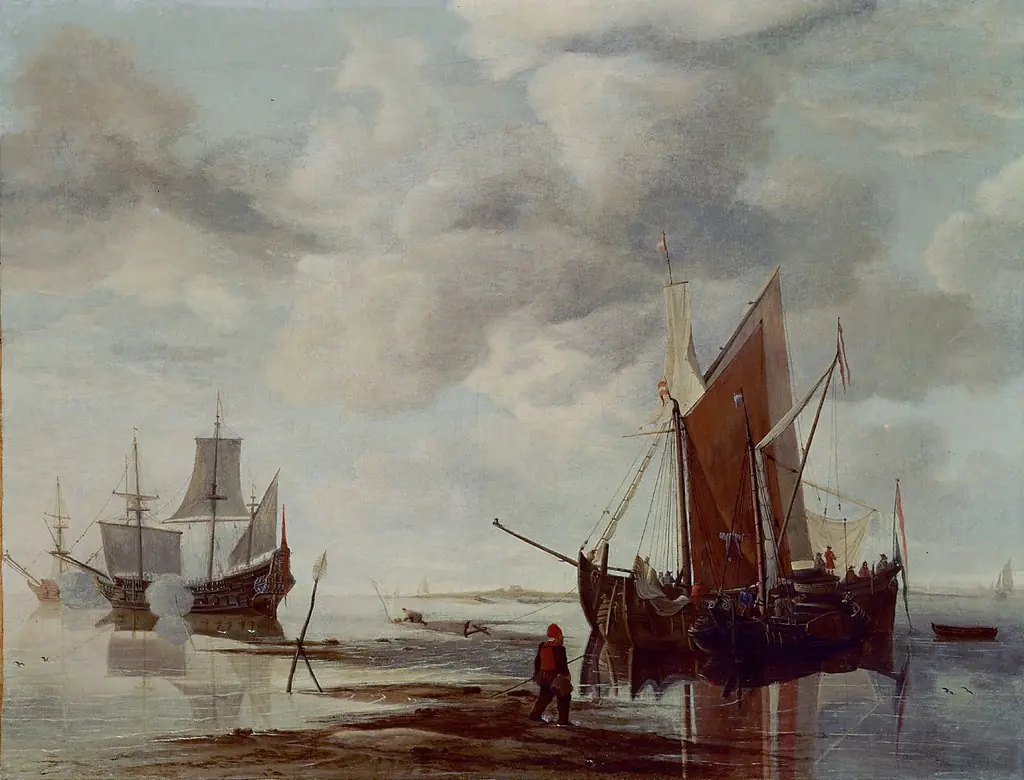 Calm Sea at Ebb Tide
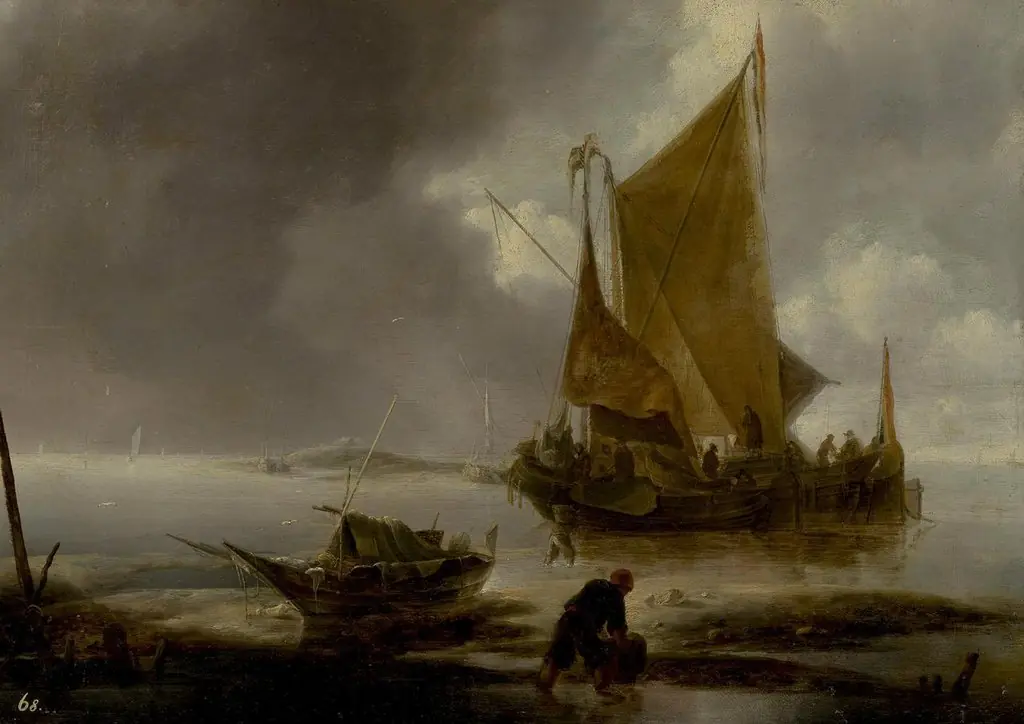 Seascape
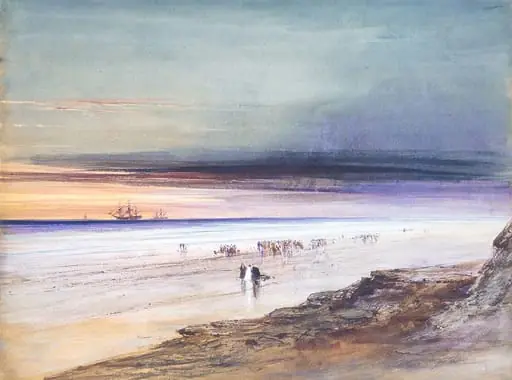 Beach Scene
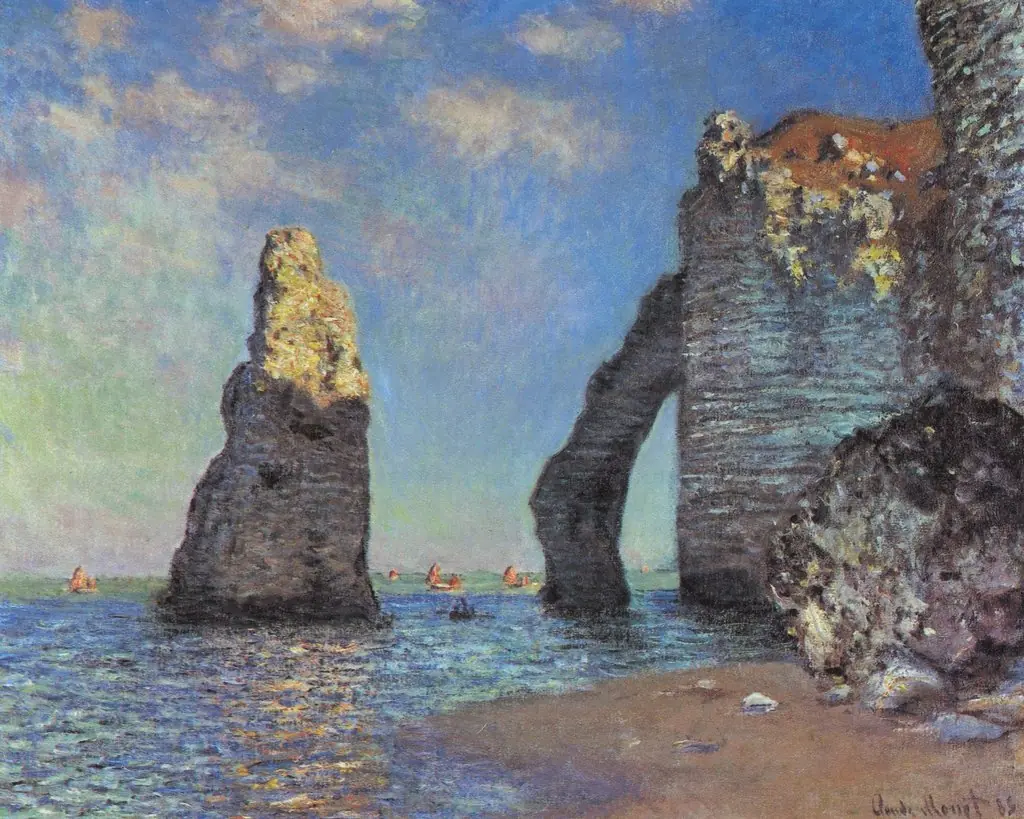 The Cliffs at Étretat
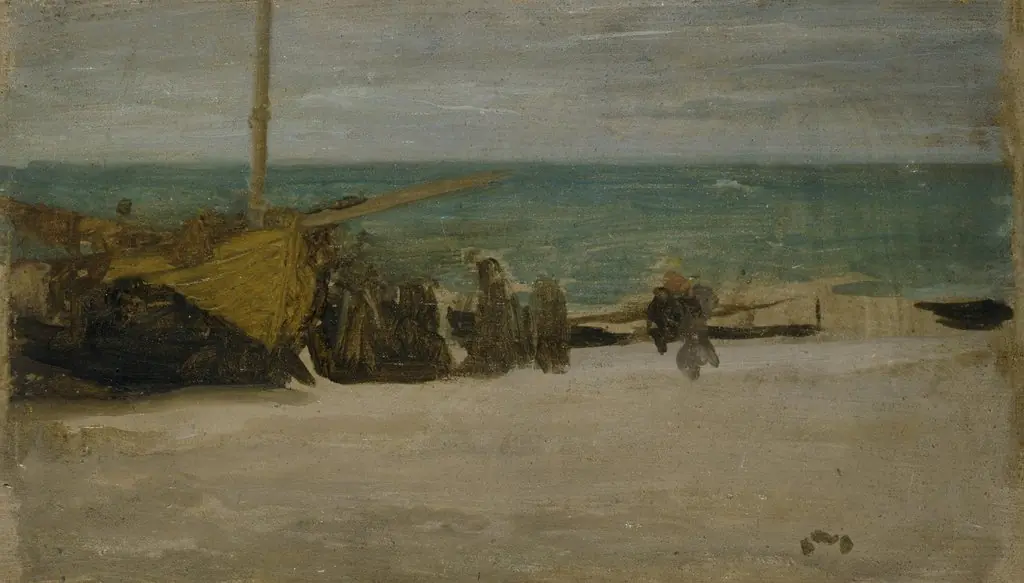 Seashore: Grey and Black
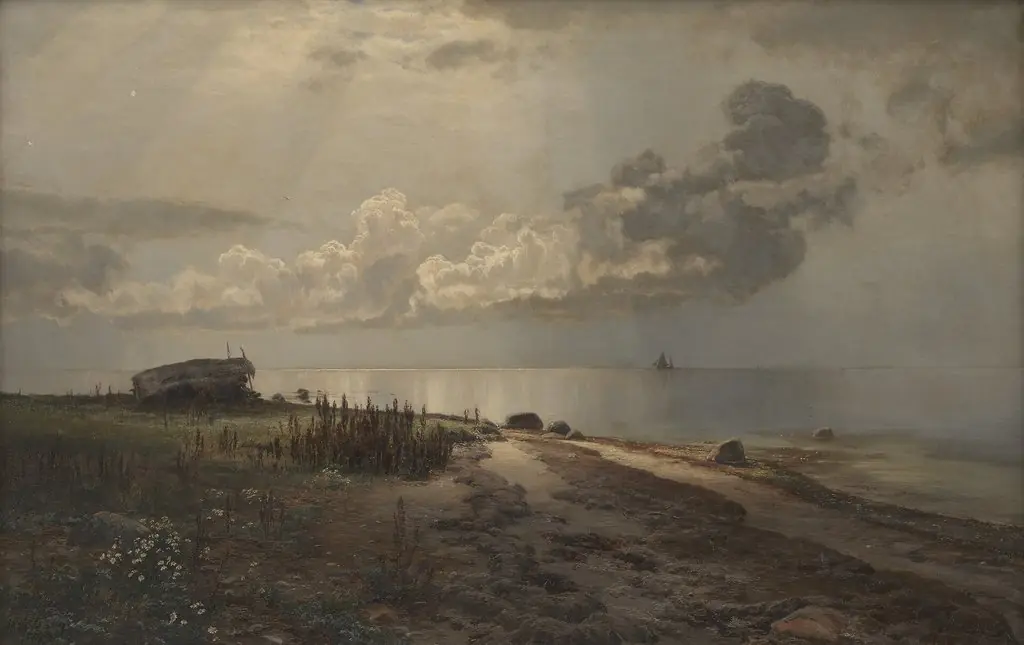 Strand
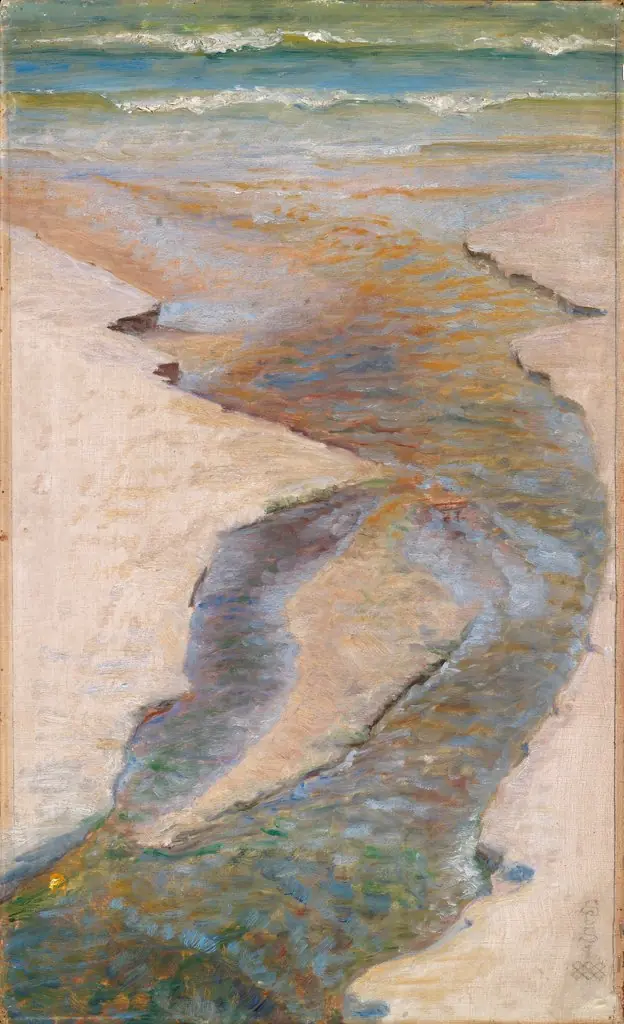 Mouth of the Stream
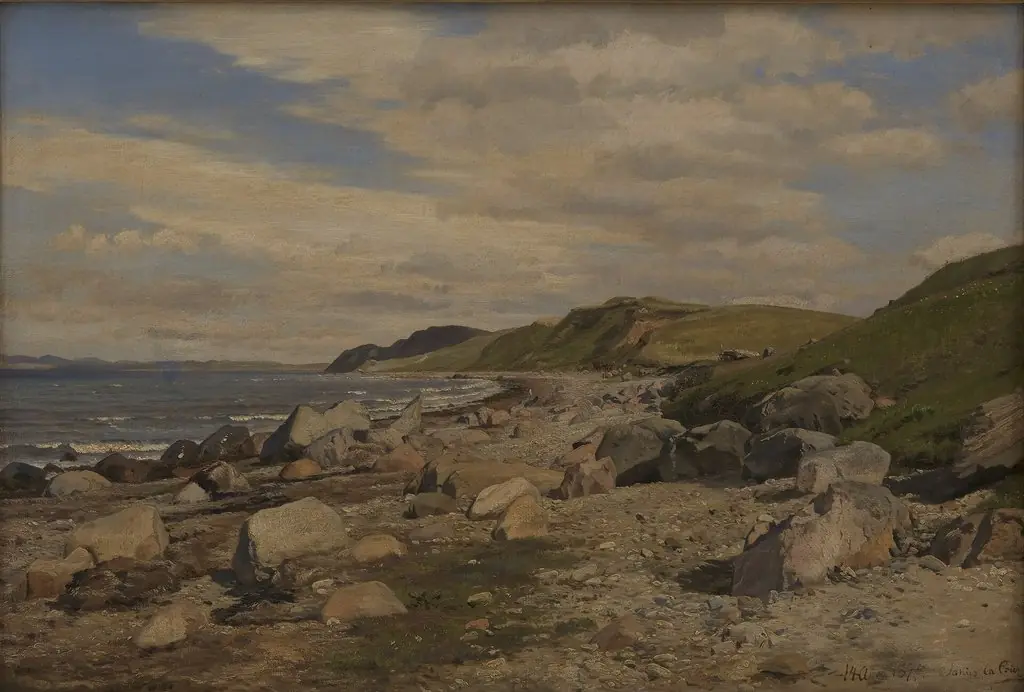 Strandparti ved Helgenæs
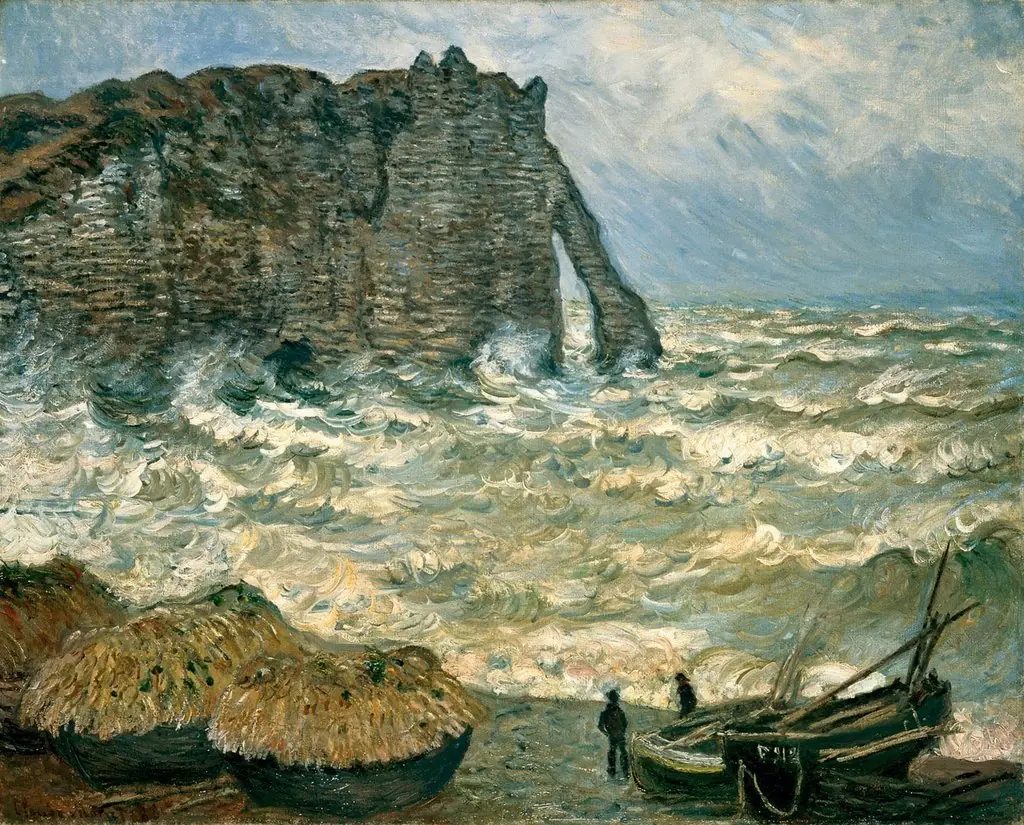 Etretat, Rough Seas
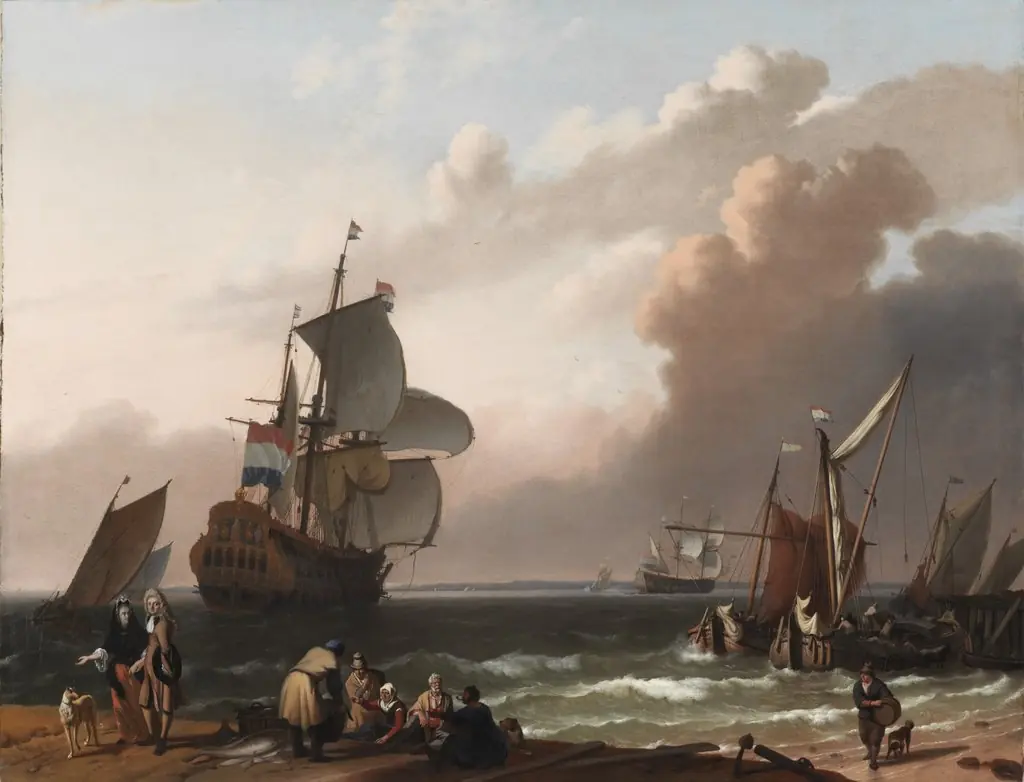 Warship and Dutch Sailboats near the Shore
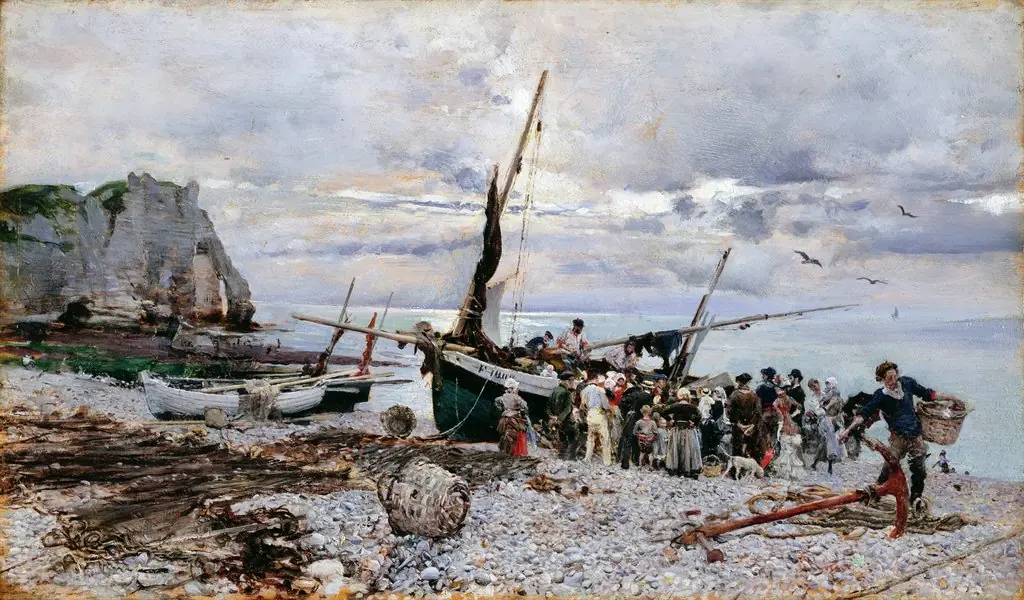 The Return of the Fishing Boats, Étretat
 Moema
Moema Beach at Ebb Tide
 Brooduitdeling aan de weduwen en wezen te Katwijk
 Approaching Storm: Beach near Newport
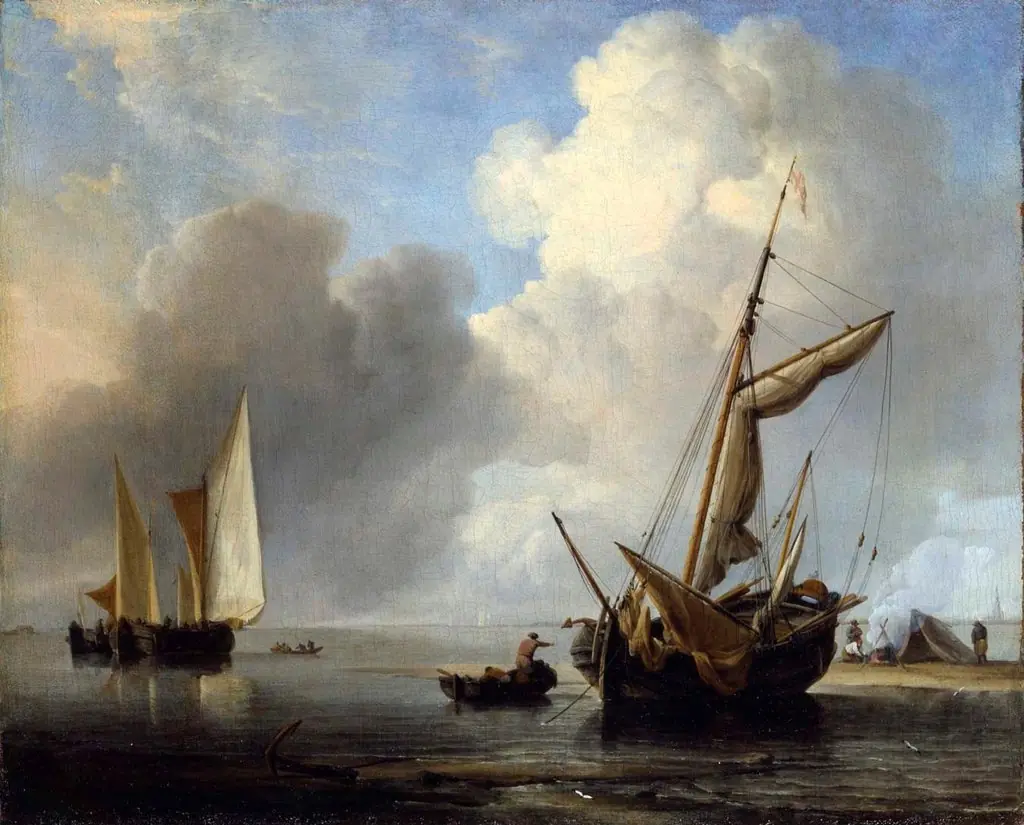 Fishing Boats in a Calm
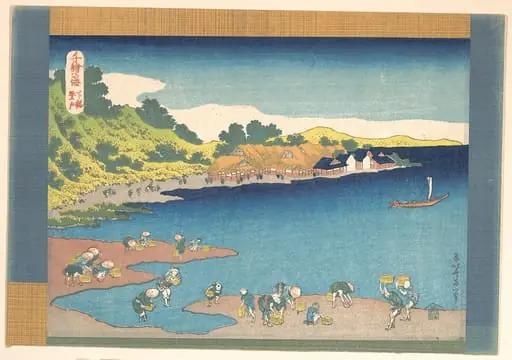 千絵の海 下総登戸|Noboto at Shimōsa (Shimōsa Noboto), from the series One Thousand Pictures of the Sea (Chie no umi)
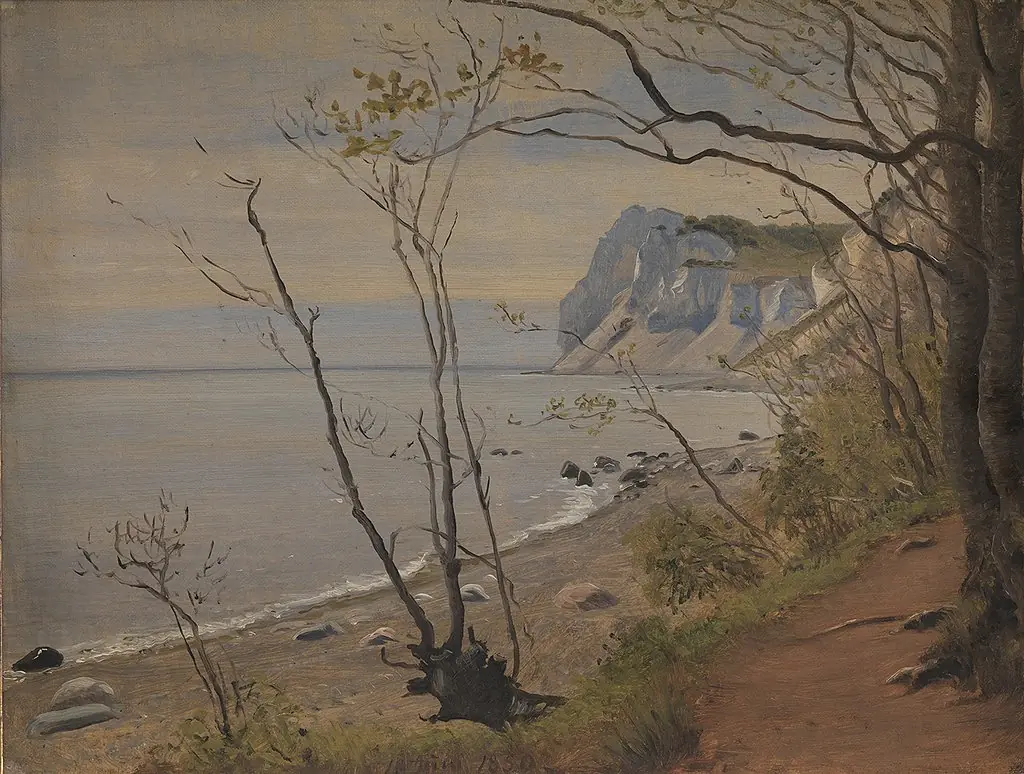 The Cliffs of the Island of Møn
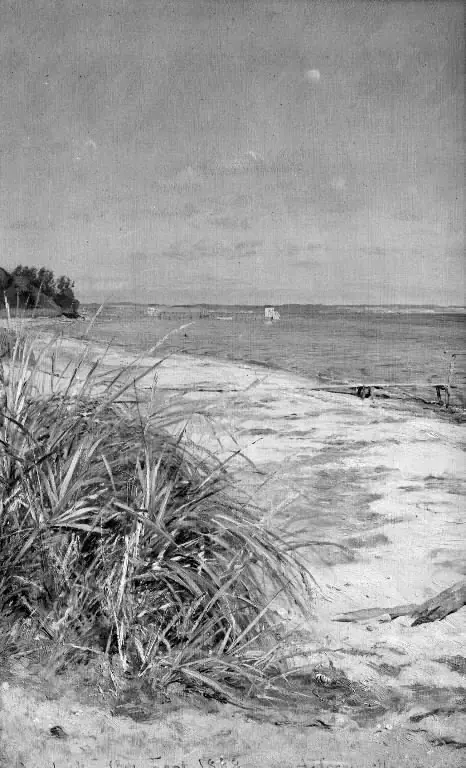 The Coast of Vedbæk, North of Copenhagen
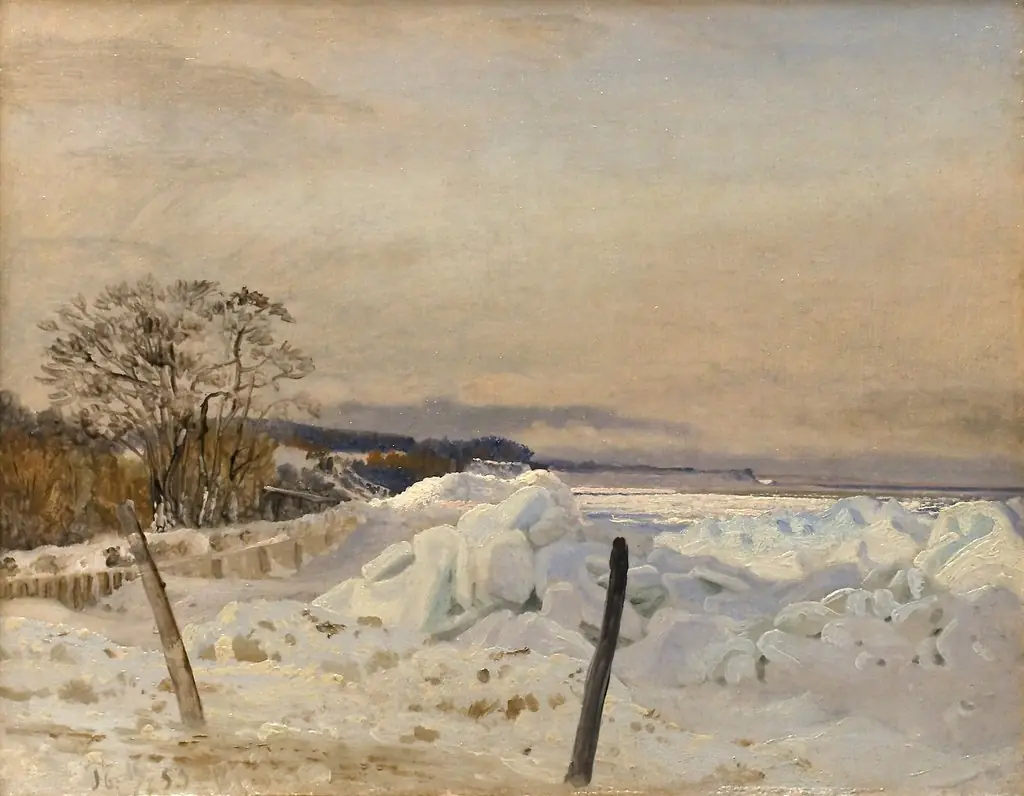 Ice Pack near Taarbæk, North of Copenhagen
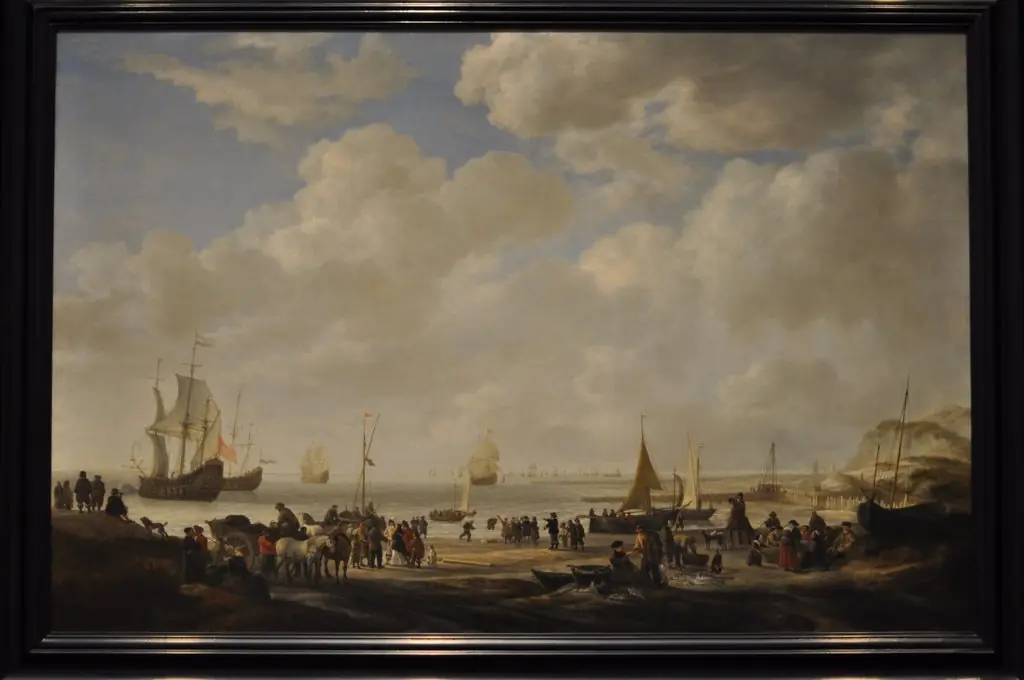 View of a Beach
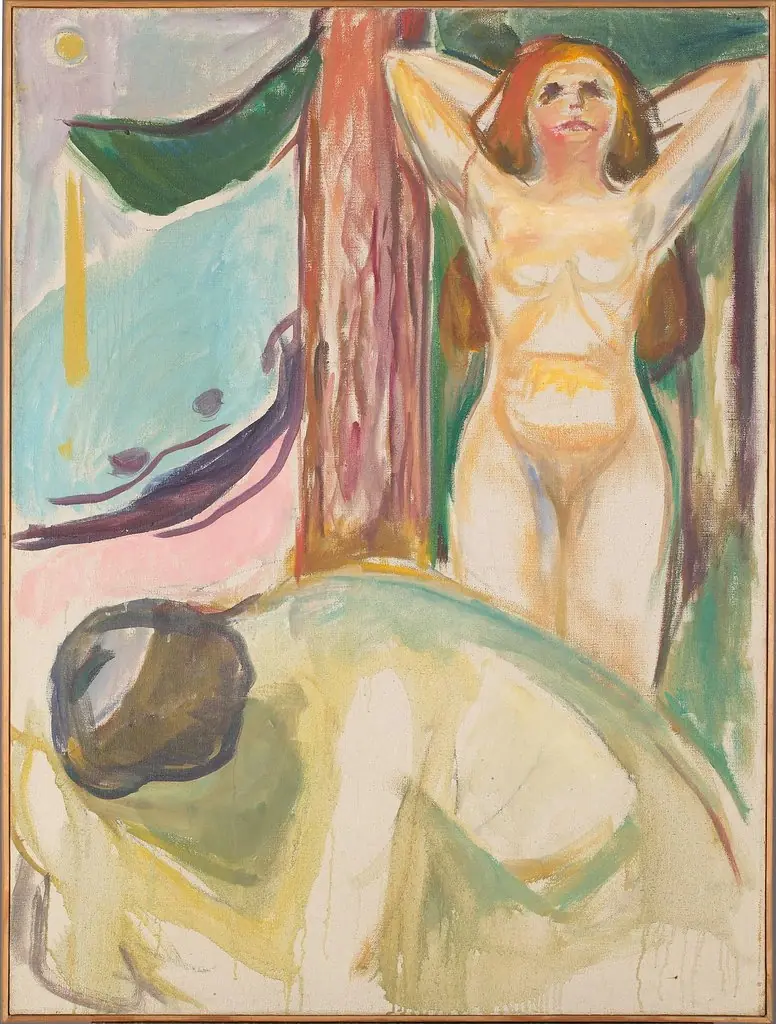 Naked Couple on the Beach
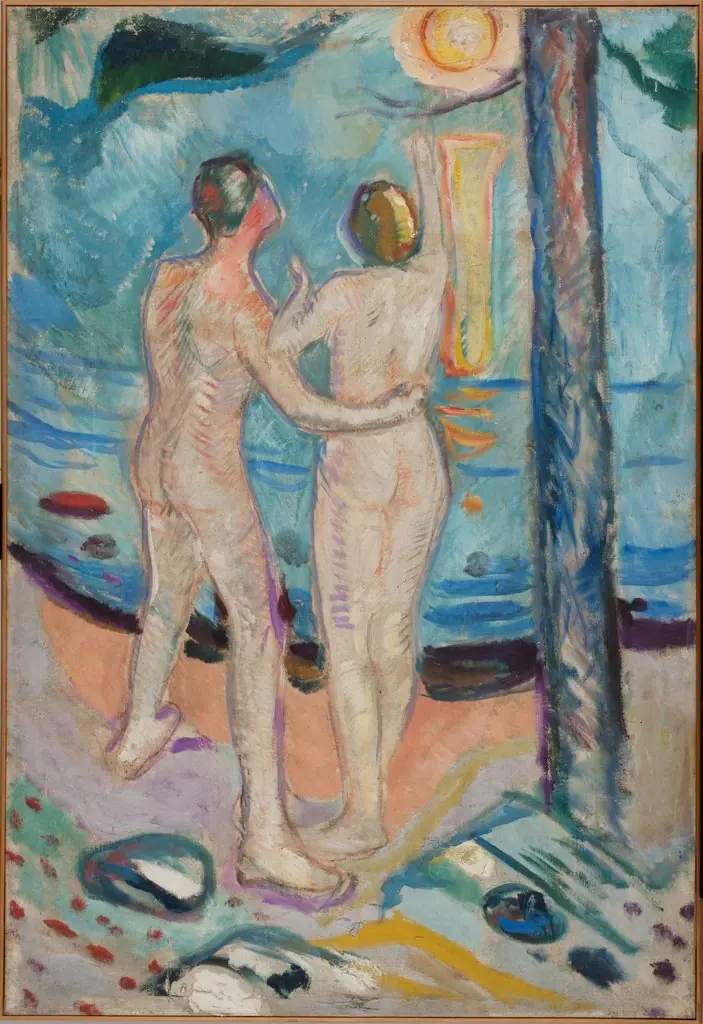 Nude Couple on the Beach
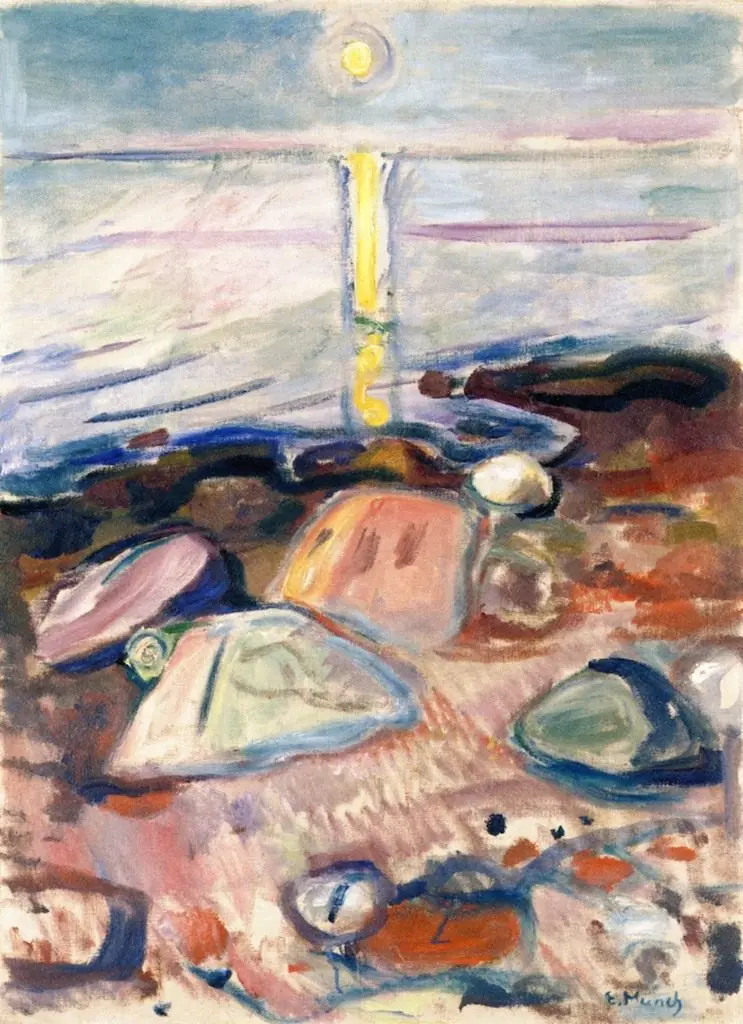 Moonlight on the Beach
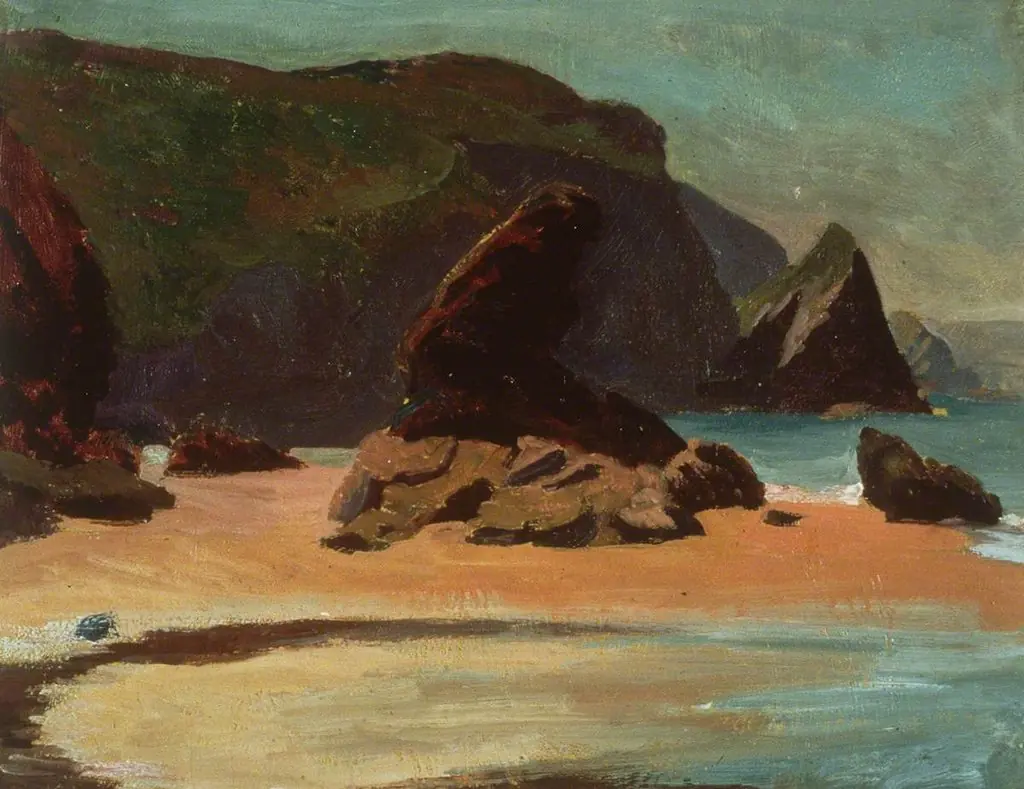 Llangrannog
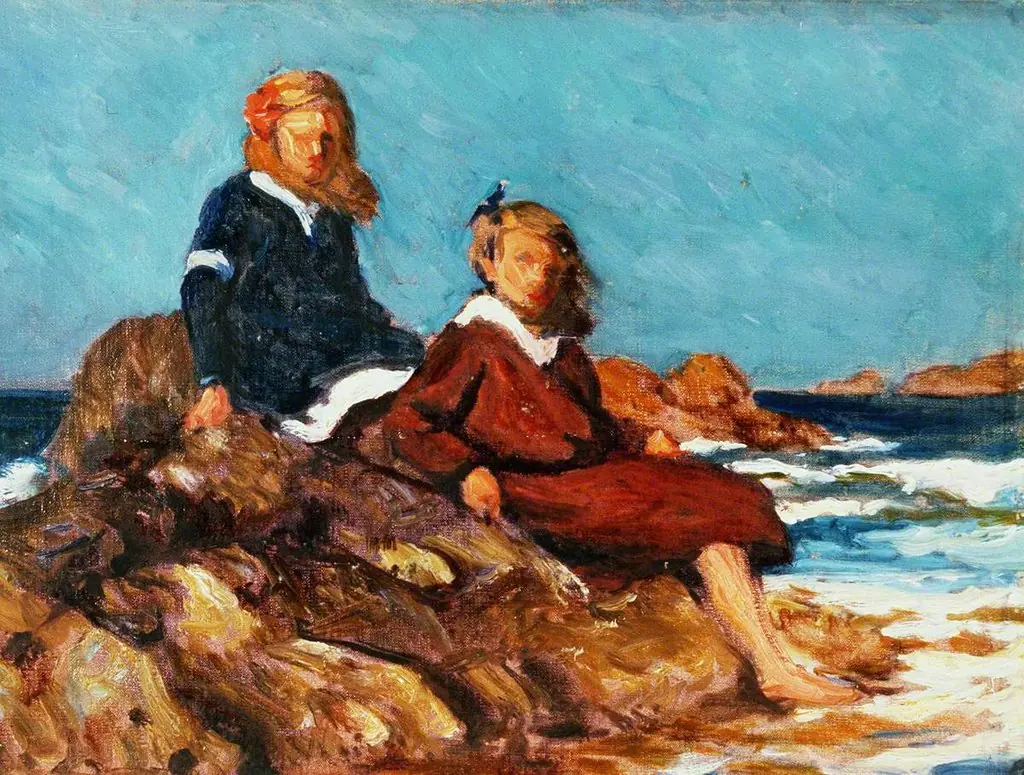 Holidays, Village Girls at Llangrannog
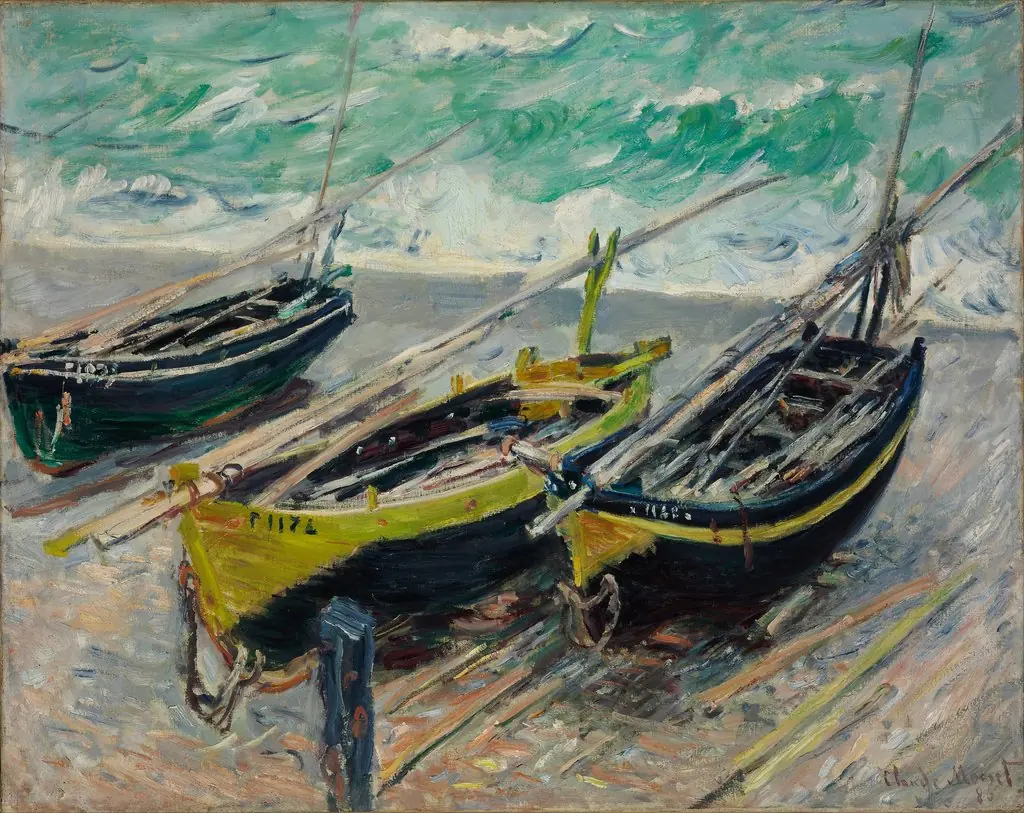 Three Fishing Boats
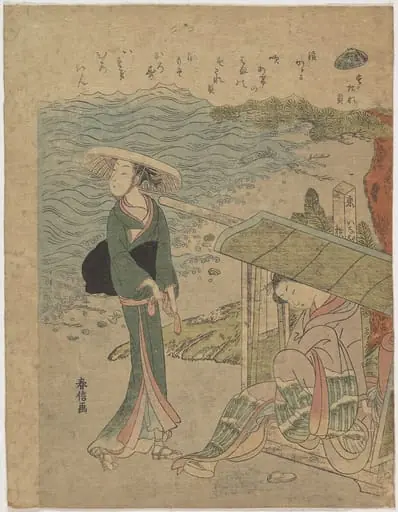 すだれ貝|The Curtain Clam
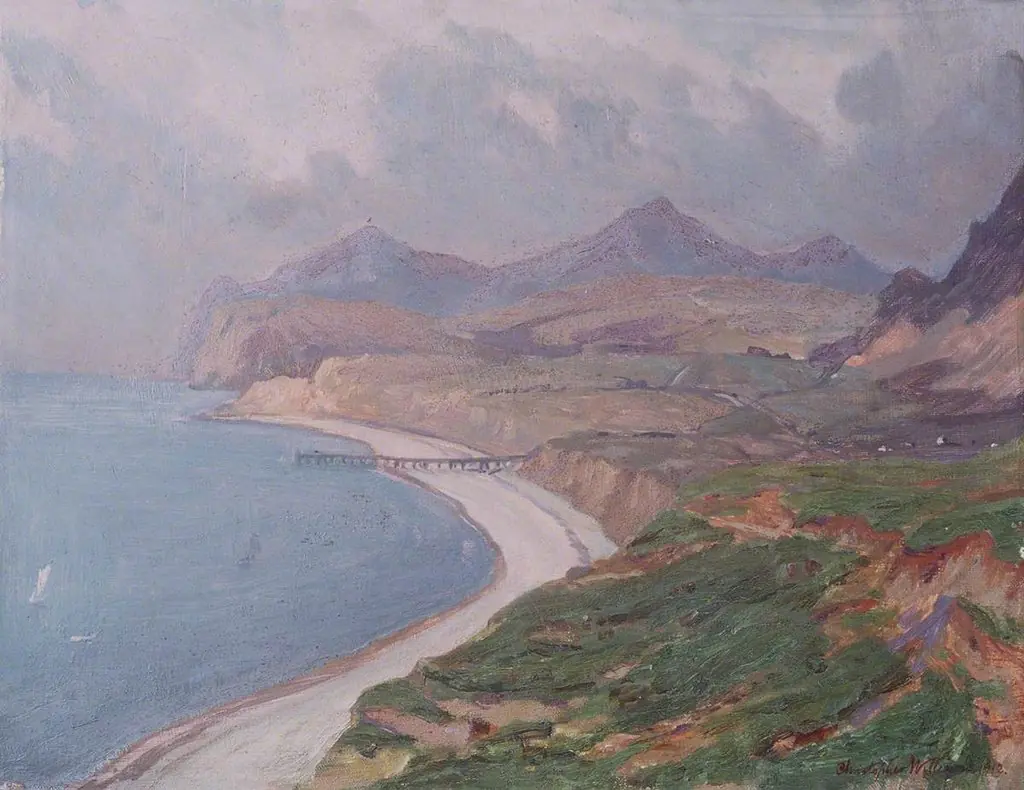 A Coastal View Porth y Nant, Lleyn
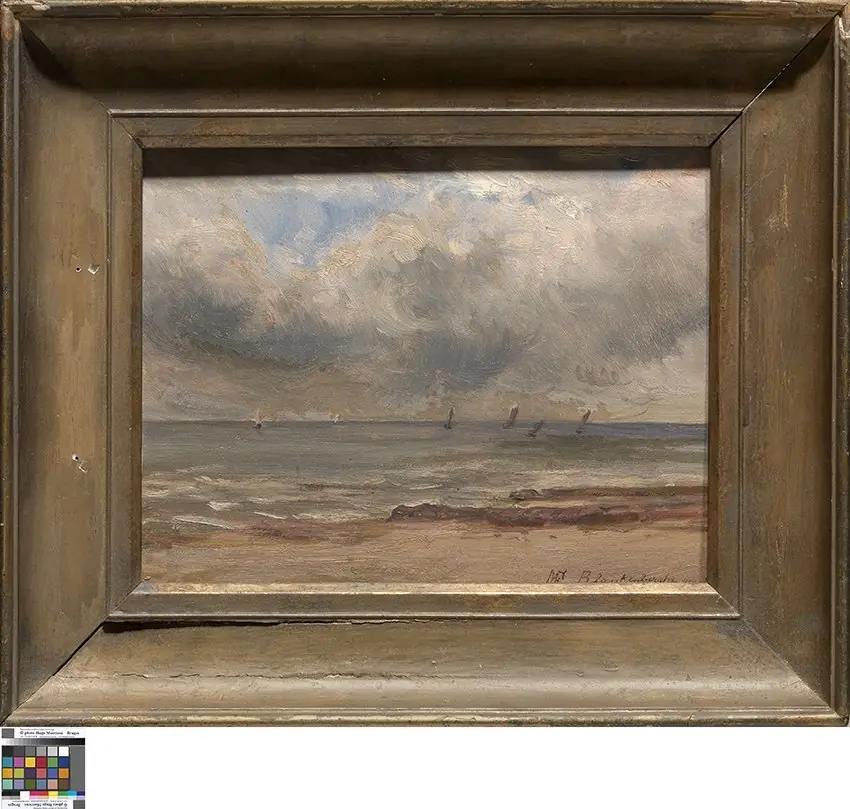 Zeegezicht in Blankenberge
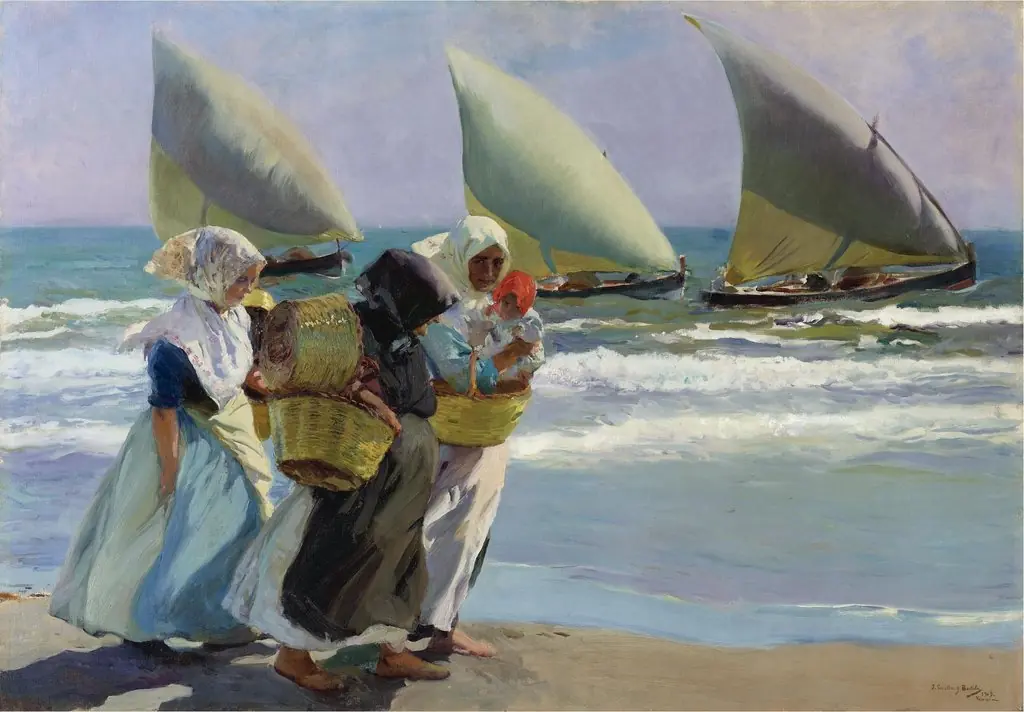 Las tres velas
 Nude Figures on the Beach
 Three Small Girls on the Beach
 Étretat Harbor
 Beach Study
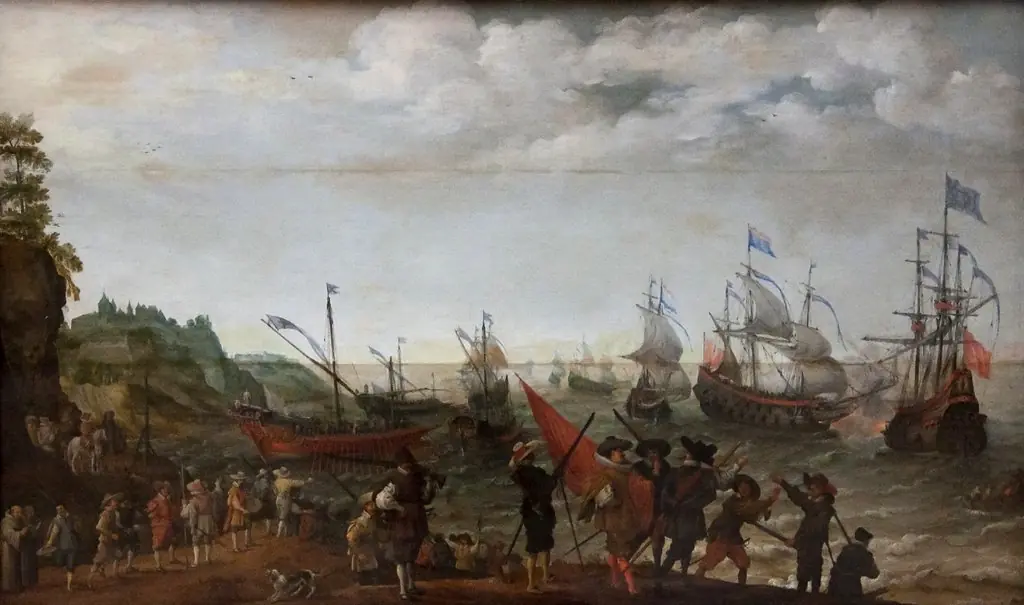 Sea Battle between Dutch and British ships in 1623
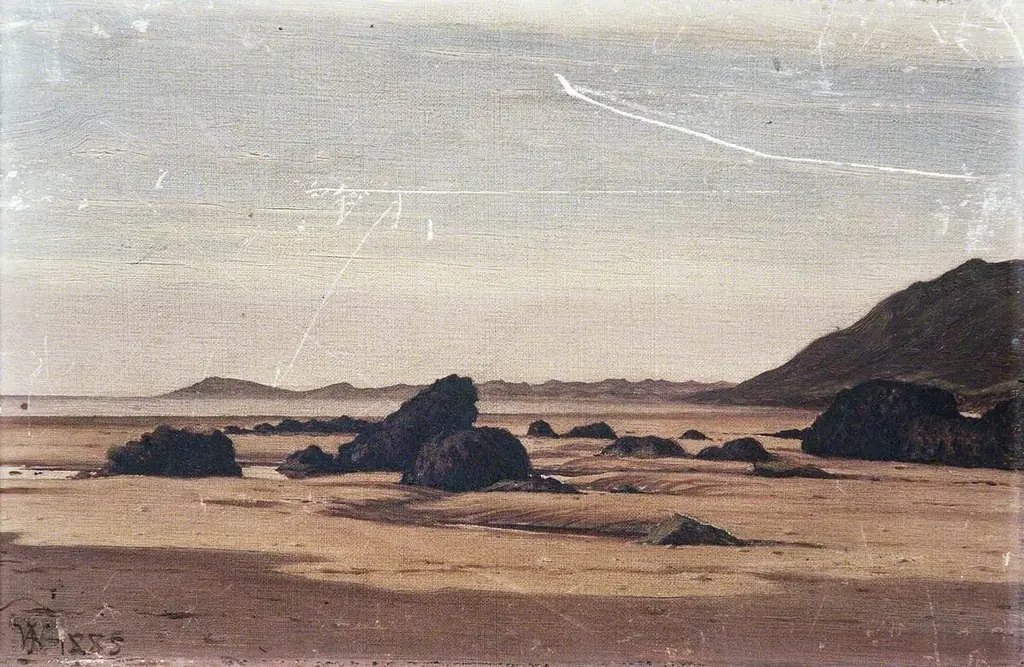 Rhosili Sands with Burry Holmes in the Distance
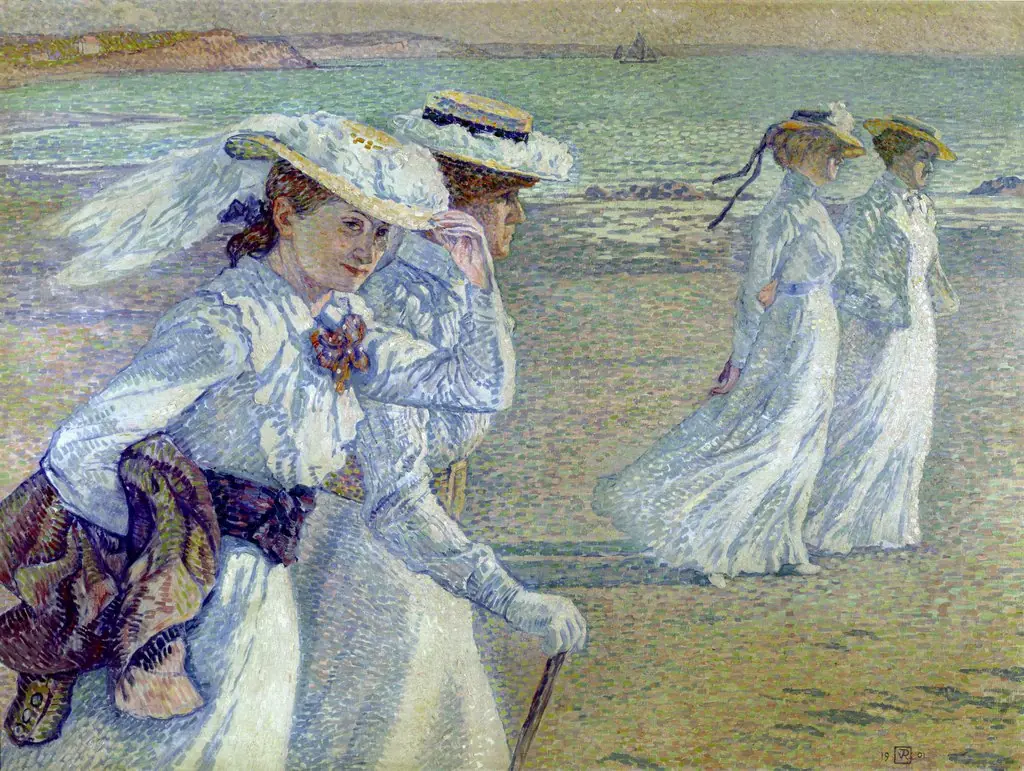 La promenade
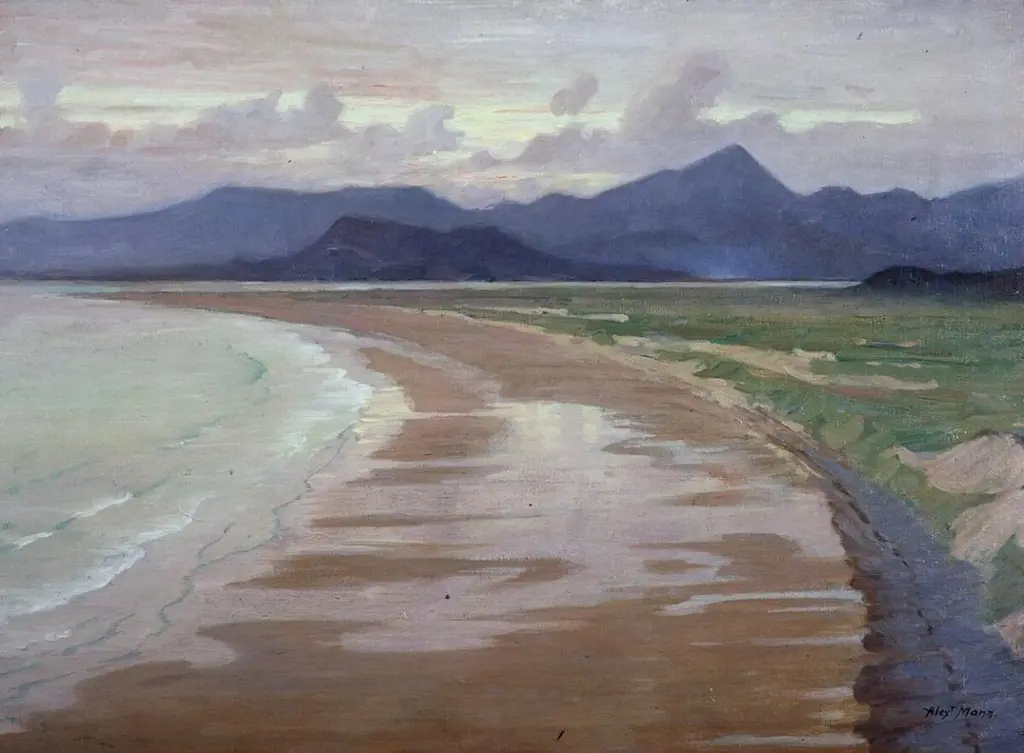 Tremadog Bay
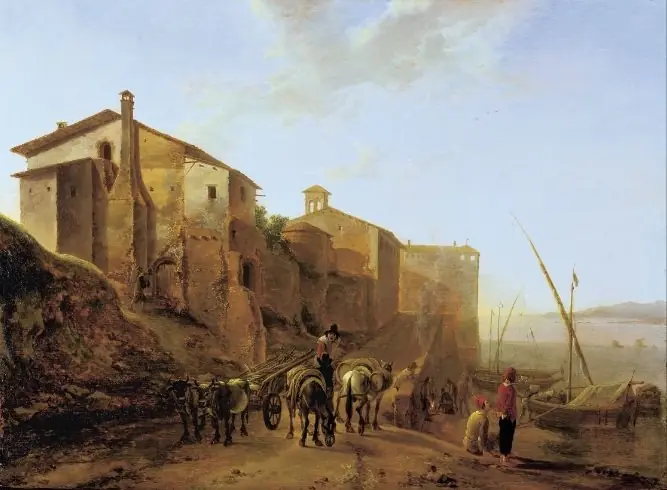 View of the Ripa Grande in Rome
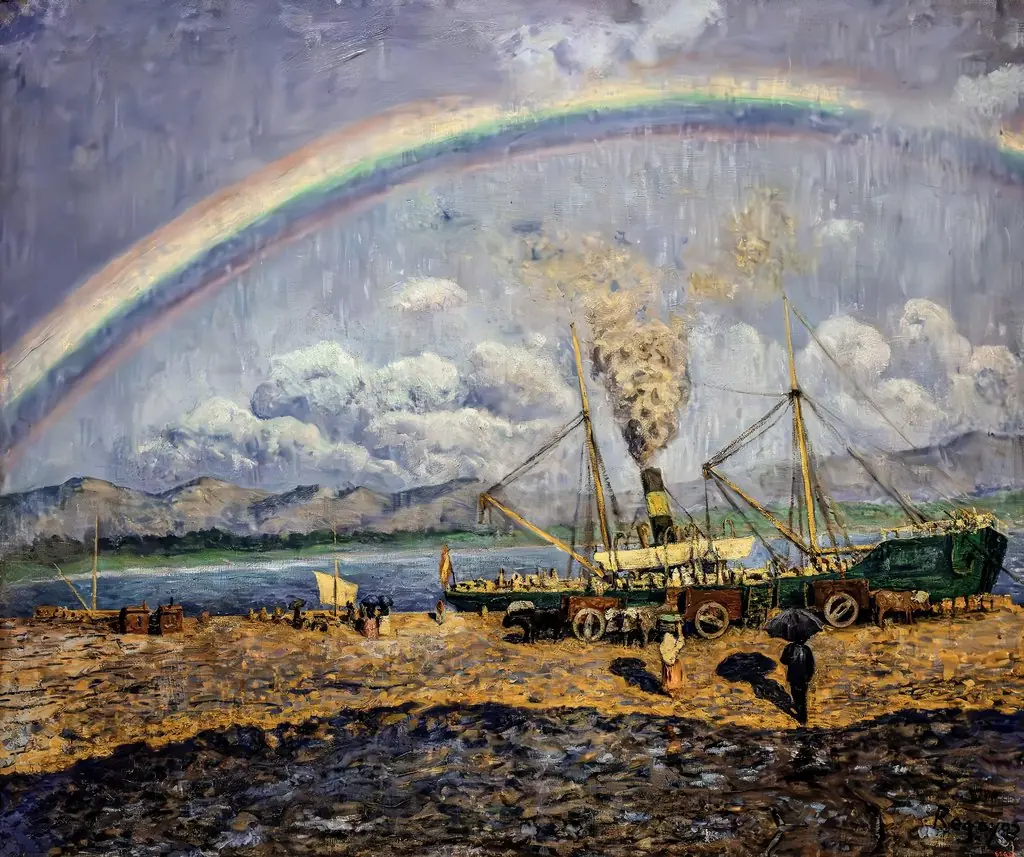 The Downpour. Santoña Bay
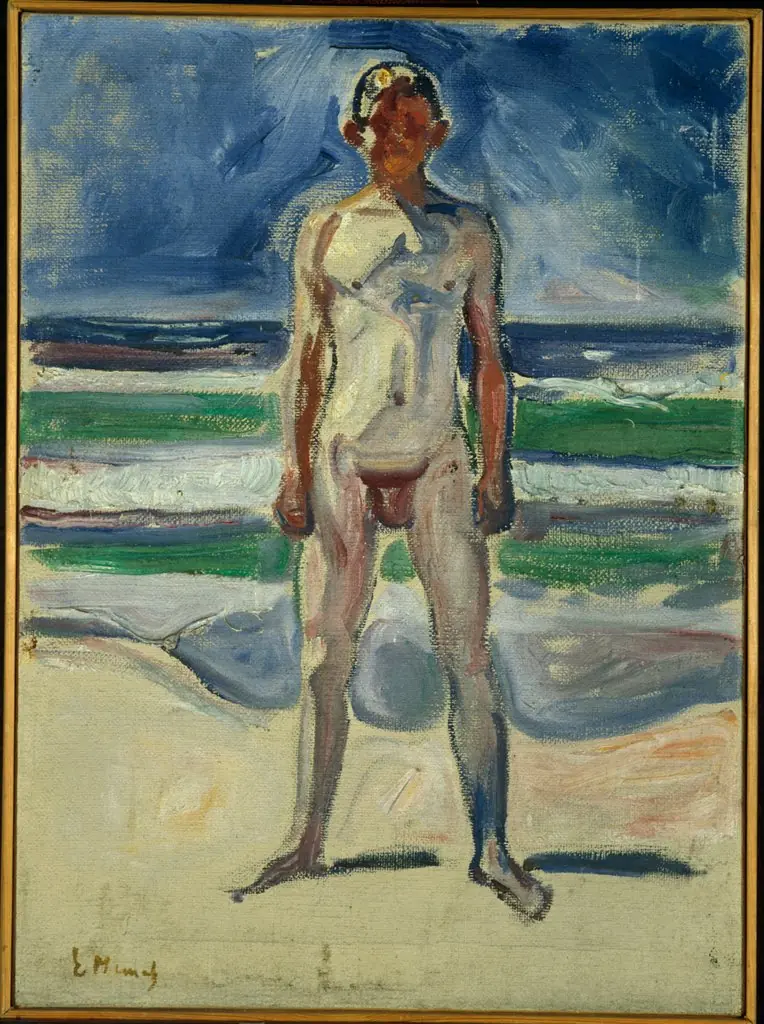 Young Man on the Beach
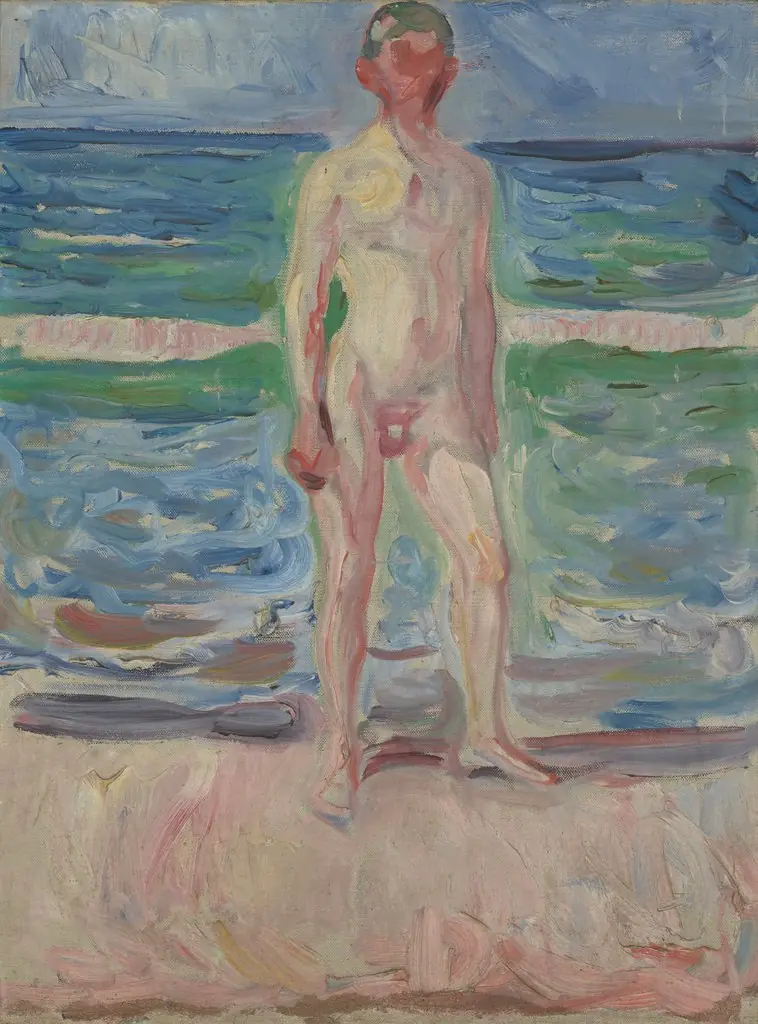 Young Man on the Beach
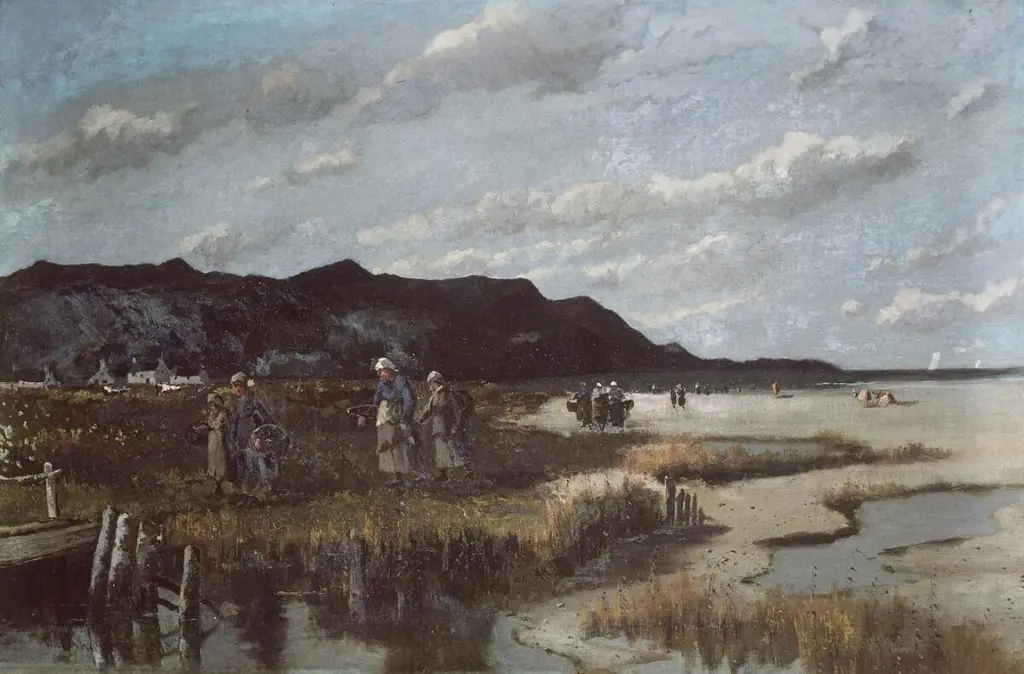 Cocklewomen
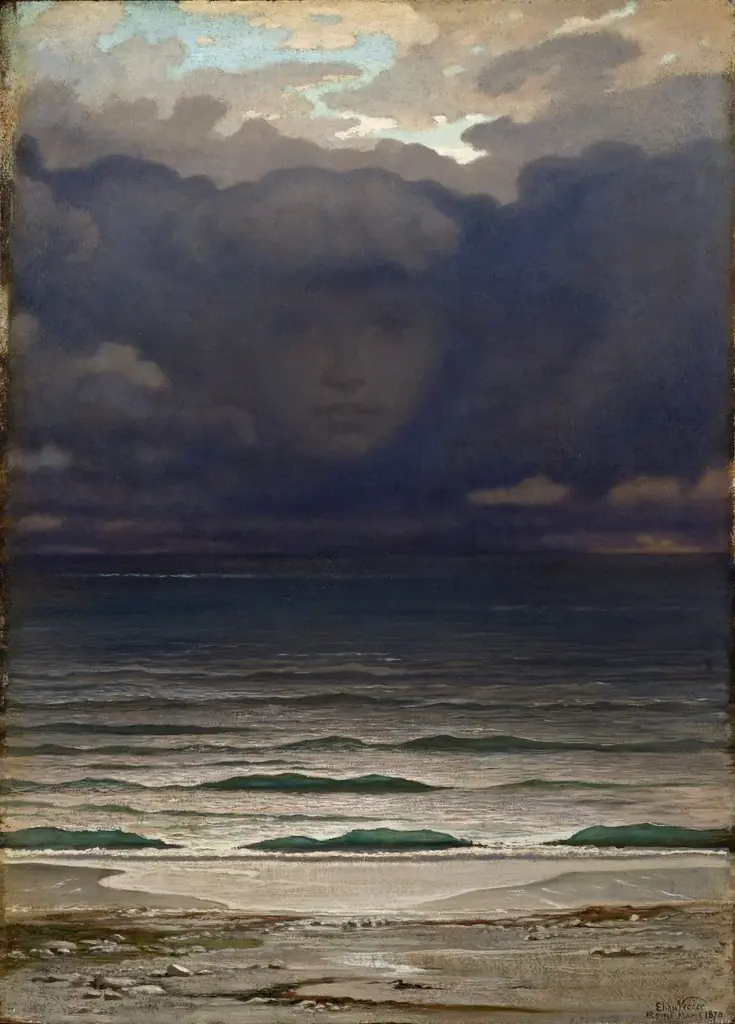 Memory
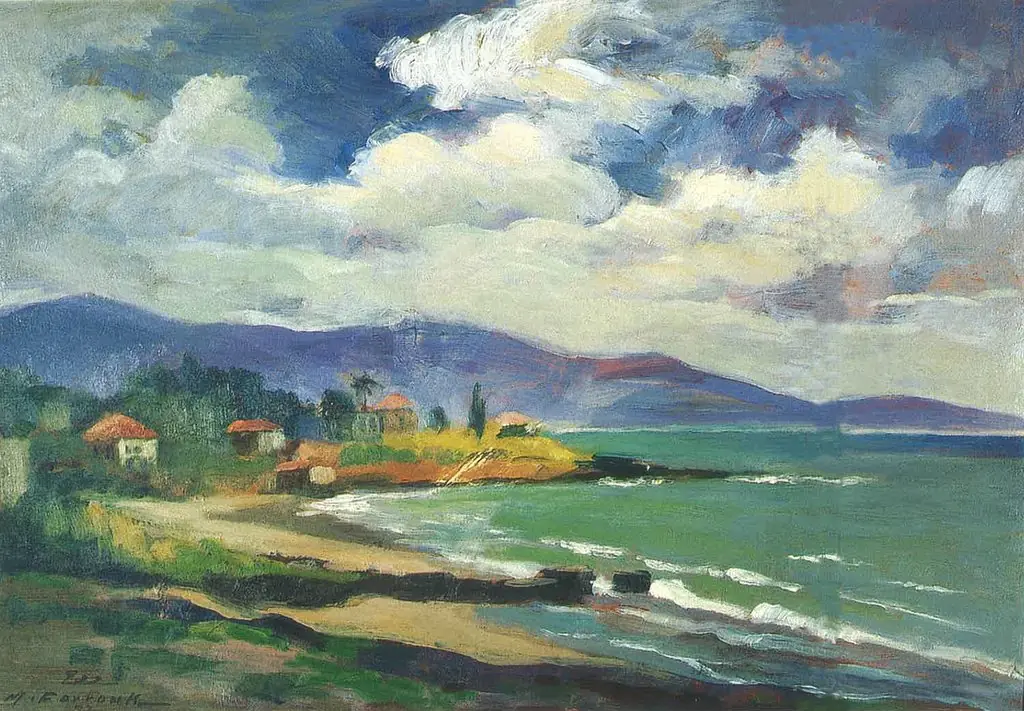 Dbayeh
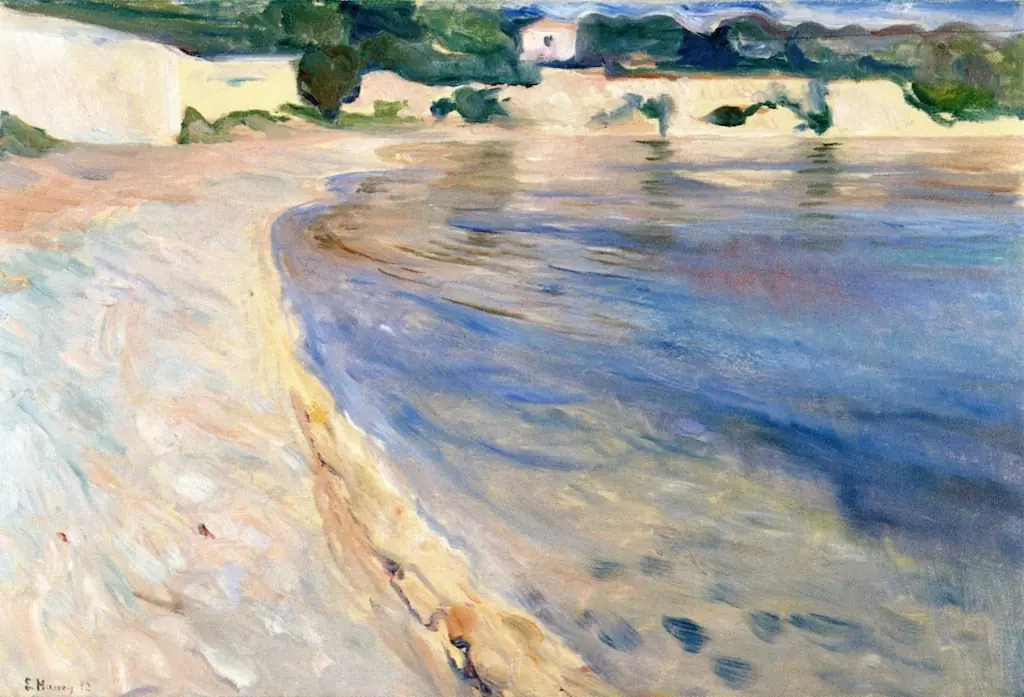 From the Riviera
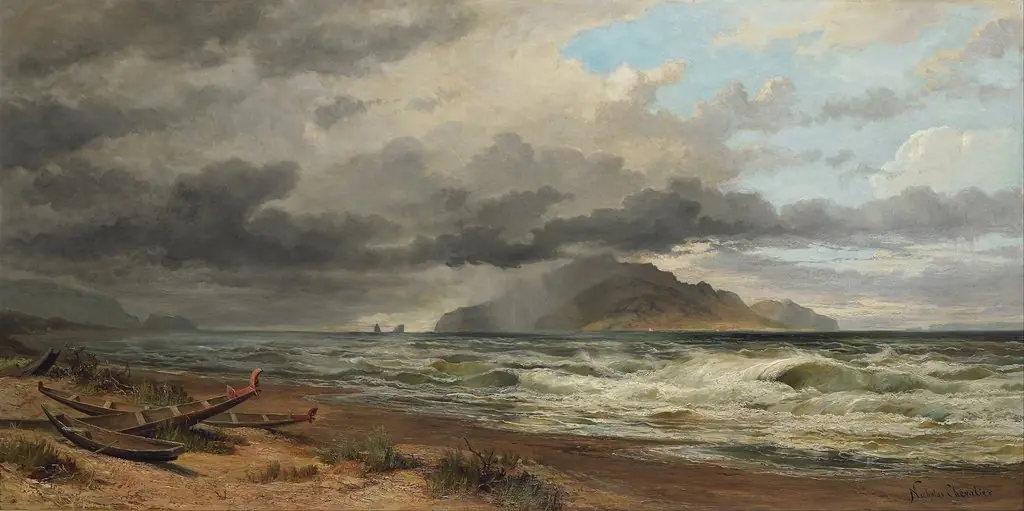 Cook Strait, New Zealand
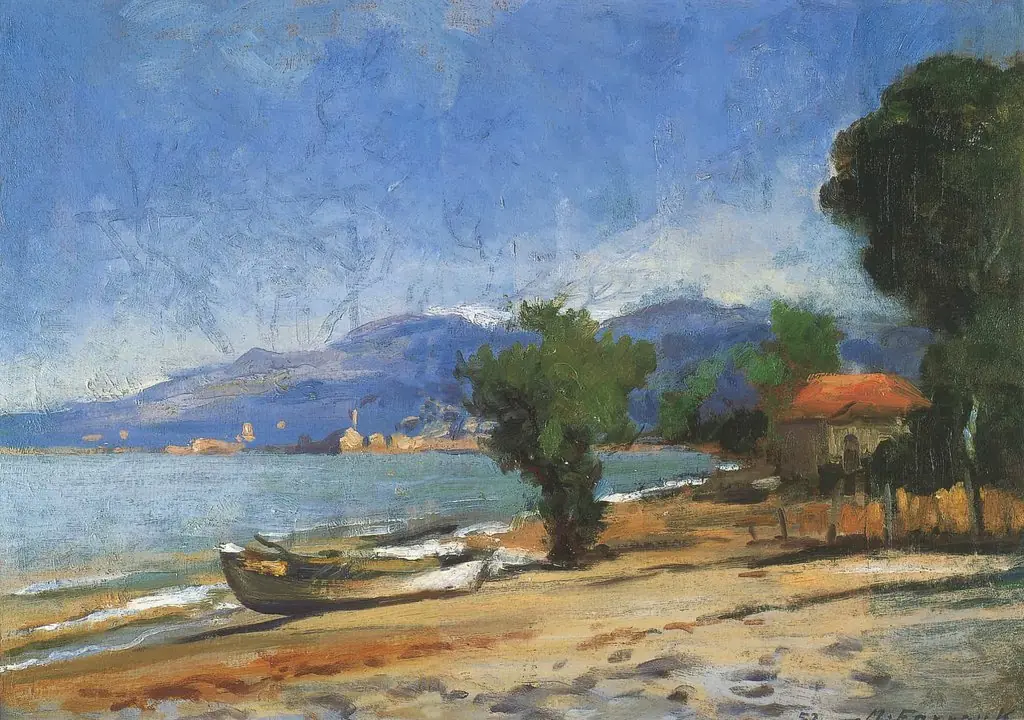 Jounieh Bey
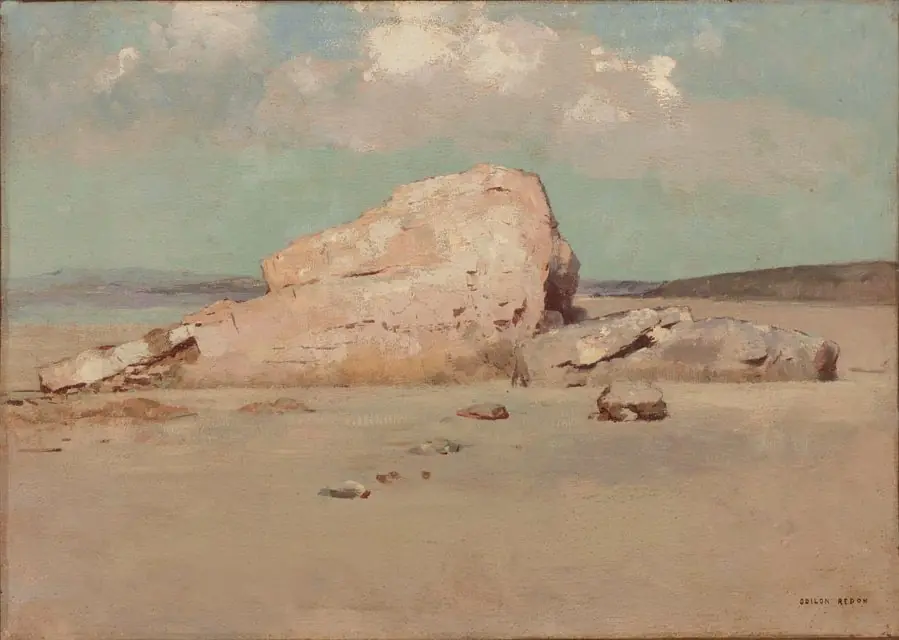 Rocks on the Beach
 The Inlet at Berck (Pas-de-Calais)
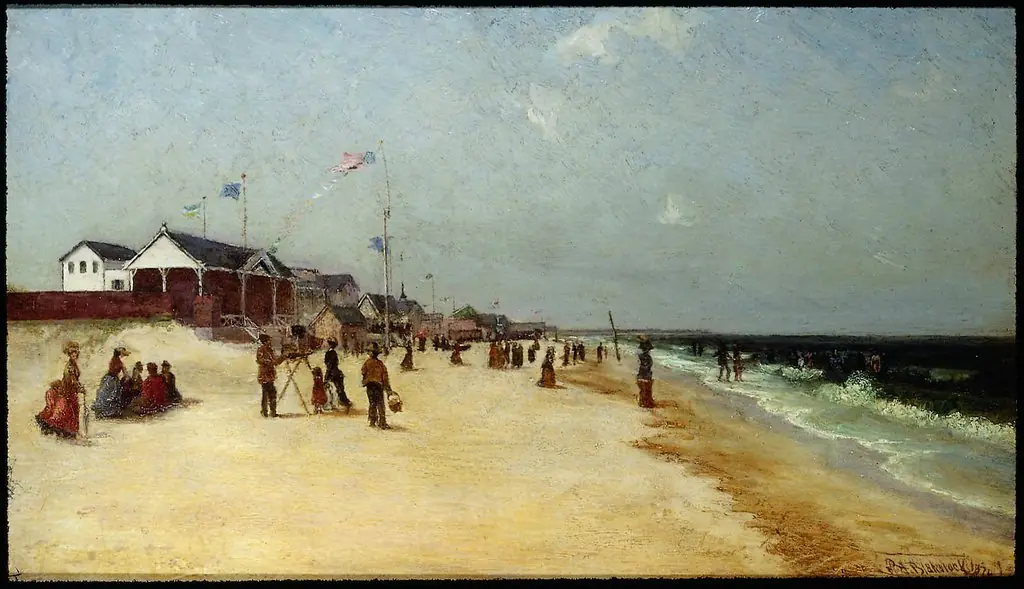 Rockaway Beach, Long Island, New York
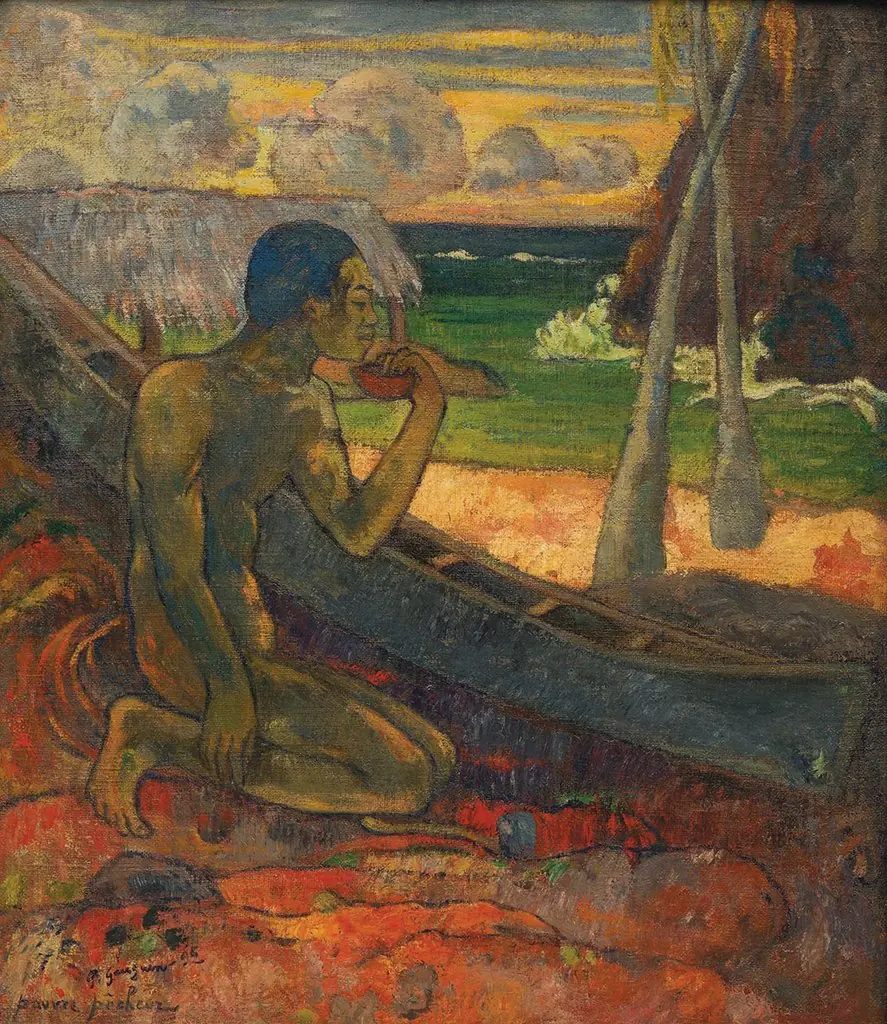 Poor Fisherman
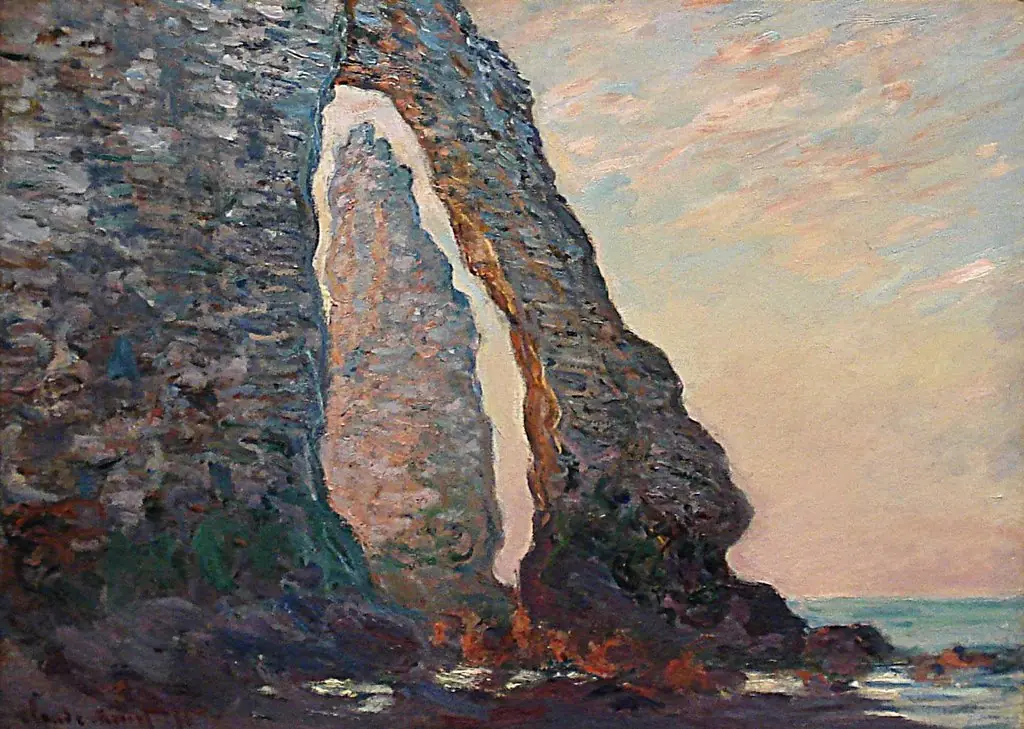 The Aiguille through the Porte d'Aval
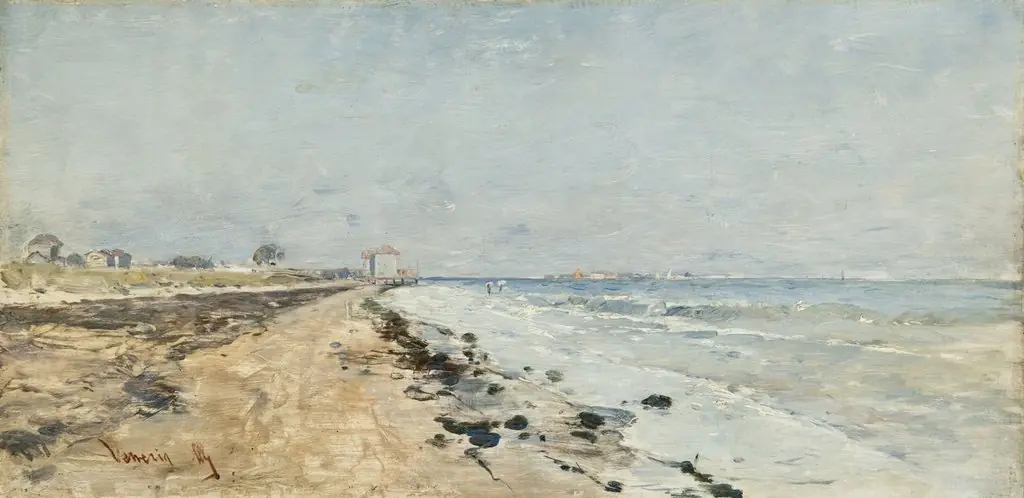 Lido
Lido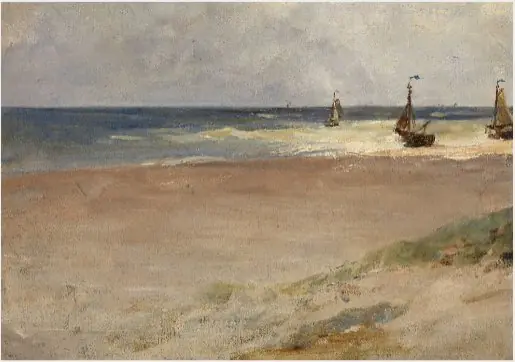 Seashore with Fishing Boats
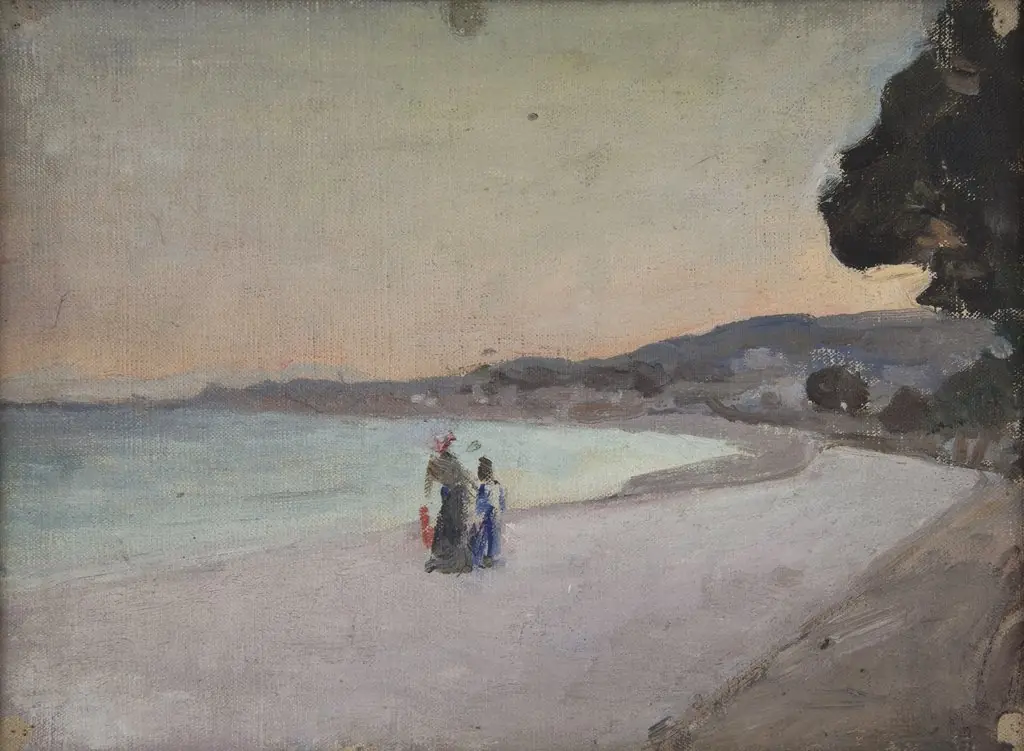 Spain (Crevillente)
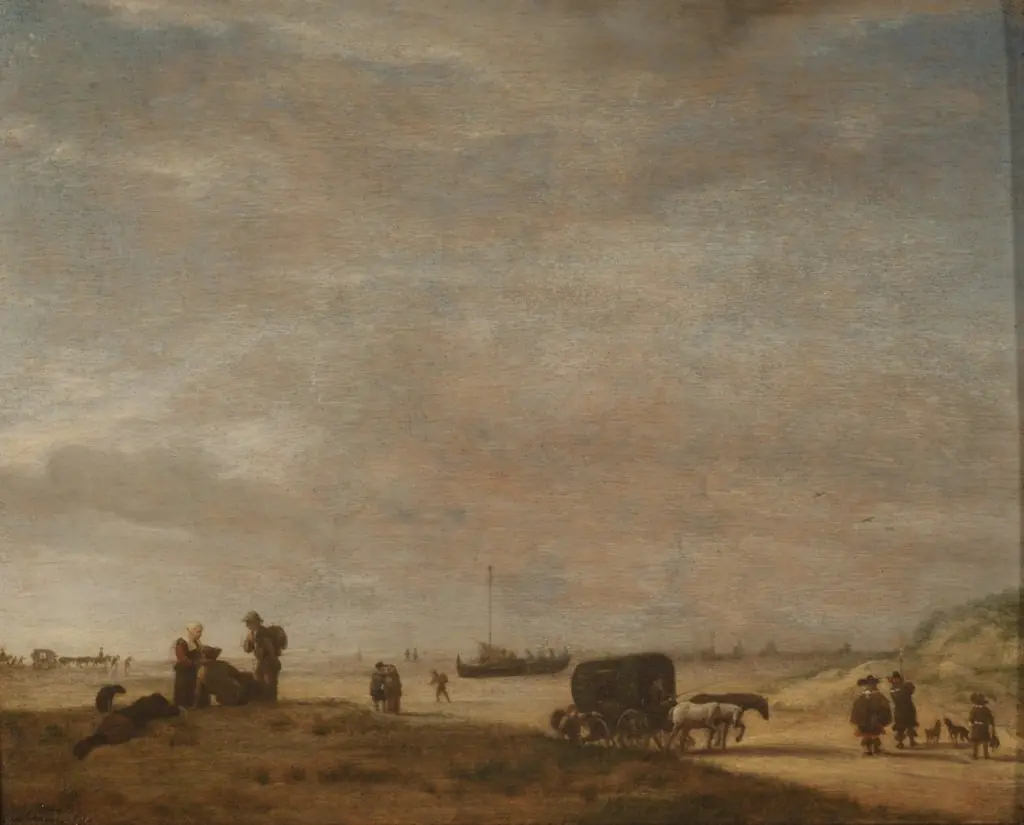 The Beach at Scheveningen
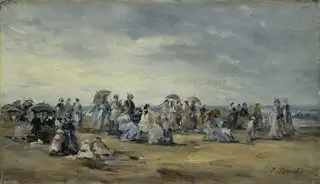 The Beach at Trouville
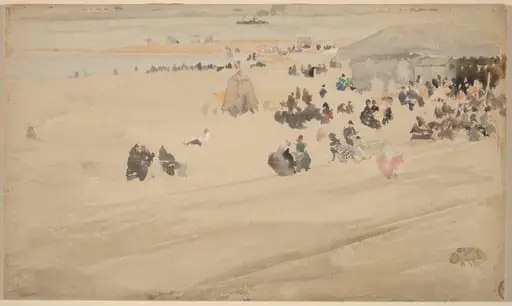 Beach Scene
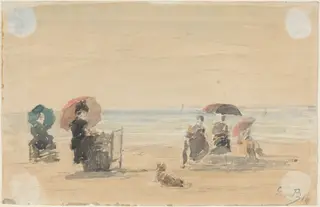 Sun-Shades, Trouville
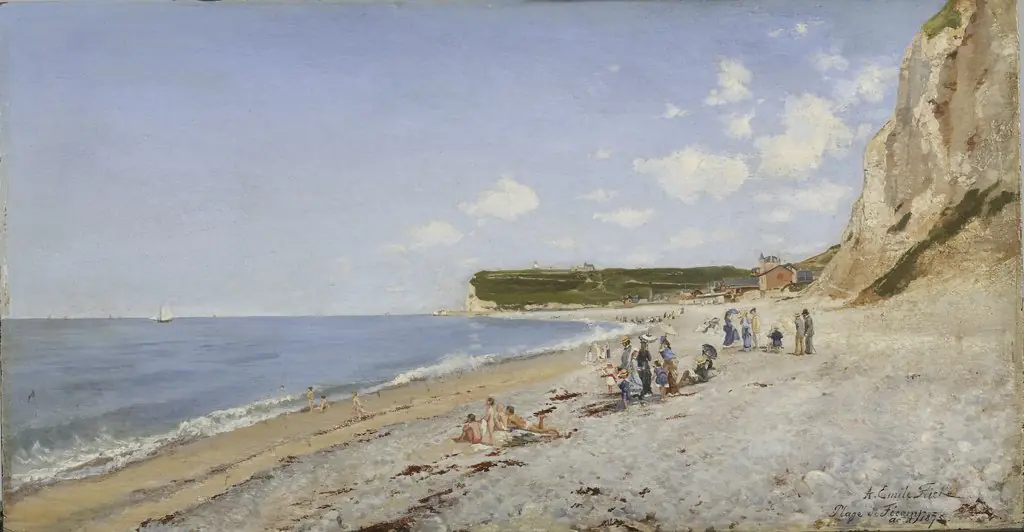 The Beach at Fécamp
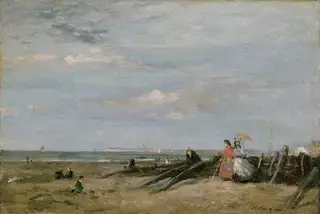 A Beach Scene at Trouville
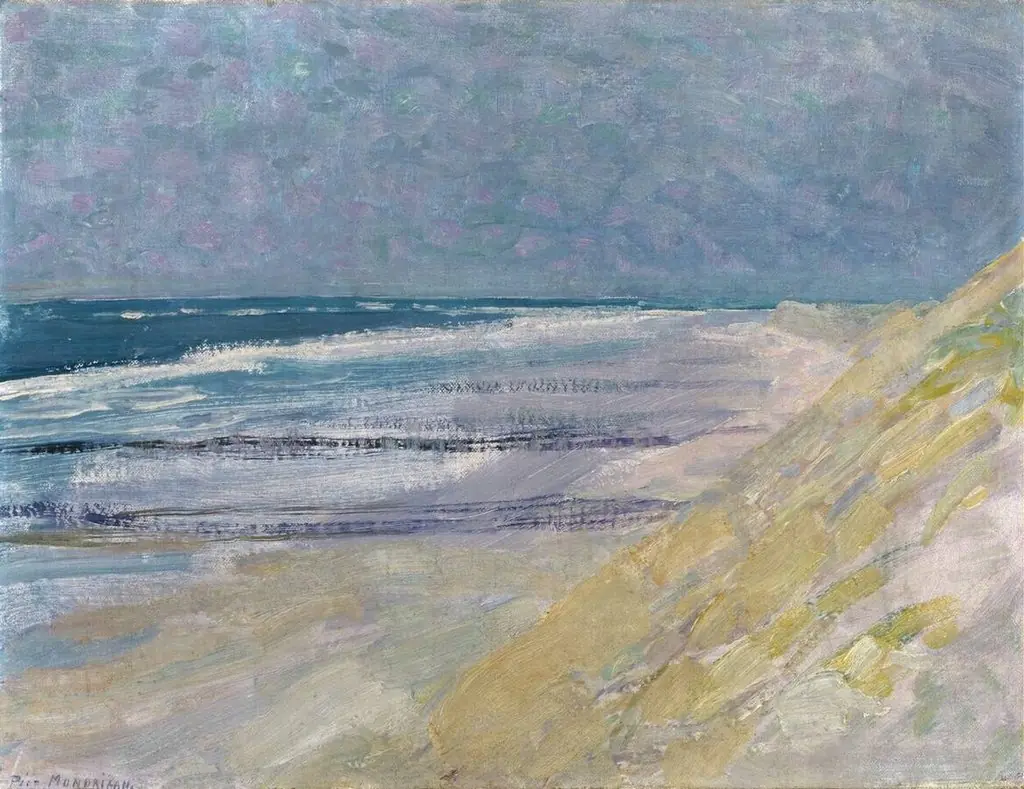 Beach with three or four piers at Domburg
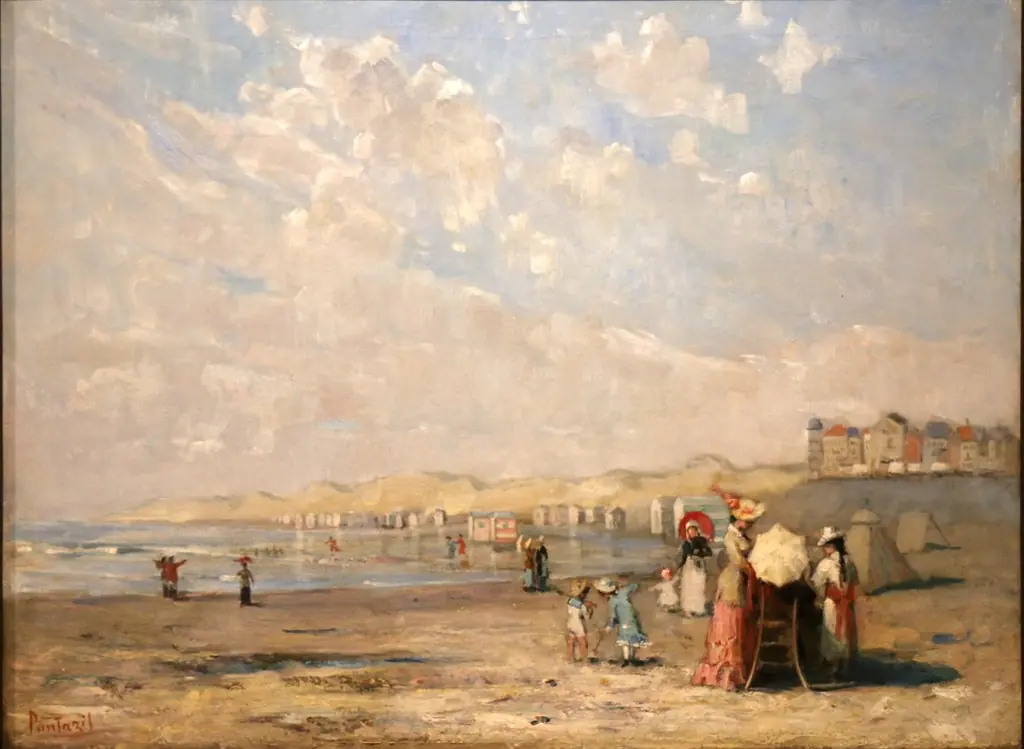 The beach at Blankenberghe
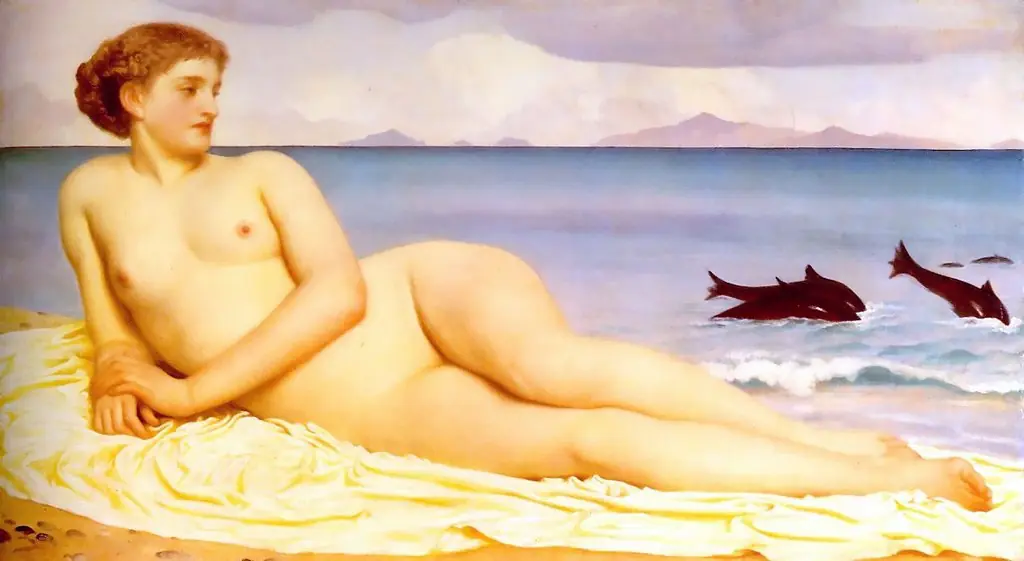 Actaea, the Nymph of the Shore
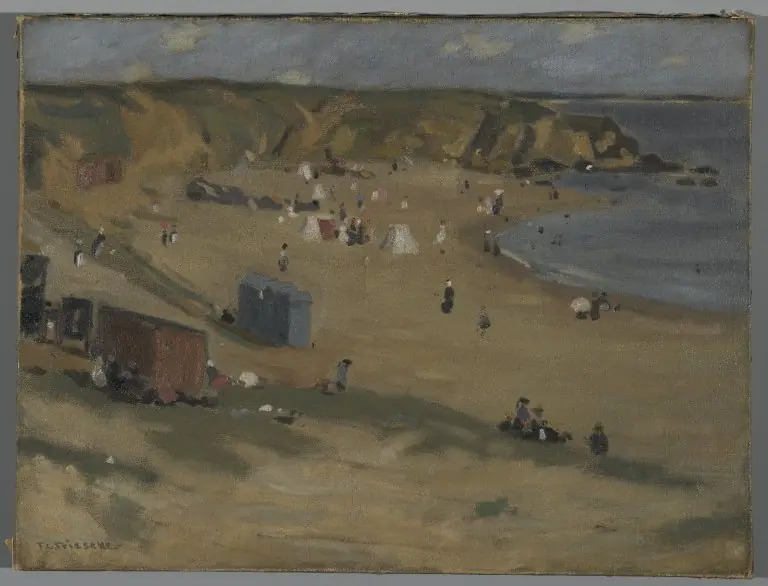 Le Pouldu Landscape
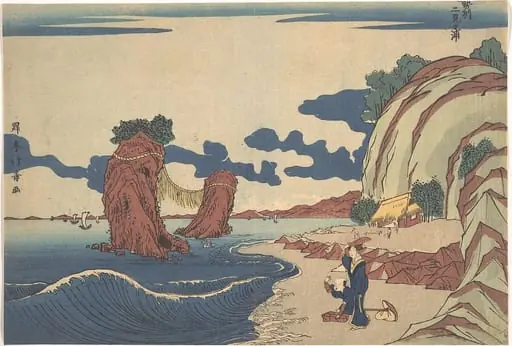 Untitled
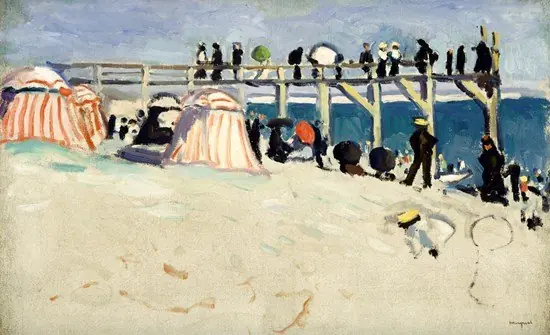 The Boardwalk at Sainte-Adresse
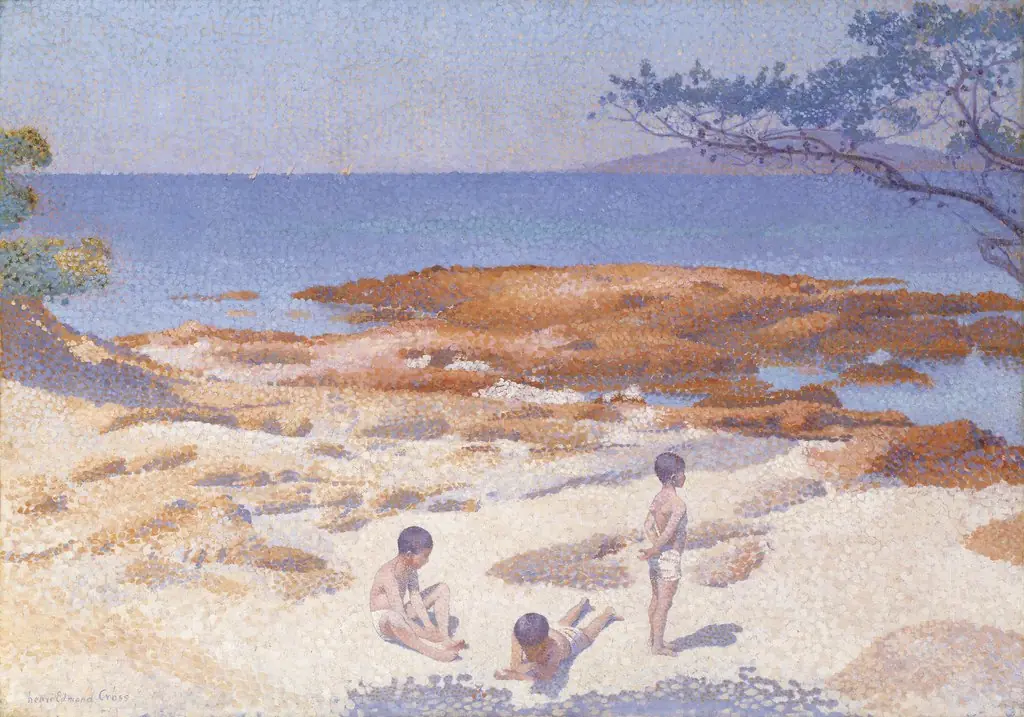 Beach at Cabasson (Baigne-Cul)
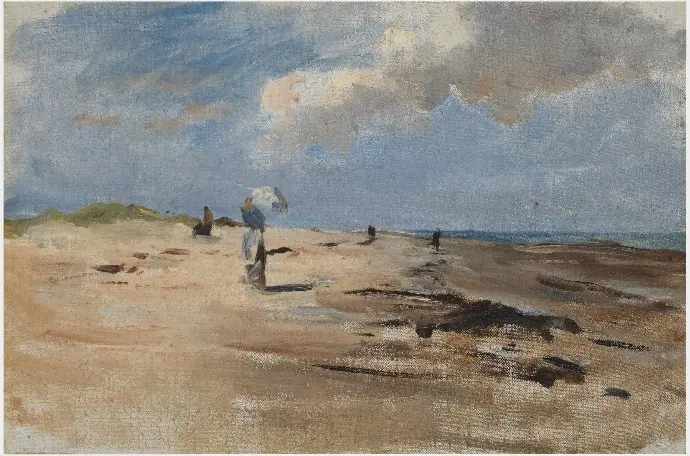 Beach Scene
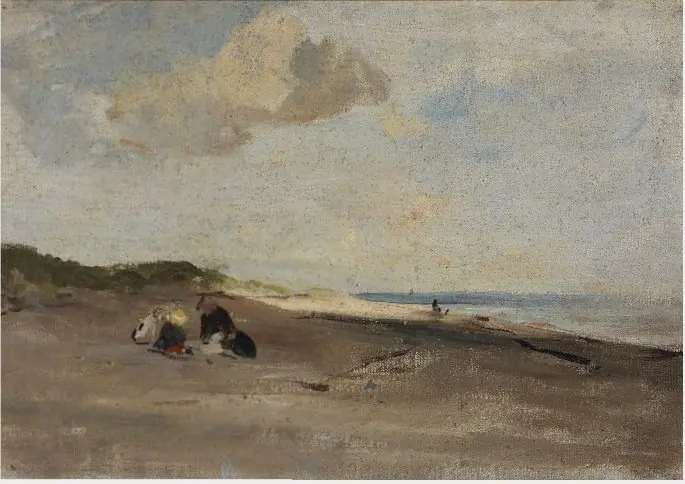 A Sandy Shore with Figures
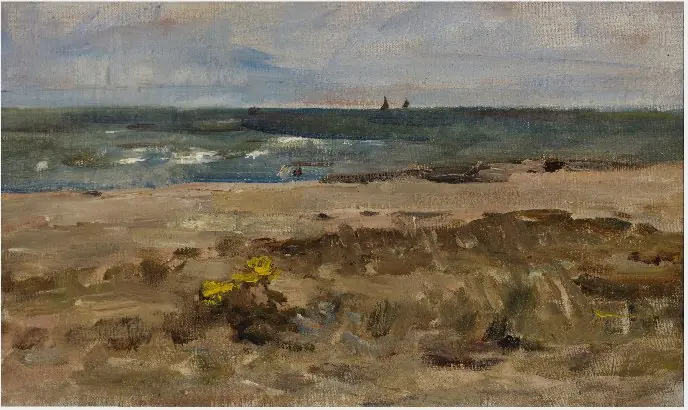 A Furze Bush on the Seashore
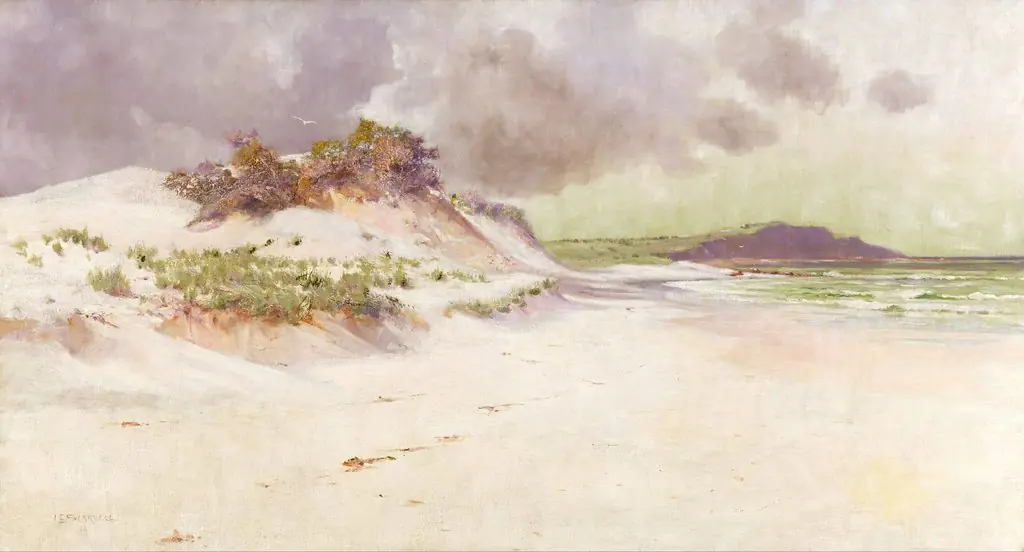 The lonely margin of the sea
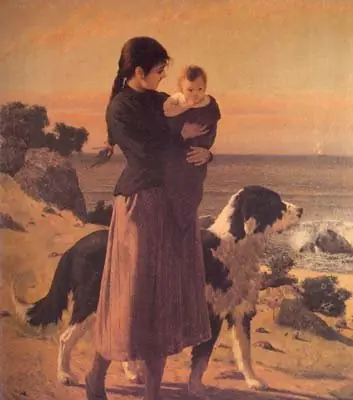 Beach Scene with Figure
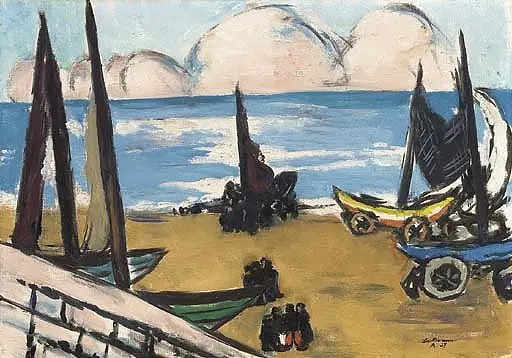 Boats on the beach
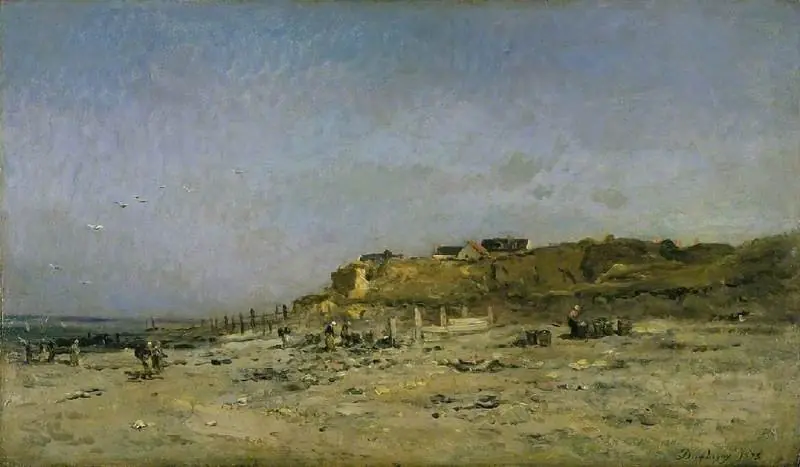 Plage de Villerville, Normandy
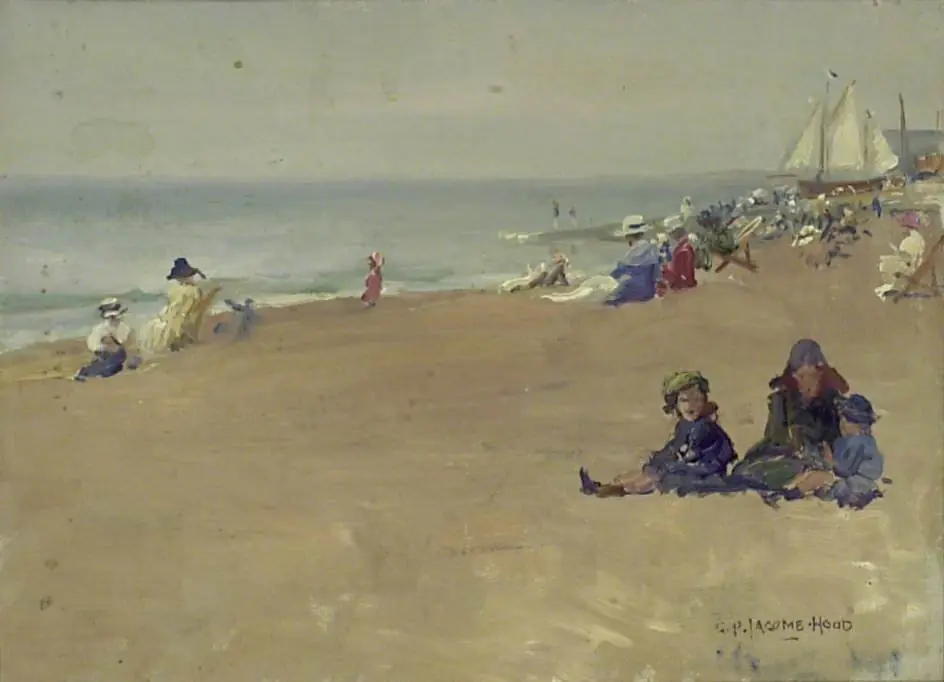 A Summer's Day
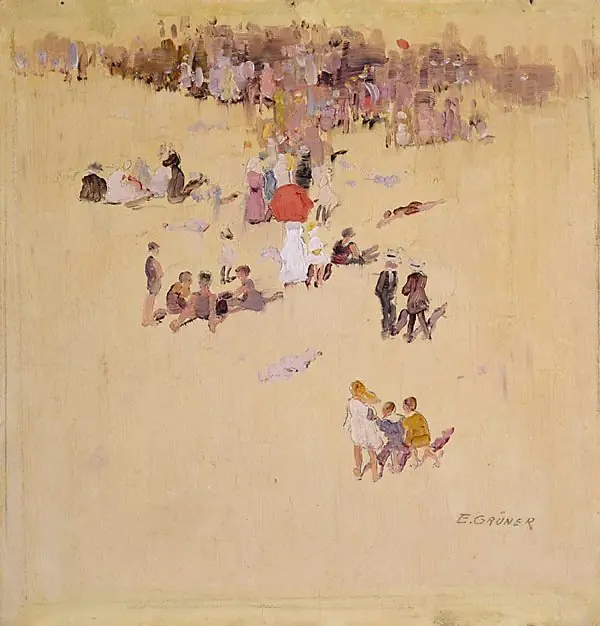 Bondi Beach
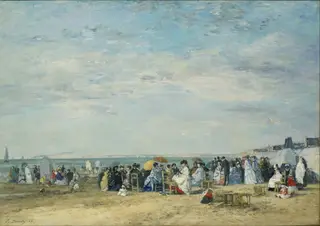 Beach of Trouville
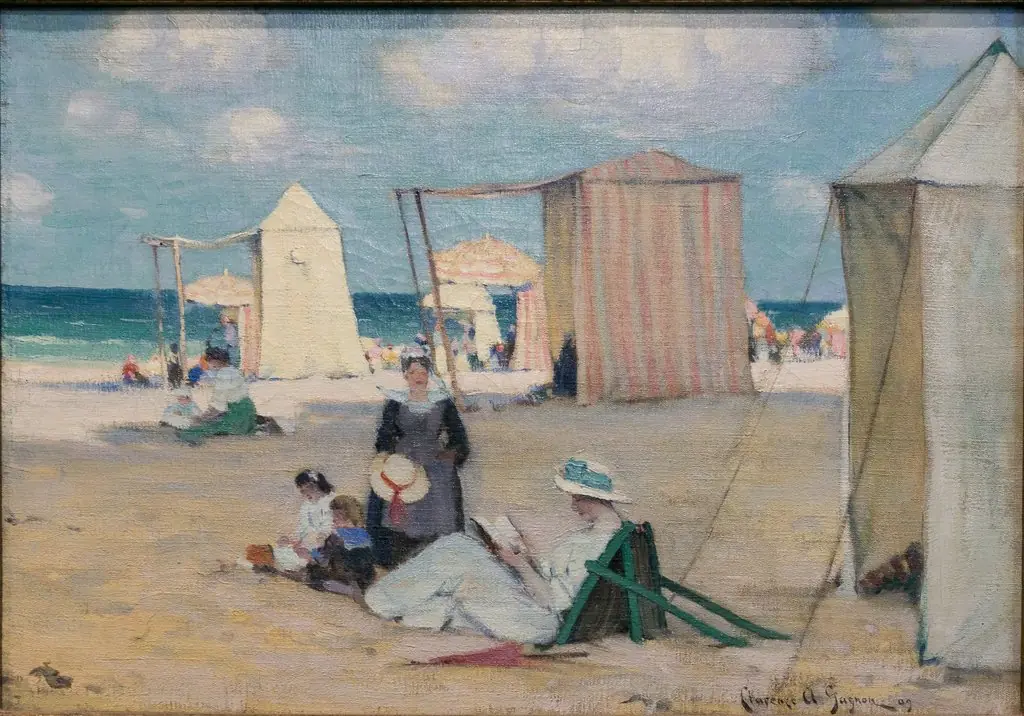 The Beach at Dinard
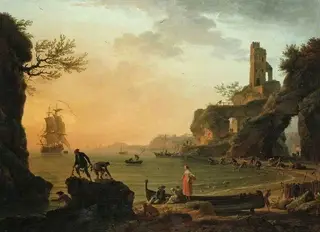 Sunset
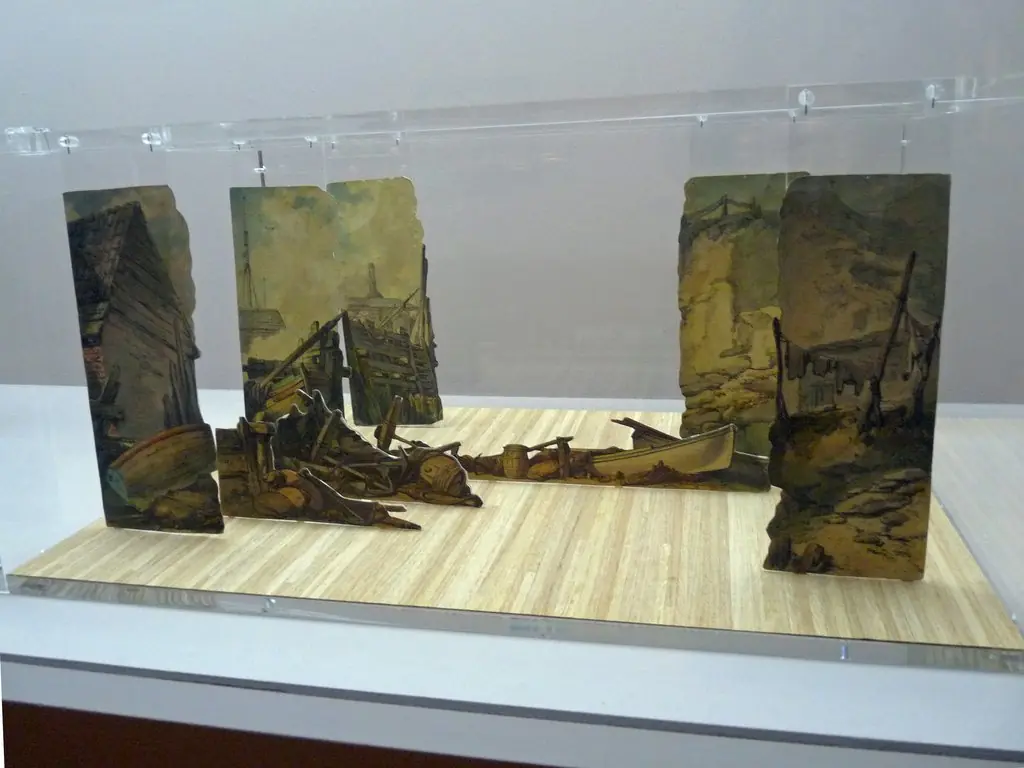 Omai A Beach
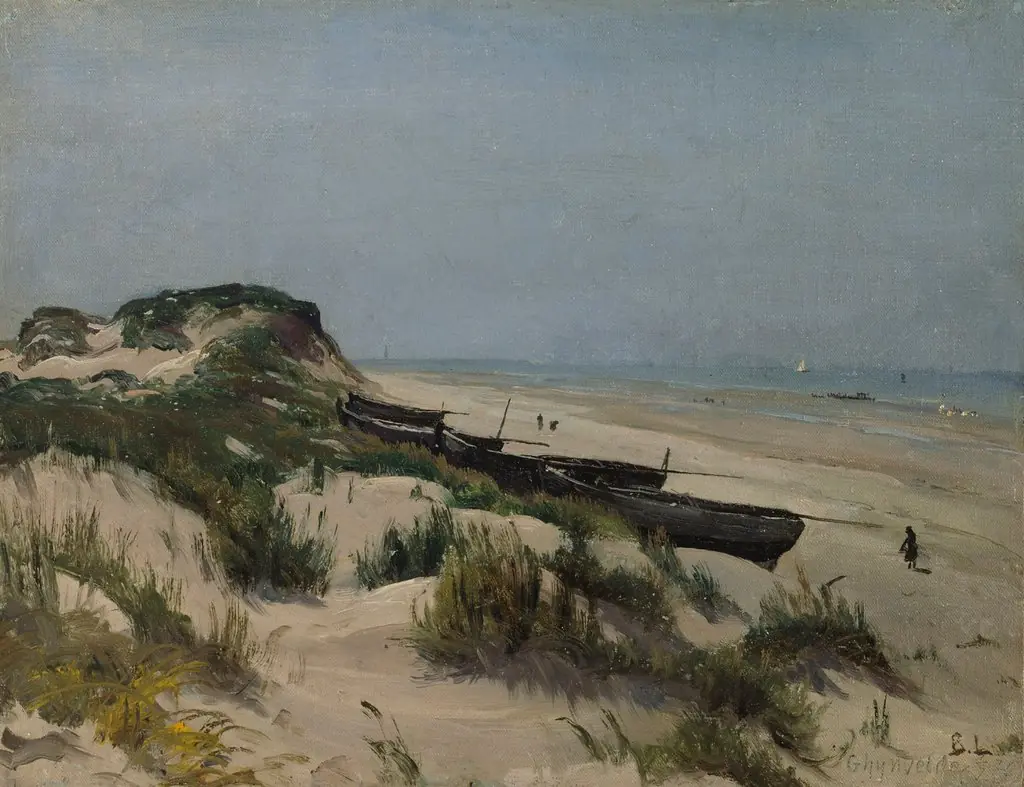 Boats on the Shore
 Badende. Refshaleøen
 The Beach at Trouville
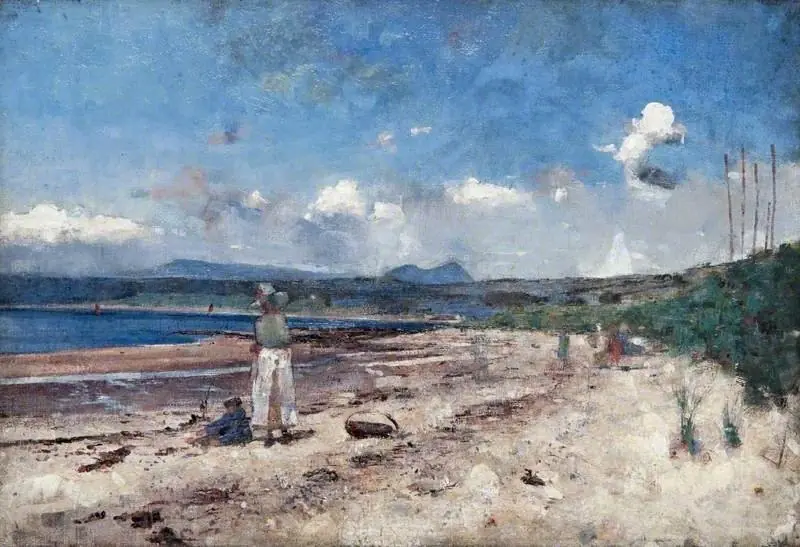 Seascape with Two Figures on a Beach and Two Boats in a Bay
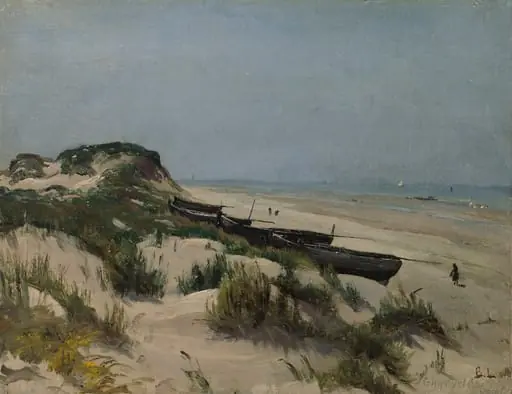 Veneitä rannalla
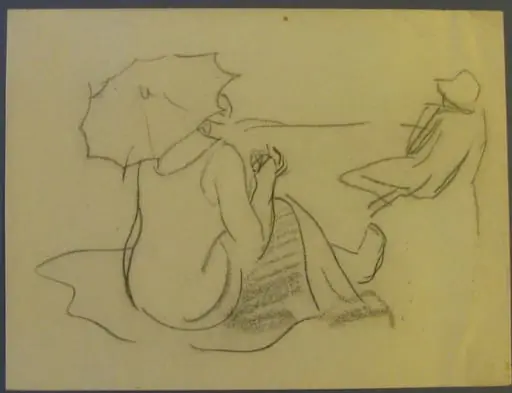 La plajă
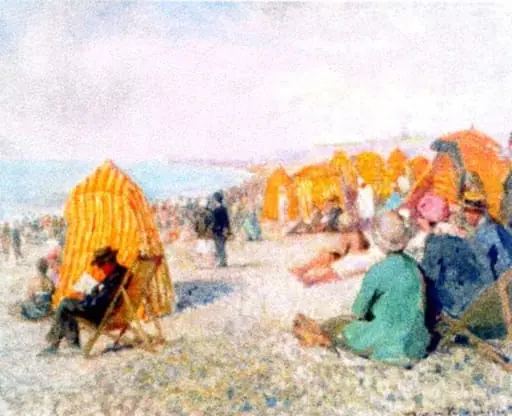 Plajă la Dieppe
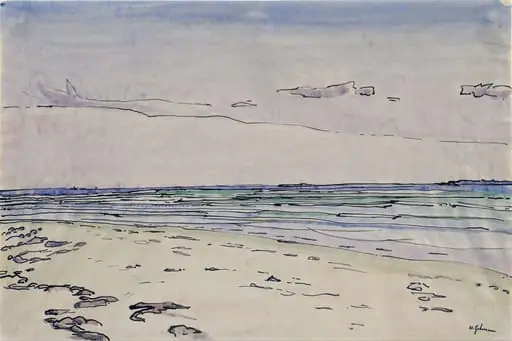 Seascape II
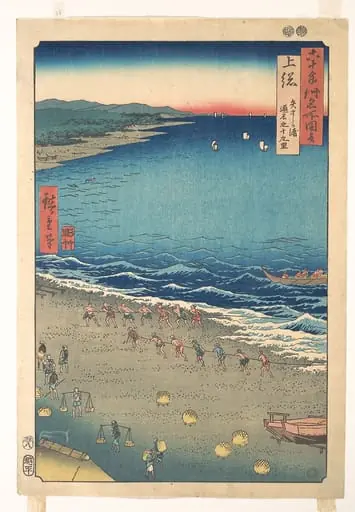 Kazusa Yazashi-ga-ura tsumei|六十余州名所図会 上総 矢さしか浦 通名九十九里|Yasashi Beach, known as Kujūkuri, Kazusa Province, from the series Views of Famous Places in the Sixty-Odd Provinces
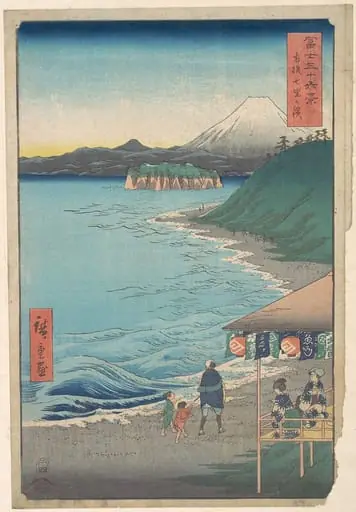 富士三十六景 相模七里ケ浜|View of Mount Fuji from Seven-ri Beach, Province of Sagami (Sōshū: Shichi-ri ga hama), from the series Thirty-six Views of Mount Fuji (Fugaku sanjūrokkei)
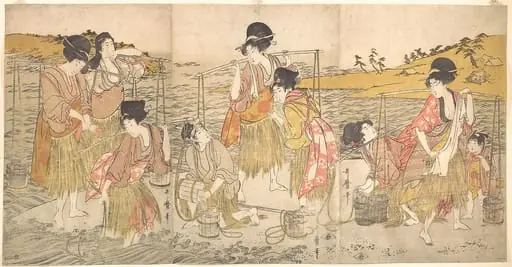 Untitled
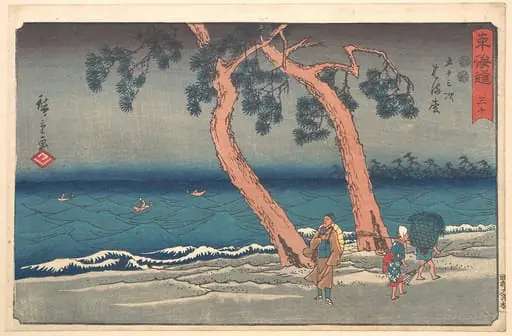 東海道五十三次 はま松|Hamamatsu Station
 Untitled
 Untitled
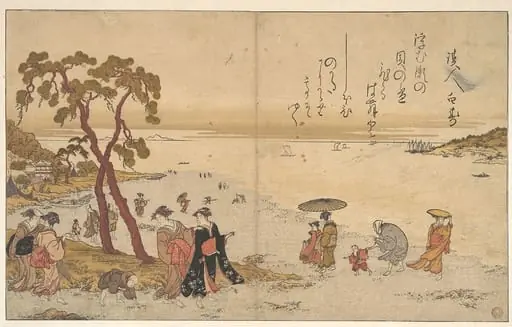 Untitled
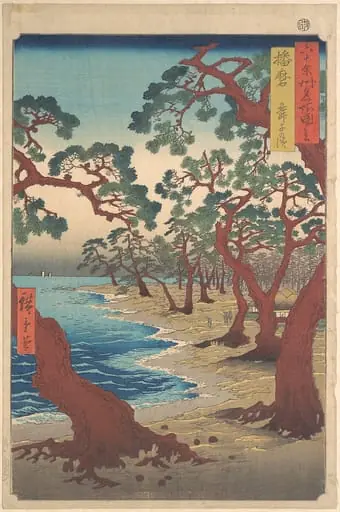 六十余州名所図会 播磨 舞子の浜|Maiko Beach, Harima Province, from the series Views of Famous Places in the Sixty-Odd Provinces
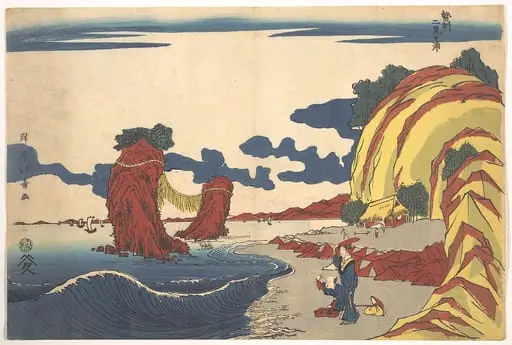 Seishu Futami ga Ura|View of Futami Beach at Ise
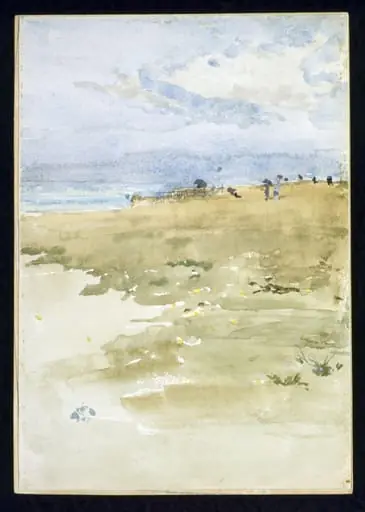 Westgate
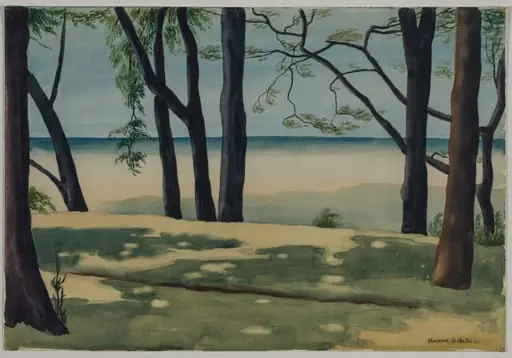 Mysterious Lake Patterns, Lake Erie (Study for Lake Erie Patterns)
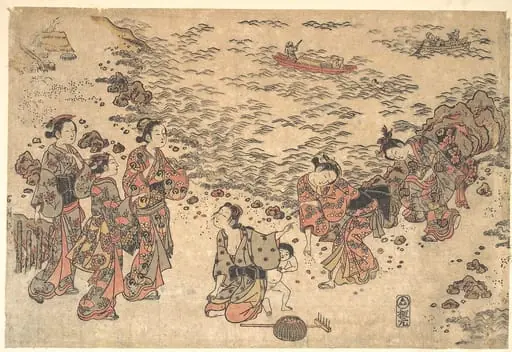 Untitled
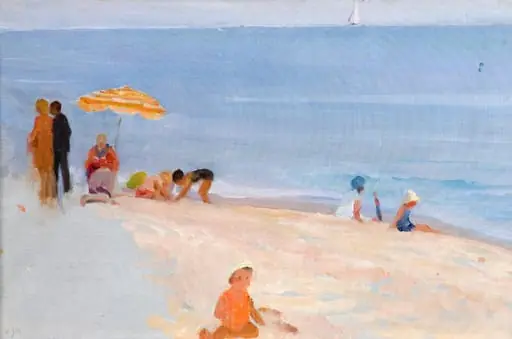 Riviera
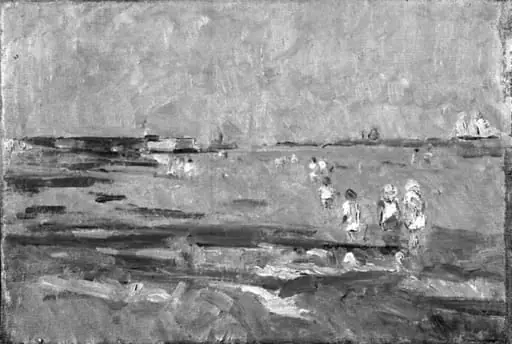 Badende. Refshaleøen
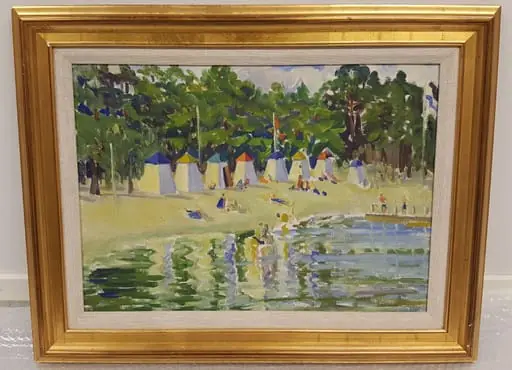 Uimarannalta (Hanko)
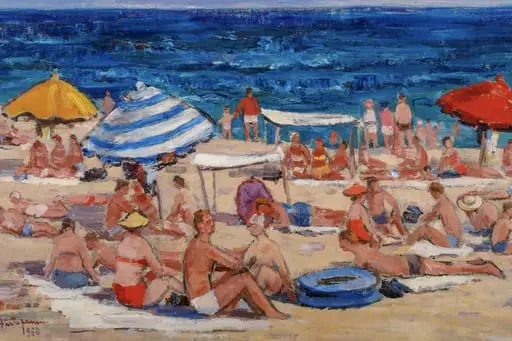 Plaja din Sozopol
Frequently asked questions
What is Beach?
Beach is a subject in art. A beach is a landform alongside a body of water which consists of loose particles.
How many Beach works does Artifact World Gallery have?
Artifact World Gallery holds 181 public-domain Beach works, all free to view and download.
Who are the key Beach artists?
Key Beach artists in the collection include Gustave Courbet, Albert Bierstadt and Alfred Thompson Bricher.
Where can I see Beach works?
Beach works in the collection are held by Metropolitan Museum of Art, Statens Museum for Kunst and National Gallery of Art.