Artwork
Head of a Girl with Curly Hair
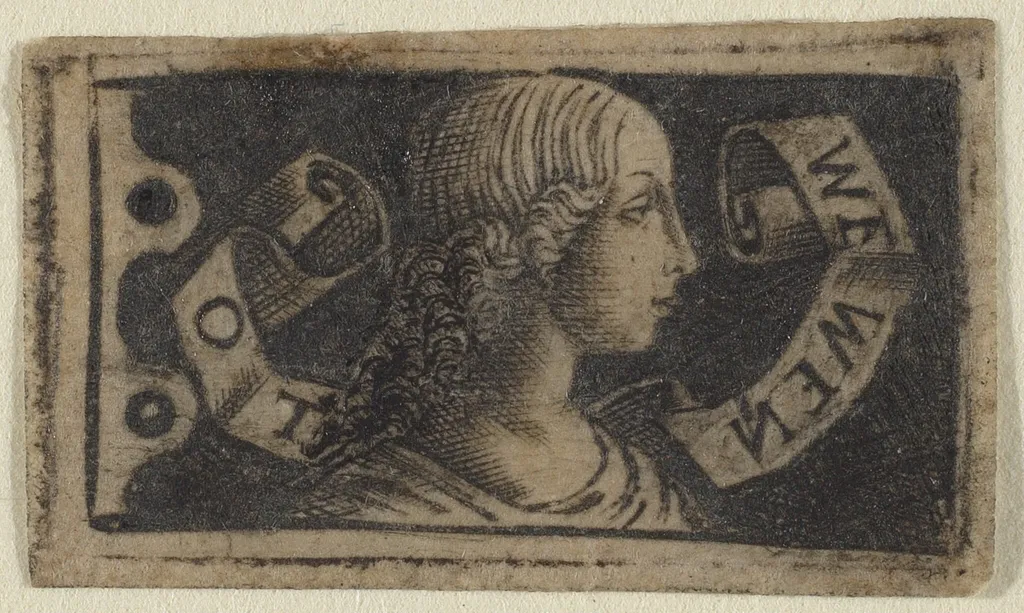
Head of a Girl with Curly Hair is a print by the Renaissance artist Francesco Francia. It dates from 1490 and is held in the collection of the National Gallery of Art.
About this work
Overview
Francia, primarily known as a painter and goldsmith, applied his expertise in metalwork to this small-scale print.
Created around 1490 by Francesco Francia, this niello print captures a young woman’s profile in fine detail. Francia, primarily known as a painter and goldsmith, applied his expertise in metalwork to this small-scale print. The technique involves engraving lines into a metal surface and filling them with dark niello alloy, producing a high-contrast image with sharp, incised contours. The result is a tactile, almost sculptural quality uncommon in contemporary prints.
Subject & Meaning
The subject is a young woman seen in three-quarter profile, her hair tightly curled and piled high, suggesting modesty or regional fashion. A plain collar frames her neck, emphasizing simplicity over ornamentation. No symbolic attributes or narrative context are present, indicating the image may have served as a study of form or a personal keepsake rather than a devotional or allegorical piece.
Technique & Style
Niello, a technique using black metallic alloy in engraved lines, allowed Francia to achieve precision akin to his medal work. The print’s fine, controlled lines render the curls with rhythmic density, while the background features ambiguous, swirling marks that may be decorative or accidental. The dark-on-light contrast enhances the sculptural relief of the face, reflecting Francia’s training in metal engraving rather than traditional printmaking.
History & Provenance
Francia, director of Bologna’s mint, likely produced this print during his active years in the late 15th century. Few niello prints from this period survive, making this work rare. Its origins are undocumented beyond Bologna, and no early ownership records are known.
It likely circulated among local patrons or fellow artists, valued for its technical finesse rather than widespread distribution.
Context
In late 15th-century Bologna, artists often crossed disciplines, painting, metalwork, and printmaking were not strictly separated. Francia’s niello print aligns with a broader trend of goldsmiths applying their engraving skills to small graphic works. Unlike woodcuts or engravings on copper, niello was labor-intensive and limited in scale, making it more suited to private or elite audiences than mass circulation.
Legacy
This print stands as a testament to the convergence of craft and art in Renaissance Italy. While niello printing declined after the 16th century, Francia’s work exemplifies how metalworking techniques influenced early print culture. Its survival offers insight into the quiet, technical innovations of artists who operated between guild traditions and emerging artistic practices.
Artist & collection
Artist
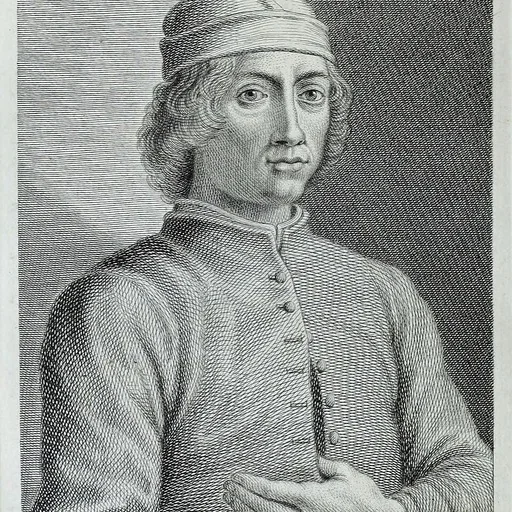
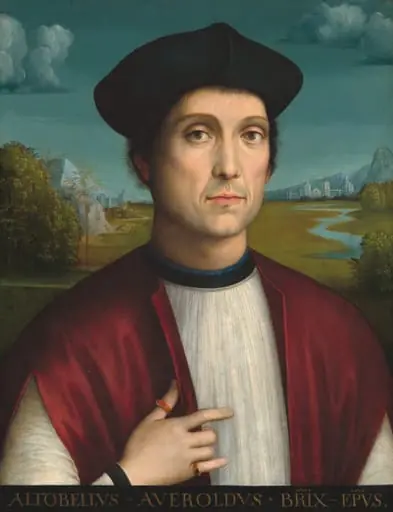
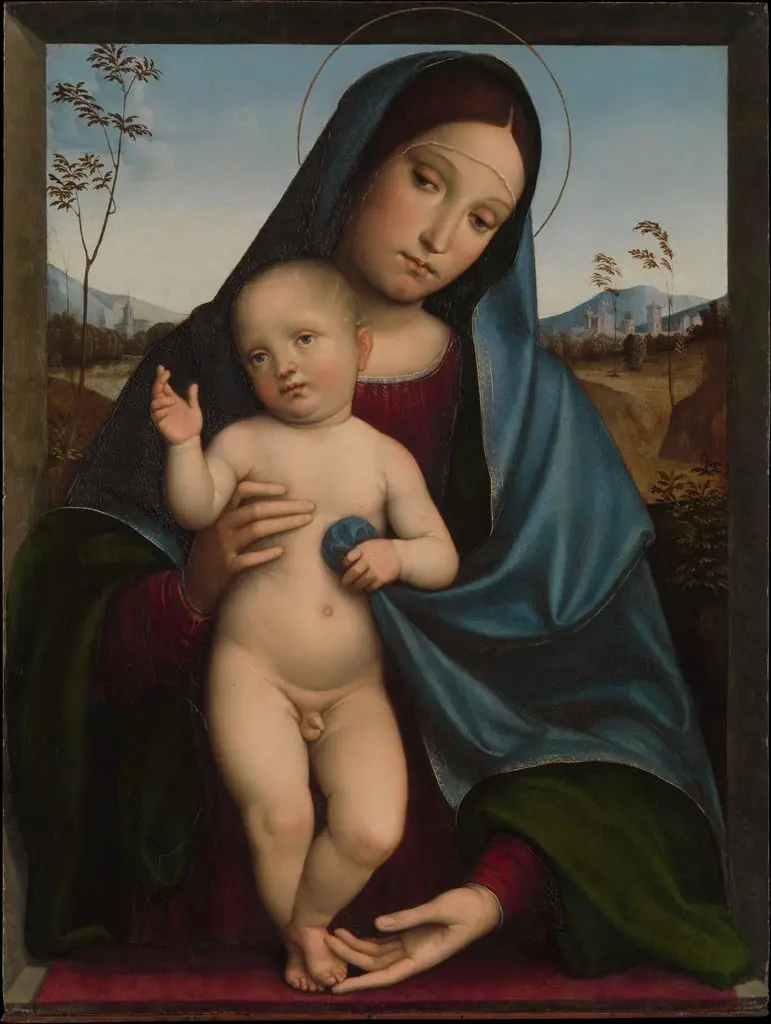
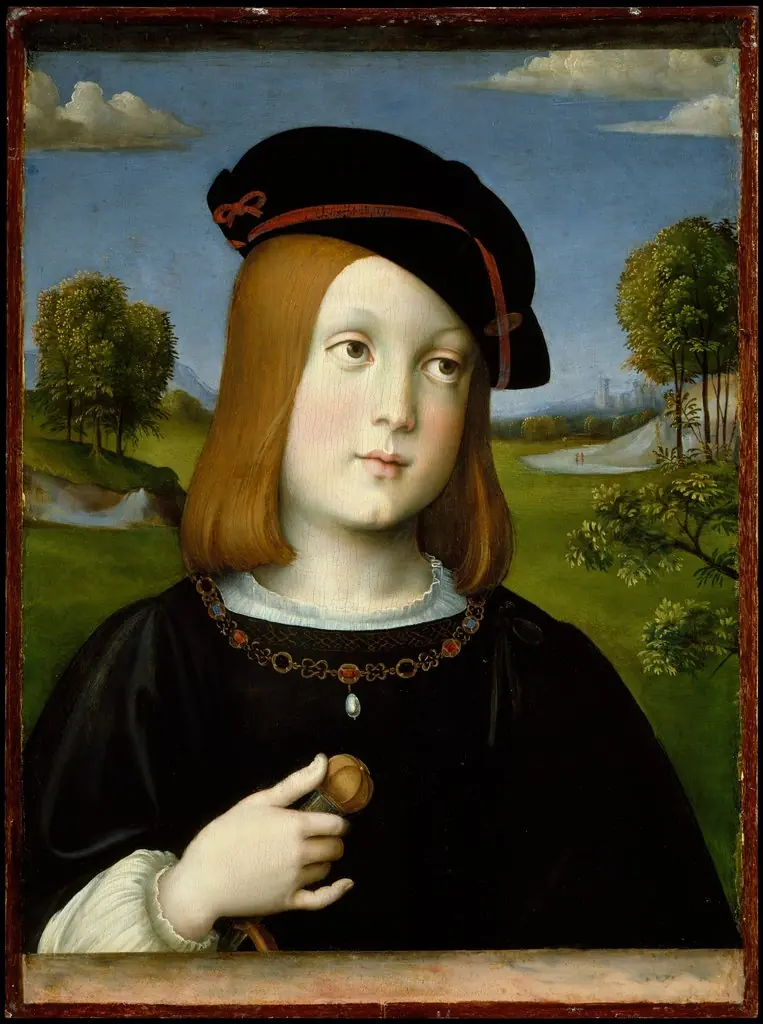
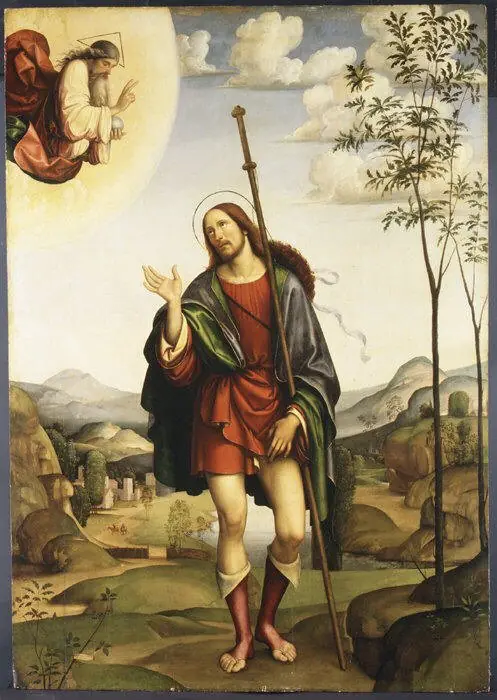
Francesco Francia, whose real name was Francesco Raibolini (1447 – 5 January 1517), was an Italian painter, goldsmith, and medallist from Bologna, who was also director of the city mint.

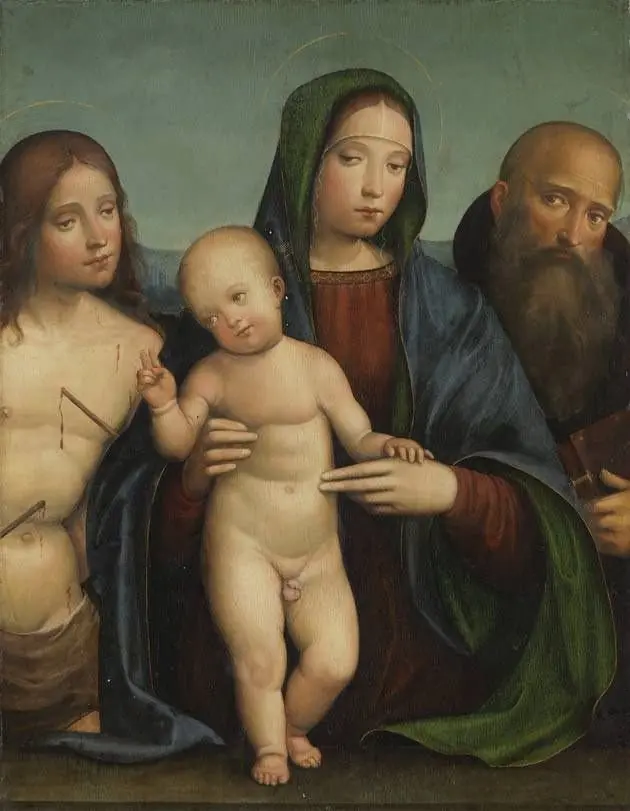
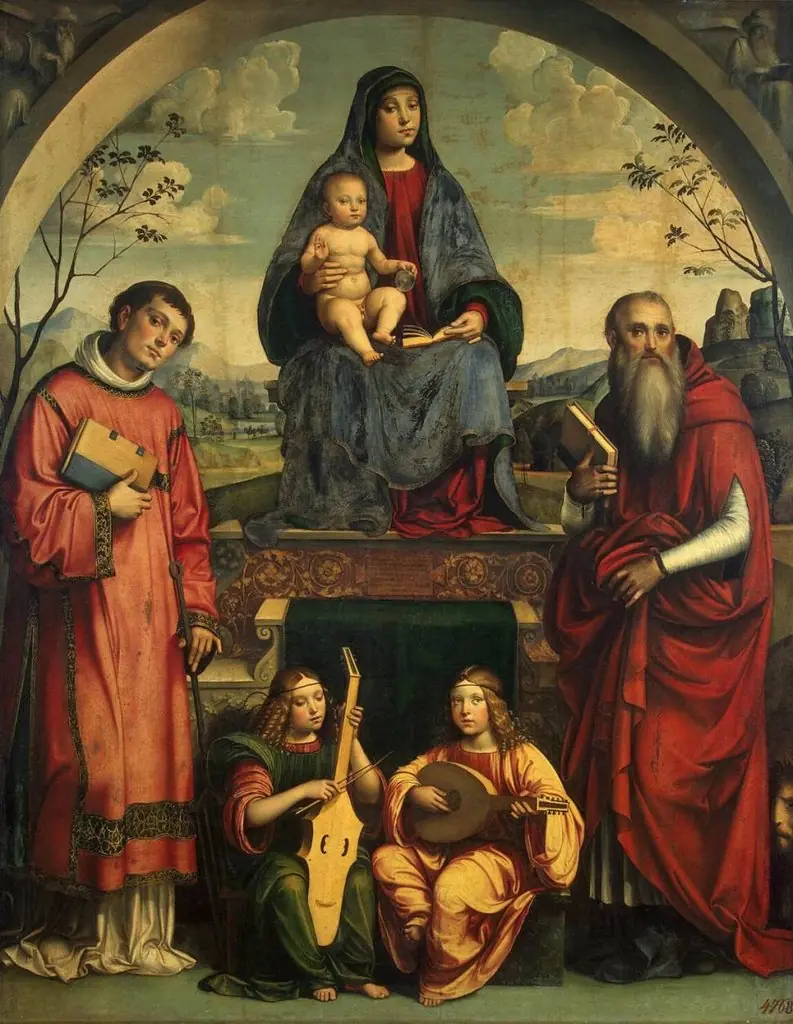
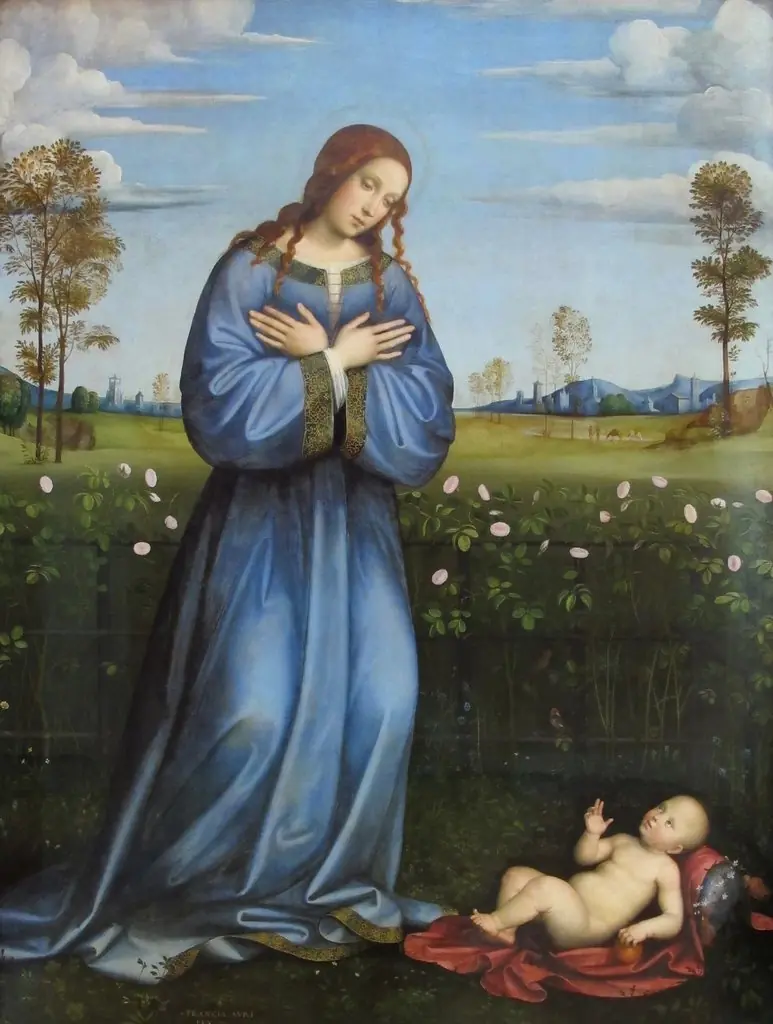
- Hope
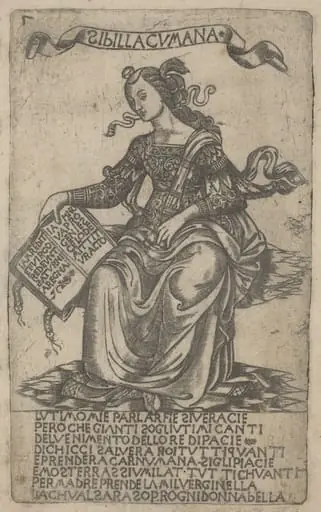 Cumaean Sibyl
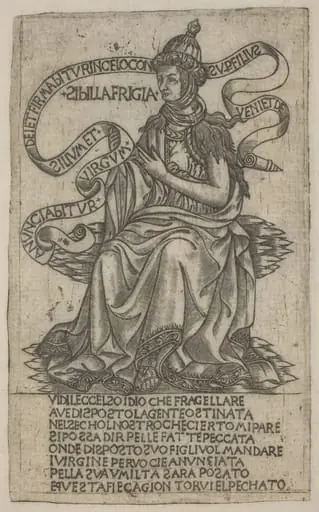 Phrygian Sibyl
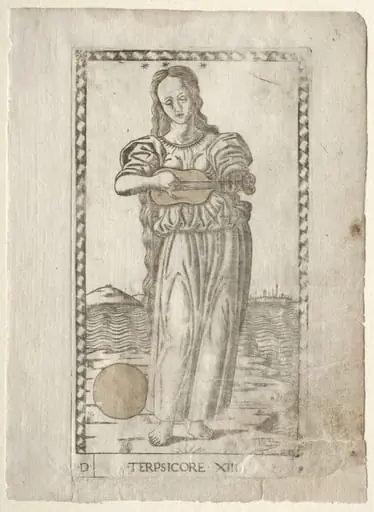 Terpsichore (dancing and song) (from the Tarocchi series D: Apollo and the Muses, #13)
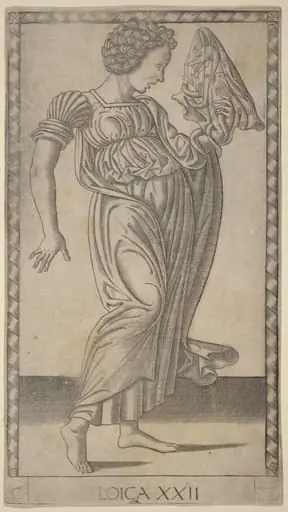 Loica (Logic)
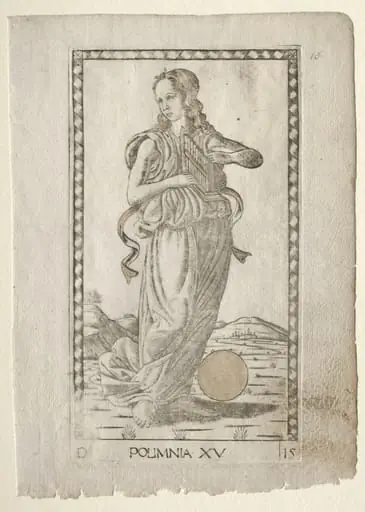 Polyhymnia (heroic hymns) (from the Tarocchi series D: Apollo and the Muses, #15)
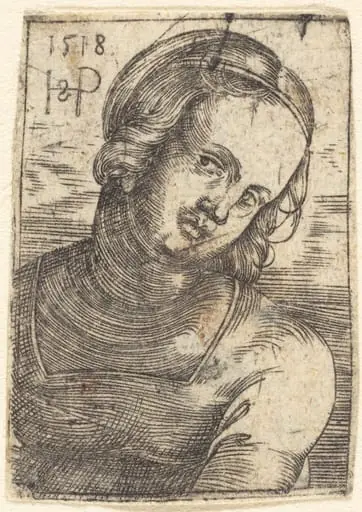 Bust of a Young Woman
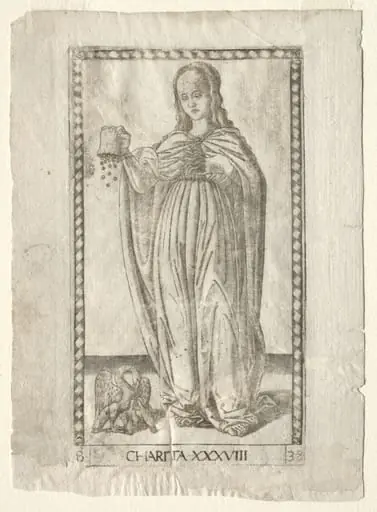 Charity (from the Tarocchi, series B: Cosmic Principles & Virtues, #38)
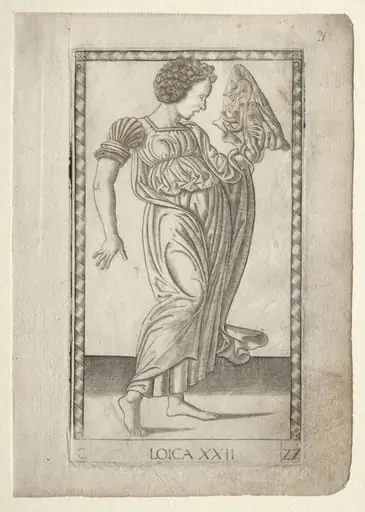 Logic (from the Tarocchi, series C: Liberal Arts, #22)
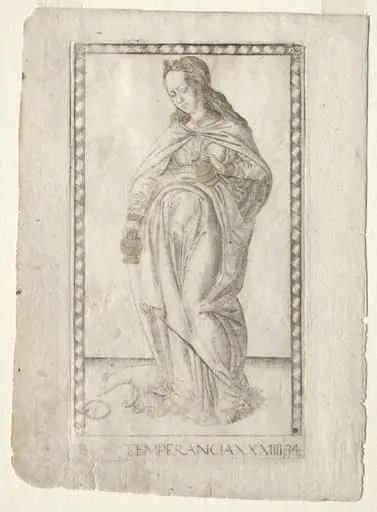 Temperance (from the Tarocchi, Series B: Cosmic Principles & Virtues, #34)
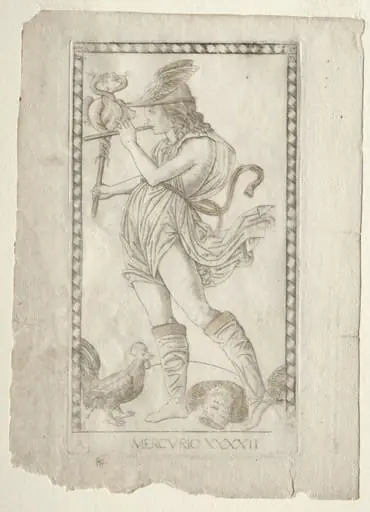 Mercury (from the Tarocchi, series A: Firmaments of the Universe, #42)
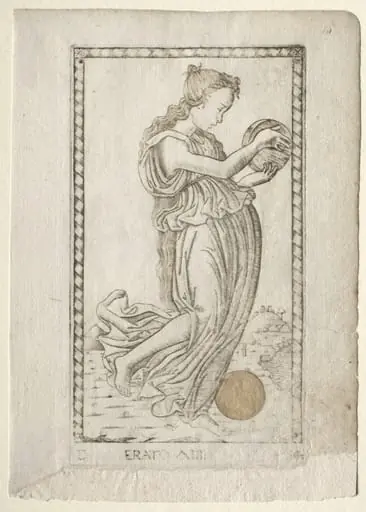 Erato (lyric and love poetry) (from the Tarocchi series D: Apollo and the Muses, #14)