Subject
Ribbon
Ribbon is a subject in art. The gallery holds 114 works in this subject in art, including works by Lorenzo Lotto, Jean Honoré Fragonard and Francis William Edmonds.
The ribbon—a narrow woven band of silk, cotton, or, in modern times, synthetic fibre—is one of the oldest decorative textiles, with examples surviving from roughly 2000 BCE. The English word derives from the Old French *ruban*, itself probably of Germanic root, and entered the language in the early fourteenth century. In medieval Europe ribbons served the practical purpose of fastening garments before buttons were widespread, but they quickly accrued social meaning: by the fourteenth and fifteenth centuries sumptuary laws restricted fine ribbons to the nobility, fixing them as markers of rank. The town of Saint-Étienne, near the great silk centre of Lyon, became Europe's ribbon capital, its weavers specialising in floral-patterned silks and, after Joseph Marie Jacquard patented his punched-card loom in 1804, in elaborately figured designs produced in unprecedented volume.
Visually, ribbons reward the painter as passages of pure colour, sheen, and pliant line. Their satin surface catches and reflects light, letting artists demonstrate virtuosity in rendering lustrous folds, taut bows, and the soft cascade of a *nœud d'amour*, or love-knot—a looping form, read since antiquity as a sign of unbroken affection because it has no beginning or end. In dress they appear as hair adornments, bodice lacing, bonnet ties, and the cockades and rosettes that flourished in the lavish costume of the seventeenth and eighteenth centuries, the so-called golden age of the ribbon.
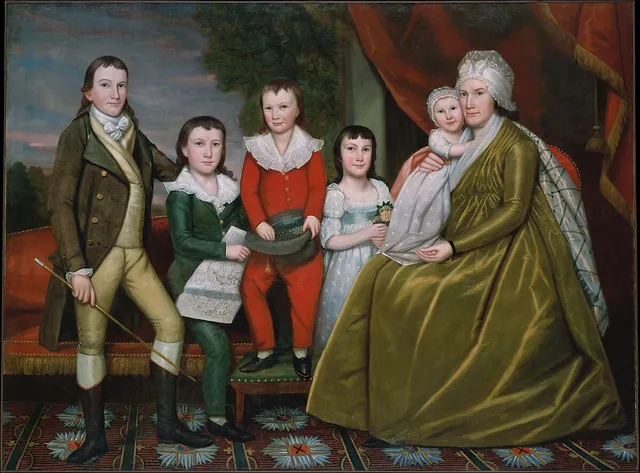
Ribbons recur across European portraiture and genre painting as both ornament and code. The blue silk of a *Madame Monet* parasol scene, the threaded hair-ribbon of Fragonard's *Young Girl Reading*, the bonnet strings dissected in Francis William Edmonds's *The New Bonnet*, and the bows pinning the costume of Richard Cosway's *Marianne Dorothy Harland* all use ribbon to signal grace, intimacy, fashionable currency, or domestic ritual. Ralph Earl's *Mrs. Noah Smith and Her Children* and Lorenzo Lotto's *Venus and Cupid* likewise deploy ribbon as a small but telling note of status and tenderness.
Beyond costume, the ribbon carried weight as a public emblem. Chivalric orders codified it: the Order of the Garter's four-inch kingfisher-blue sash, worn shoulder to hip, became so emblematic that 'the Blue Riband' entered the language as shorthand for supreme distinction, and from such honours descend the medal ribbons and awareness ribbons of modern life—proof that a strip of woven silk could bind together vanity, devotion, and rank alike.
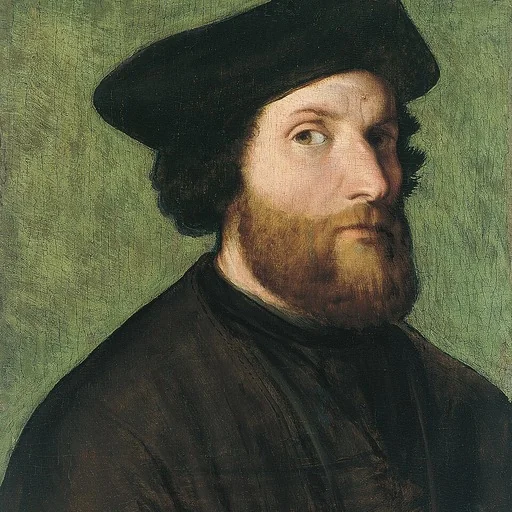
Key artists


Overview
A ribbon is a long, narrow band of flexible material, most commonly textile, defined by its visible selvages and limited width. Woven from natural fibers like silk, cotton, and jute, or synthetic materials like polyester and nylon, ribbons serve useful, ornamental, and symbolic purposes. Common fabrics include satin, organza, sheer, velvet, and grosgrain. In art, the ribbon recurs as a motif because of its dual nature: it is a functional binding tool and a highly decorative element. Its application spans human adornment, animal ornamentation, architecture, and packaging, making it a versatile accessory in domestic, fashionable, and ceremonial contexts across global cultures.
Iconography & meaning
Throughout history, the ribbon has carried layered symbolic meanings. In cultural traditions, it functions as a sign of affiliation and celebration, appearing on diplomatic sashes, traditional folk costumes, and youth name-day bands. Pieces of ribbon are widely used as awareness symbols for social causes, such as the yellow ribbon, which evolved into a symbol of waiting for armed services members to return home. In formal ceremonies, ribbons serve as the central element in ribbon cutting events to inaugurate buildings and public spaces. The motif also signifies binding and unity, a concept articulated by artist Pippa Hale, whose sculpture Ribbons uses the form to bind women's names together across time and space in a celebration of womanhood. Additionally, ribbons are integral to military and civil honors, worn with medals in prescribed colors and patterns, sometimes featuring watered silk for a moire effect.
Across movements & periods
The treatment of the ribbon in both production and visual culture shifted dramatically from early modern domestic craft to industrial scale, reflecting broader movements in technology and society. Initially produced in home workshops on multi-gang looms, ribbon weaving faced early resistance, including riots in 1620 Leiden that forced the states-general to prohibit new looms. By the late 18th century, production centralized in factories, particularly in Saint-Etienne, which adapted the Jacquard loom to achieve complex patterns and dominated the global luxury silk ribbon market during its golden age from 1815 to 1856. As industrialization progressed, cheap cotton ribbons overtook luxury silk, and production shifted from family workshops to factories. In the late 19th century, manufacturing expanded to the United States, and by the late 20th century, Far East manufacturers became the primary global suppliers. Concurrently, inspired by European trade goods, Great Lakes and Prairie Native American tribes developed an applique ribbon work art form, transforming the manufactured textile into a distinct cross-cultural visual language.
Legacy
The legacy of the ribbon extends far beyond its historical textile origins, permeating modern cultural, technological, and social spheres. While its fashion applications saw a notable resurgence in the mid to late 1990s, its symbolic weight has grown substantially in contemporary society. The adoption of the awareness ribbon, popularized by the yellow ribbon phenomenon of the 1970s, established the ribbon as a universal shorthand for social causes and public health advocacy. In civic life, the ribbon cutting ceremony remains the standard ritual for inaugurating public infrastructure. The form has even been adapted for mechanical and digital utility, most notably as the ink-carrying ribbon for typewriters and dot matrix printers. In the art world, the ribbon continues to serve as a potent sculptural motif, as seen in Pippa Hale's public artwork, which reimagines the textile band as a metaphor for collective memory and interconnectedness.
Works
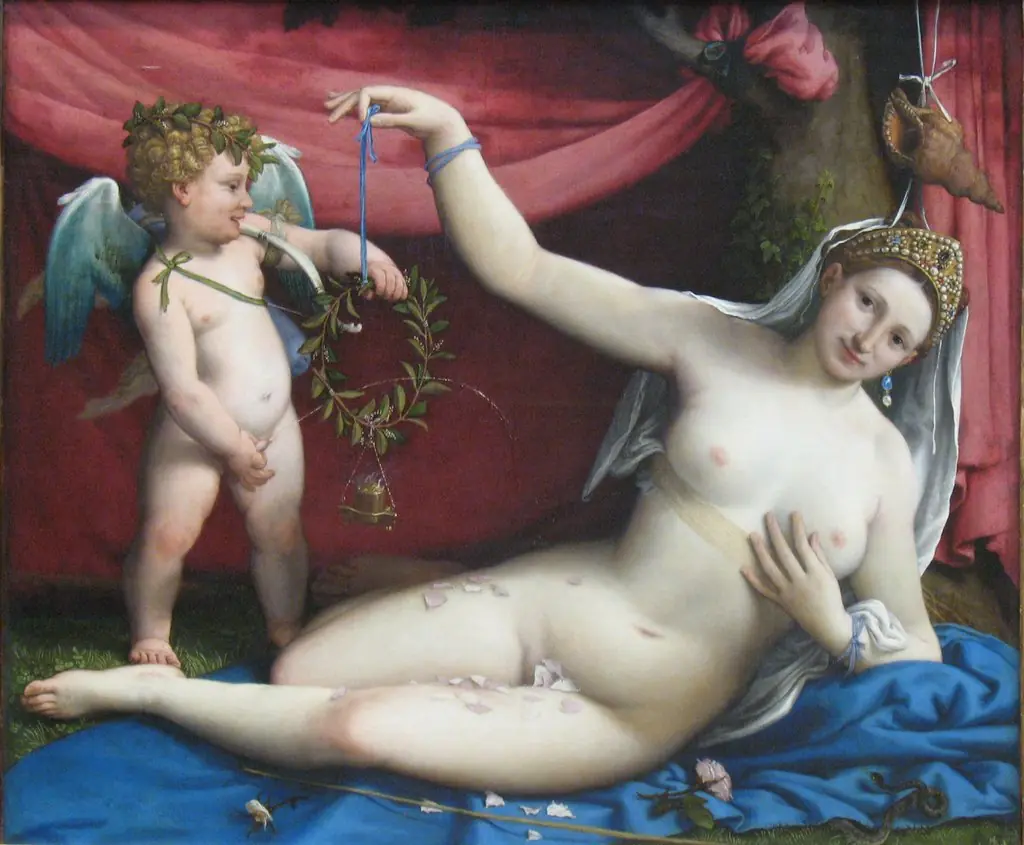 Venus and Cupid
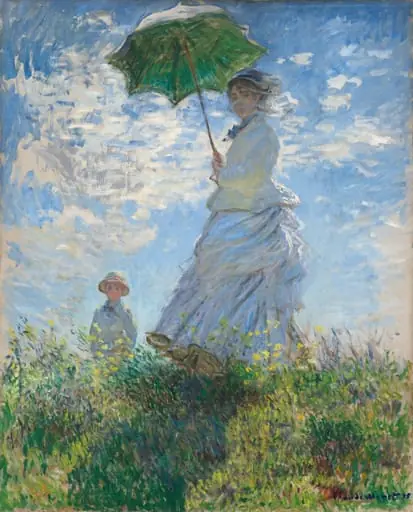 Woman with a Parasol - Madame Monet and Her Son
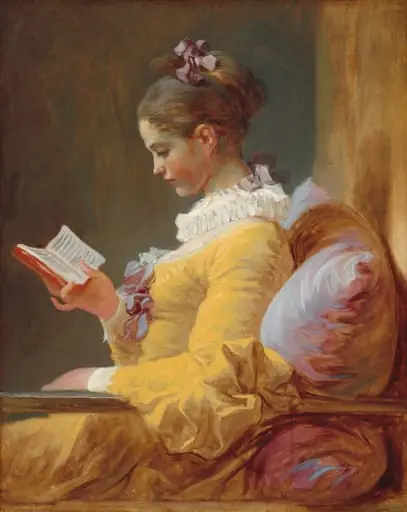 Young Girl Reading
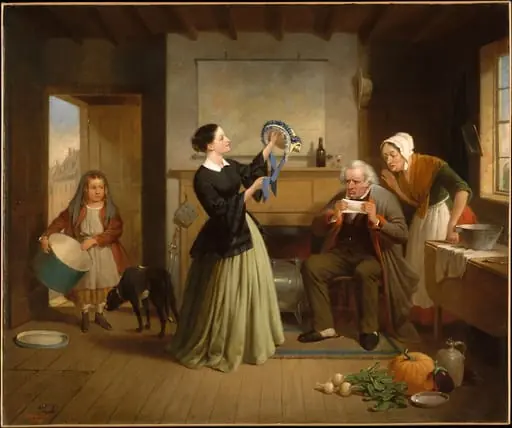 The New Bonnet
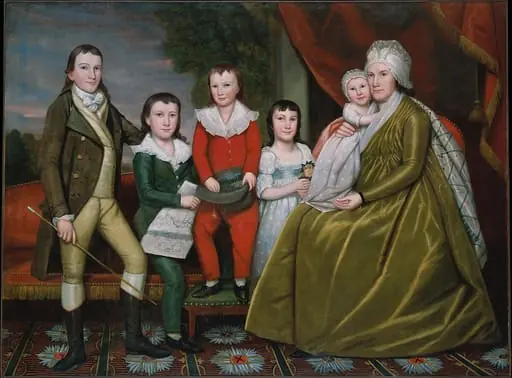 Mrs. Noah Smith and Her Children
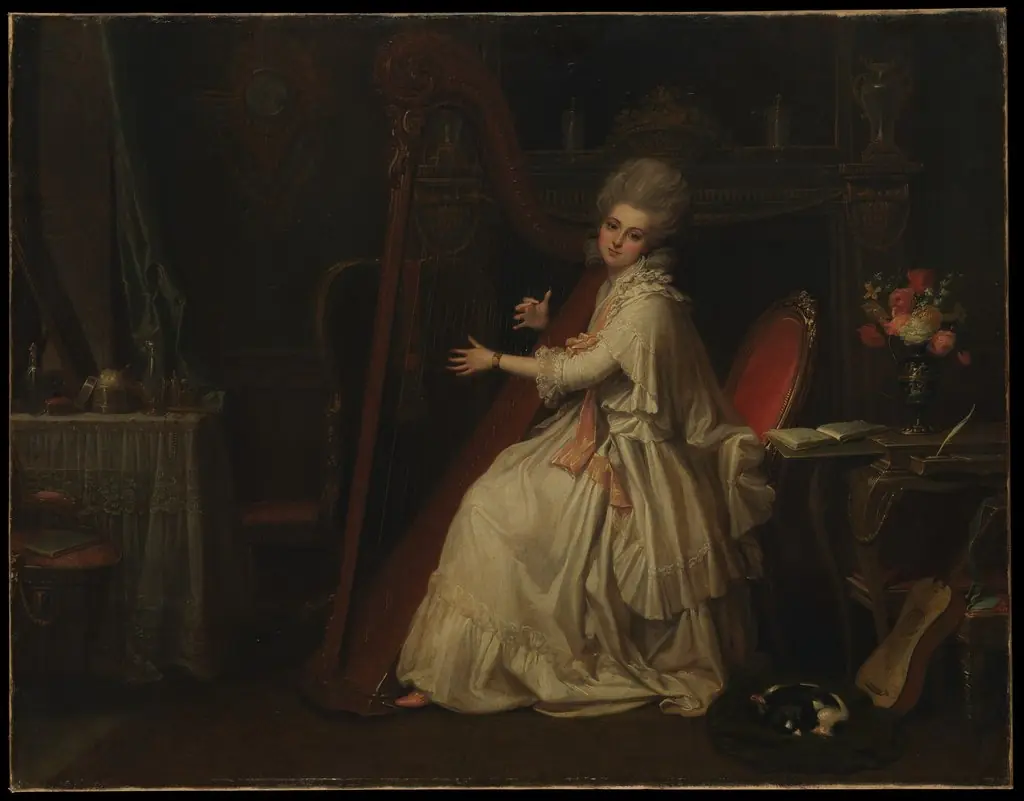 Portrait of Marianne Dorothy Harland (1759–1785), Later Mrs. William Dalrymple
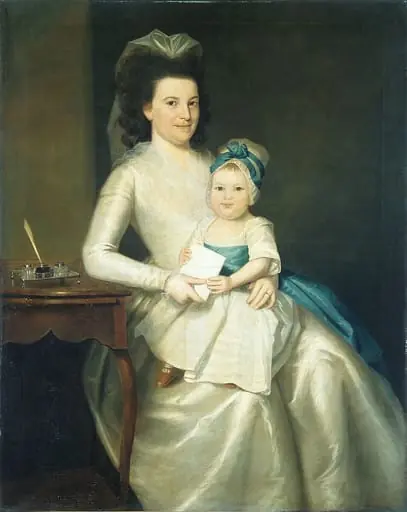 Lady Williams and Child
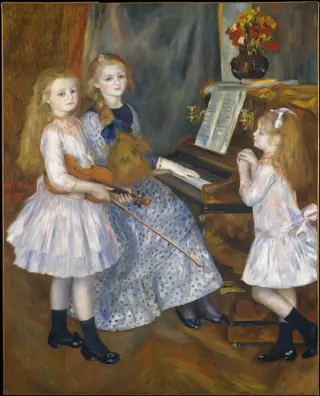 The Daughters of Catulle Mendès
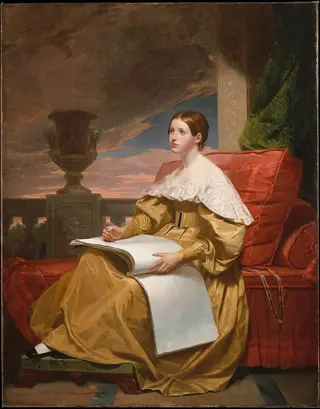 Susan Walker Morse (The Muse)
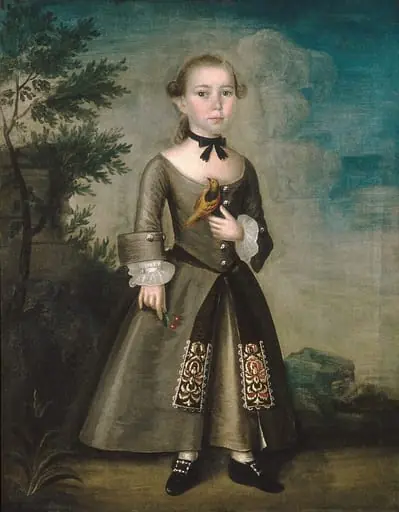 James Badger
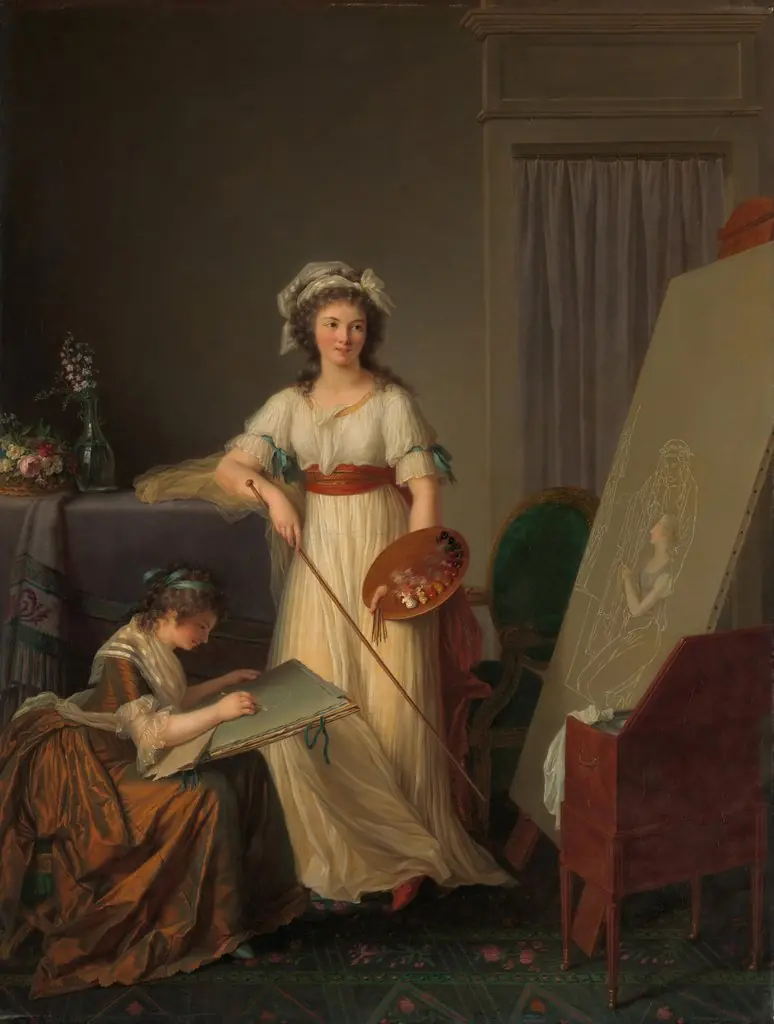 The Interior of an Atelier of a Woman Painter
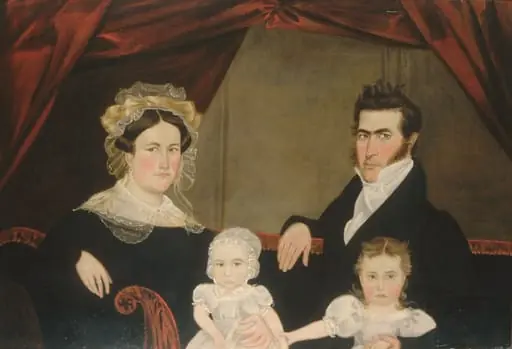 Family Group of Four on Sofa
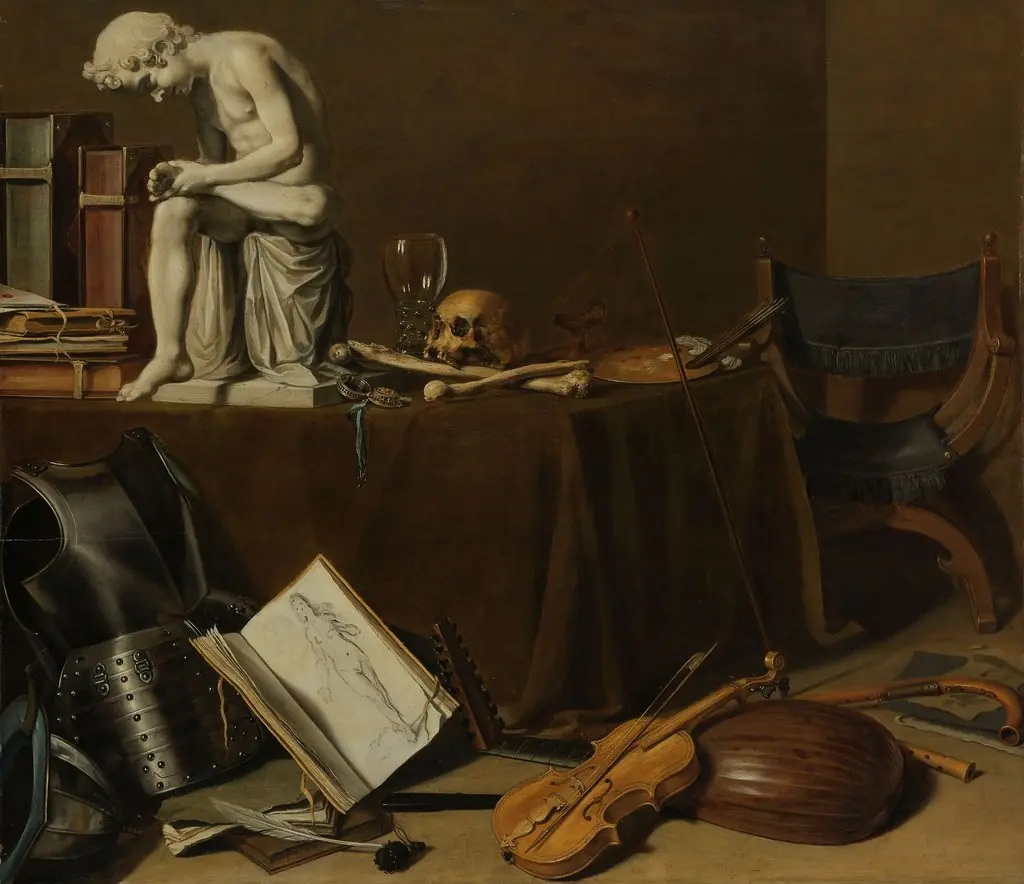 Vanitas Still Life with the Spinario
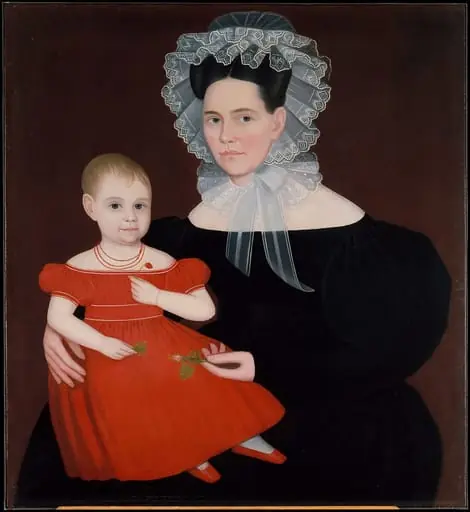 Mrs. Mayer and Daughter
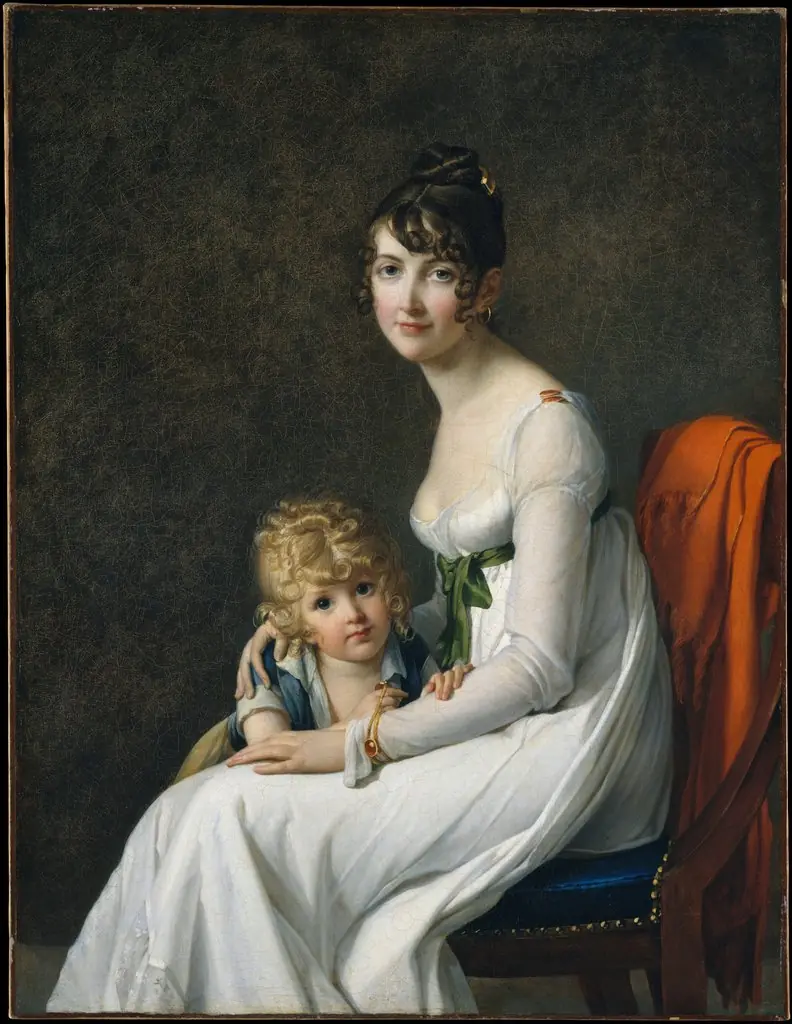 Madame Philippe Panon Desbassayns de Richemont (Jeanne Eglé Mourgue, 1778–1855) and Her Son, Eugène (1800–1859)
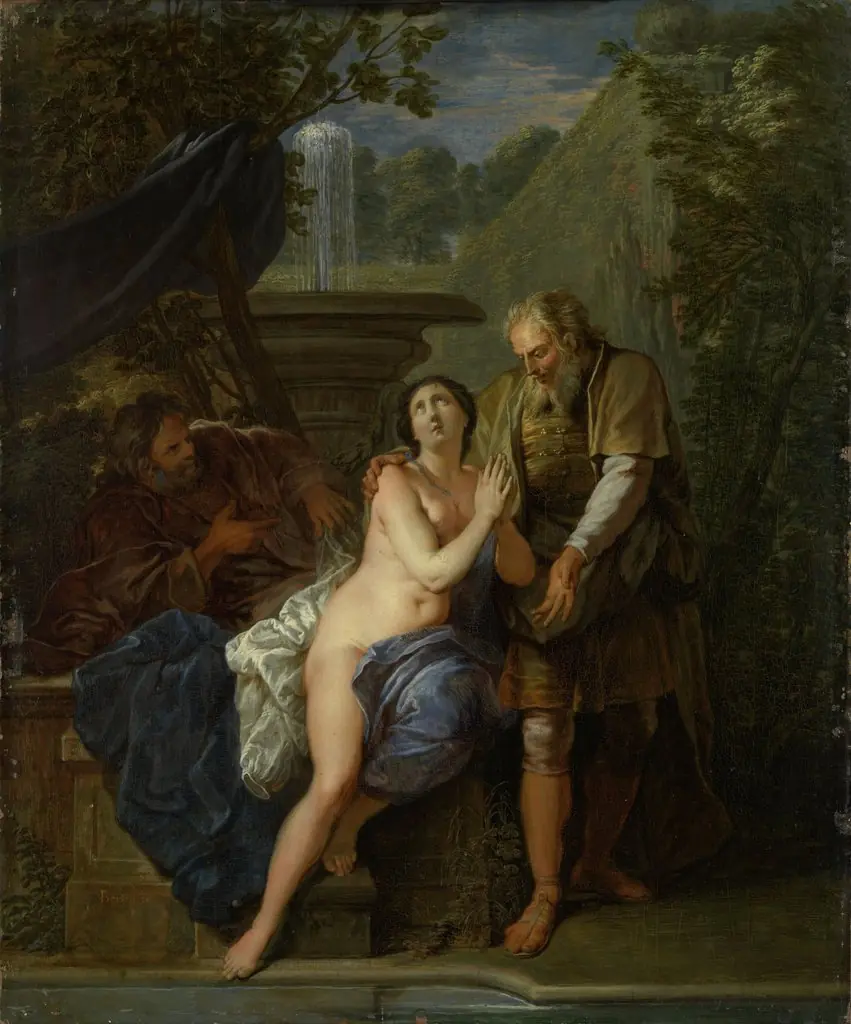 Susanna and the Elders
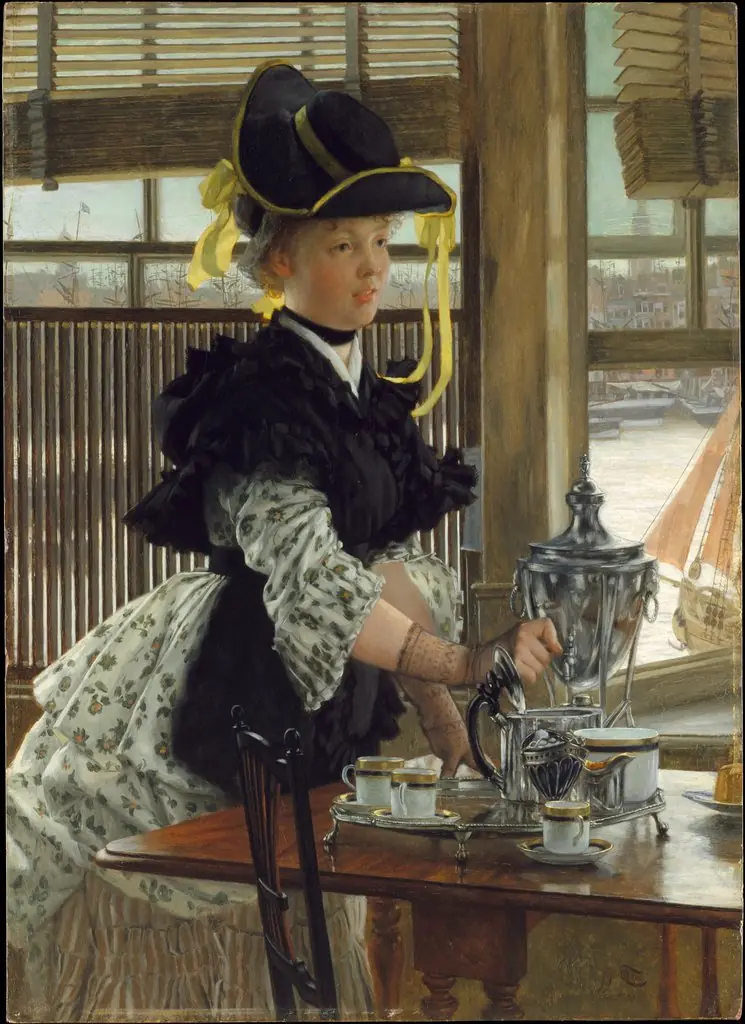 Tea
Tea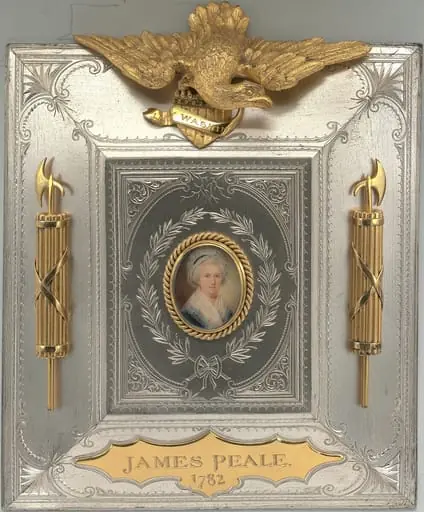 Martha Washington
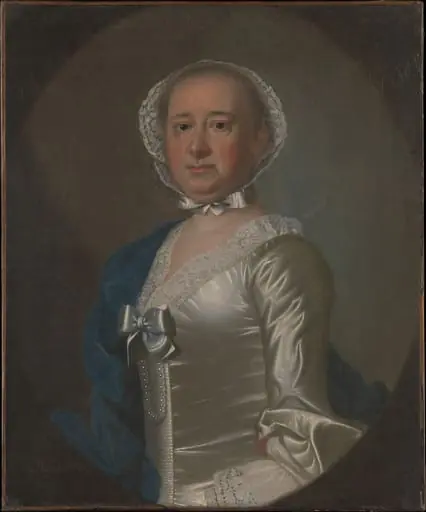 Mrs. Gabriel Manigault
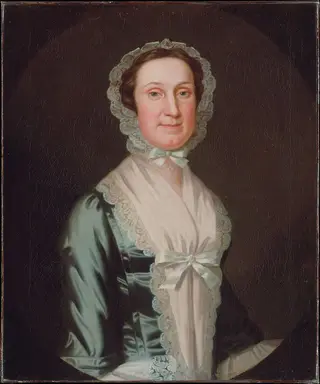 Mrs. Joseph Reade
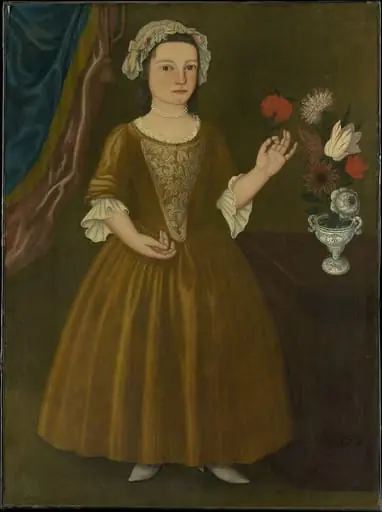 Catherina Elmendorf
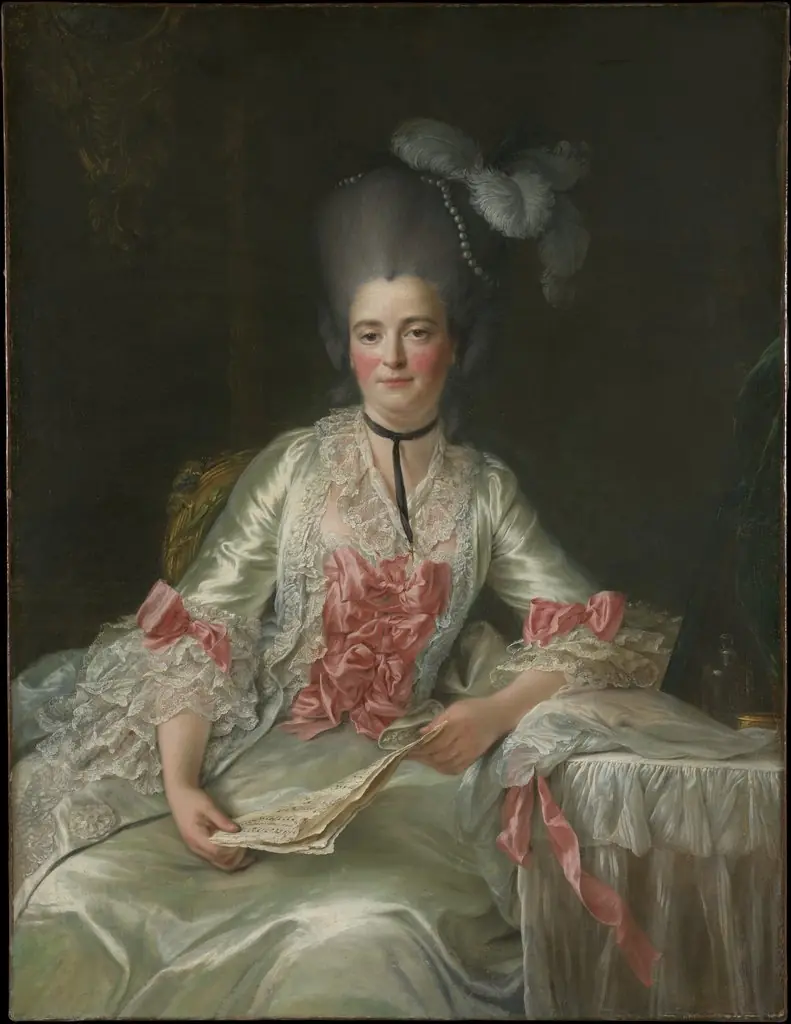 Marie Rinteau, called Mademoiselle de Verrières
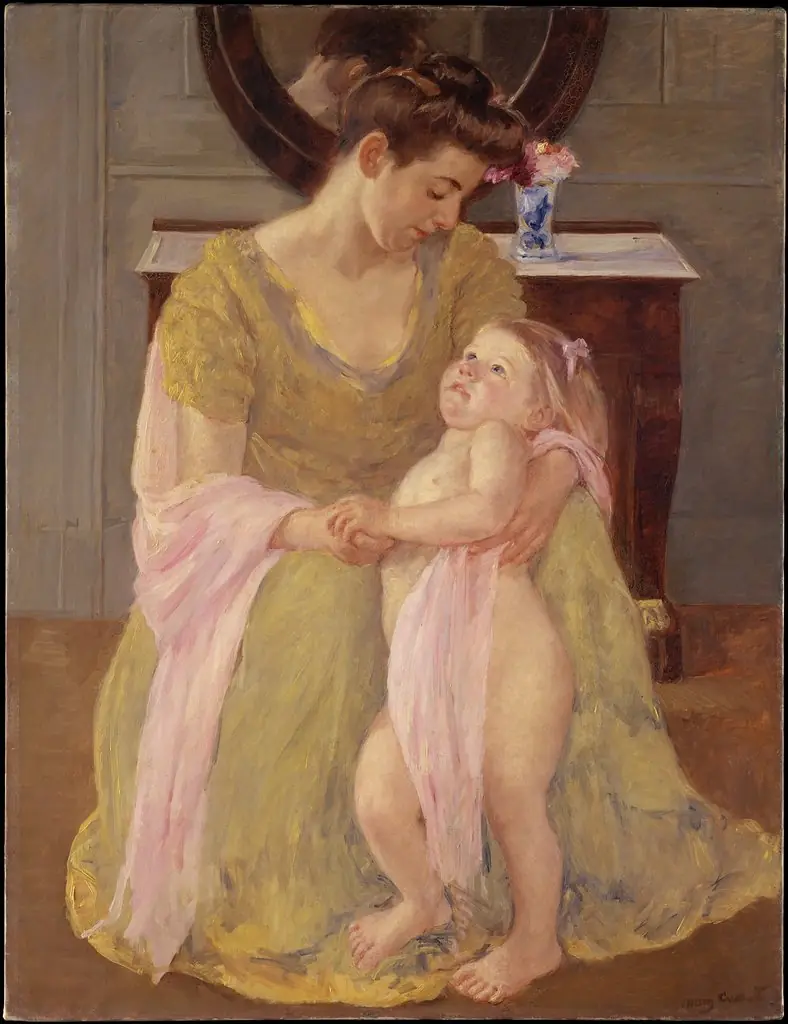 Mother and Child with a Rose Scarf
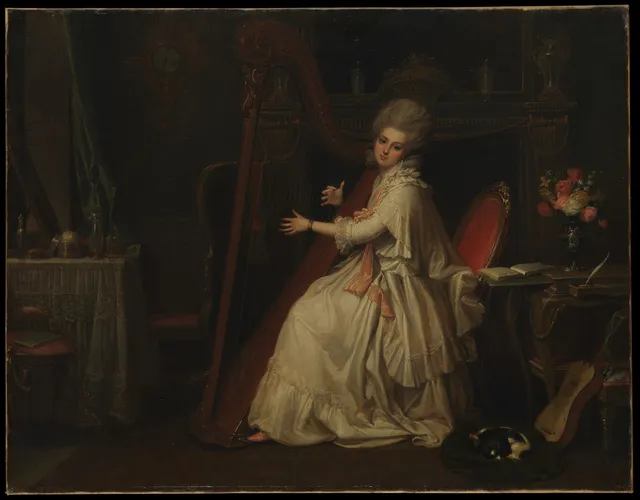
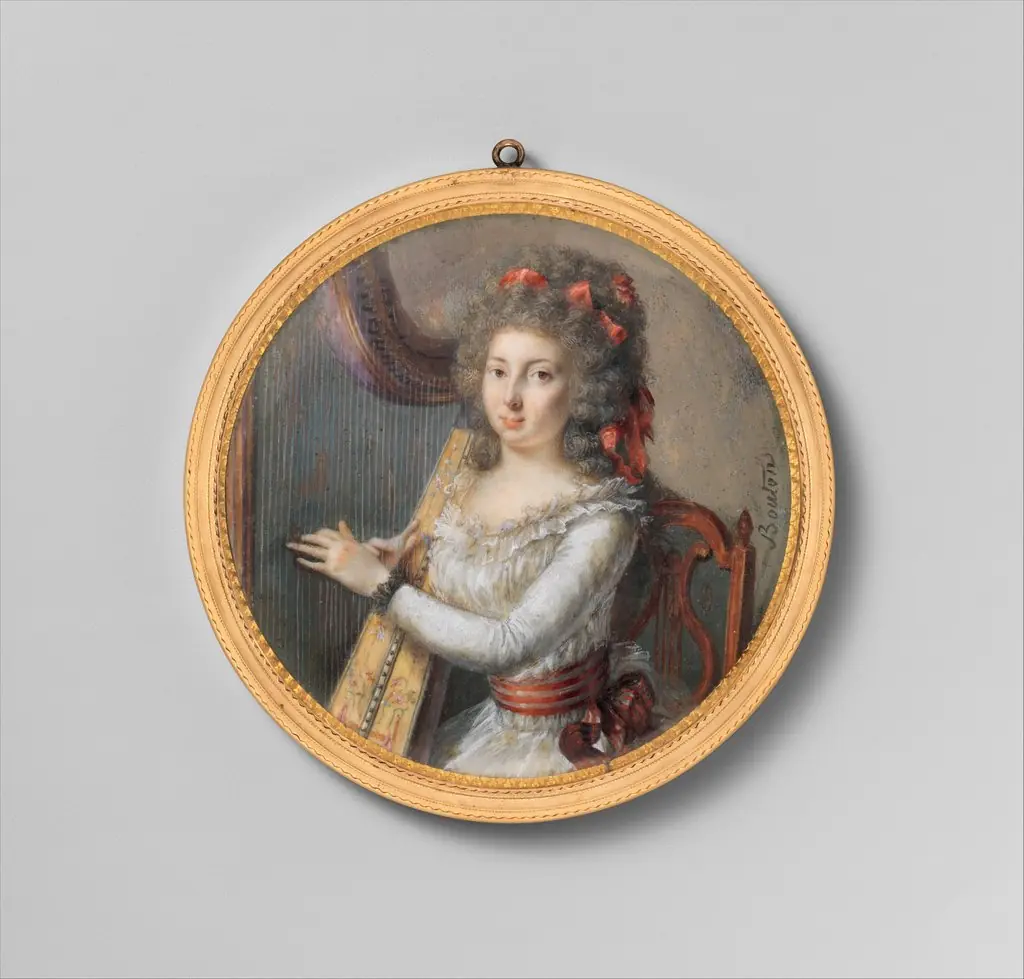 A Woman Playing a Harp
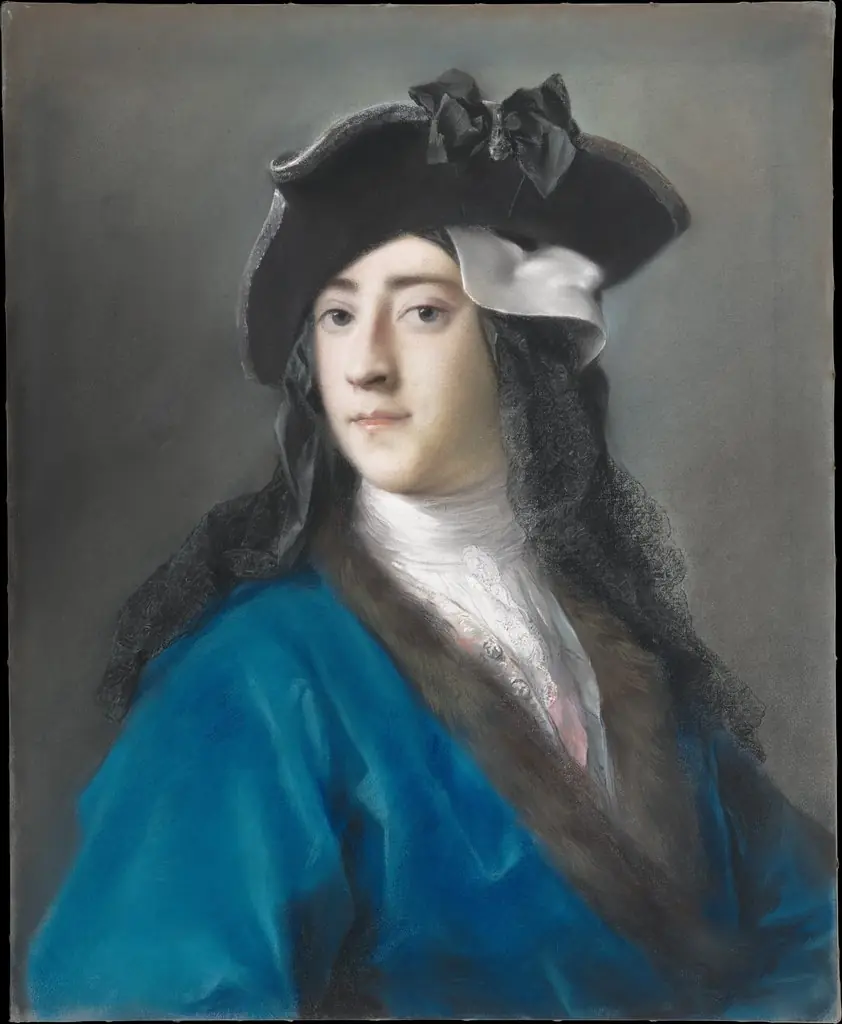 Gustavus Hamilton (1710–1746), Second Viscount Boyne, in Masquerade Costume
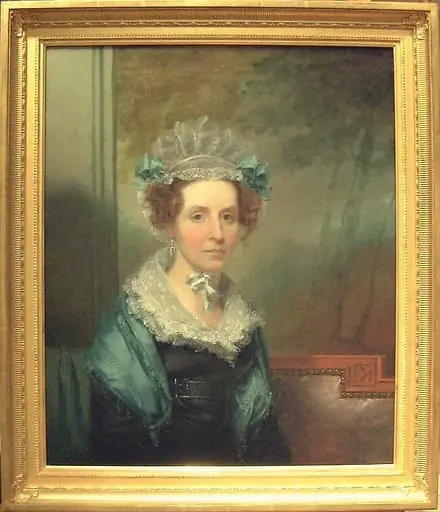 Mrs. Charles Cummings (Rebecca Pittard)
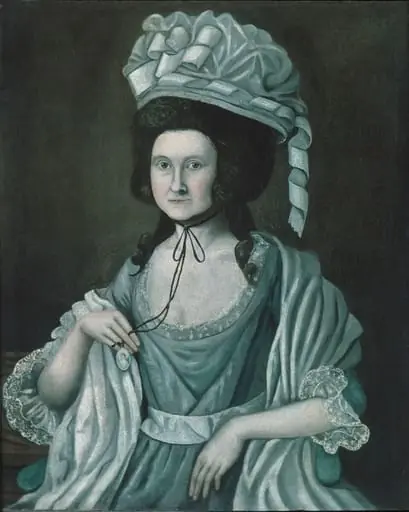 Sally Sanford Perit
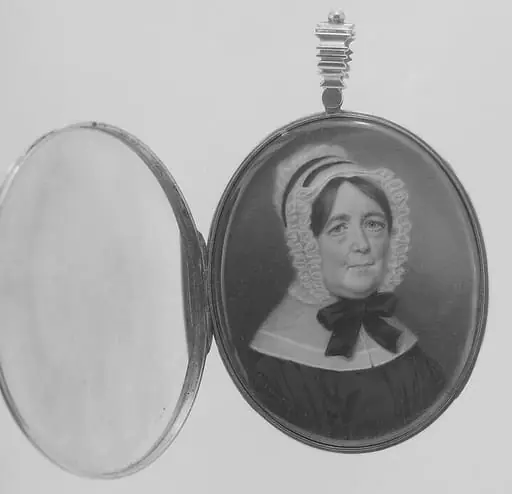 Mrs. A. Otis
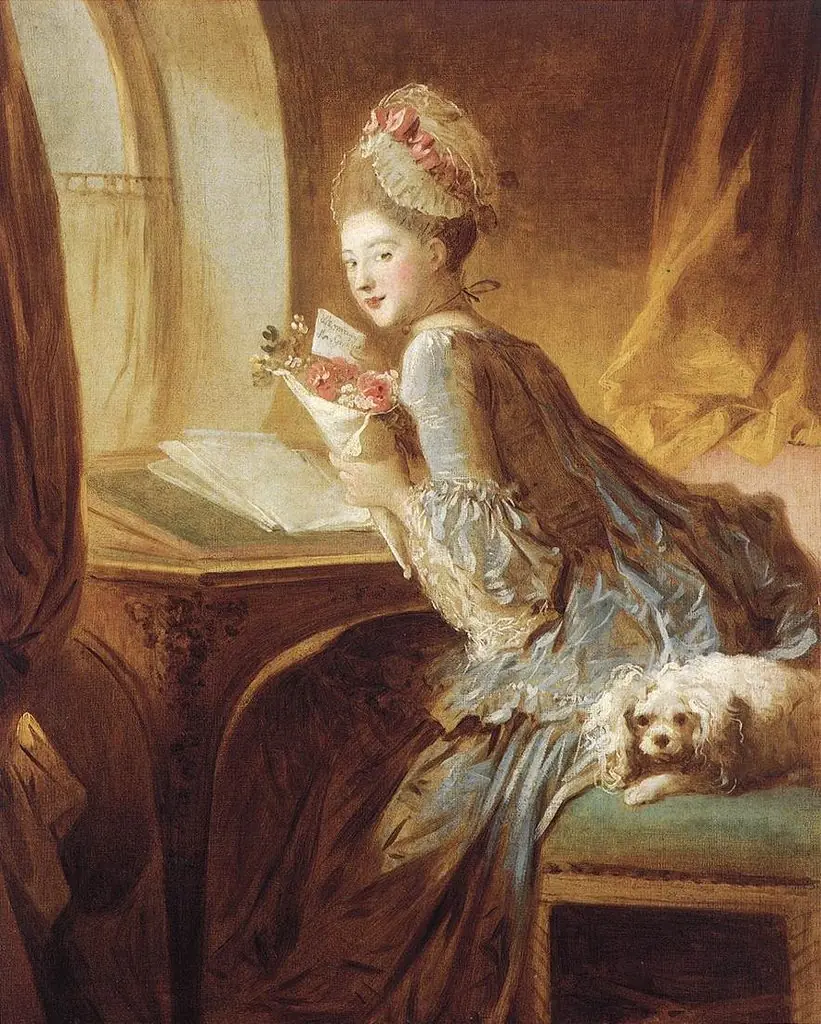 The Love Letter
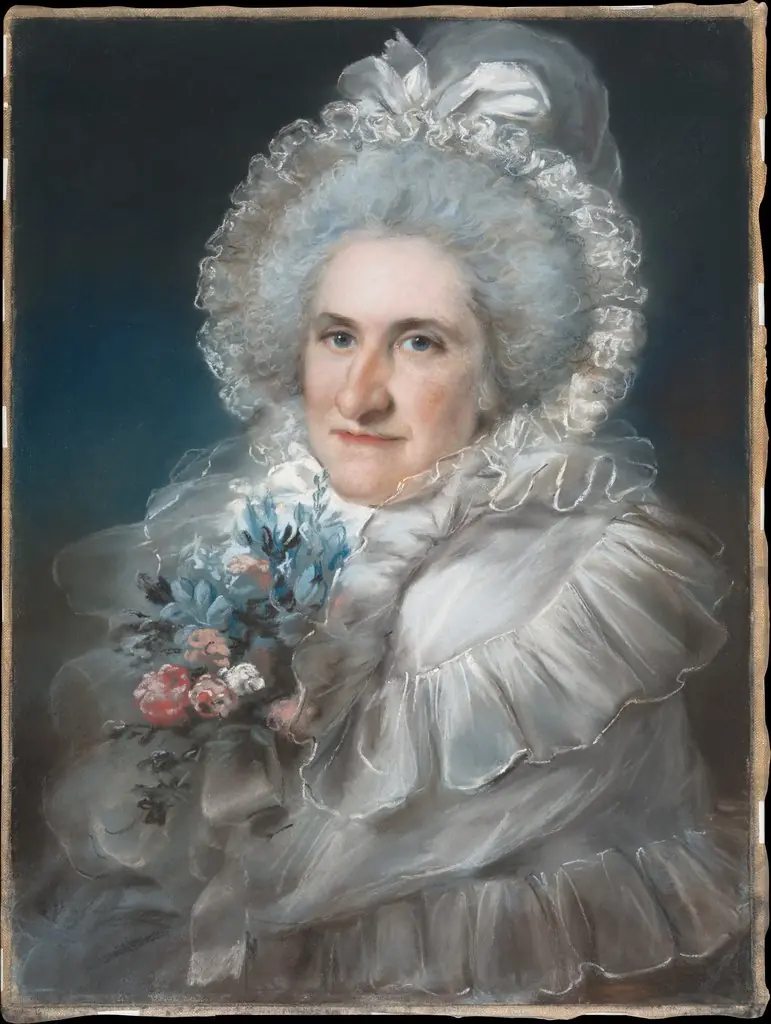 Mrs. William Man Godschall (Sarah Godschall, 1730–1795)
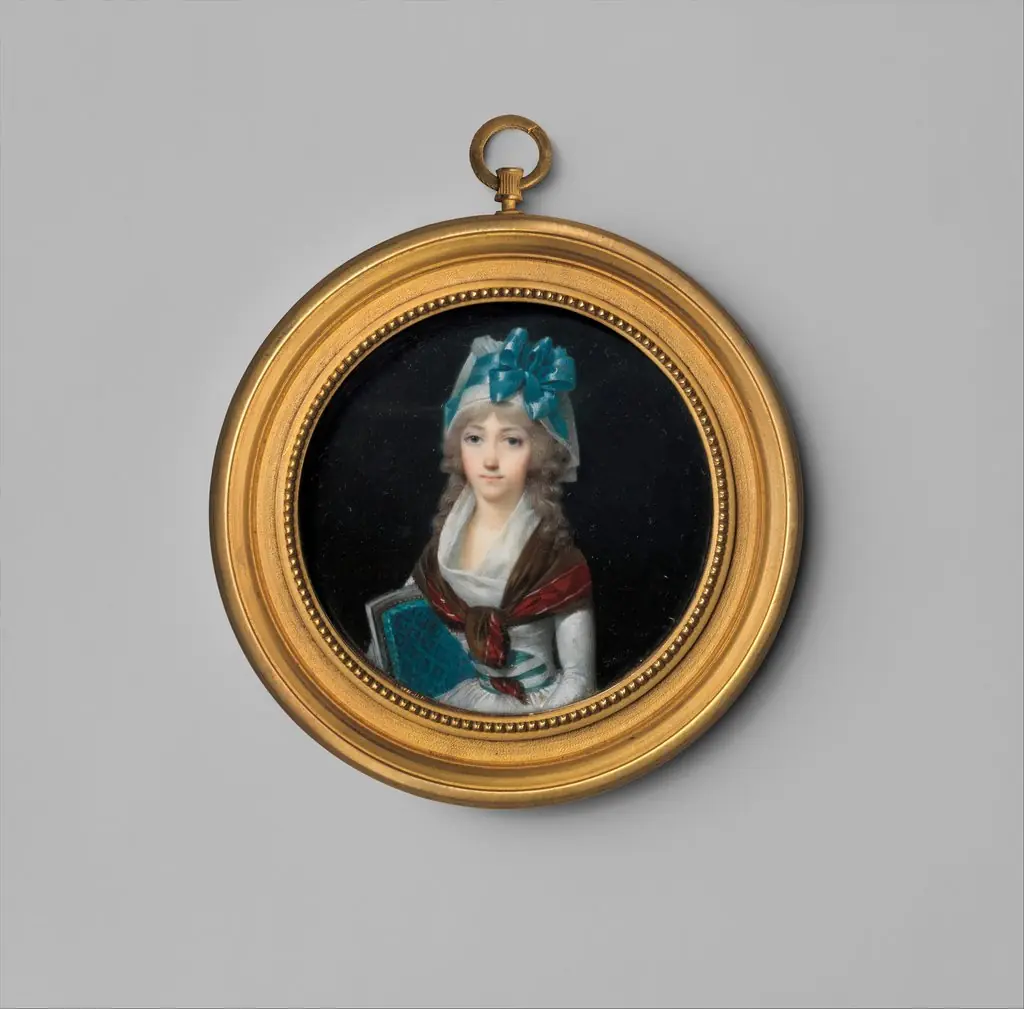 Portrait of a Woman
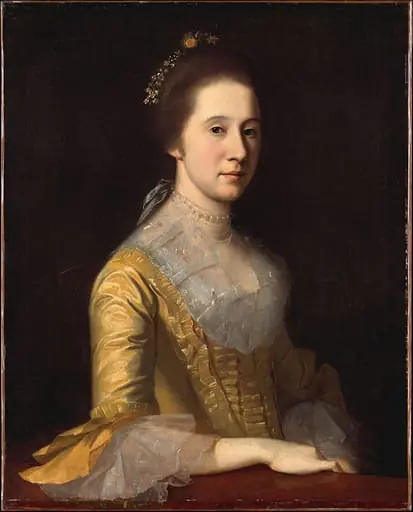 Margaret Strachan (Mrs. Thomas Harwood)
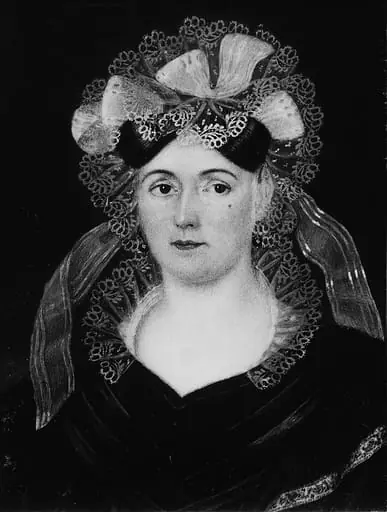 Self portrait
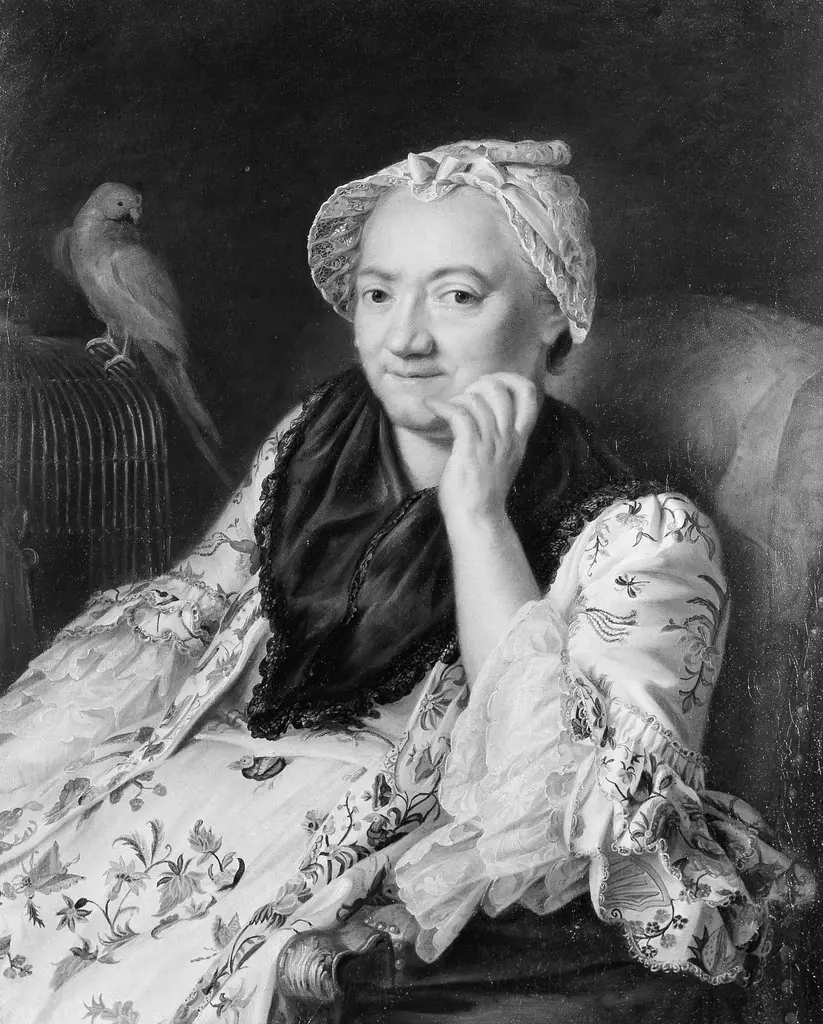 Portrait of a Woman
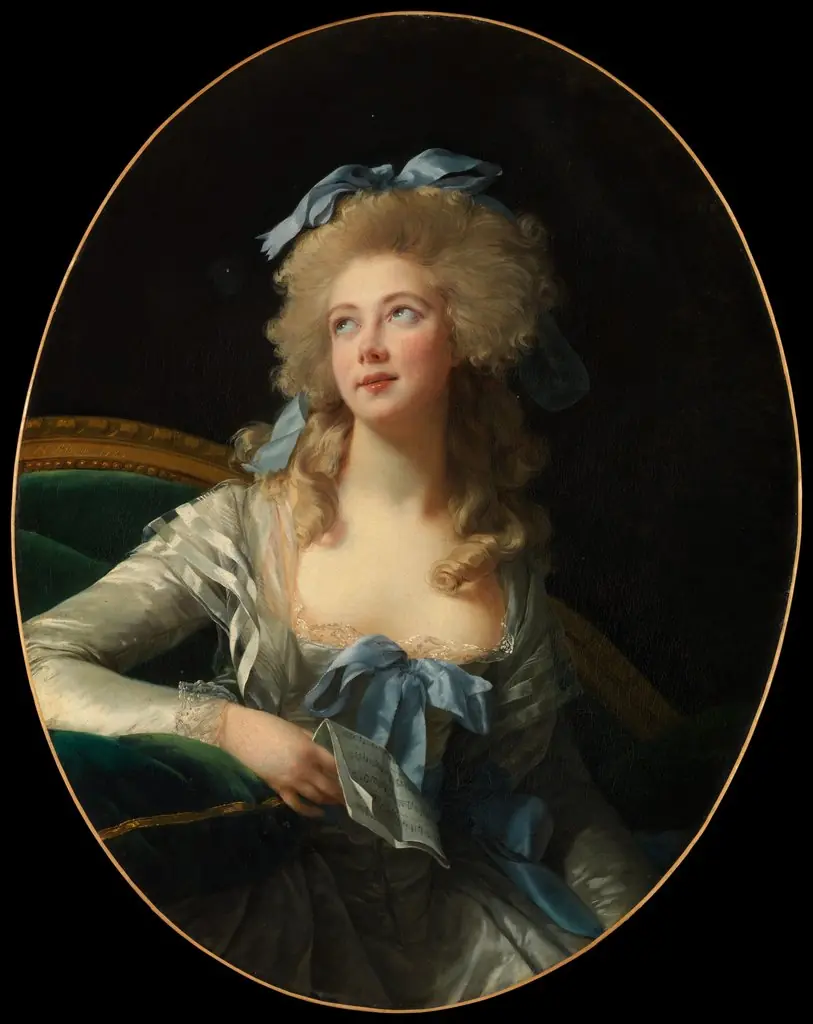 Madame Grand (Noël Catherine Verlée, 1761–1835)
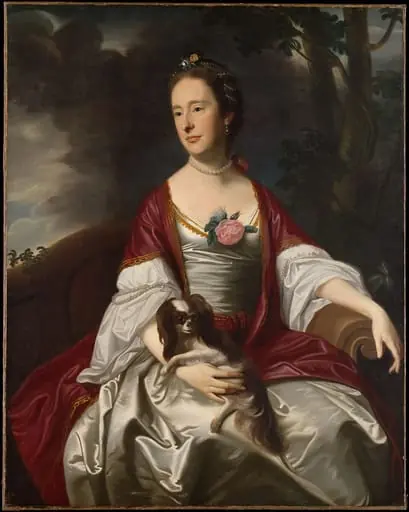 Mrs. Jerathmael Bowers
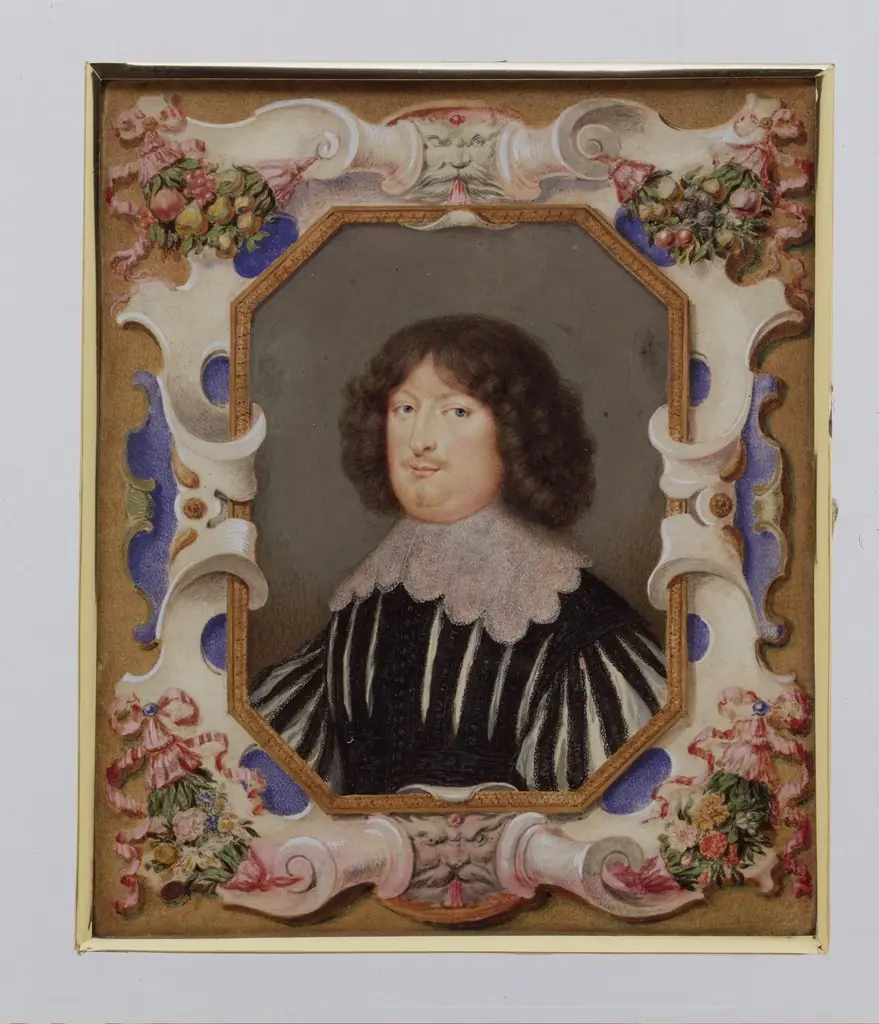 Portrait of a Man
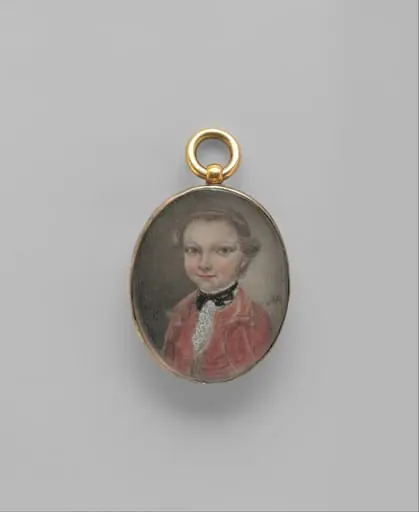 William Middleton
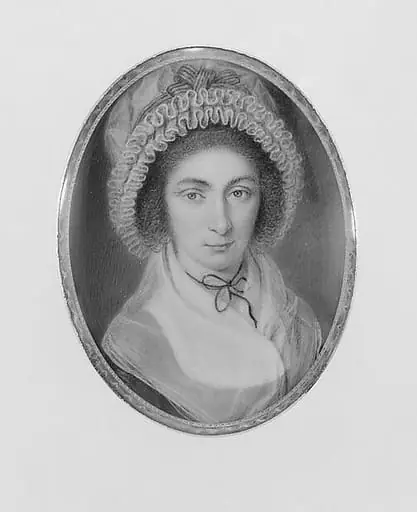 Mrs. John McAllister (Frances Wardale)
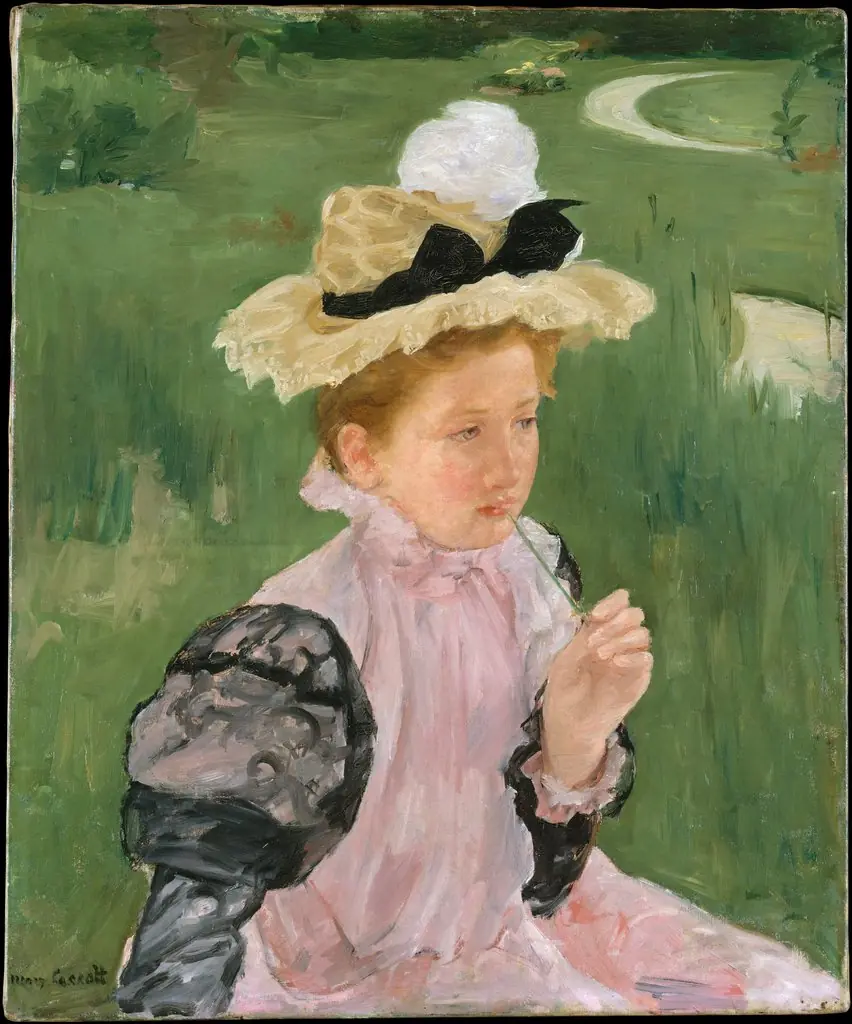 Portrait of a Young Girl
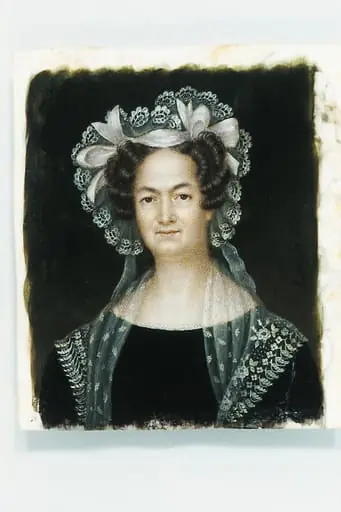 Mrs. Jacob Gerard Koch (Jane Griffith)
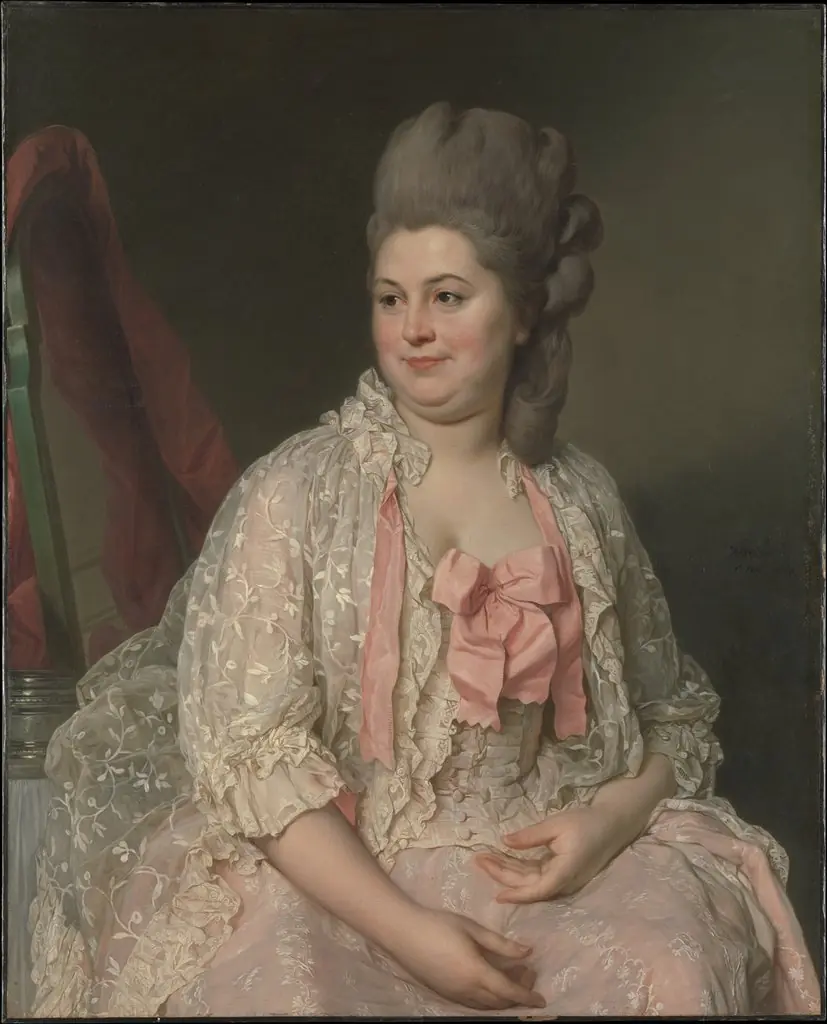 Madame de Saint-Maurice
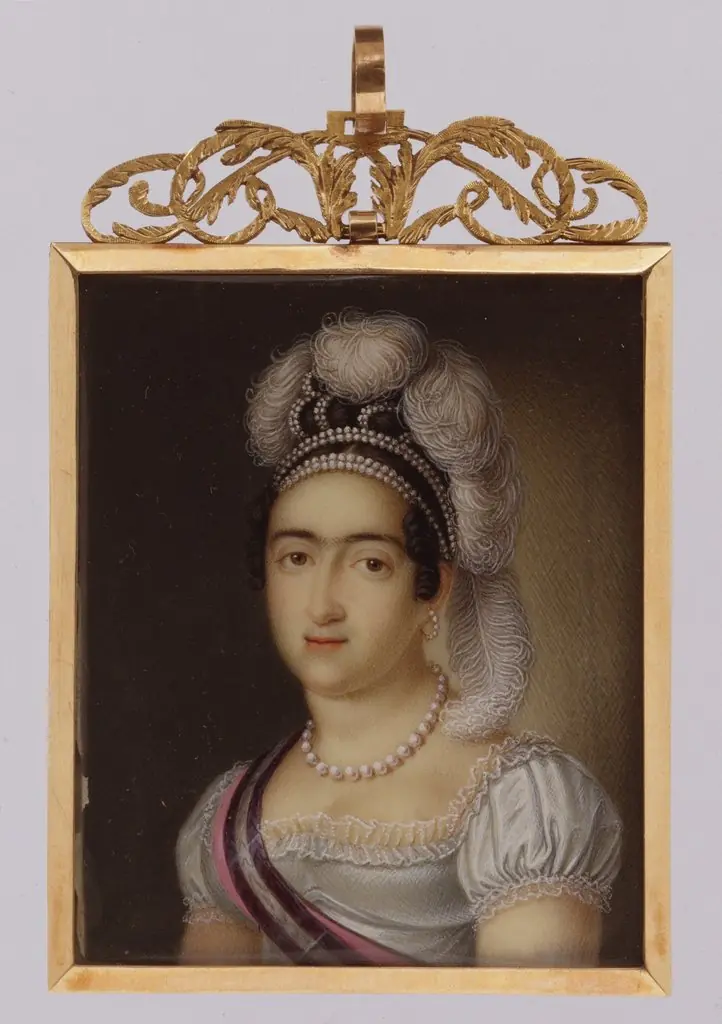 Princess María Francisca de Asis de Borbón and Her Son Infante Carlos Luis María Fernando de Borbón
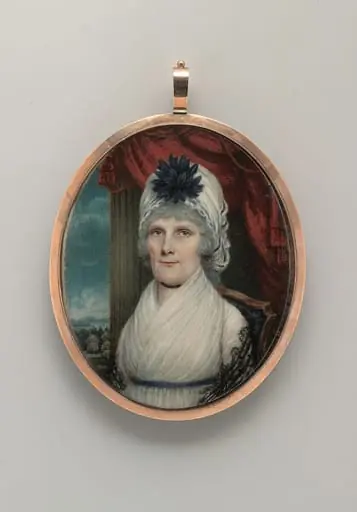 Portrait of a Lady
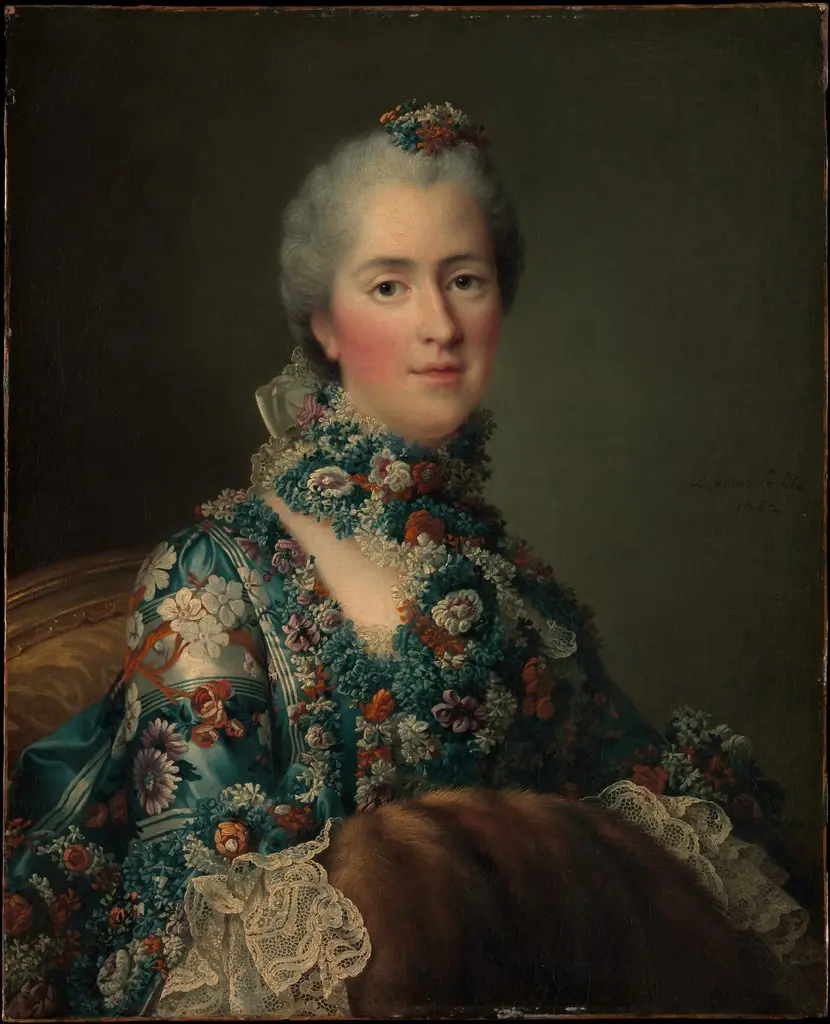 Madame Sophie de France (1734–1782)
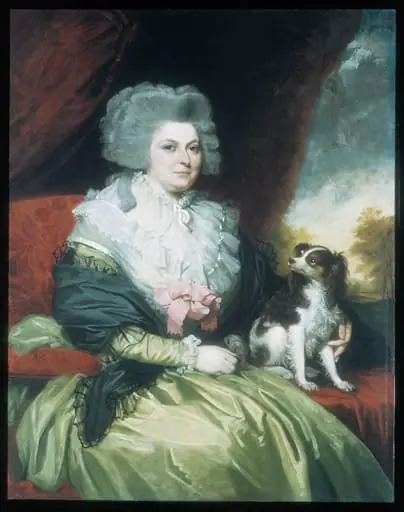 Lady with a Dog
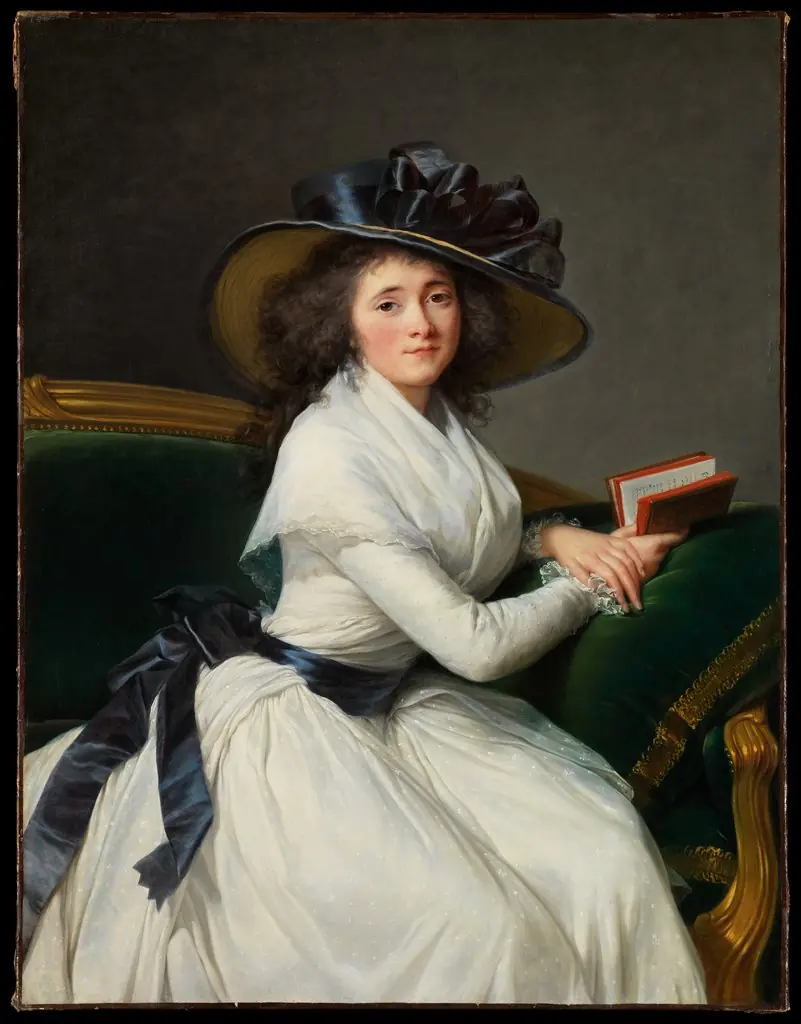 Comtesse de la Châtre (Marie Charlotte Louise Perrette Aglaé Bontemps, 1762–1848)
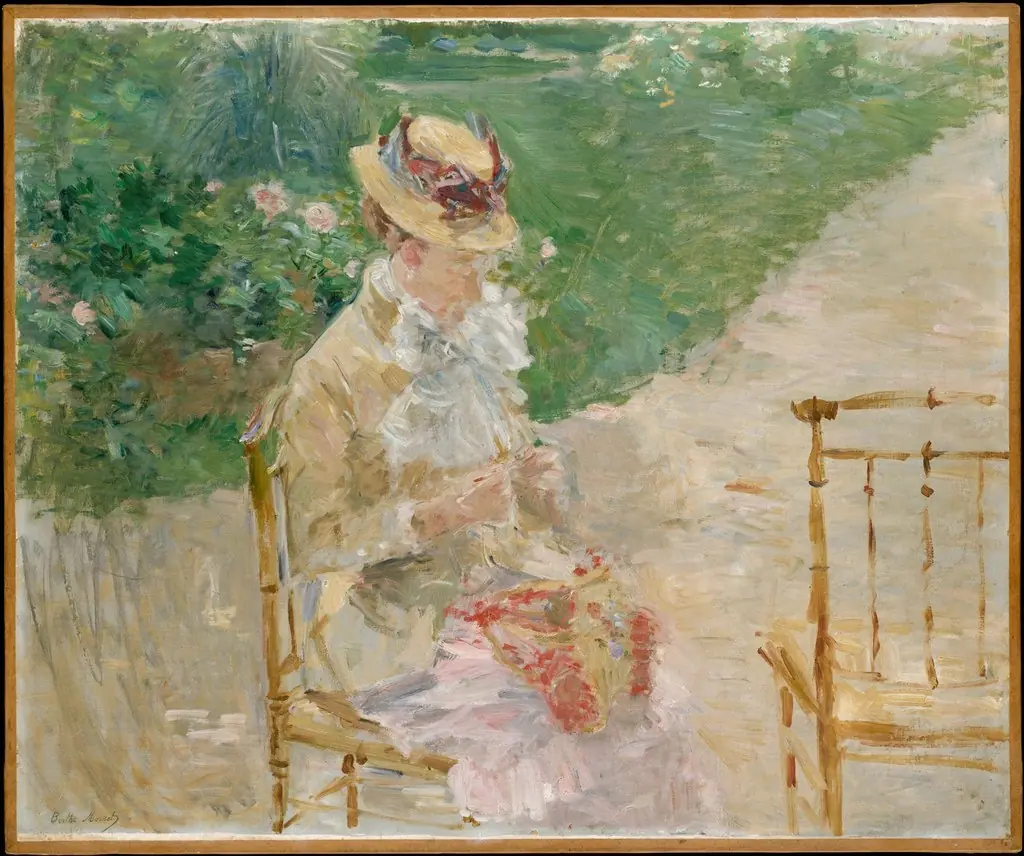 Young Woman Knitting
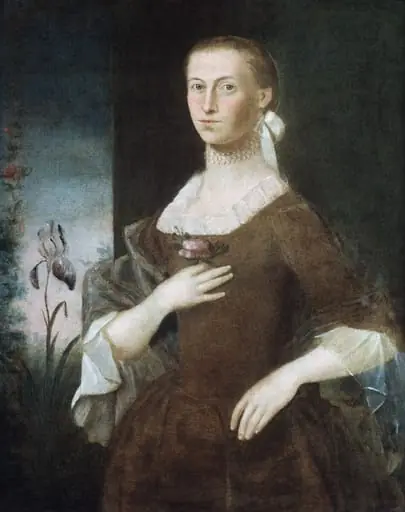 Mrs. Samuel Gardiner
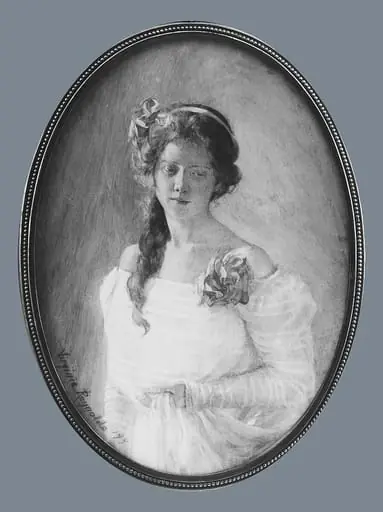 Bessie Moore
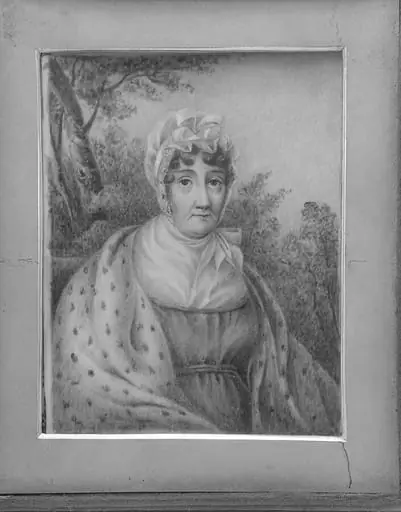 Mrs. Teakes
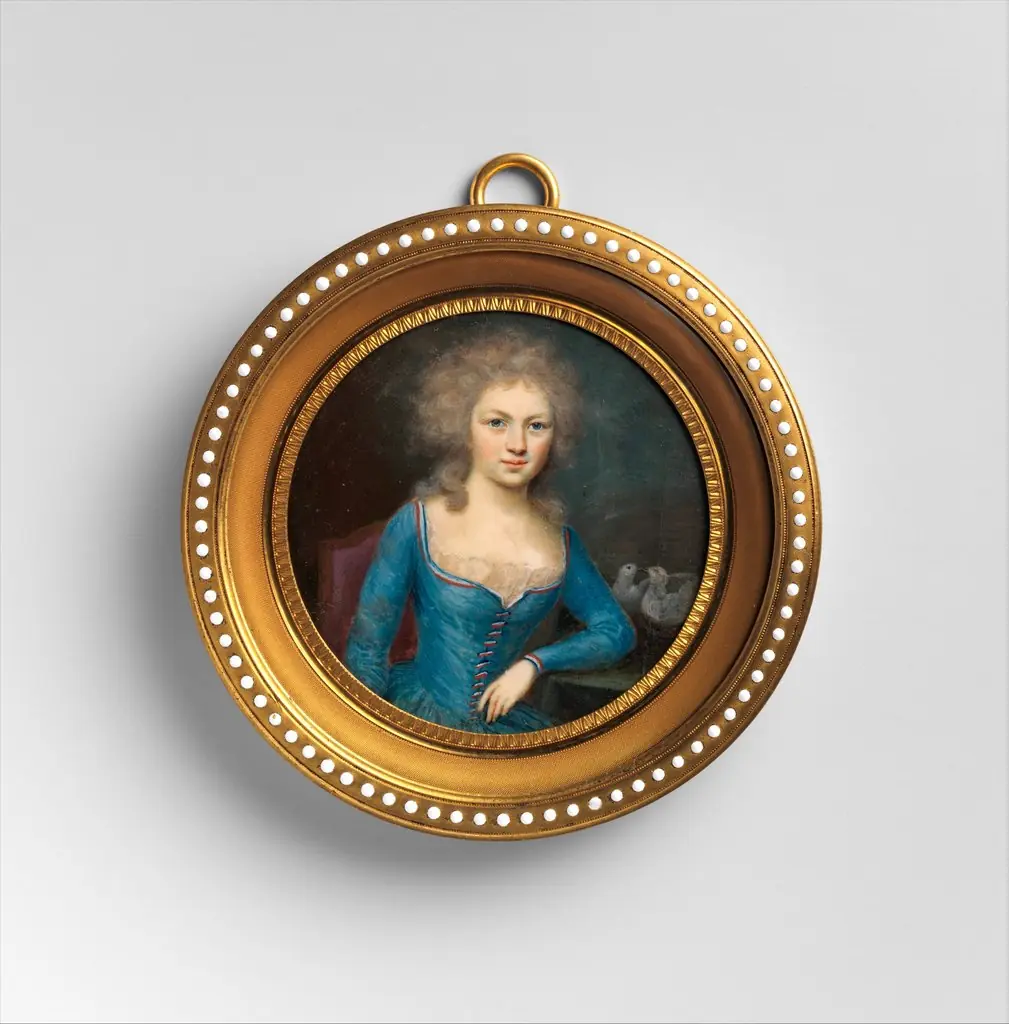 Portrait of a Woman
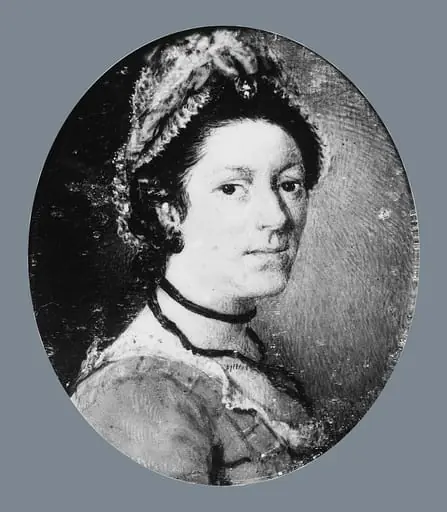 Mrs. Clark
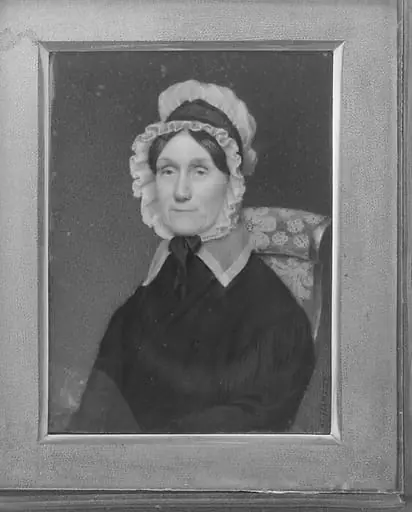 Sarah May Holland
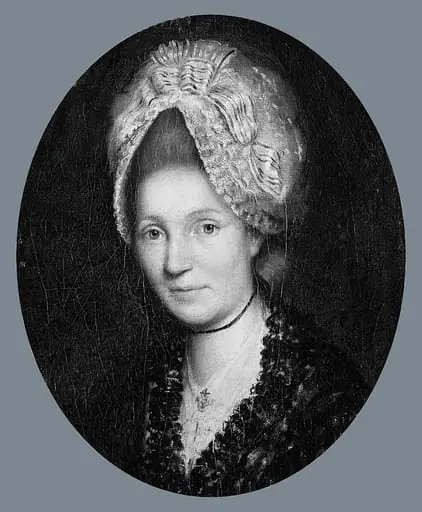 Portrait of a Woman
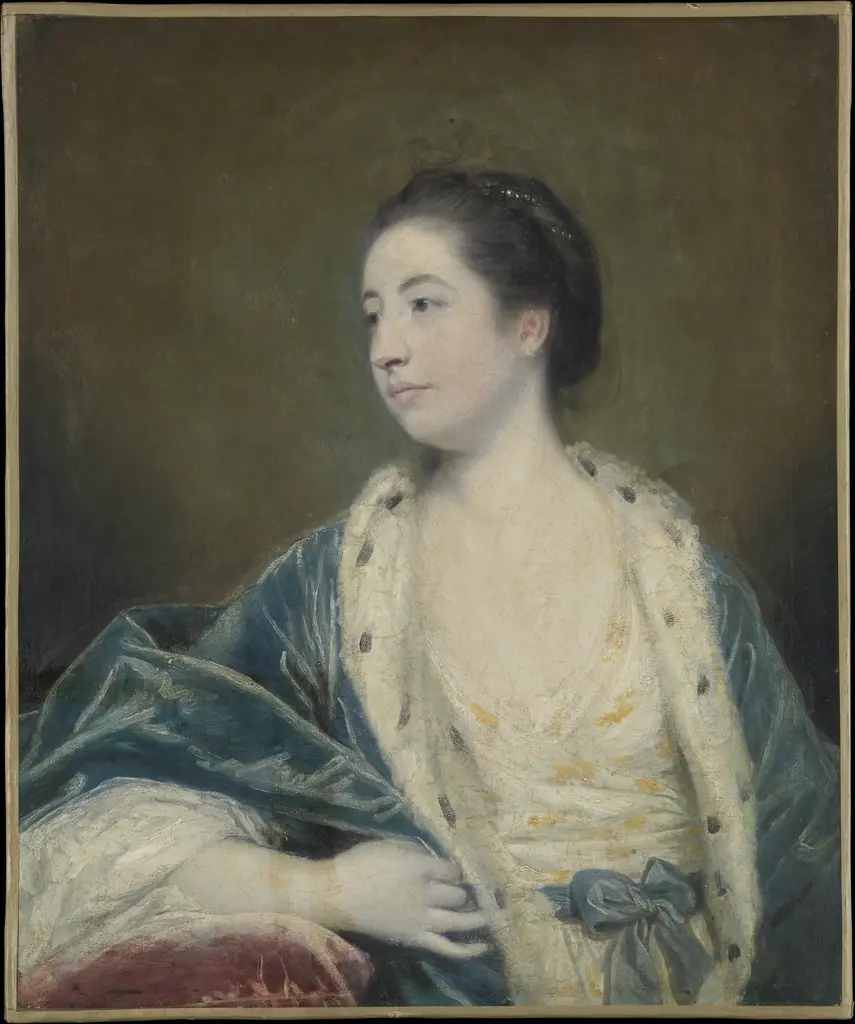 Portrait of a Woman
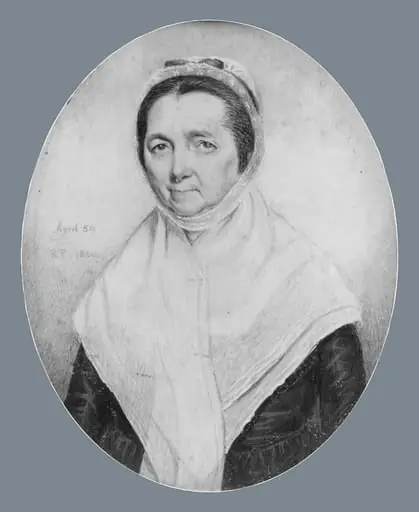 Mrs. John Montgomery (Sarah Diemer)
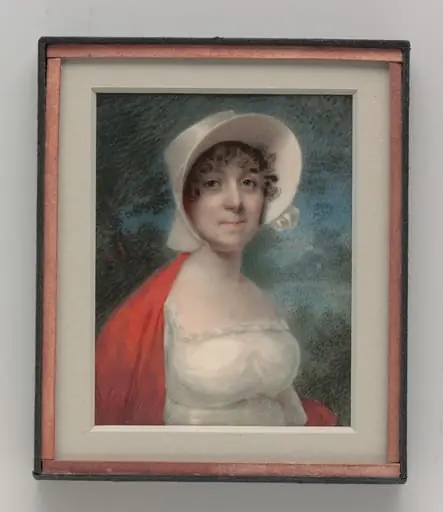 Portrait of a Lady
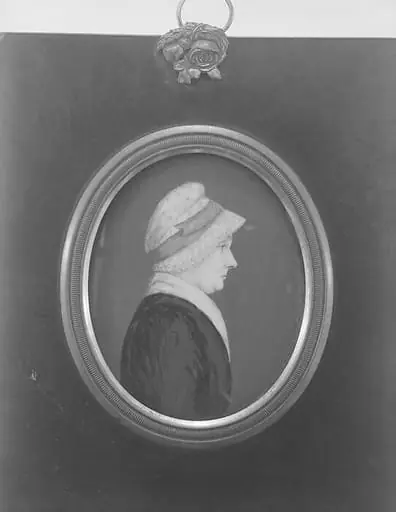 Mrs. David Howe (Sarah Whitney)
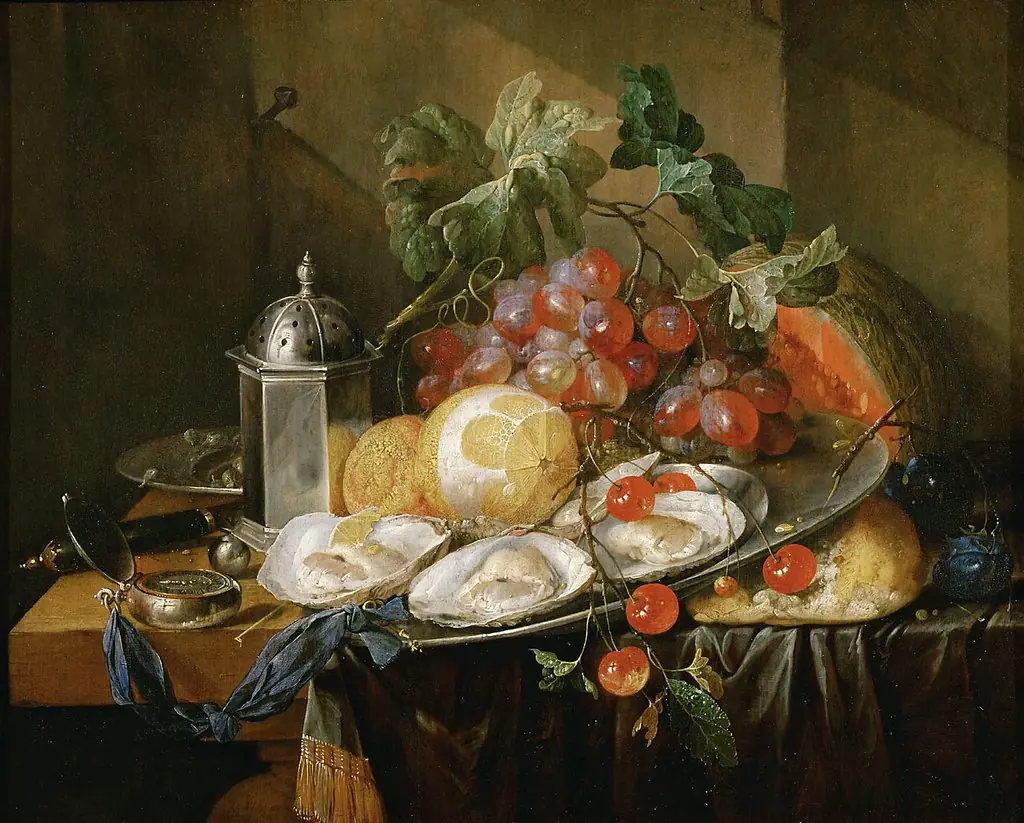 Fruit Still Life with Oysters
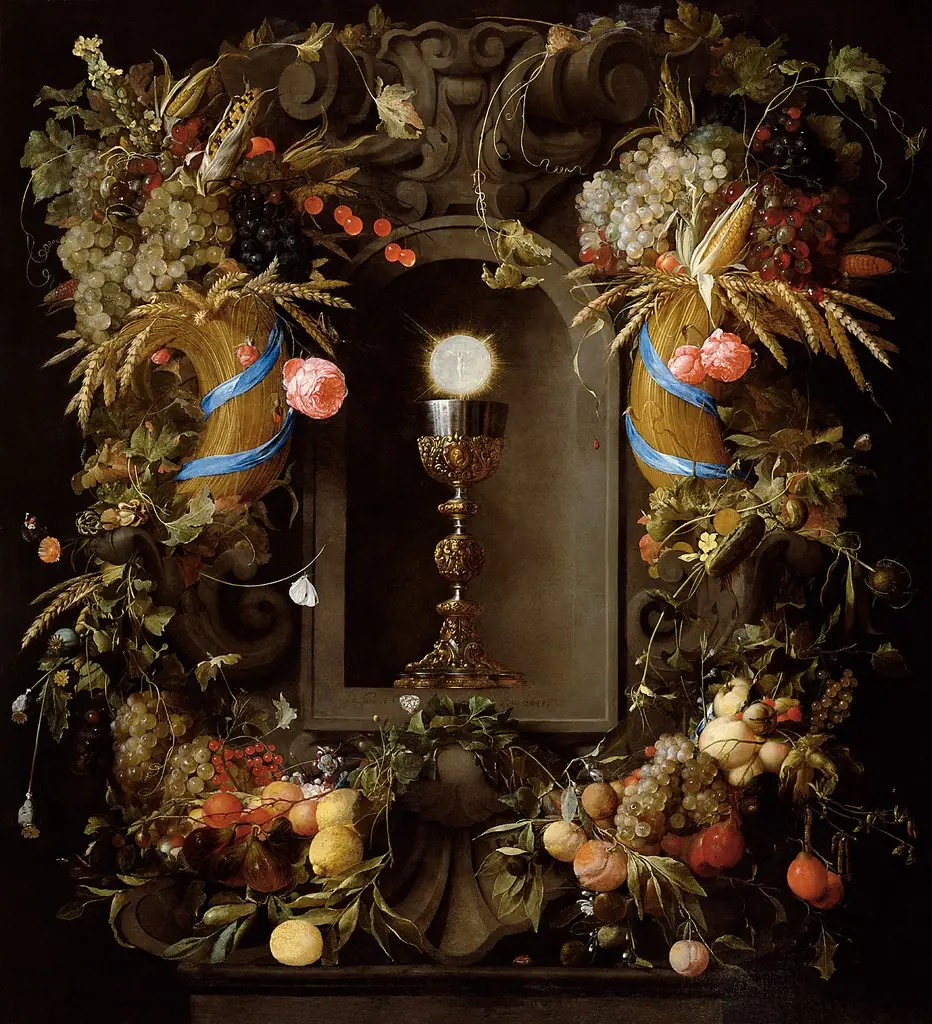 Chalice and Host in a Niche, within a Cartouche of Roses and Fruit
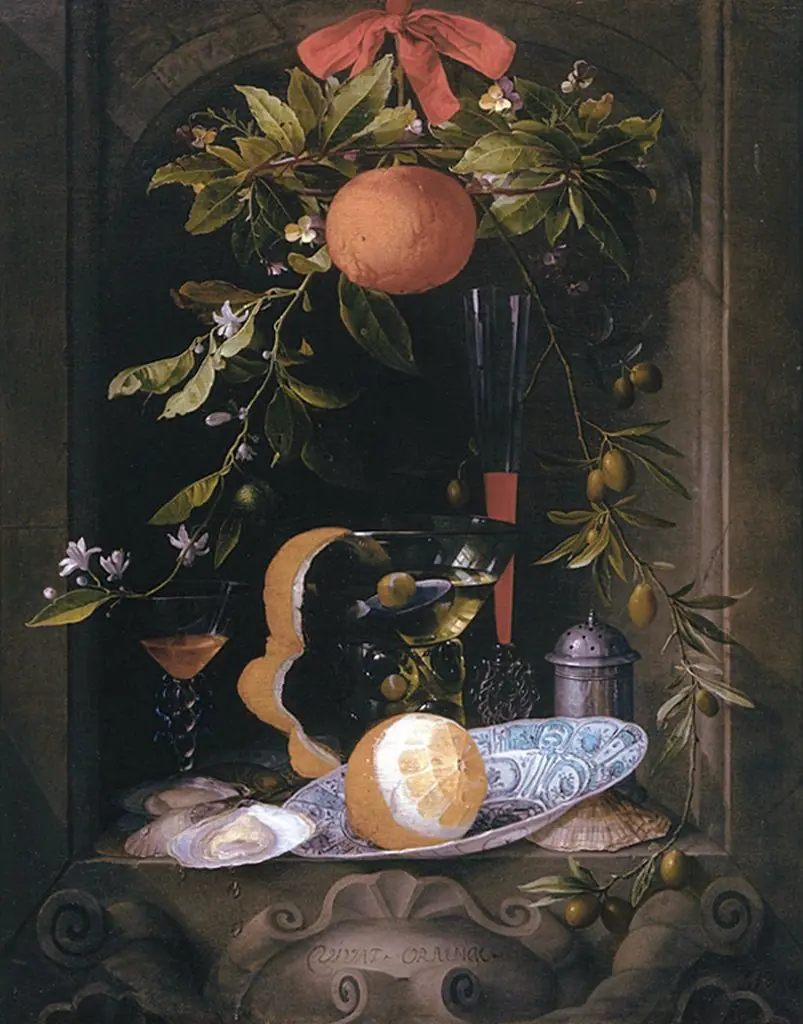 Vivat Oraenge
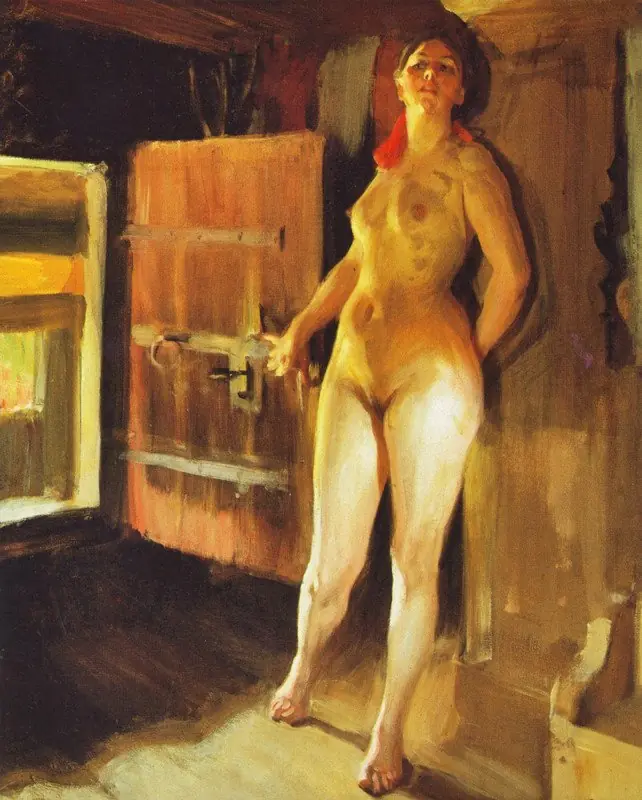 Girl in the Loft
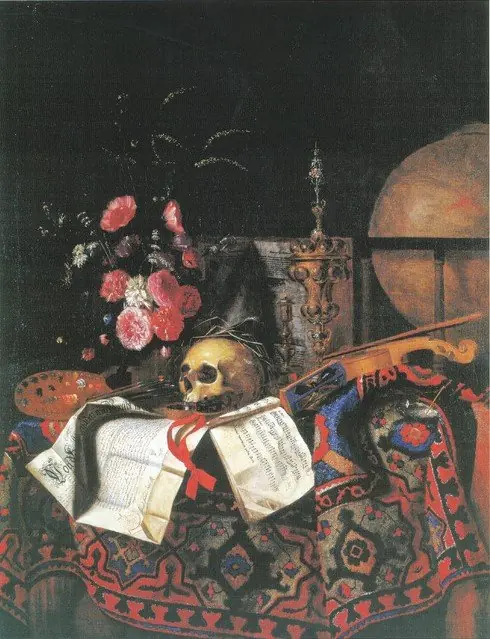 Vanitas still life with bouquet of flowers, painters palette, globe, violin and acorn cup
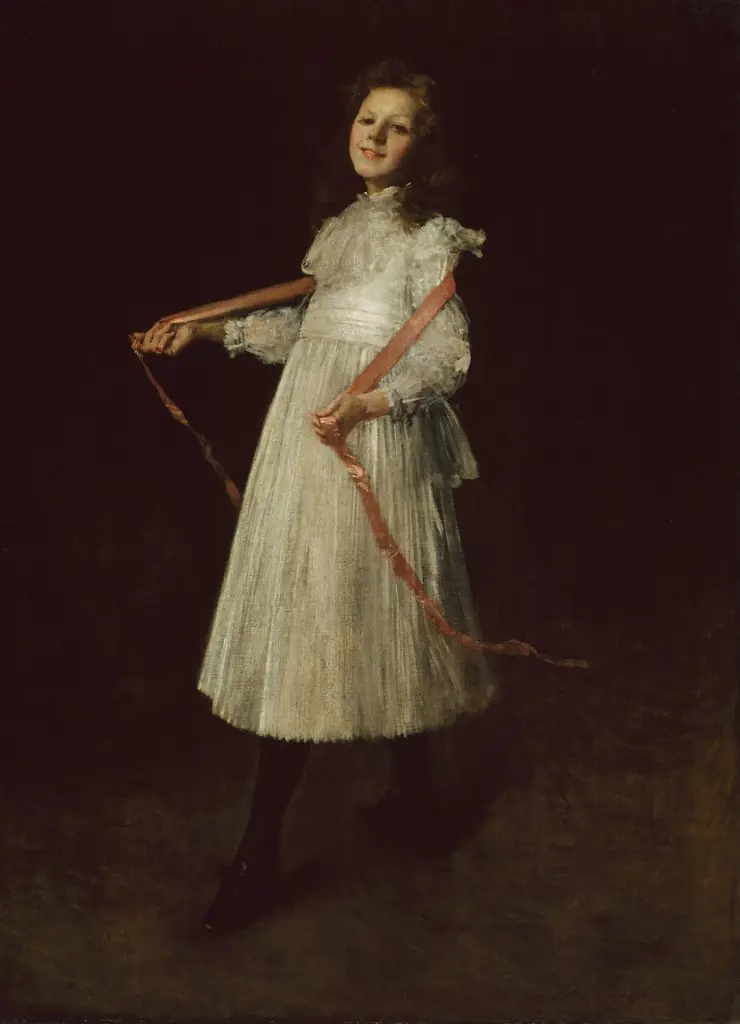 Alice
Alice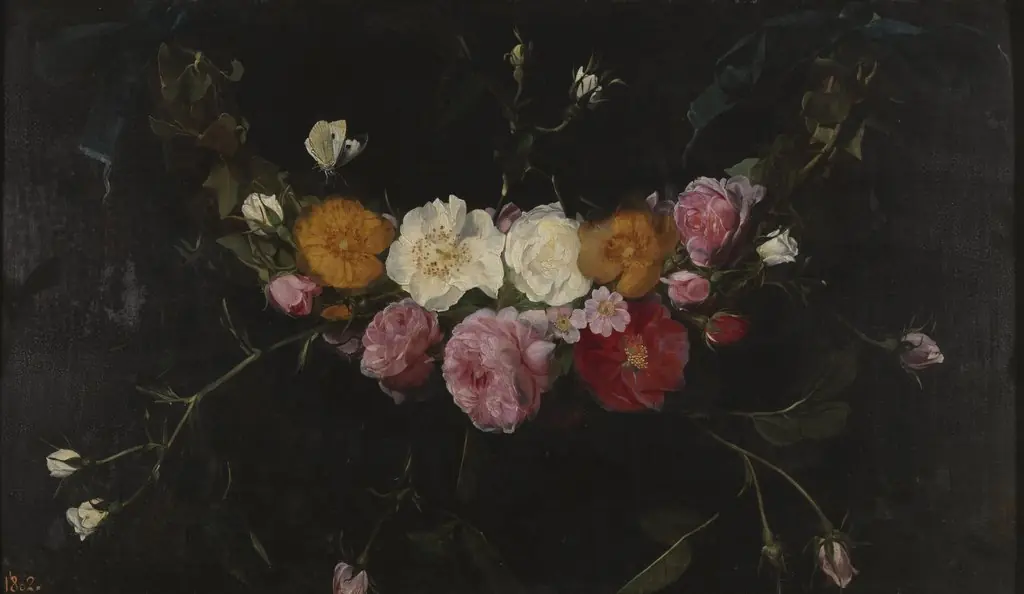 Garland of Roses
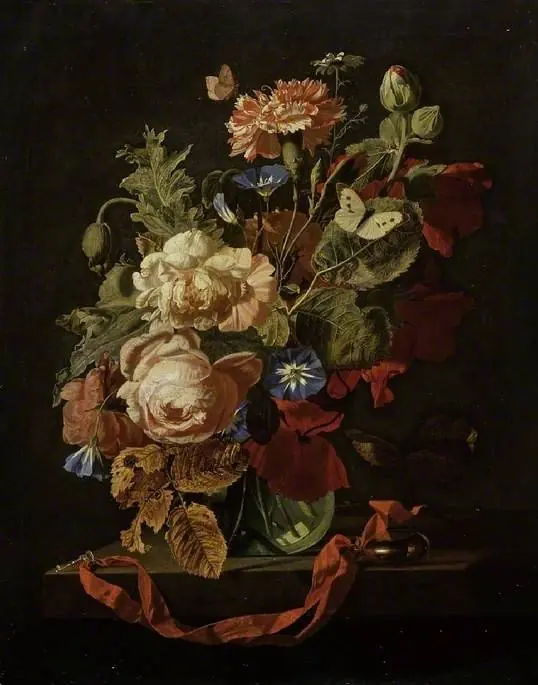 A Vase of Flowers
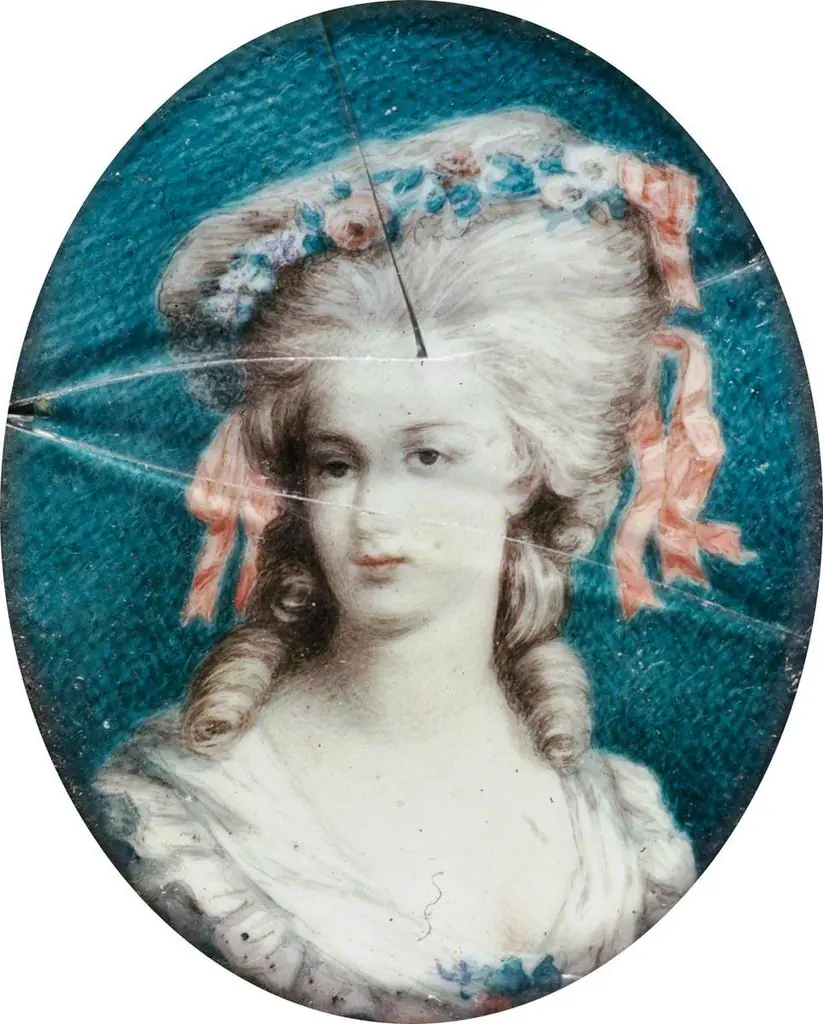 Portrait of a Woman with Flowers in Her Hair
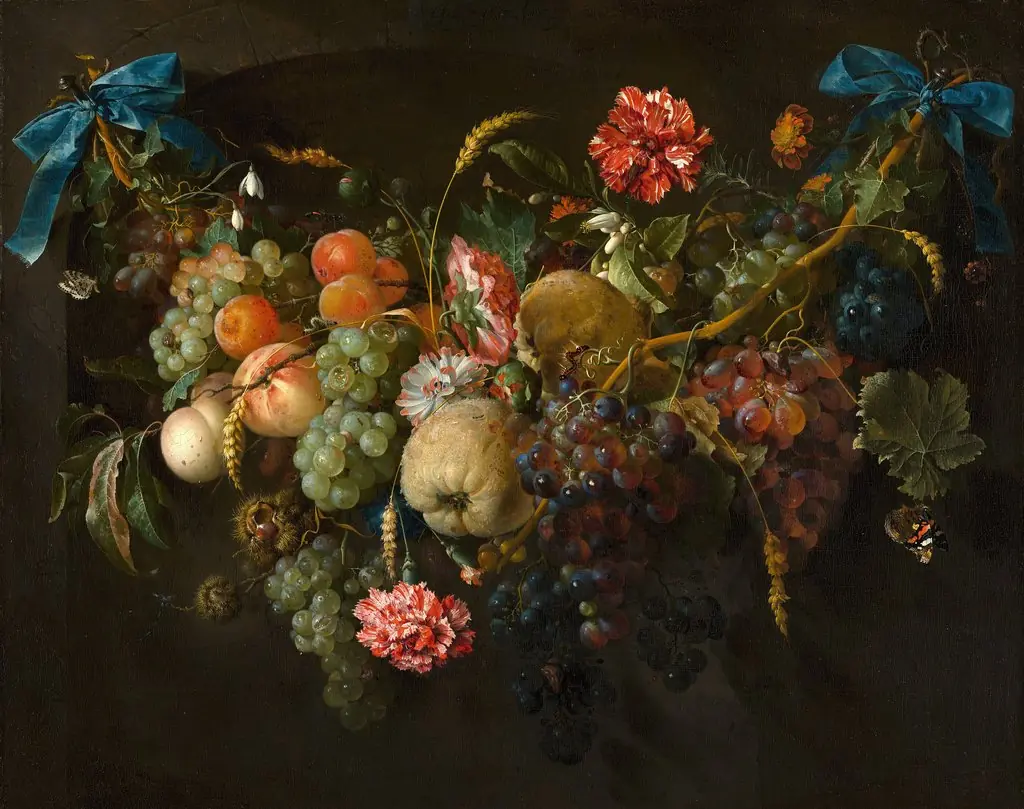 Garland of Fruit and Flowers
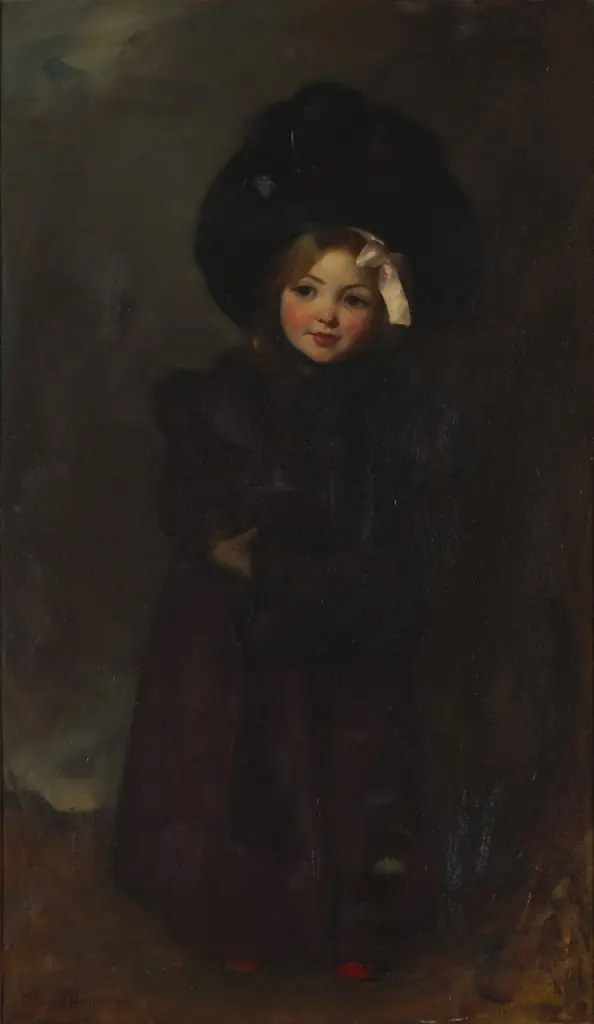 Gabrielle
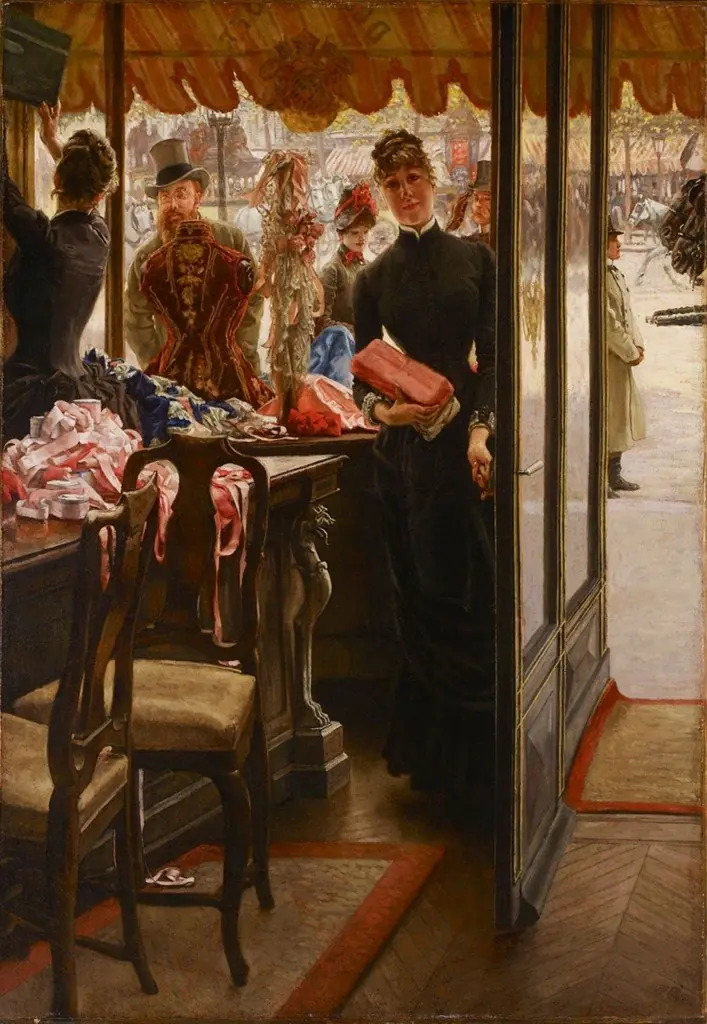 The Shop Girl
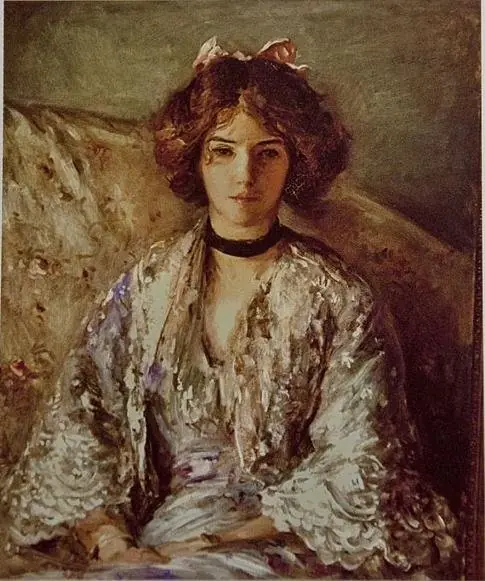 Portrait of Miss Ethel Warwick
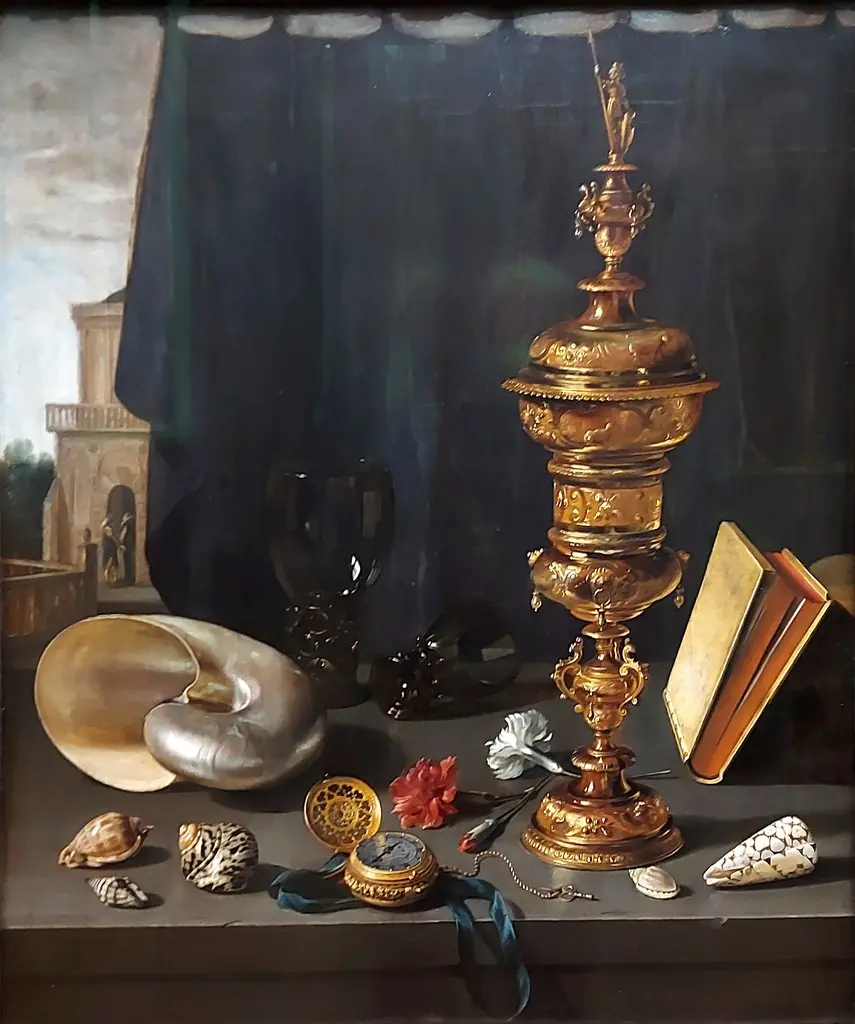 Still Life with a Tall Covered Beaker
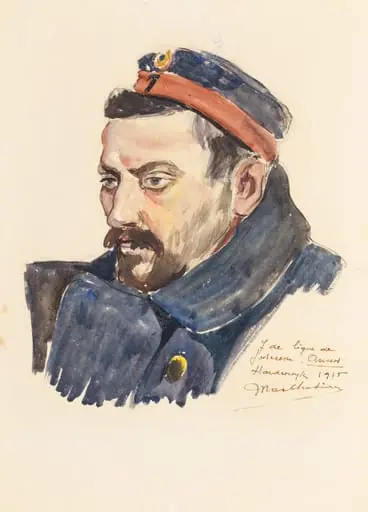 Soldat
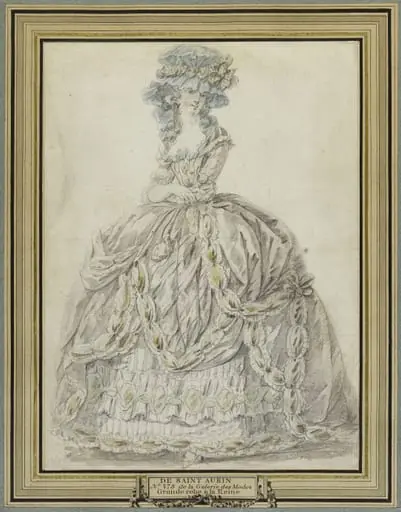 Grande robe à la reine
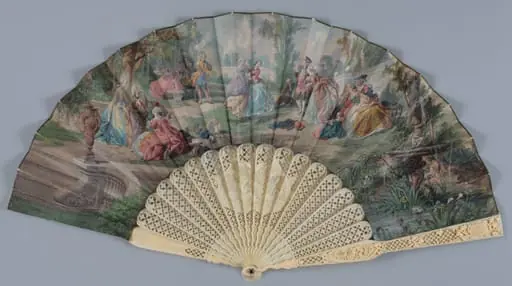 Eventail plié
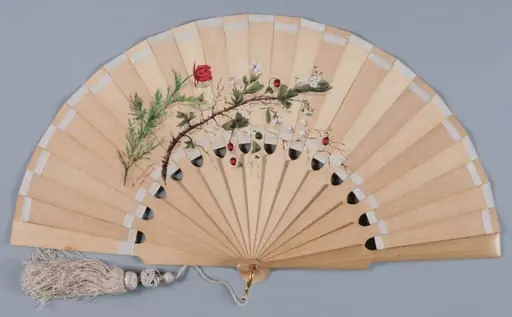 Eventail brisé
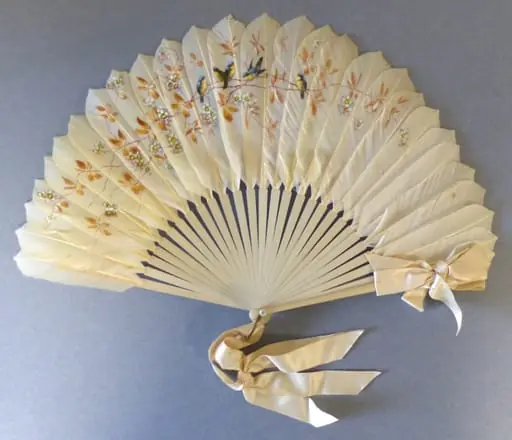 Eventail en plumes
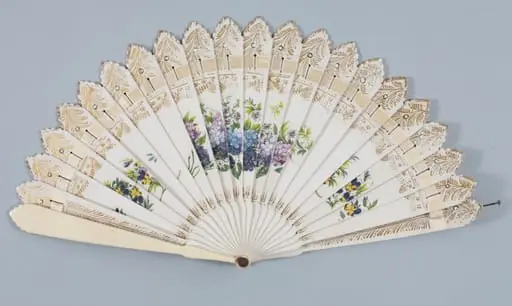 Eventail brisé
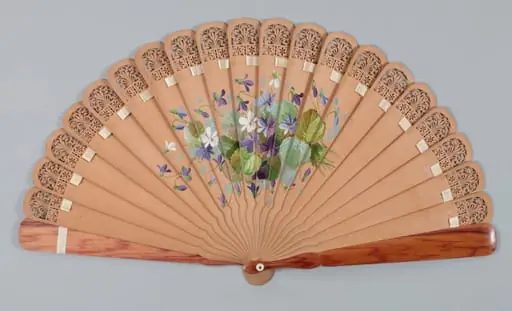 Eventail brisé
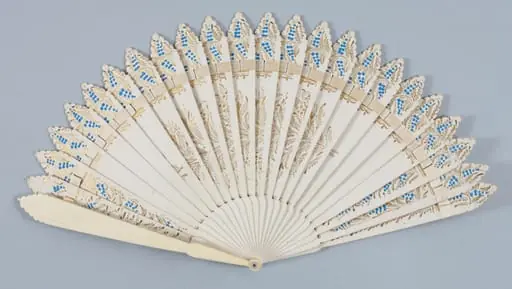 Eventail Carnet de bal
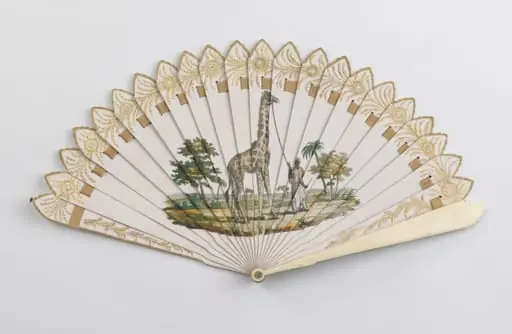 Eventail carnet de bal à la girafe
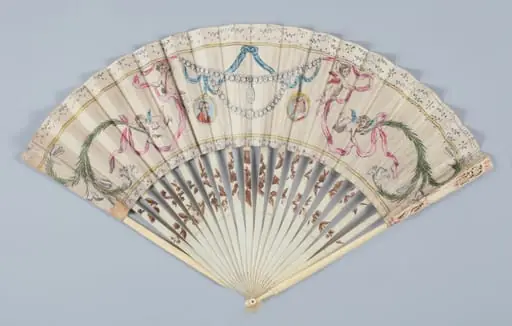 Eventail plié
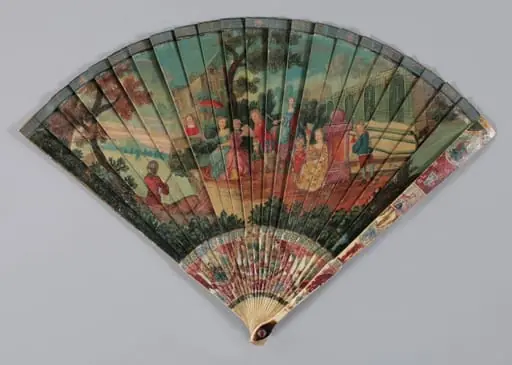 Eventail brisé
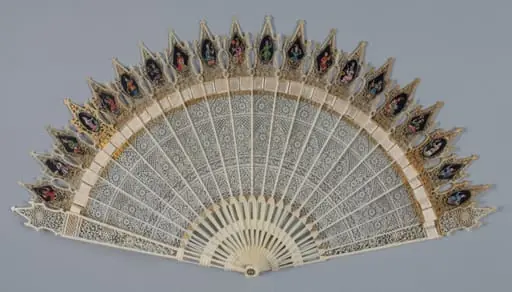 Aux Chinoiseries
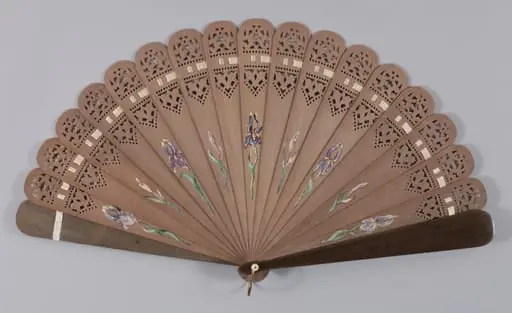 Eventail brisé
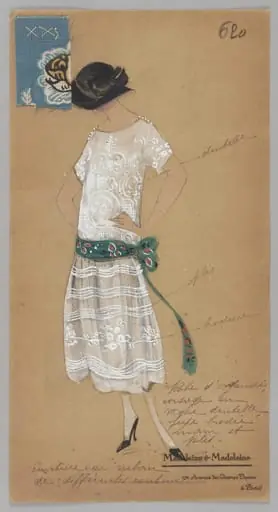 620
620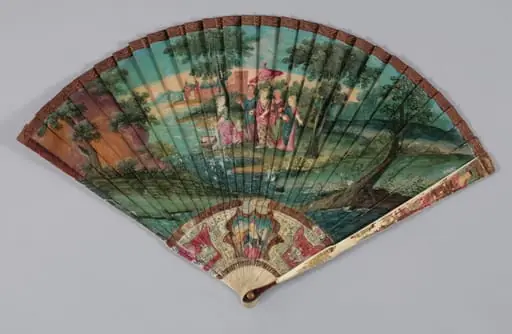 Eventail brisé
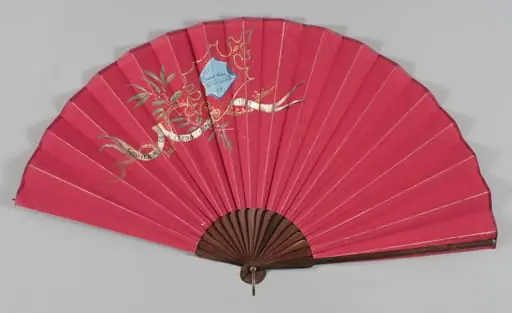 Eventail plié
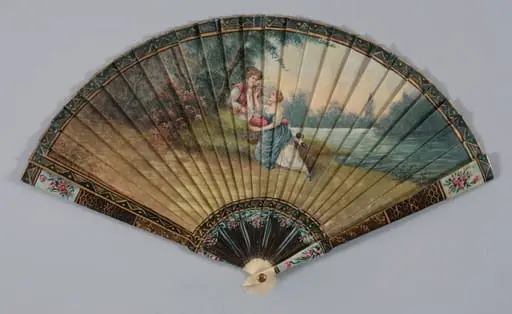 Eventail brisé
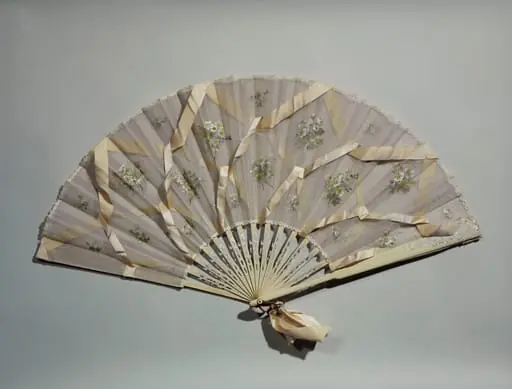 Eventail plié
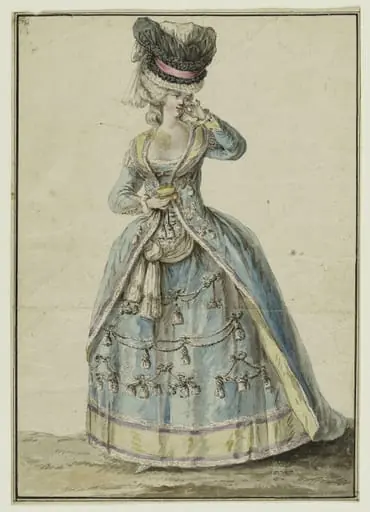 Habit en lévite enrichi de glands, d'épaulettes et de cordonets
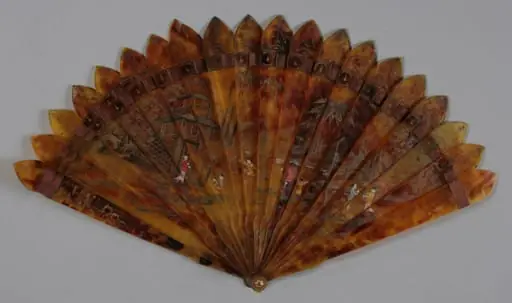 Eventail brisé
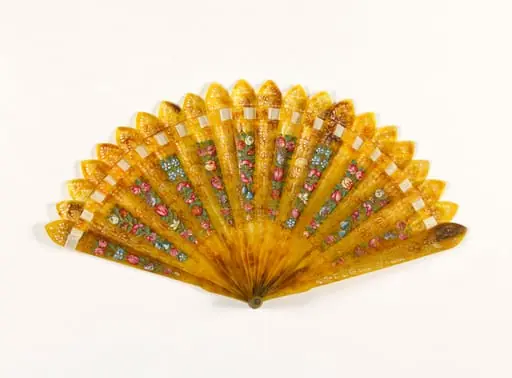 Eventail brisé
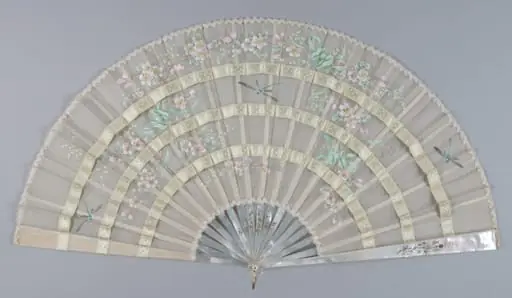 Eventail plié
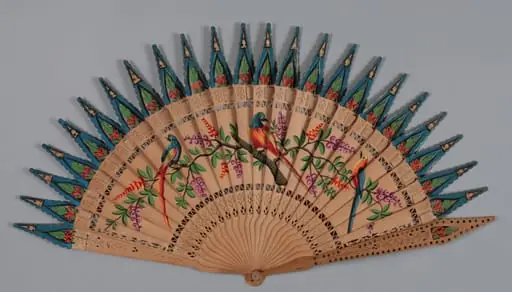 Eventail brisé à la cathédrale
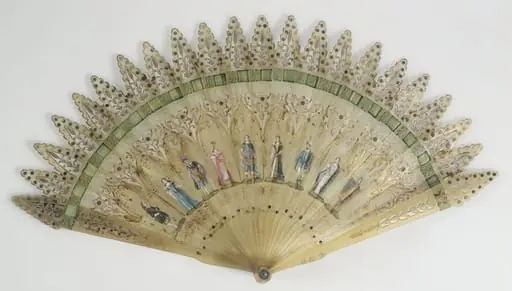 A la cathédrale
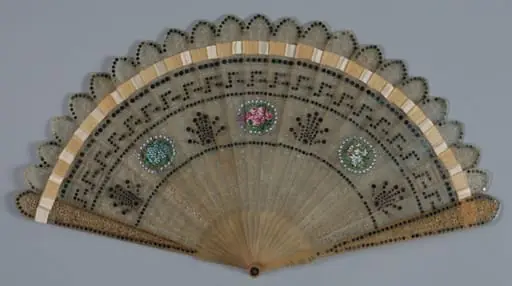 Eventail brisé
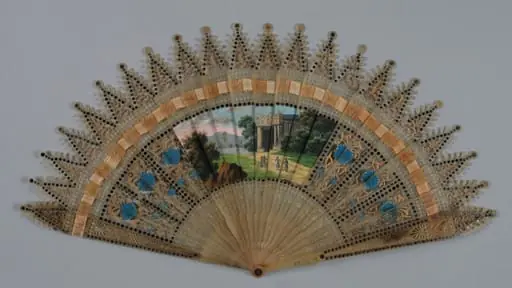 Eventail A la cathédrale
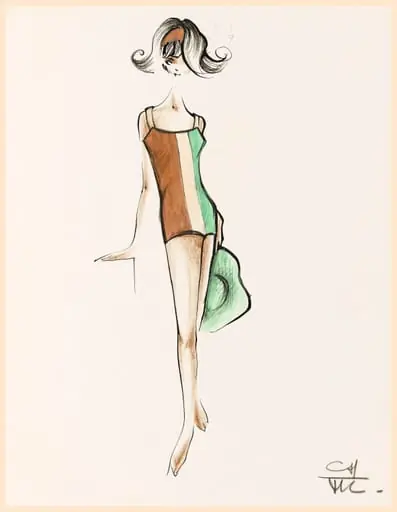 Sans titre
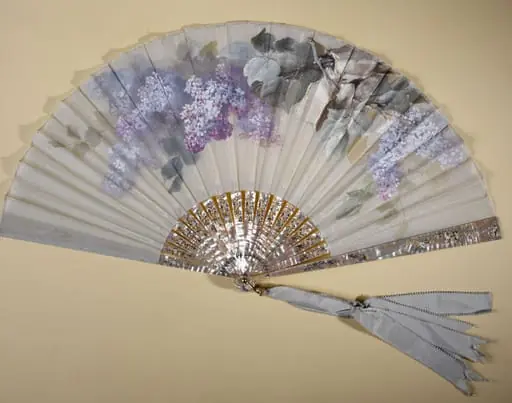 Eventail plié Les lilas
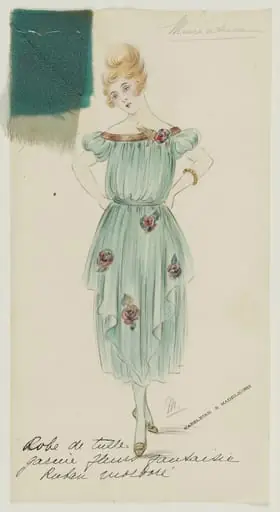 Miniature
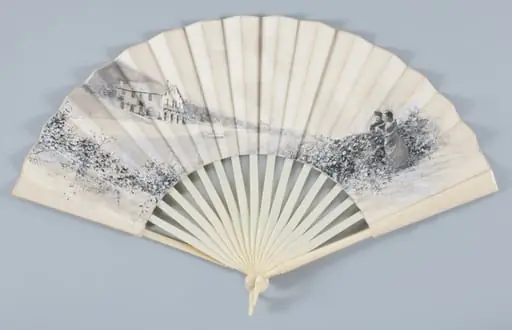 Eventail plié
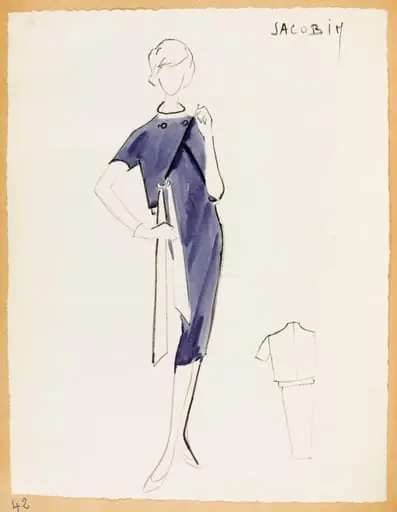 Jacobin
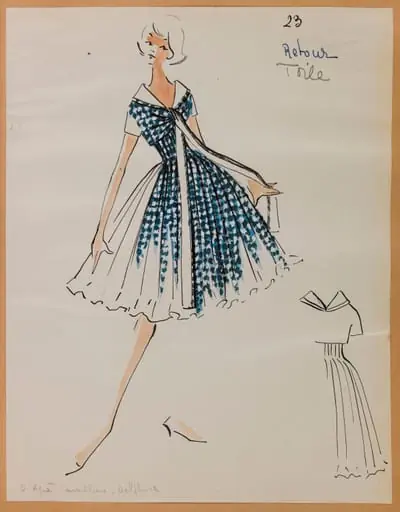 Robe à manche courtes à motif bleu et ruban partant de la poitrine
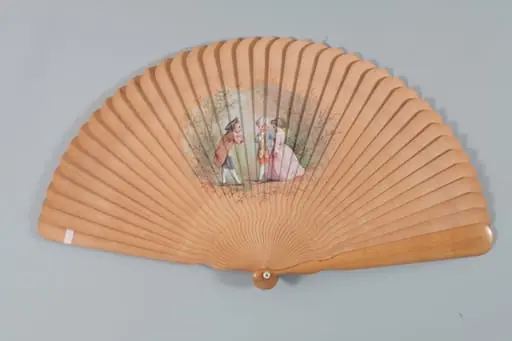 Eventail brisé
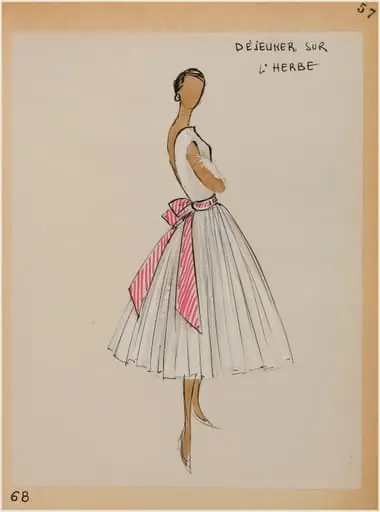 Déjeuner sur l'herbe
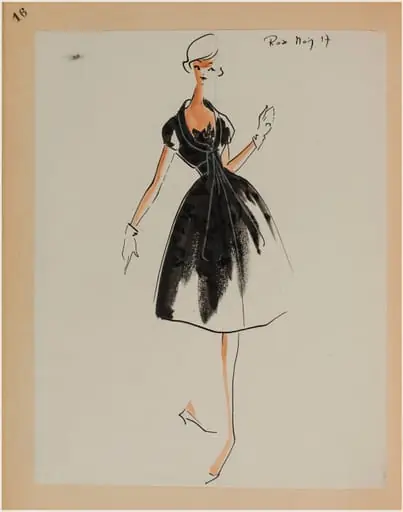 Rose noire
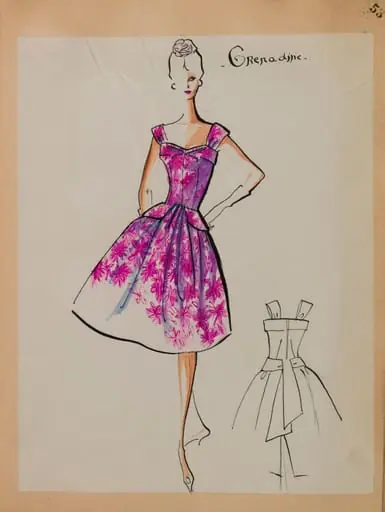 Grenadine
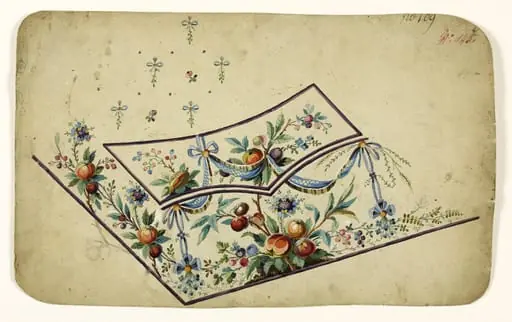 Composition de fruits sur branches et de baies avec guirlande de ruban à noeuds bleus, projets de broderies de gilet, XVIIIème siècle
 Portret de bătrână
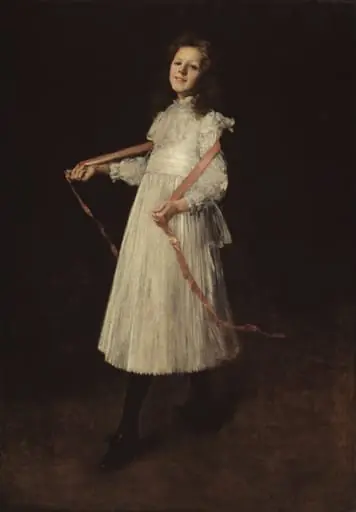 Alice
Alice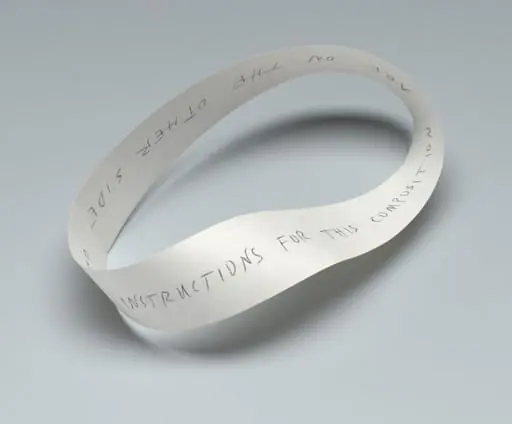 Untitled
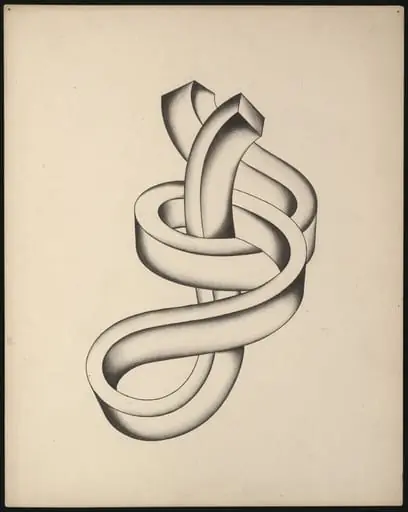 Untitled
Frequently asked questions
What is Ribbon?
Ribbon is a subject in art. A ribbon or riband is a thin band of material, typically cloth but also plastic or sometimes metal, used primarily as decorative binding and tying.
How many Ribbon works does Artifact World Gallery have?
Artifact World Gallery holds 114 public-domain Ribbon works, all free to view and download.
Who are the key Ribbon artists?
Key Ribbon artists in the collection include Lorenzo Lotto, Jean Honoré Fragonard and Francis William Edmonds.
Where can I see Ribbon works?
Ribbon works in the collection are held by Metropolitan Museum of Art, Palais Galliera - Musée de la Mode de la Ville de Paris and Rijksmuseum.