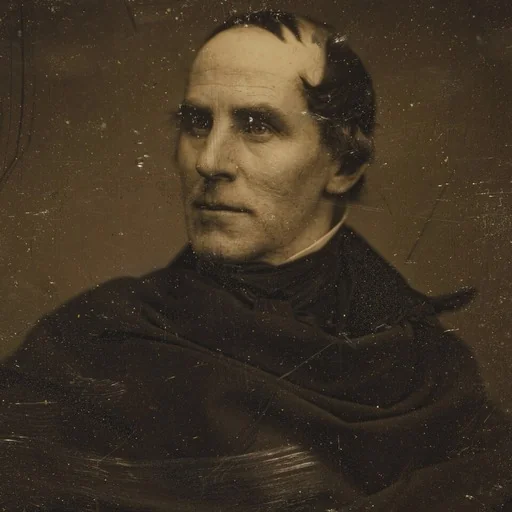
Subject
Profile
Profile is a subject in art. The gallery holds 84 works in this subject in art, including works by Thomas Cole, Edgar Degas and Jean Honoré Fragonard.
A silhouette is the image of a person, animal, object or scene rendered as a solid shape of a single colour—almost always black—whose edges match the outline of the subject. The interior is left featureless, the form usually set against a light ground, so that identity must be read entirely from contour: the slope of a nose, the set of a chin, the line of a bonnet or coat. The technique is ancient in spirit—the Greeks and Romans traced profiles, and the form recalls the black-figure decoration of antique pottery—but the silhouette as a distinct portrait genre is a creature of the eighteenth century.
The name is a piece of political mockery. It derives from Étienne de Silhouette, Louis XV's controller-general of finances in 1759, whose punishing austerity measures made his name a byword for anything cheap or pared-down; à la Silhouette came to mean "on the cheap," and the term attached itself to these inexpensive shadow-portraits. Their appeal was precisely that economy. Where an oil portrait or an ivory miniature was the preserve of the wealthy, a profile cut from black paper could be made in a minute or two with scissors, putting likeness within reach of the middling classes. The genre was also called a "shade" or, in German, Schattenriss.
Two techniques dominated. The freehand cutter worked directly with scissors and black paper, while mechanical aids ensured accuracy: profiles were traced from a sitter's shadow cast by a strong light, often via a camera obscura, and the physiognotrace—popularised at Charles Willson Peale's Philadelphia museum—let untrained operators reduce and reproduce a profile in quantity. The Swiss pastor Johann Caspar Lavater lent the form intellectual weight, arguing in his Essays on Physiognomy that character could be read from the precise lines of a profile, which helped catalyse a golden age of silhouette collecting.
The acknowledged master was the Frenchman Auguste Edouart, who from 1825 cut full-length likenesses by hand in England and America, producing thousands of figures whose posture and dress conveyed individuality. In Peale's circle the enslaved—then freed—artist Moses Williams cut thousands of profiles with the physiognotrace. Largely eclipsed by photography after the 1840s, the silhouette was reinvented in the 1990s by Kara Walker, whose room-sized cut-paper tableaux turn the genre's genteel associations against themselves to confront race, sexuality and violence—a striking afterlife for an art of pure outline.
Key artists

Overview
A profile is a two-dimensional depiction of a subject oriented to the side. In art, the profile portrait emphasizes the outline of the subject, capturing the distinct contour of the face or figure rather than frontal features. This orientation recurs throughout art history because it relies on the proportions and relationships of the bony structures of the face, such as the forehead, nose, and chin, rendering the image clear and simple. Research from Stanford University has shown that humans can extract accurate information about gender and age from a silhouette alone, making the profile an immediately recognizable and highly effective format for identification and representation.
Iconography & meaning
The profile carries specific visual and symbolic advantages. By isolating the outline, it strips away interior detail to focus on pure form and shape. In portraiture, the profile often conveys authority and permanence, a meaning established in antiquity through its use on coinage. The earliest human profile portrait appeared on coins from Lycia around 500 BC, and the practice of portraying rulers in profile on currency became firmly established by Alexander the Great and his successors. In character design for visual media, the profile remains crucial because the silhouette is the most identifiable shape of a figure. The profile is the opposite of an en face, or frontal, depiction, which engages the viewer directly, whereas the profile implies a detached, objective, or formal state.
Across movements & periods
The treatment of the profile has shifted significantly across periods and cultures. In ancient Greece, the silhouette and characteristic profile views were standard on black-figure pottery between the 7th and 5th centuries BCE. Pliny the Elder traced the origins of painting itself to the tracing of a human shadow in profile, recounting the myth of a young woman who traced her departing lover's shadow cast by lamplight on a wall, which her father then filled with clay to create a relief portrait. The early Renaissance saw a distinct fashion for painted profile portraits. By the mid-18th century, cutting profiles from black card became a popular and cheap alternative to the portrait miniature, with skilled artists cutting bust portraits by eye in minutes. These were initially called profiles or shades, and the term silhouette was not applied to this art until the early 19th century, derived from Etienne de Silhouette, a French finance minister whose name became synonymous with cheapness during the Seven Years' War credit crisis.
Notable depictions
Beyond the ancient coin portraits of Lycia and Alexander the Great, notable historical depictions of the profile include the early Renaissance painted portraits of figures such as Federico da Montefeltro. In the 18th and 19th centuries, the profile was popularized through three primary methods: painting on ivory, plaster, paper, or glass; hollow cutting, where the negative image was cut from light paper and laid on a dark background; and the cut and paste method, where the figure was cut from dark paper and pasted onto a light background. From around 1790, artists also drew outlines on paper and painted them in, a method that could be executed quickly.
Legacy
The legacy of the profile extends far beyond its origins in cut paper and Renaissance portraiture. From its original graphic meaning, the term silhouette has been extended to describe any sight or representation of a person, object, or scene that is backlit and appears dark against a lighter background. The concept has also been adopted in fields such as fashion, fitness, and concept art to describe the shape of a body or the shape created by clothing of a particular style or period. The tradition of cutting silhouette profiles from black card has continued into the 21st century, preserving the historical technique while the underlying principles of outline recognition remain fundamental to modern visual design.
Works
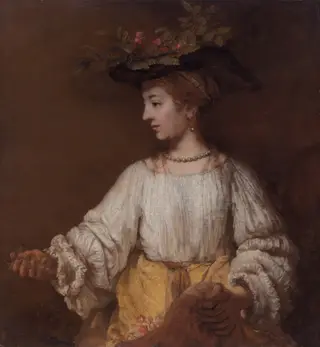 Flora
Flora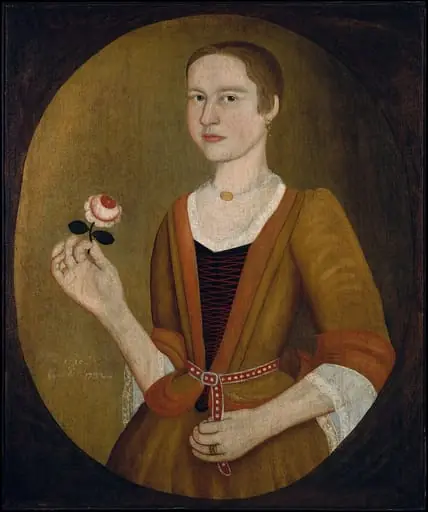 Young Lady with a Rose
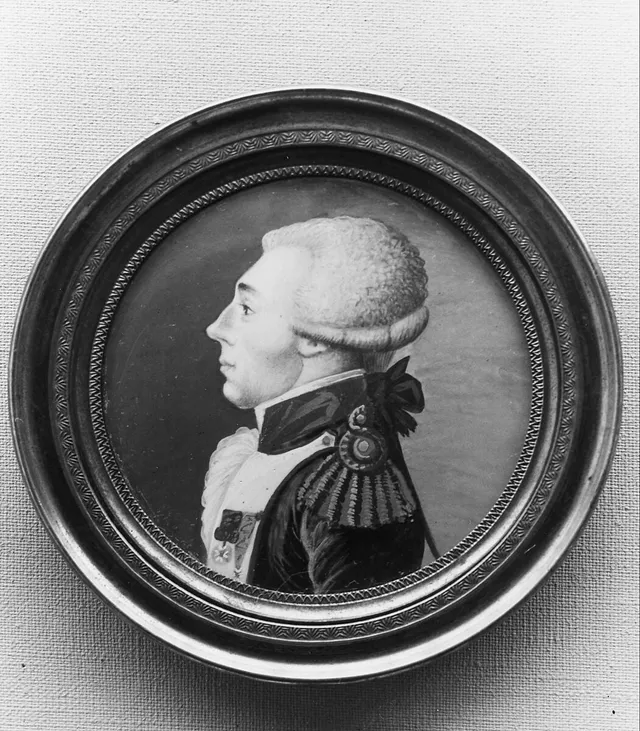
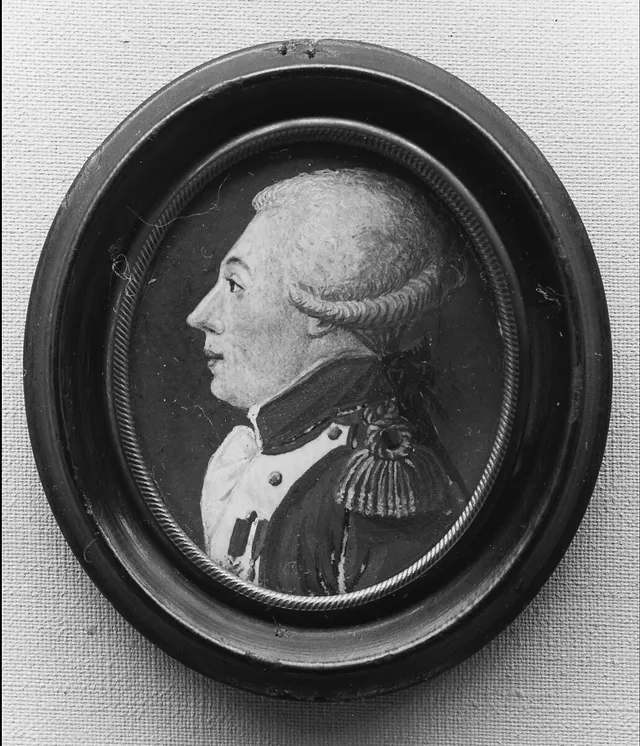
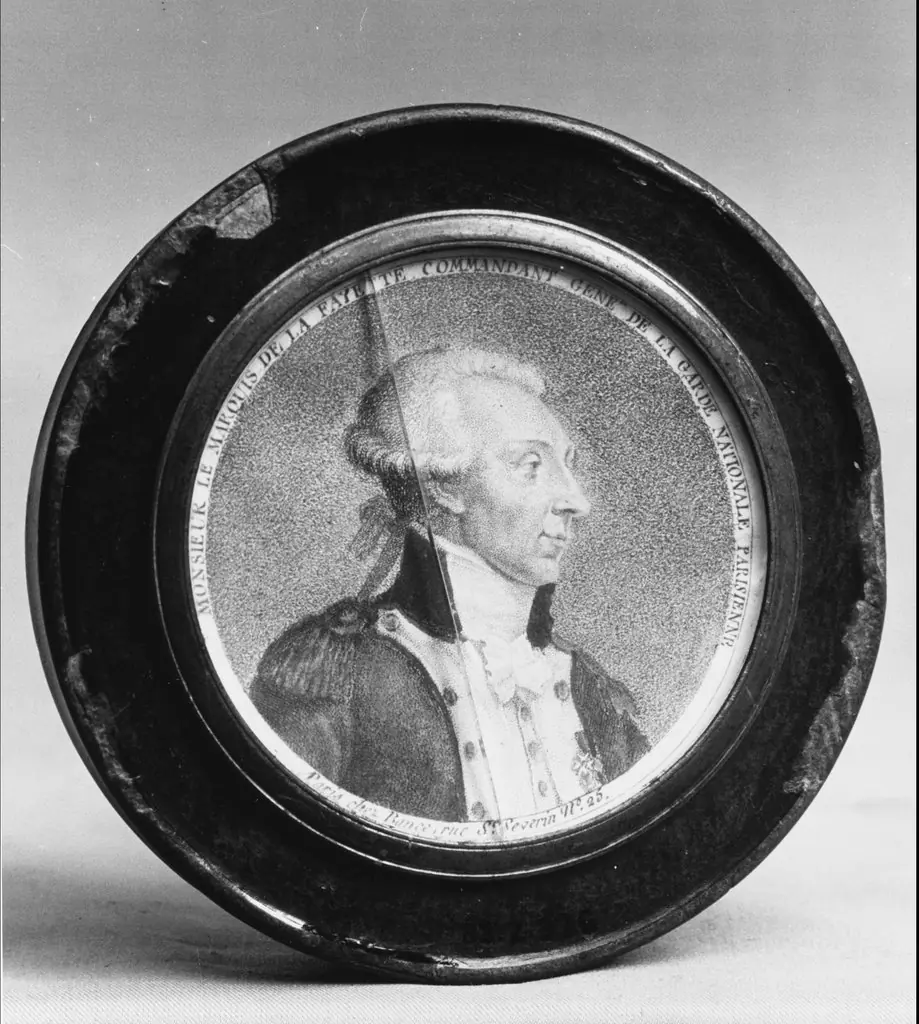 Portrait Miniature of the Marquis de Lafayette
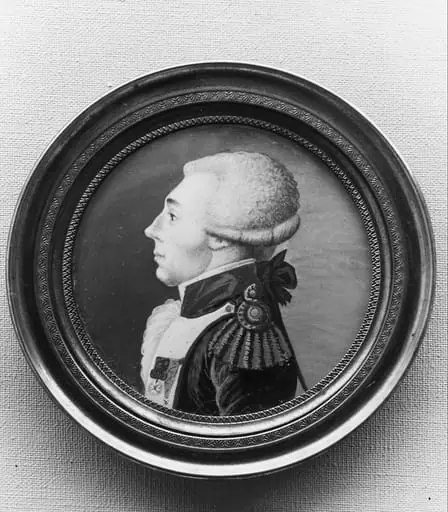 Portrait Miniature of the Marquis de Lafayette
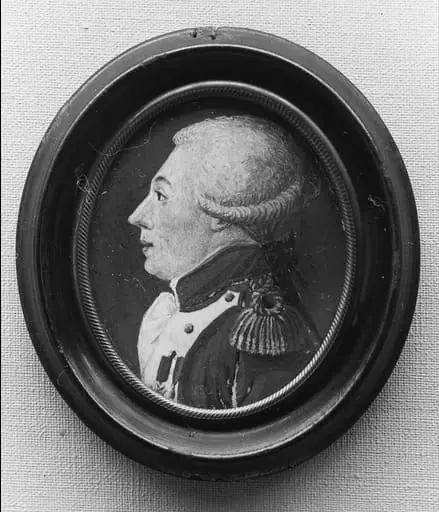 Portrait Miniature of the Marquis de Lafayette
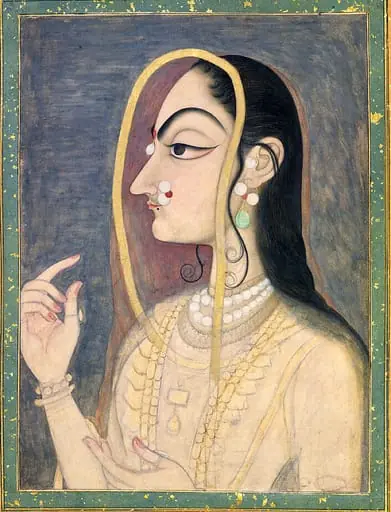 Untitled
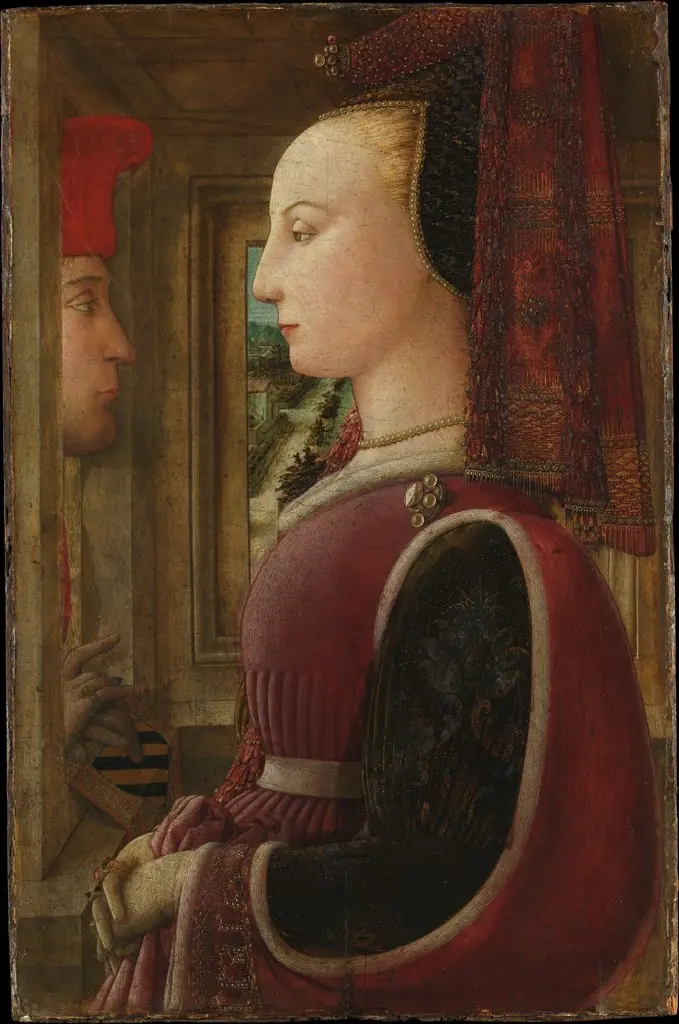 Portrait of a Woman with a Man at a Casement
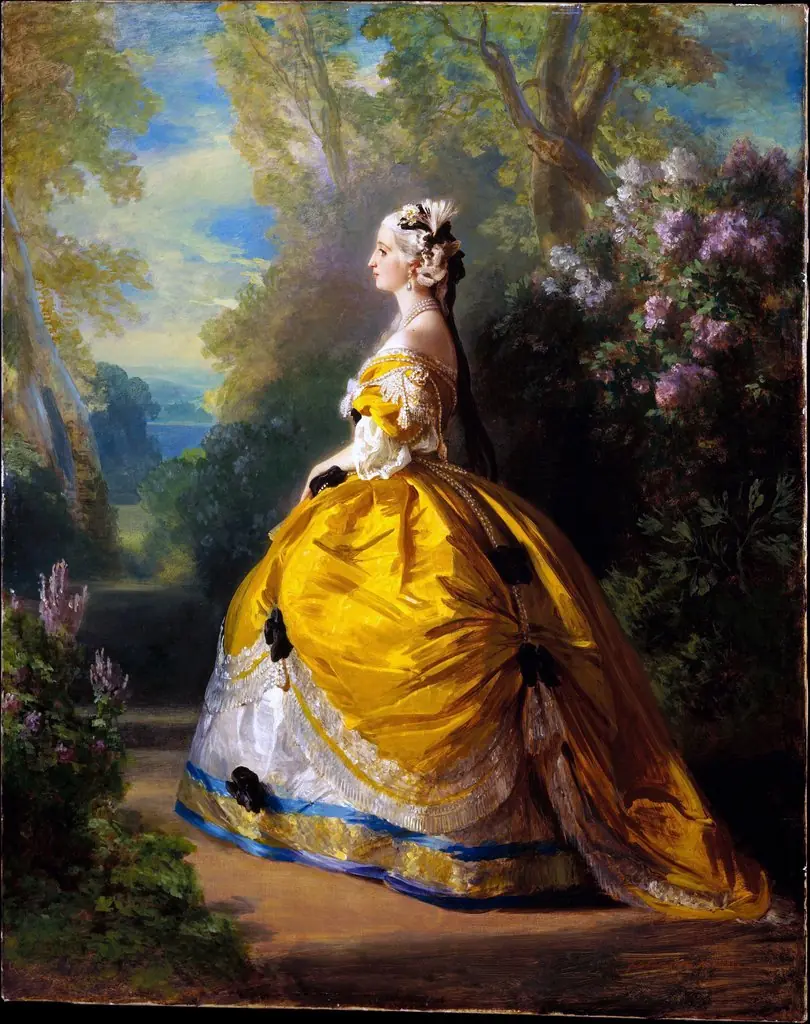 Portrait of Empress Eugénie de Montijo
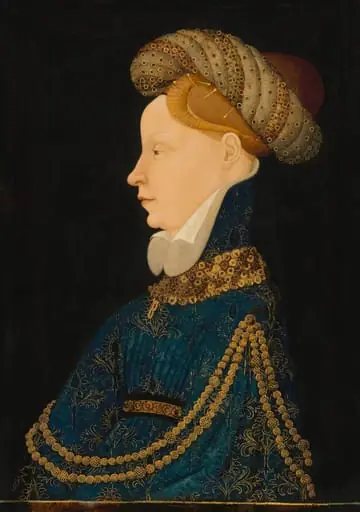 Profile Portrait of a Lady
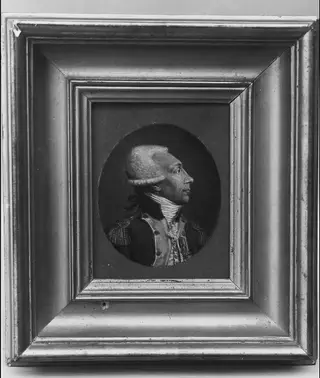 Portrait of the Marquis de Lafayette
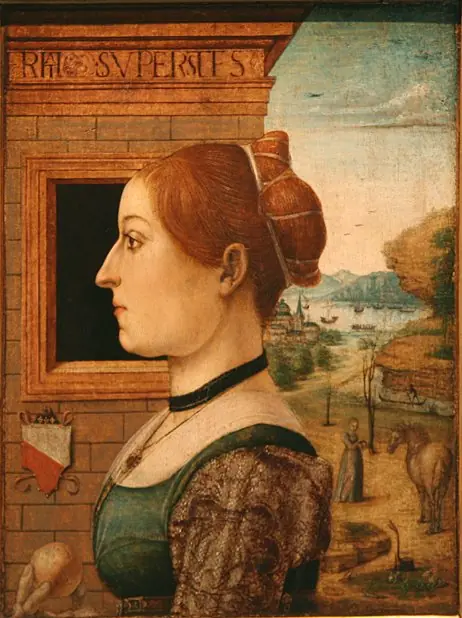 Portrait of a Woman, possibly Ginevra d'Antonio Lupari Gozzadini
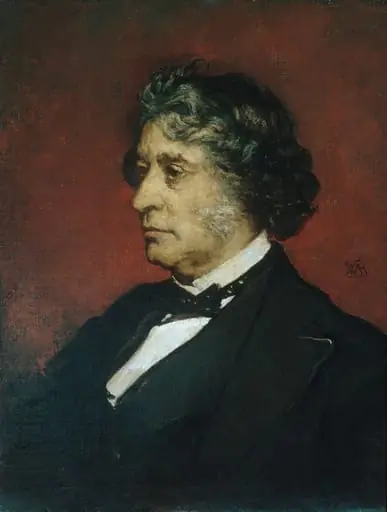 Charles Sumner
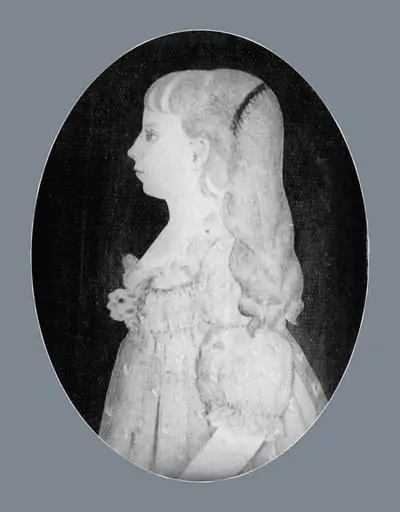 Mary House
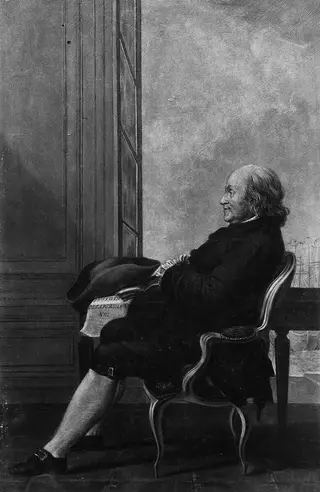 Benjamin Franklin
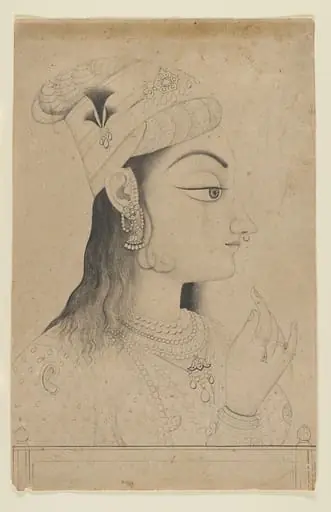 Untitled
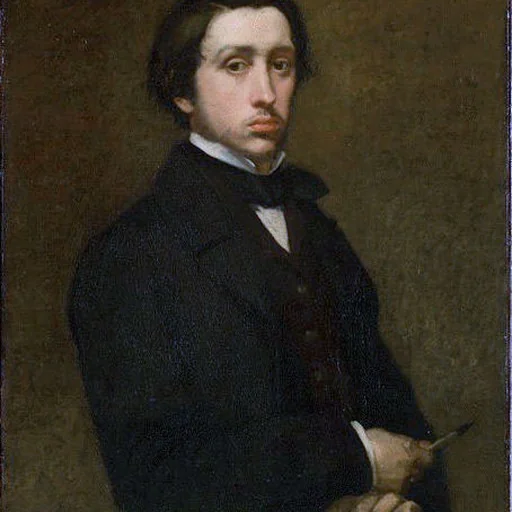
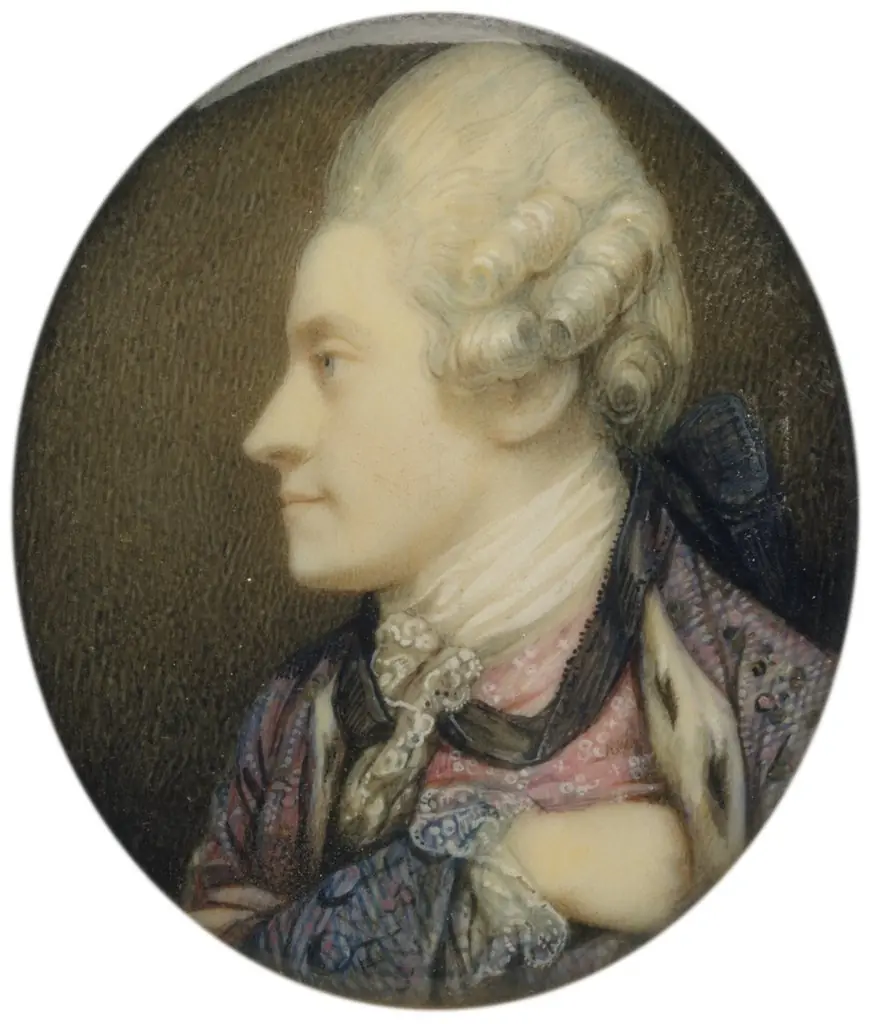 Self-Portrait
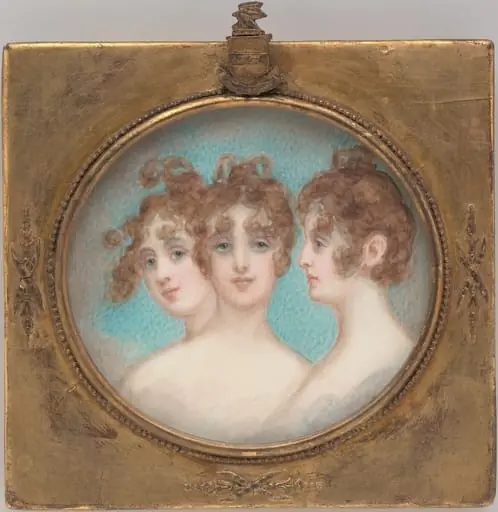 Madame Jerome Bonaparte (Elizabeth Patterson)
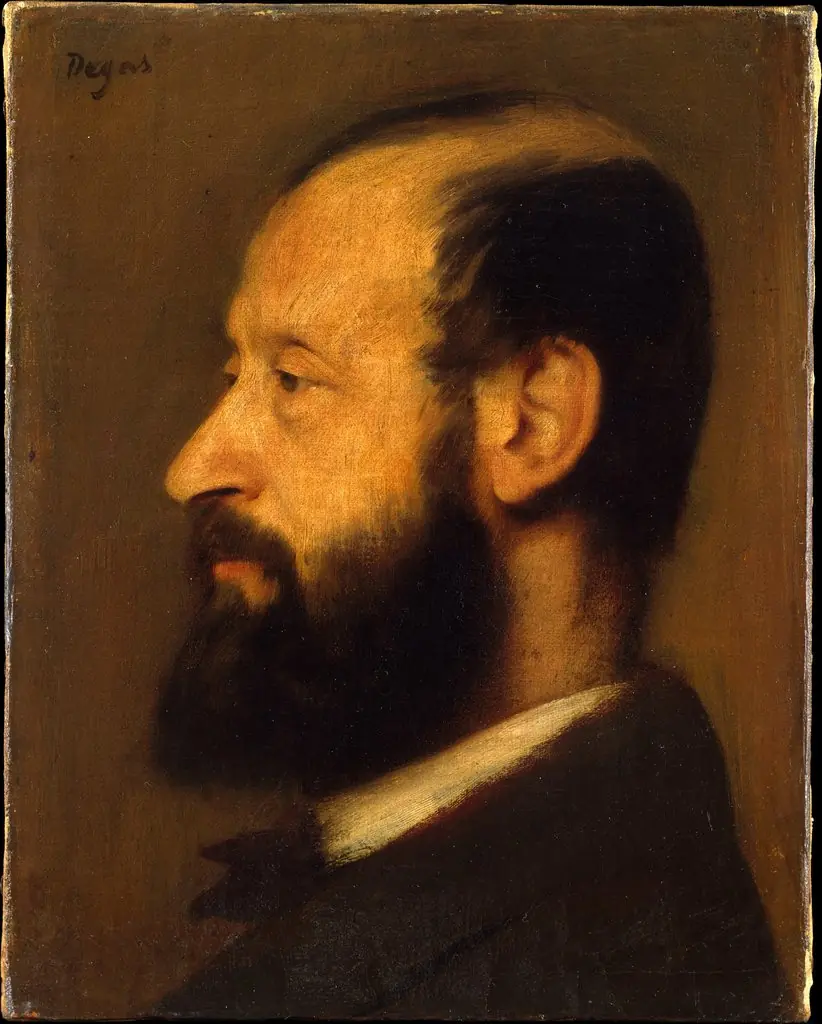 Joseph-Henri Altès (1826–1895)
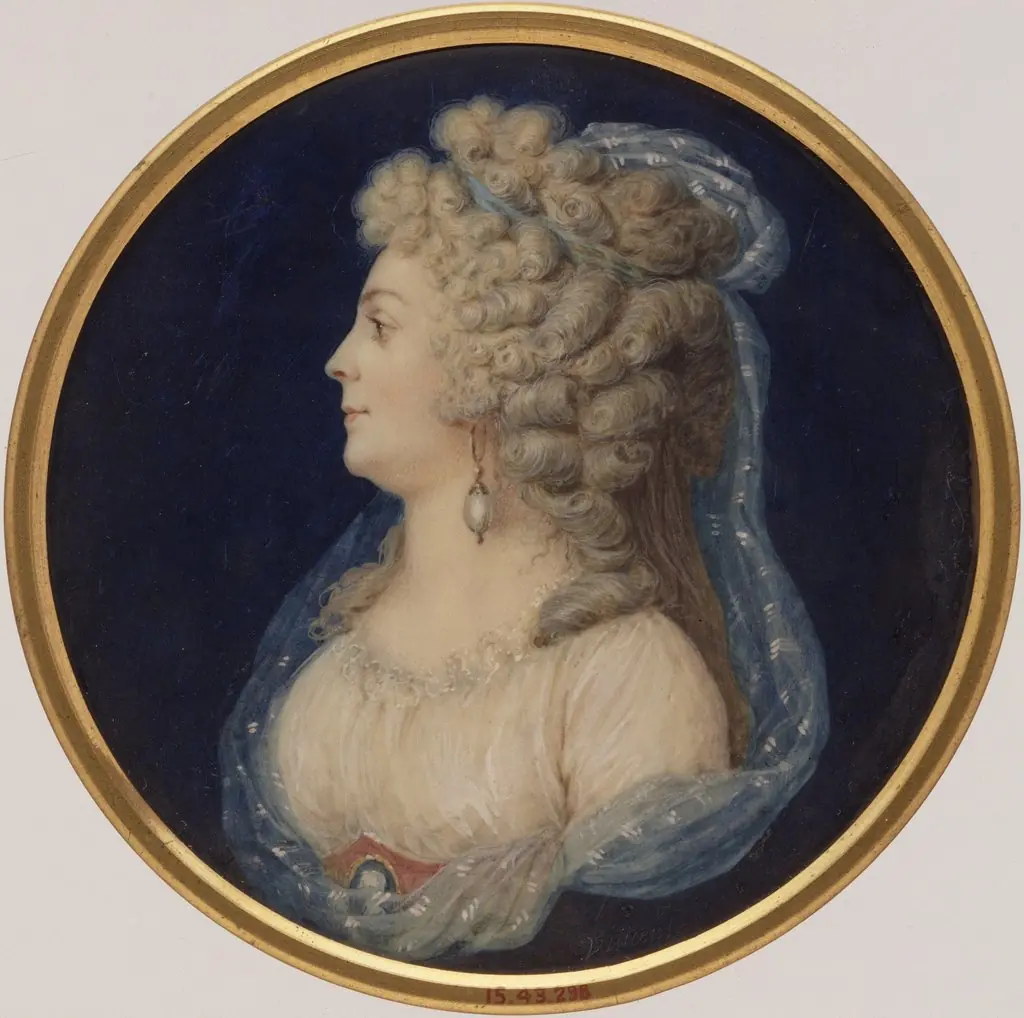 Madame Ingouf
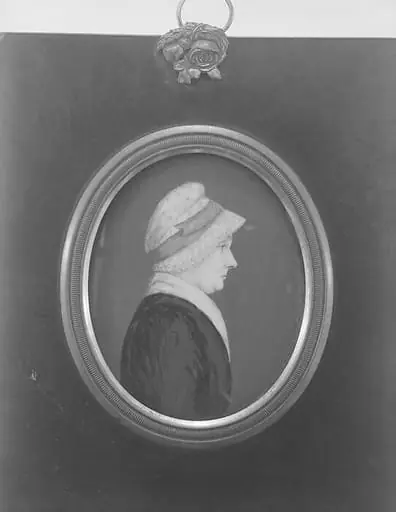 Mrs. David Howe (Sarah Whitney)
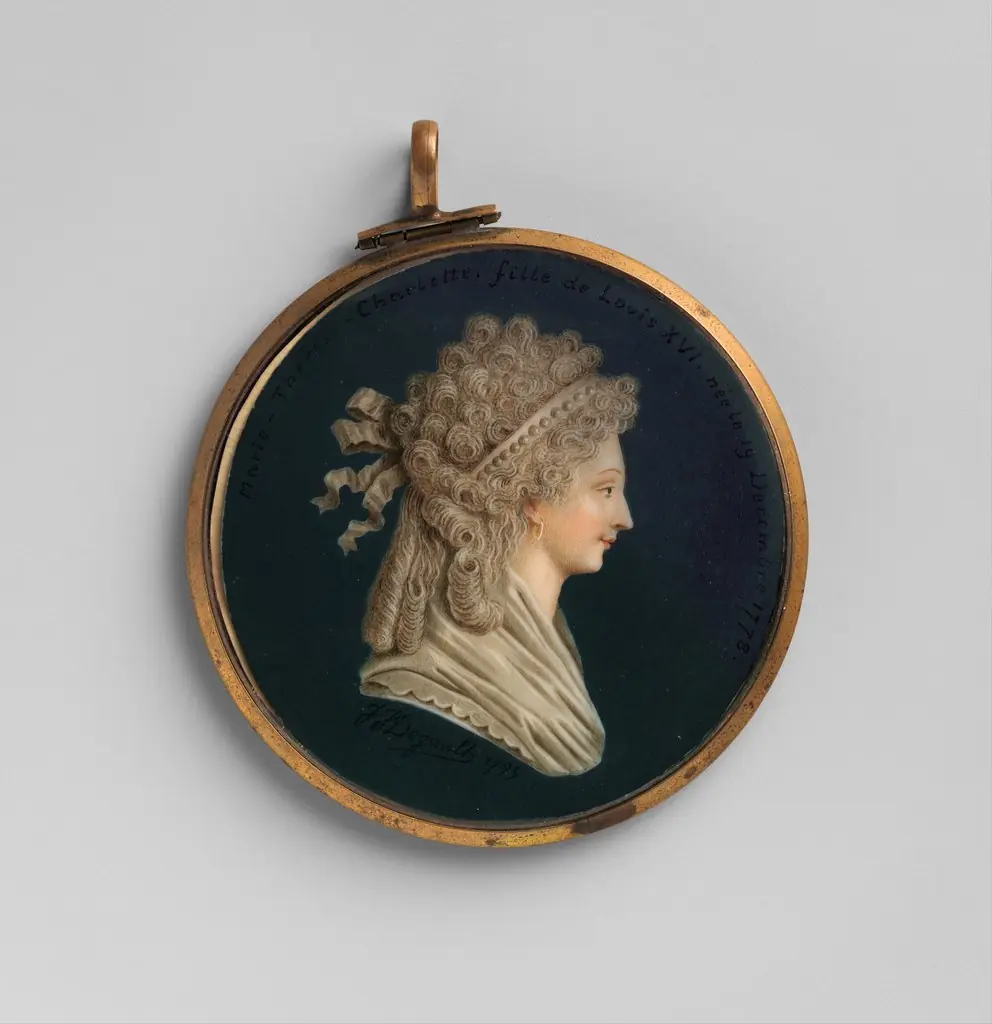 Marie-Thérèse-Charlotte (1778–1851), Daughter of Louis XVI
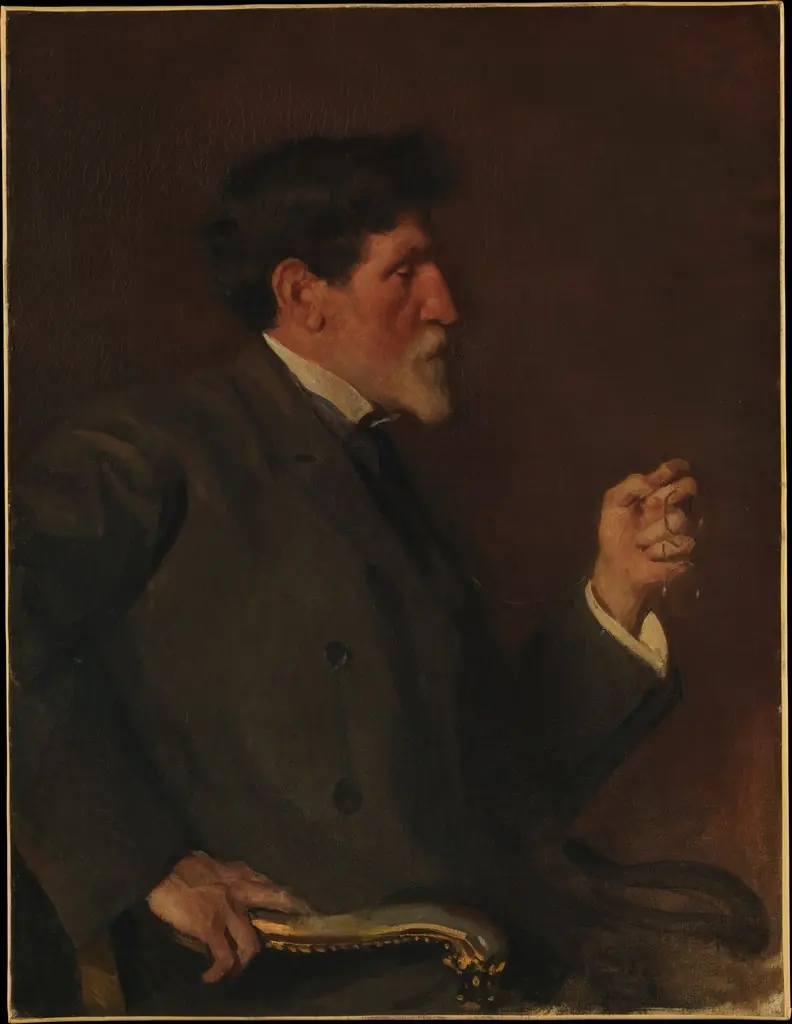 Portrait of Augustus Saint-Gaudens
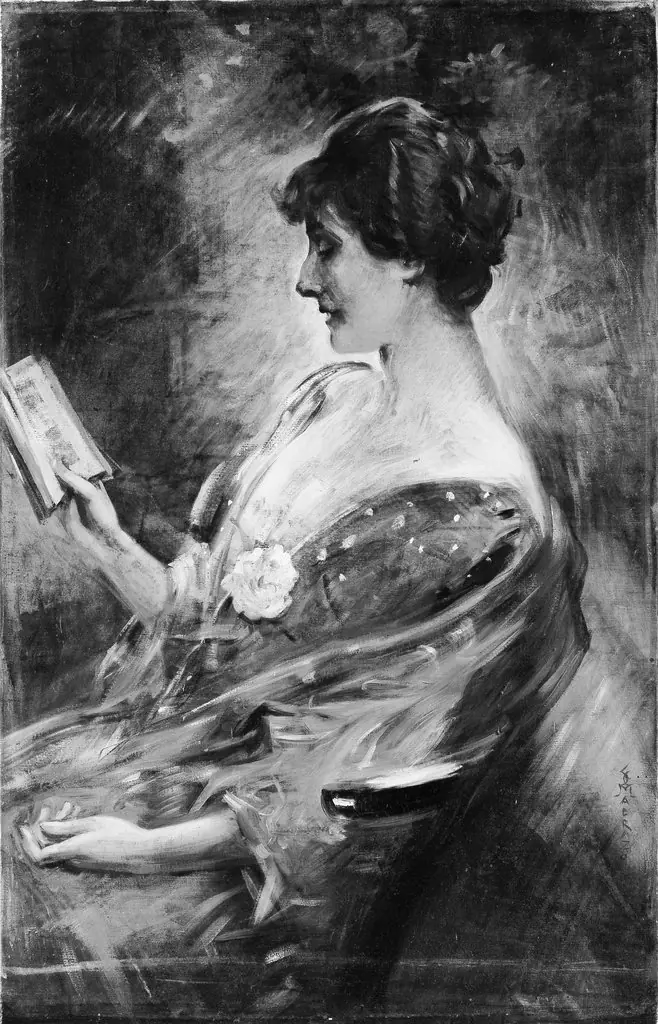 Laure de Sade, Comtesse Adhéaume de Chevigné
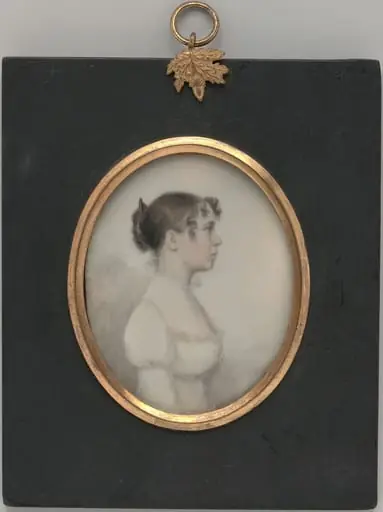 Portrait of a Lady
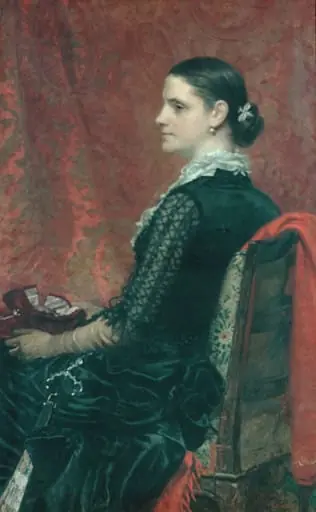 Mrs. Thomas Hicks
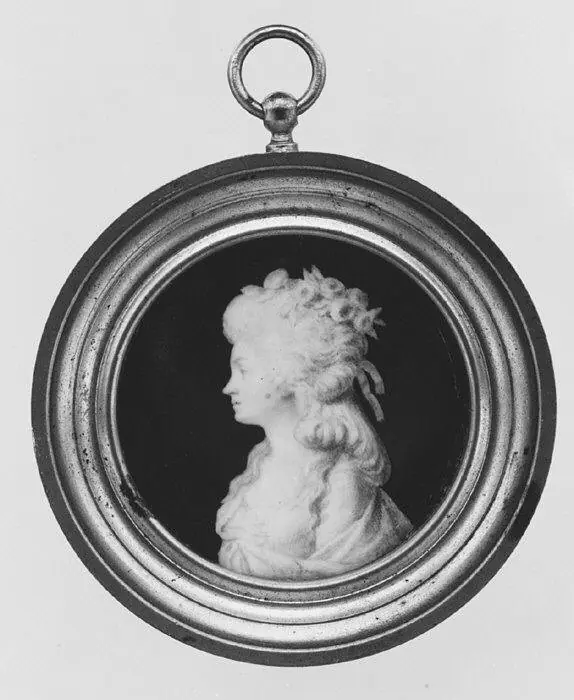 Portrait of a Young Woman
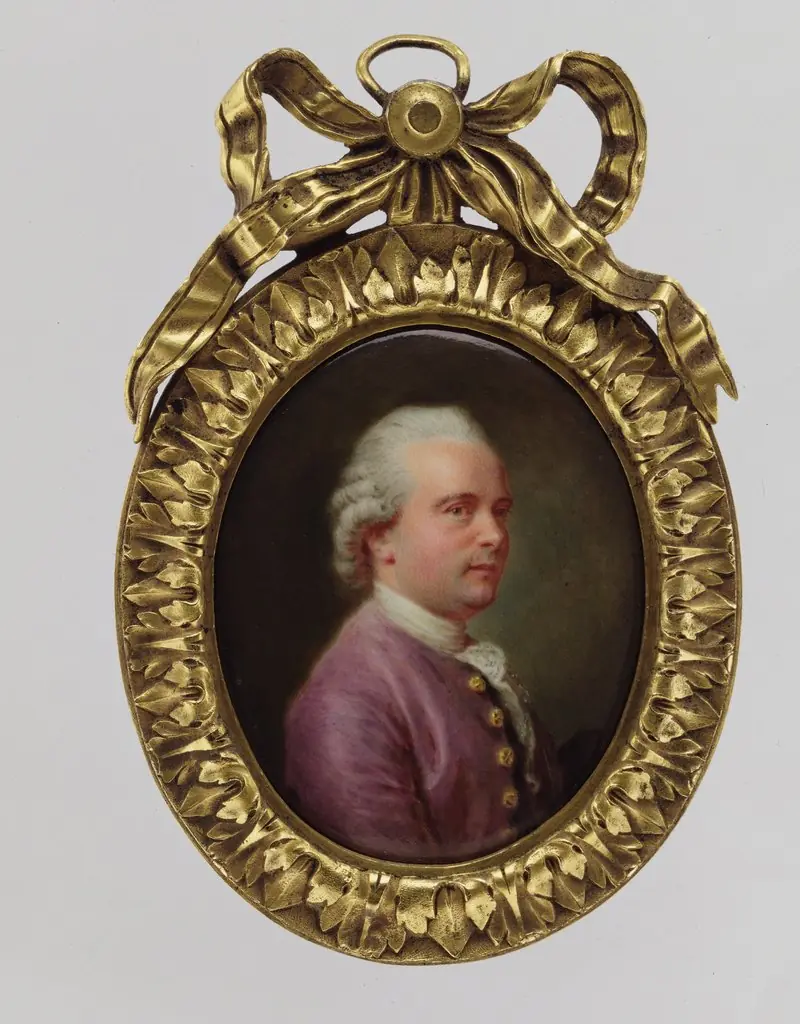 Abbé Charles Bossut (1730–1814)
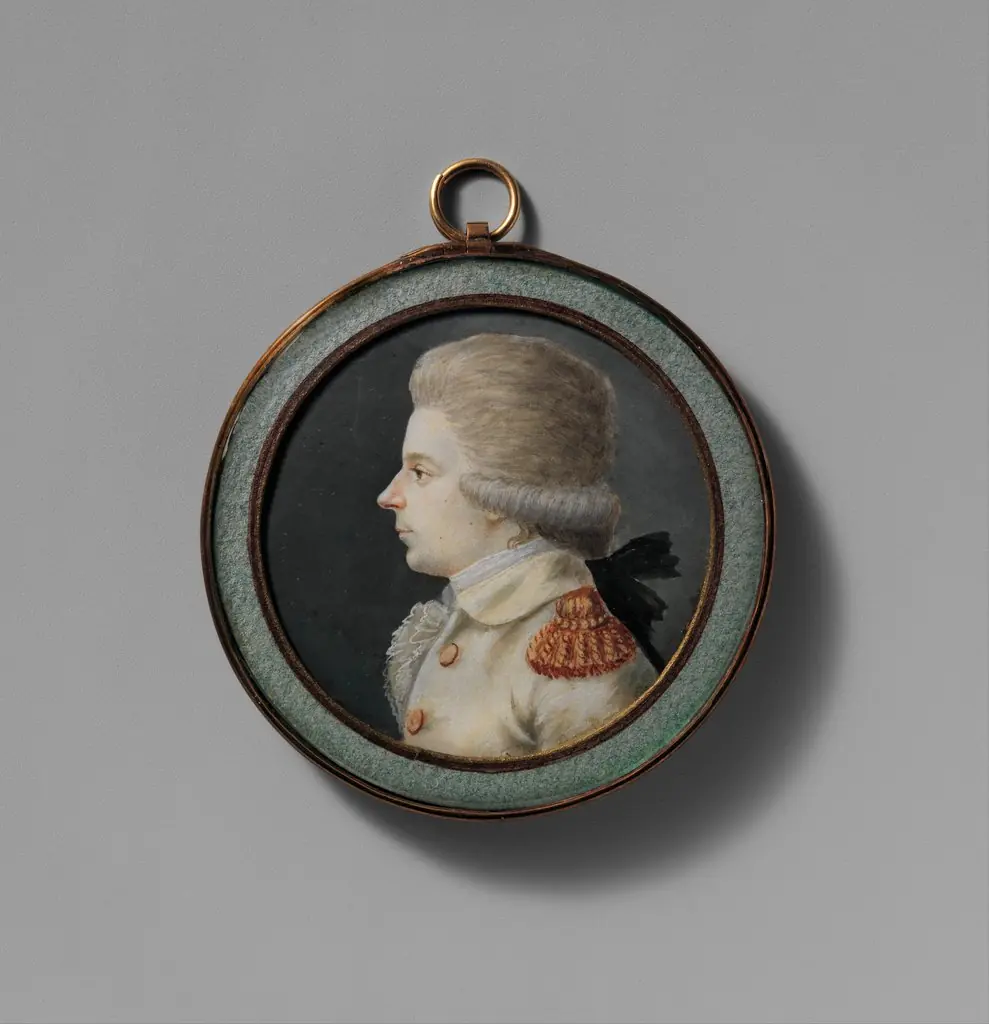 Portrait of a Man
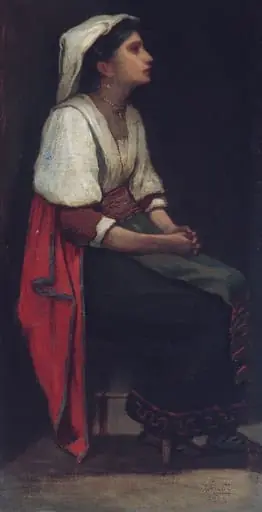 Italian Girl
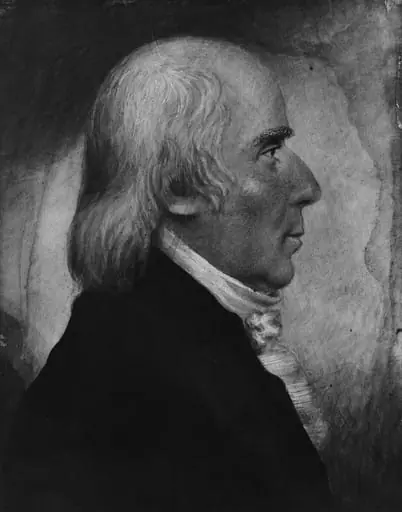 Robert Dugan
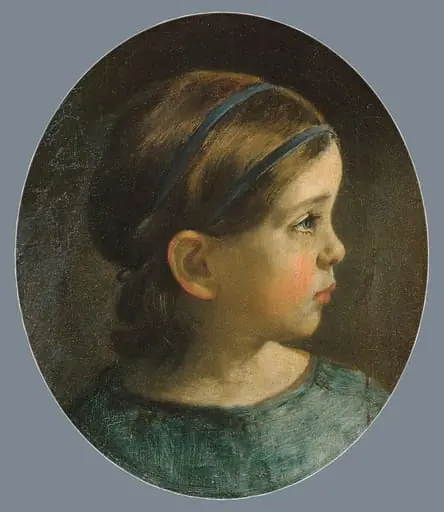 Daughter of William Page (Probably Mary Page)
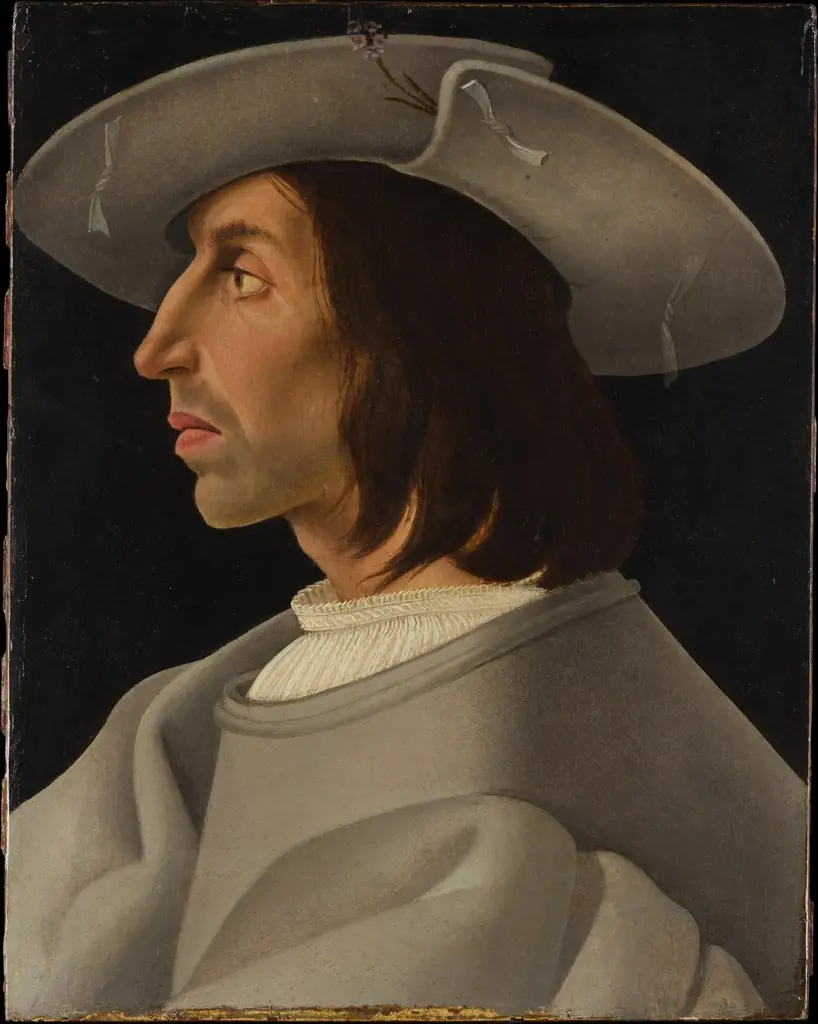 Portrait of a Man in Profile
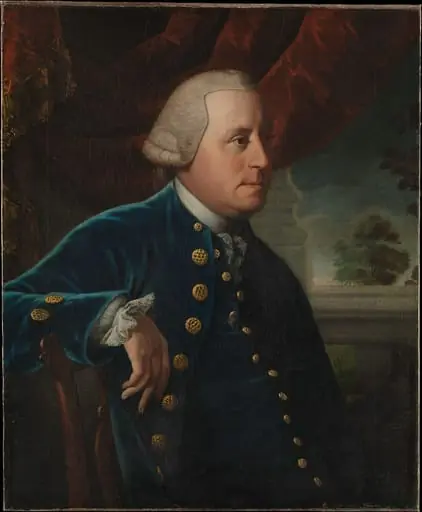 Reynold Keen
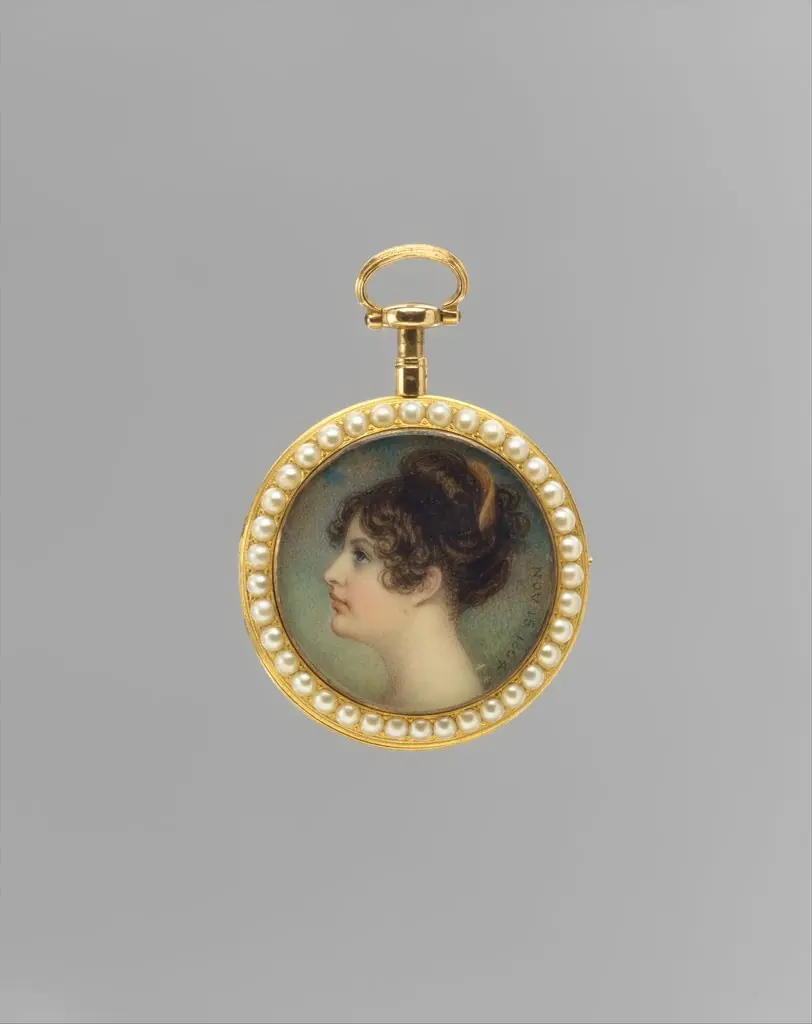 Portrait of a Woman, Said to Be Emma (1765–1815), Lady Hamilton
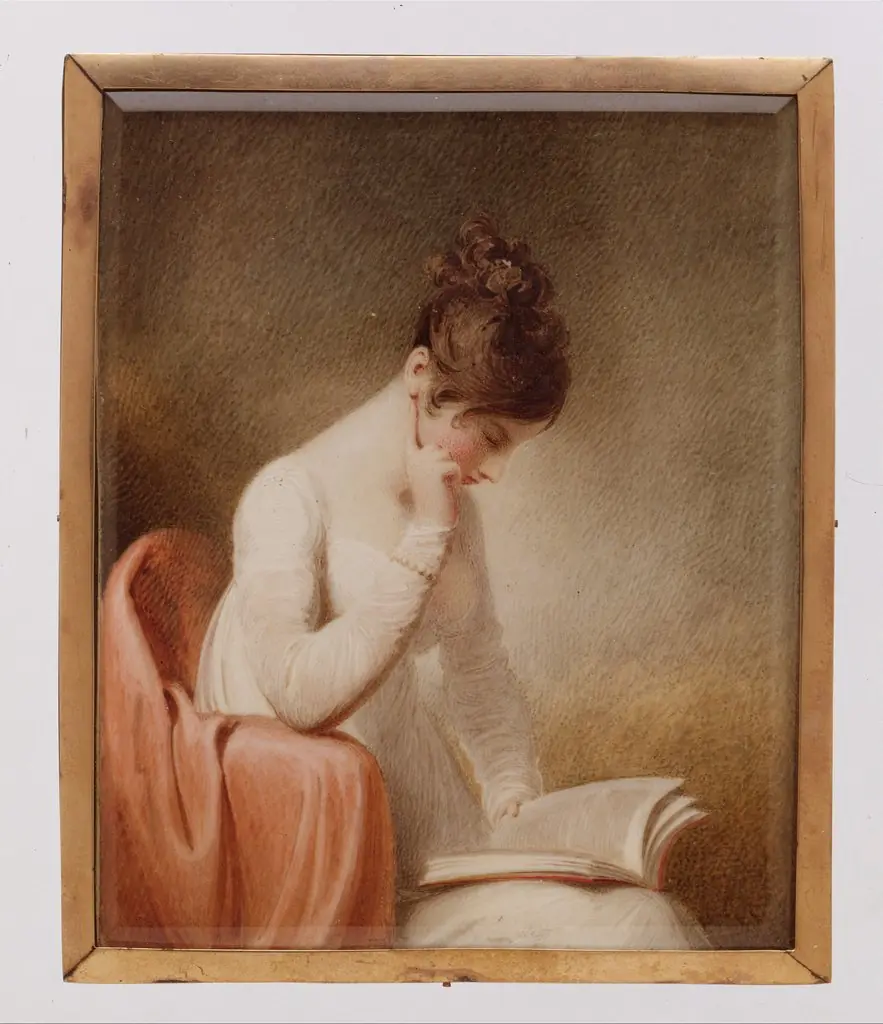 An Interesting Story (Miss Ray)
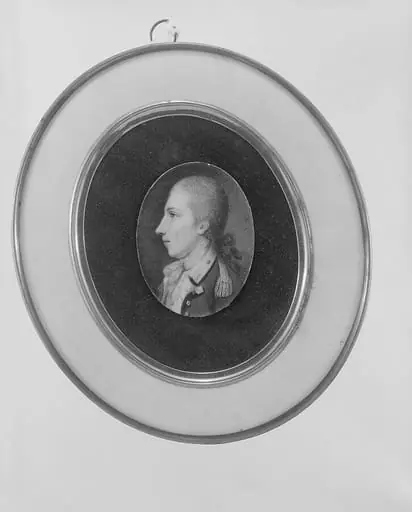 Richard Montgomery
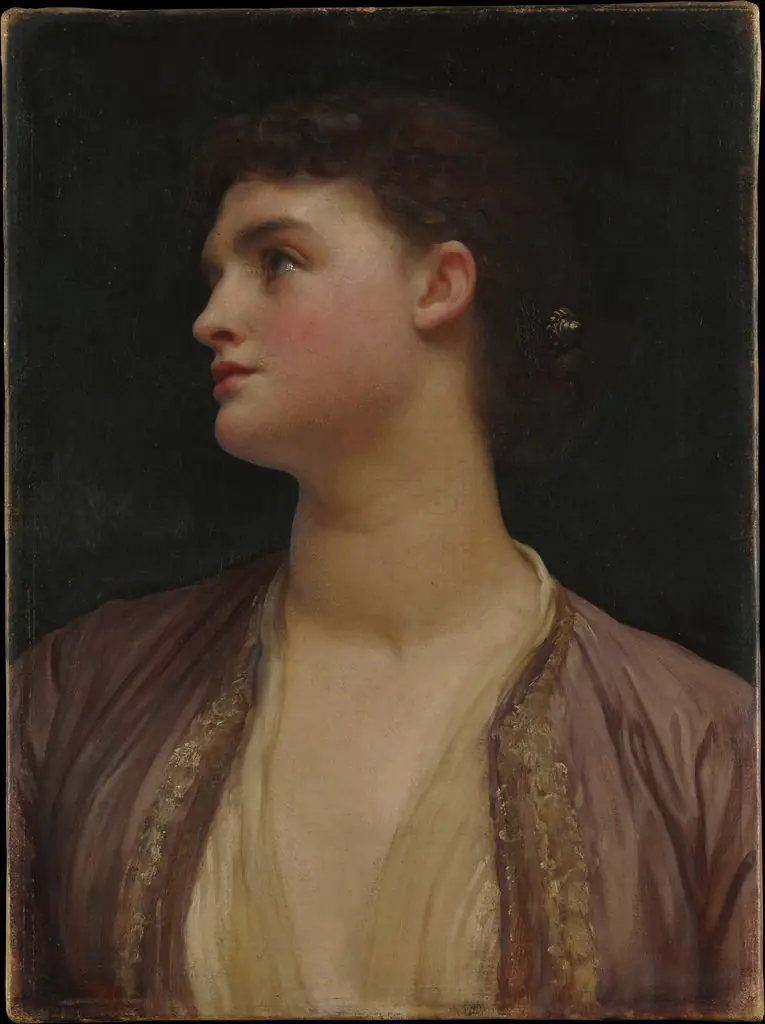 Lucia
Lucia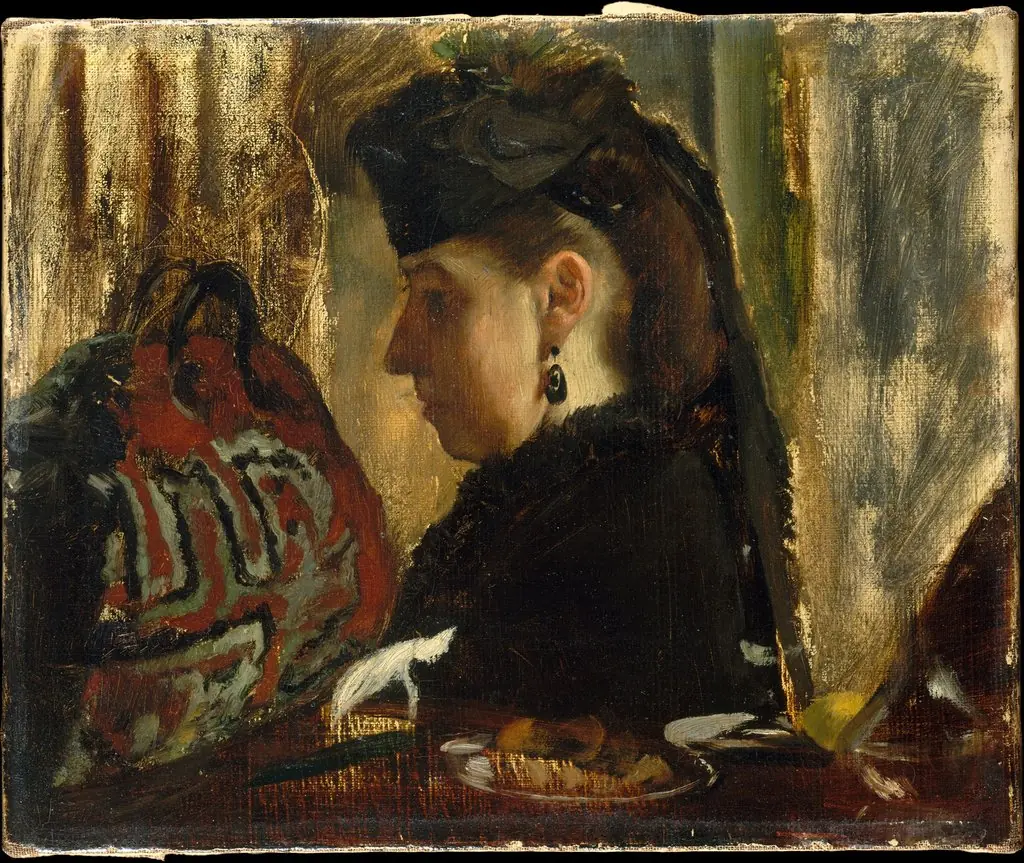 Mademoiselle Marie Dihau (1843–1935)
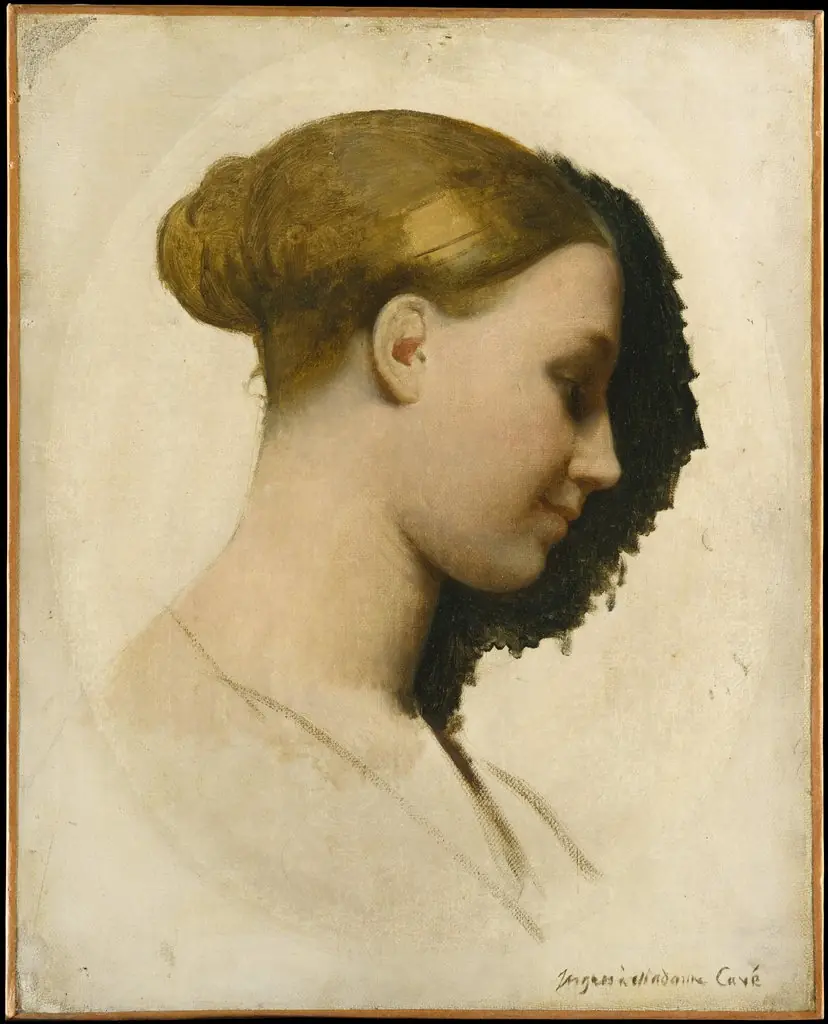 Madame Edmond Cavé (Marie-Élisabeth Blavot, born 1810)
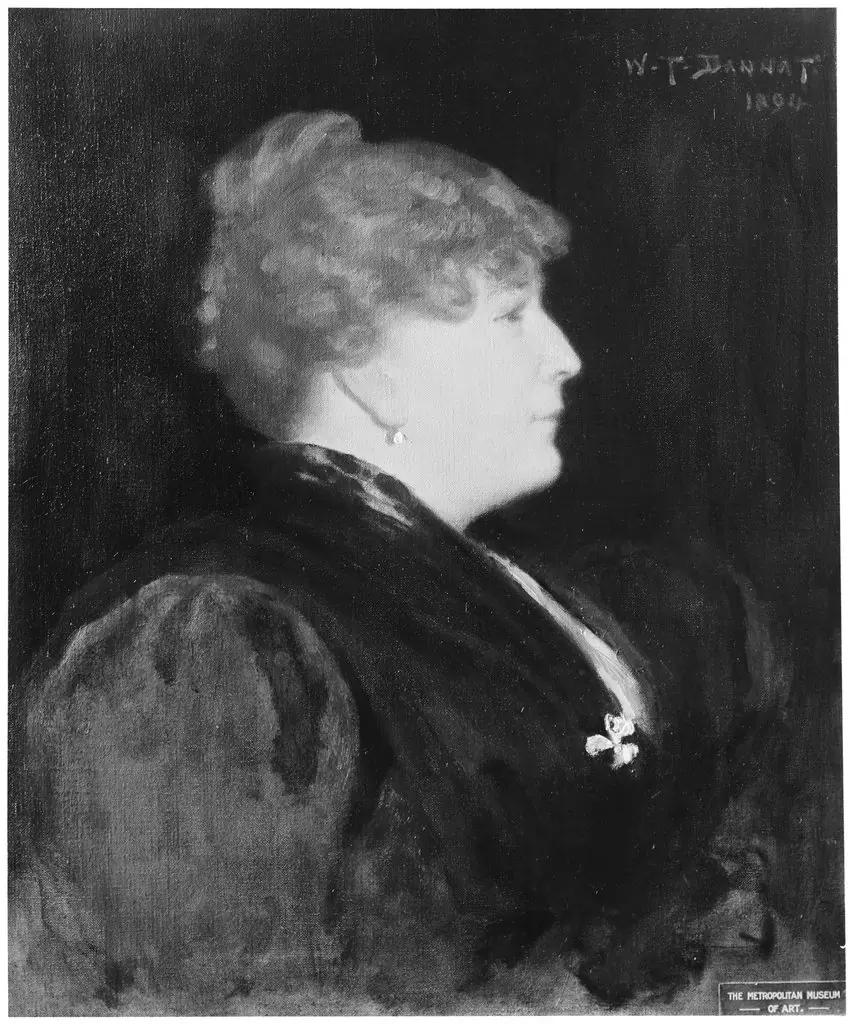 Margarette A. Jones
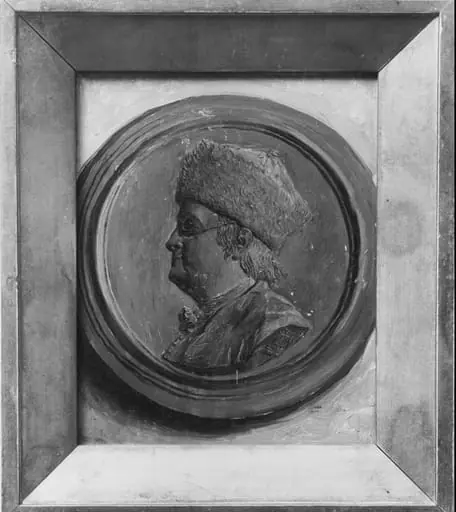 Medallion of Benjamin Franklin
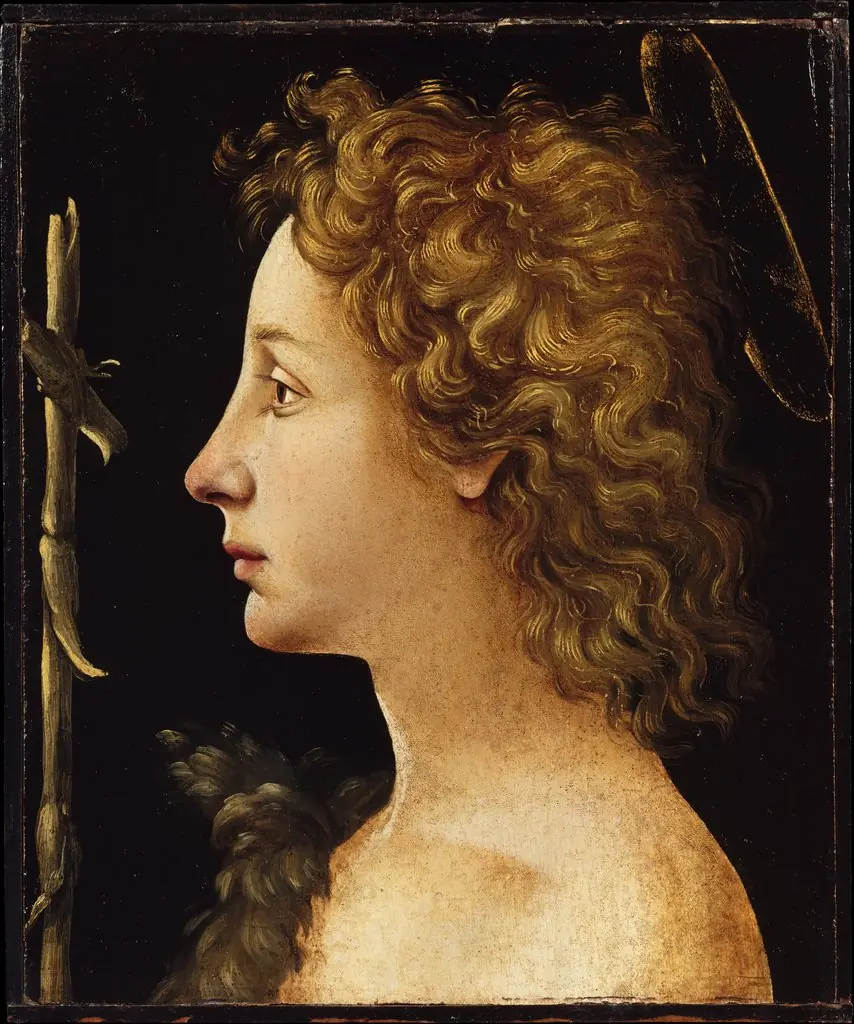 The Young Saint John the Baptist
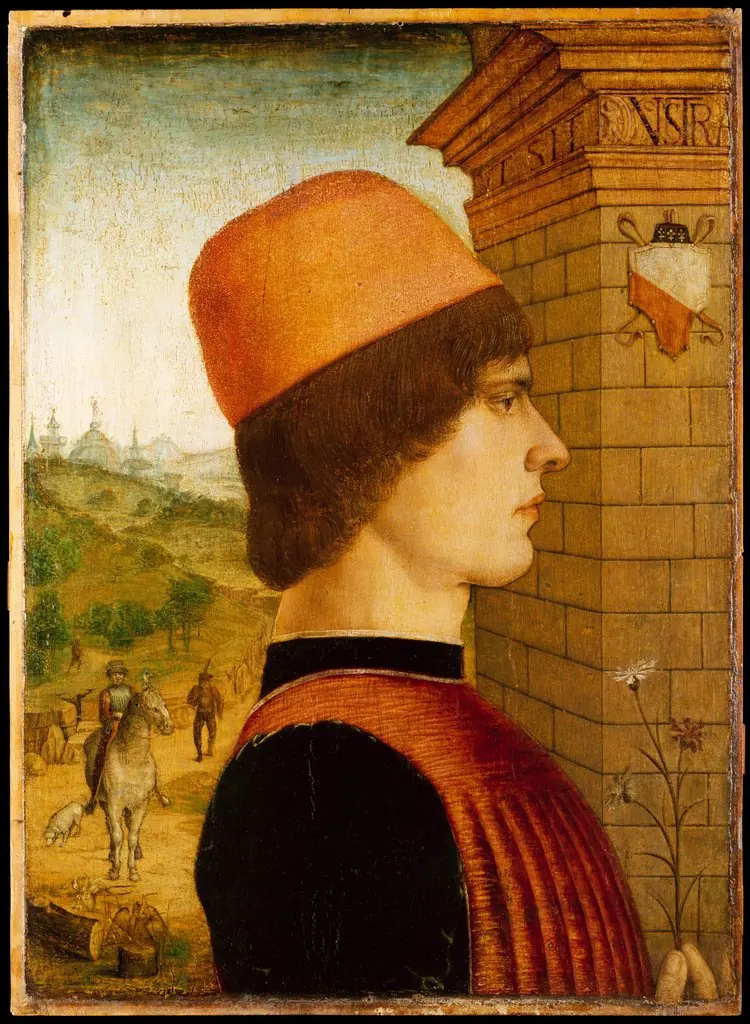 Portrait of a Man, possibly Matteo di Sebastiano di Bernardino Gozzadini
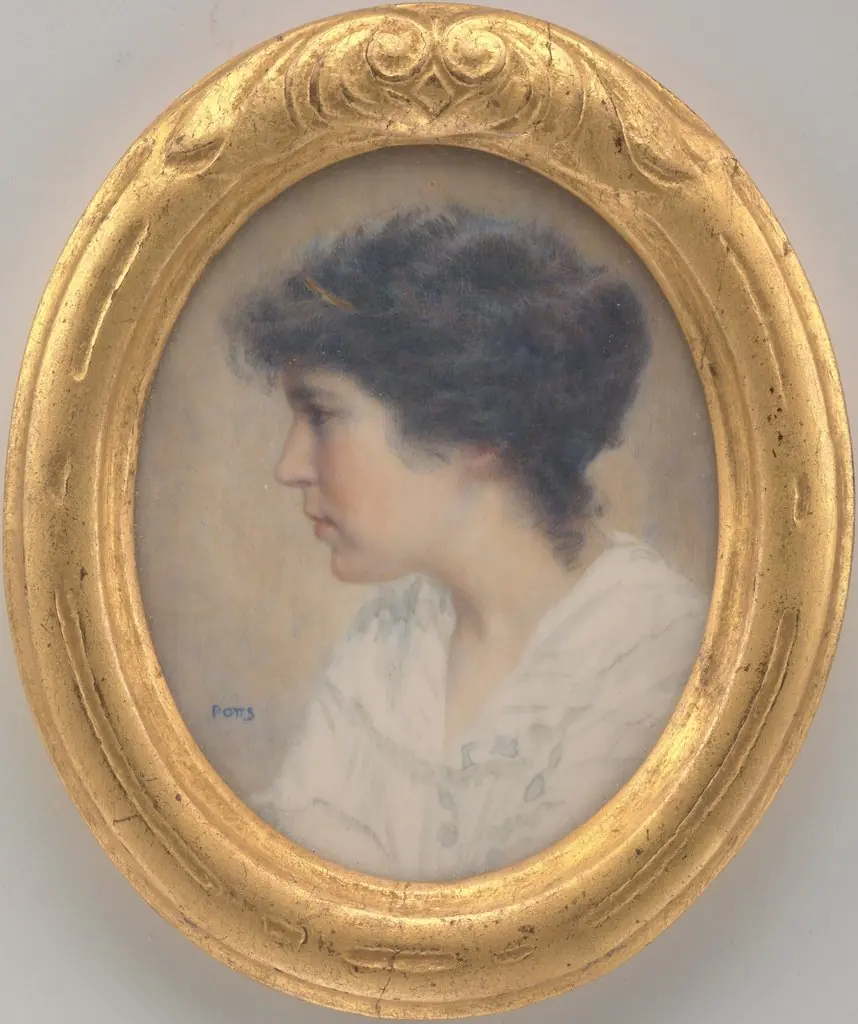 Katherine Forest
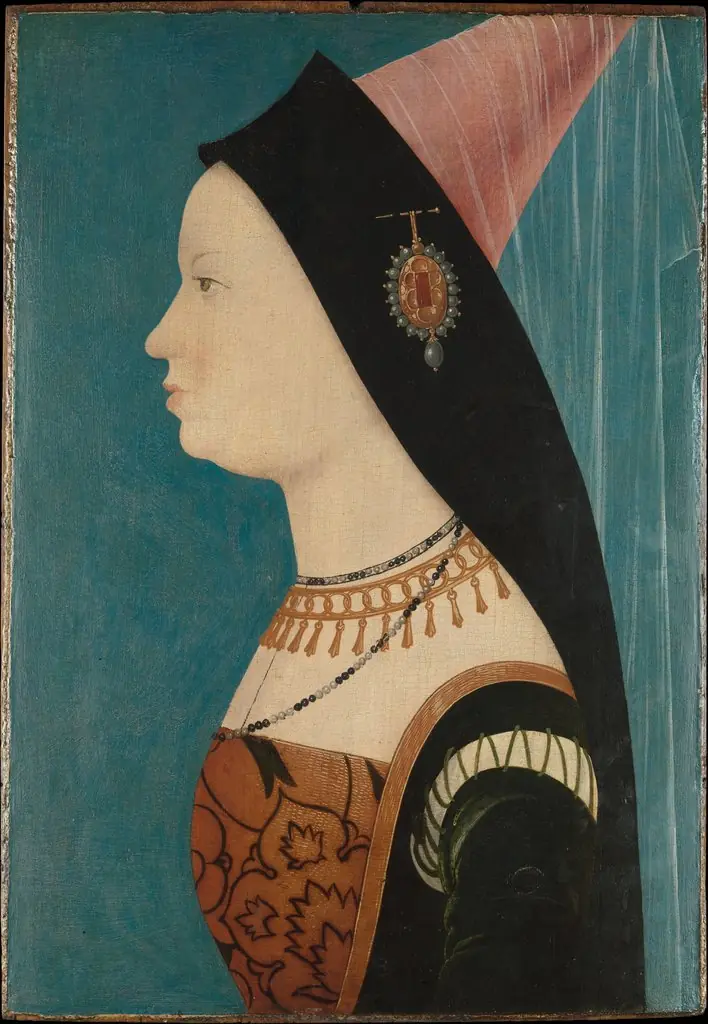 Mary of Burgundy
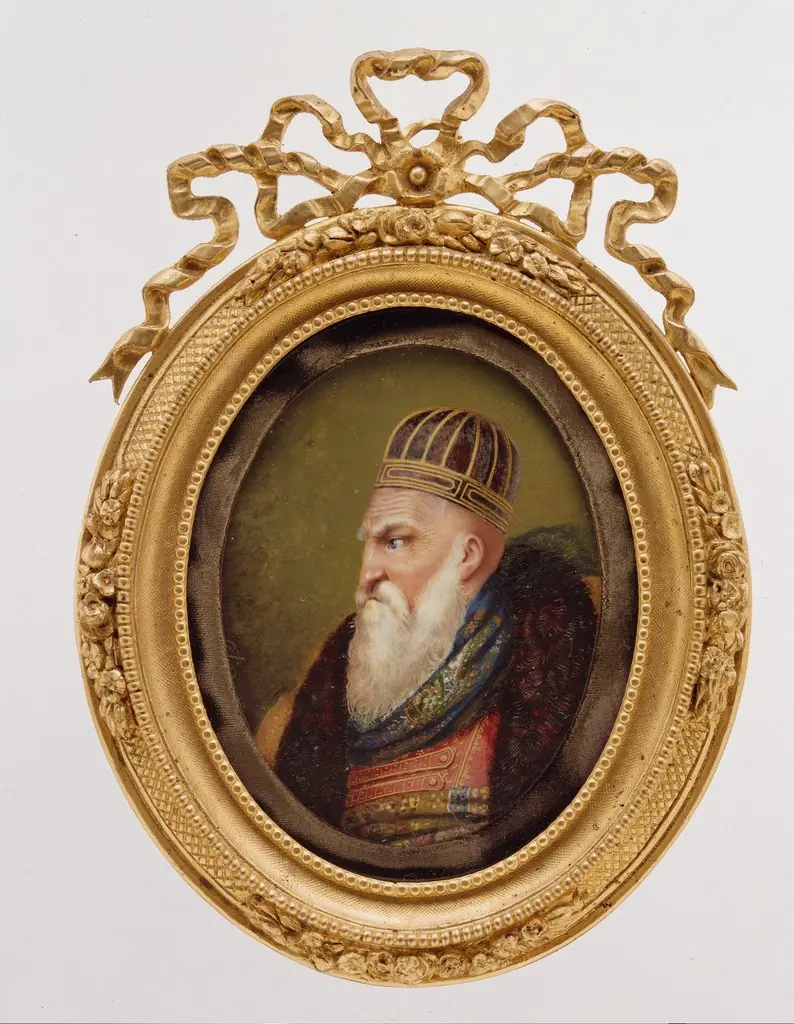 Ali Pasha (born about 1741, died 1822)
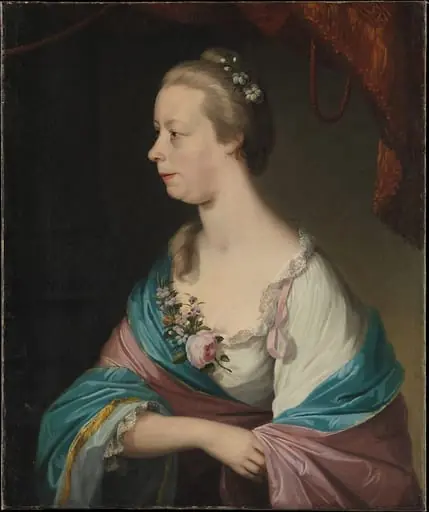 Christiana Stille Keen
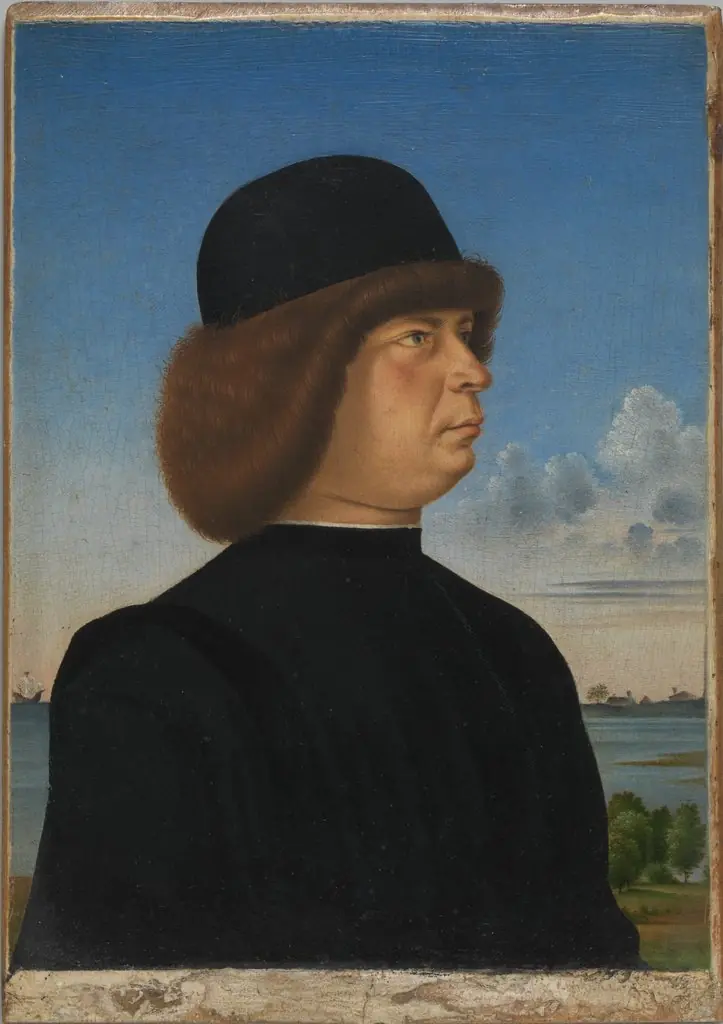 Portrait of Alvise Contarini(?); (verso) A Tethered Roebuck
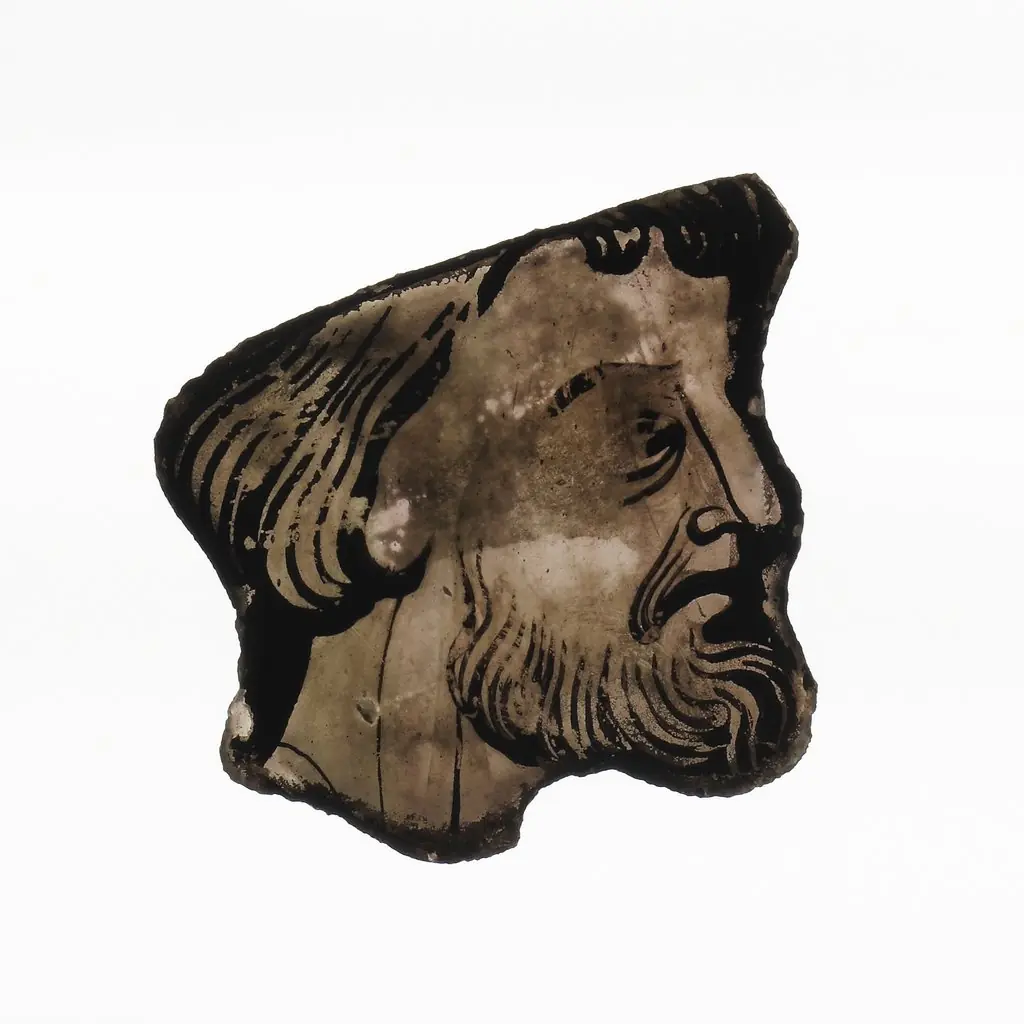 Profile of a Bearded Man
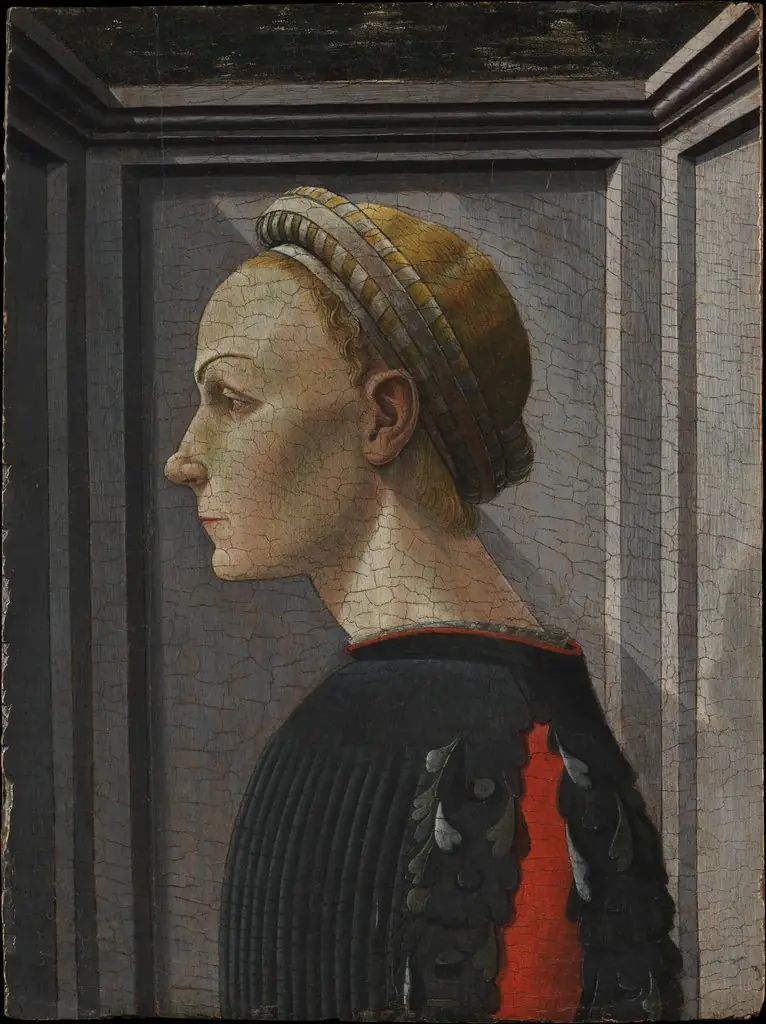 Portrait of a Woman
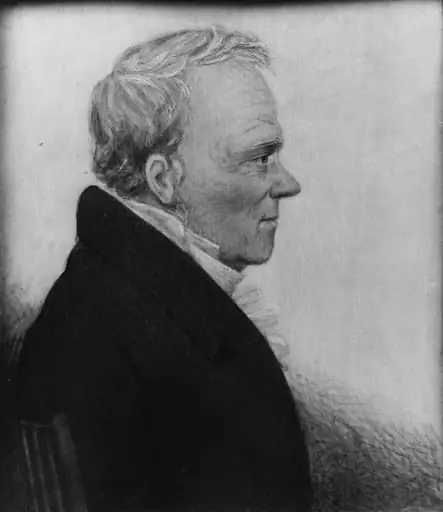 Portrait of a Gentleman
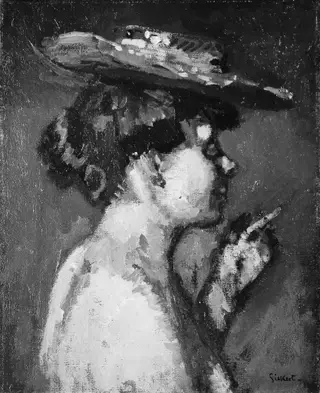 The Cigarette (Jeanne Daurmont)
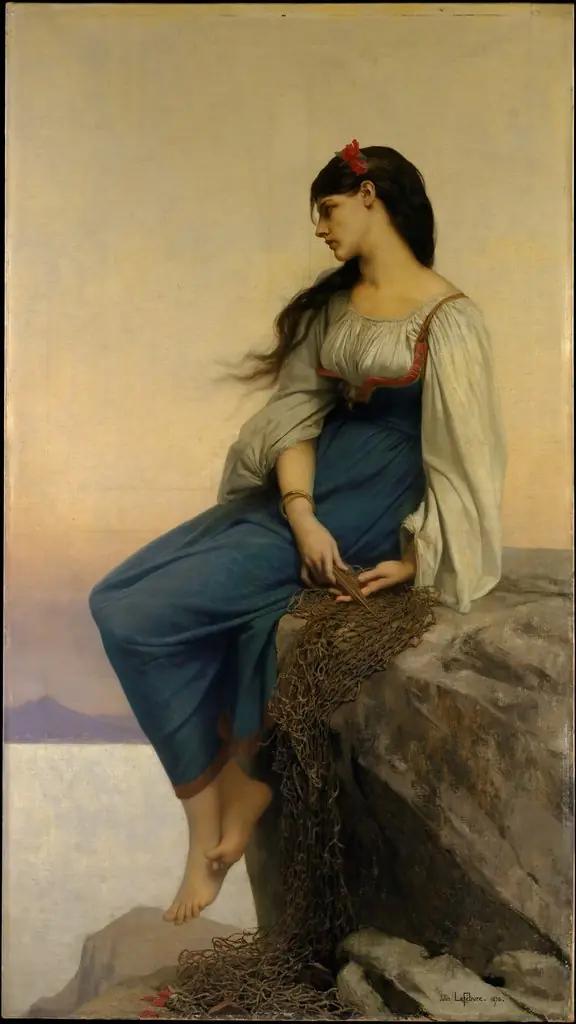 Graziella
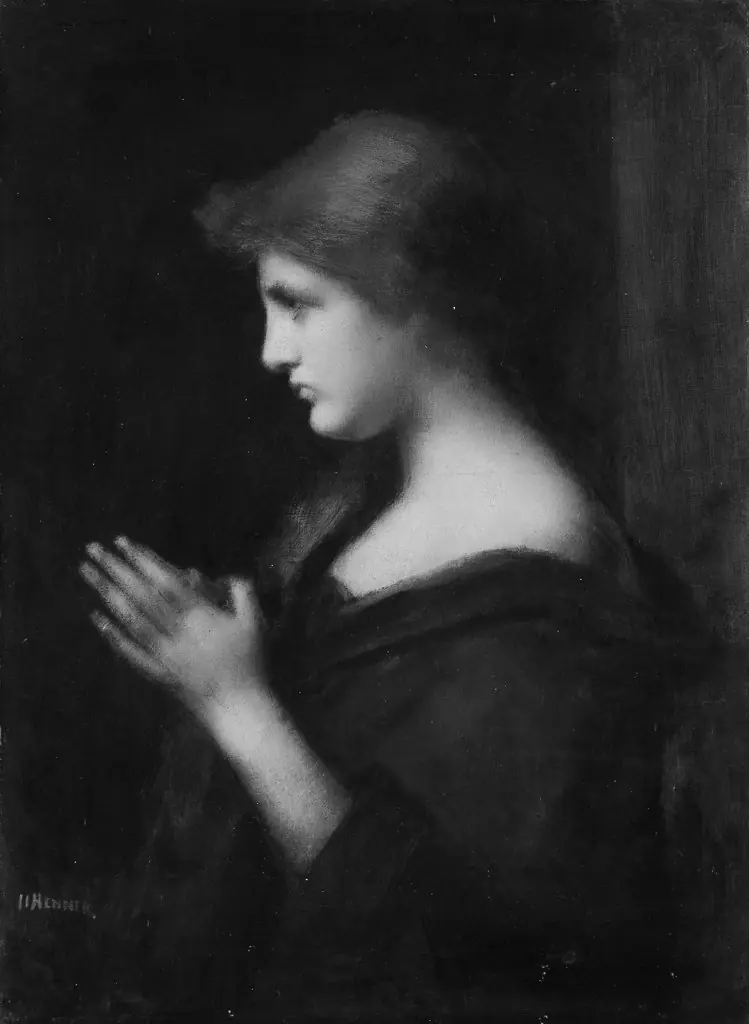 Young Woman Praying
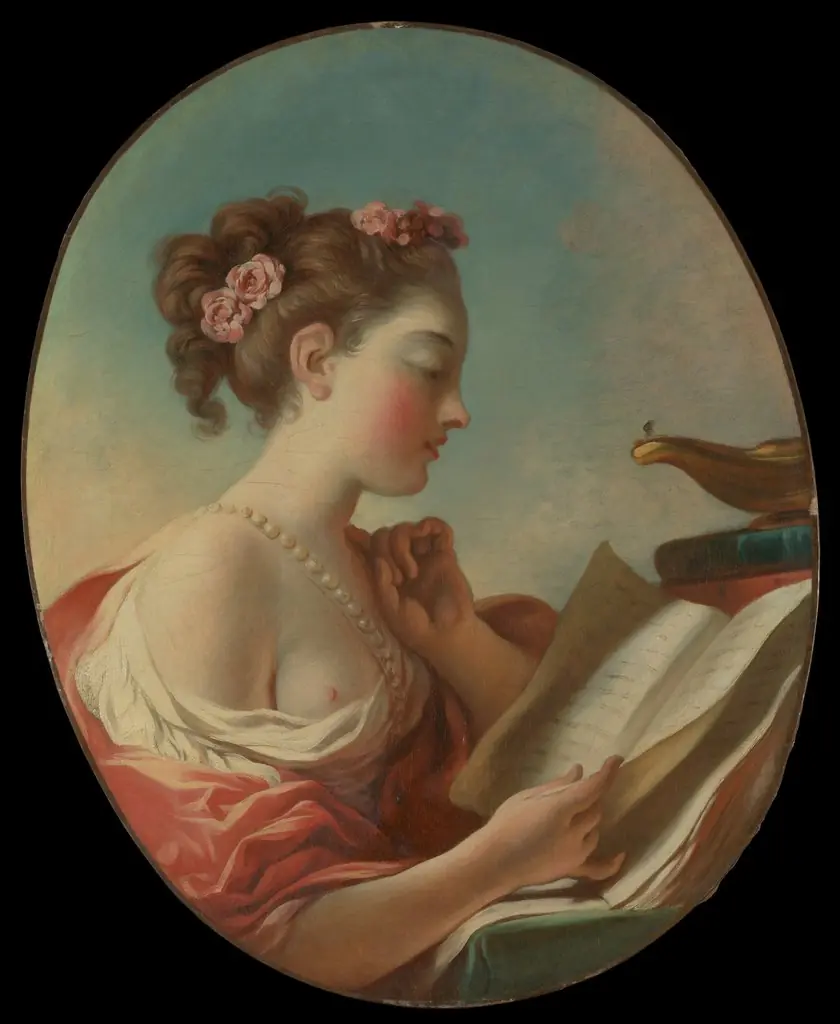 Young Woman Reading
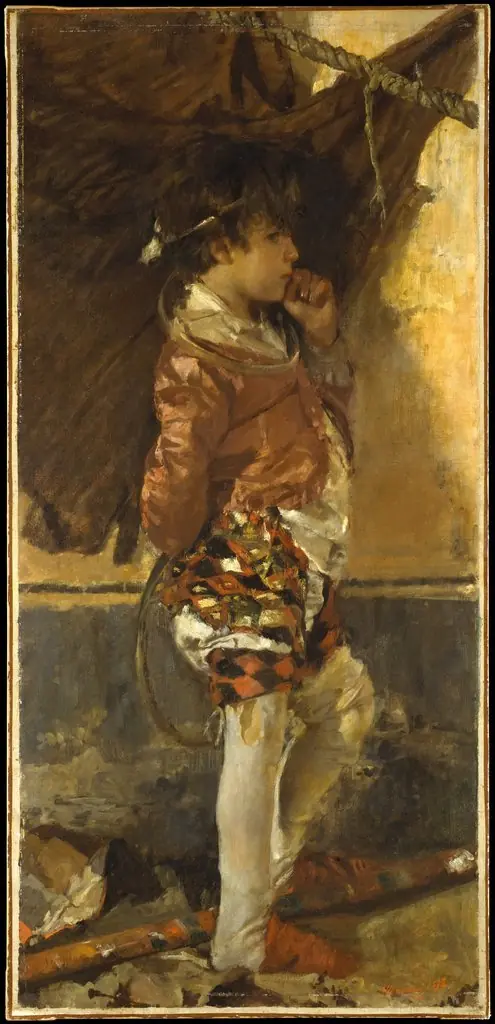 A Circus Boy
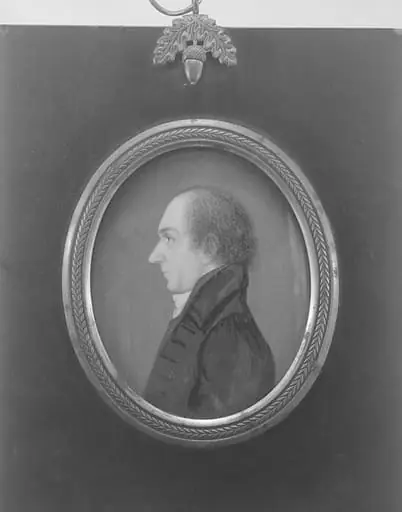 David Howe
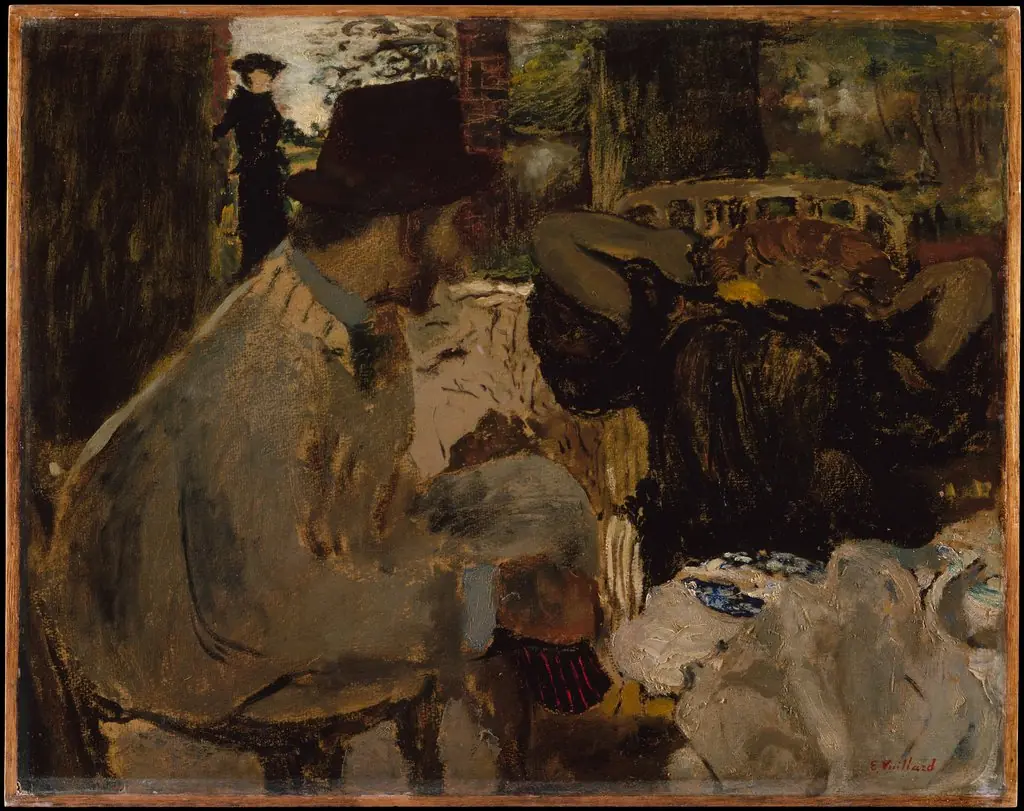 Conversation
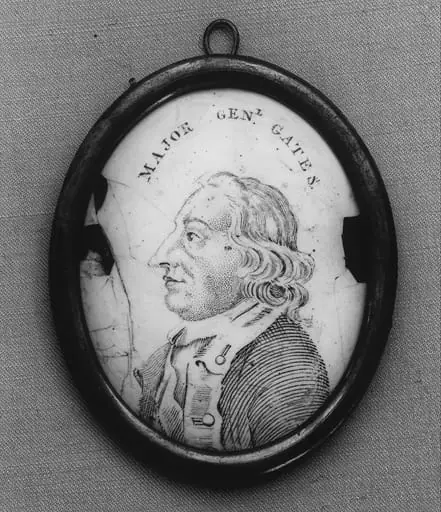 Plaque of George Washington
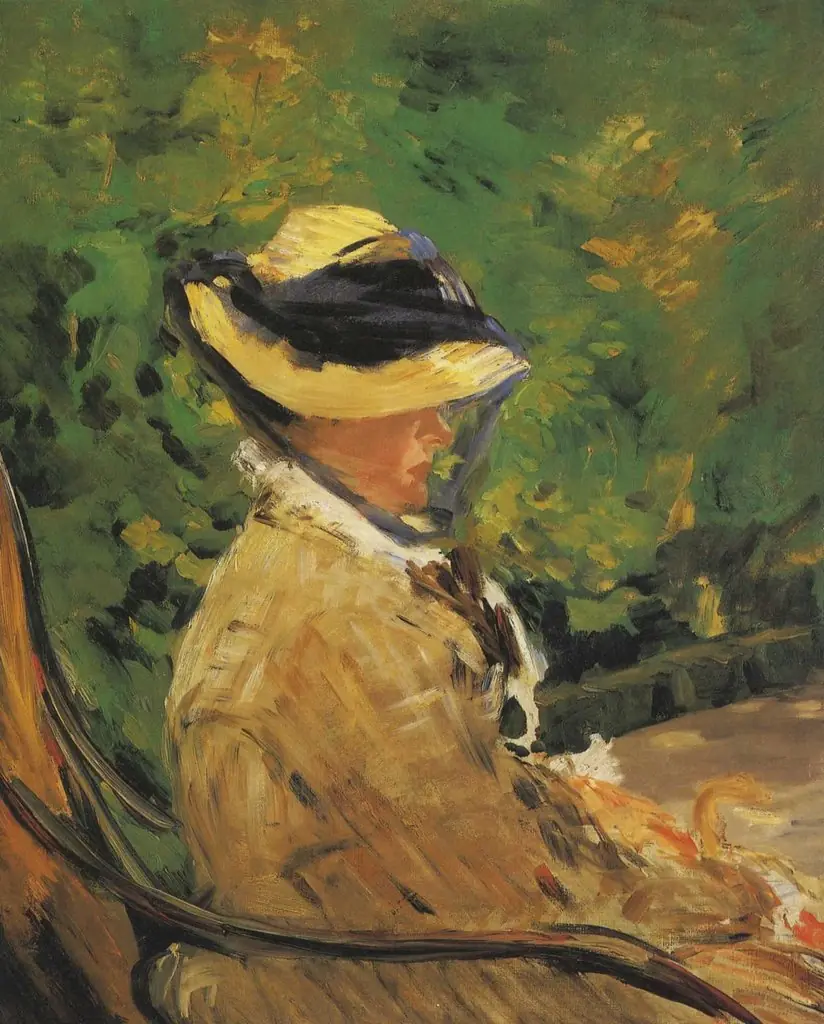 Madame Manet (Suzanne Leenhoff, 1830–1906) at Bellevue
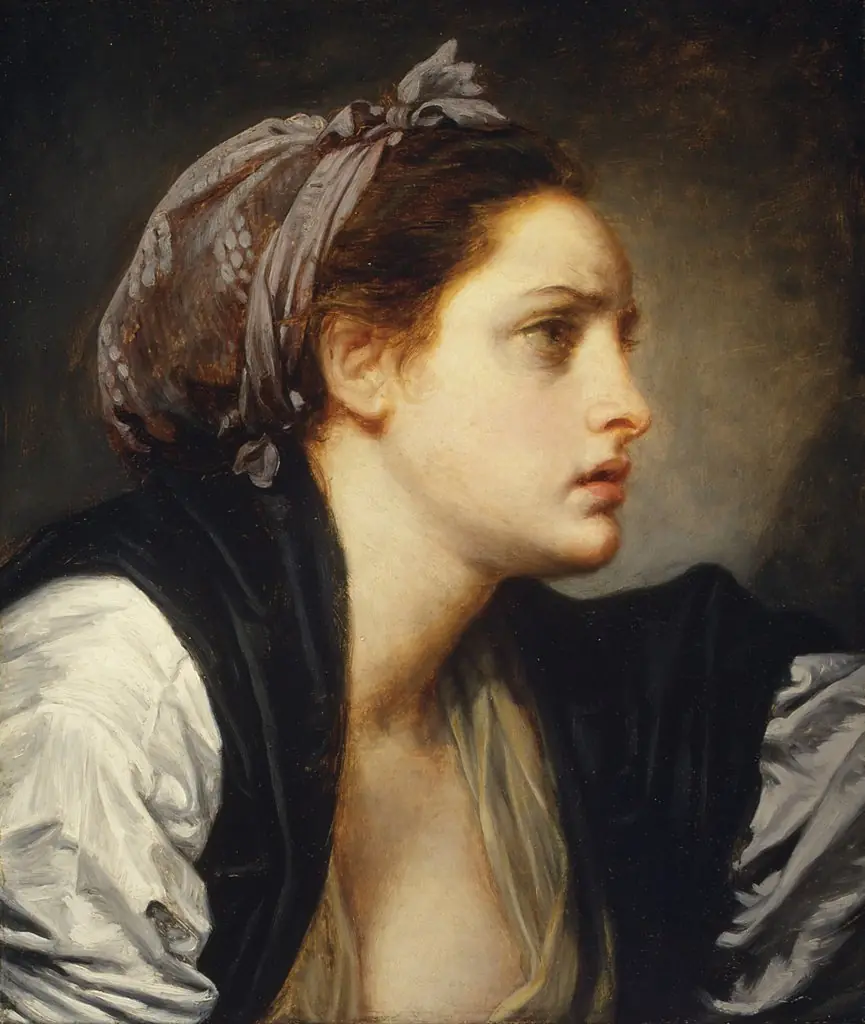 Study Head of a Woman
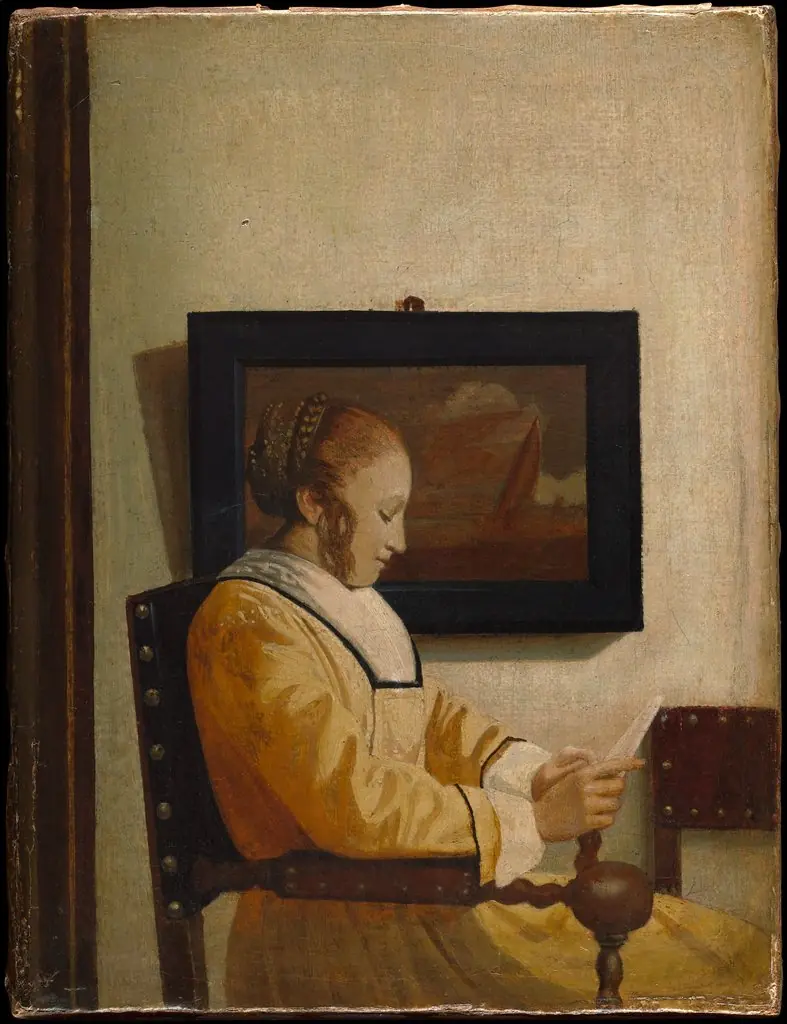 A Young Woman Reading
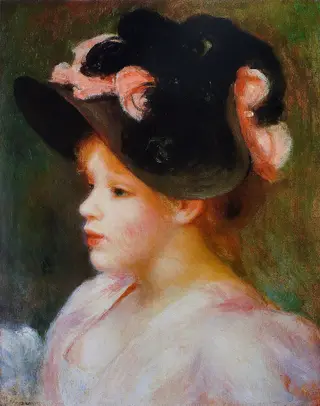 Young Girl in a Pink-and-Black Hat
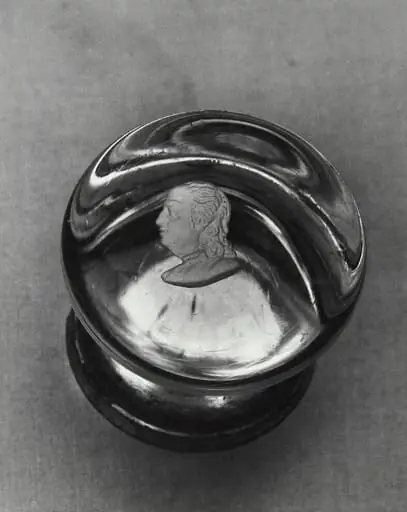 Door Knob
![A Study from Life [and] Study for Angel Releasing Saint Peter from Prison](https://artifactworldgallery.com/img/washington-allston--a-study-from-life-and-study-for-angel-releasing-saint-peter--13db111bb86c178e-w320.webp) A Study from Life [and] Study for Angel Releasing Saint Peter from Prison
A Study from Life [and] Study for Angel Releasing Saint Peter from Prison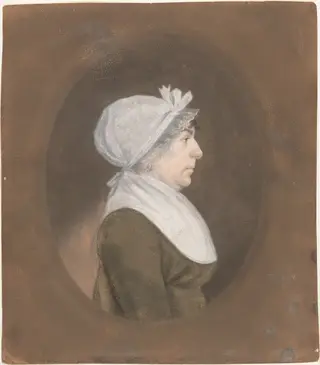 Dorothea Hart
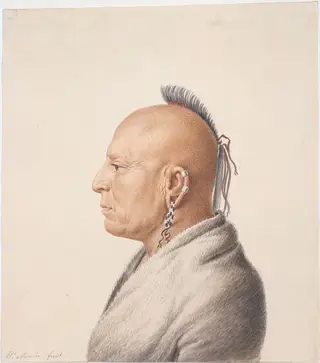 Osage Warrior
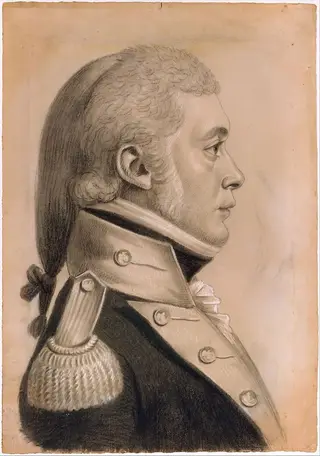 Dyer Sharp Wynkoop
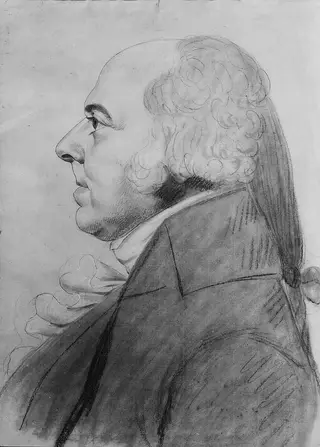 John Adams
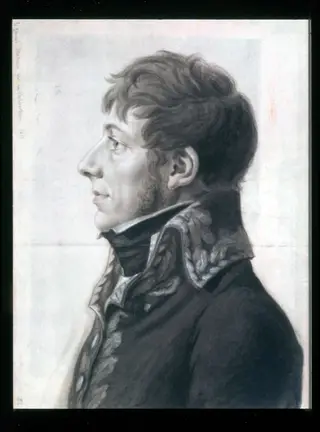 Jean-Victor Moreau
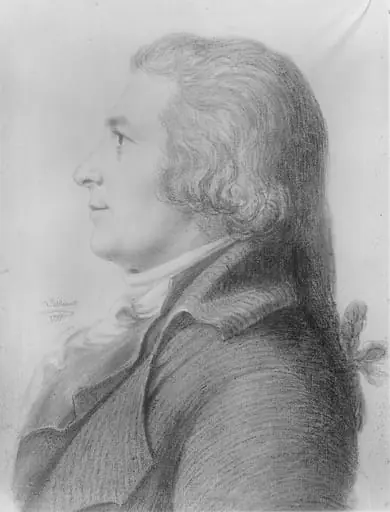 Portrait of a Man
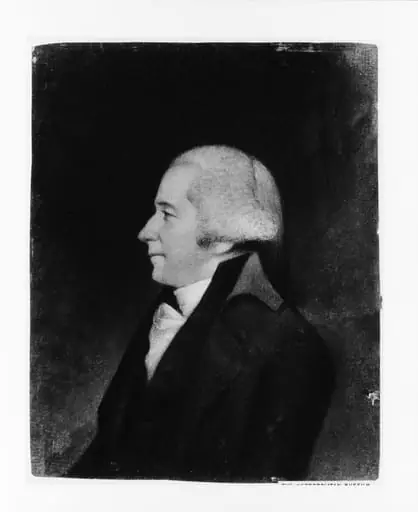 Alexander Hamilton
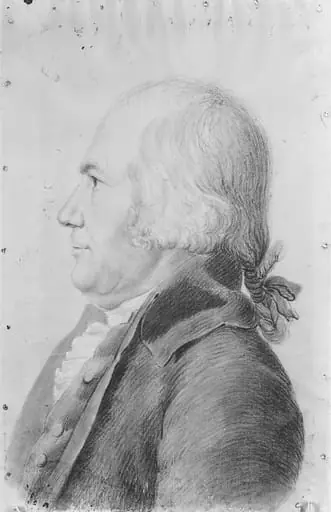 Governor George Clinton
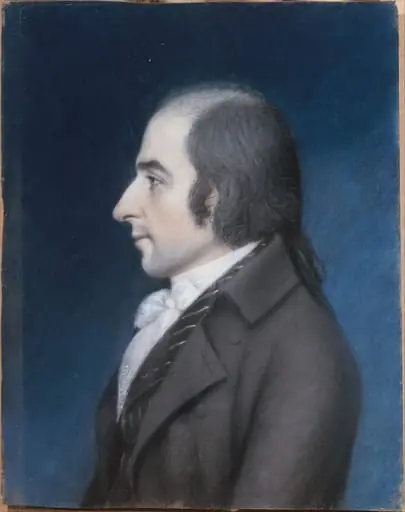 Albert Gallatin
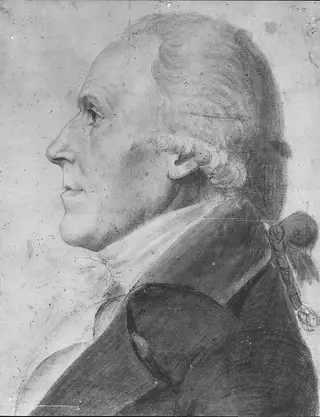 Portrait of a Man
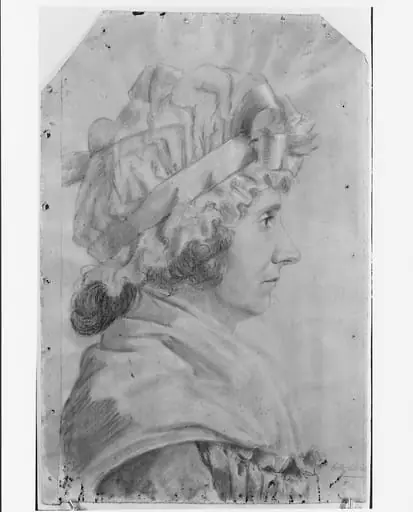 Mrs. George Clinton (Cornelia Tappen)
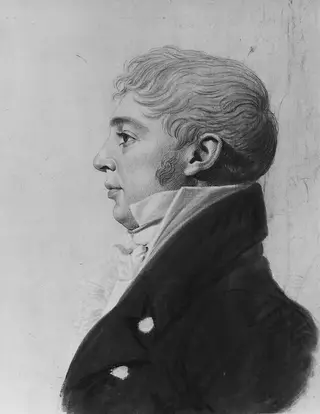 Alexander Rider (?)
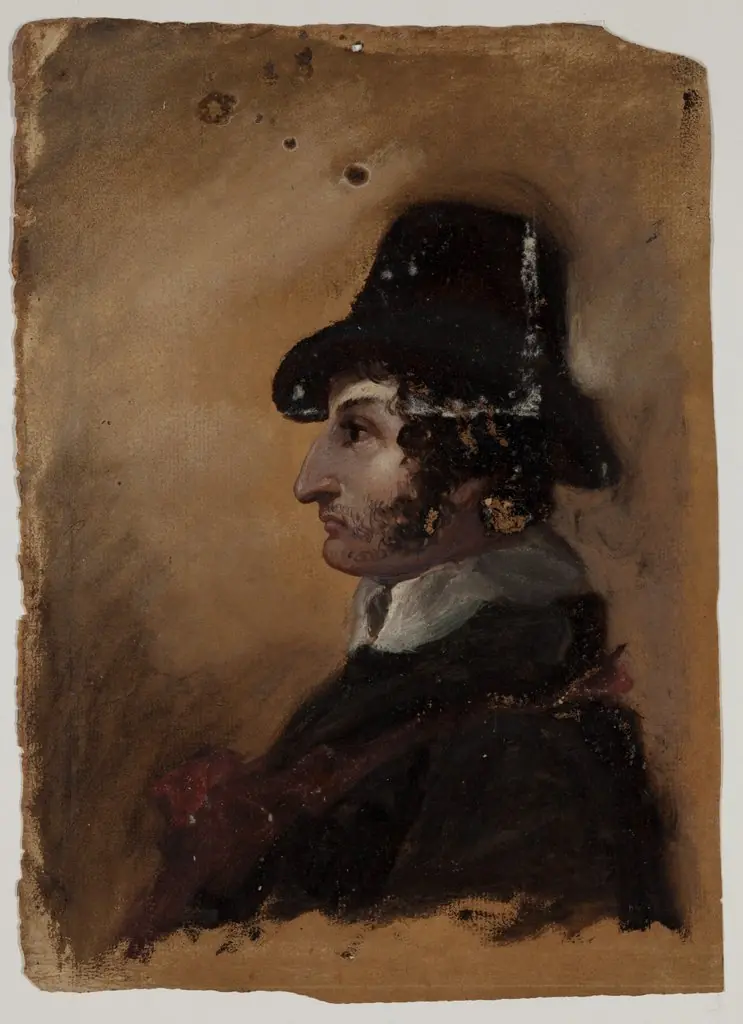 Man in a High Hat
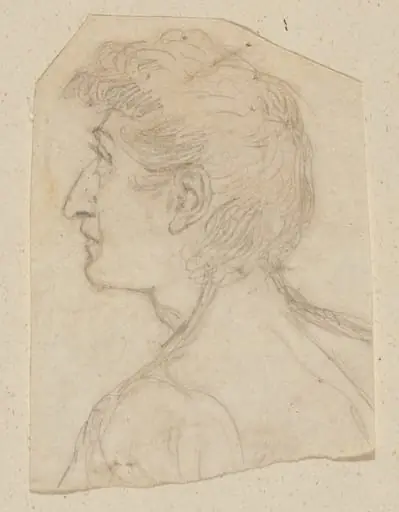 Portrait of a Man
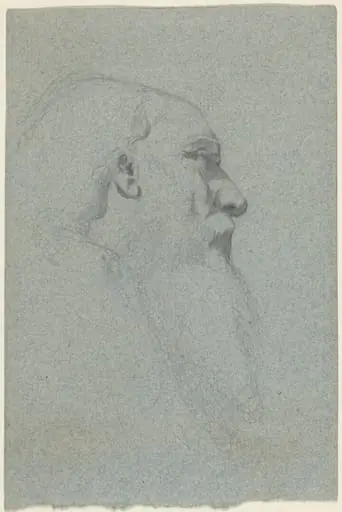 Head of a Bearded Man, Looking Right
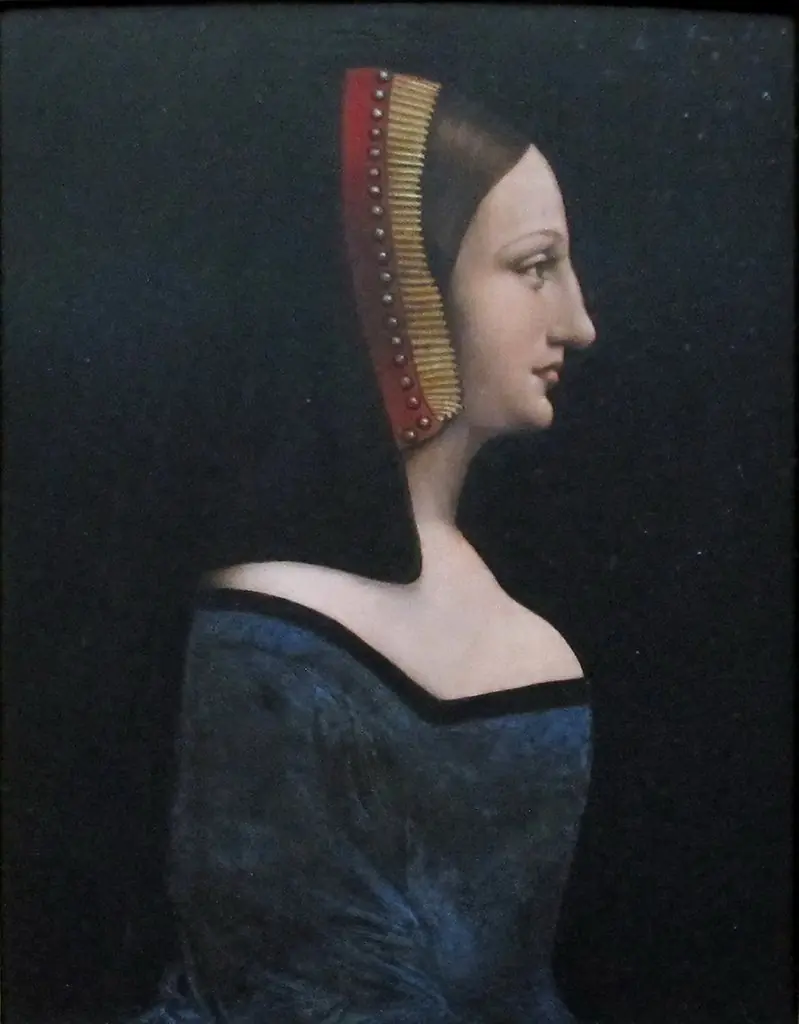 La Belle Ferronnière
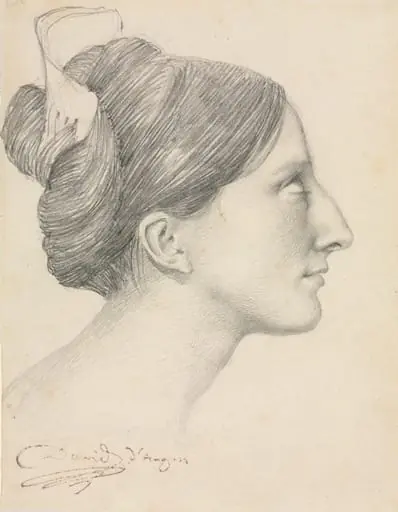 Head of a Woman in Profile (George Sand)
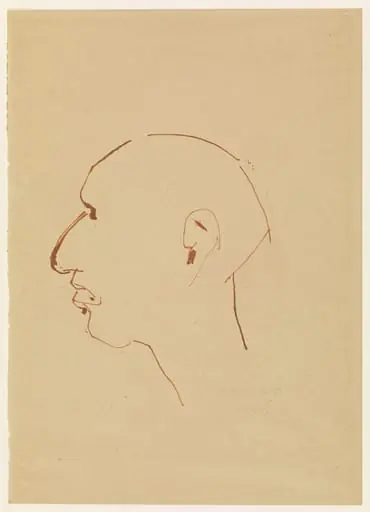 Untitled
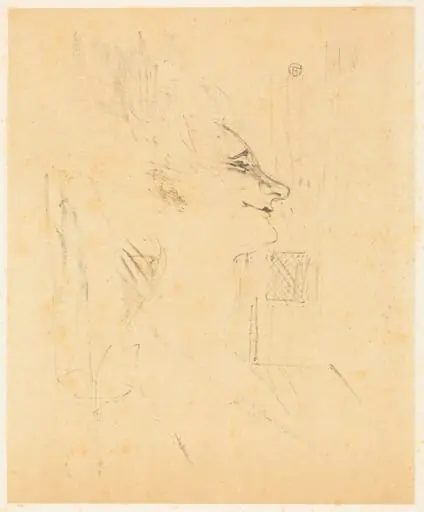 Drunkard (Soularde)
Frequently asked questions
What is Profile?
Profile is a subject in art. A silhouette (English: , French: ) is the image of a person, animal, object or scene represented as a solid shape of a single colour, usually black, with its edges matching the outline of the subject.
How many Profile works does Artifact World Gallery have?
Artifact World Gallery holds 84 public-domain Profile works, all free to view and download.
Who are the key Profile artists?
Key Profile artists in the collection include Thomas Cole, Edgar Degas and Jean Honoré Fragonard.
Where can I see Profile works?
Profile works in the collection are held by Metropolitan Museum of Art, National Gallery of Art and Cleveland Museum of Art.