Artwork
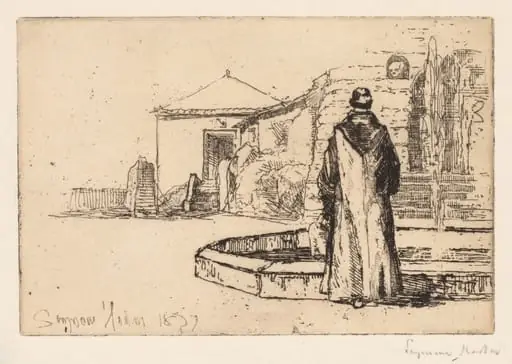
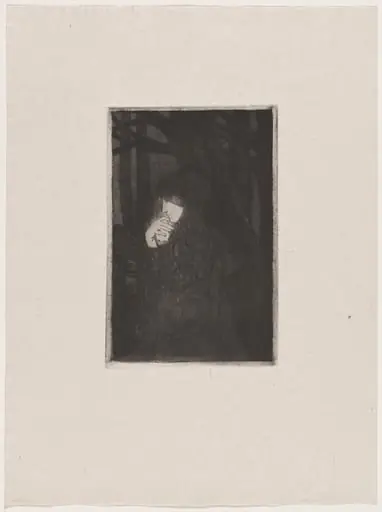
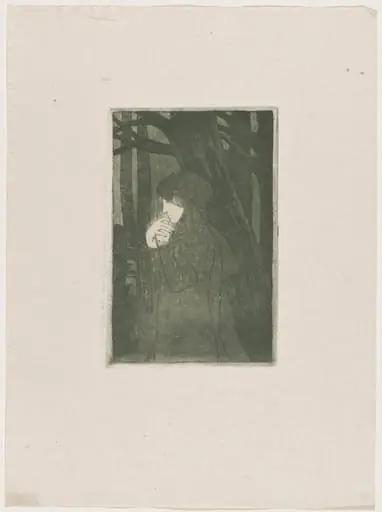
The Monk Praying - St. Francis
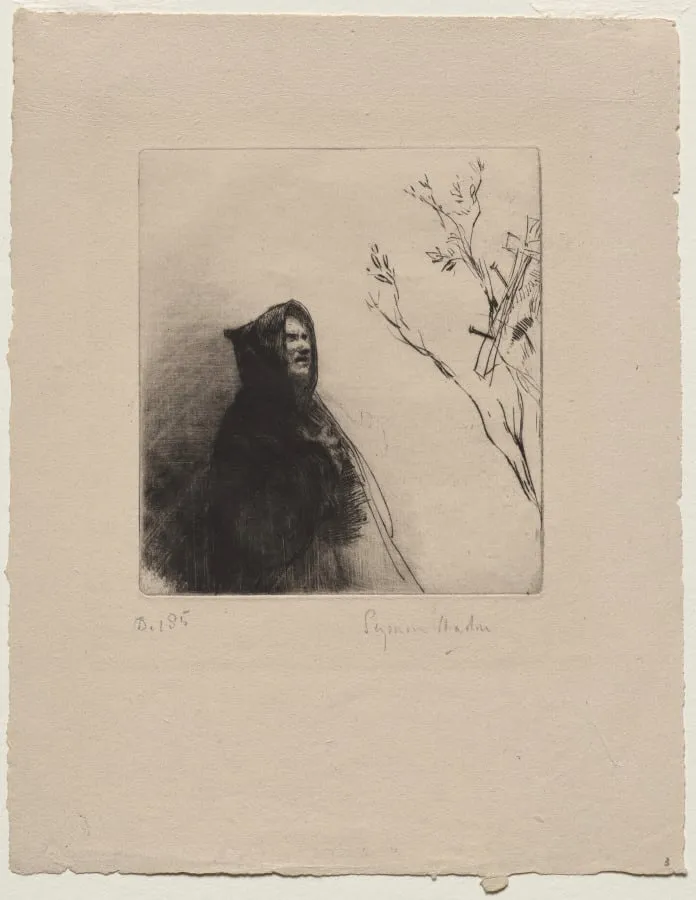
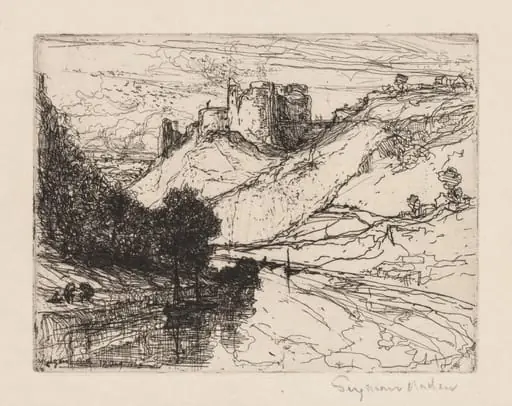
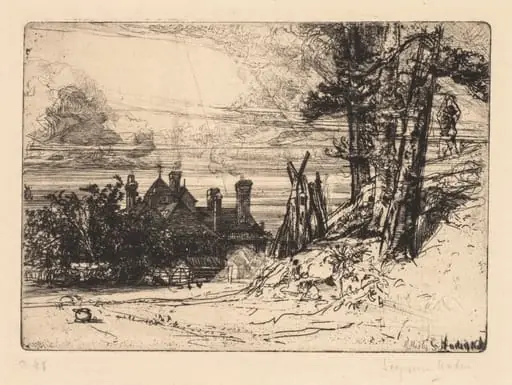
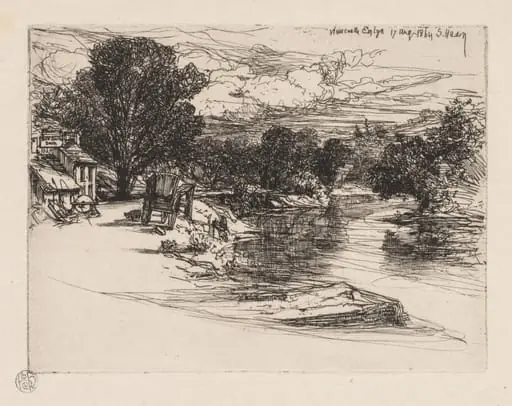
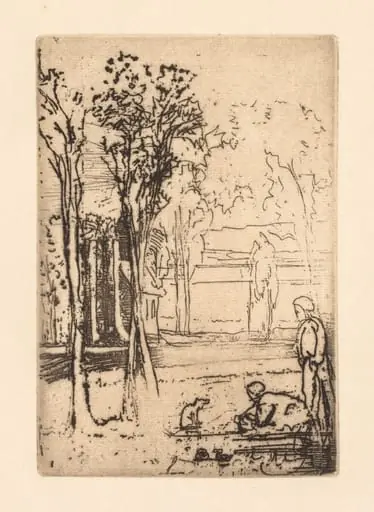
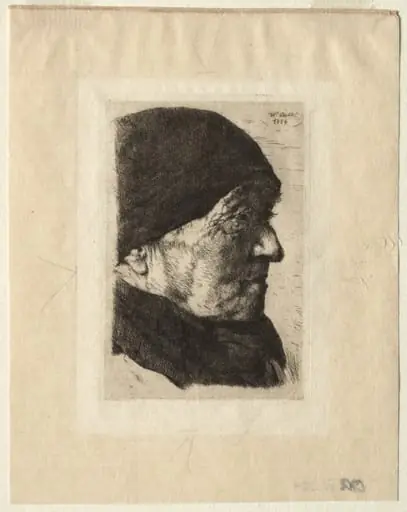
The Monk Praying - St. Francis is a print by the Impressionist artist Francis Seymour Haden. It dates from 1877 and is held in the collection of the Cleveland Museum of Art.
- Accession no.
- 1946.343
- Credit line
- In memory of Ralph King, gift of Mrs. Ralph King; Ralph T. Woods, Charles G. King; and Frances King Schafer
About this work
Overview
Created in 1877 by Francis Seymour Haden, this print portrays a solitary monk in prayer. Executed in a tonal medium, likely etching or drypoint, it reflects Haden’s interest in quiet, contemplative subjects. The work is part of the collection at The Cleveland Museum of Art, where it is valued for its restrained emotional tone and technical precision.
Subject & Meaning
The figure is a hooded monk, likely representing St. Francis of Assisi, depicted in a moment of introspective devotion. His clasped hands and upward gaze suggest spiritual surrender, while the absence of narrative detail emphasizes inner stillness. The plain background and minimal surroundings focus attention on the monk’s quiet piety, aligning with ascetic ideals of humility and contemplation.
Technique & Style
Haden employed subtle gradations of tone to model form and suggest texture, particularly in the folds of the robe and the soft transition from shadow to light on the monk’s face. The use of fine, controlled lines and varying ink density creates depth without overt contrast. This approach reflects his mastery of etching and his affinity for atmospheric, tonal effects over bold outlines.
History & Provenance
The print was made in 1877 during Haden’s later career, when he increasingly turned to spiritual and solitary themes. It entered the Cleveland Museum of Art’s collection through documented acquisition, likely from a private donor or estate. Its preservation in good condition reflects careful handling and consistent scholarly interest in Haden’s graphic work.
Context
Haden, primarily known as a printmaker and physician, was influenced by the English etching revival and the quiet realism of Dutch and Flemish Old Masters. This work aligns with 19th-century European interest in religious introspection outside institutional settings. It also reflects a broader trend among artists to explore personal faith through understated, non-dramatic imagery.
Legacy
The print endures as an example of Haden’s ability to convey emotional depth through minimal means. While not widely reproduced, it remains a reference point for studies of tonal printmaking and spiritual representation in Victorian-era graphic art. Its influence is seen in later artists who favored restraint over spectacle in devotional imagery.
Artist & collection