Artwork
The Adoration of the Magi

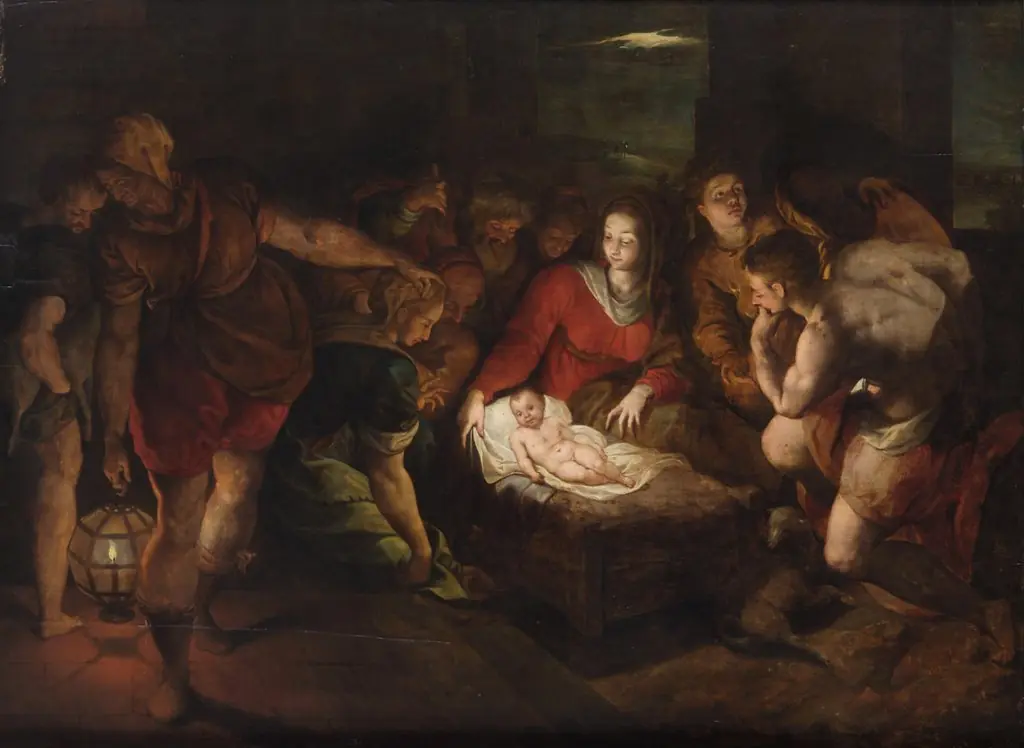
The Adoration of the Magi is an oil painting by the Early Baroque Italian artist Francisco Rizi. It dates from 1650 and is held in the collection of the Museo del Prado.
About this work
Subject & Meaning
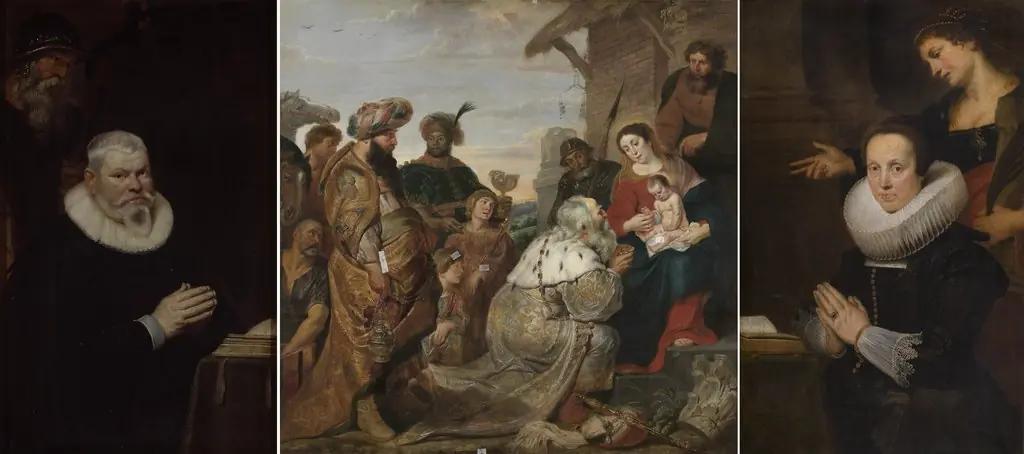
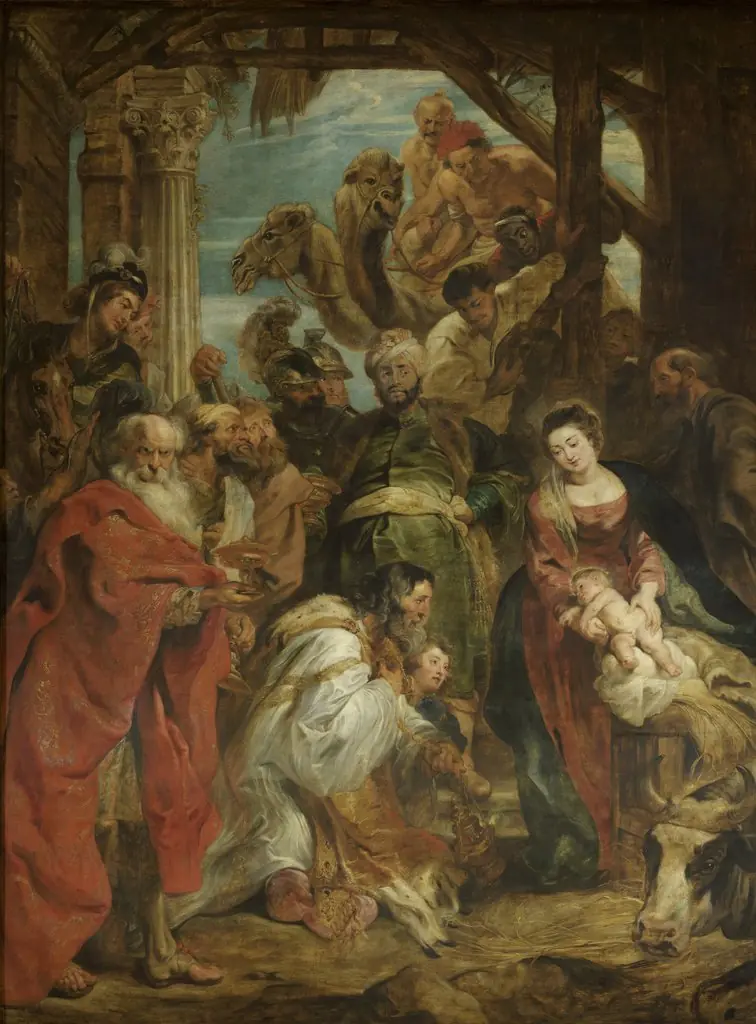
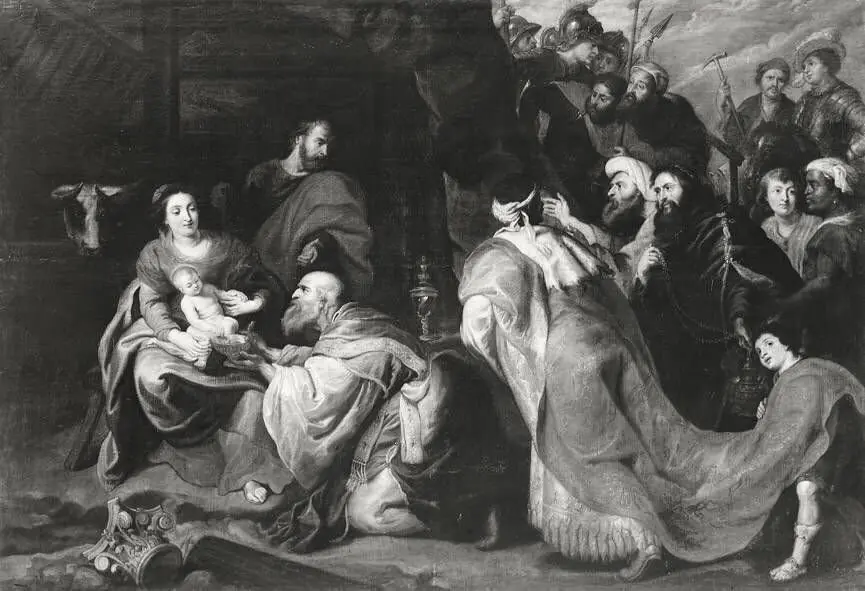
The painting depicts the Adoration of the Magi, a religious subject in which the three Magi present gifts to the Christ Child.
The painting depicts the Adoration of the Magi, a religious subject in which the three Magi present gifts to the Christ Child. According to the available record, the work's main subject is the adoration of the Magi, and the figure explicitly identified within the depicted scene is the Christ Child.
As a religious painting by Francisco Rizi, the work treats the Nativity episode of homage and gift-giving by the Magi, a traditional subject in Christian iconography symbolizing the recognition of Christ's divinity by the Gentile world. The sources confirm the religious genre and the Adoration of the Magi as the central theme, but do not provide further detail on the specific iconographic elements, attributes of the Magi, or symbolic motifs present in Rizi's composition.
Technique & Style
The Adoration of the Magi is an oil painting executed on canvas by Francisco Rizi in 1650. The work measures 54 cm by 57 cm and depicts the biblical scene of the Magi adoring the Christ Child. It is classified as a religious painting and belongs to the collection of the Museo del Prado and the Museo de la Trinidad, currently housed in the Museo del Prado.
The formal composition emphasizes the central figures with careful modeling of light and drapery, reflecting the stylistic conventions of 17th‑century Spanish religious art.
History & Provenance
The Adoration of the Magi was painted by Francisco Rizi in 1650, executed in oil on canvas. The work was held in the Museo de la Trinidad before entering the collection of the Museo del Prado, where it is now located. Wikidata records two inception dates for the painting, 1650 and 1670, though the painting's canonical date is 1650.
Francisco Rizi's The Adoration of the Magi, an oil-on-canvas painting dated to 1650, is currently held by the Museo del Prado in Madrid. The work was previously part of the collection of the Museo de la Trinidad before its transfer to its present location. While specific accession numbers are not detailed in the provided records, the painting is cataloged within the Prado's holdings as a religious artwork measuring 54 cm in height and 57 cm in width. No specific exhibition history is recorded in the available sources.
Overview
Francisco Rizi’s oil painting titled The Adoration of the Magi, executed around 1650, is part of the collection at Madrid’s Museo del Prado. The work presents a nocturnal tableau centered on the infant Christ, surrounded by a gathering of figures in a dimly lit cavernous setting.
Context
The work reflects the Counter‑Reformation’s emphasis on devotional imagery, using theatrical lighting to draw the viewer into the sacred narrative. Its composition aligns with contemporary Spanish interpretations of biblical episodes, where emotional intensity is conveyed through stark illumination and restrained color schemes.

Artist & collection