Artwork
Saint Bonaventure receiving the Habit from Saint Francis
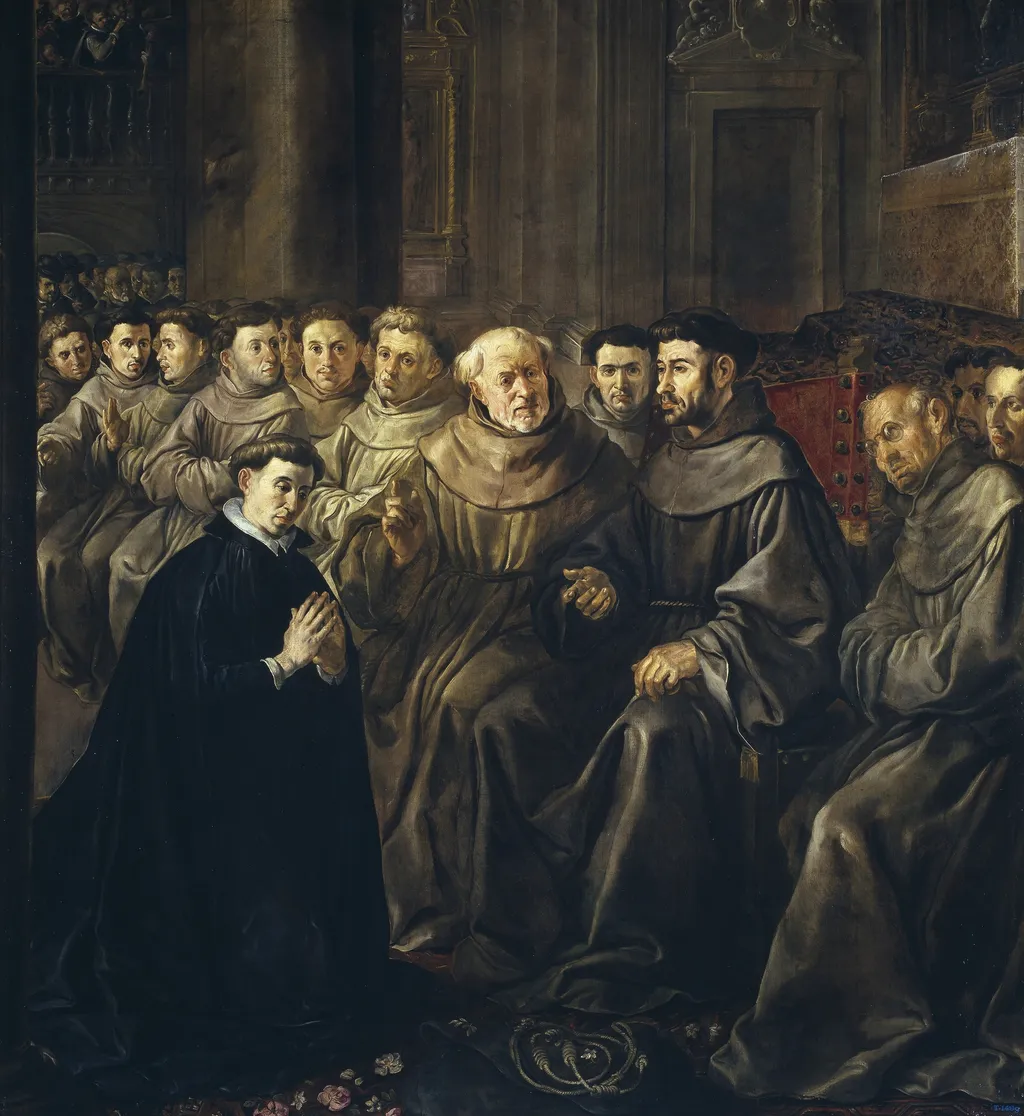
Saint Bonaventure receiving the Habit from Saint Francis is an oil painting by the Early Baroque Italian artist Francisco Herrera the Elder. It dates from 1628 and is held in the collection of the Museo del Prado.
About this work
Subject & Meaning
It belongs to the religious art genre, reflecting Counter-Reformation themes of saintly exemplarity and mystical affiliation.
The painting depicts Saint Bonaventure accepting the Franciscan habit from Saint Francis, a moment symbolizing obedience and spiritual devotion within the Franciscan tradition. It belongs to the religious art genre, reflecting Counter-Reformation themes of saintly exemplarity and mystical affiliation. The composition emphasizes the transfer of sacred vestments as a sign of divine calling and institutional belonging.
Technique & Style
Francisco Herrera the Elder executed Saint Bonaventure receiving the Habit from Saint Francis in oil paint on canvas. The painting measures 231 cm in height and 215 cm in width. As a religious genre work, the composition depicts the figures of Bonaventure and Francis of Assisi within a church interior.
History & Provenance
Francisco Herrera the Elder created the painting Saint Bonaventure receiving the Habit from Saint Francis in 1628. Executed in oil on canvas, the work depicts the religious figures Bonaventure and Francis of Assisi within a church interior setting. The piece measures 231 cm in height and 215 cm in width. It is currently held in the collection of the Museo del Prado.
Overview
Francisco Herrera the Elder, a Seville‑born painter who founded the local school, completed an oil on canvas in 1628 that portrays a solemn religious ceremony. The work is set inside a dimly lit ecclesiastical space, where a group of robed figures gather around a central seated man. The composition is now part of the Museo del Prado’s permanent collection.
Own this work as a print
Artist & collection
Artist
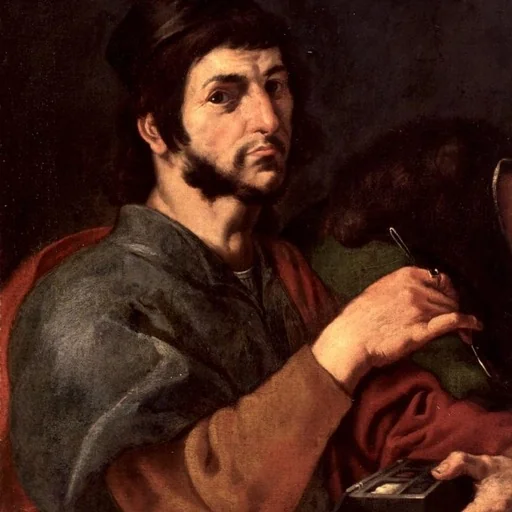
Francisco Herrera (1576–1656) was a Spanish painter, born in Seville. He was the founder of the Seville school. He is known as El viejo, "the elder," to distinguish him from his son Francisco Herrera the Younger, also a noted painter.

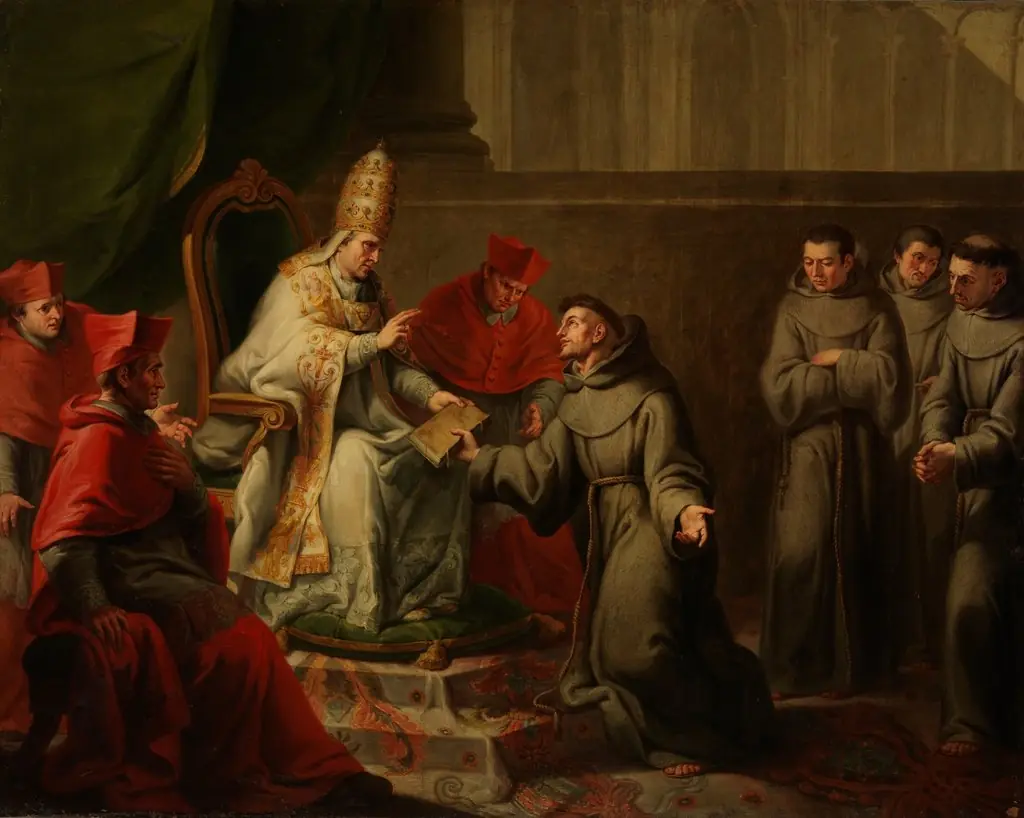
- Aprobación de la regla franciscana por el papa Inocencio III
 The Miracle of the Cloud
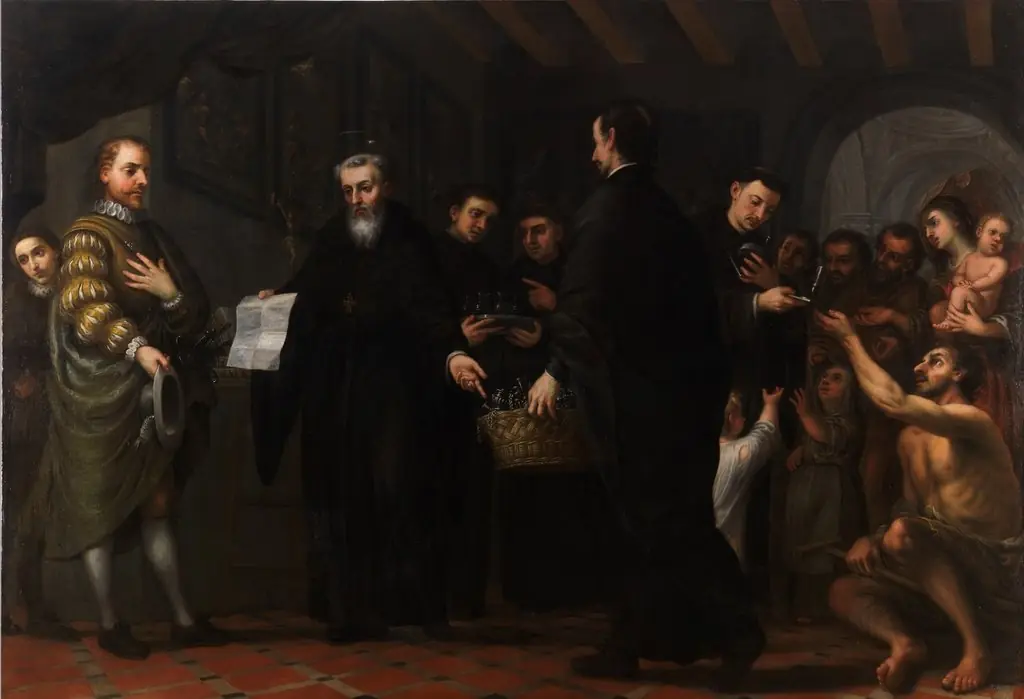 San Agustín repartiendo los bienes de los ricos entre los pobres
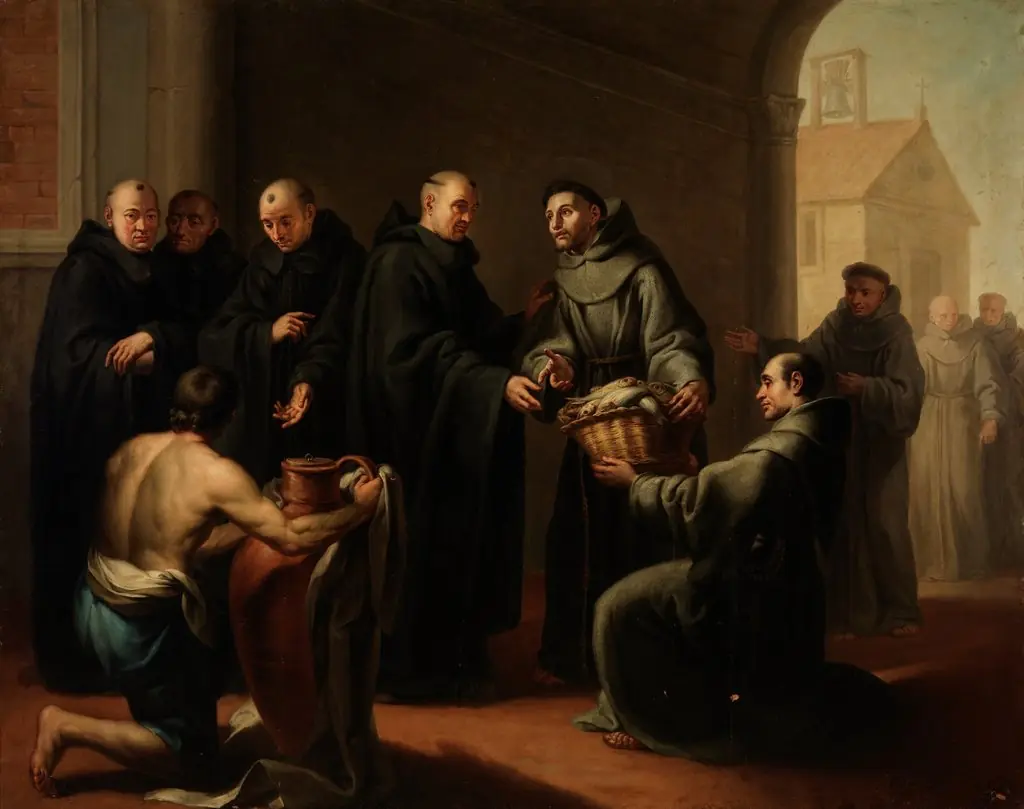 San Francisco recibiendo un cesto de peces
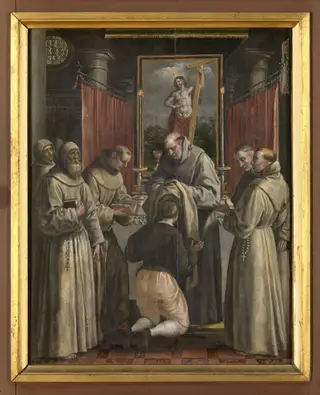 The Story of Saint Didacus of Alcalà
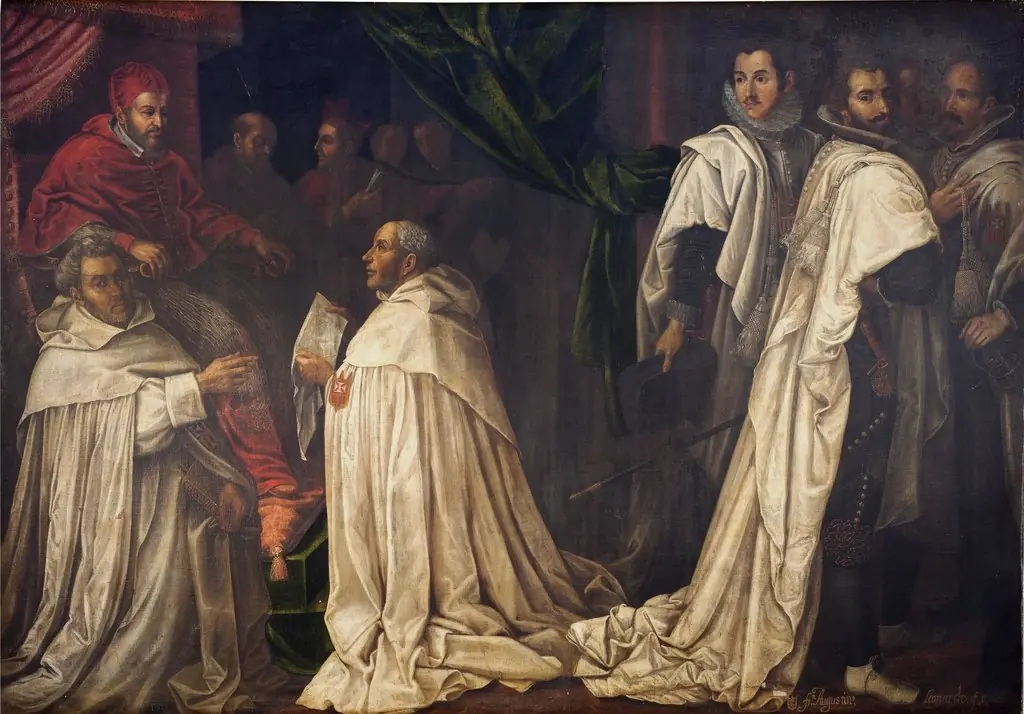 Decisión del pleito entre religiosos y caballeros
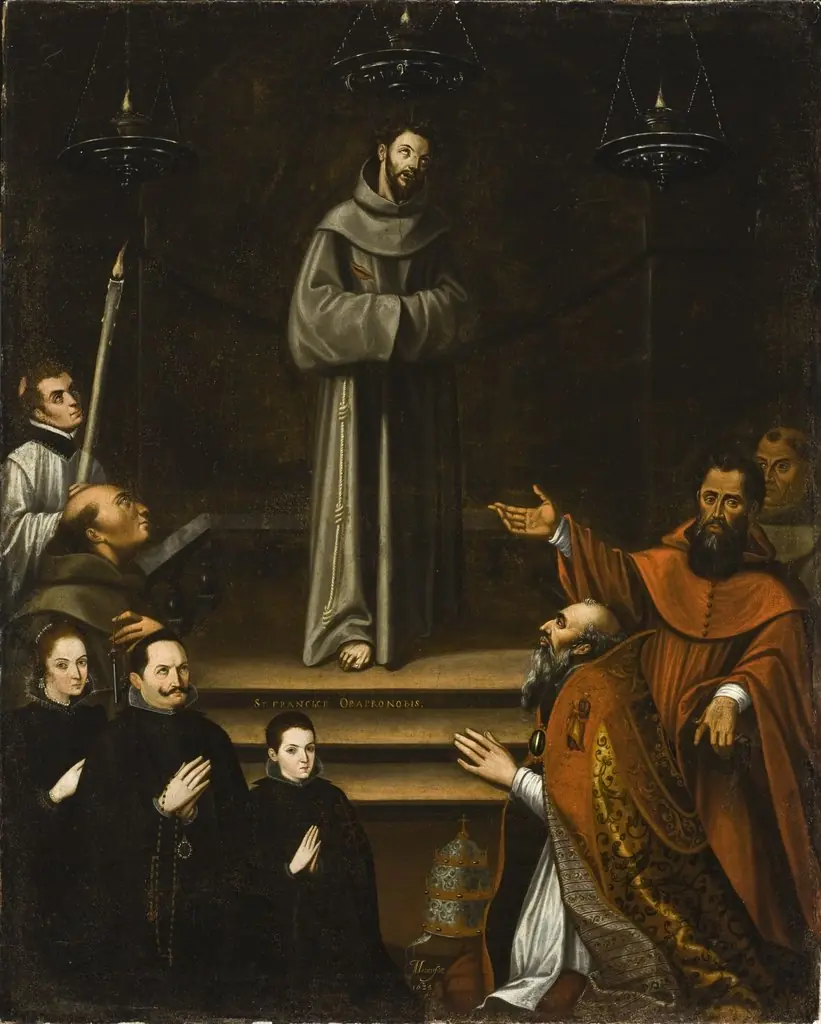 Saint Francis of Assisi Appearing before Pope Nicholas V, with Donors (La aparición de San Francisco de Asís al Papa Nicolás V, con donantes)
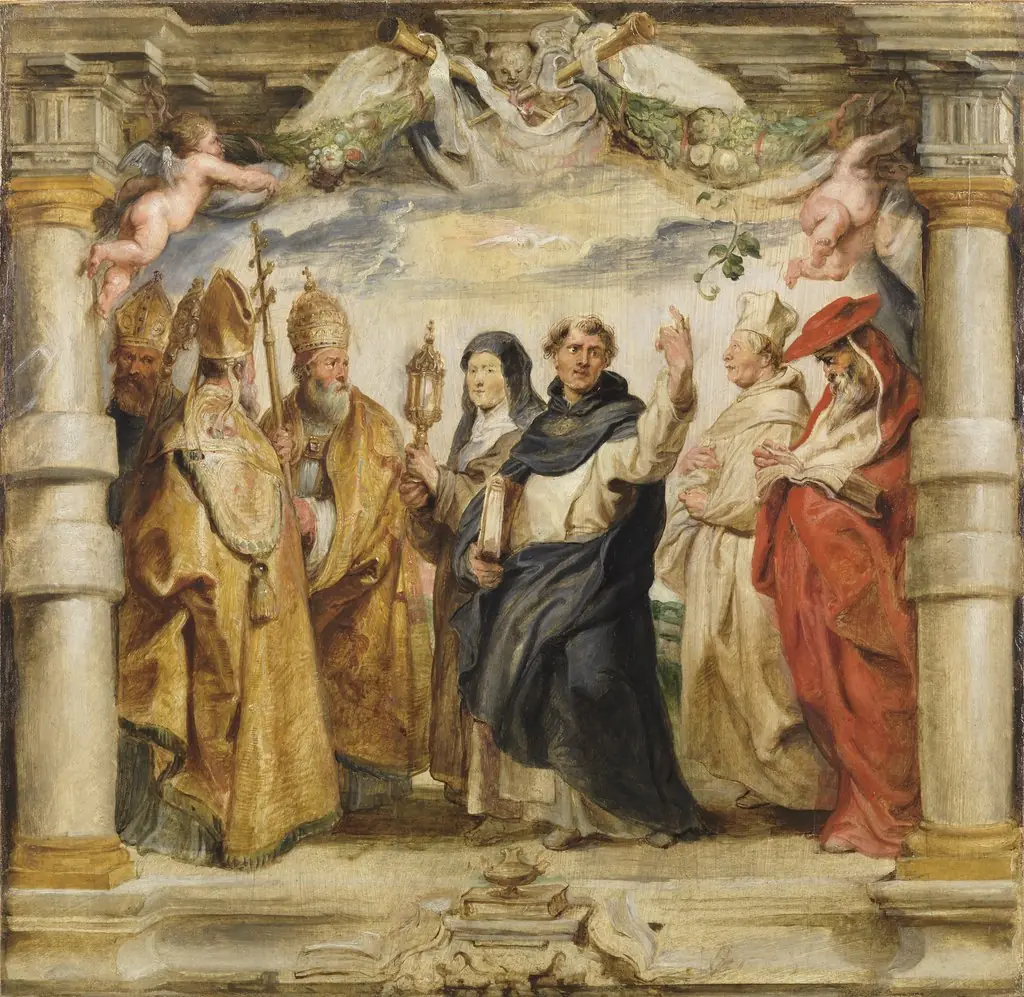 The Defenders of the Eucharist
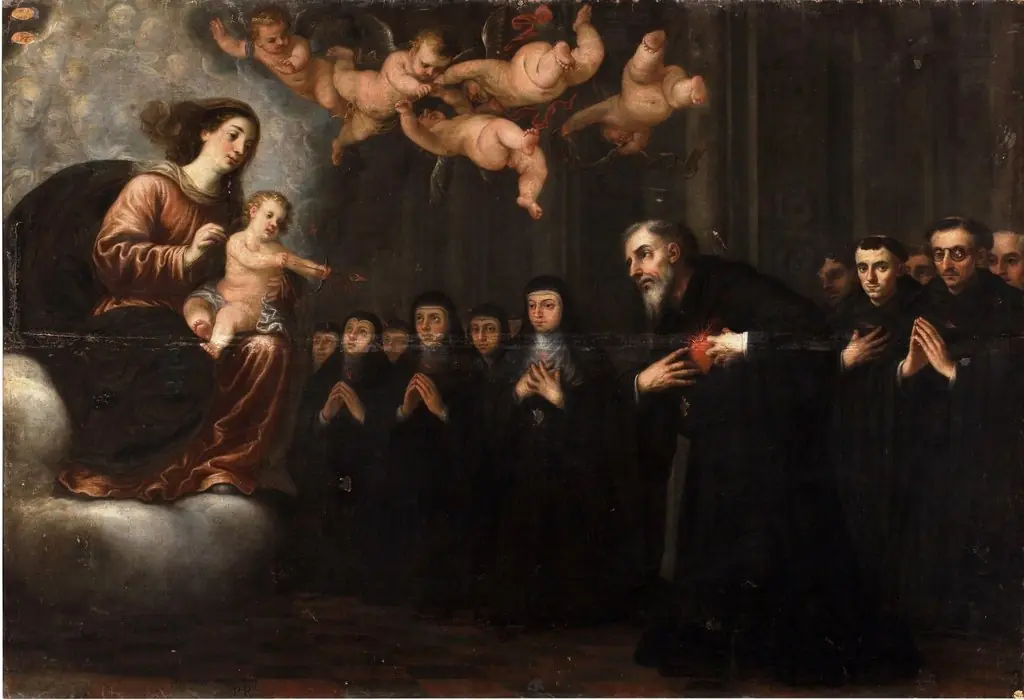 La Virgen y el Niño transverberando el corazón a San Agustín ante la comunidad de agustinos
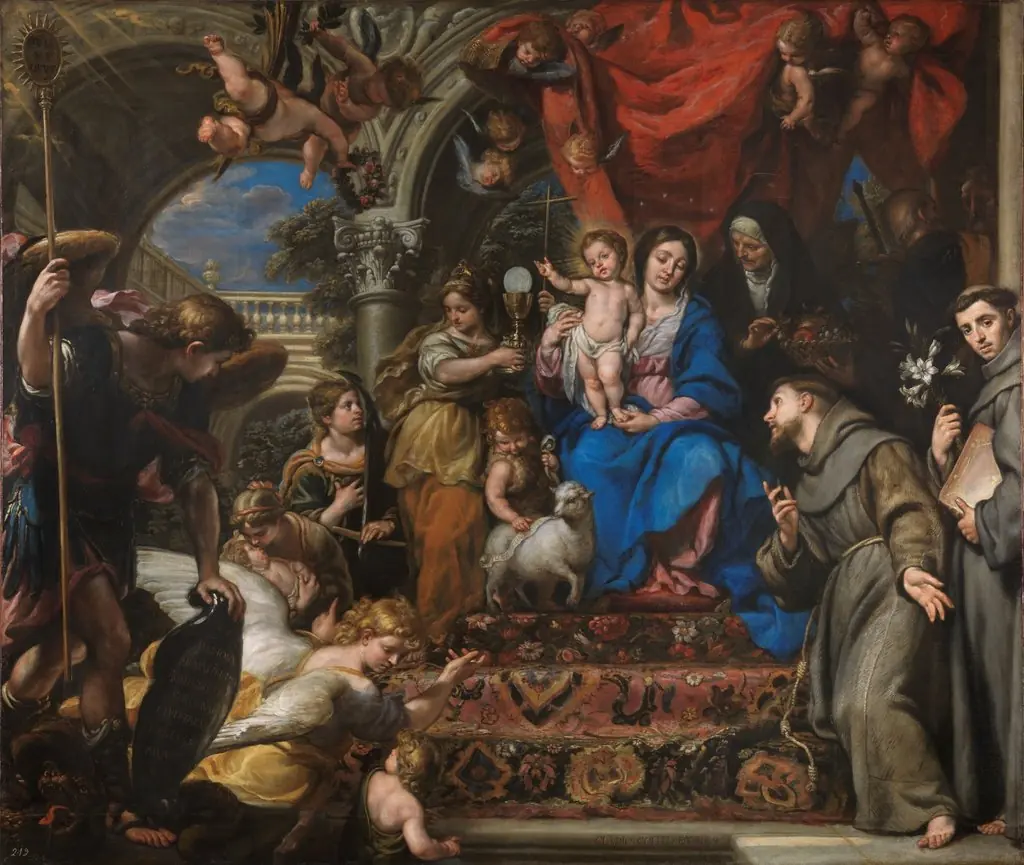 The Virgin and Child between the Theological Virtues and Saints
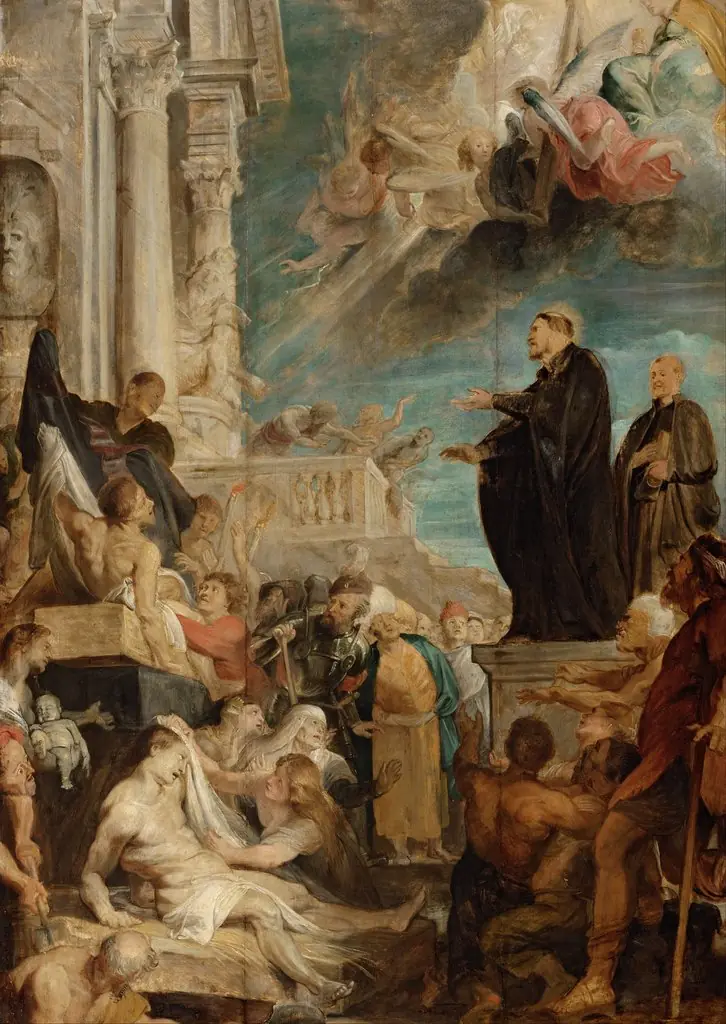 The miracles of St. Francis Xavier, Modello
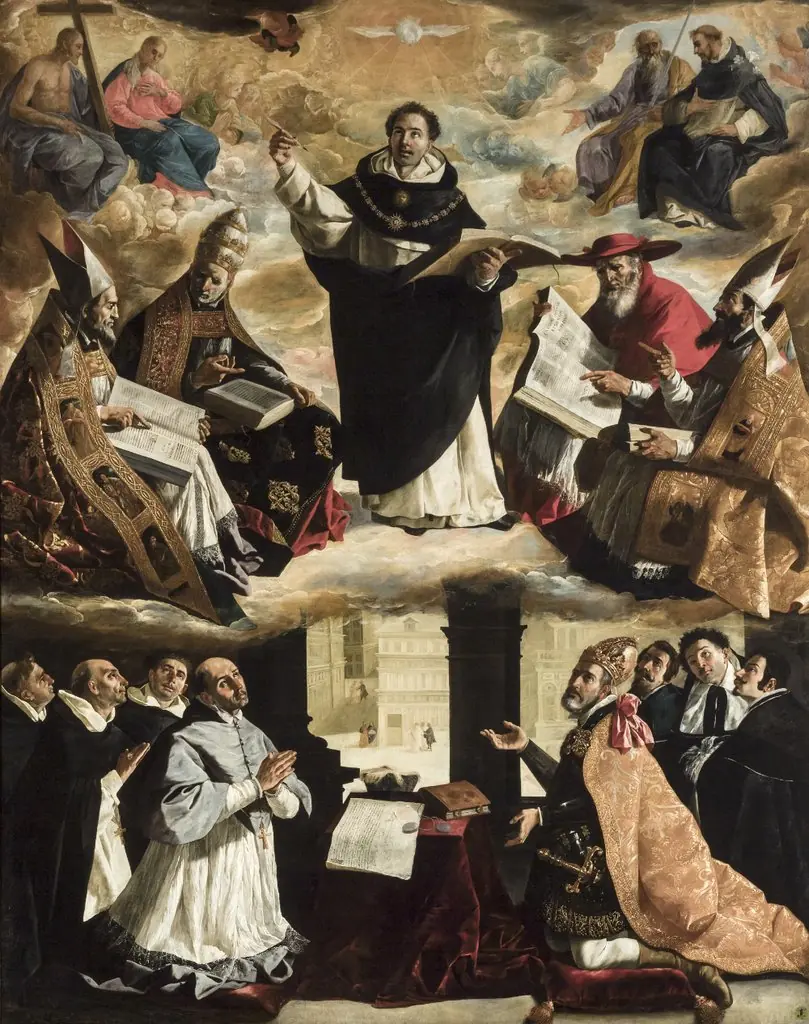 The Apotheosis of St. Thomas of Aquino