Artwork
The Virgin and Child between the Theological Virtues and Saints
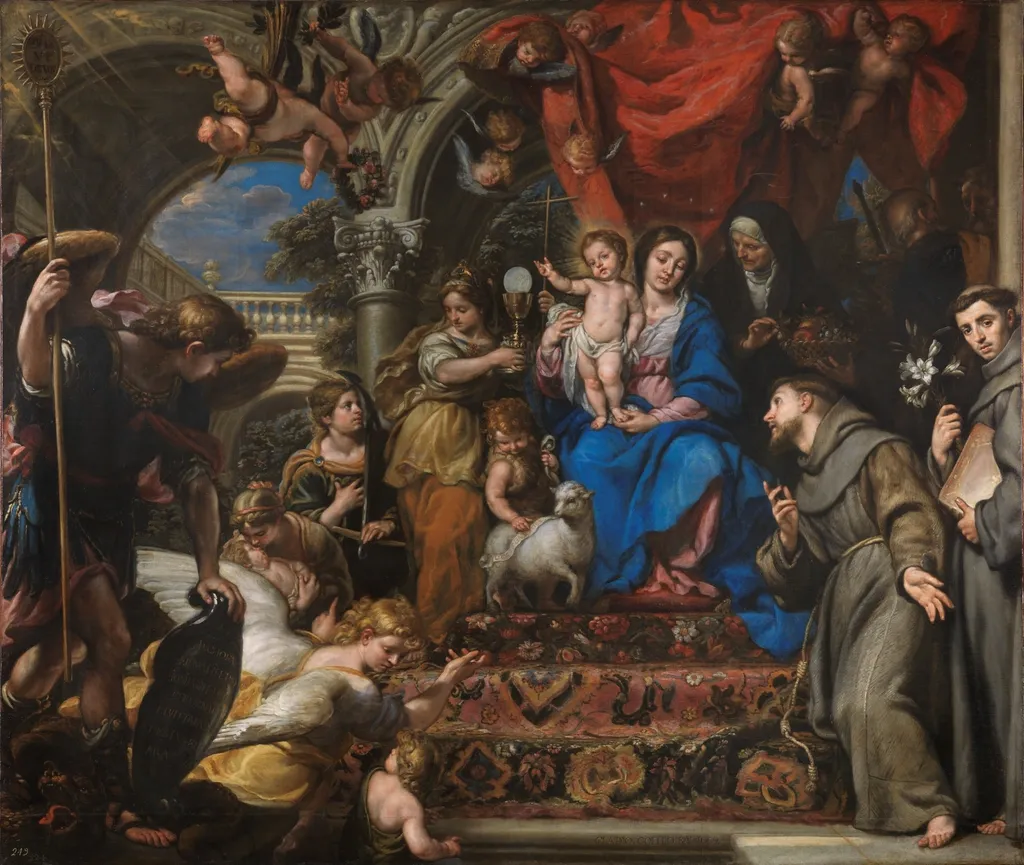
The Virgin and Child between the Theological Virtues and Saints is an oil painting by the Early Baroque Italian artist Claudio Coello. It dates from 1669 and is held in the collection of the Museo del Prado.
About this work
Subject & Meaning
The work reflects the religious art tradition of 17th‑century Spain, where such iconographic ensembles were used to convey theological concepts to the faithful.
The painting shows the Virgin Mary holding the infant Jesus, surrounded by allegorical figures of the Theological Virtues and several saints. This arrangement emphasizes the doctrinal themes of divine wisdom, faith, hope, and charity within a Catholic devotional context. The presence of the saints and virtues serves as symbolic companions that reinforce the sacred narrative and highlight the heavenly intercession surrounding the Holy Family.
The work reflects the religious art tradition of 17th‑century Spain, where such iconographic ensembles were used to convey theological concepts to the faithful.
Technique & Style
The work is executed in oil paint on canvas, a standard support for Spanish Baroque religious painting of the period. Its dimensions are 232 cm in height by 273 cm in width, indicating a large-scale devotional composition. The painting belongs to the religious genre and is held by the Museo del Prado.
History & Provenance
Claudio Coello painted this religious work in 1669. The painting depicts the Virgin Mary with the Christ Child. It later entered the collection of Ferdinand VII of Spain. The work is now held by the Museo del Prado, with a listed location at the Royal Palace of Aranjuez.
The painting is held in the Museo del Prado. It was formerly owned by Ferdinand VII of Spain and was located at the Royal Palace of Aranjuez. No specific inventory or accession number is recorded in the available sources, and no exhibition history is documented.
Legacy
The painting influenced later Spanish religious art through its devotional intensity and compositional balance, features that appear in works by 18th‑century painters such as Francisco de Goya and later academic artists who referenced Coello’s treatment of the Virgin and Child. Contemporary assessments highlight its role in shaping courtly iconography, reinforcing the theological Virtues as integral to Spanish Catholic identity. Its inclusion in major exhibitions, notably the Prado’s retrospectives on Spanish Baroque, has cemented its reputation as a benchmark for devotional imagery in Iberian art.
Overview
Claudio Coello’s 1669 oil on canvas, titled The Virgin and Child between the Theological Virtues and Saints, presents a central Marian tableau framed by a gathering of saints and allegorical figures. Executed in the early Baroque idiom, the composition is now part of the Museo del Prado’s holdings, reflecting the artist’s role as a leading court painter in late‑17th‑century Spain.
Own this work as a print
Artist & collection
Artist
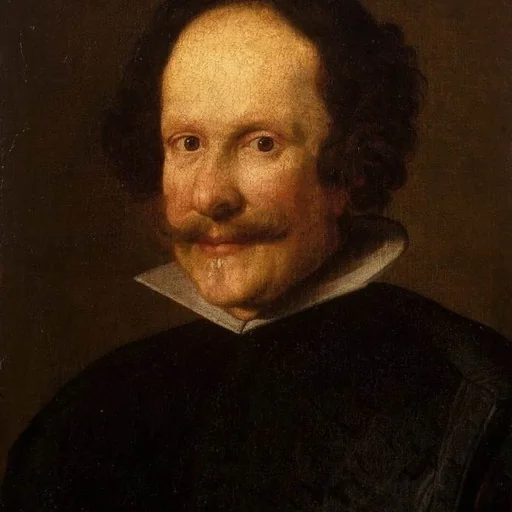
Claudio Coello (2 March 1642 – 20 April 1693) was a Spanish-Portuguese Baroque painter.

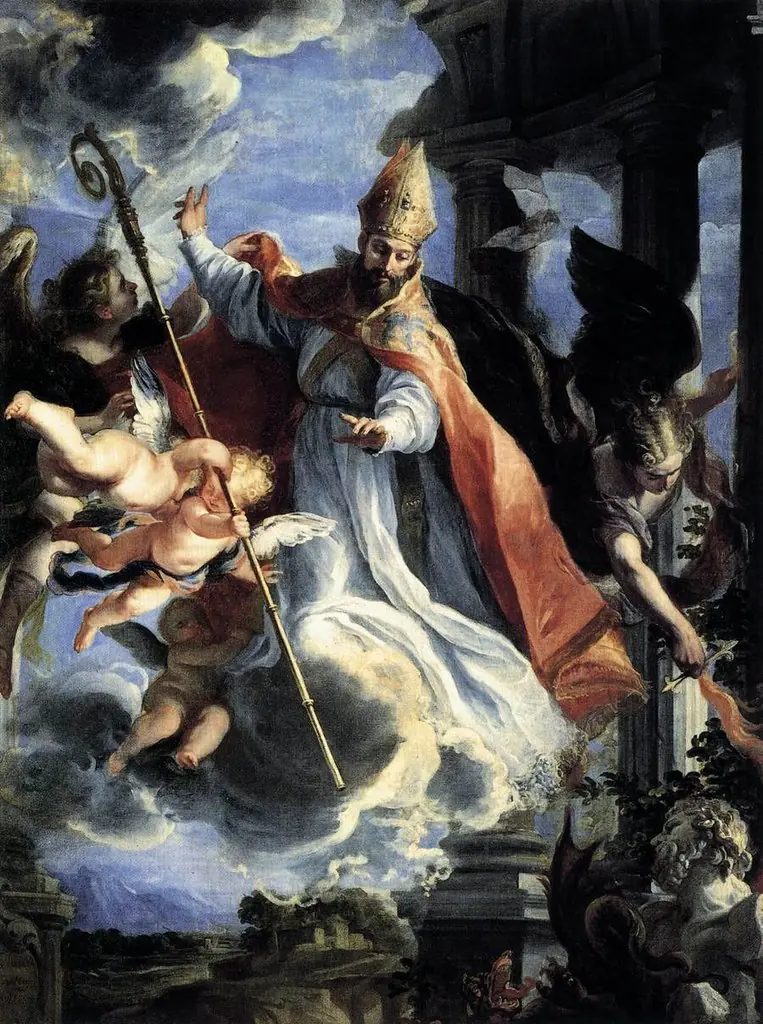
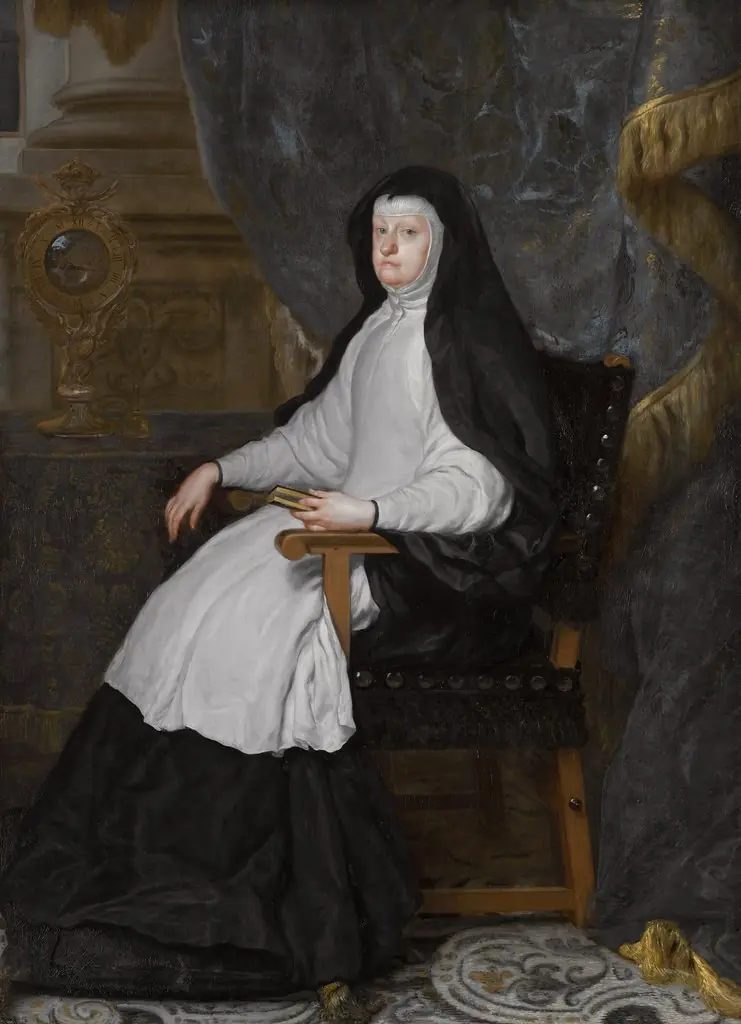
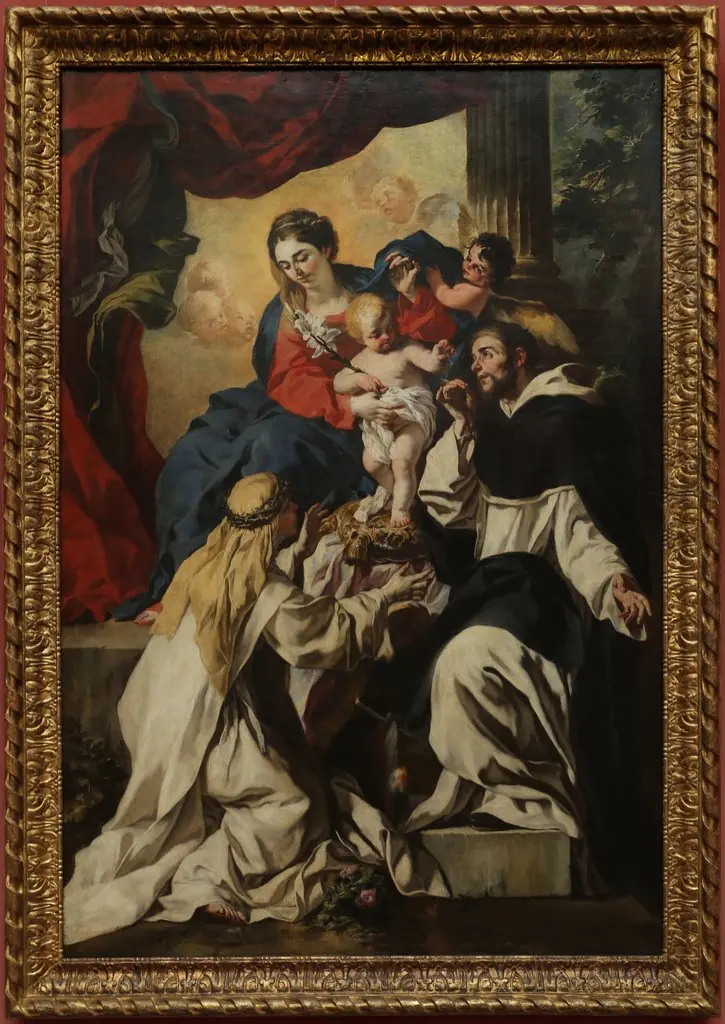 Die thronende Maria mit dem Kind, dem Heiligen Dominikus und der Heiligen Katharina von Siena (Rosenkranzmadonna)
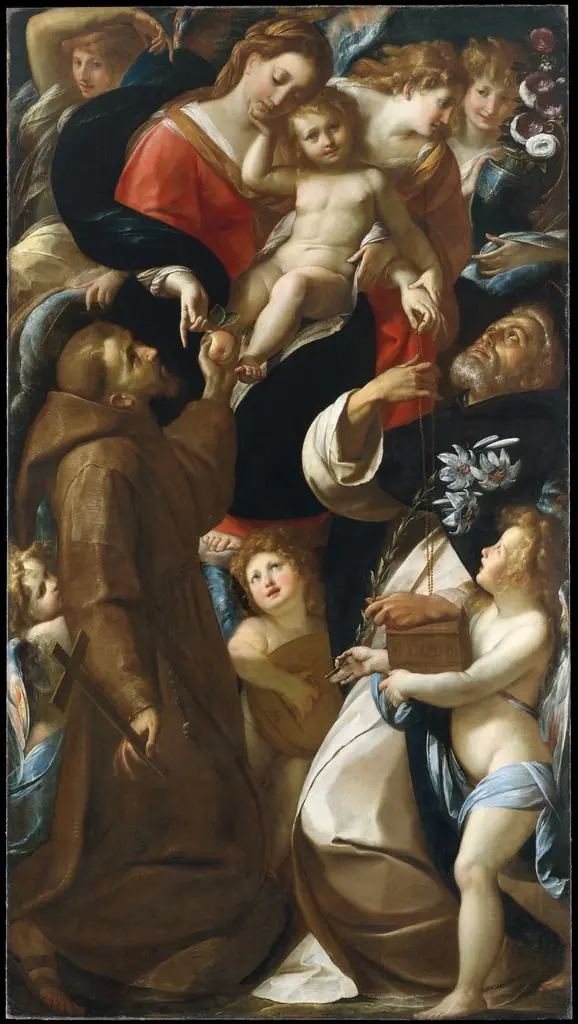 Madonna and Child with Saints Francis and Dominic and Angels
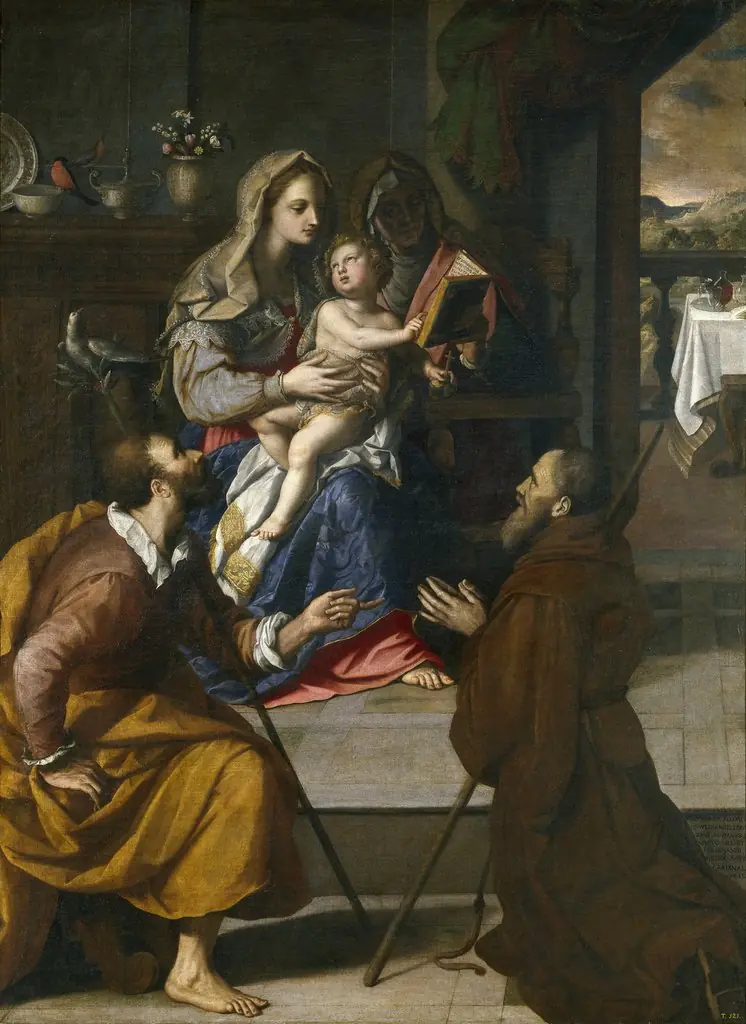 The Holy Family of Cardinal Fernando de’ Medici
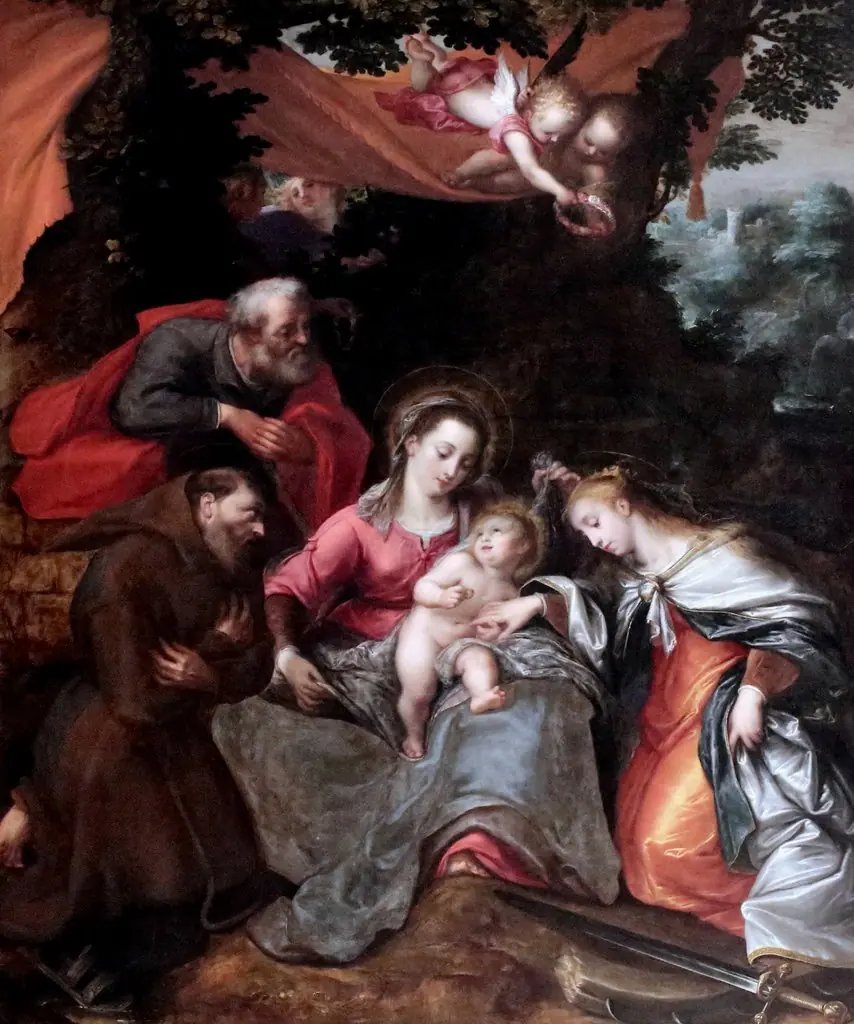 The Mystic Marriage of St. Catherine
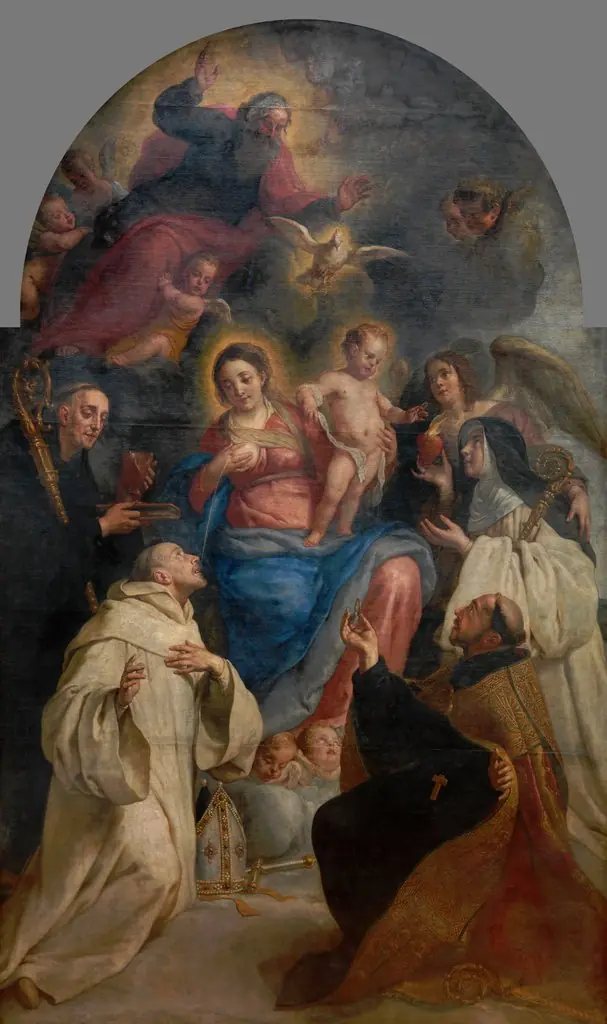 Lactatio of Saint Bernard of Clairvaux
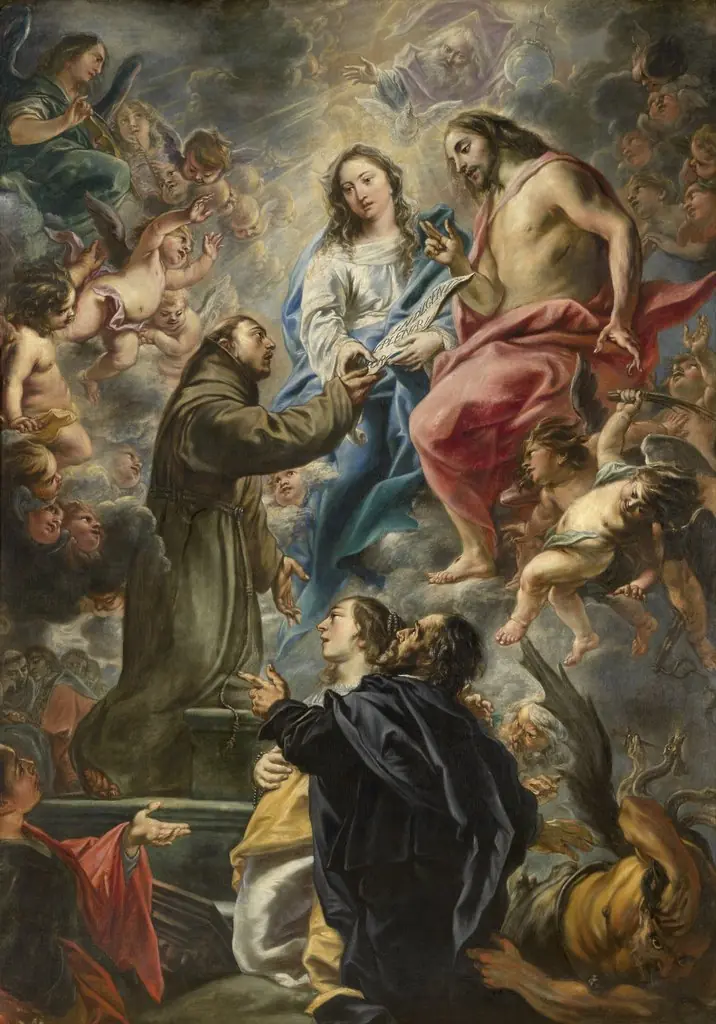 Portiuncula
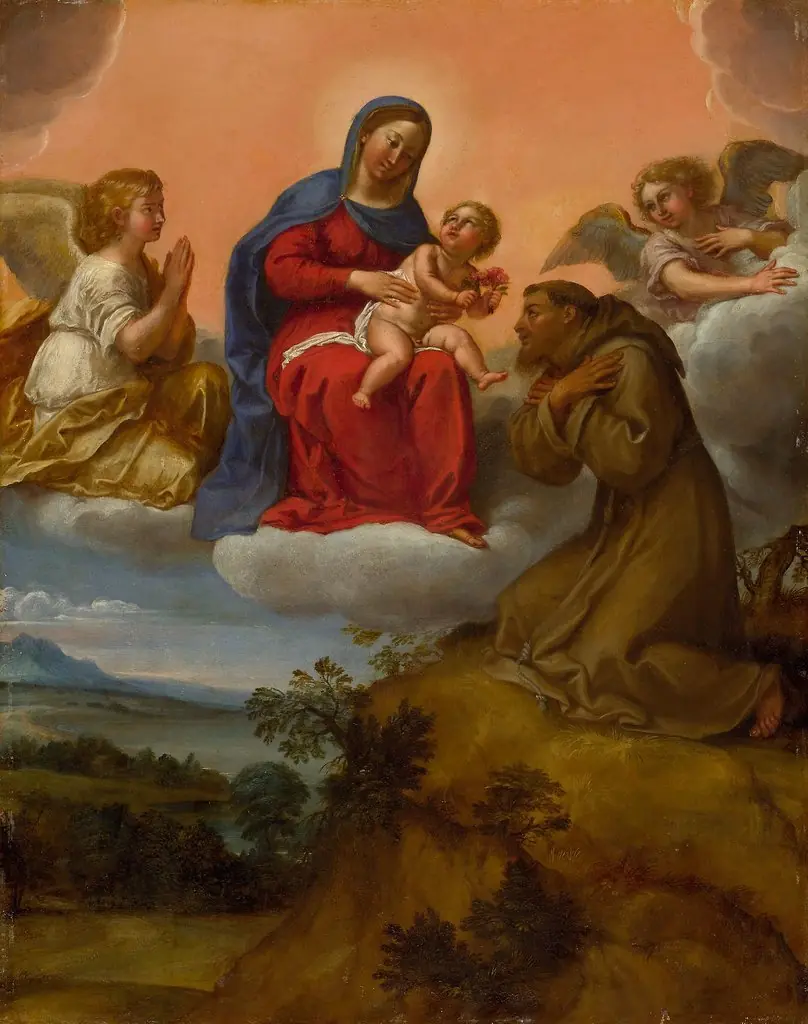 Virgin and Child Adored by Saint Francis
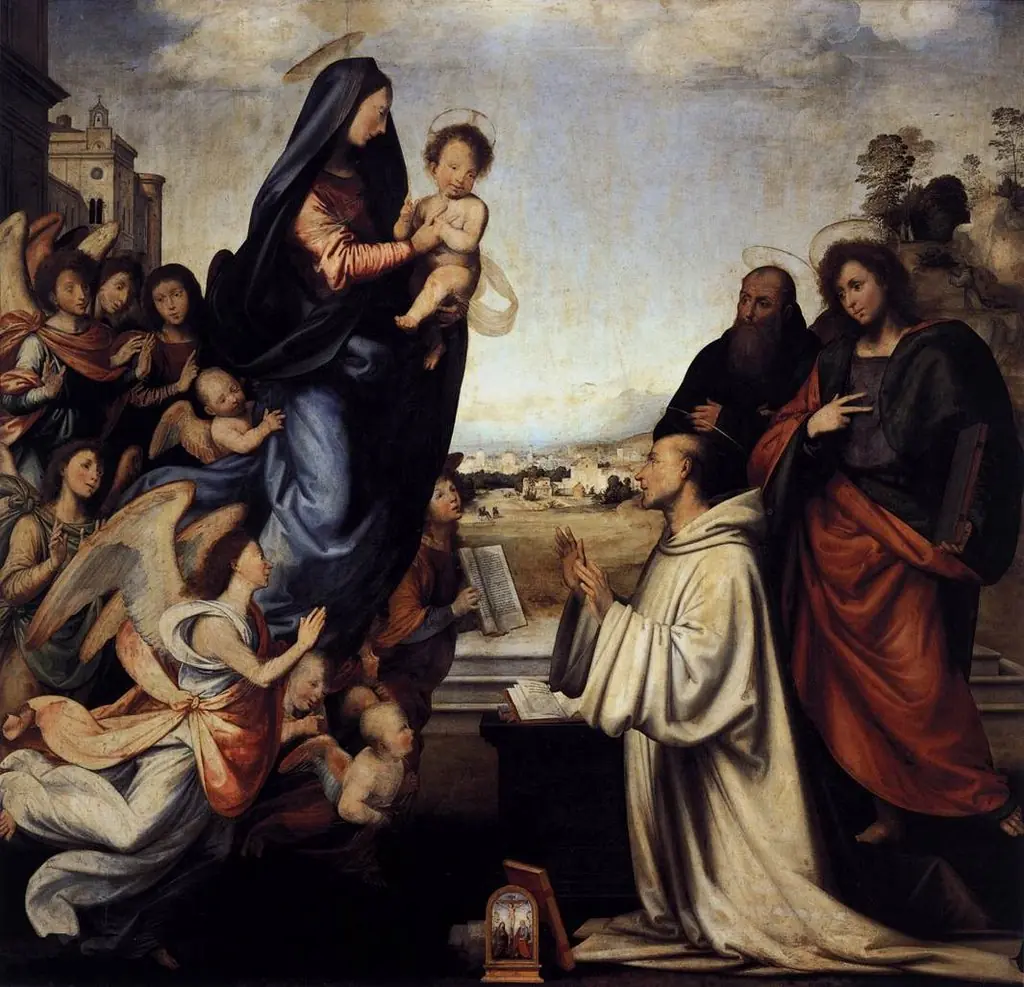 The Vision of Saint Bernard
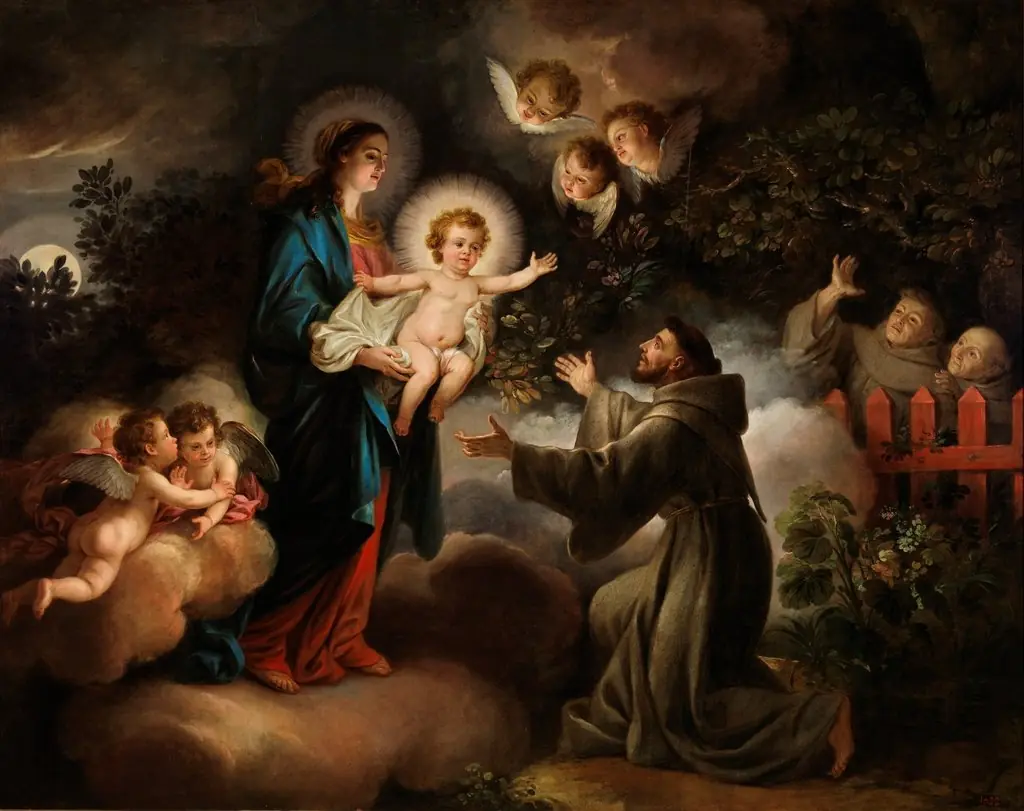 La Aparición de la Virgen a San Francisco
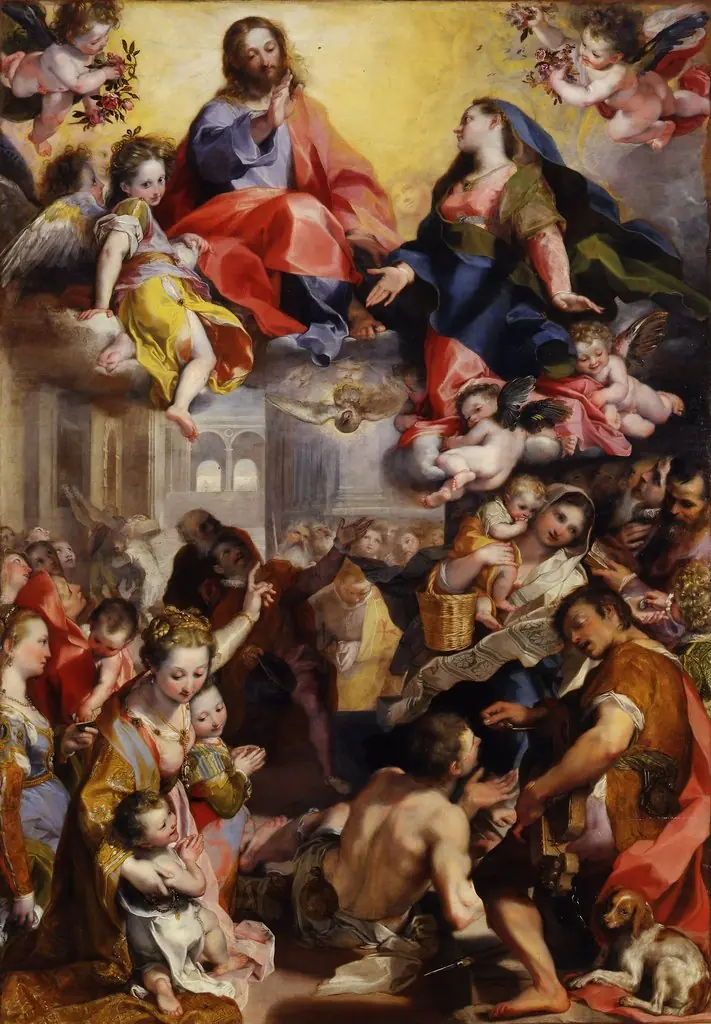 Madonna of the people
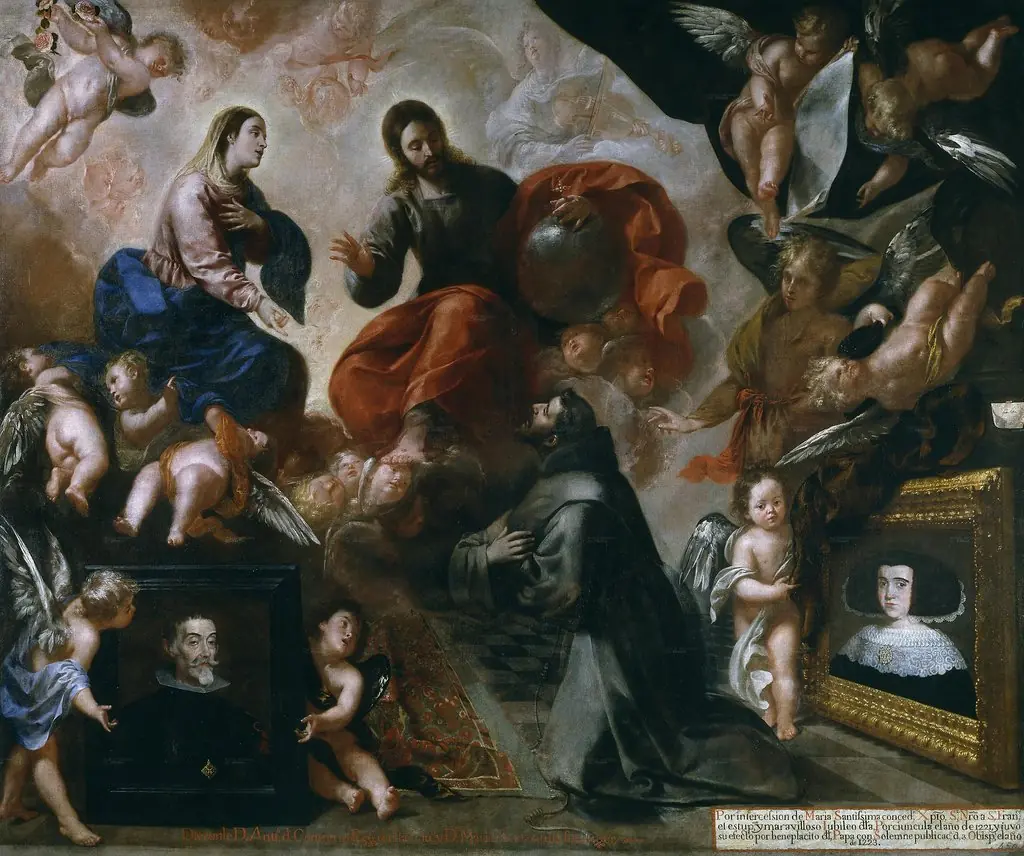 Saint Francis of Assisi in the Porziuncola with the Donors Antonio Contreras and María Amezquita
- Virgin and Child with Saints