Artwork
Portrait of Friedrich Wilhelm, Elector of Brandenburg (1620-1688), 'the Great Elector'
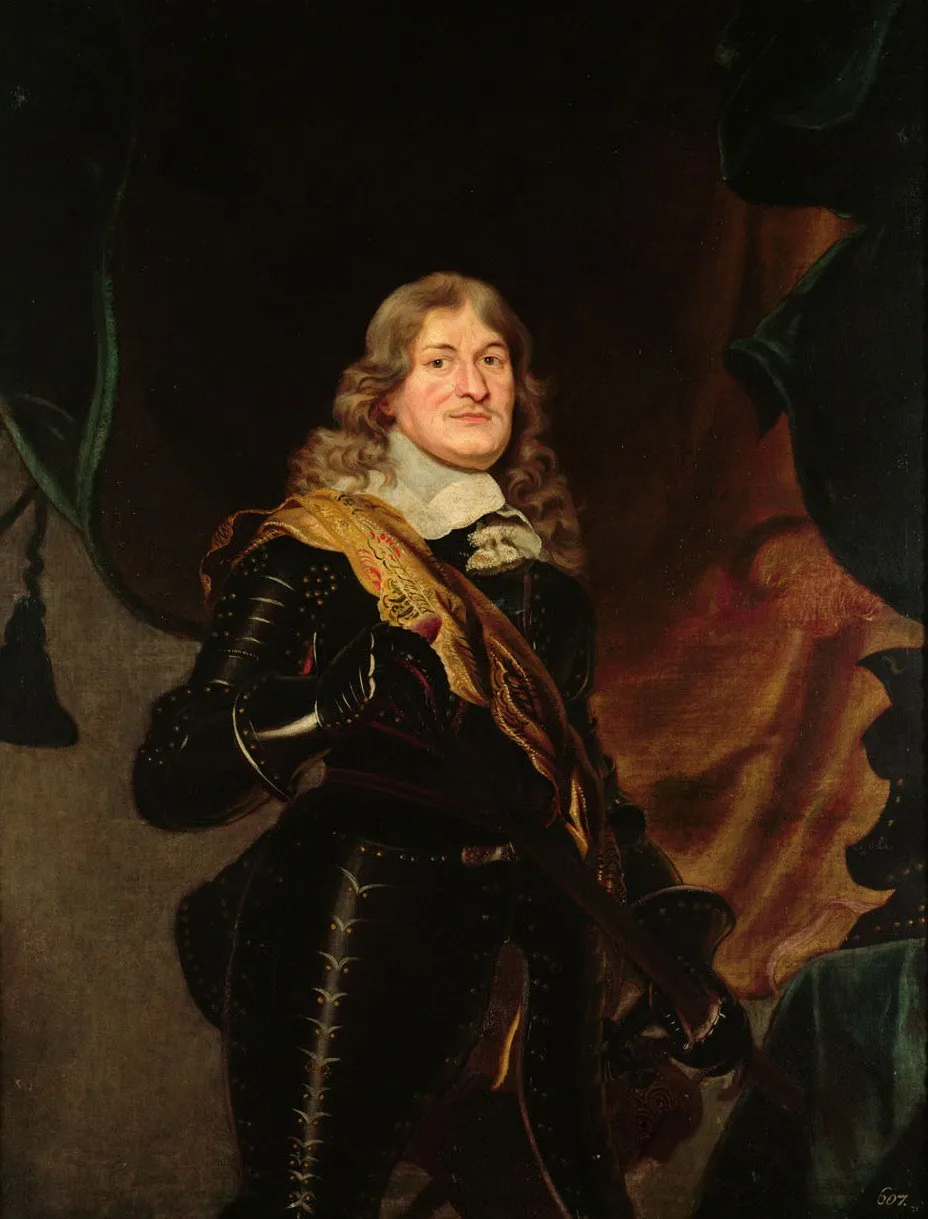
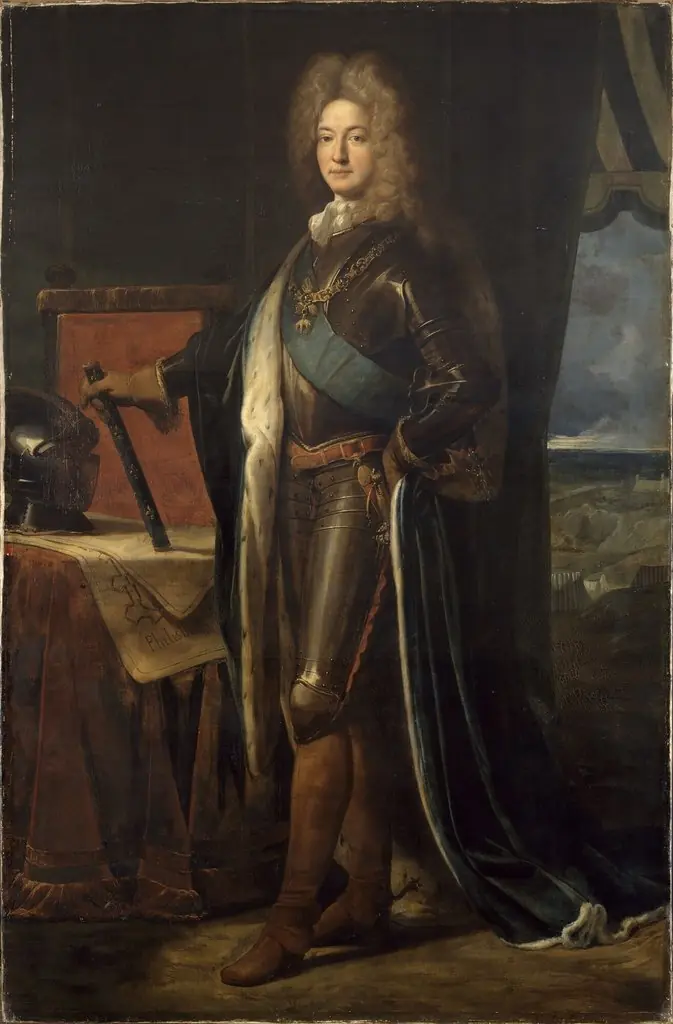
Portrait of Friedrich Wilhelm, Elector of Brandenburg (1620-1688), 'the Great Elector' is a color painting by the Flemish Baroque painting artist Frans Luycx. It dates from 1650 and is held in the collection of the Kunsthistorisches Museum.
About this work
Overview
The painting is held in the collection of the Kunsthistorisches Museum at Schloss Ambras Innsbruck, where it is accessible to the public.
The Portrait of Friedrich Wilhelm, Elector of Brandenburg (1620-1688), 'the Great Elector' is a full-length oil painting on canvas executed by the Flemish artist Frans Luycx in 1650. Measuring 139 by 119 centimetres, the work depicts the ruler of Brandenburg-Prussia in a formal three-quarter pose, clad in polished black armor with gold decorative studs. The painting is held in the collection of the Kunsthistorisches Museum at Schloss Ambras Innsbruck, where it is accessible to the public. As a product of mid-seventeenth-century court portraiture, the image exemplifies the international Baroque style that Luycx brought to the Habsburg and German princely courts, and it preserves the visual identity of one of the most consequential state-builders of early modern Europe.
Subject & Meaning
The subject, Frederick William, ruled Brandenburg-Prussia from 1640 until his death in 1688 and is popularly known as "the Great Elector" for his military and political achievements. Luycx portrays him as a standing warrior-prince: his right hand, clad in a black gauntlet, rests authoritatively on his hip, while his left hand holds a plumed black hat near his thigh. The gold and red embroidered sash crossing his chest from right shoulder to left hip denotes high rank and martial leadership, while the polished black armor with gold studs proclaims both wealth and readiness for war. The white lace collar softens the martial severity with a touch of courtly refinement. Long, wavy blond hair falls past his shoulders, a fashionable marker of aristocratic status in the period. The dark, undefined background, with draped fabrics in deep green and reddish-gold and a heavy green curtain with a tassel at upper left, isolates the figure and elevates him toward an almost iconic presence. The overall effect is one of controlled power, presenting Frederick William as the linchpin of Hohenzollern ambition and the architect of Prussia's later greatness.
Technique & Style
Luycx worked in oil on canvas, a support that allowed for the smooth, large-scale execution typical of princely portraits. The palette is dominated by blacks, golds, and warm browns, with strong chiaroscuro contrasts between the illuminated face and the shadowy surroundings that reveal the artist's Flemish training in the tradition of Anthony van Dyck. The brushwork is notably differentiated: smooth and refined in the flesh tones, lending the face a lifelike immediacy, and more textured in the fabrics and metal, where the artist builds up surface interest to evoke the weight of silk, lace, and steel. The three-quarter pose, with the head turned directly toward the viewer, creates a sense of engagement that was becoming standard in European court portraiture but is handled here with particular psychological directness. A small inscription reading "607" appears in the lower right corner, possibly an inventory number from an early collection.
History & Provenance
The painting is dated to 1650, with one source suggesting a slightly broader range of circa 1650 to 1651. It was created during a period when Frederick William was consolidating his territories after the devastation of the Thirty Years' War and building the standing army that would become the model for the Prussian military. The work's provenance includes the imperial Hofburg; by 1772 it was documented in the gallery there, indicating long-standing Habsburg interest in the portrait. It subsequently entered the collection now administered by the Kunsthistorisches Museum and is today located at Schloss Ambras Innsbruck. The painting's inventory number at the museum is GG 3163. No detailed exhibition history is recorded in the available sources, though its continuous presence in major imperial and museum collections underscores its sustained institutional importance.
Context
Frans Luycx (1604-1668) was a Flemish painter who trained in Antwerp and subsequently worked for the Habsburg court in Vienna and for other Central European patrons, bringing the visual language of Flemish Baroque portraiture to German and Austrian princely courts. His portrait of Frederick William belongs to a broader European practice of disseminating ruler images to reinforce dynastic prestige and political alliances. The Great Elector himself was a figure of growing international stature in 1650: he had begun his reign ten years earlier, spent part of his youth in the Netherlands studying statecraft, and was already pursuing the military and administrative reforms that would transform Brandenburg-Prussia from a scattered collection of territories into a coherent great power. The portrait thus functions not merely as a likeness but as an instrument of political communication, projecting authority to both domestic and foreign audiences at a moment when Frederick William was actively negotiating the post-Westphalian order.
Legacy
The portrait has endured as a key visual document of the Hohenzollern dynasty's rise. Its preservation in imperial and subsequently museum collections, rather than in the direct line of Brandenburg-Prussian inheritance, suggests its early recognition as a work of artistic merit independent of its original political function. The image contributes to the posthumous reputation of Frederick William as "the Great Elector," a title that reflects his military victories, notably at Fehrbellin in 1675, and his foundational role in creating the centralized state that his descendants would elevate to kingdom and empire. For art historians, the painting exemplifies the international circulation of Flemish painters and Flemish visual conventions in mid-seventeenth-century Europe, demonstrating how artists such as Luycx adapted the grand manner of Van Dyck to local patronal needs. The work remains accessible at Schloss Ambras Innsbruck, where it continues to inform scholarly and public understanding of Baroque portraiture and of the visual culture of German princely power.
Artist & collection
Artist
Frans Luycx or Frans Luyckx (Dutch pronunciation:; before 17 April 1604 – 1 May 1668) was a Flemish painter who became the leading portrait painter at the imperial court of Emperor Ferdinand III in Vienna.

 Portrait of Charles Joseph, Archduke of Austria (1745-1761)
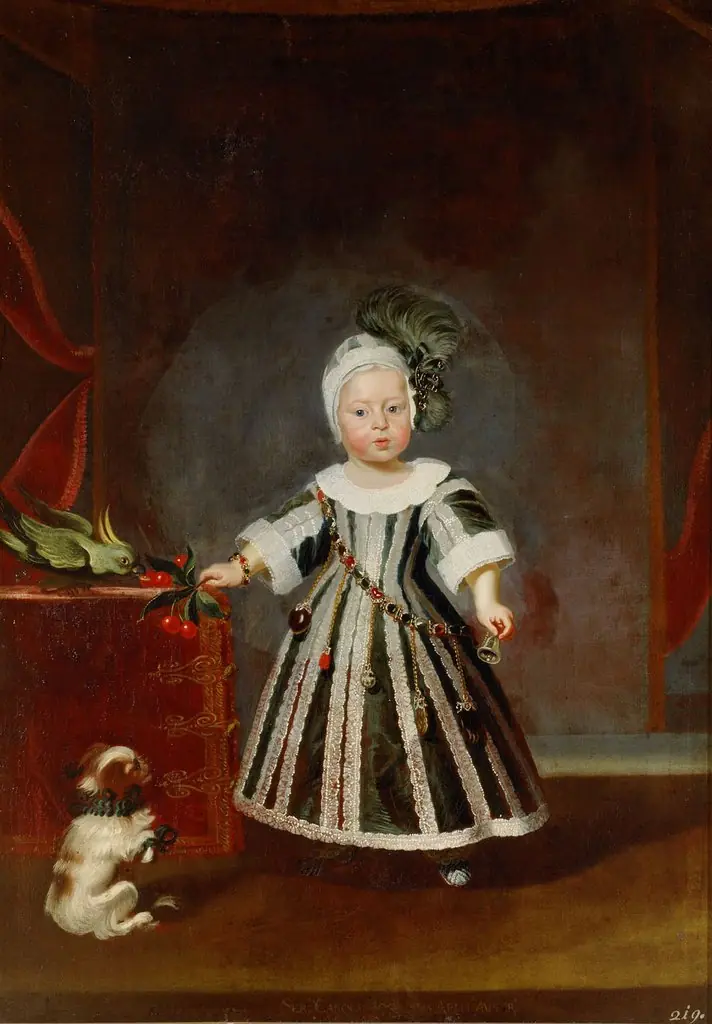
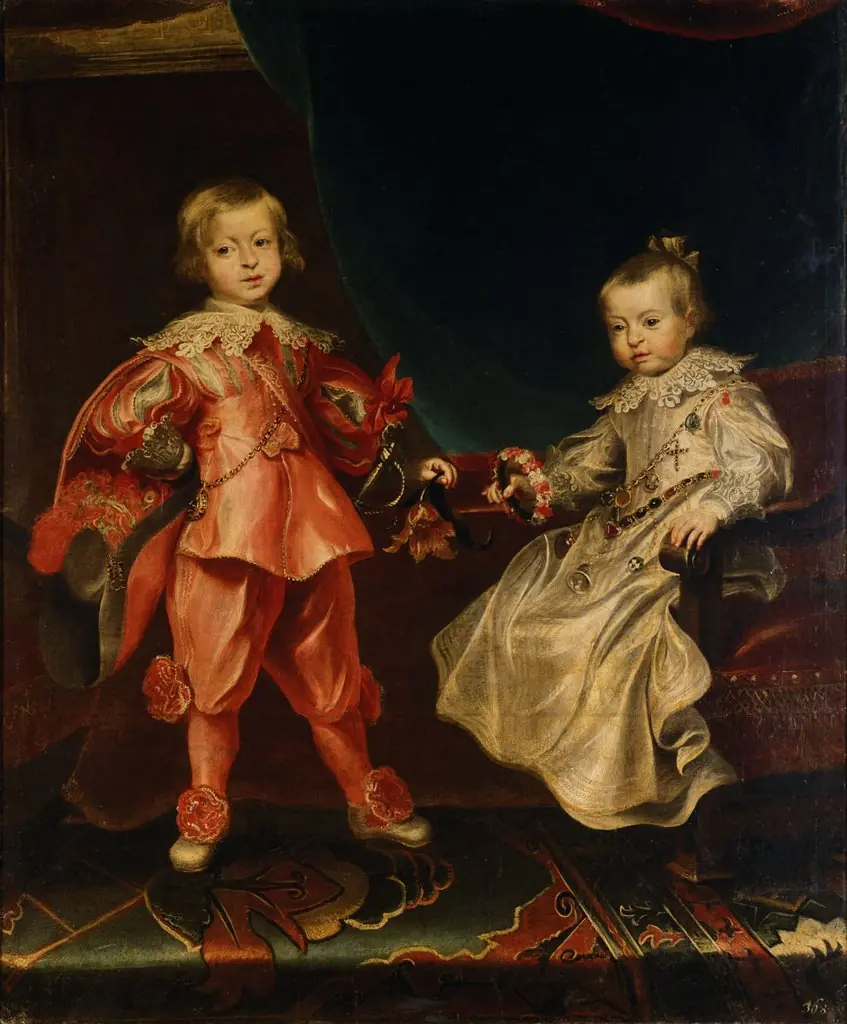 Portrait of Ferdinand IV with his sister Maria Anna
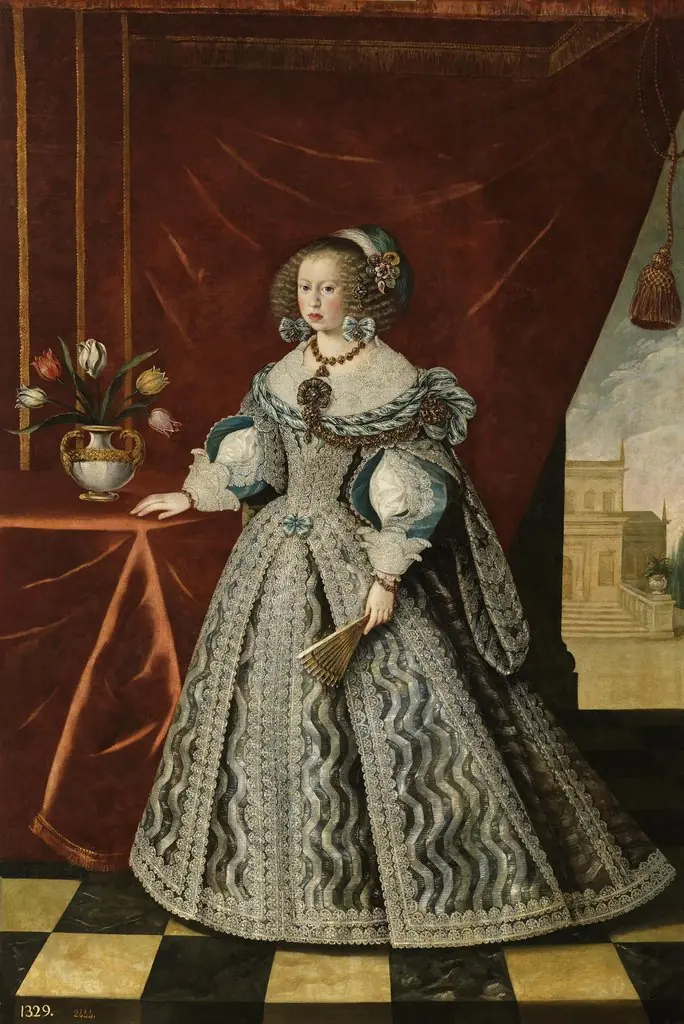 Mariana of Austria
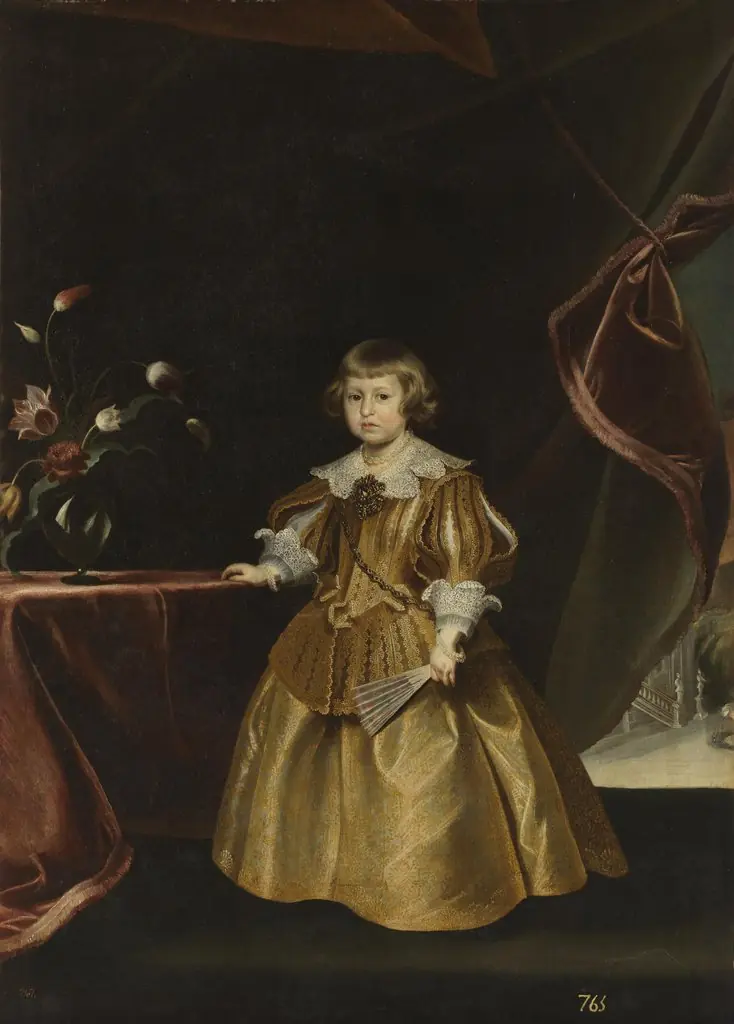 Portrait of an infanta
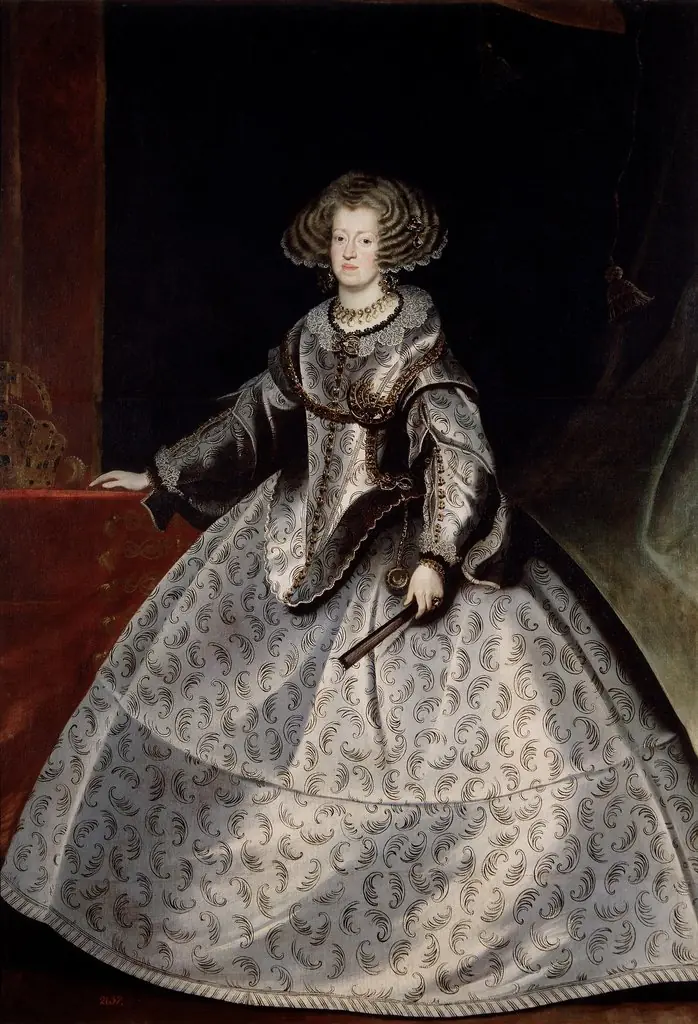 María of Austria Queen of Hungary
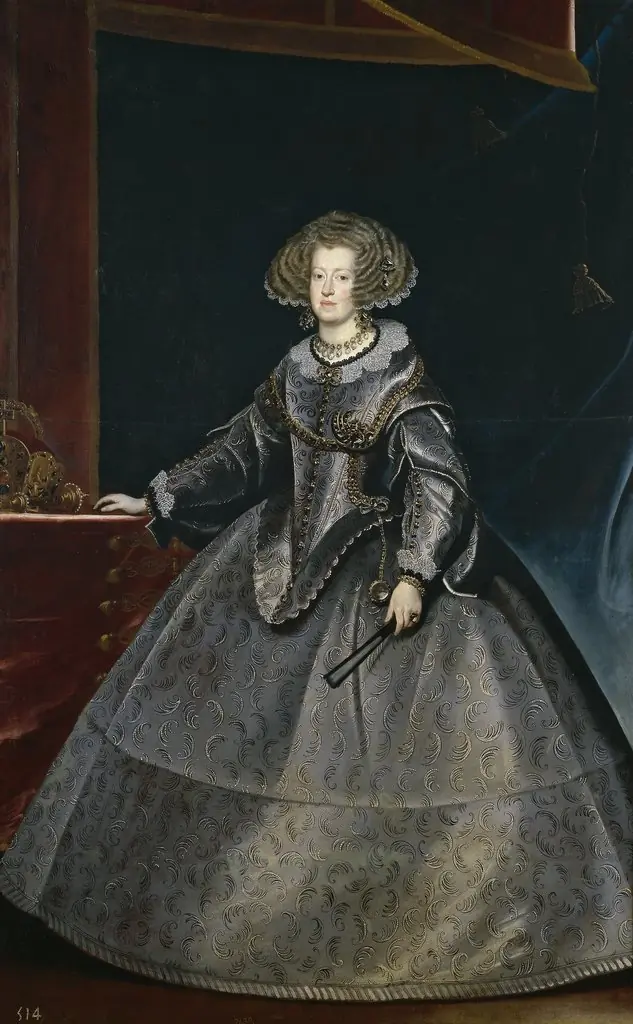 María of Austria Queen of Hungary
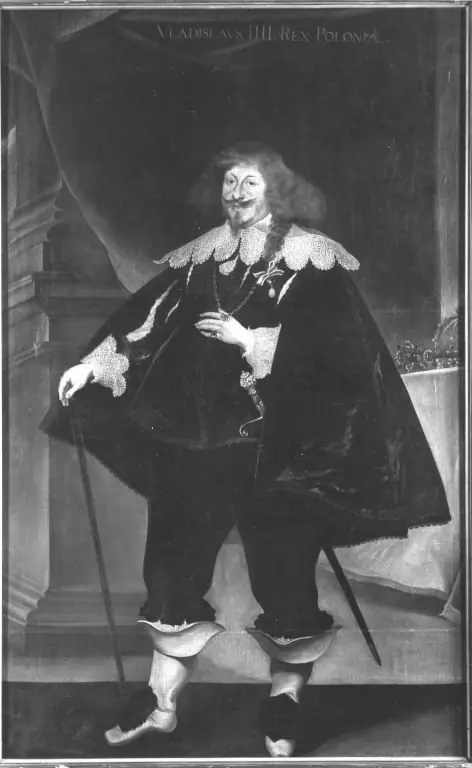 Portrait of King Ladislaus IV Vasa.
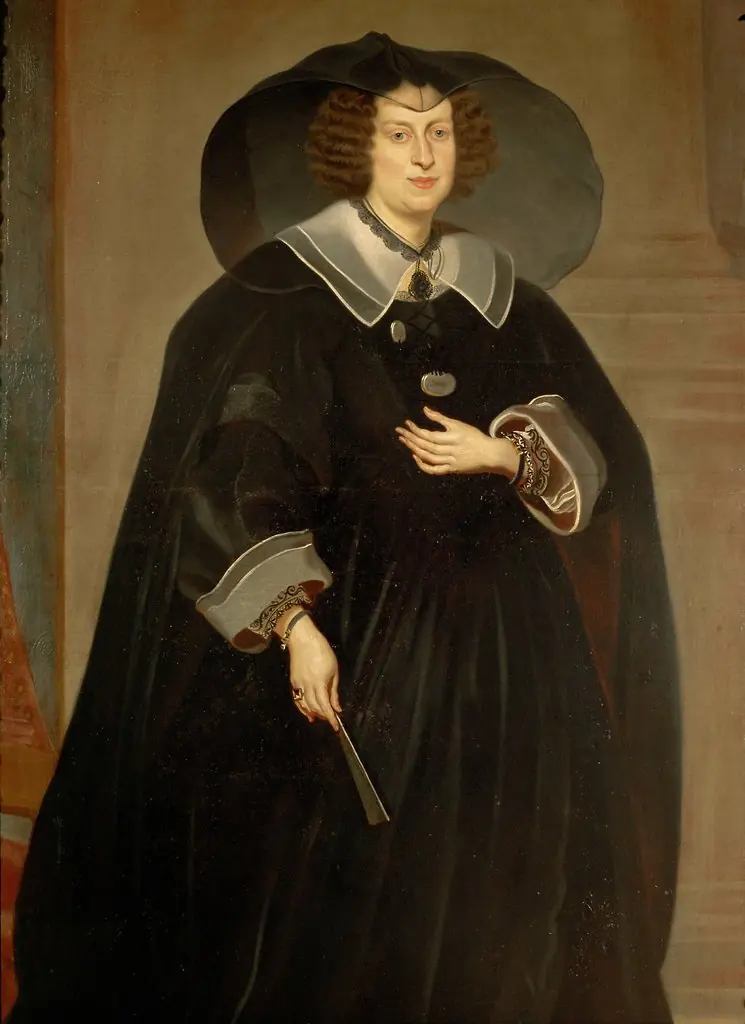 Claudia de' Medici (1604-1648), Erzherzogin, in Witwentracht, Kniestück
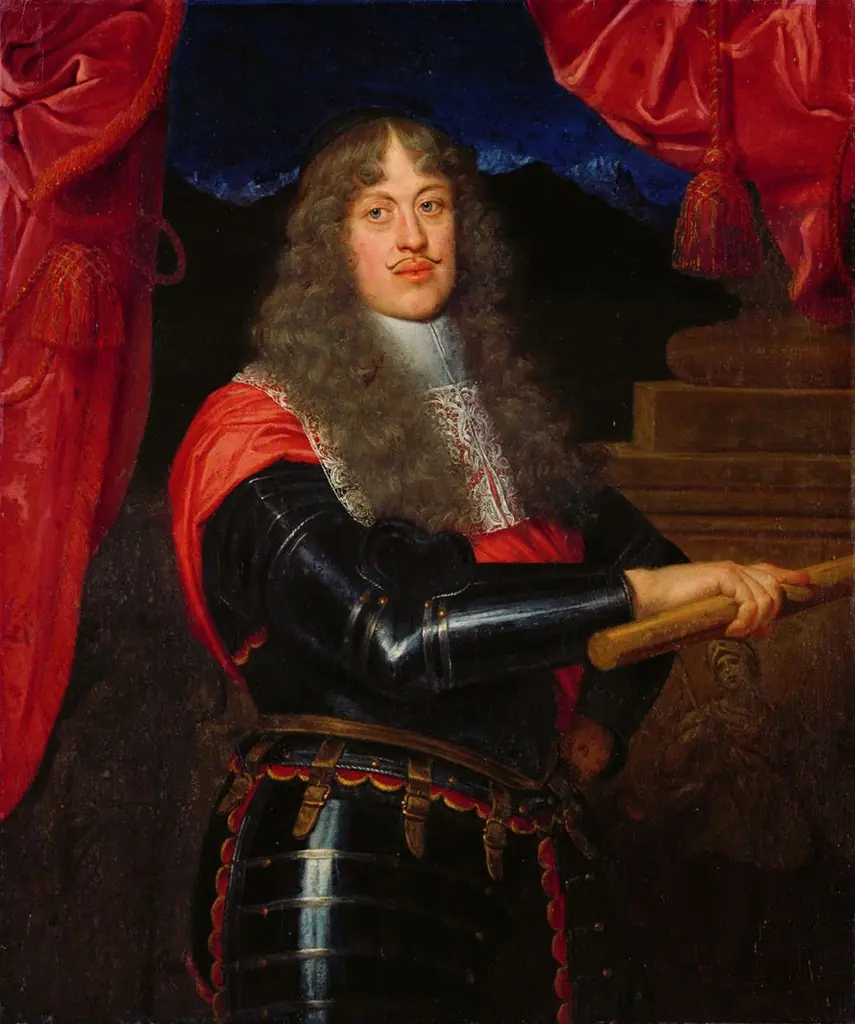 Erzherzog Sigismund Franz (1630-1665) im Harnisch, Kniestück
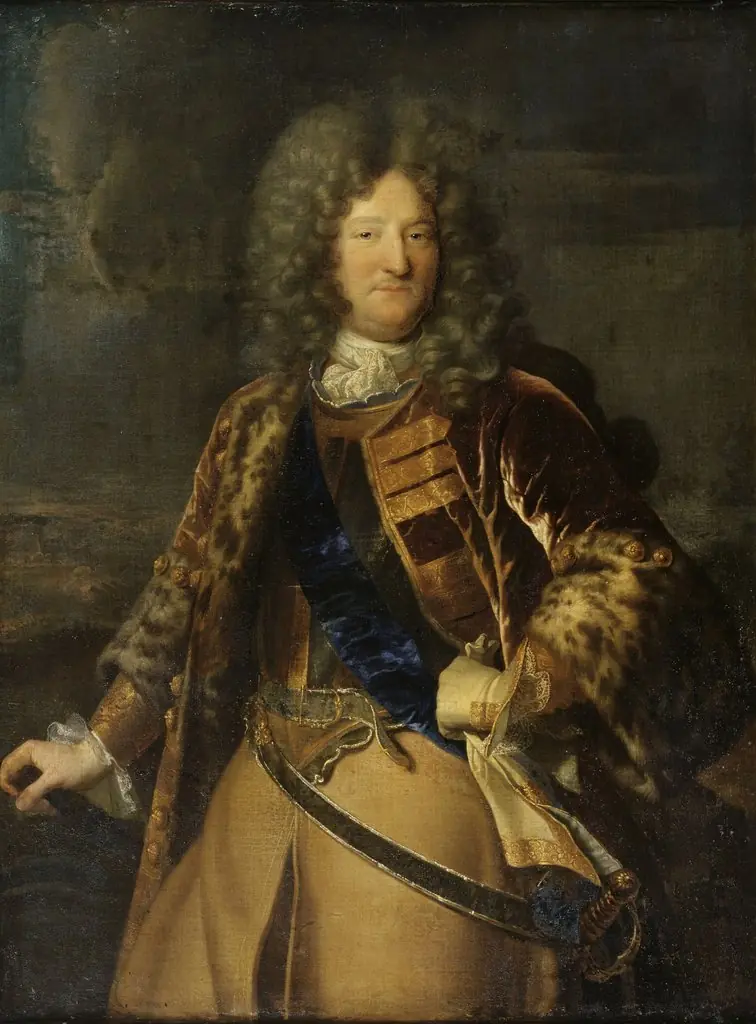 Porträt des Anne-Jules, Herzog von Noailles (1650-1708)
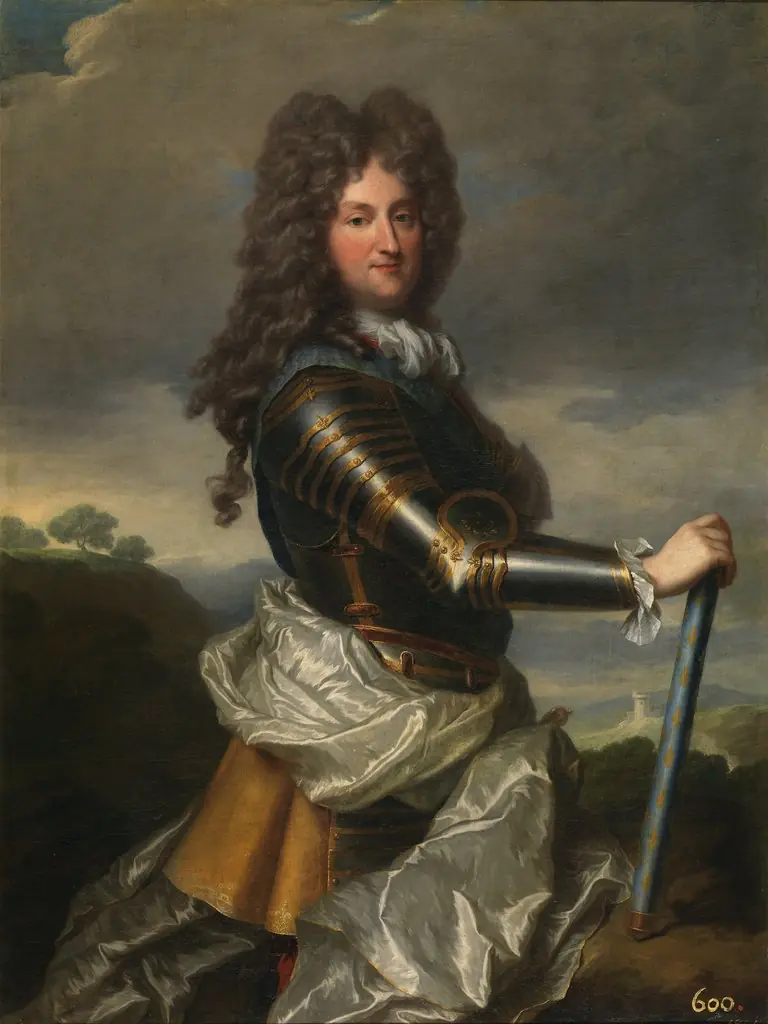 Felipe de Orléans regente de Francia
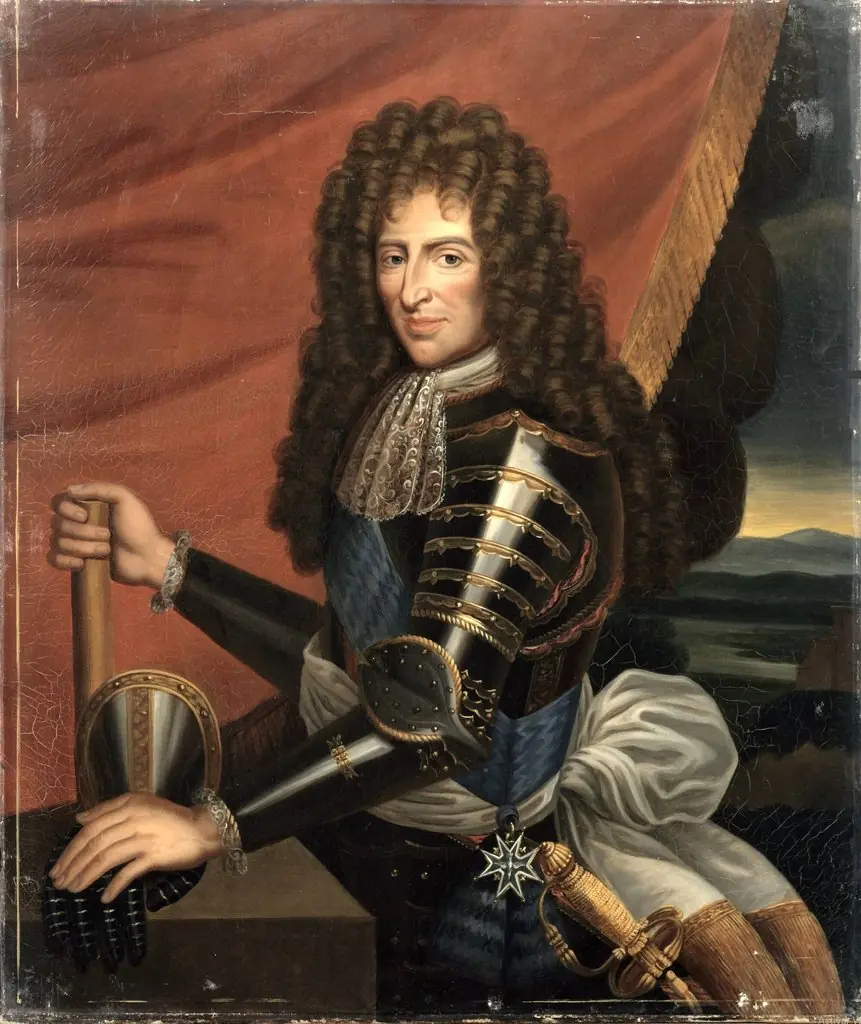 Claude de Thiard (1620-1701), comte de Bissy
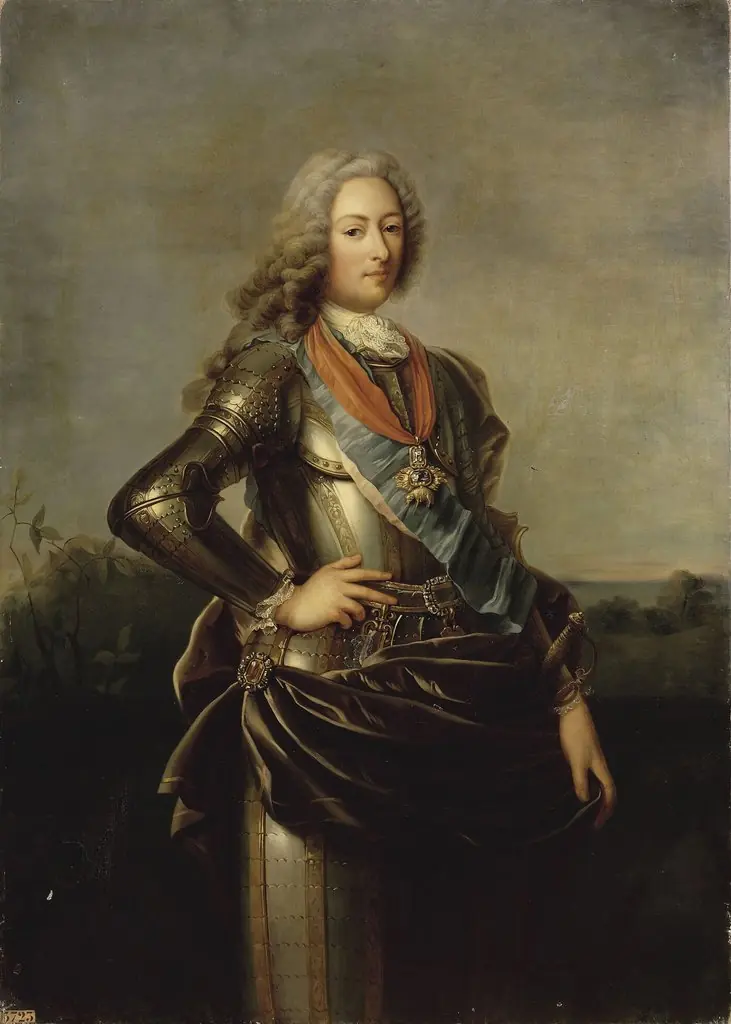 Louis of Orleans, Duke of Orleans
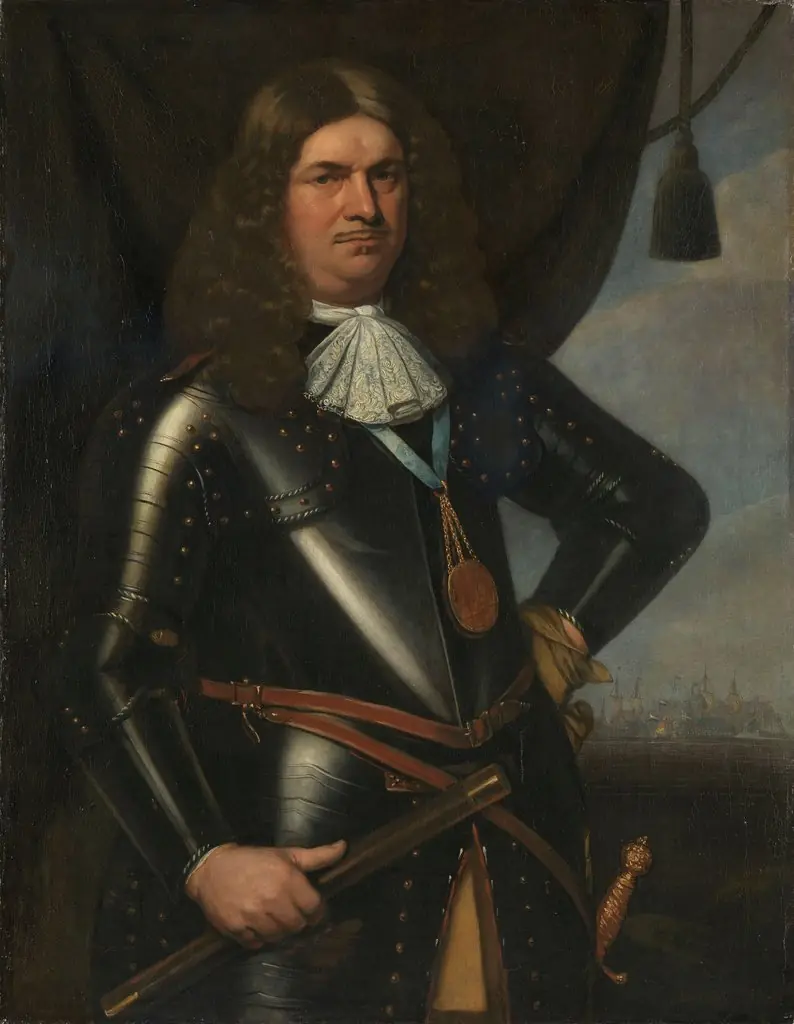 Adriaen Banckert (c 1620-1684), Vice Admiral of Zeeland
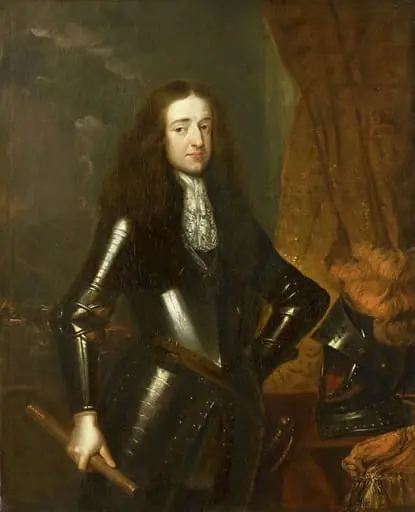 Portrait of Willem III (1650-1702), Prince of Orange and since 1689, King of England
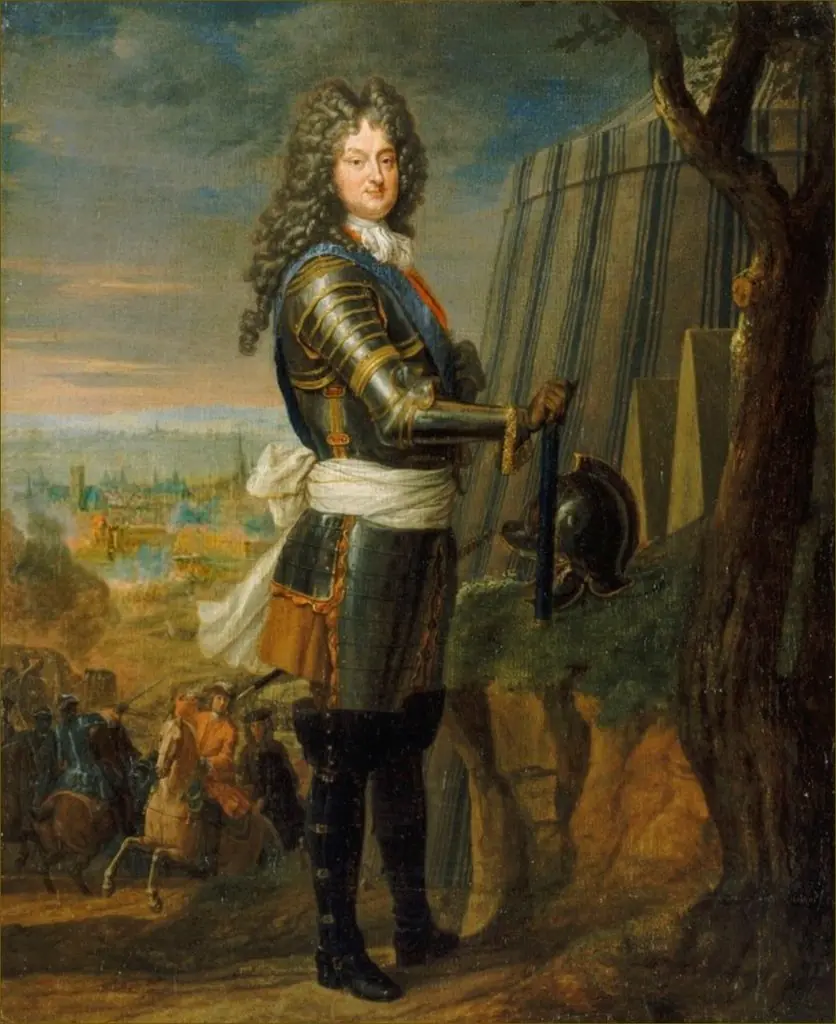 The Régent of France, Philippe d'Orléans (1674-1723)
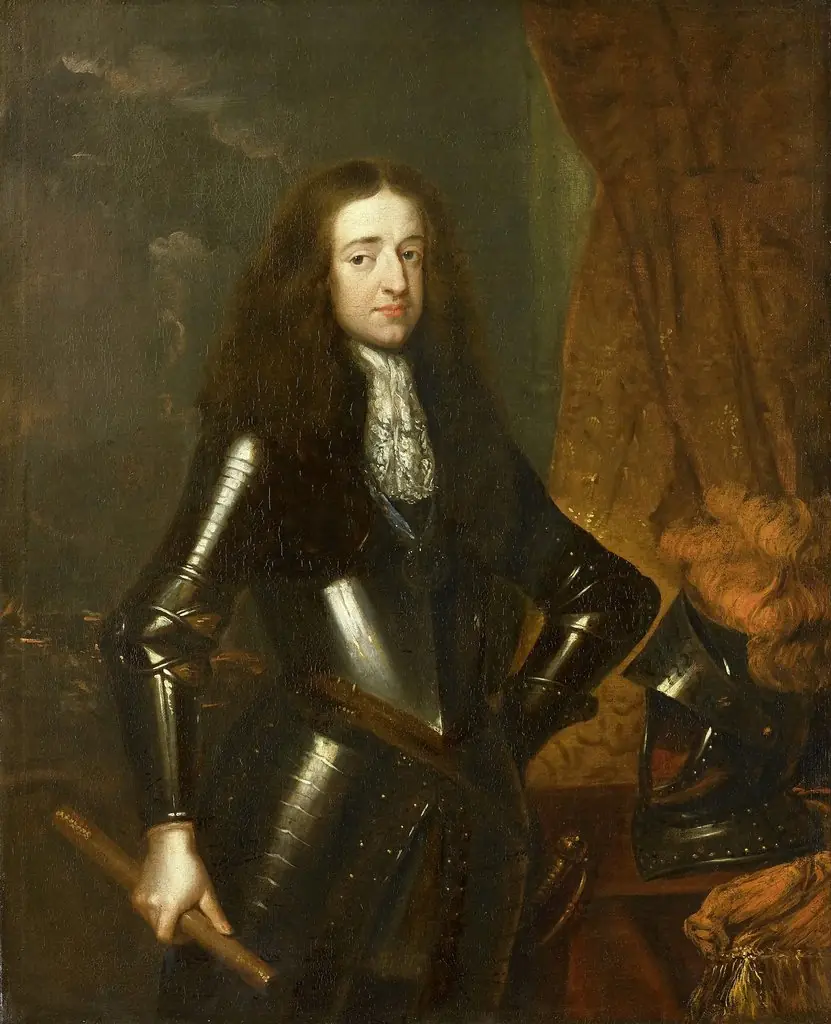 Portrait of Willem III (1650-1702), Prince of Orange and since 1689, King of England
 Portrait of Adrien Maurice de Noailles (1678-1766)