Artist
Anthony van Dyck
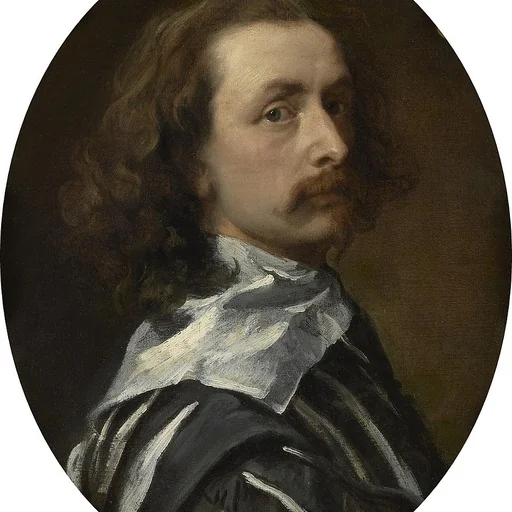
Flemish, 1599–1641
Anthony van Dyck was a Flemish Flemish Baroque painting painter. 408 works are cataloged here, principally at National Gallery of Art, most of them oil paintings. Anthony van Dyck was born in Antwerp.
Sir Anthony van Dyck (; Dutch: Antoon van Dijck; 22 March 1599 – 9 December 1641) was a Flemish Baroque artist, who became the leading court painter in England after success in the Spanish Netherlands and Italy. The seventh child of Frans van Dyck, a wealthy silk merchant in Antwerp, Anthony painted from an early age. He was successful as an independent painter in his late teens and became a master in the Guild of Saint Luke of Antwerp on 18 October 1617.
By this time, he was working in the studio of the leading northern painter of the day, Peter Paul Rubens, who became a major influence on his work. Van Dyck worked in London for some months in 1621, then returned to Flanders for a brief time, before travelling to Italy, where he stayed until 1627, mostly in Genoa. In the late 1620s he completed his greatly admired Iconography series of portrait etchings of mainly other artists and other famous contemporaries.
He spent five years in Flanders after his return from Italy, and from 1630 was court painter for the Archduchess Isabella, Habsburg Governor of Flanders. At the request of Charles I he returned in 1632 to London as the main court painter. With the exception of Holbein, van Dyck and his contemporary Diego Velázquez were the first painters of pre-eminent talent to work mainly as court portraitists, revolutionising the genre.
Van Dyck is best known for his portraits of the aristocracy, most notably Charles I, and his family and associates. He was the dominant influence on English portrait-painting for over 150 years. He also painted mythological, allegorical and biblical subjects, including altarpieces, displayed outstanding facility as a draughtsman, and was an important innovator in watercolour and etching.
His influence extends into the modern period. The Van Dyke beard is named after him. During his lifetime, Charles I granted him a knighthood, and he was buried in St Paul's Cathedral, an indication of his standing at the time of his death.
Works by Anthony van Dyck
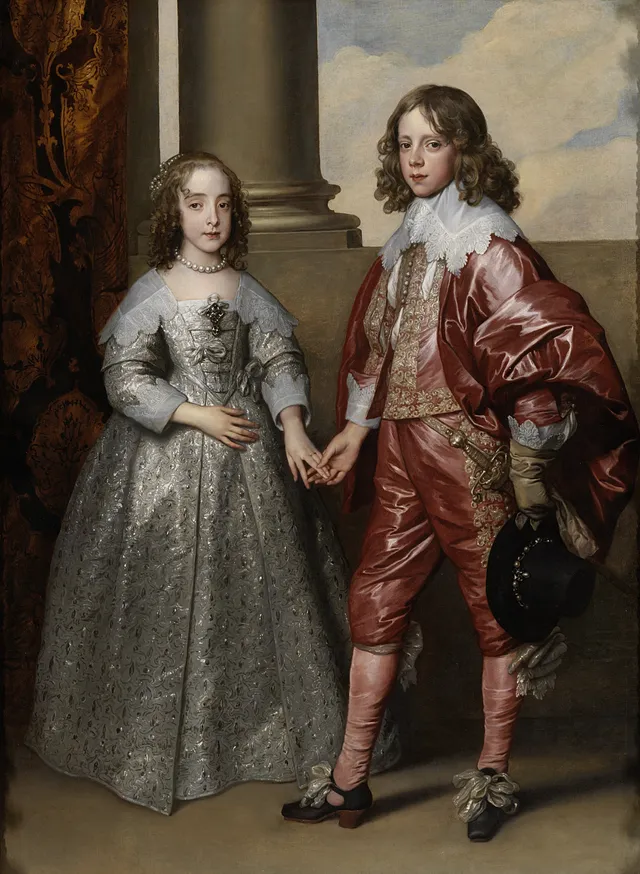 William II, Prince of Orange, and his Bride, Mary Stuart
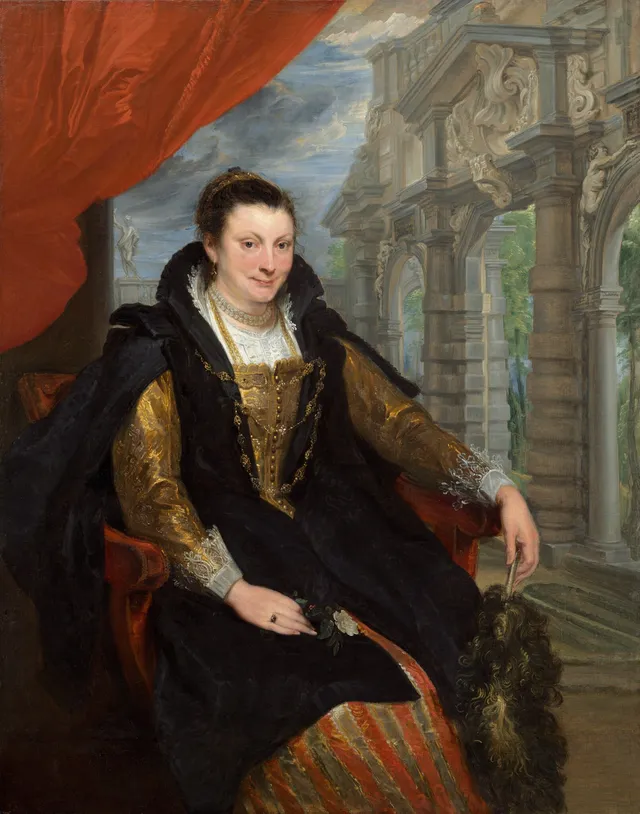 Isabella Brant
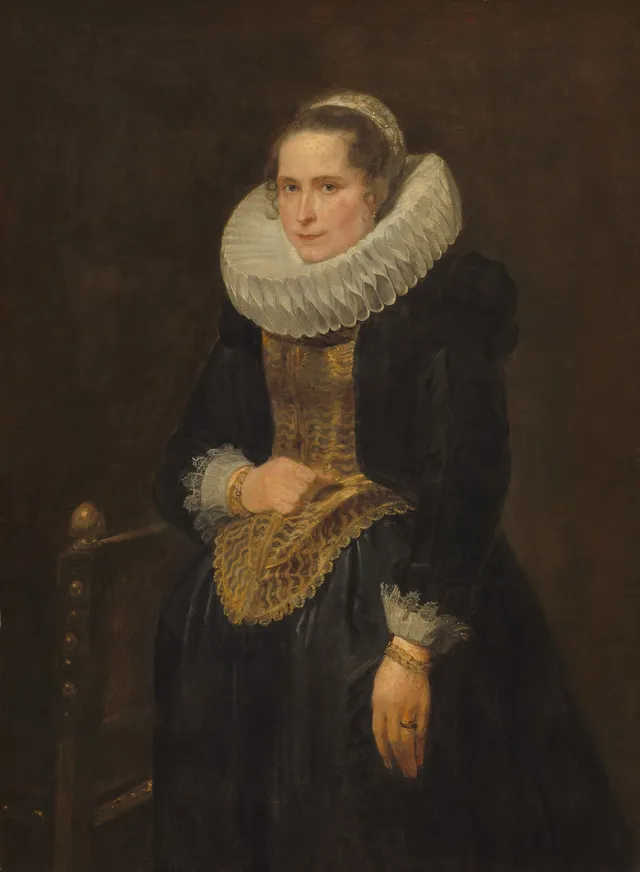 Portrait of a Flemish Lady
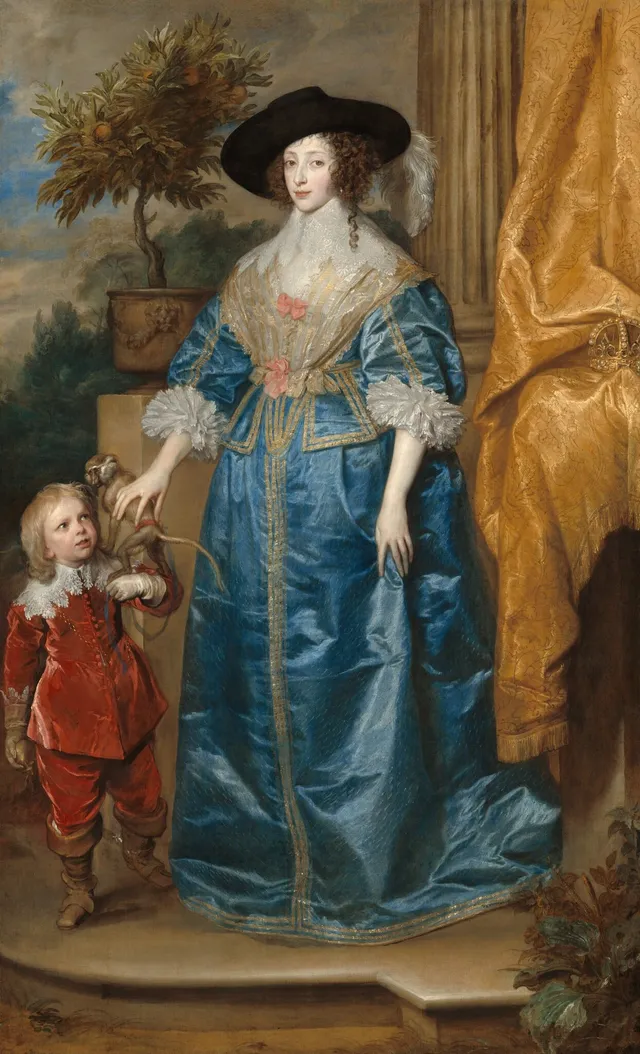 Queen Henrietta Maria with Sir Jeffrey Hudson
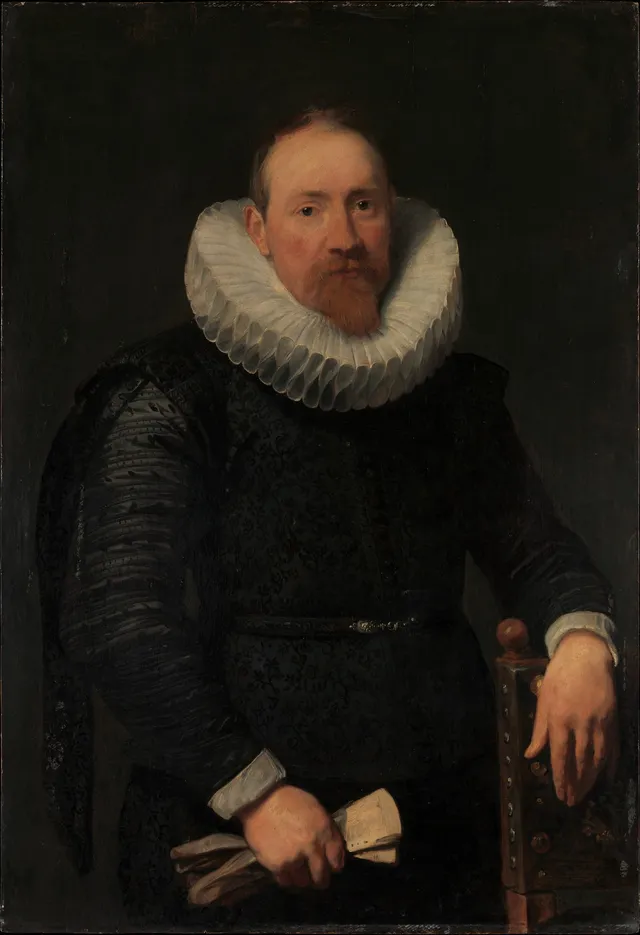 Portrait of a Man
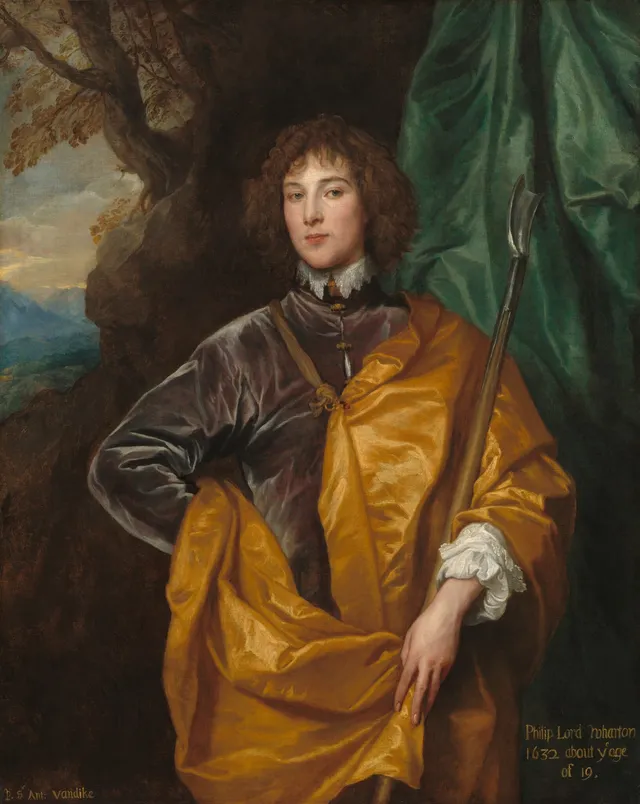 Philip, Lord Wharton
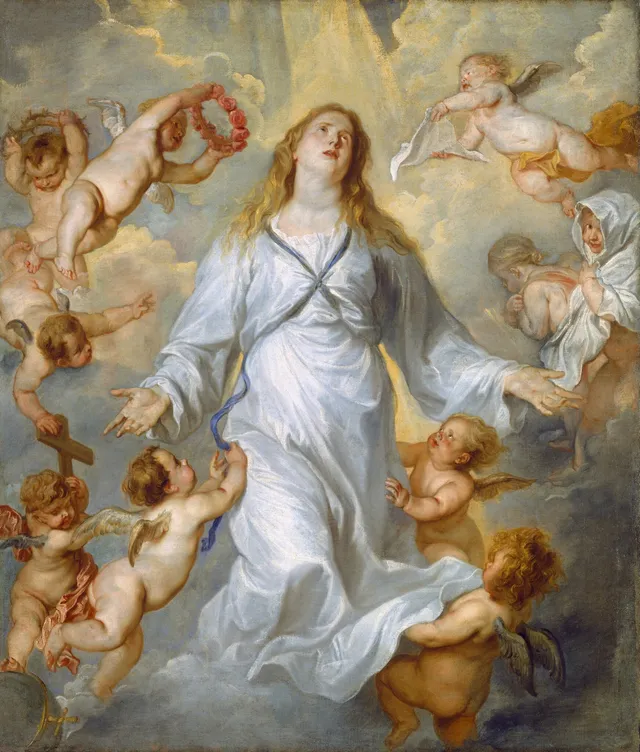 The Virgin as Intercessor
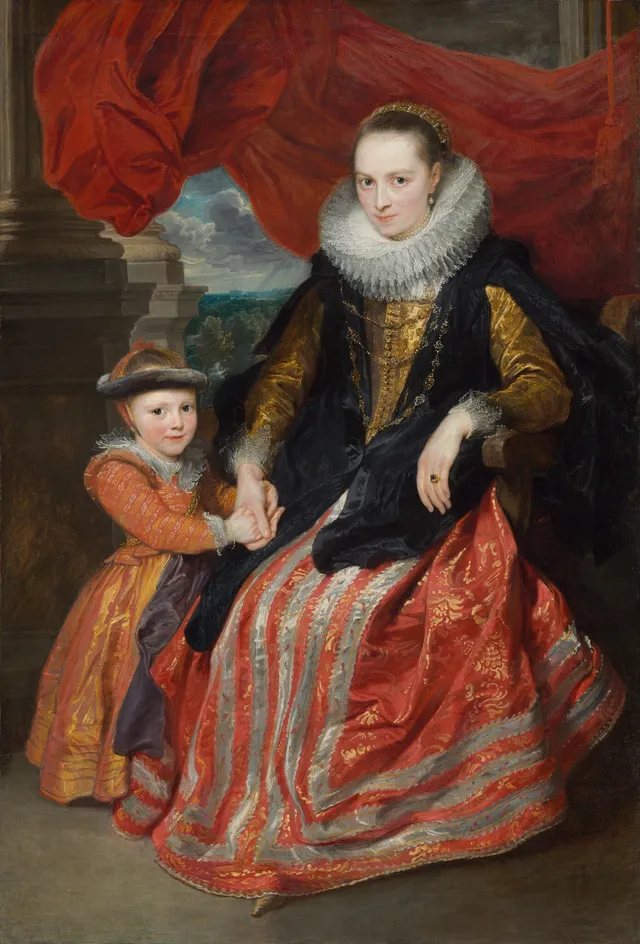 Susanna Fourment and Her Daughter
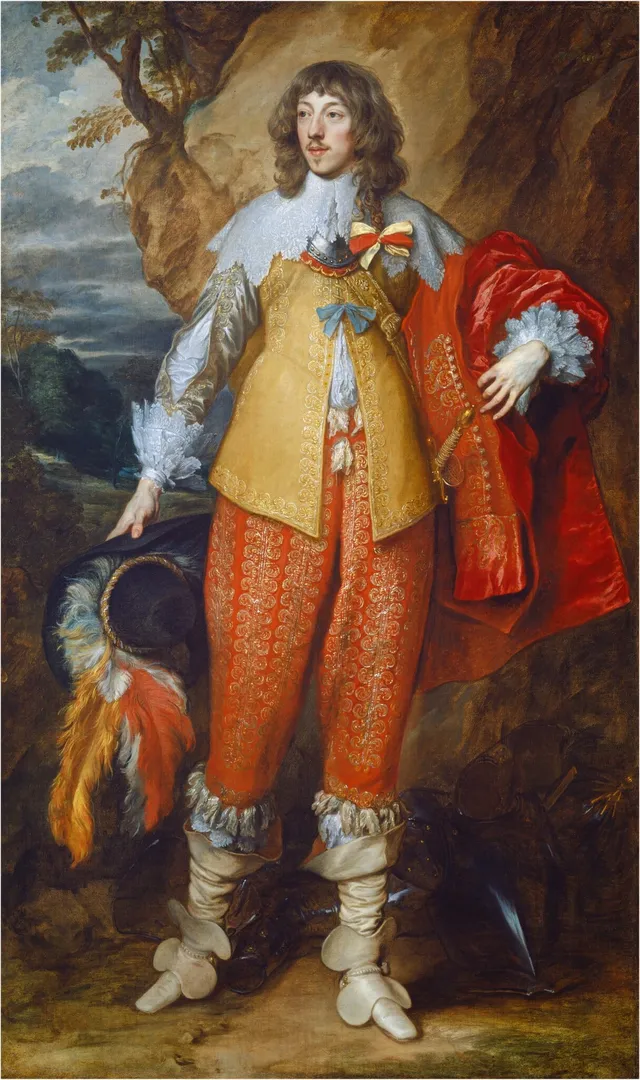 Henri II de Lorraine
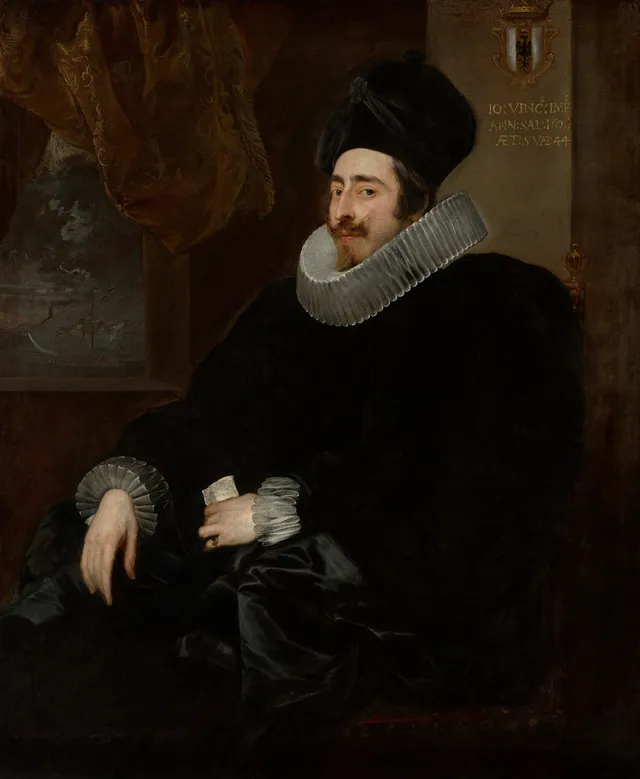 Giovanni Vincenzo Imperiale
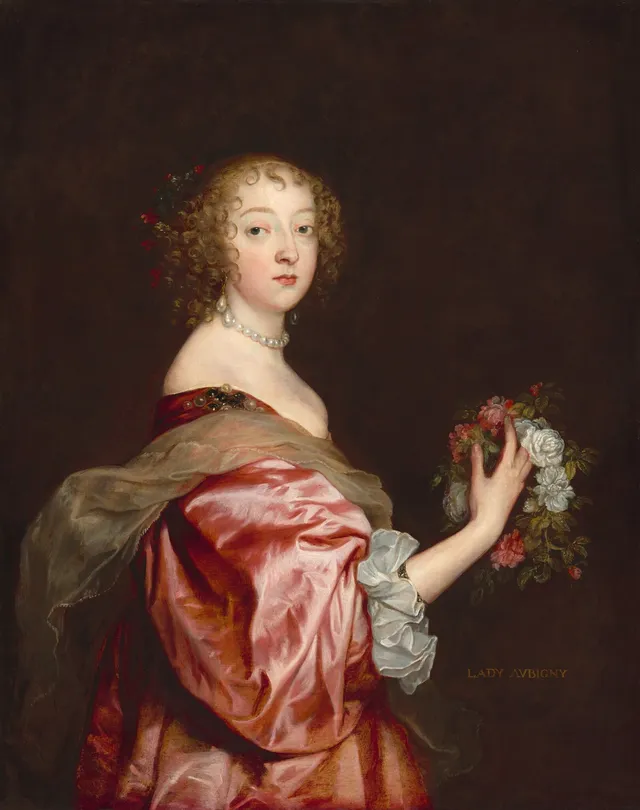 Catherine Howard, Lady d'Aubigny
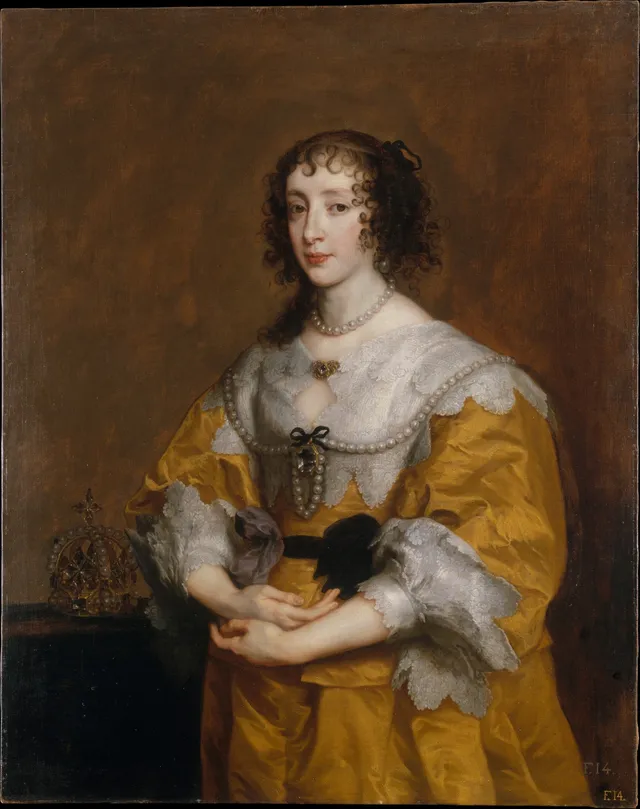 Queen Henrietta Maria
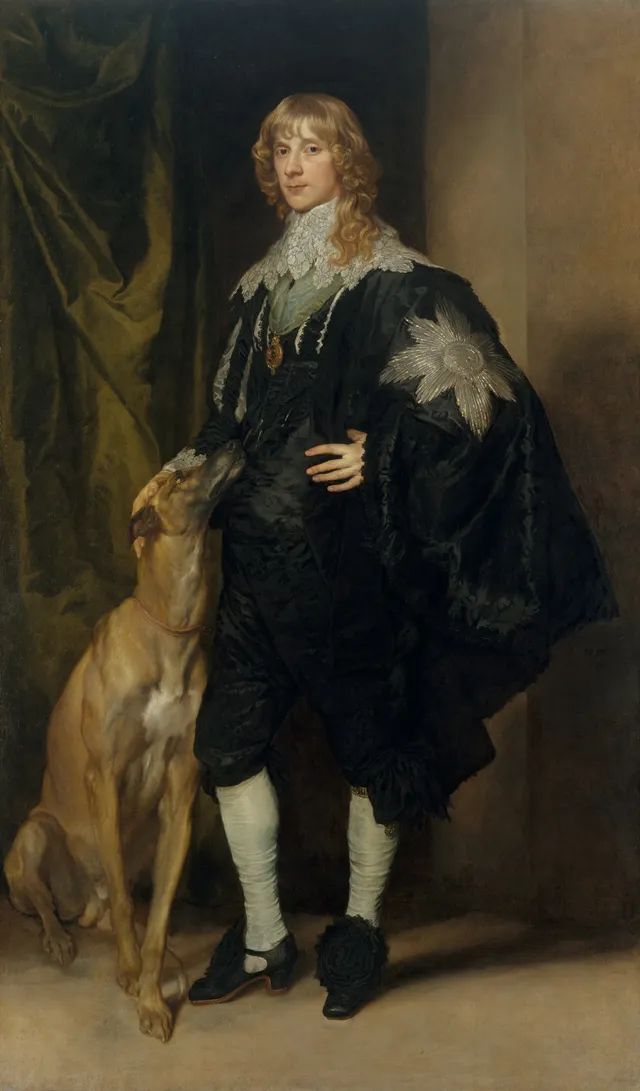 Portrait of James Stuart, Duke of Lennox and Richmond
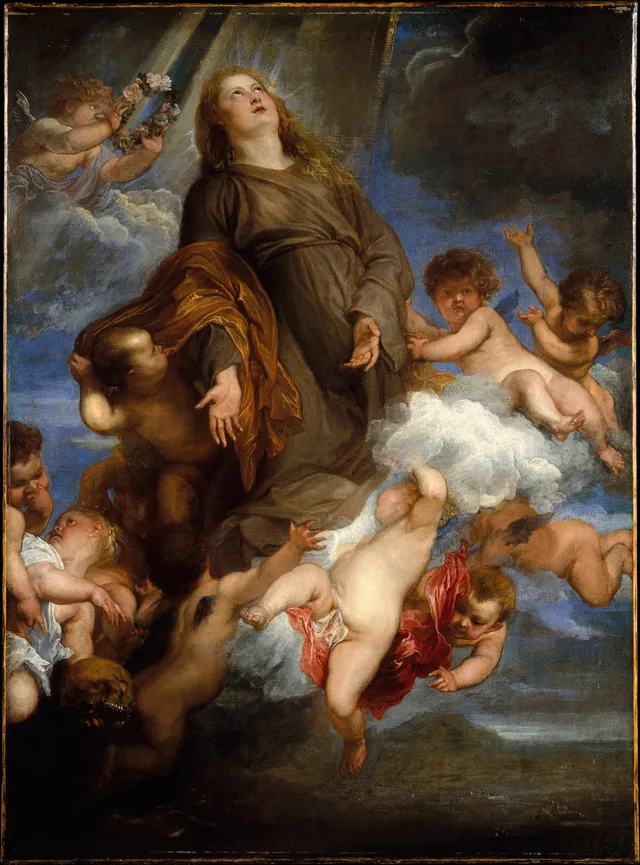 Saint Rosalie Interceding for the Plague-stricken of Palermo
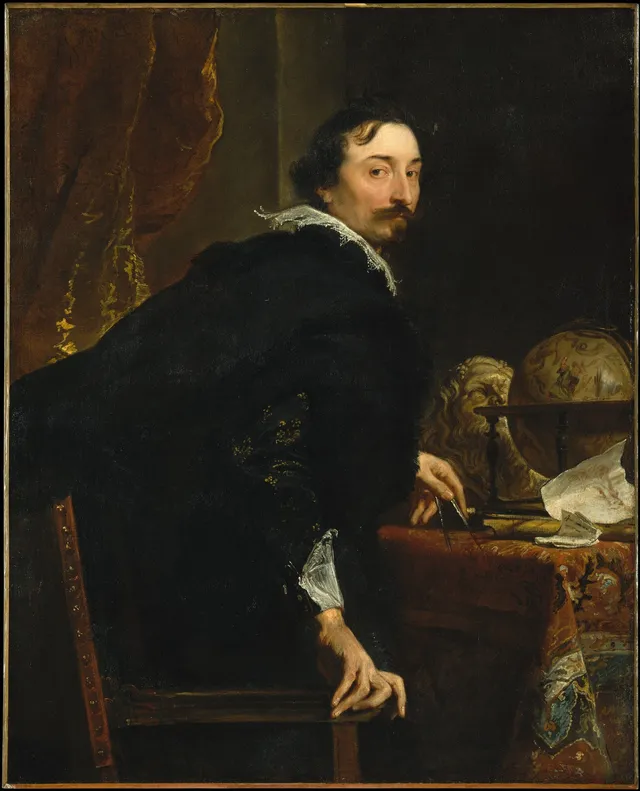 Portrait of Lucas van Uffel (died 1637)
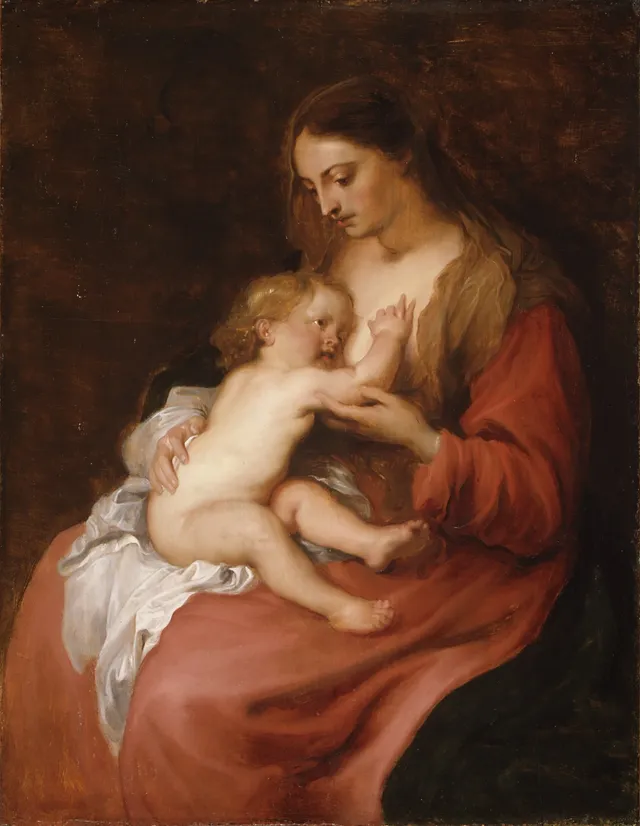 Virgin and Child
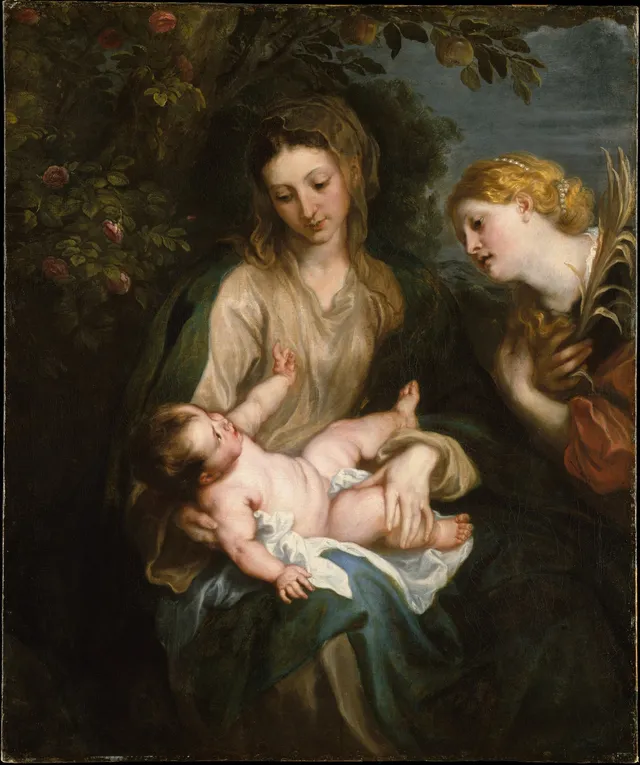 Virgin and Child with Saint Catherine of Alexandria
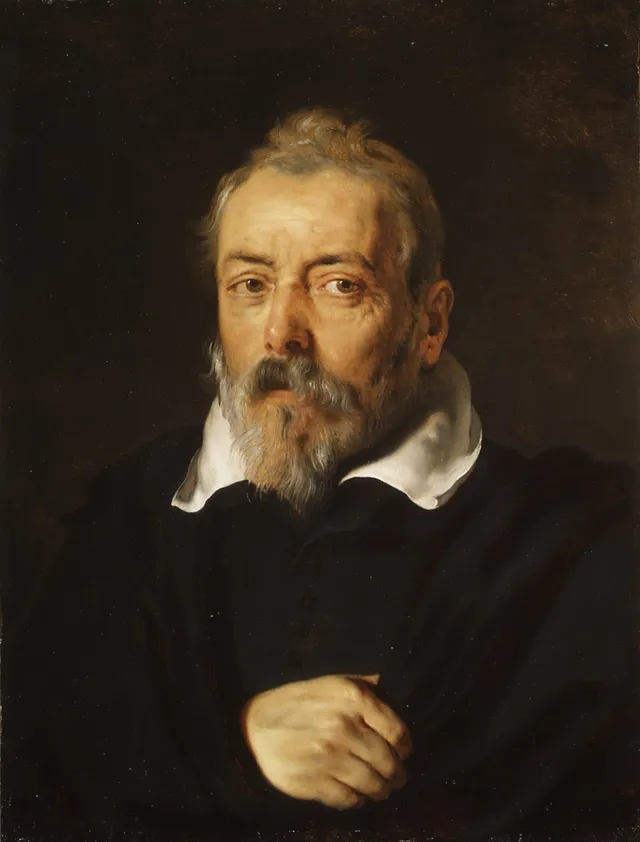 Portrait of Frans Francken I (1542–1616)
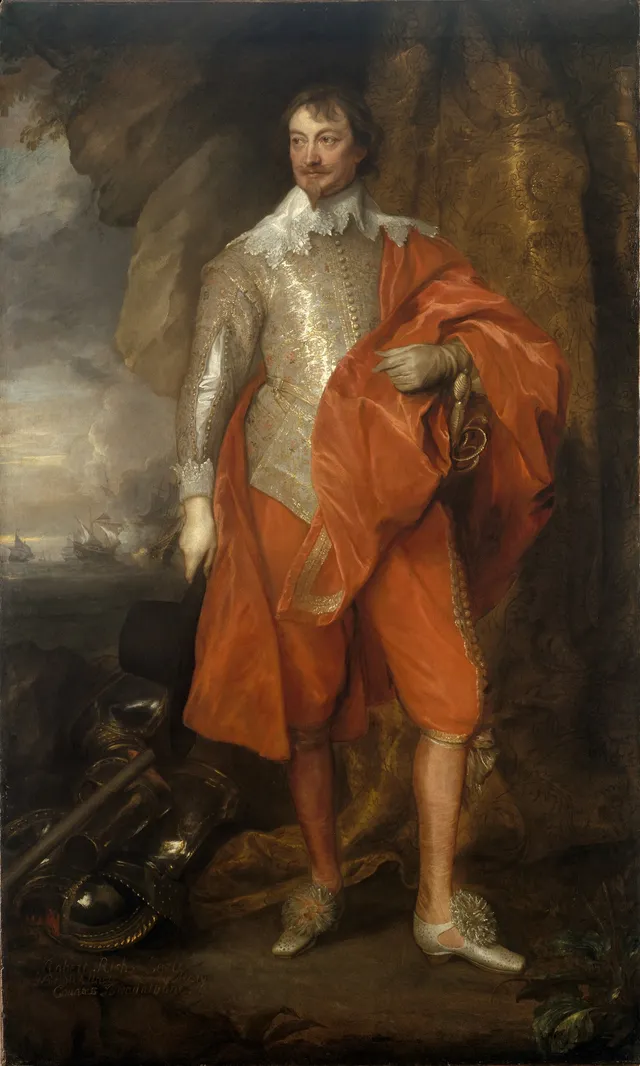 Portrait of Robert Rich, second earl of Warwick
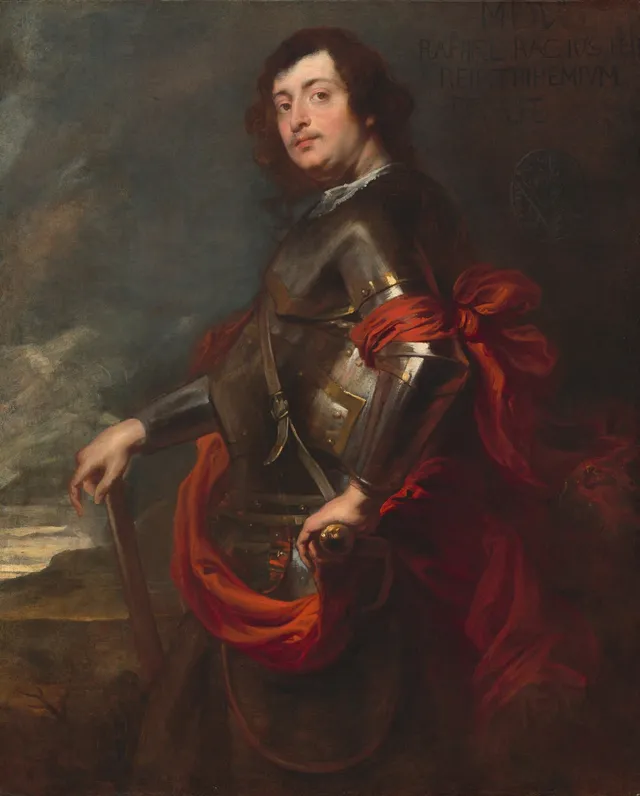 The Prefect Raffaele Raggi
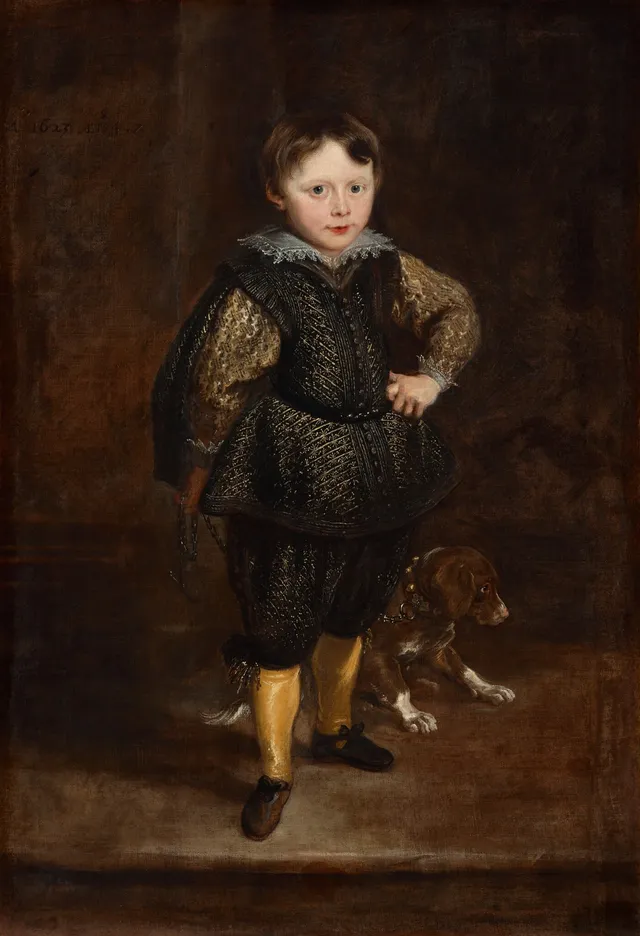 Filippo Cattaneo
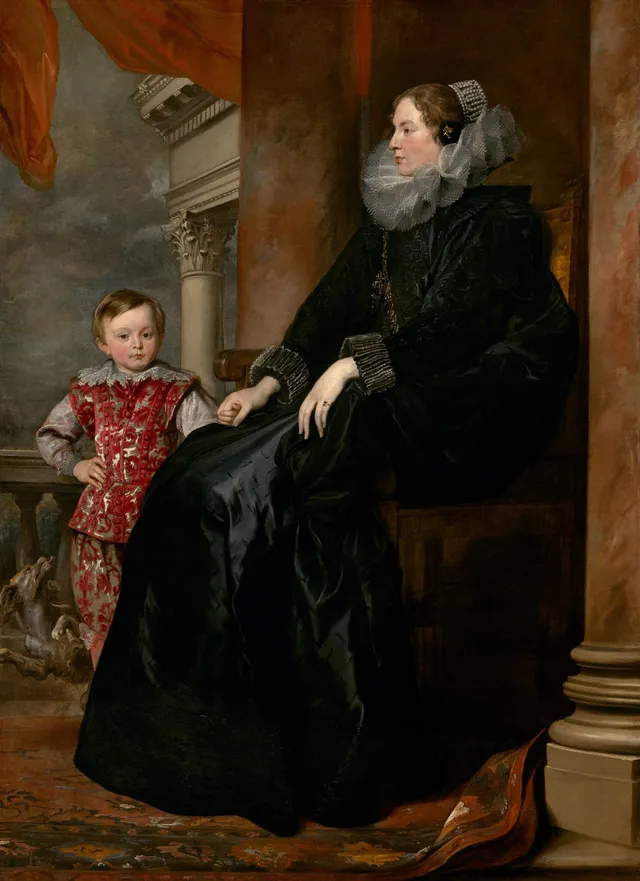 A Genoese Noblewoman and Her Son
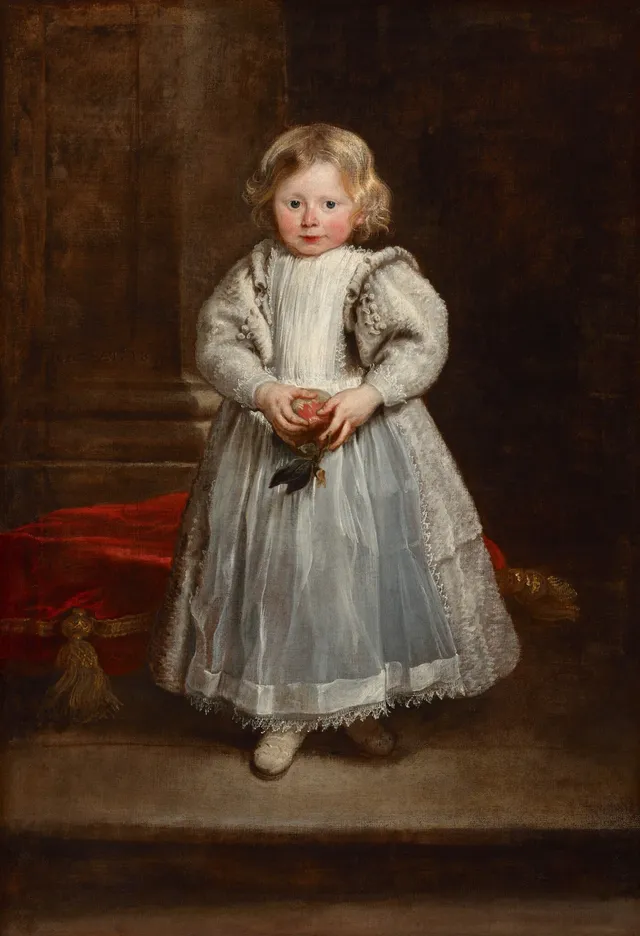 Maddalena Cattaneo
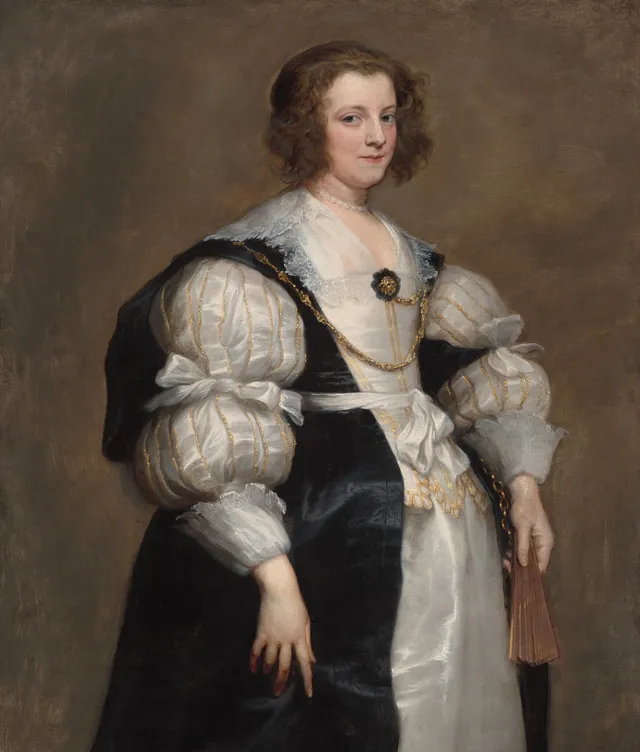 Lady with a Fan
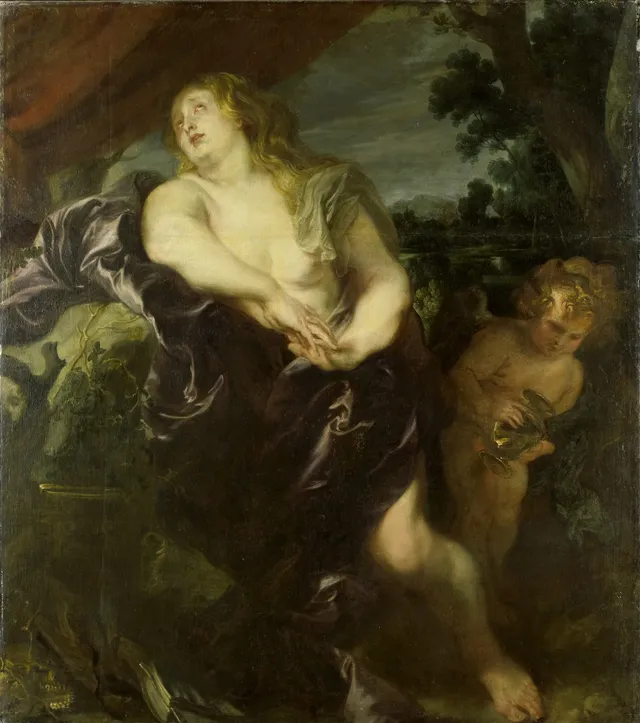 The penitent Mary Magdalene
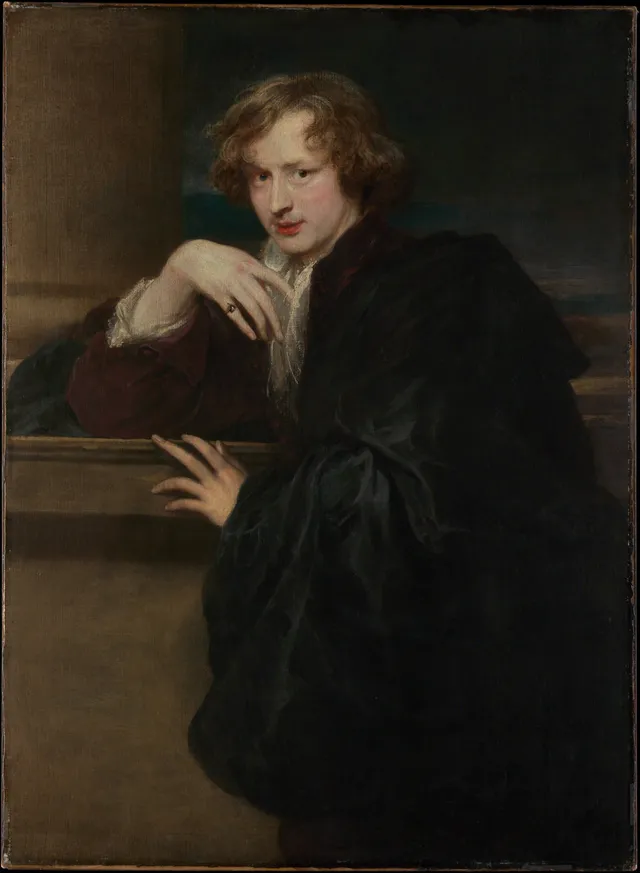 Self-Portrait
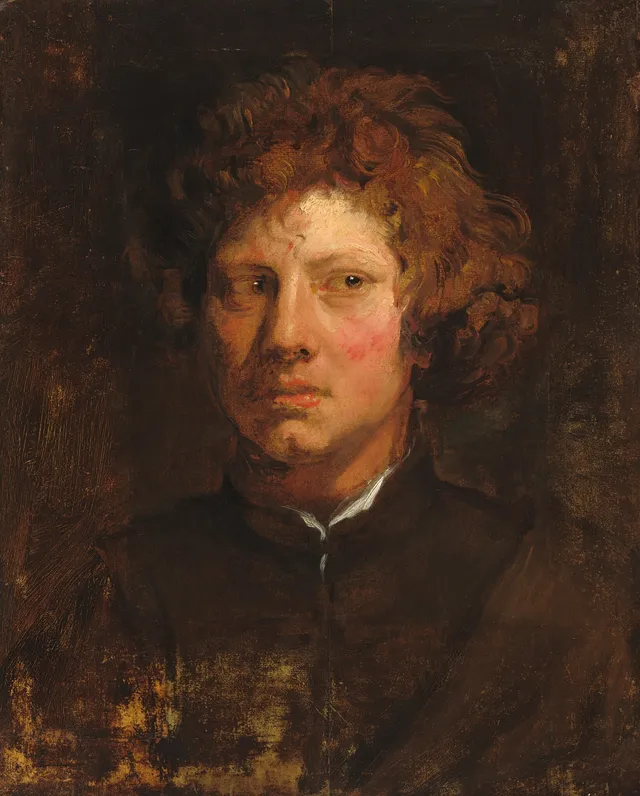 Head of a Young Man
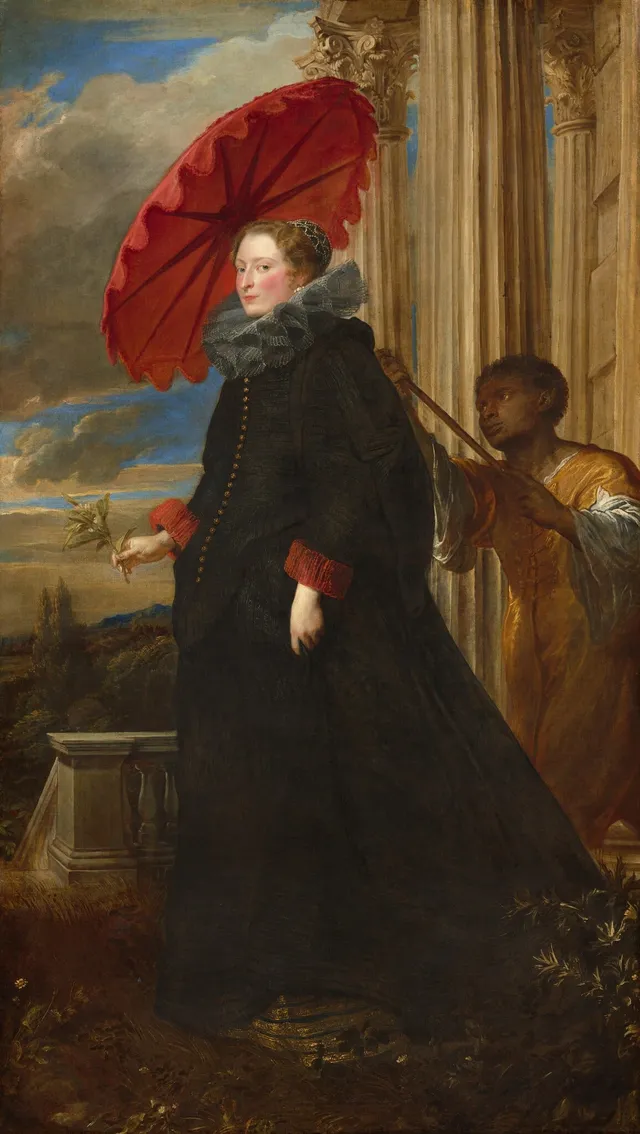 Marchesa Elena Grimaldi Cattaneo
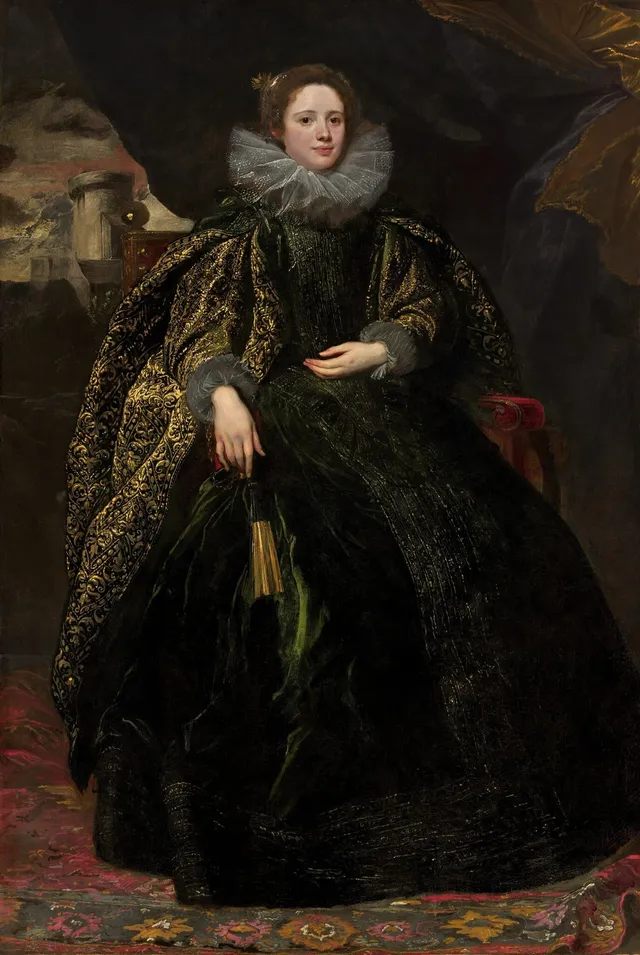 Marchesa Balbi
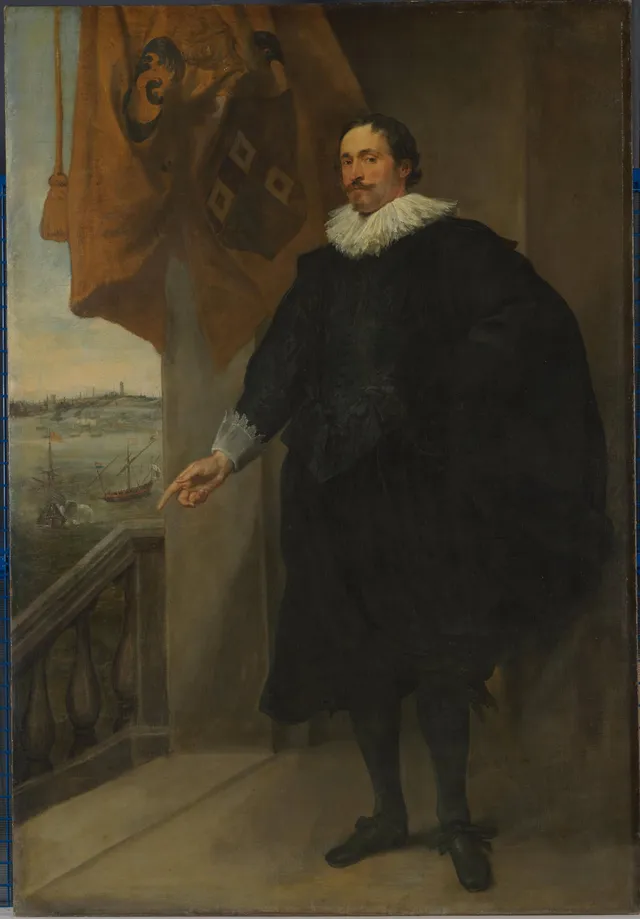 Untitled
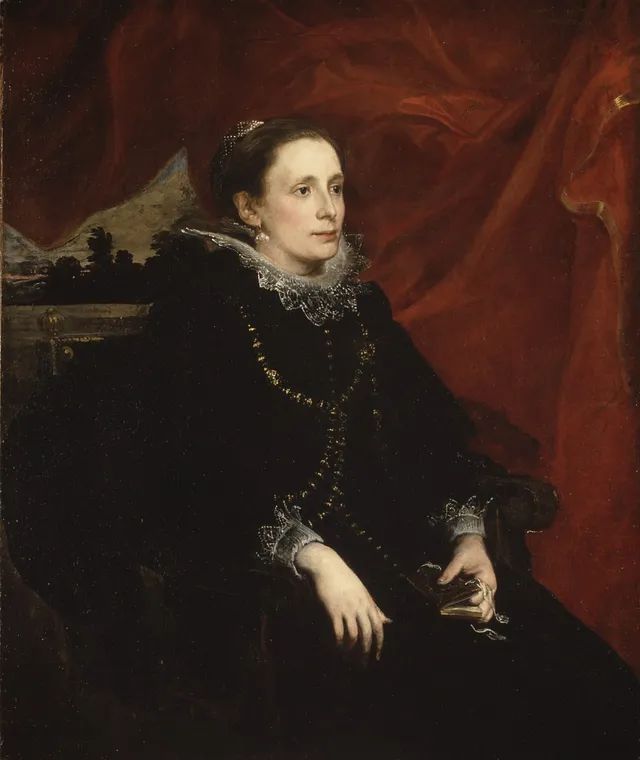 Portrait of a Woman, Called the Marchesa Durazzo
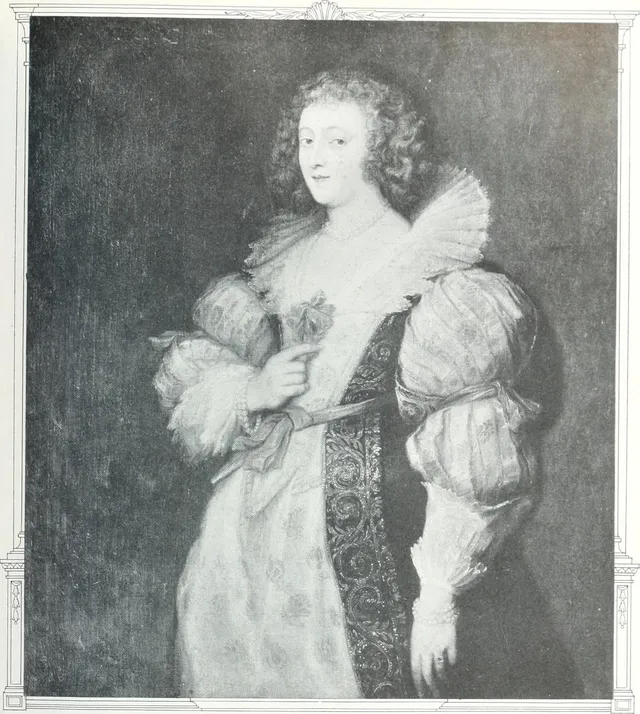 Portrait of Mademoiselle de Gottignies
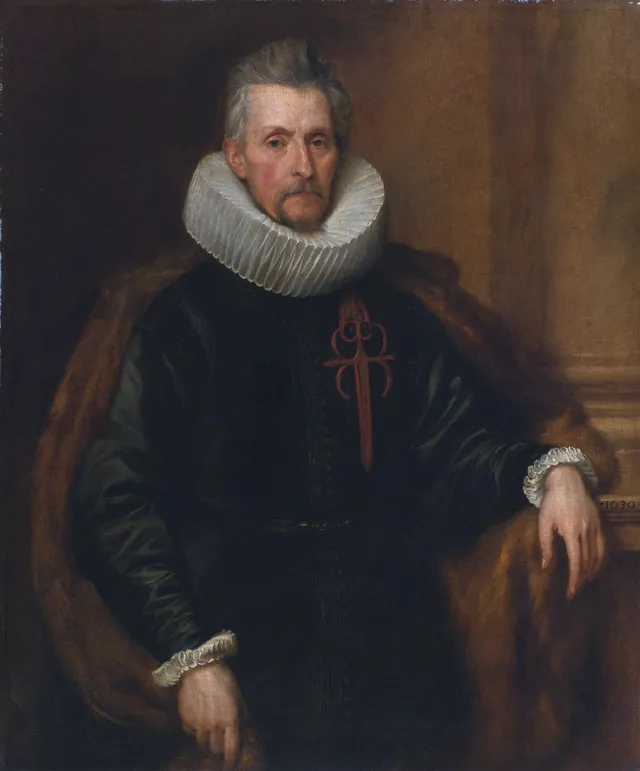 Portrait of Ferdinand van Boisschot
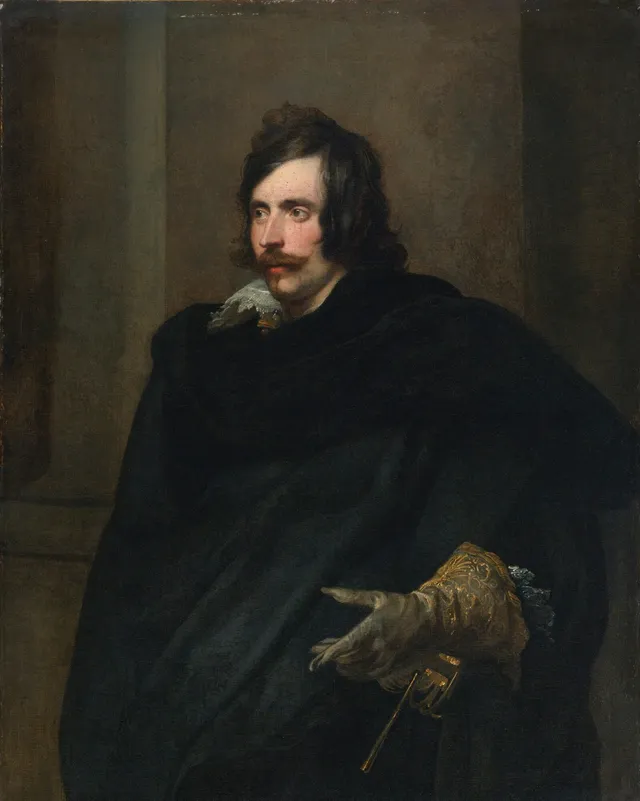 Portrait of a man, possibly Marcantonio Doria, Prince of Angri
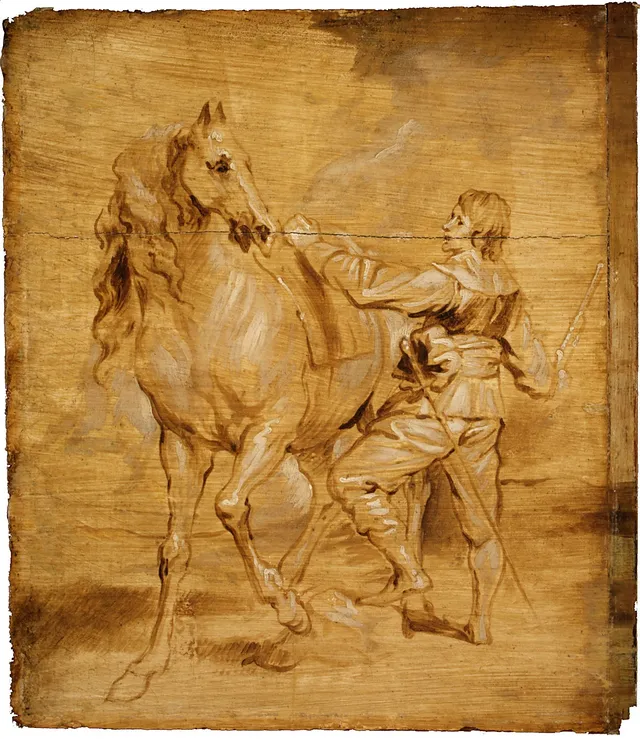 A Man Mounting a Horse
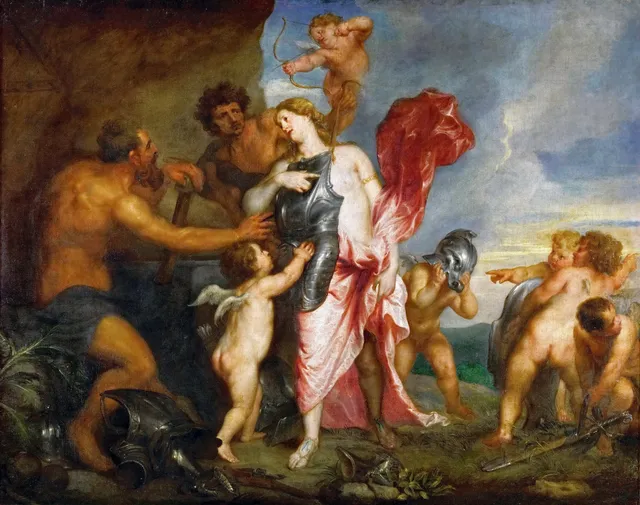 Thetis Receiving the Weapons of Achilles from Hephaestus
Collections represented


Moments involving Anthony van Dyck
Movements & circles
Featured in a course
Artists in a similar vein