Artwork
View on Tamaracá Island, Brazil
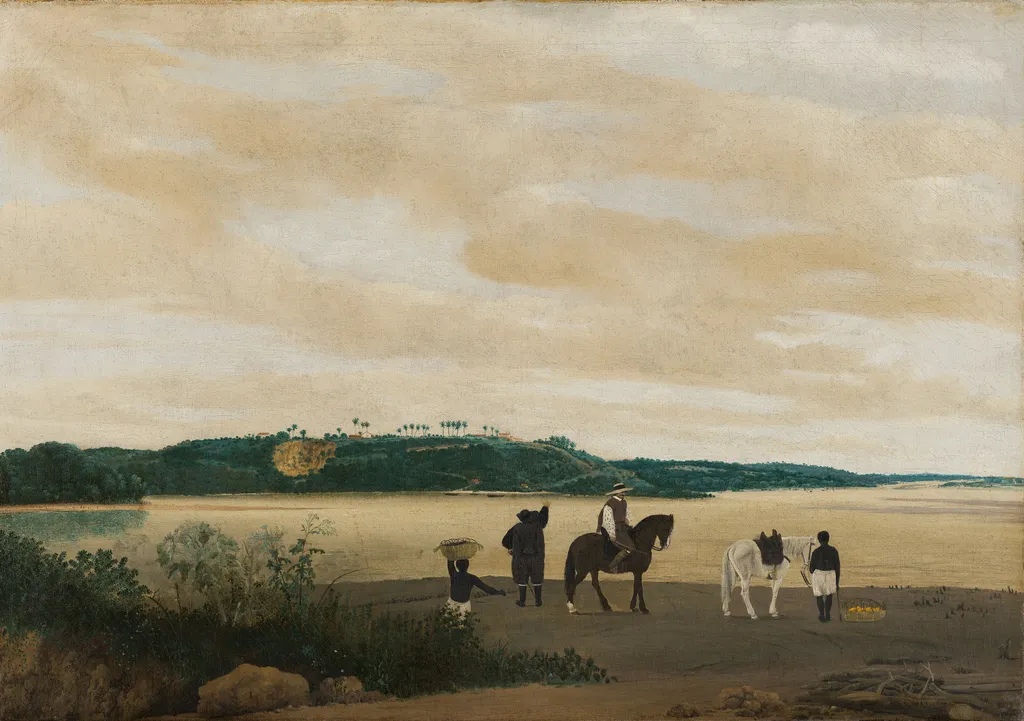
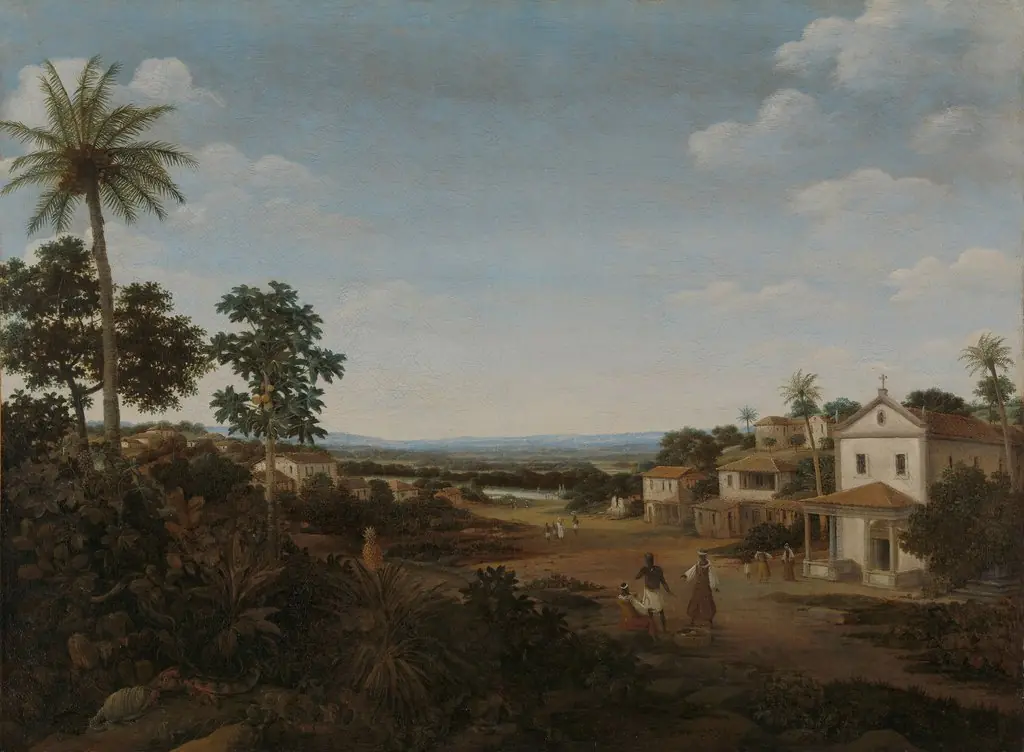
View on Tamaracá Island, Brazil is an oil painting by the Dutch Golden Age artist Frans Post. It dates from 1637 and is held in the collection of the Rijksmuseum.
About this work
Subject & Meaning
The painting shows the island of Itamaracá off the northeastern coast of Brazil, a landscape that combines natural scenery with figures and objects that signal European presence. The composition includes black and white inhabitants, a horse, a tree, and references to the Dutch West India Company, all placed within a topographical view of the island. Together these elements convey the colonial context of the Dutch settlement in Brazil and reflect the patronage of John Maurice, Prince of Nassau-Siegen, who commissioned the work.
Technique & Style
The piece was commissioned by John Maurice, Prince of Nassau-Siegen, establishing its context within the Dutch colonial presence in Brazil.
Frans Post executed View on Tamaracá Island, Brazil in 1637 using oil paint applied to a canvas support. The work is a landscape painting, characterized by its depiction of natural elements such as trees alongside human figures and animals. It measures 63.5 centimeters in height and 88.5 centimeters in width.
The piece was commissioned by John Maurice, Prince of Nassau-Siegen, establishing its context within the Dutch colonial presence in Brazil.
History & Provenance
View on Tamaracá Island, Brazil was painted by Frans Post in 1637, commissioned by John Maurice, Prince of Nassau-Siegen, during his governorship of Dutch Brazil. The oil on canvas measures 63.5 × 88.5 cm and depicts the island of Itamaracá with a mix of European and local figures. The work was later owned by Eugène Stanislas Oudinot before entering the Mauritshuis in The Hague, where it is displayed in room 8. No specific exhibition history beyond its current installation is documented in the available sources.
Context
Frans Post's 1637 oil on canvas, View on Tamaracá Island, Brazil, exemplifies the Dutch fascination with Brazilian scenery and was painted during his time in the Dutch colony of Brazil. The work was commissioned by John Maurice, Prince of Nassau-Siegen, and is now displayed at the Mauritshuis. It is regarded as a key document of early European representations of Brazil, notable for its inclusion of both European and African figures and its role in shaping the landscape genre within the Dutch Golden Age.
Overview
View on Tamaracá Island, Brazil is an oil painting created by Frans Post in 1637. This work exemplifies the Dutch Golden Age artist's landscape tradition, notably as he was the first European painter to extensively document the natural environment and inhabitants of the Americas. The canvas offers a tranquil depiction of a Brazilian setting, capturing a specific moment in the colonial history of the region.
Own this work as a print
Artist & collection
Artist
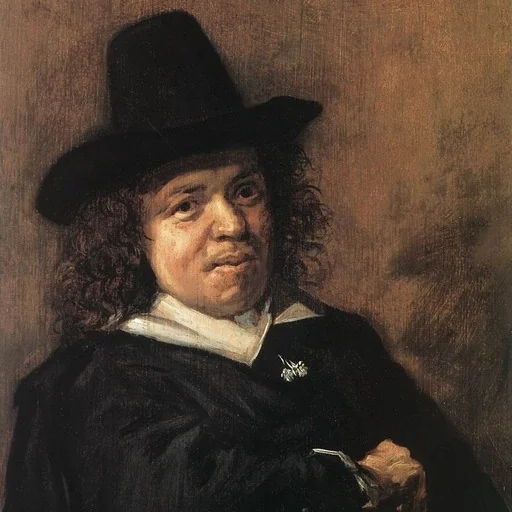
Frans Janszoon Post (17 November 1612 – 17 February 1680) was a painter during the Dutch Golden Age.

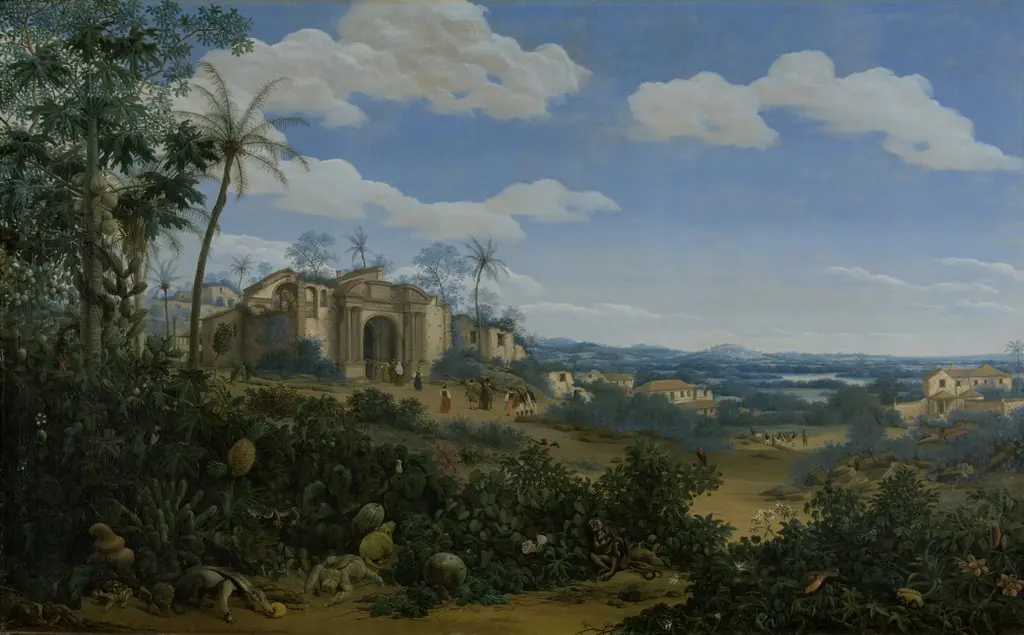
 Brasilian Landscape
 View of the River Lek and the Town of Vianen
 Hilly Landscape beside a Stream
 Fishermen at the coast near Scheveningen
 River Scene
 View of the Albufera in Valencia
 Landscape with Cows
 River Scene with the "Swan" Tavern
 Landscape with a Peddler and Woman Resting
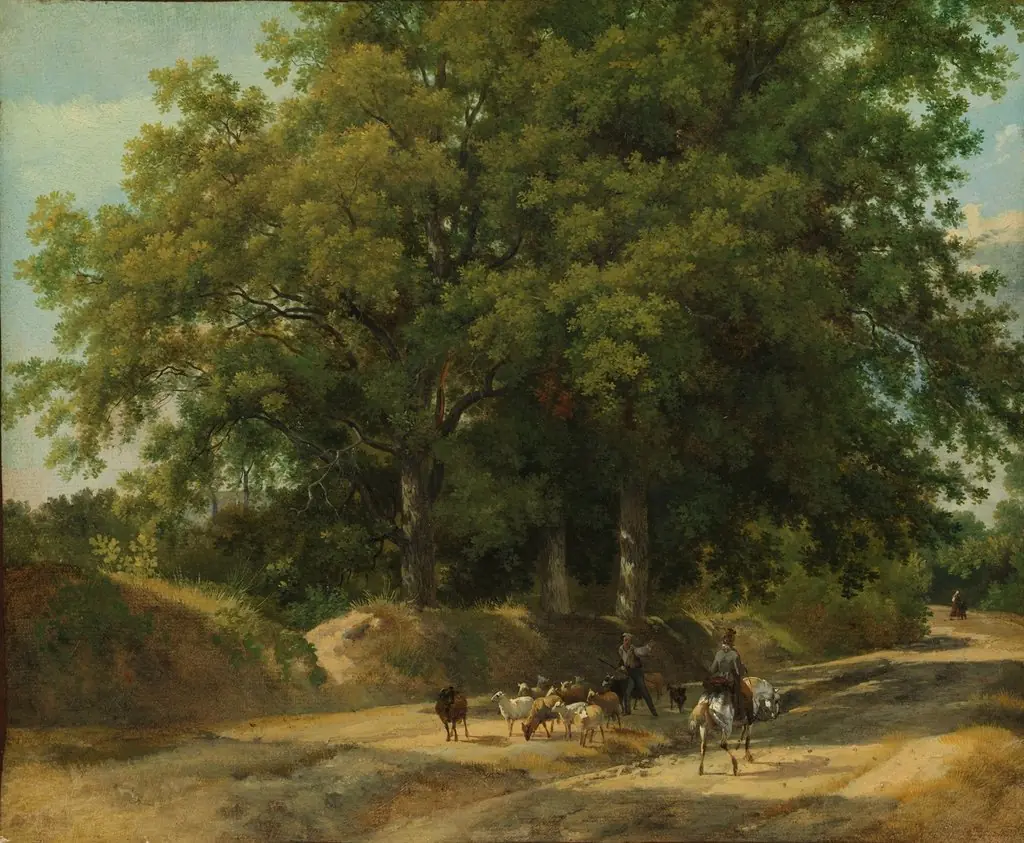 A Shepherd and a Rider on a Country Lane
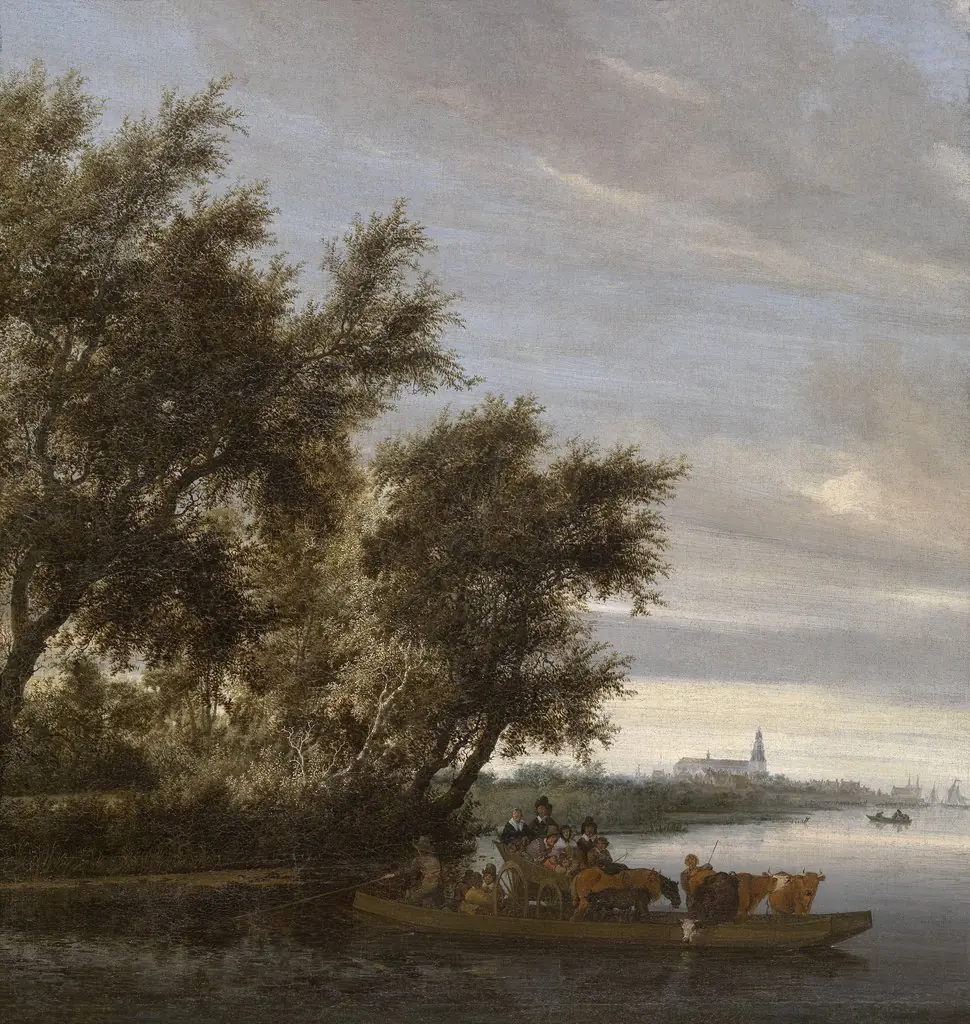 The Ferry