Artwork
Boar Hunt
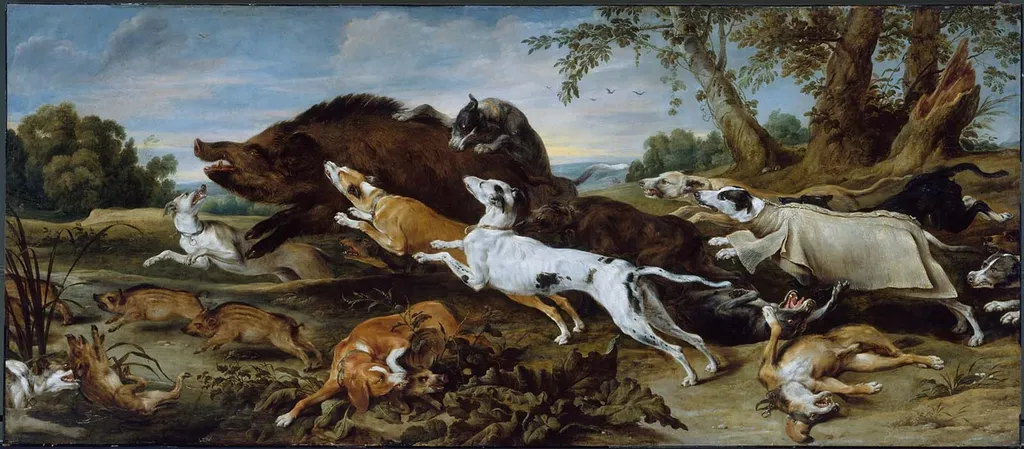
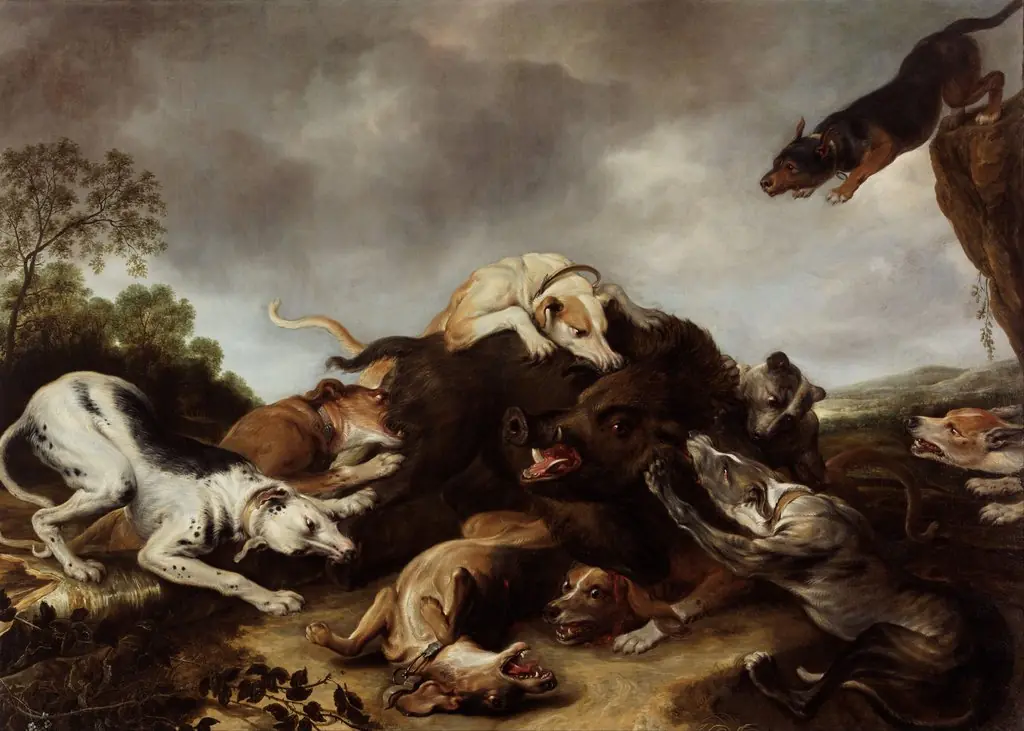
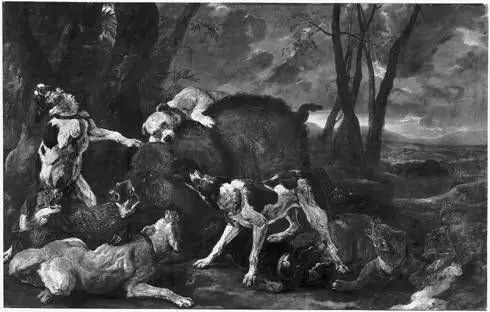
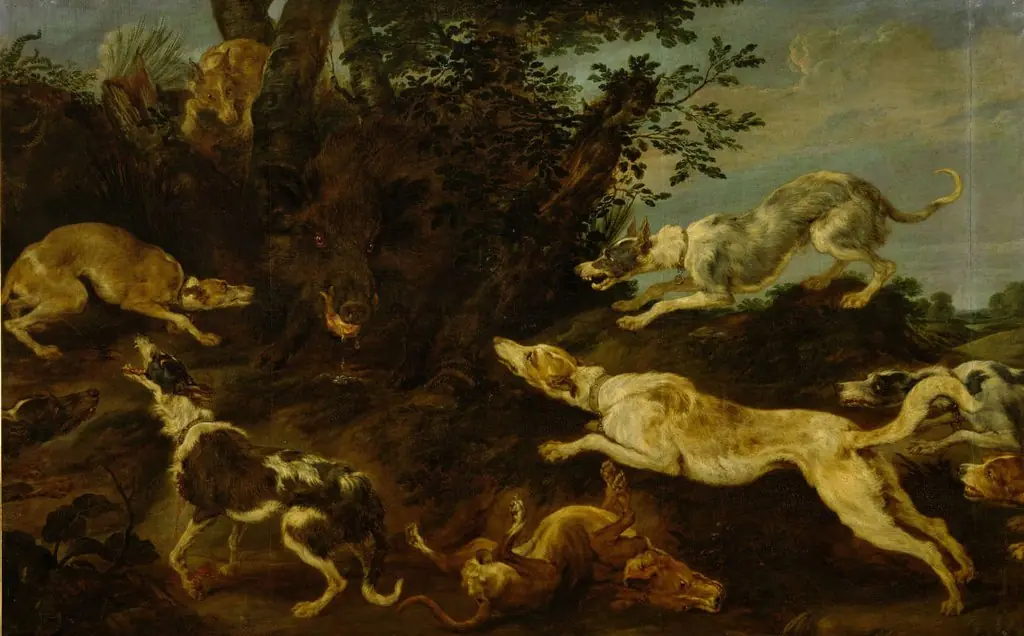
Boar Hunt is an oil painting by the Flemish Baroque painting artist Frans Snyders. It dates from 1627 and is held in the collection of the Museum of Fine Arts Boston.
About this work
Subject & Meaning
Boar Hunt depicts a hunting scene populated by hounds engaged in the chase, with hunting identified as the main subject.
Boar Hunt depicts a hunting scene populated by hounds engaged in the chase, with hunting identified as the main subject. Classified within the genre of animal art and the Flemish Baroque movement, the work treats the pursuit of game as its central theme, a popular subject in seventeenth-century Flemish painting where dynamic animal combat scenes conveyed energy, vitality, and the drama of the natural world.
The inclusion of hounds in active pursuit reflects the traditional iconography of the hunt, a pursuit long associated with aristocratic sport and the symbolic contest between human (and animal) skill and the ferocity of wild prey. Within Snyders's oeuvre, such scenes celebrated the visceral spectacle of the chase while showcasing the artist's ability to render animals in convincing motion and tension.
Technique & Style
Frans Snyders’ Boar Hunt (1627) is executed in oil paint on canvas, a medium typical of Flemish Baroque animal paintings. The support measures 220.6 × 505.1 cm, providing an expansive field for the dynamic composition. Snyders’ handling is characterized by fluid, confident brushwork, particularly in the rendering of fur, muscle, and foliage, which conveys both texture and movement.
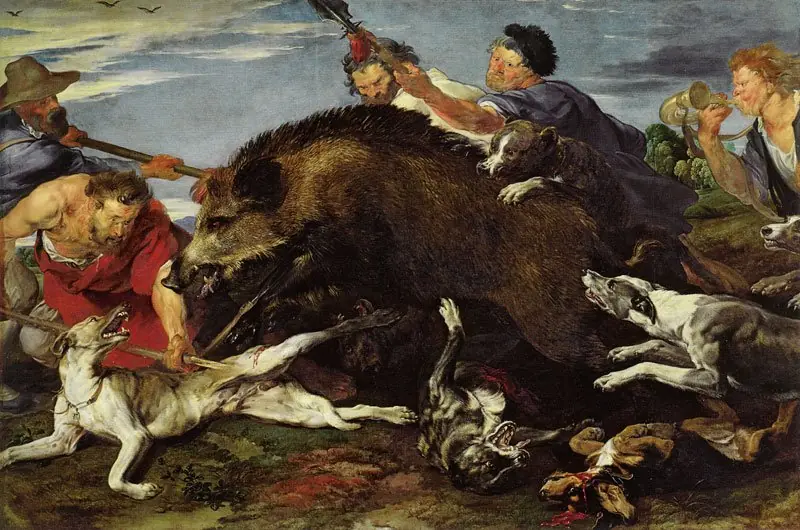
Stylistically, the work exemplifies the Flemish Baroque emphasis on dramatic action and naturalistic detail. The composition is organized around diagonal axes, creating a sense of tumult and energy as hounds and hunters engage with the boar. Rich, saturated colors and strong chiaroscuro heighten the scene’s intensity, while meticulous attention to anatomical accuracy underscores Snyders’ mastery of animal subjects.
History & Provenance
Frans Snyders painted Boar Hunt in 1627, as documented by its inception date and consistent attribution across sources. The work was executed in oil on canvas, measuring 220.6 cm in height and 505.1 cm in width.
The painting has been part of the collection of the Museum of Fine Arts, Boston, where it is currently housed. Its ownership history prior to acquisition by the museum remains undocumented in the available sources, and no commissioning details or earlier provenance have been substantiated.
The painting Boar Hunt by Frans Snyders is held in the collection of the Museum of Fine Arts Boston. Created in 1627, this oil on canvas work depicts a hunting scene featuring hounds. The museum's holdings include this significant example of Flemish Baroque animal art, which measures 220.6 cm in height and 505.1 cm in width.
The provided sources do not contain specific inventory numbers or a record of past exhibitions for this artwork.
Context
Boar Hunt (1627) by Frans Snyders exemplifies the vibrant animal scenes characteristic of Flemish Baroque painting. The work, housed in the Museum of Fine Arts Boston, reflects Snyders' specialization in hunting and wildlife subjects, aligning with his broader oeuvre and the period's fascination with dynamic wildlife compositions.
Scholarship on the piece emphasizes its technical mastery and role within Snyders' body of work, though specific critical commentary remains sparse in accessible sources. Its placement in art history underscores the development of Baroque naturalism and the prominence of hunting imagery in 17th-century Flemish art.
Overview
Boar Hunt, painted in 1627 by Frans Snyders, is an oil-on-canvas depiction of a chaotic hunting scene, centralizing a wild boar under attack by a pack of hounds.
Legacy
Boar Hunt showcases Snyders' ability to dramatize animal subjects, influencing subsequent depictions of wildlife in European art and remaining a notable example of Flemish Baroque painting.
Artist & collection
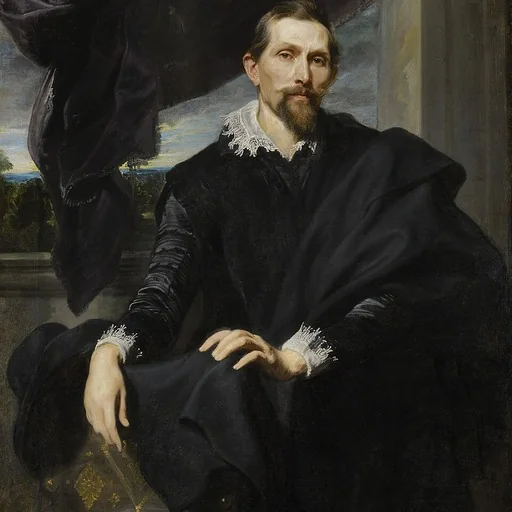
Artist
Frans Snyders or Frans Snijders was a Flemish painter of animals, hunting scenes, market scenes, and still lifes.

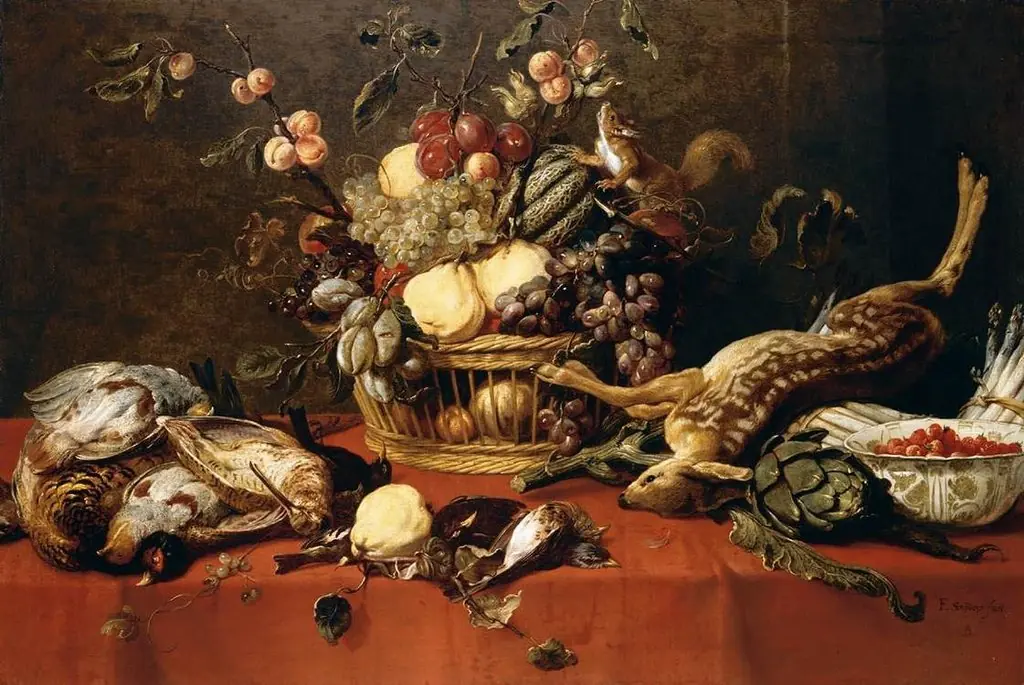 Still life of fruit in a basket together with game, a bowl of fraises-de-bois, artichokes, asparagus and a squirrel upon a table draped with a red cloth
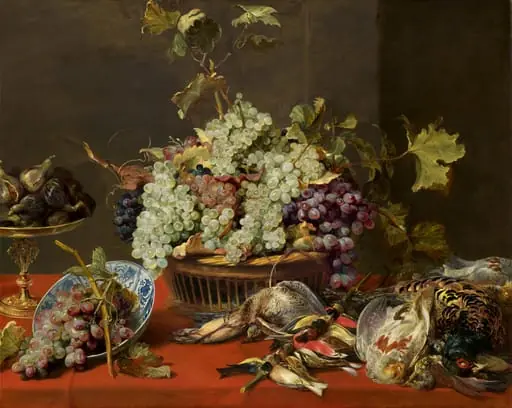 Still Life with Grapes and Game
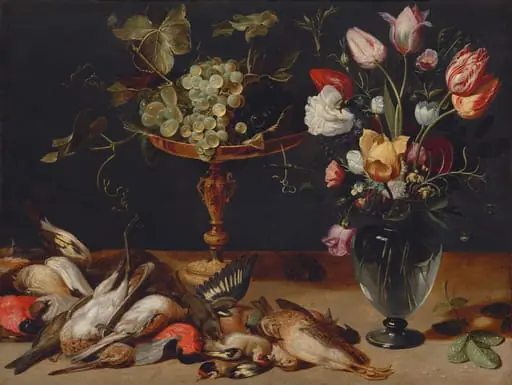 Still Life with Flowers, Grapes, and Small Game Birds
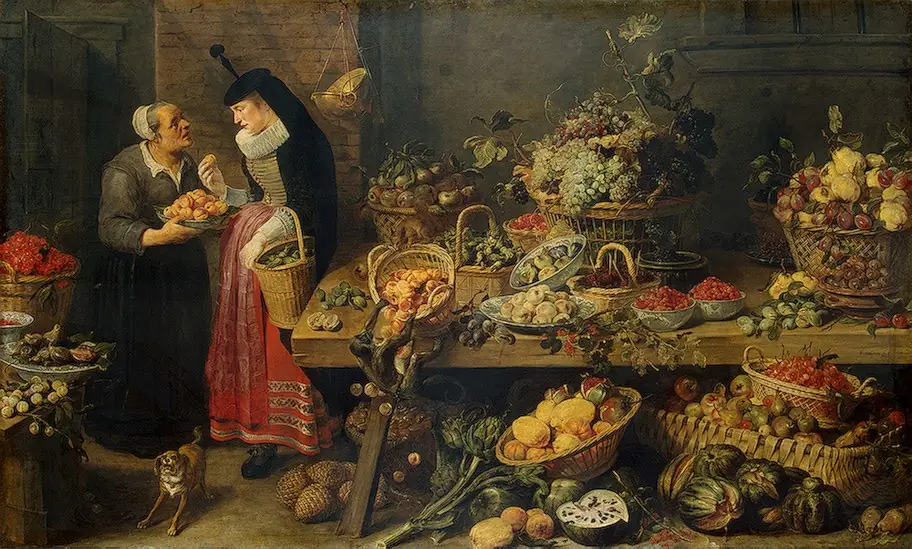 The Fruit Shop
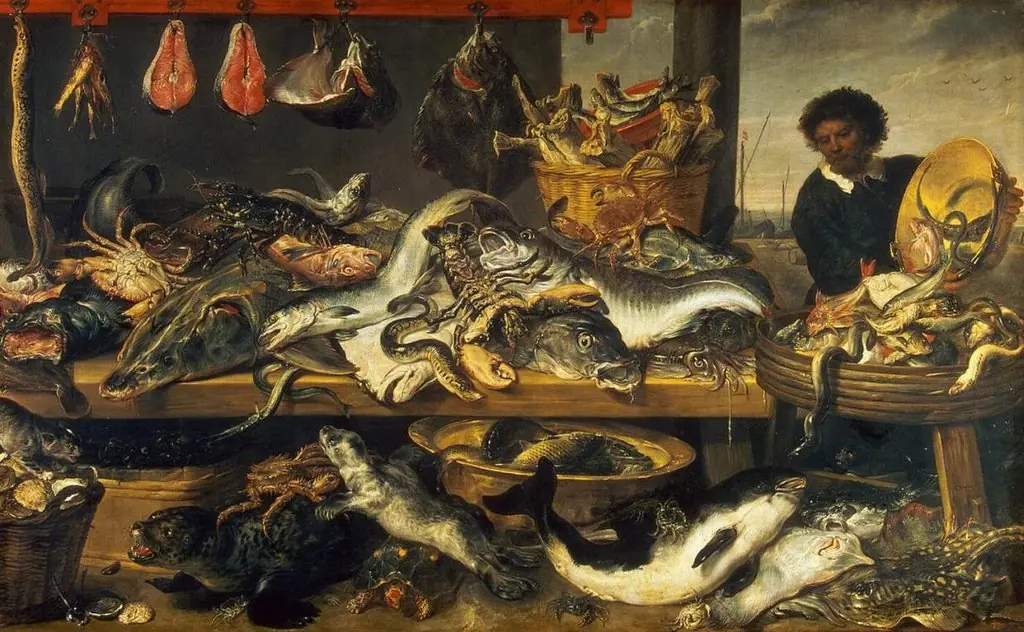 Fish Market
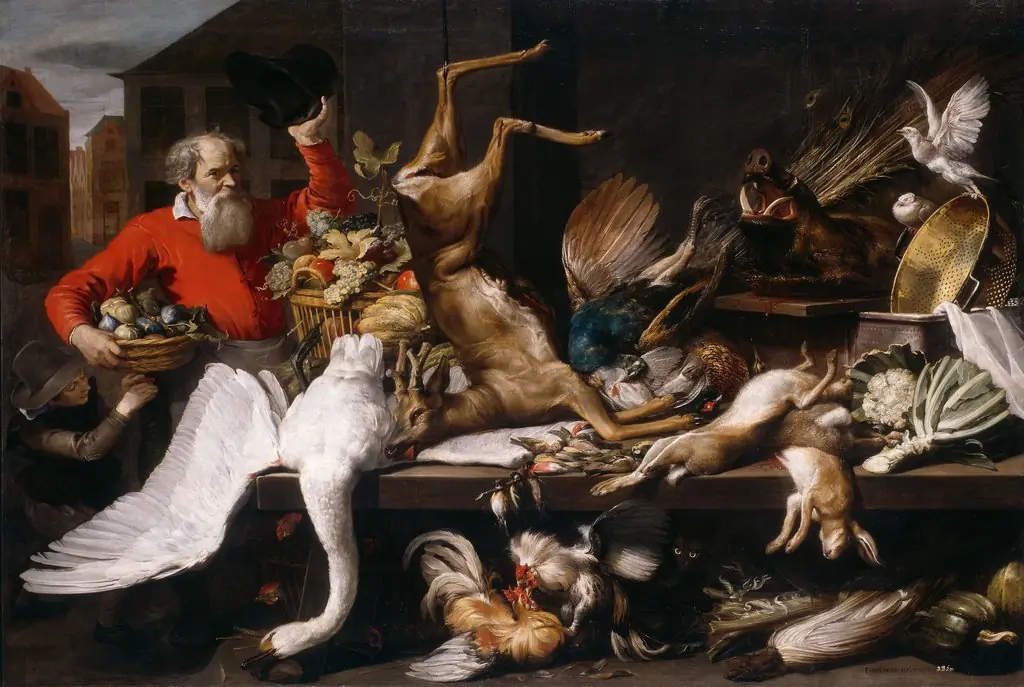 Still Life with Dead Game, Fruits, and Vegetables in a Market
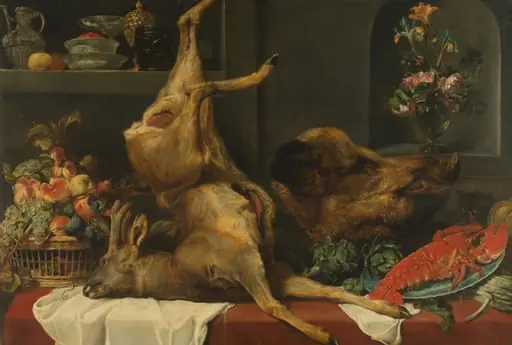 Larder Still life
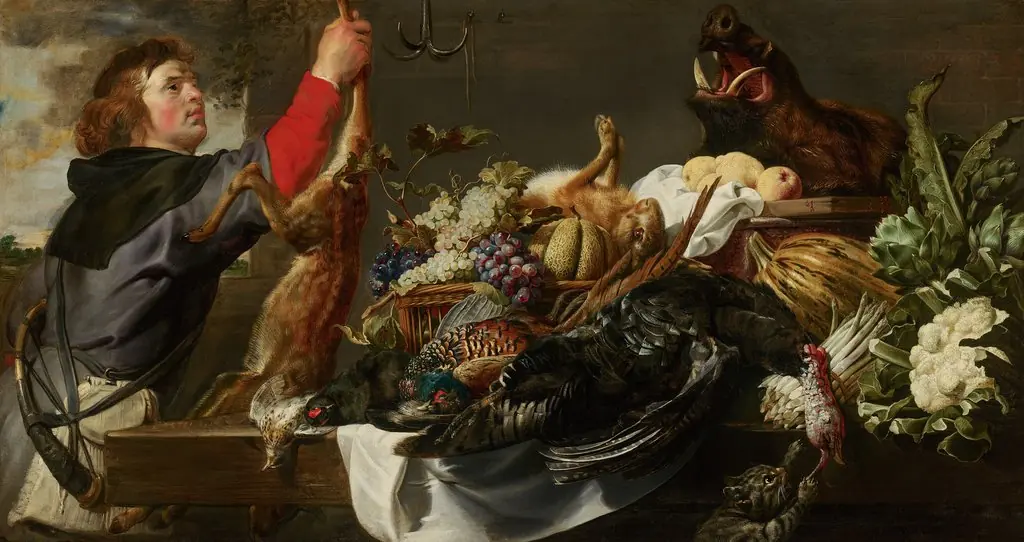 Still Life with Huntsman