Artwork
Broken Egg
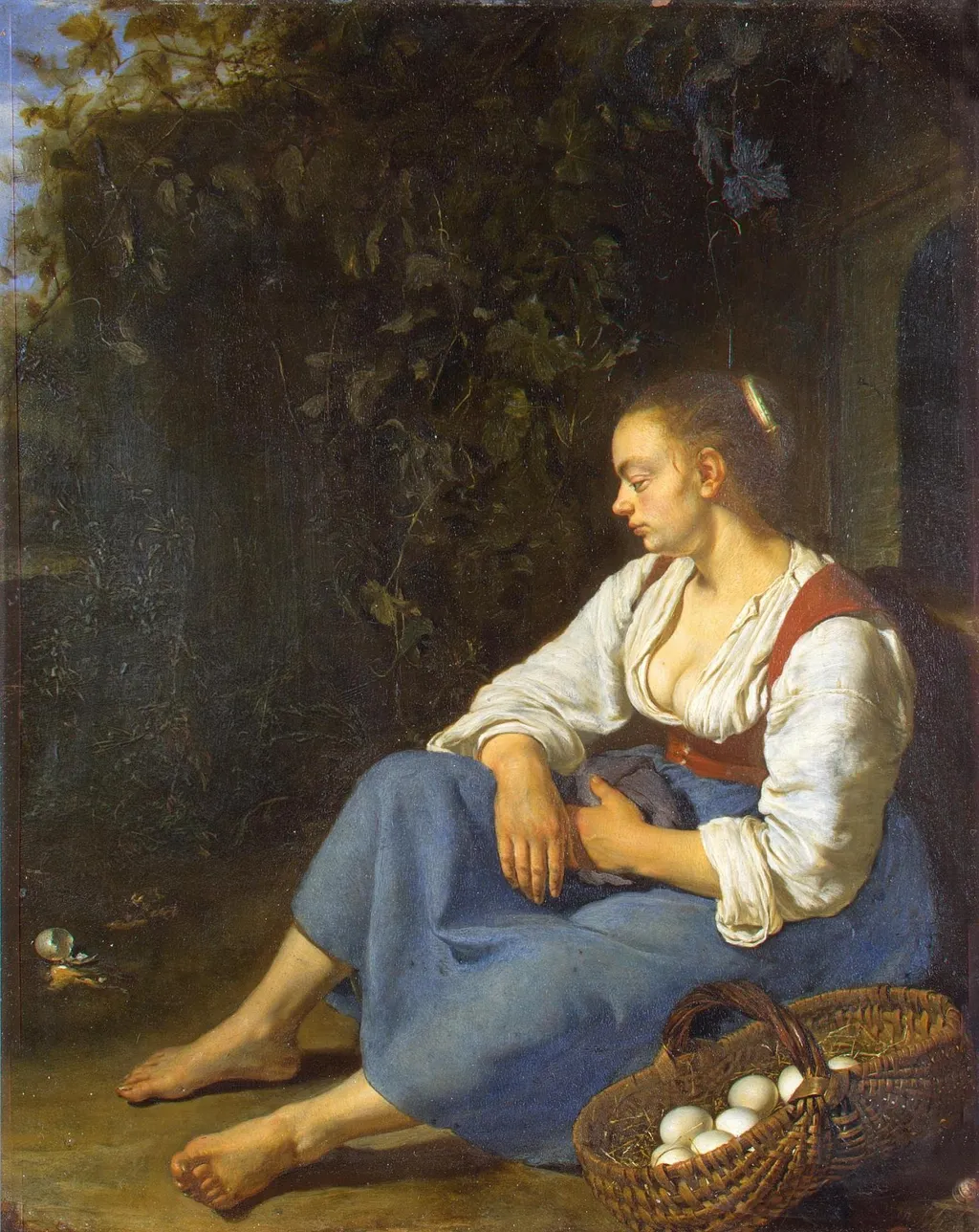
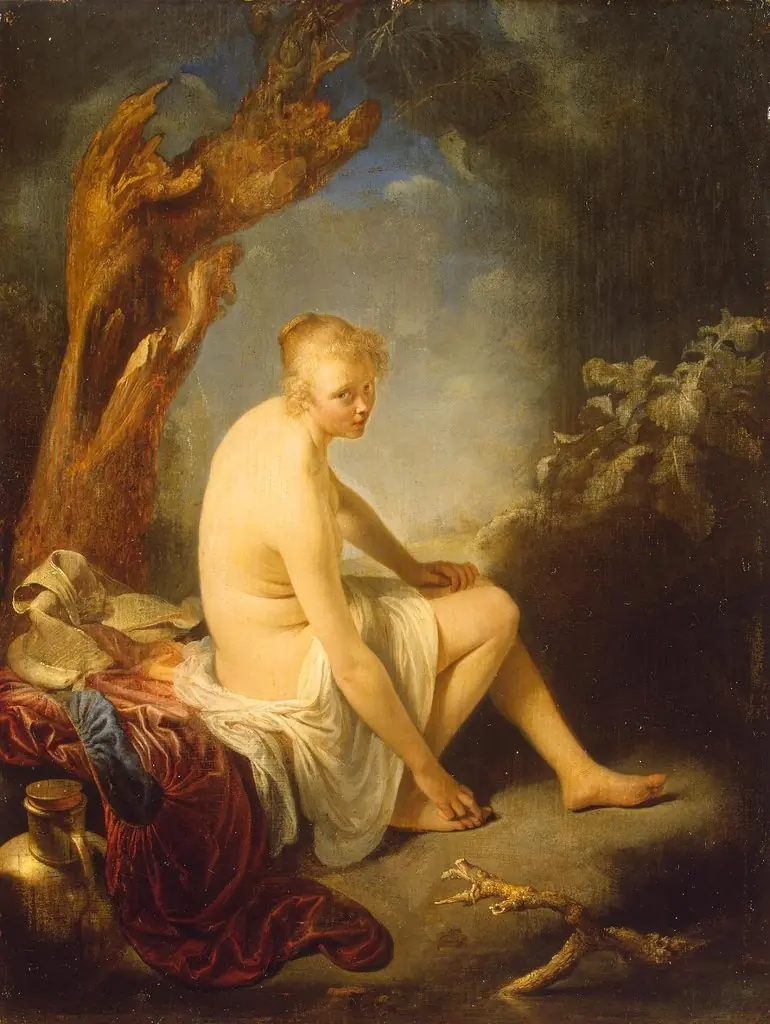
Broken Egg is an oil painting by the Dutch Golden Age artist Frans van Mieris the Elder. It dates from 1656 and is held in the collection of the Hermitage Museum.
About this work
Subject & Meaning
Broken Egg is a genre scene centered on a woman handling eggs, the everyday subject that gives the work its title.
Broken Egg is a genre scene centered on a woman handling eggs, the everyday subject that gives the work its title. According to the catalogue record, the painting depicts a woman, an egg used as food, and a basket, situating the image within the Dutch tradition of intimate domestic vignettes painted on a small copper support.
The cracked or broken egg at the heart of the composition carries the symbolic weight of the piece. In seventeenth-century Dutch genre painting, eggs were widely read as emblems of fragility, vulnerability, and the precariousness of virtue, and a broken egg in particular could signal lost innocence, domestic mishap, or moral lapse. By staging a quiet moment around this single ruptured shell, Frans van Mieris the Elder transforms a trivial kitchen incident into a meditation on delicacy and the ease with which wholeness is undone.
The work thus operates on two levels: as a finely observed scene of daily life and as an emblematic image in which the broken egg stands for the fragility of the domestic and moral order it depicts.
Technique & Style
Broken Egg is an oil painting executed on a copper support, a medium favored by Frans van Mieris the Elder for its smooth surface and fine detail. Created in 1656, the work measures 22 cm in height and 17.5 cm in width. The artist employed the copper panel to render a genre scene depicting a woman, an egg, and a basket with precise handling characteristic of the Dutch Golden Age. The small scale and choice of material reflect the meticulous technique associated with Leiden fijnschilders.
History & Provenance
Broken Egg is dated 1656 on internal records, aligning with its earliest documented ownership by Heinrich von Brühl, an 18th-century Saxon statesman and collector.
After von Brühl’s death, the painting entered the Dresden collection and was later transferred to the Hermitage Museum in Saint Petersburg, where it has remained since at least the 20th century.
The painting is part of the Hermitage Museum's collection and is accessioned under the museum's inventory system, though the specific accession number is not provided in the source. It was previously owned by Heinrich von Brühl before entering the Hermitage. The work has been displayed in exhibitions at the Hermitage, including a 2019 exhibition on Dutch and Flemish paintings from the Hermitage collection.
Overview
Frans van Mieris the Elder painted Broken Egg in 1656, employing a copper support that enhances the work’s fine detail. The composition centers on a young woman seated on the floor, her gaze fixed on a cracked eggshell, while a basket of whole eggs rests nearby. The scene is rendered in subdued lighting, creating a quiet, introspective atmosphere.
Context
Created during the Dutch Golden Age, Broken Egg exemplifies the period’s fascination with genre scenes that depict ordinary moments with moral or symbolic undertones. Van Mieris, part of a three‑generation family of painters, contributed to Leiden’s artistic output, where attention to detail and domestic subjects were highly prized.
Own this work as a print
Artist & collection
Artist
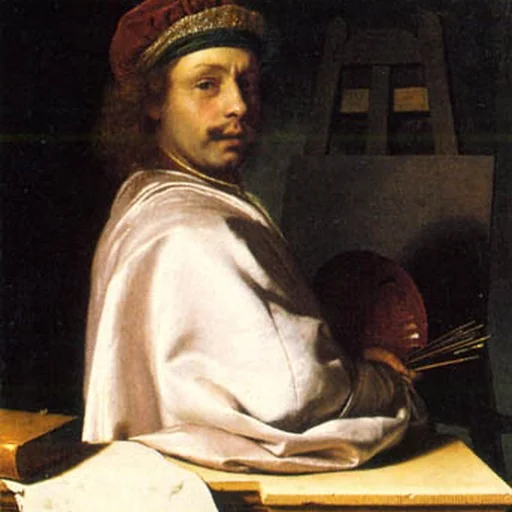
Frans van Mieris the Elder (16 April 1635 – 12 March 1681), was a Dutch Golden Age genre and portrait painter.