Artwork
The Death of Lucretia
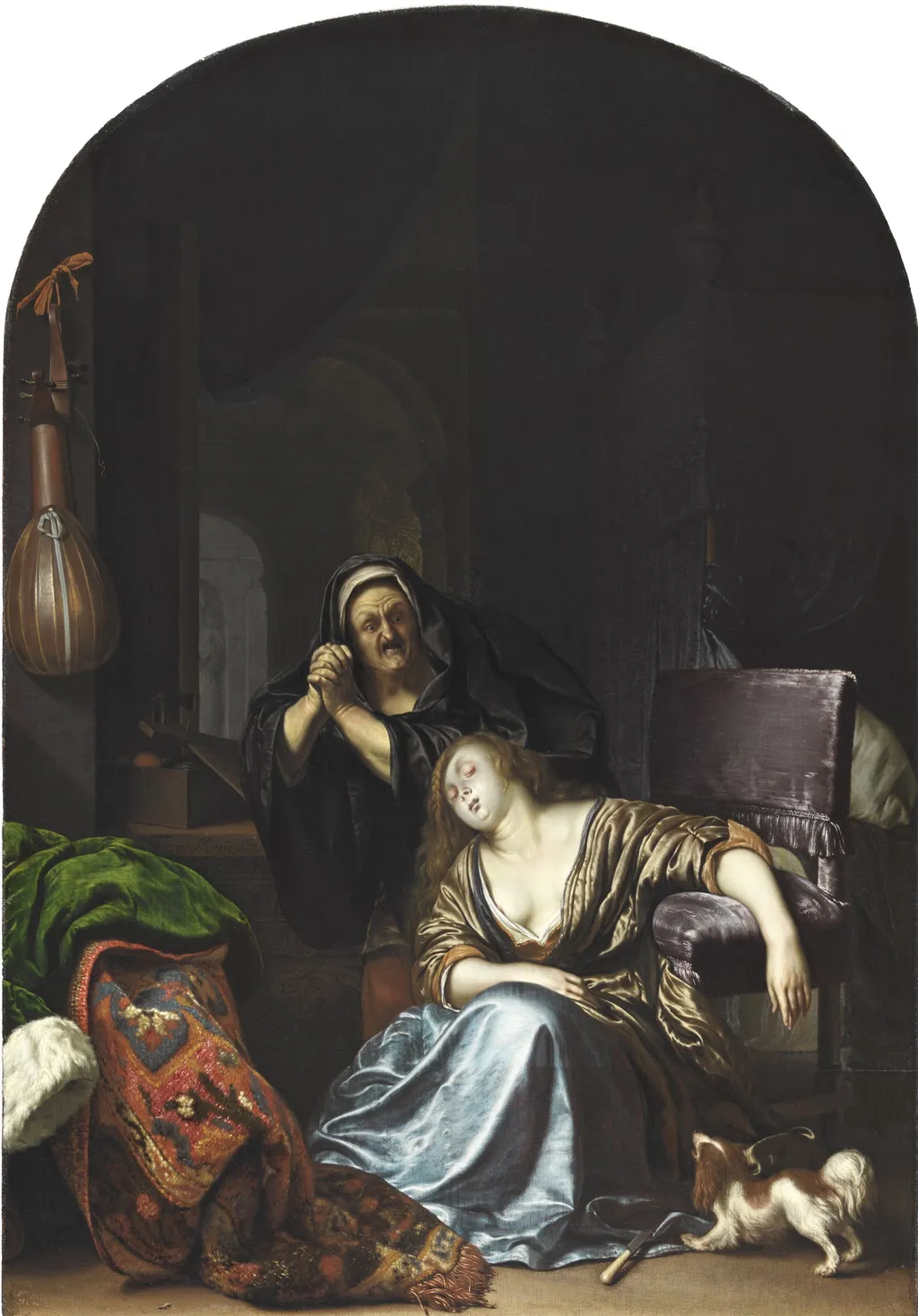
The Death of Lucretia is an oil painting by the Dutch Golden Age artist Frans van Mieris the Elder. It is held in the collection of the Rijksmuseum.
About this work
Subject & Meaning
Her exposed neck, the dagger at her breast, and the stark domestic interior emphasize both personal despair and broader themes of honor and resistance.
The painting portrays Lucretia in the moment of her suicide, a subject drawn from Roman history that symbolizes violated virtue and the tragic consequences of male aggression. Her exposed neck, the dagger at her breast, and the stark domestic interior emphasize both personal despair and broader themes of honor and resistance. These visual elements serve as iconographic markers of female moral fortitude confronting transgression.
Technique & Style
The Death of Lucretia is an oil painting executed on wood panel, measuring 38.2 centimeters in height by 26.7 centimeters in width. The work depicts Lucretia in the moment of suicide, rendered with fine brushwork characteristic of Dutch Golden Age history painting. Its formal composition emphasizes the figure's poised gesture and somber expression, reflecting the moral gravity typical of the genre.
History & Provenance
Frans van Mieris the Elder completed this oil painting on panel in 1679. The work's ownership history begins with Thomas de Fraula, followed by Gerard Bicker (II) van Zwieten. It subsequently entered the collection of Willem Lormier and was later held by his daughter, Henrica Cunera Lormier-van Olden.
The painting was acquired by Adriaan Leonard van Heteren and remained within his family line through Adriaan Leonard van Heteren Gevers, forming part of the Kabinet van Heteren Gevers. Later owners included Johan Steengracht van Oostcapelle before the work passed through the Rijksmuseum and the dealer Kunsthandel P. de Boer. It was also associated with the Johnny Van Haeften Gallery before becoming part of the Leiden Collection.
The Death of Lucretia is currently held in the Leiden Collection. The painting has a documented history of ownership that includes Gerard Bicker (II) van Zwieten, Willem Lormier, and Adriaan Leonard van Heteren Gevers before entering the Rijksmuseum collection. It was later associated with Kunsthandel P. de Boer and the Johnny Van Haeften Gallery.
The work is not currently on public display in a specific gallery room according to the provided records, but its provenance traces through several notable Dutch collectors and institutions.
Context
Created in 1679 by Frans van Mieris the Elder, The Death of Lucretia exemplifies the Dutch Golden Age tradition of history painting. The work depicts the suicide of Lucretia, a classical subject treated by the artist with the meticulous detail characteristic of his style. While the painting has passed through significant private collections, including those of Gerard Bicker (II) van Zwieten and Adriaan Leonard van Heteren Gevers, it is currently associated with the Leiden Collection.
The piece measures 38.2 cm in height and 26.7 cm in width, executed in oil on panel. Its presence in the Kabinet van Heteren Gevers and subsequent ownership by the Rijksmuseum underscores its recognized status within the canon of 17th-century Dutch art.
Overview
Frans van Mieris the Elder, a prominent Leiden painter of the Dutch Golden Age, completed the oil painting The Death of Lucretia in 1690. The work belongs to the history‑painting genre and is now part of the Rijksmuseum’s collection.

Own this work as a print
Artist & collection
Artist
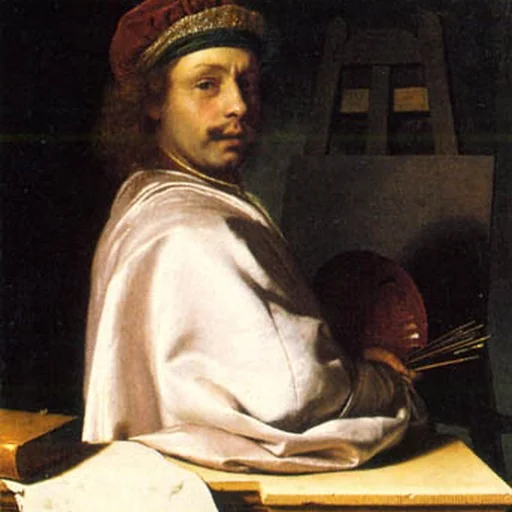
Frans van Mieris the Elder (16 April 1635 – 12 March 1681), was a Dutch Golden Age genre and portrait painter.

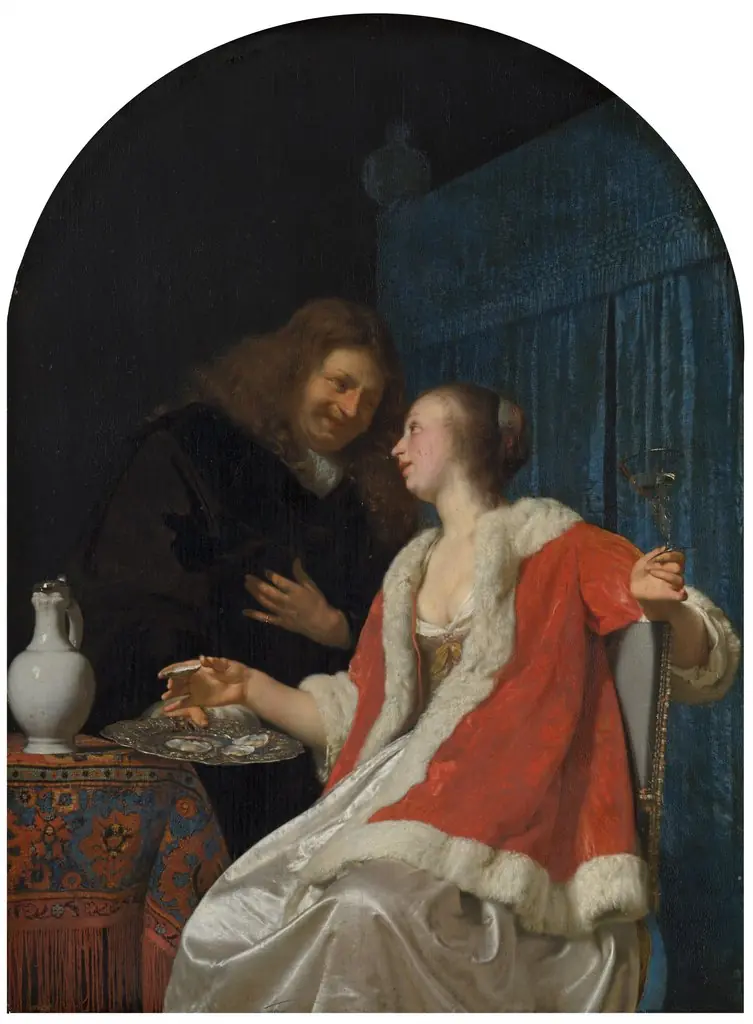
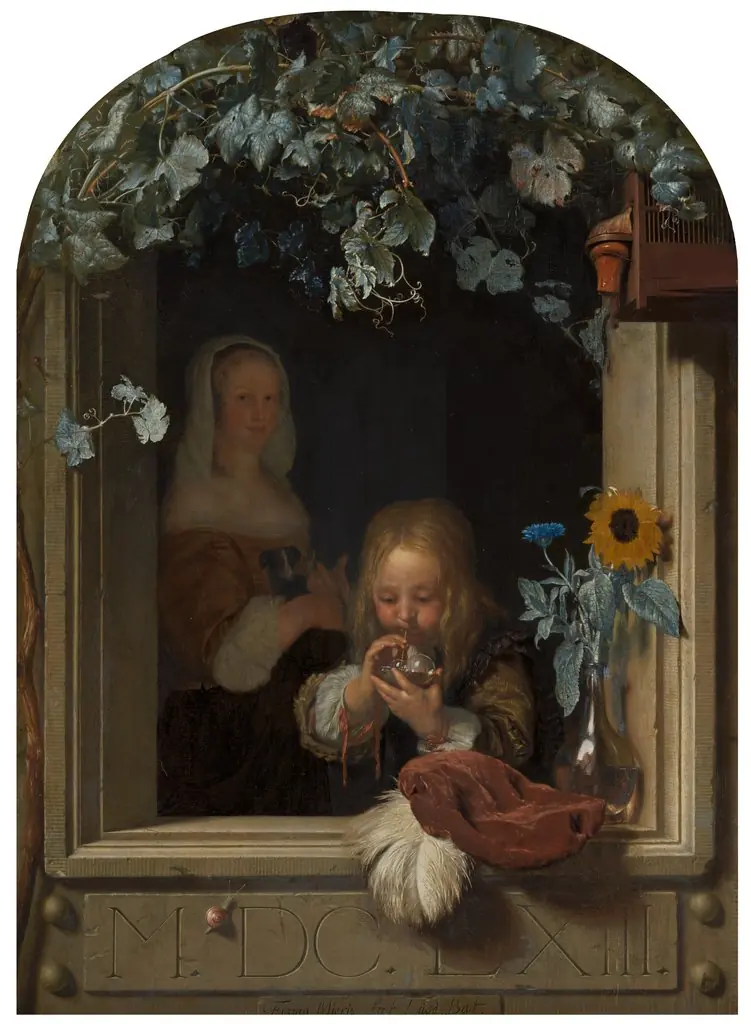
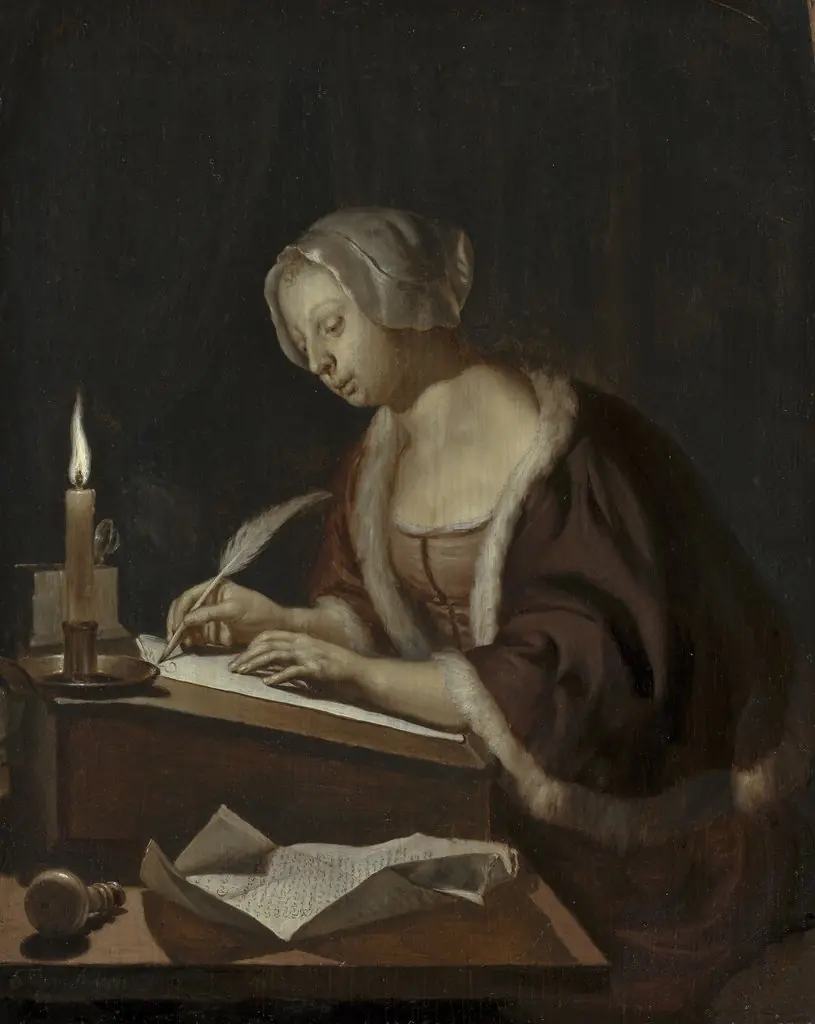
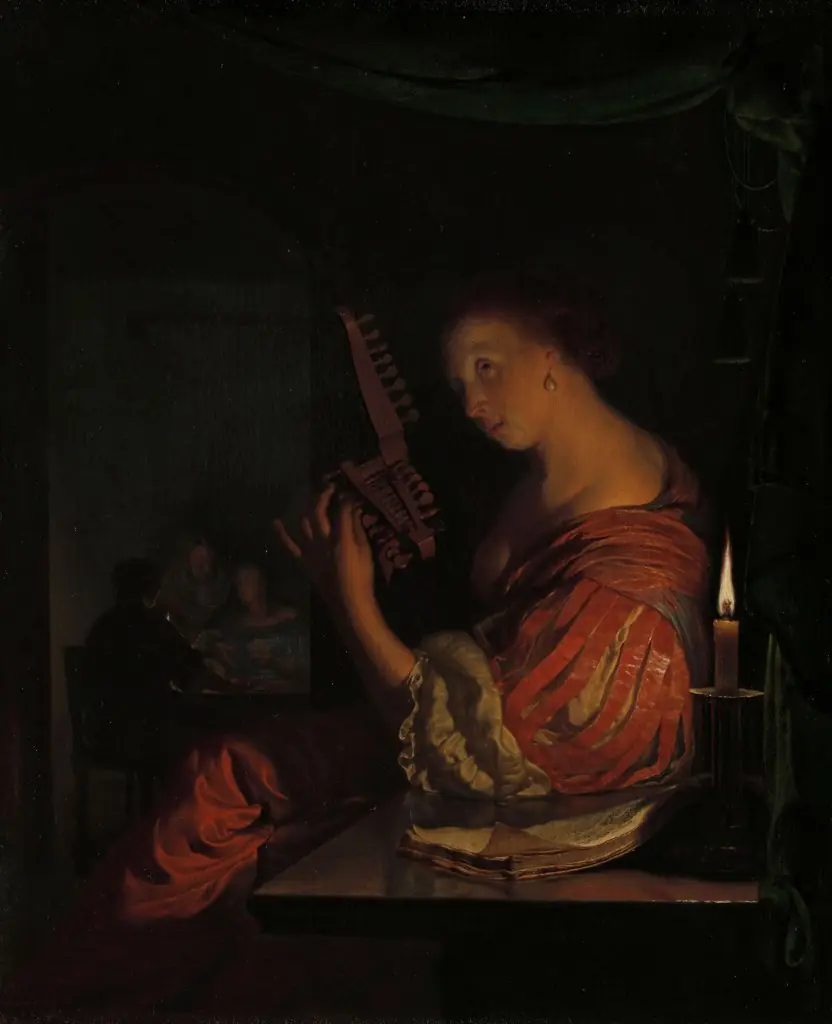
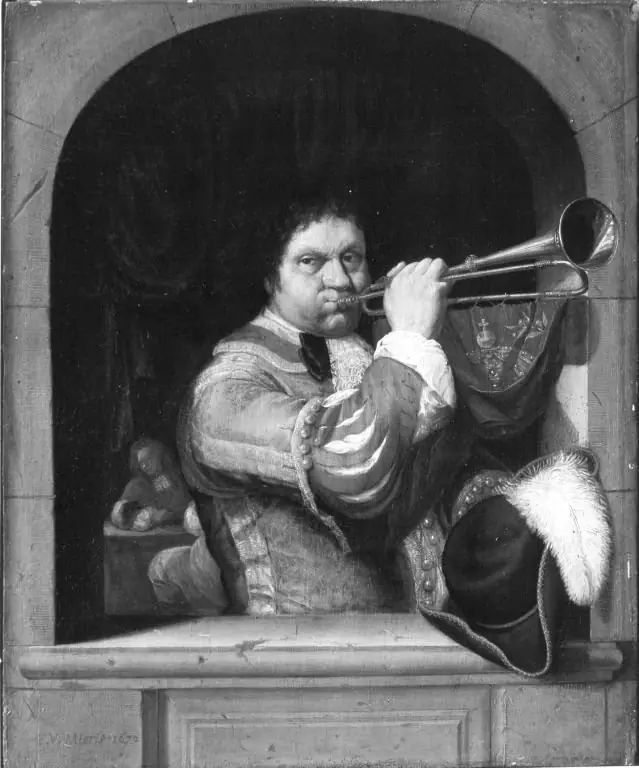
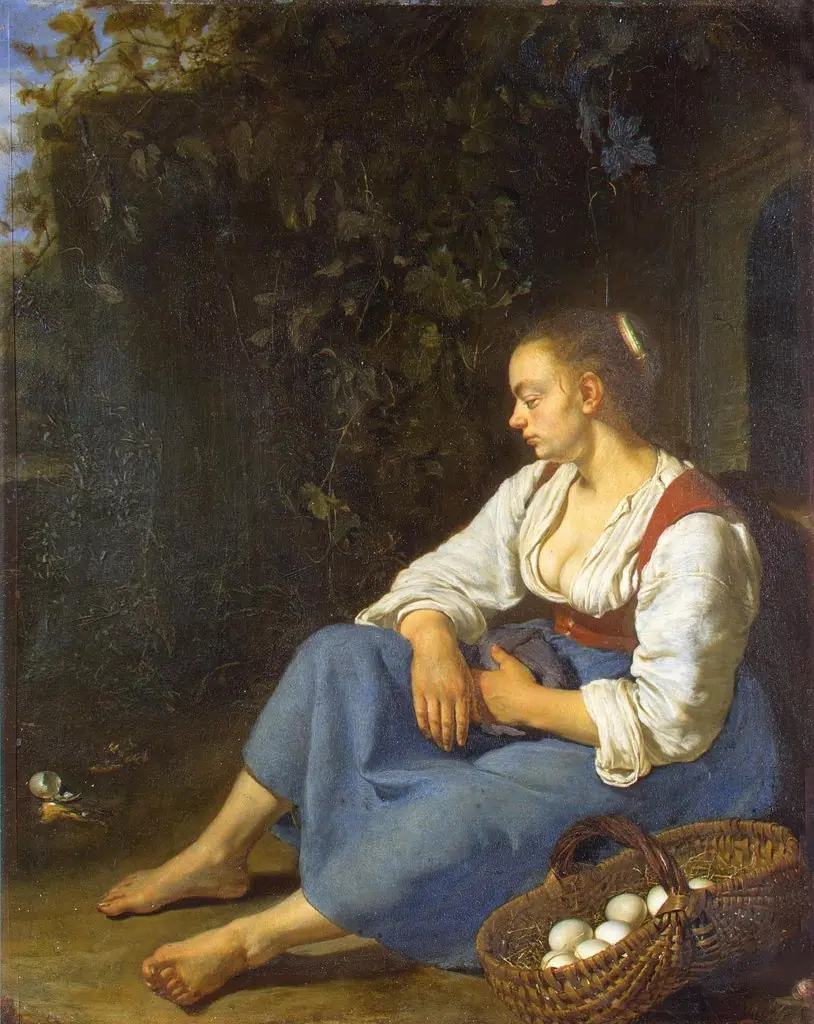
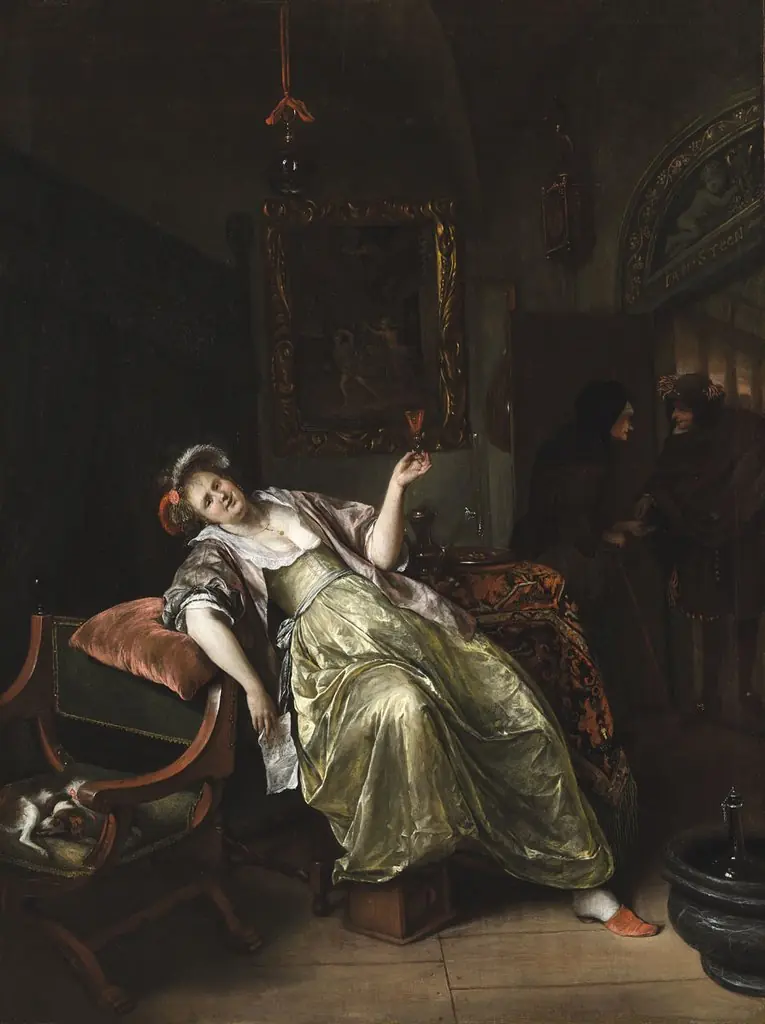 The Courtesan
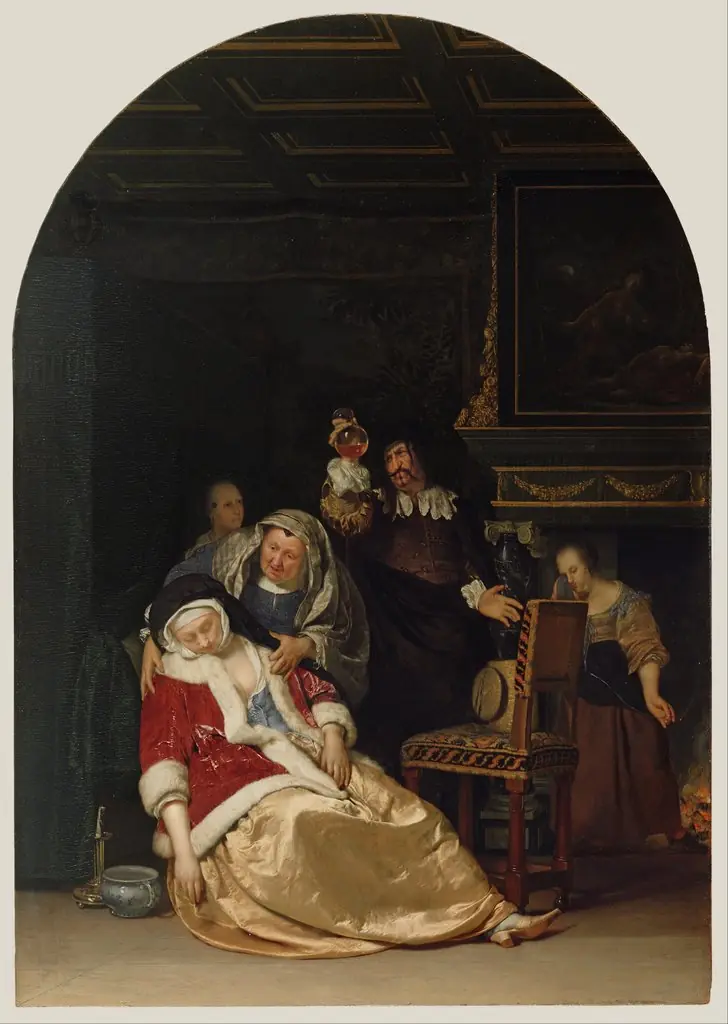 The Doctor's Visit
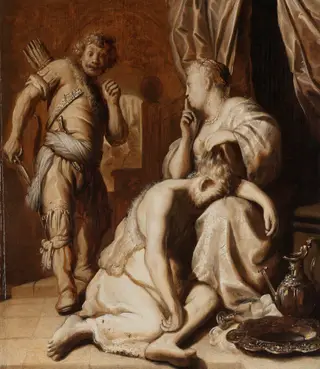 Samson and Delilah
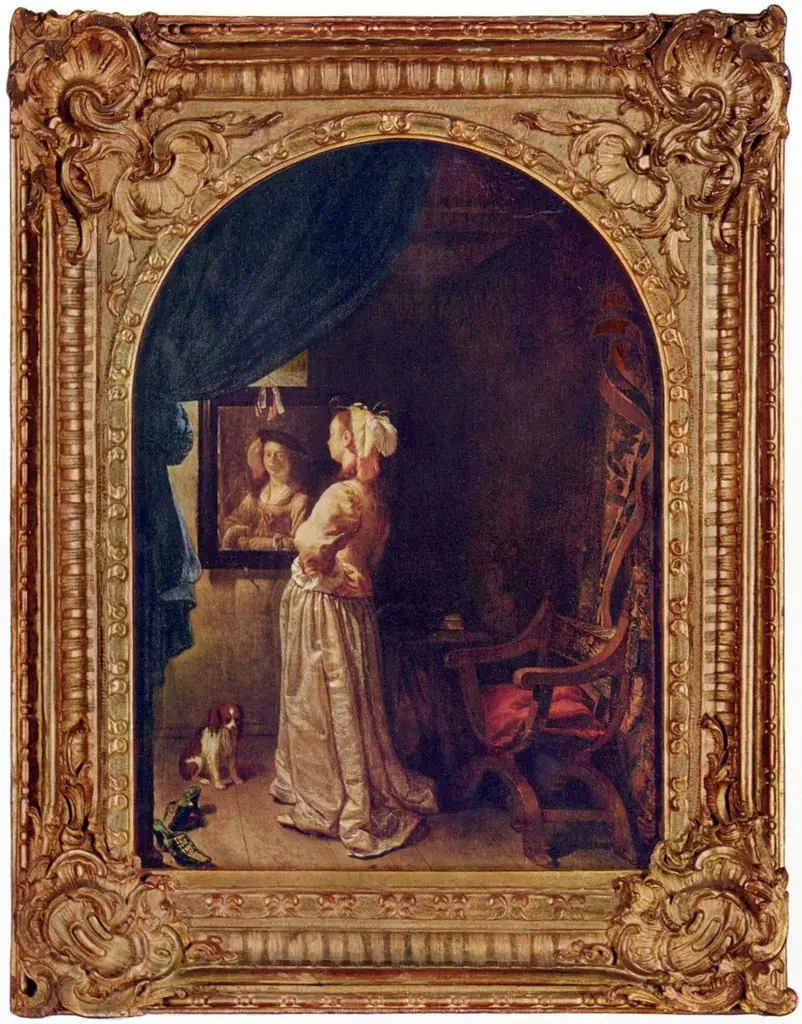
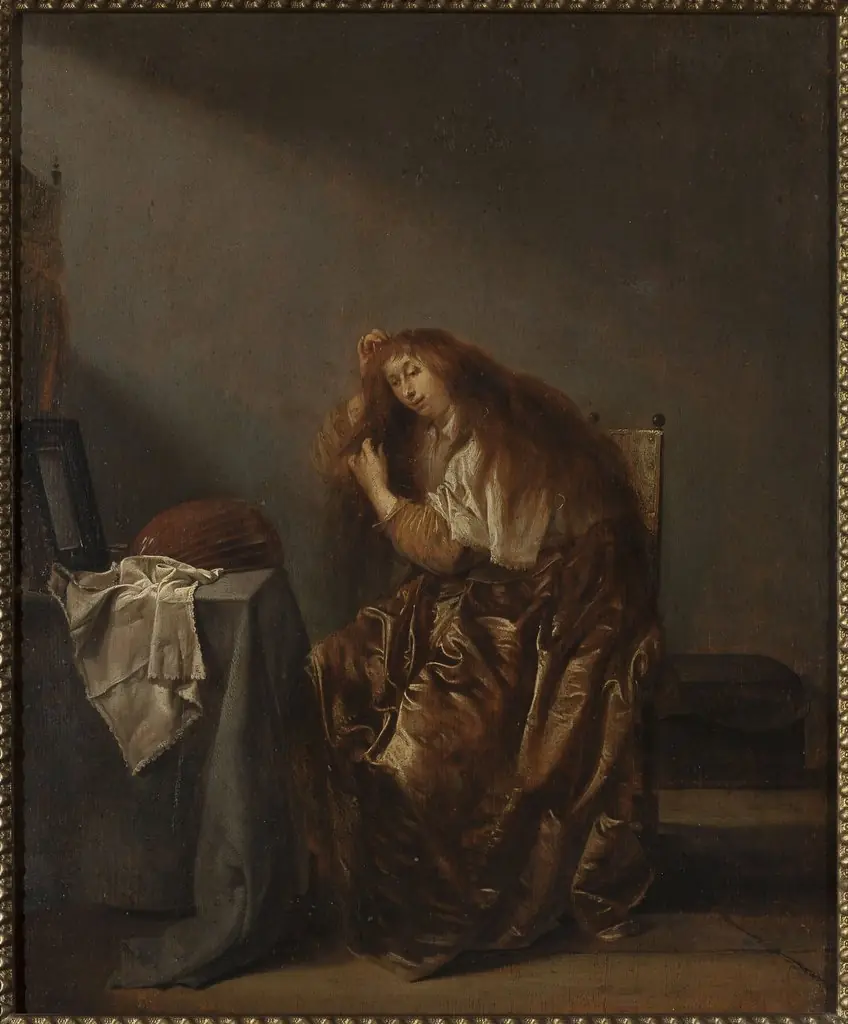 Woman in front of the mirror
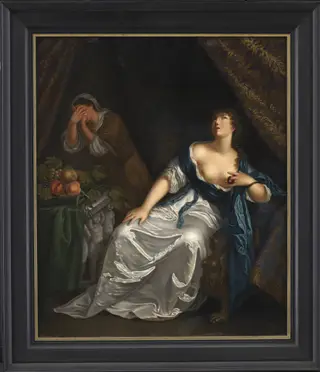 The Death of Cleopatra. Laterally reversed copy after Caspar Netscher in the Staatliche Kunsthalle in Karlsruhe
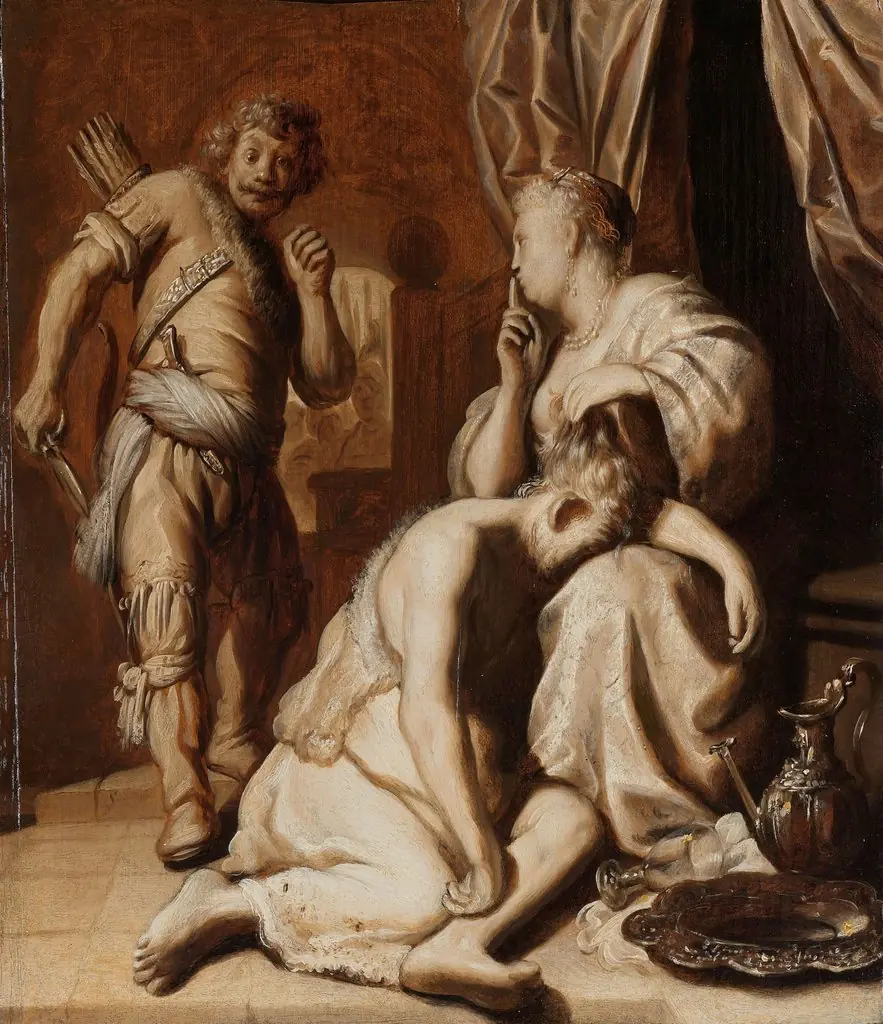 Samson and Delilah
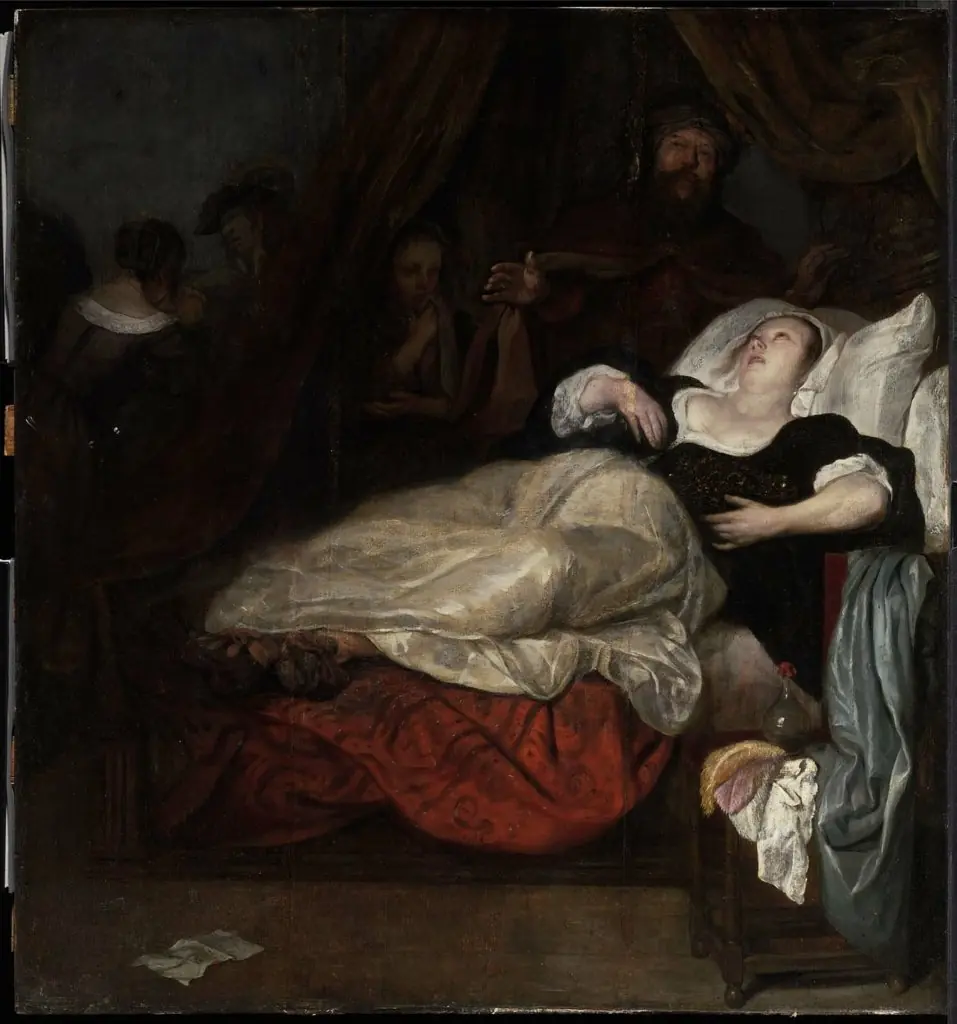 Woman in Agony (the Death of Sophonisba?)
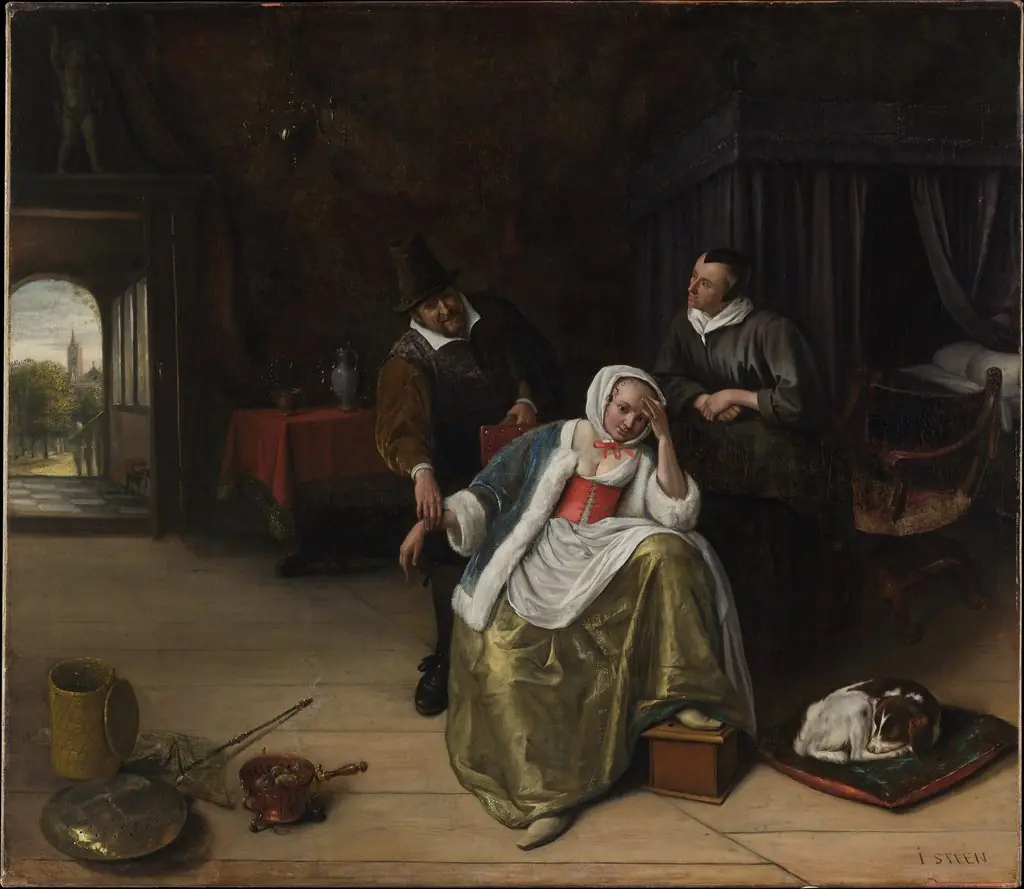 Paintings of physicians by Jan Steen
 Antonius und Kleopatra
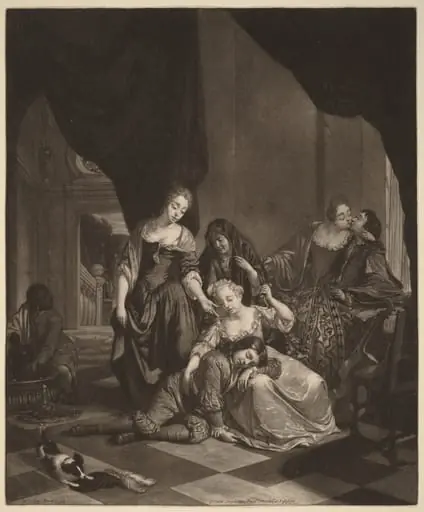
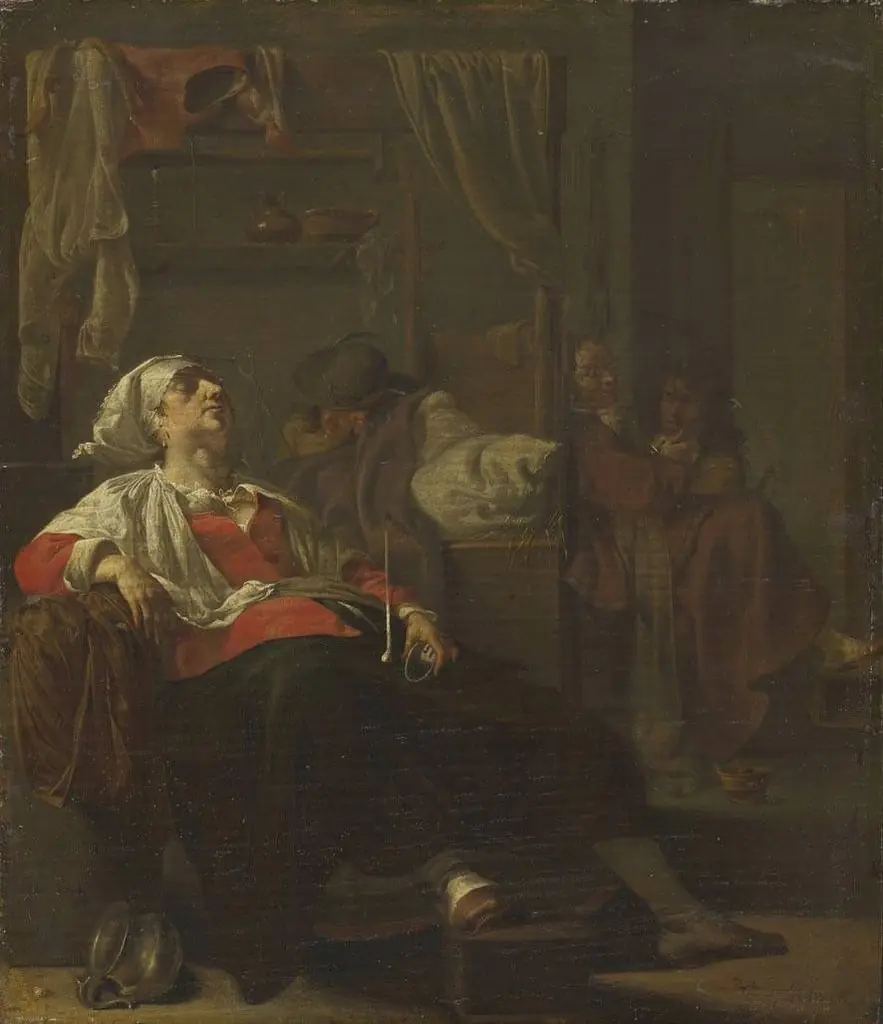 Brothel scene with a sleeping couple
 The Sleeping Boy
- The Death of Lucretia