Artwork
The Glorification of the Royal Hungarian Saints
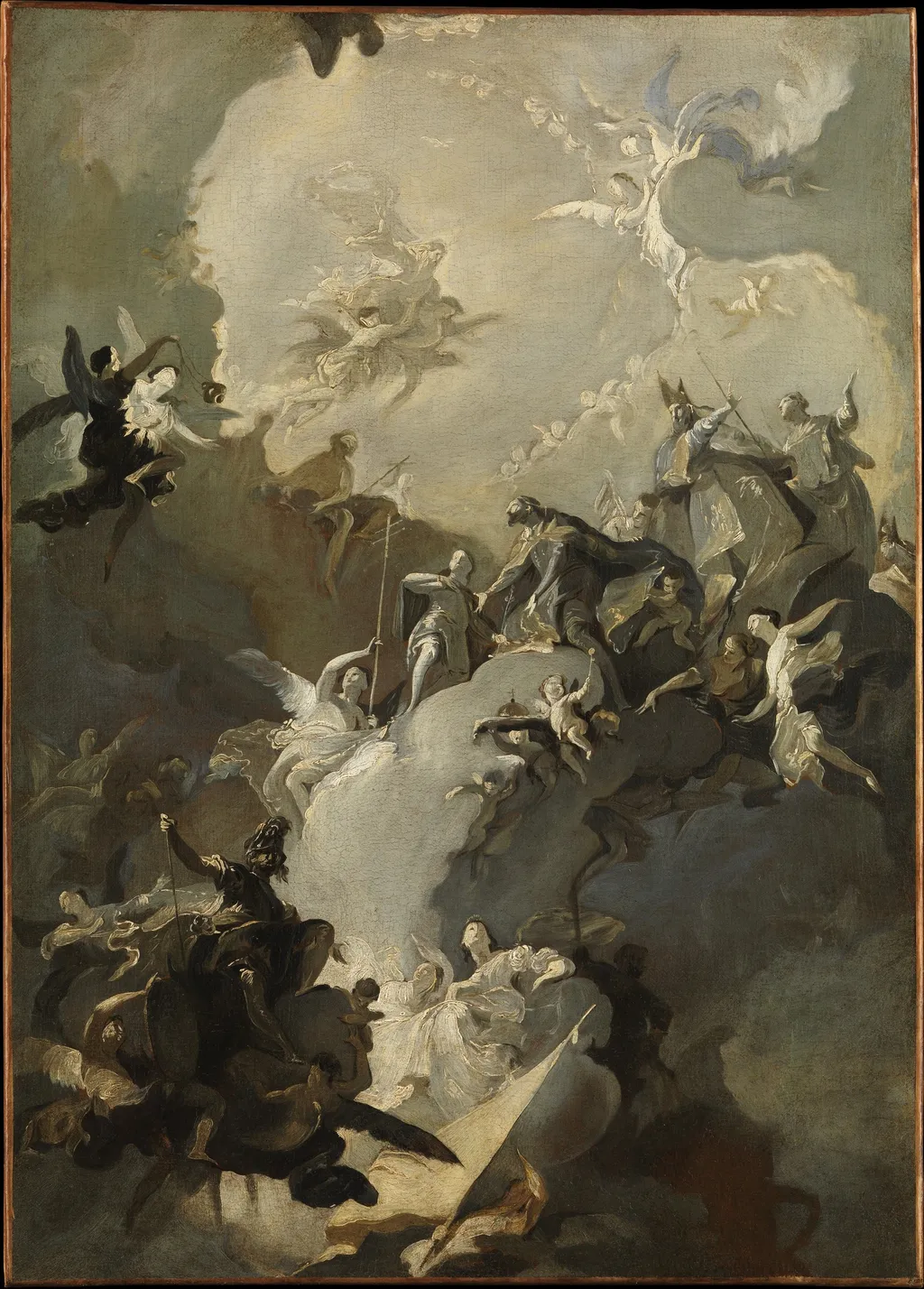
The Glorification of the Royal Hungarian Saints is an oil painting by Franz Anton Maulbertsch. It dates from 1772 and is held in the collection of the Metropolitan Museum of Art.
About this work
Technique & Style
The application of oil paint on a flexible textile support characterizes the physical construction of this mid-eighteenth-century panel.
Executed in 1772, The Glorification of the Royal Hungarian Saints is an oil painting on canvas by Franz Anton Maulbertsch. The work measures 70 cm in height and 50.5 cm in width. As a piece of religious art, the composition features saints situated among clouds, reflecting the genre's typical iconography.
The application of oil paint on a flexible textile support characterizes the physical construction of this mid-eighteenth-century panel.
History & Provenance
The Glorification of the Royal Hungarian Saints was executed in 1772 by the Austrian painter Franz Anton Maulbertsch. The work, rendered in oil on canvas, measures 70 by 50.5 units and portrays a saint amid clouds. Maulbertsch conceived the piece as a religious composition, though specific commissioning details are not recorded.
After its creation the painting entered the collection of the Metropolitan Museum of Art, where it remains on view. Its provenance is limited to the artist’s authorship and subsequent acquisition by the museum, with no further documented owners prior to this acquisition.
The painting The Glorification of the Royal Hungarian Saints is housed in the collection of the Metropolitan Museum of Art in New York. It is recorded as part of the museum's holdings, though the specific accession or inventory number is not provided in the available documentation. The work measures 70 by 50.5, matching the dimensions cited in the source records.
No exhibition history is noted in the cited references, indicating that the piece has not been listed in major exhibition catalogues according to the current sources.
Overview
Franz Anton Maulbertsch, an Austrian artist active in German and Hungarian territories, completed The Glorification of the Royal Hungarian Saints in 1772. This oil painting exemplifies the Rococo aesthetic prevalent in religious art of the era. The work is currently part of the collection at The Metropolitan Museum of Art, showcasing Maulbertsch's distinctive approach to spiritual themes.
Subject & Meaning
The painting depicts a celestial realm where numerous figures, interpreted as saints, angels, and warriors, ascend amidst swirling clouds. They are shown in dynamic motion, some holding banners or weapons, suggesting a triumphant spiritual event. The composition conveys a sense of dramatic elevation and divine intervention, characteristic of glorification scenes in religious art. Muted tones are punctuated by luminous gold and white, emphasizing the ethereal light breaking through the heavens.
Context
Created in 1772, this work reflects the artistic trends of the late Rococo period in Central Europe, where Maulbertsch was a prominent figure. His focus on religious subjects, particularly those involving saints and divine narratives, aligned with the patronage and spiritual interests of the time in the German and Hungarian regions. The painting serves as an example of how artists interpreted sacred themes with dramatic flair and elaborate compositions during the 18th century.
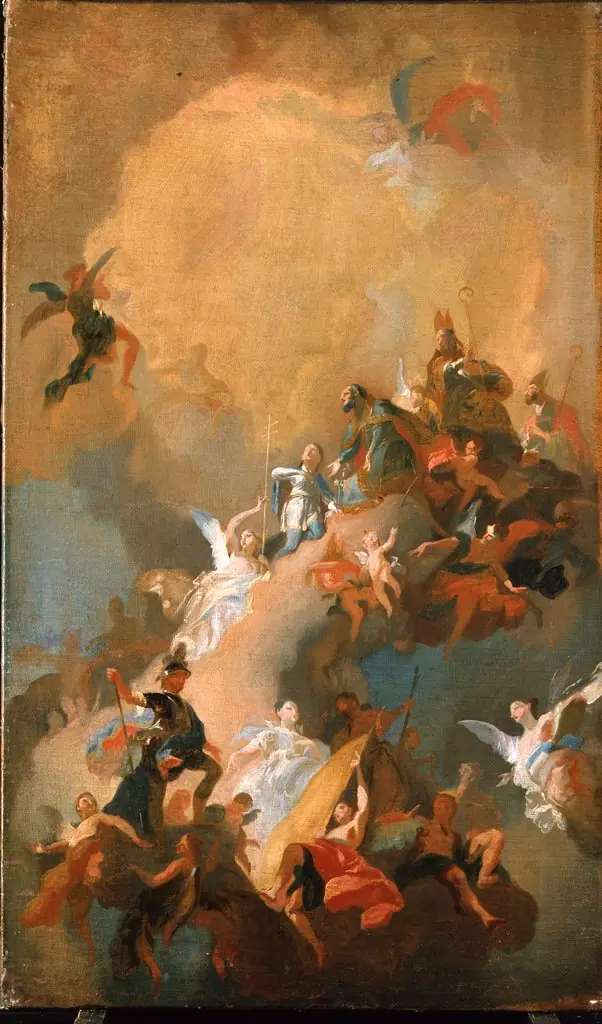
Own this work as a print
Artist & collection
Artist
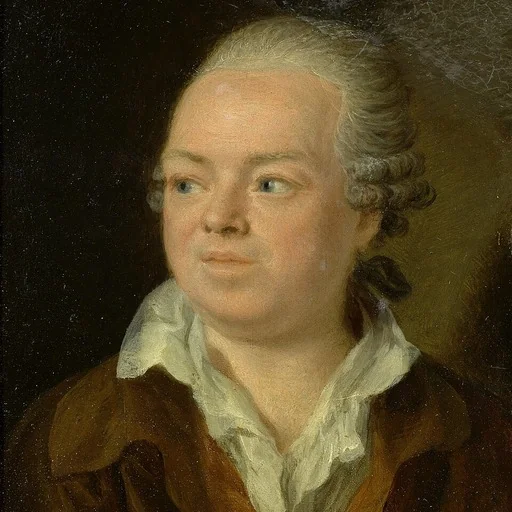
Franz Anton Maulbertsch (7 June 1724 – 8 August 1796) was an Austrian painter and engraver, one of the most renowned exponents of Rococo painting in the German and Hungarian regions.

 Divine Providence and Virtues
 Plafond project
 The Coronation of the Virgin
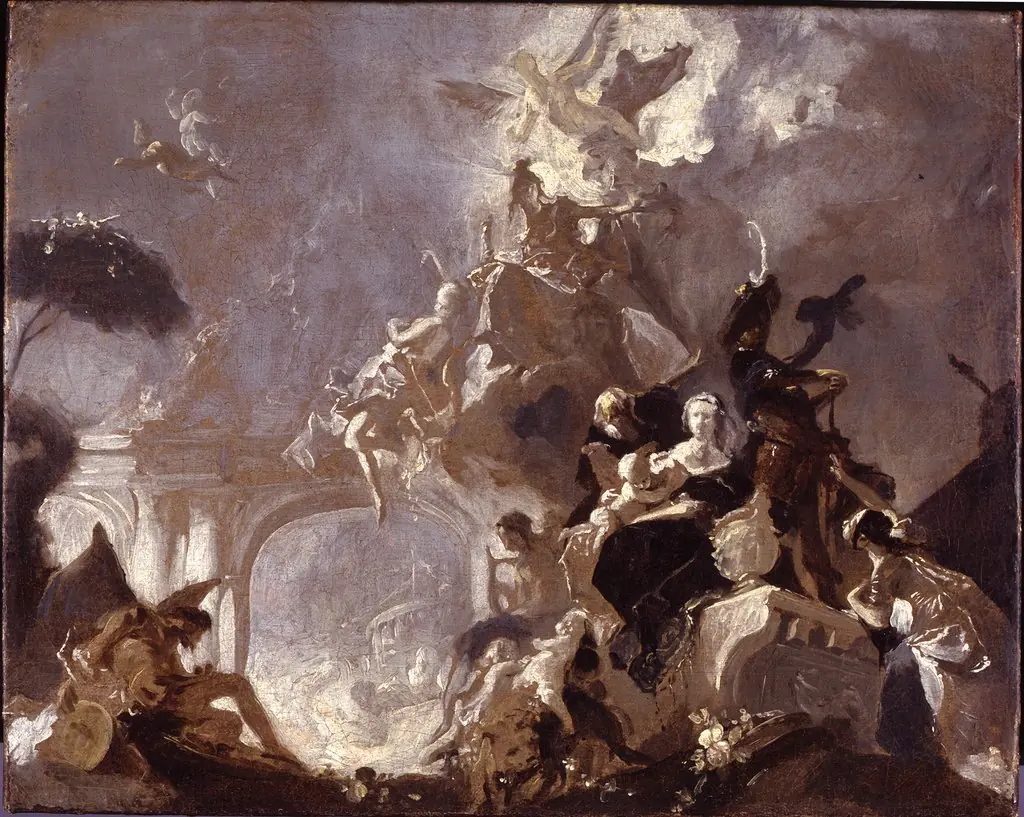 Draft for a ceiling painting
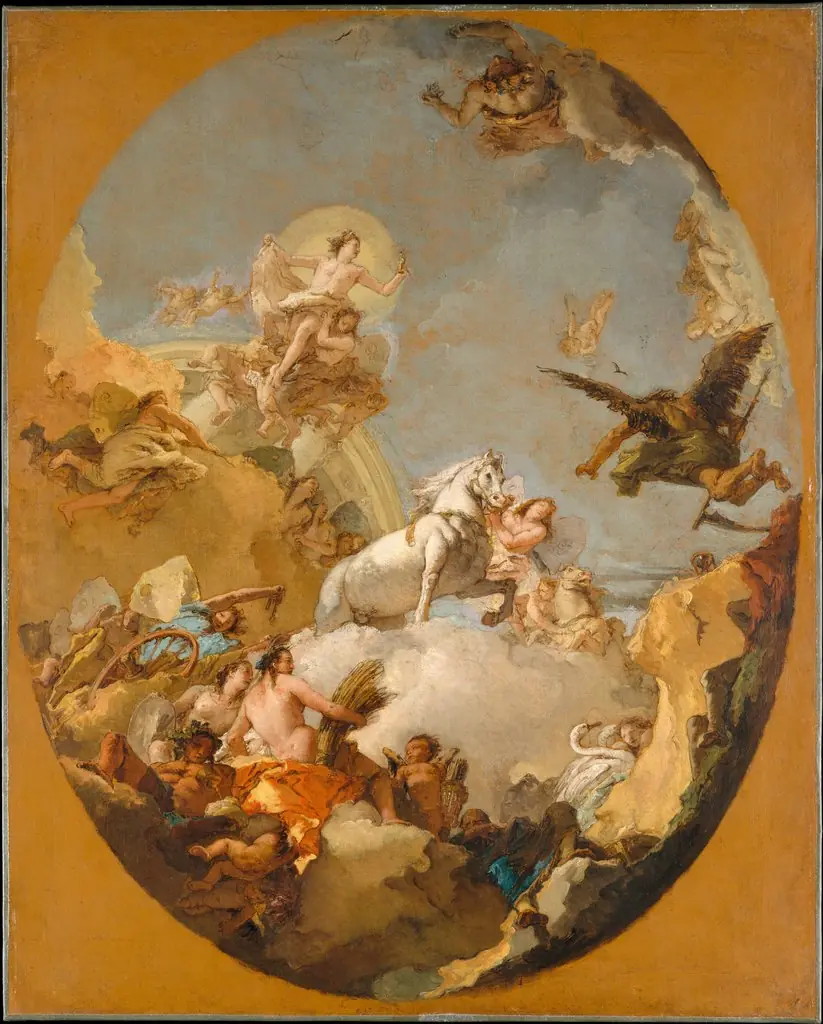 The Chariot of Aurora
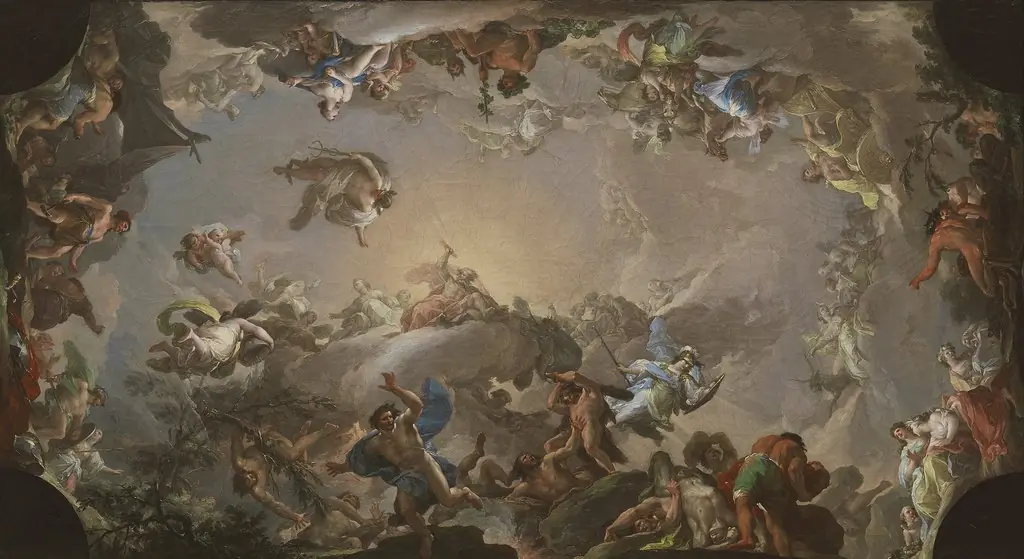 Olympus: The Fall of the Giants
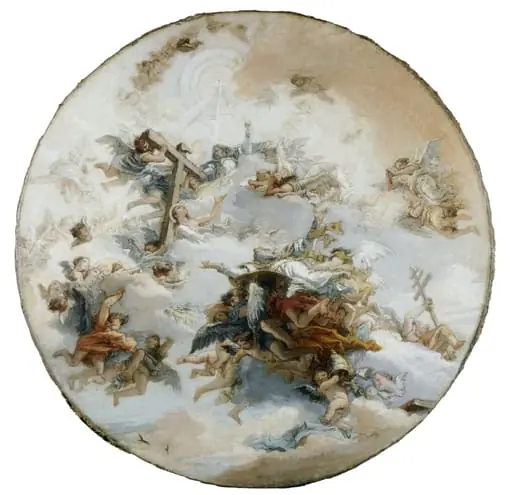 St Leo in Glory (sketch for the ceiling of the church of San Lio, Venice)
 The Miracle of the Holy House of Loreto
 Allegory of the Planets and Continents
 The Apotheosis of the Spanish Monarchy