Artwork
Susanna and the Elders
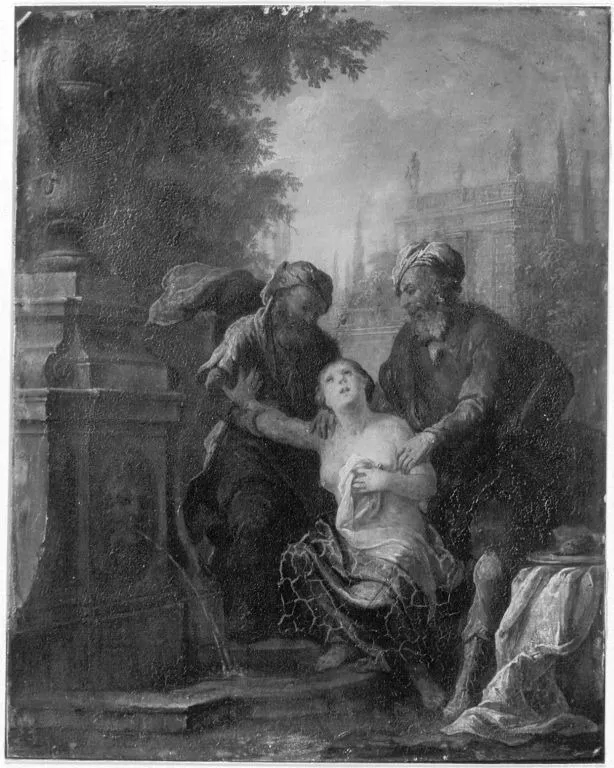
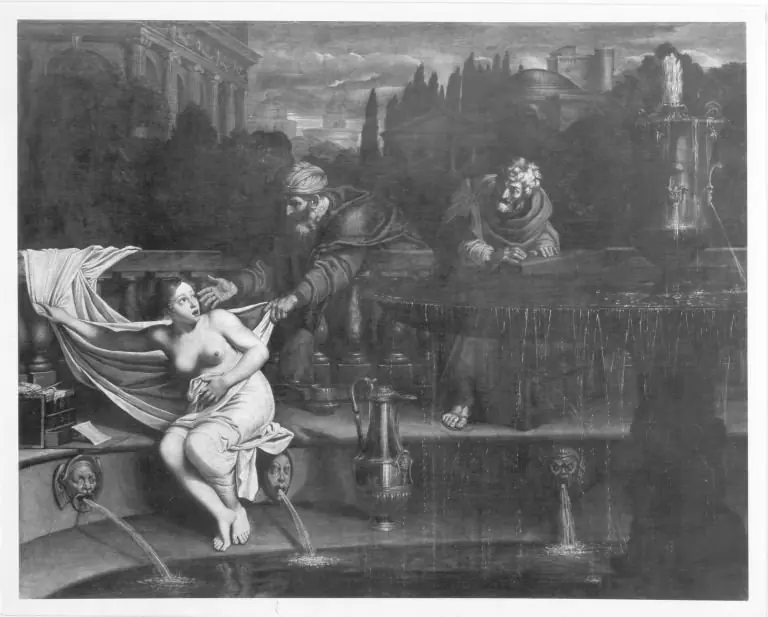
Susanna and the Elders is an unspecified painting by the Rococo painting artist Franz de Paula Ferg. It dates from 1714 and is held in the collection of the Bavarian State Painting Collections.
About this work
Subject & Meaning
Symbolically, the painting underscores themes of chastity, voyeurism, and divine judgment, reflecting the moral anxieties of early 18th‑century religious art.
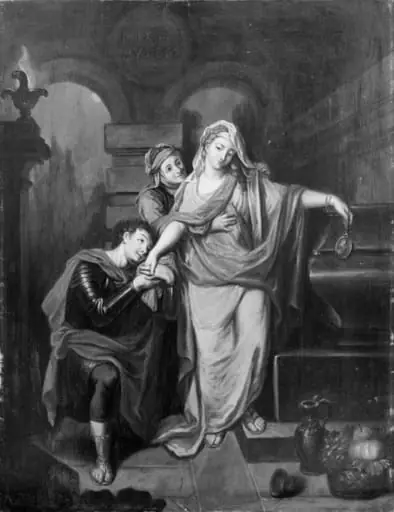
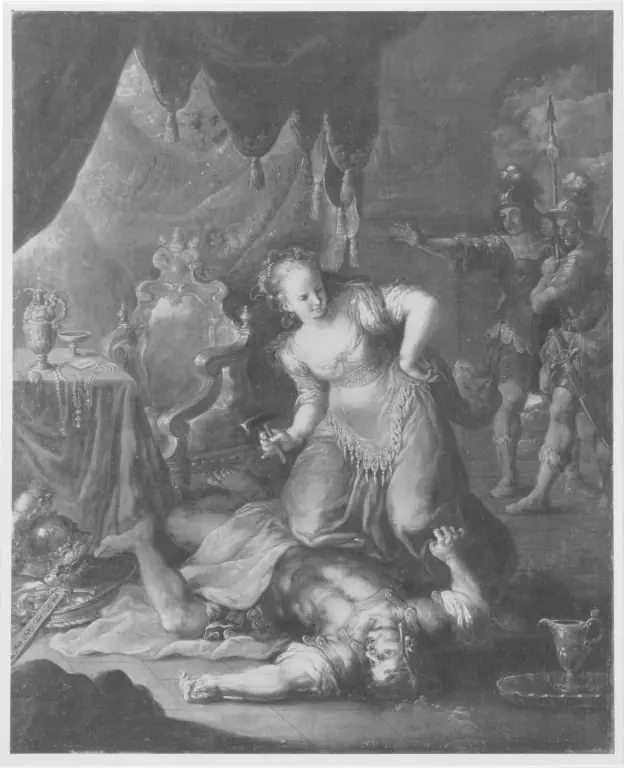
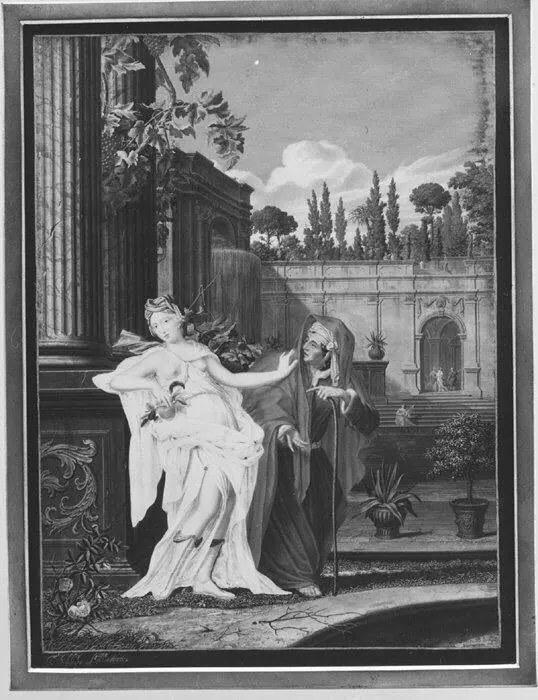
The work portrays the biblical scene of Susanna caught in the act of modesty while two senior men observe her, a composition that emphasizes her virtue and the elders' transgressive gaze. Symbolically, the painting underscores themes of chastity, voyeurism, and divine judgment, reflecting the moral anxieties of early 18th‑century religious art. Executed by Franz de Paula Ferg in 1714, the piece belongs to the religious genre and was created for the Bavarian State Painting Collections, where it remains on display at the Alte Pinakothek.
The subject draws directly from the deuterocanonical story of Susanna, a narrative that has been interpreted as a cautionary tale about integrity under pressure and the consequences of lustful intent.
History & Provenance
Painted in 1714 by Franz de Paula Ferg, the work entered the Bavarian State Painting Collections and has remained in Munich since at least the early twentieth century.
By 1914 it was documented in the Alte Pinakothek, where it continues to be held.
The painting is held by the Bavarian State Painting Collections in Munich and is located at the Alte Pinakothek. Its accession number is WAF 10177.
It was exhibited at the Alte Pinakothek in Munich in 2014 as part of the exhibition Franz de Paula Ferg (1681–1740): Ein Maler aus der Werkstatt Asams, curated to mark the tricentenary of the artist’s birth.
Overview
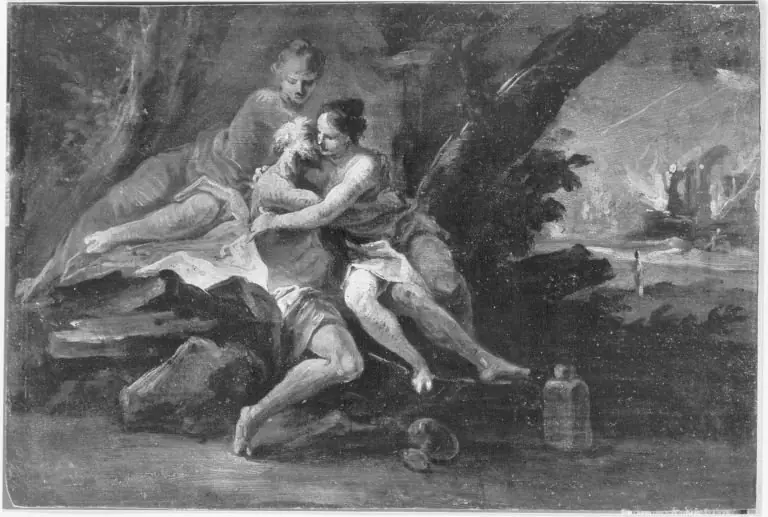
Franz de Paula Ferg's Susanna and the Elders (1714) is a Rococo painting depicting a pivotal moment from the biblical tale of Susanna. The work features three central figures within a subtle landscape background.
Technique & Style
Characterized by Rococo sensibilities, the painting focuses on expressive facial gestures and body language. The use of dark robes and turbans for the elders contrasts with Susanna's central, more illuminated figure, enhancing the emotional dynamic.
Context
While typically associated with scenes of daily life, Ferg's engagement with a biblical narrative in Susanna and the Elders reflects the Rococo's broader influence on religious and mythological subjects during the early 18th century.
Legacy
As a relatively lesser-documented work within the Rococo movement, Susanna and the Elders contributes to the understanding of how biblical themes were interpreted through Rococo aesthetics, though its direct impact on the art historical canon is more nuanced.
Artist & collection
Artist
Franz de Paula Ferg (2 May 1689 – 1740), also known as Francis Paul Ferg, was an Austrian painter, draughtsman, and printmaker. He painted primarily scenes of daily life, such as people interacting in markets and villages.