Artwork
Archduchess Maria Antonia at the Spinet
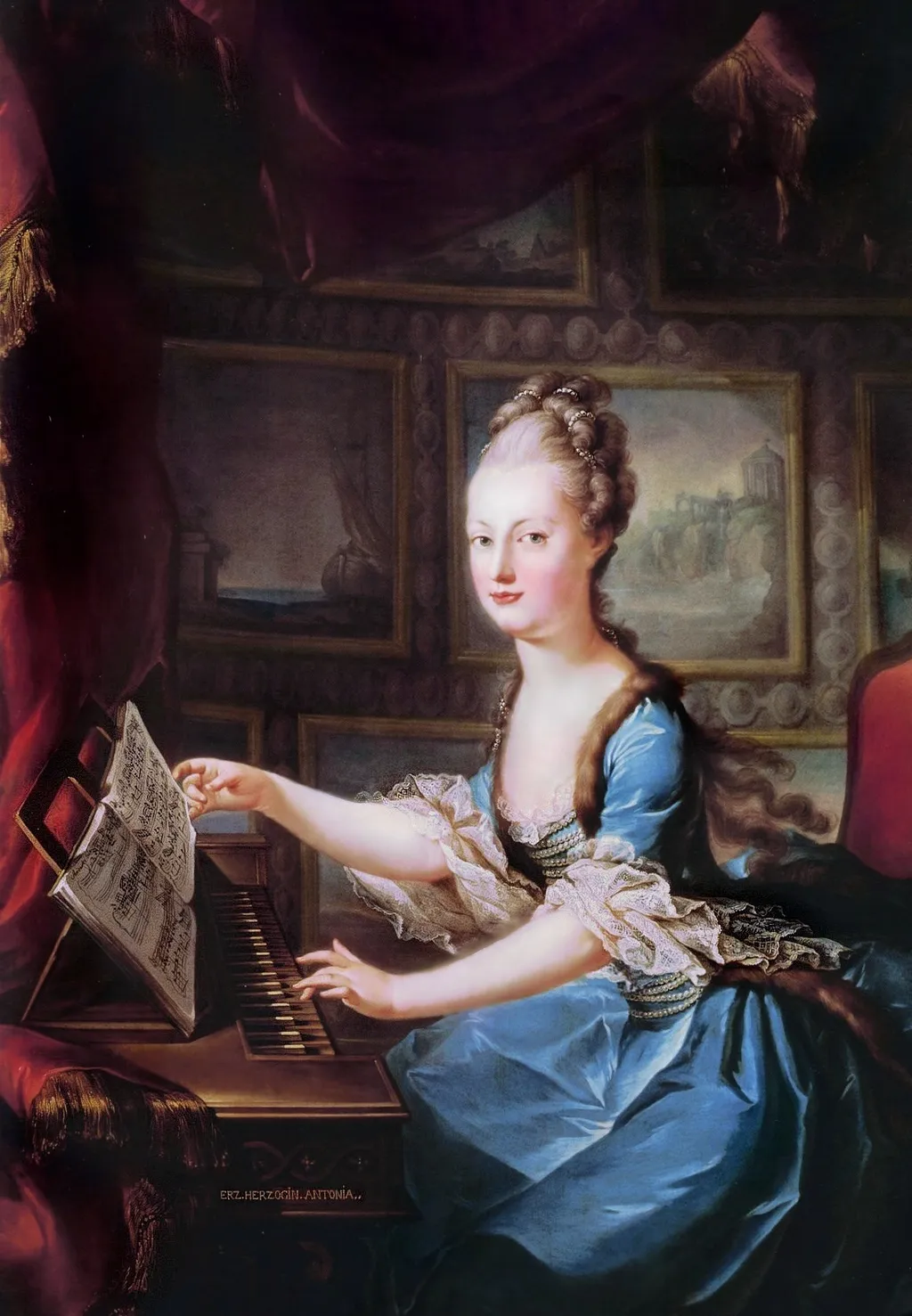
Archduchess Maria Antonia at the Spinet is an oil painting by the Rococo painting artist Franz Xaver Wagenschön. It dates from 1769 and is held in the collection of the Kunsthistorisches Museum.
About this work
Subject & Meaning
The delicate rendering of textiles and the instrument highlights the intersection of music and visual splendor in 18th‑century Habsburg representation.
The painting shows Archduchess Maria Antonia, identified as Marie Antoinette, seated at a spinet, a keyboard instrument, surrounded by opulent furnishings that underscore her aristocratic status. The composition emphasizes refinement and courtly poise, reflecting the role of imperial women in shaping political and cultural patronage. The delicate rendering of textiles and the instrument highlights the intersection of music and visual splendor in 18th‑century Habsburg representation.
The work functions as both a personal portrait and a statement of dynastic prestige, using visual cues such as the spinet to symbolize cultivated femininity and the broader influence of the imperial family in European artistic life.
Technique & Style
The work is an oil painting on canvas, created in 1769. It measures 134 cm in height and 98 cm in width, depicting Marie Antoinette.
The formal qualities include a refined portrait style with careful rendering of texture and light, characteristic of late 18th‑century court portraiture.
History & Provenance
The painting was created by Franz Xaver Wagenschön in 1769 as a portrait of Archduchess Maria Antonia, later known as Marie Antoinette. It entered the collection of the Kunsthistorisches Museum, where it remains on display. The work is executed in oil on canvas and measures 134 cm by 98 cm. Its creation falls within the late 18th century, consistent with the period of the subject's youth.
The provenance indicates a direct transfer from the artist to the imperial collection, establishing state ownership from the point of creation. The museum's catalog records the piece as part of its permanent holdings, with no documented private ownership prior to institutional acquisition.
The painting is held in the collection of the Kunsthistorisches Museum, where it is listed under its inventory number. It has been part of the museum's exhibition schedule, appearing in displays of 18th-century portraiture and special exhibitions focused on the Habsburg family and Viennese court culture.
Overview
Archduchess Maria Antonia at the Spinet is a 1769 oil-on-canvas portrait by Franz Xaver Wagenschön, a German Bohemian painter associated with the Rococo and early Neoclassical periods.
Context
Created in 1769, the portrait captures a moment before Marie Antoinette's ascent to the French throne, portraying her in a private, cultured setting that reflects her Austrian aristocratic roots.
Legacy
While not widely discussed in broad art historical narratives, the painting remains a notable example of late Rococo portraiture, offering insight into the artistic and cultural values of 18th-century European nobility.
Artist & collection
Artist
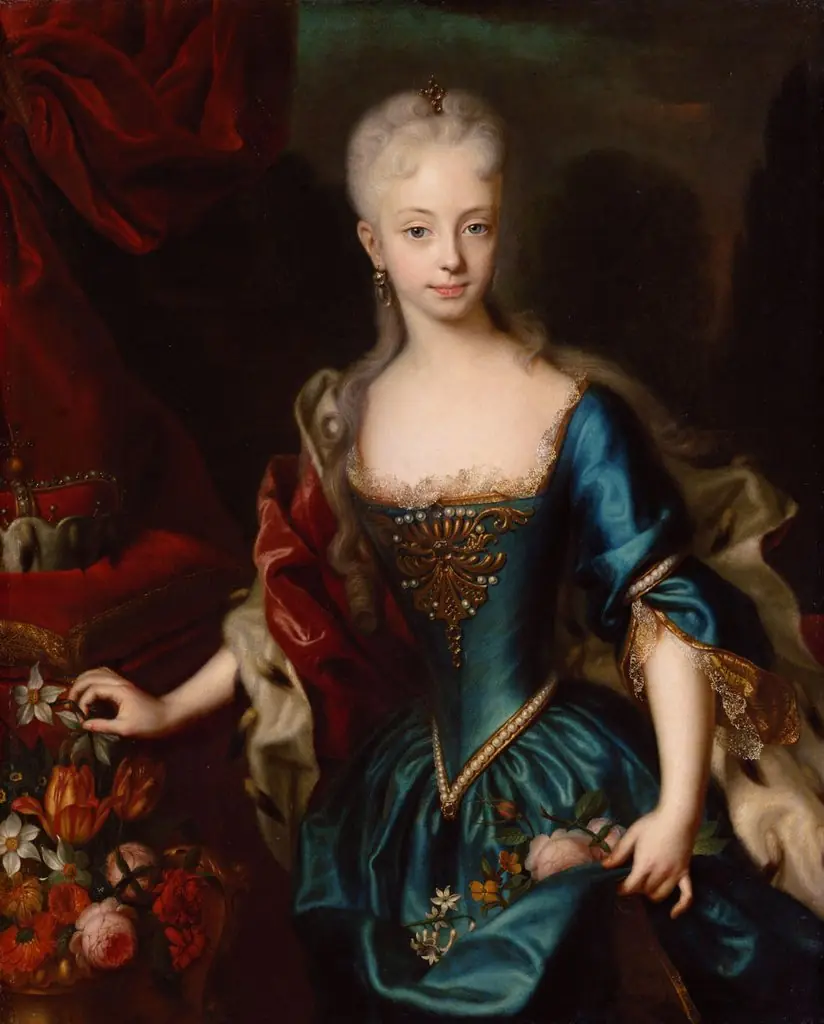
Franz Xaver Wagenschön (2 September 1726, Littisch, Bohemia (now Litíč, Czech Republic) – 1 January 1790, Vienna) was a German Bohemian painter of the Rococo and Neoclassical styles.

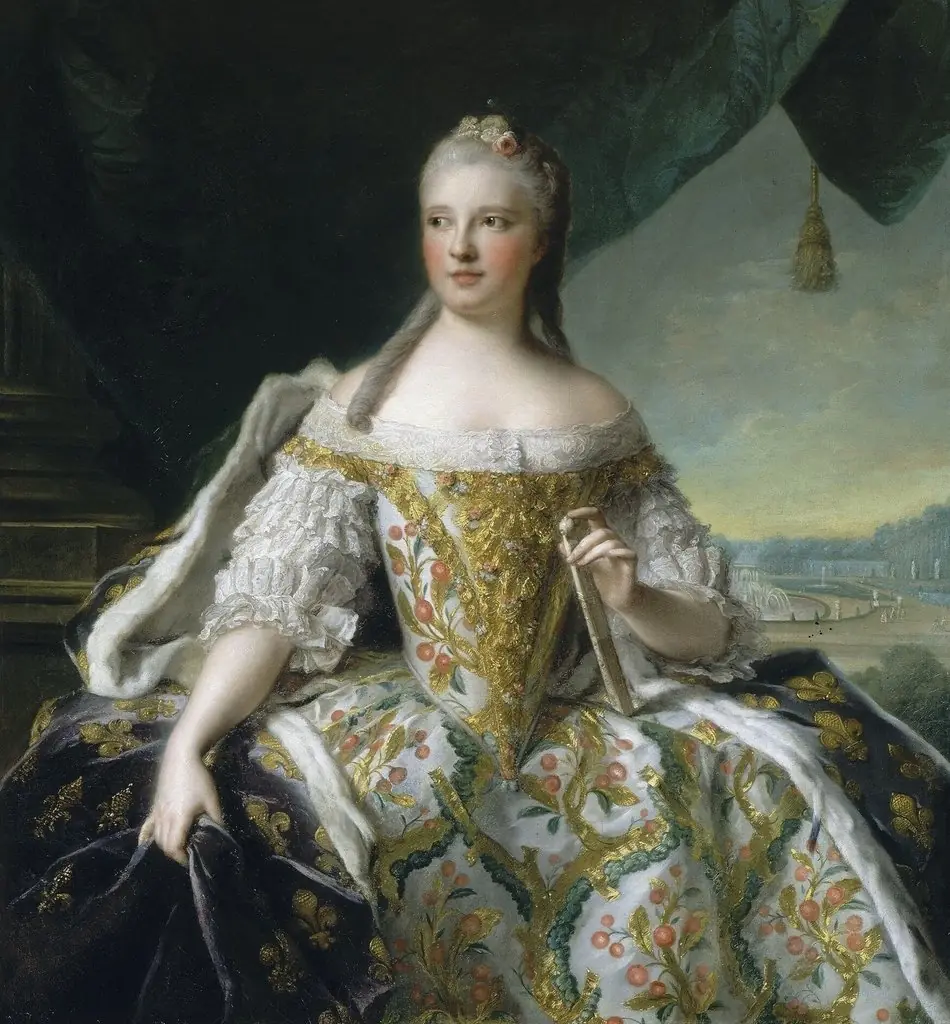 Marie Josèphe of Saxony
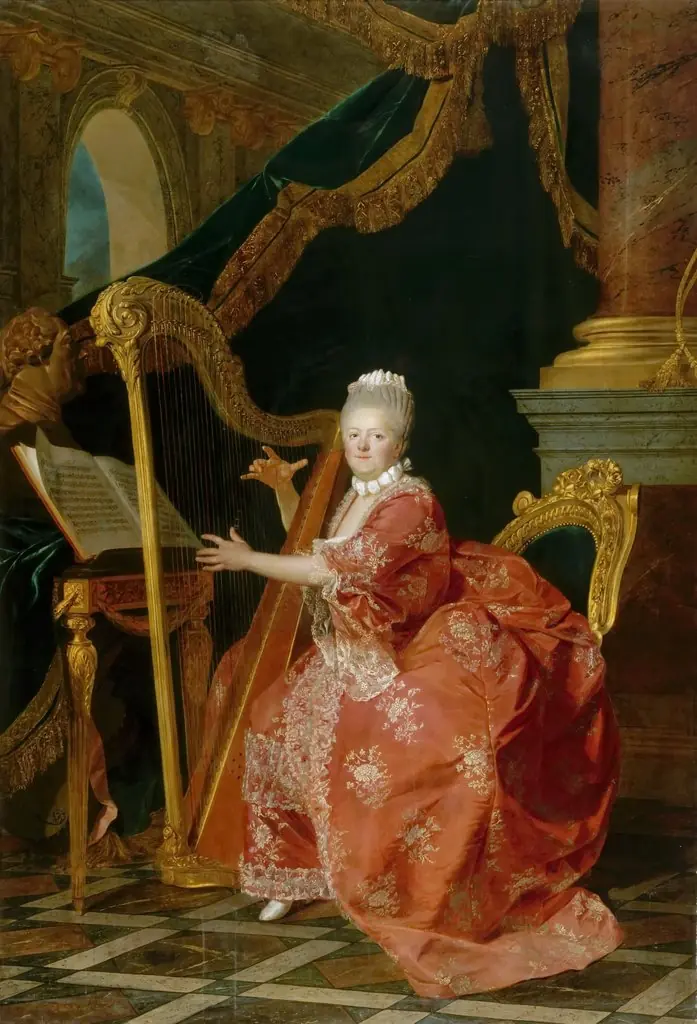 Portrait of Princess Victoire of France playing her harp
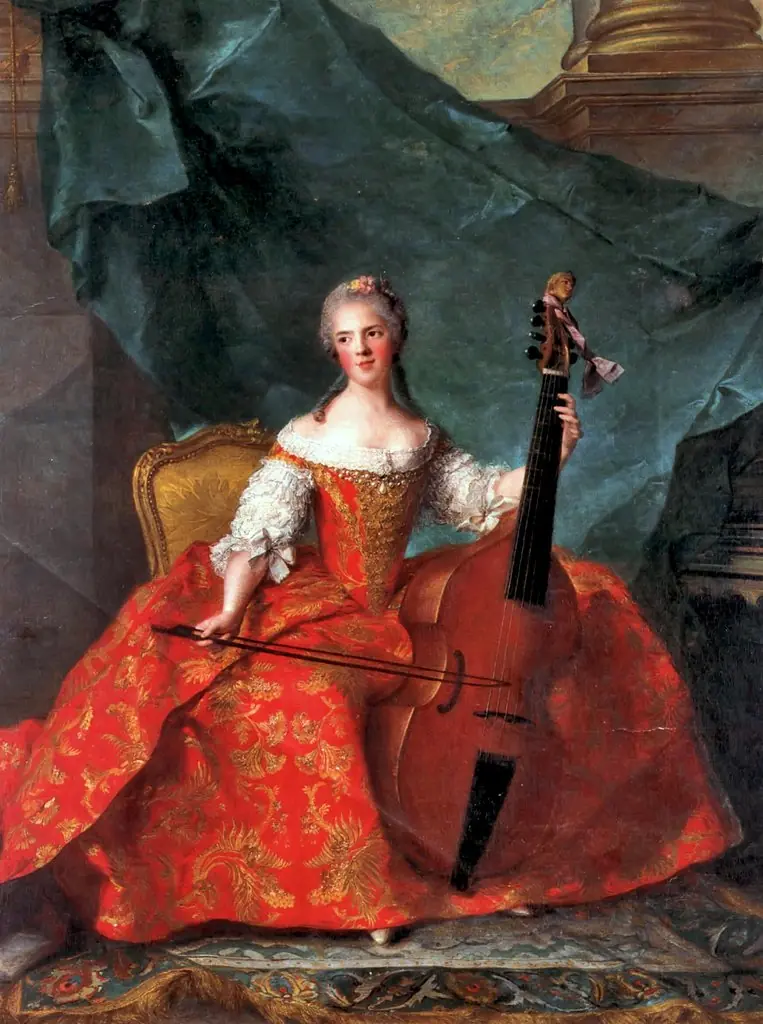 Anne-Henriette de France
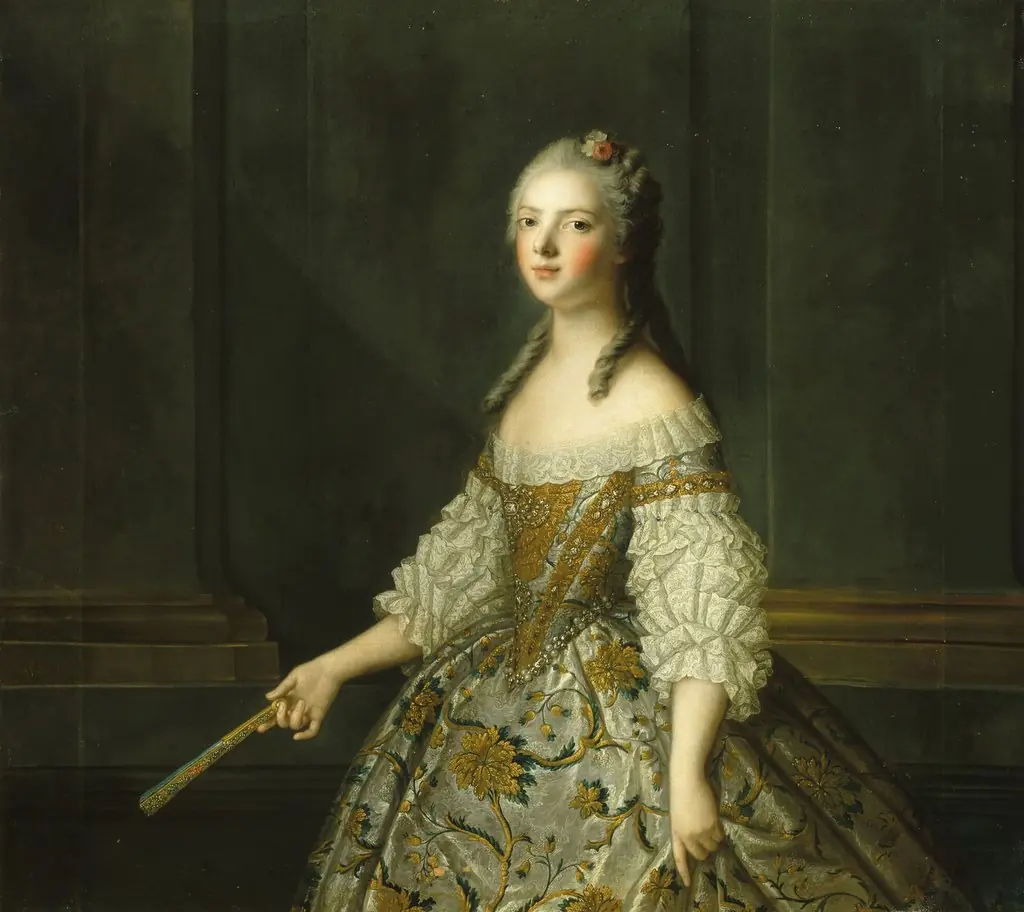 Madame Adélaïde of France Holding a Fan
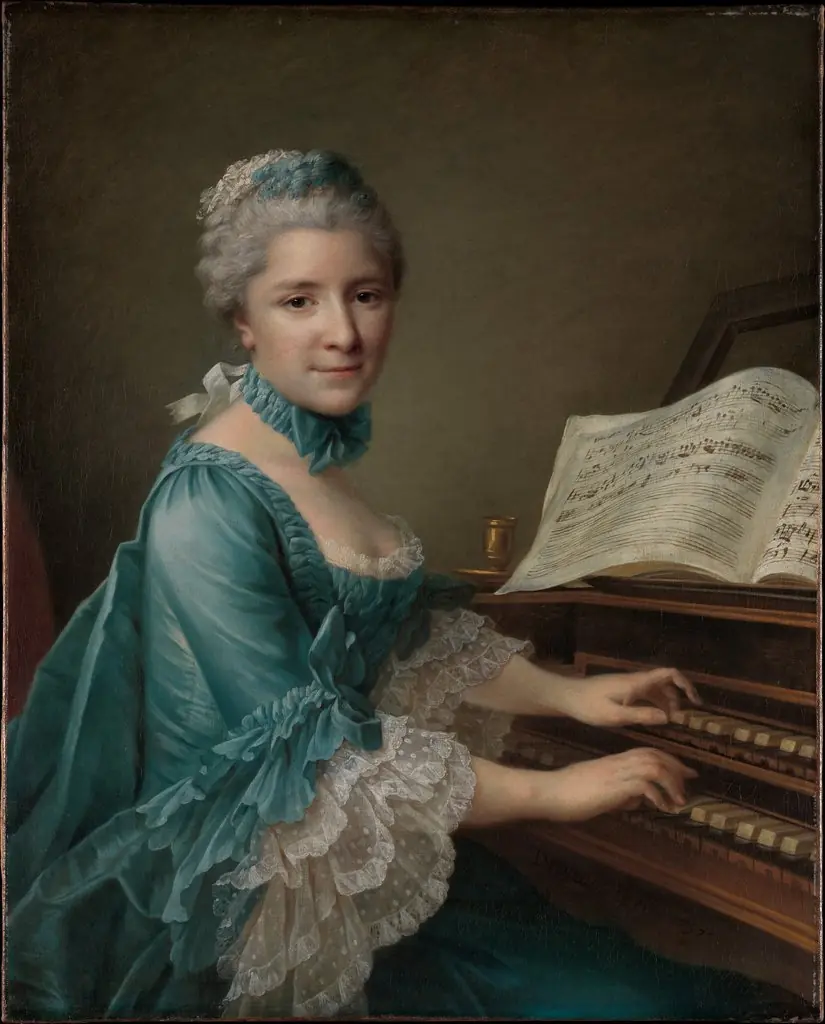 Portrait of a Woman, Said to be Madame Charles Simon Favart (Marie Justine Benoîte Duronceray, 1727–1772)
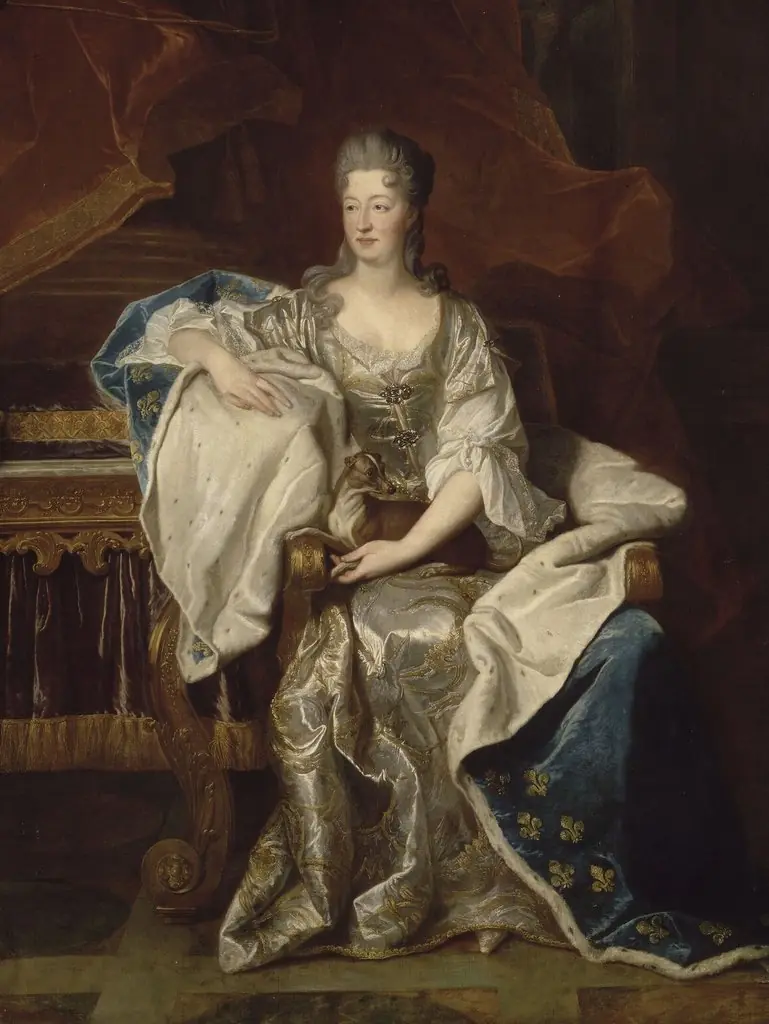 Portrait of Marie Anne de Bourbon, Princess of Conti
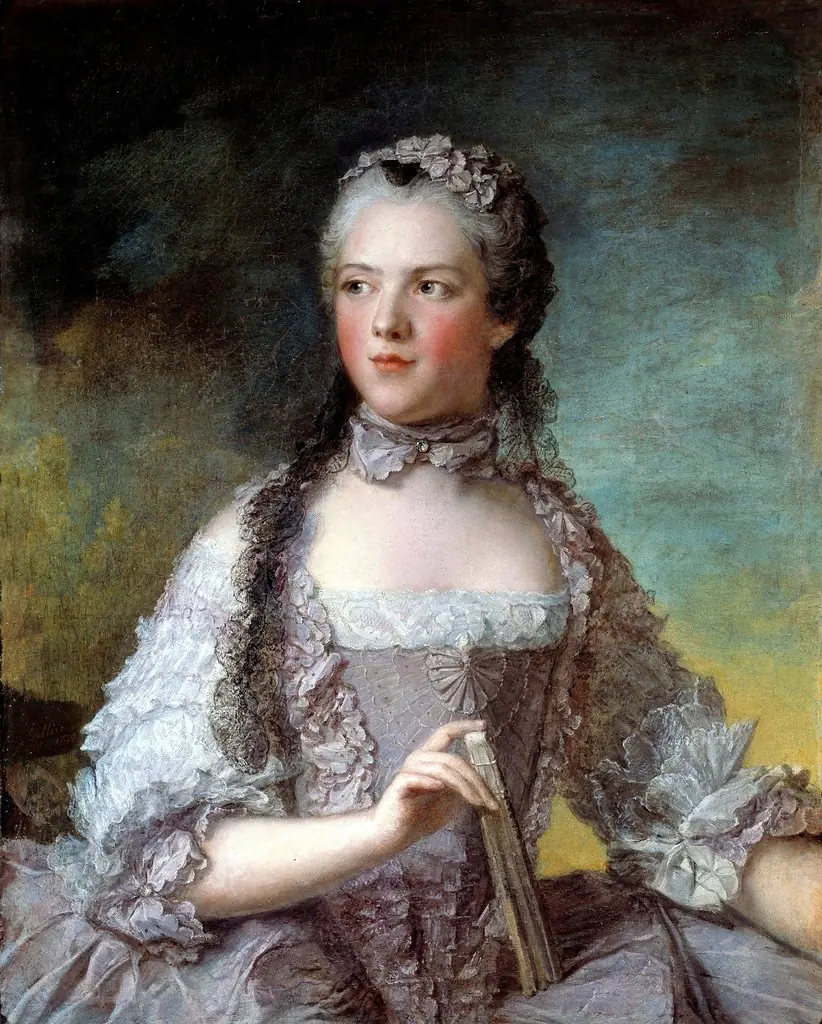 Madame Adélaïde de France (1732–1800), daughter of Louis XV
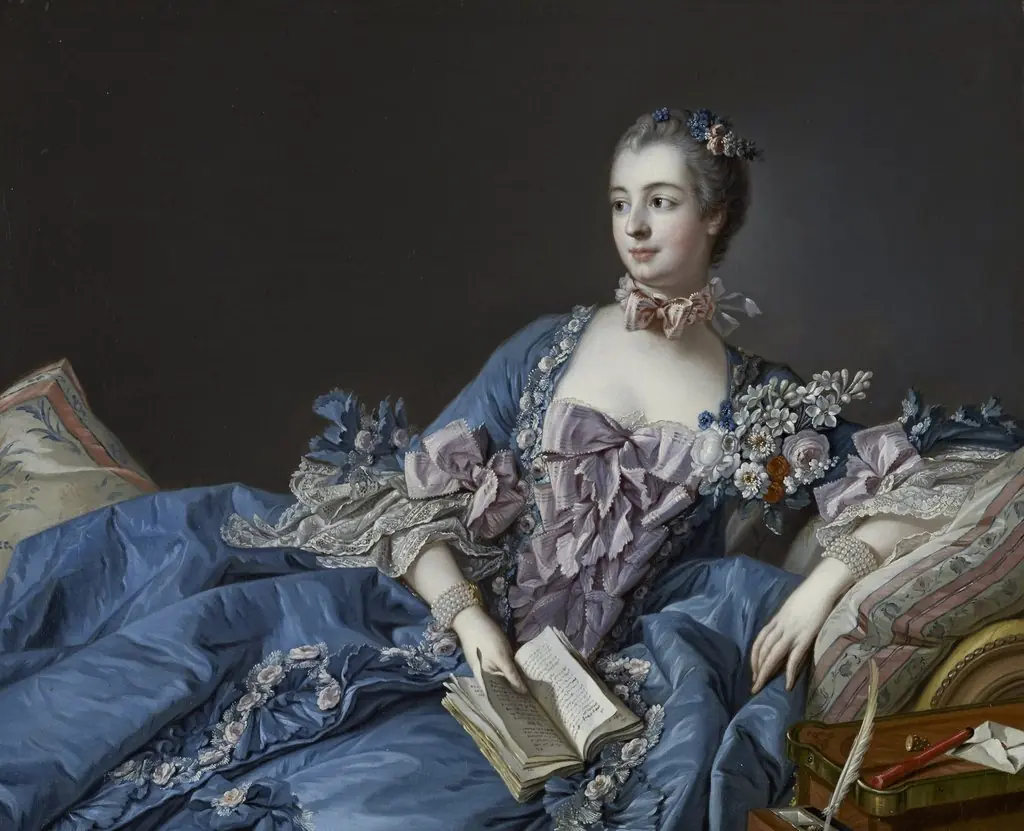 Madame de Pompadour
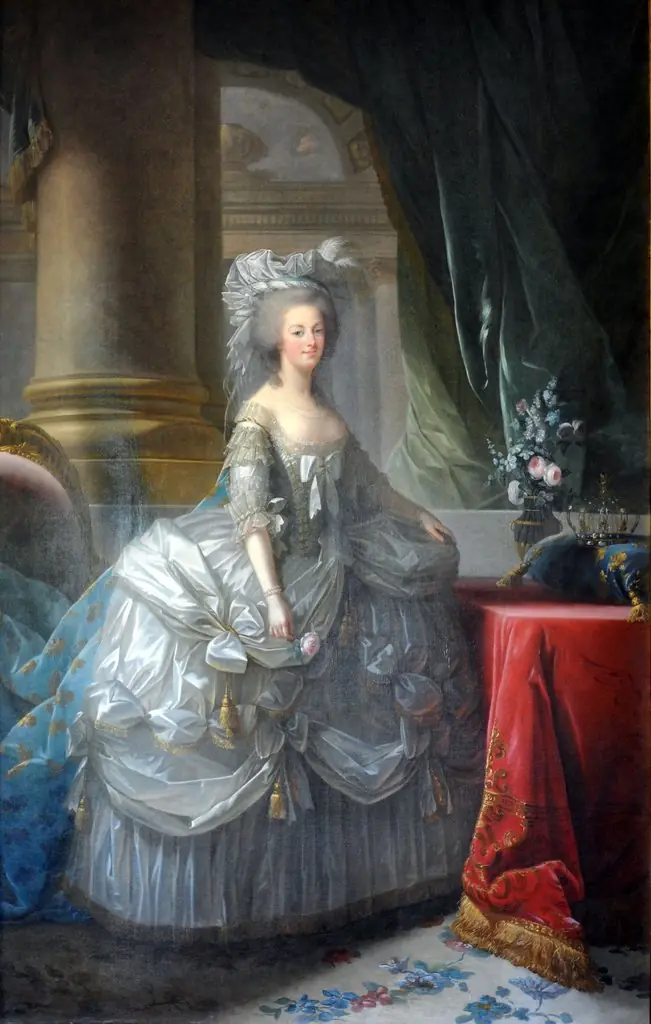 Marie Antoinette in Court Dress
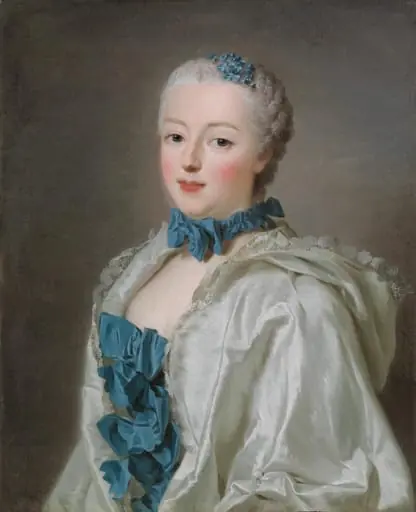 Françoise Marguerite de Sévigné, Grignanin kreivitär
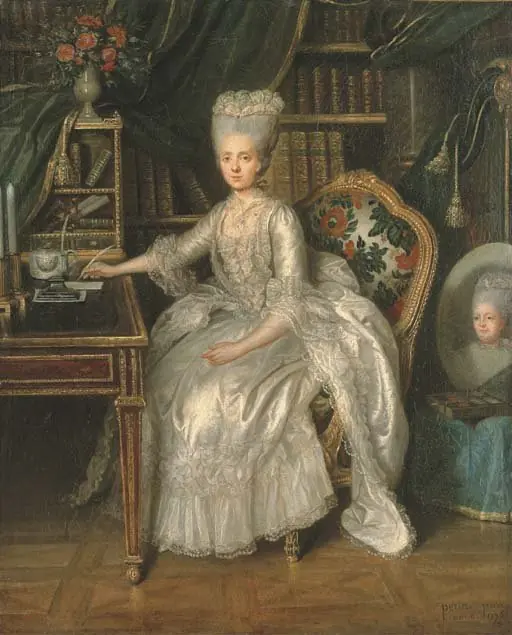 Portrait of Marie Adélaïde of France (1732-1800)
- Portrait of Archduchess Maria Theresia