Artwork
Insects and Flowers
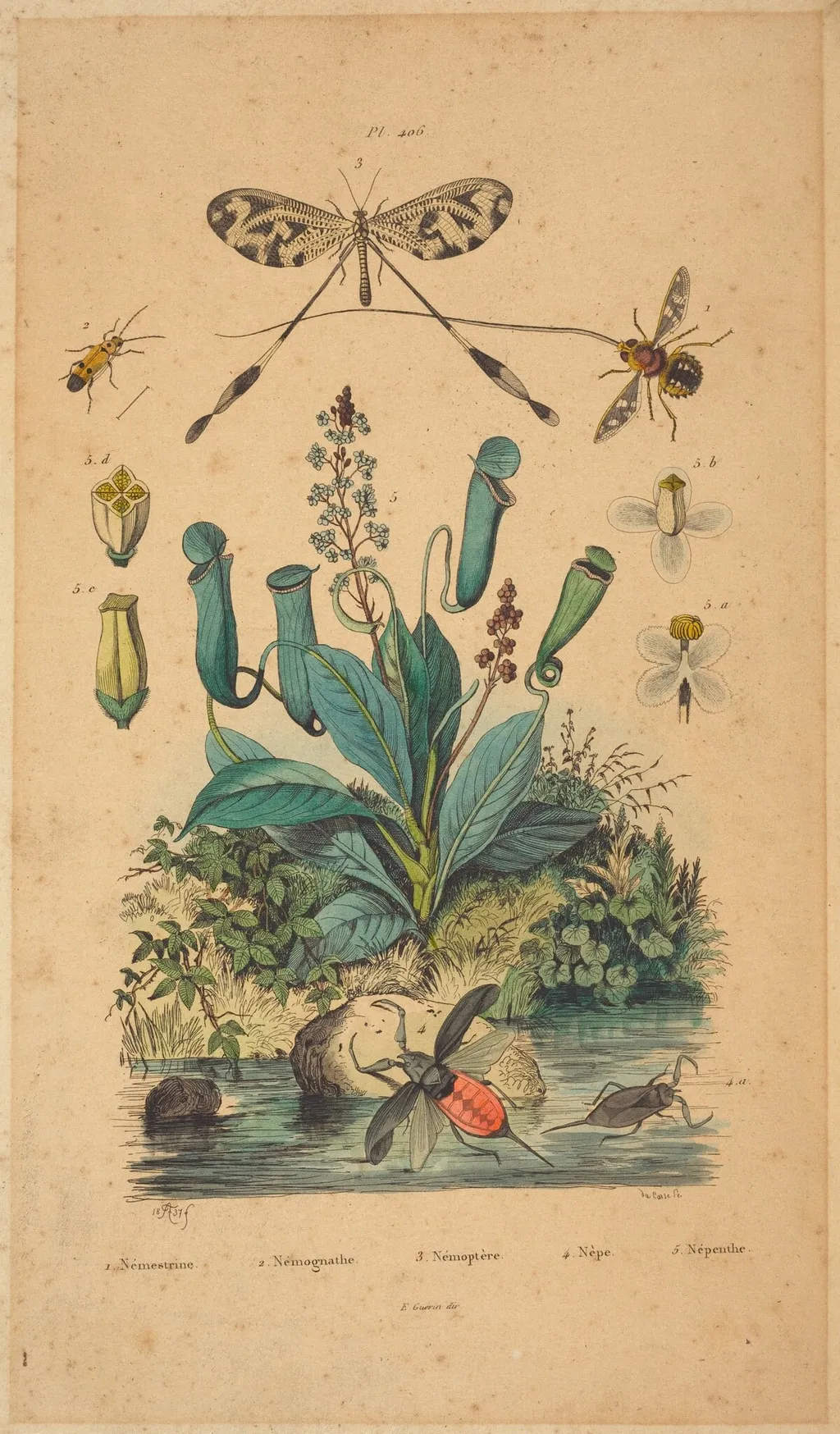
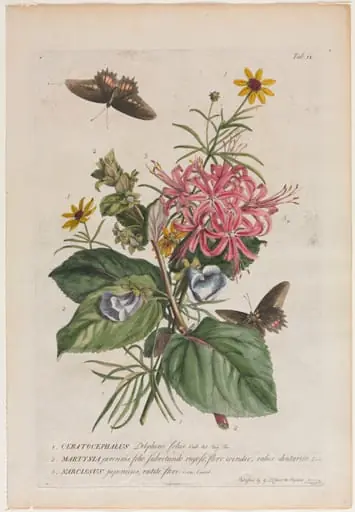
Insects and Flowers is an ink print by the Romanticist artist French 19th Century. It dates from 1837 and is held in the collection of the National Gallery of Art. The work is a hand‑colored engraving that presents an intricate tableau of flora and insects.
About this work
Overview
The work is a hand‑colored engraving that presents an intricate tableau of flora and insects. Central to the composition are large pitcher plants with bluish‑green, curved leaves and vivid red‑orange traps, surrounded by a variety of flying and crawling insects. The background suggests a marshy pond environment, adding depth to the naturalistic scene.
Subject & Meaning
The image functions as a visual catalogue, identifying specific plant and insect species through numbered labels such as “Népenthe” for the pitcher plant and “Némoptère” for a moth. This systematic approach reflects the 19th‑century scientific aim of documenting and classifying nature for educational purposes.
Technique & Style
Executed as a hand‑colored engraving, the piece relies on fine line work typical of the medium, allowing detailed rendering of textures, from the smooth surfaces of leaves to the delicate wings of insects. The addition of color after printing enhances the realism and aids in distinguishing the various organisms.
History & Provenance
The engraving belongs to a tradition of illustrated natural history publications popular in the 1800s, where artists combined precise drawing with scientific labeling. While the specific creator is not identified, the work aligns with the era’s emphasis on accurate visual documentation for scholarly use.
Context
During the 19th century, expanding interest in botany and entomology spurred the production of illustrated manuals that paired textual descriptions with detailed images. This piece exemplifies that trend, serving both as an educational tool and as a visual record of biodiversity in swampy habitats.
Artist & collection

Artist
This sculptor liked to keep sharp tools in the studio and blunt ones in his pocket, his niece recalled finding him absentmindedly whittling a stick while talking philosophy.

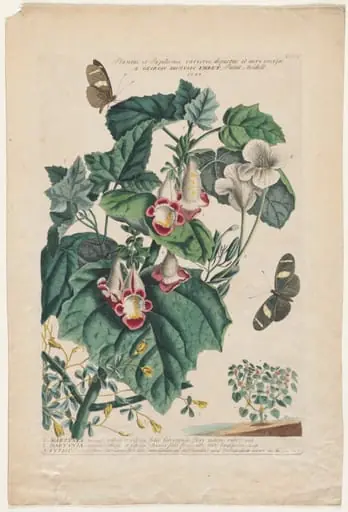 Plantae et Papiliones rariores: Martynia
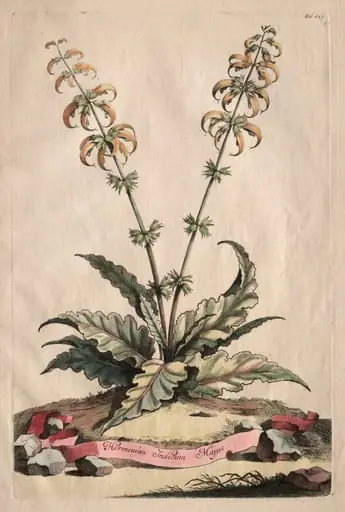 Phytographia Curiosa: Horminum Indicum Majus
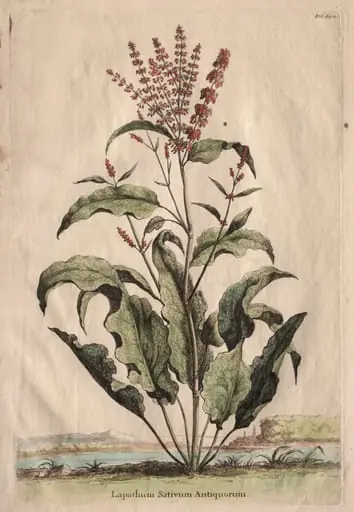 Phytographia Curiosa: Lapathum Sativum Antiquorum
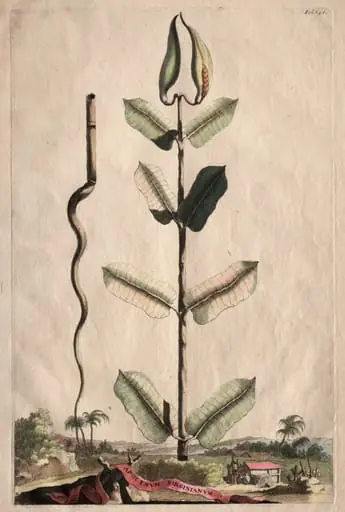 Phytographia Curiosa: Apocynum Virginianum
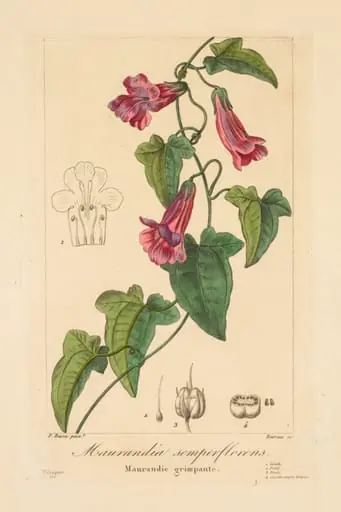 Flore des Jardiniers, Amateurs et Manufacturiers: Maurandia semperflorens
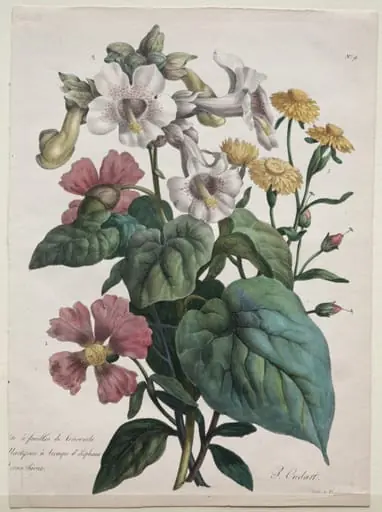 Cours d'Histoire Naturelle, contenant les principales espèces du règne animal, classées methodiquemenet: Martynia or Unicorn Plant
 Plantae et papiliones rariores: No. 9
 Dracocephalum moldavica (moldavisk dragehoved); Moluccella spinosa (tornet tragtbæger); Melissa officinalis (citron-melisse)
 Twelve Months of Flowers: December
 Twelve Months of Flowers: January
- A Bouquet of Flowers with Insects
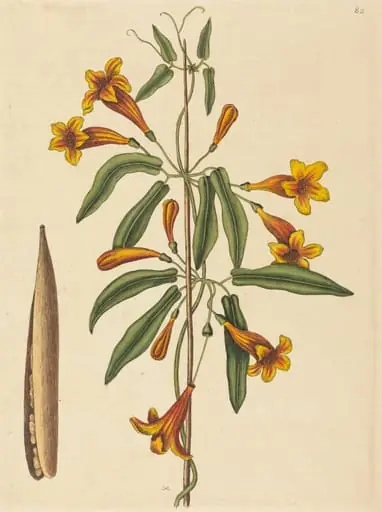 Cross-vine (Bignonia capreolata)