Artwork
Portrait of a Lady
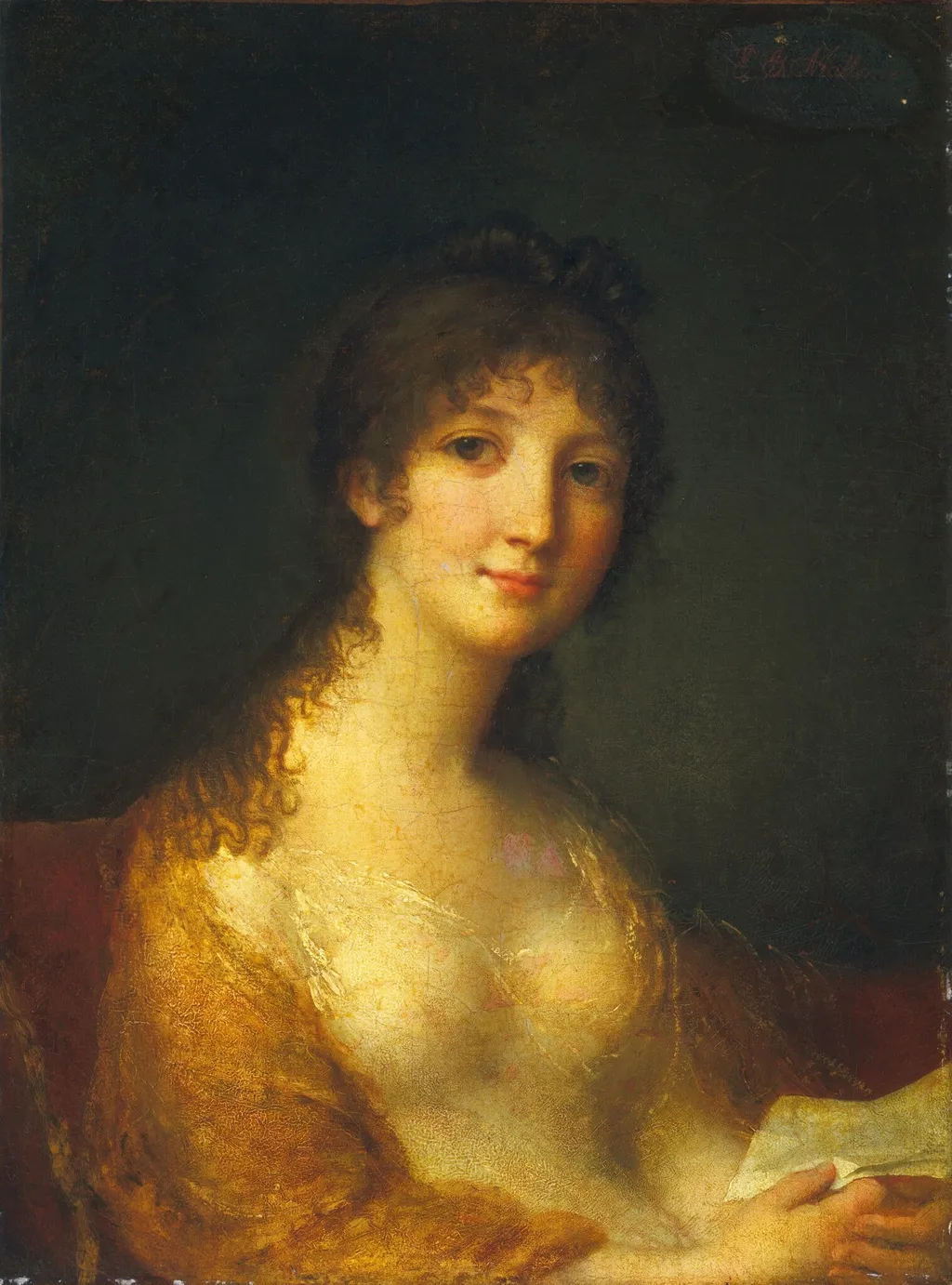
Portrait of a Lady is an oil painting. It dates from 1810 and is held in the collection of the National Gallery of Art.
- Inscription
- Inscribed:Falsely upper right: E. G. Malbone
About this work
Technique & Style
The application of oil paint on a woven canvas support represents standard materials for European portraiture of this era.
Executed in 1810 by an unidentified French artist of the nineteenth century, this work is an oil painting on canvas. The portrait depicts a woman and measures 32.8 by 24.8 cm. As a piece classified within the portrait genre, the composition focuses entirely on the female subject. The application of oil paint on a woven canvas support represents standard materials for European portraiture of this era.
History & Provenance
The painting, dated 1810, is an oil on canvas by an unidentified French 19th-century artist. Its provenance begins with Rose M. (Mrs. Augustus) de Forest of New York, who sold it on 17 November 1924 to Thomas B. Clarke. After Clarke's death, the work passed through his estate and was offered as part of the Clarke collection on 29 January 1936 via M. Knoedler & Co., New York, to the A. W. Mellon Educational and Charitable Trust in Pittsburgh.
The Trust donated the portrait to the National Gallery of Art in 1947, where it remains part of the Andrew W. Mellon collection. Commission details are not recorded in the available sources.
The painting was included in a 1928 exhibition organized by Thomas B. Clarke. Documentation for this event survives in an annotated catalogue, incorporating data from the files of M. Knoedler & Co., currently preserved in the National Gallery of Art's curatorial records and library.
Overview
This oil on canvas, titled Portrait of a Lady, depicts a woman seated within an interior setting. Her attire, including an elaborate dress and hat, suggests a figure of considerable social standing. The artist rendered the subject in a serene and composed manner, creating an overall impression of quiet dignity. The work exemplifies the common practice of commissioning portraits to document and elevate social status.
Subject & Meaning
The painting presents a woman whose elegant clothing and accessories, such as her elaborate dress and hat, indicate her affluent background. Such detailed portrayals of individuals from prosperous families were a prevalent genre in portraiture during this period, serving to document and affirm their social status. The work thus reflects the societal conventions of its time regarding personal representation and the display of wealth.
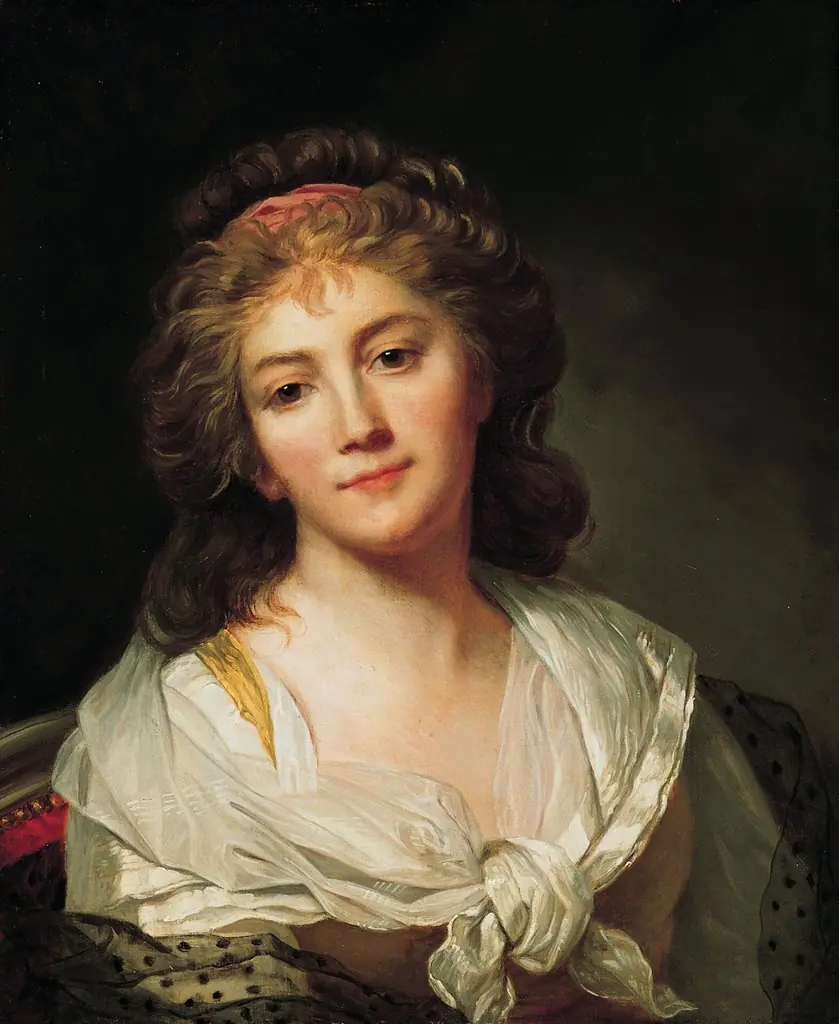
Artist & collection

- Self-portrait
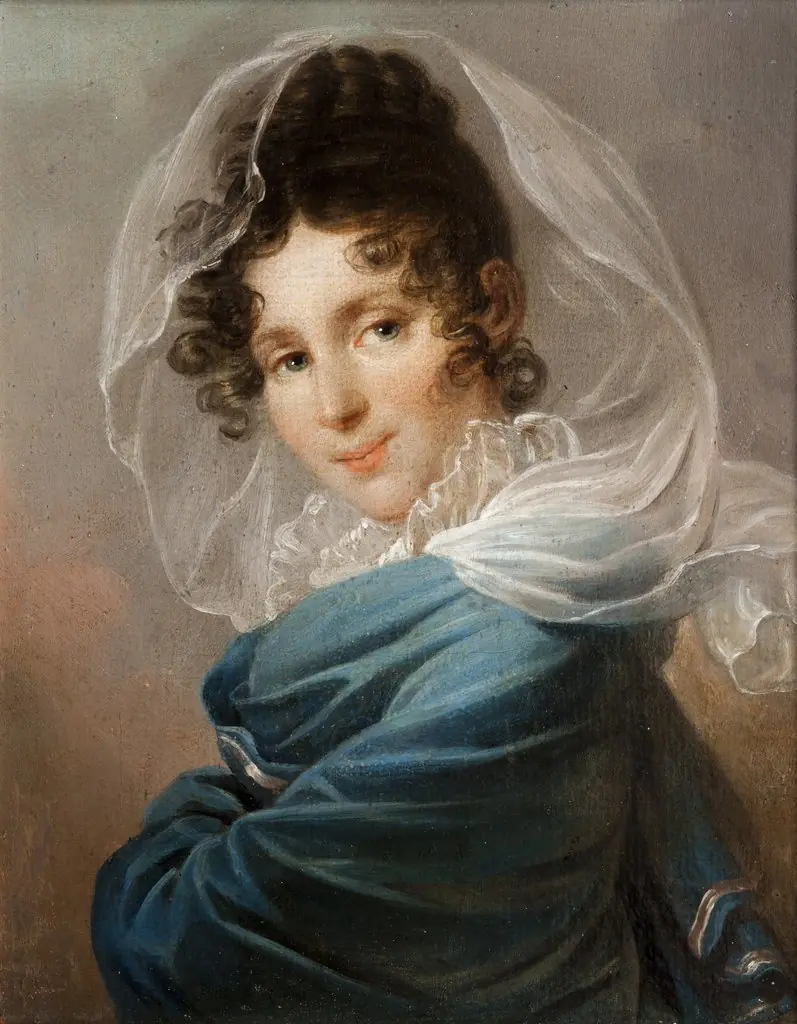 Portrait of Tekla Osławska
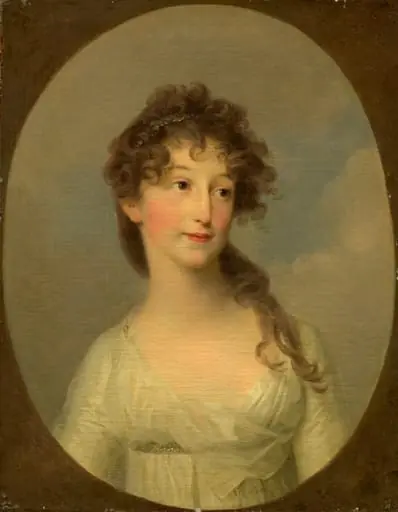 Possibly Franciska Krasinska, Duchess of Courland
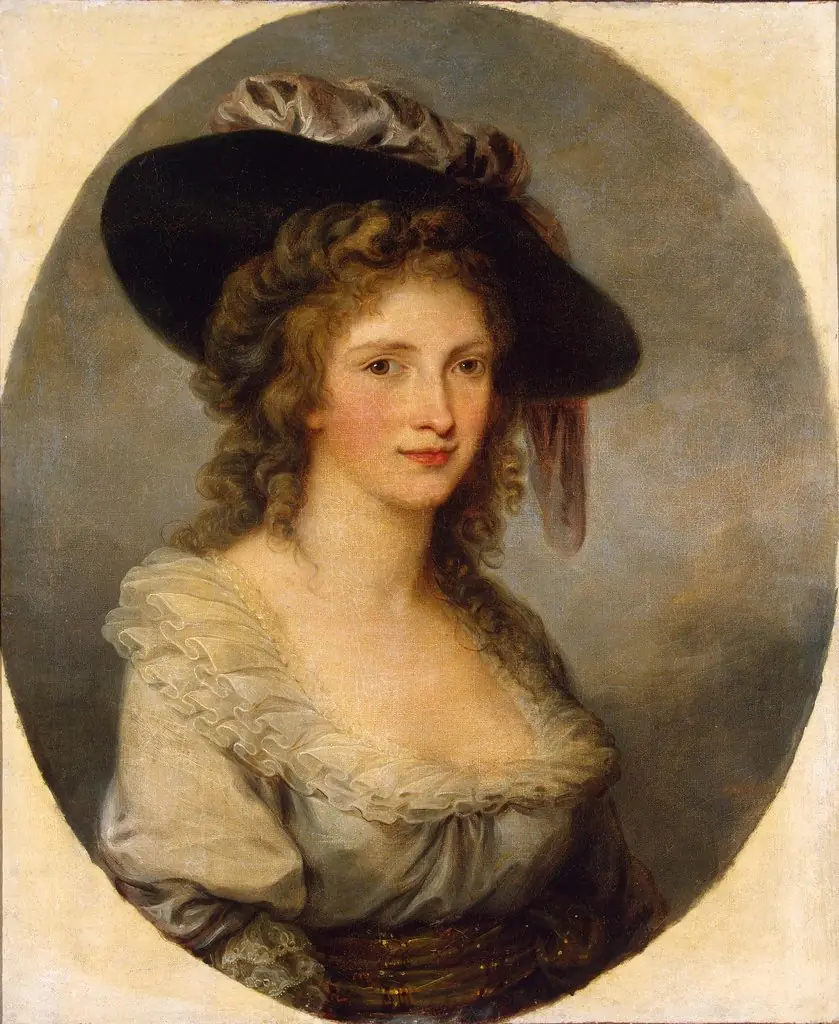 Self-Portrait
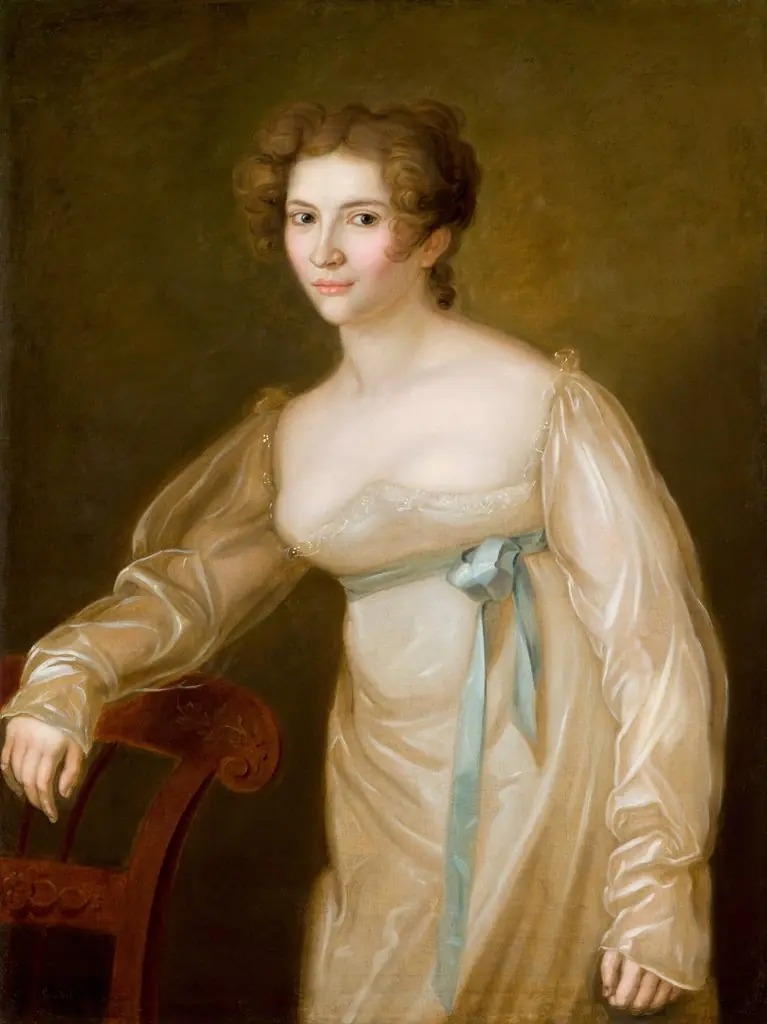 Portrait of Apolonia Kamińska née Sokołowska (1792-1846)
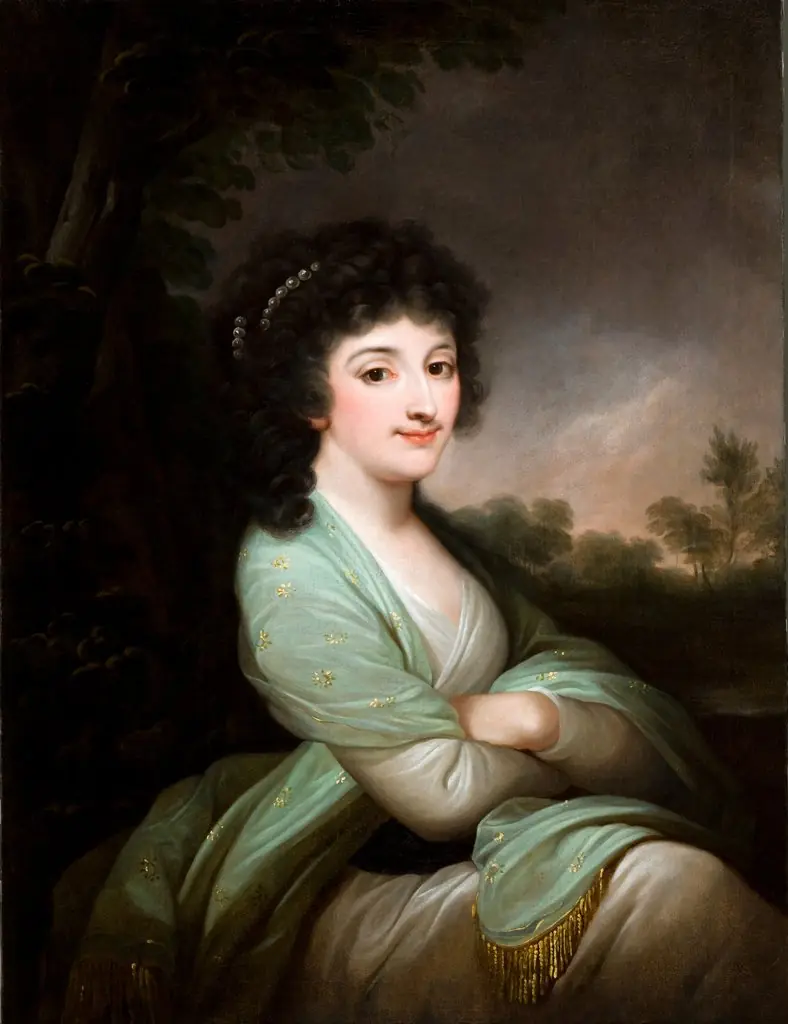 Portrait of Izabela Ogińska née Lasocka
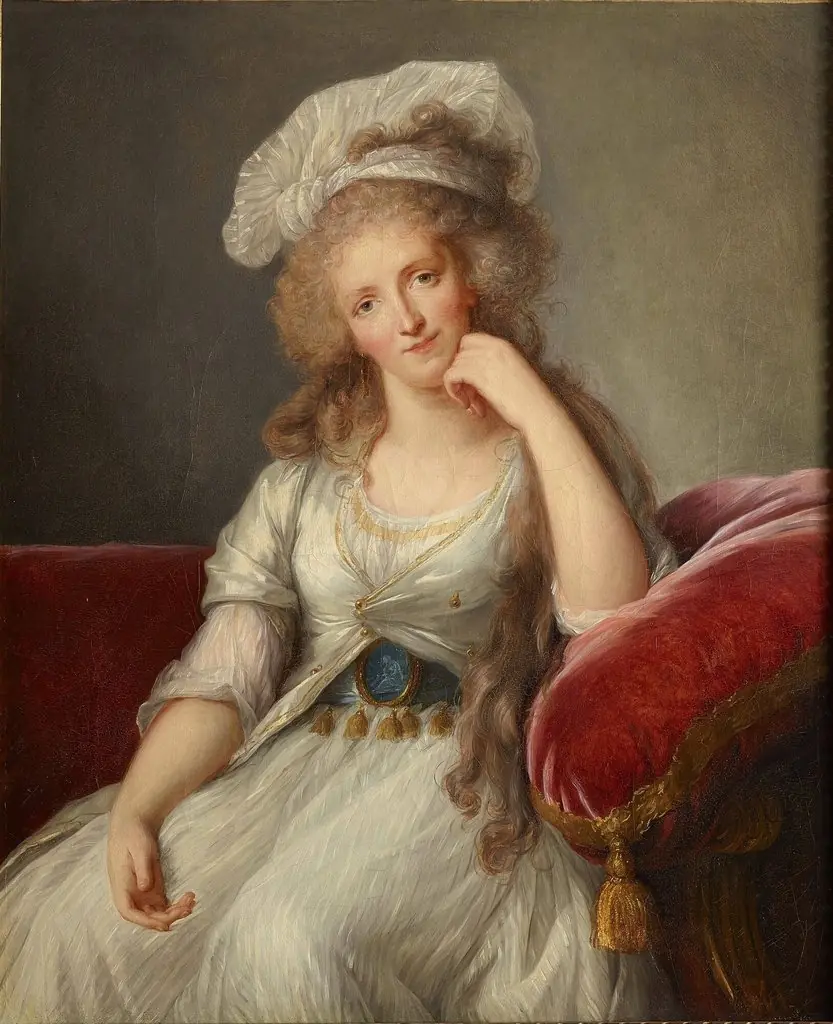 Louise-Marie-Adélaïde de Bourbon-Penthièvre, Duchess of Orléans
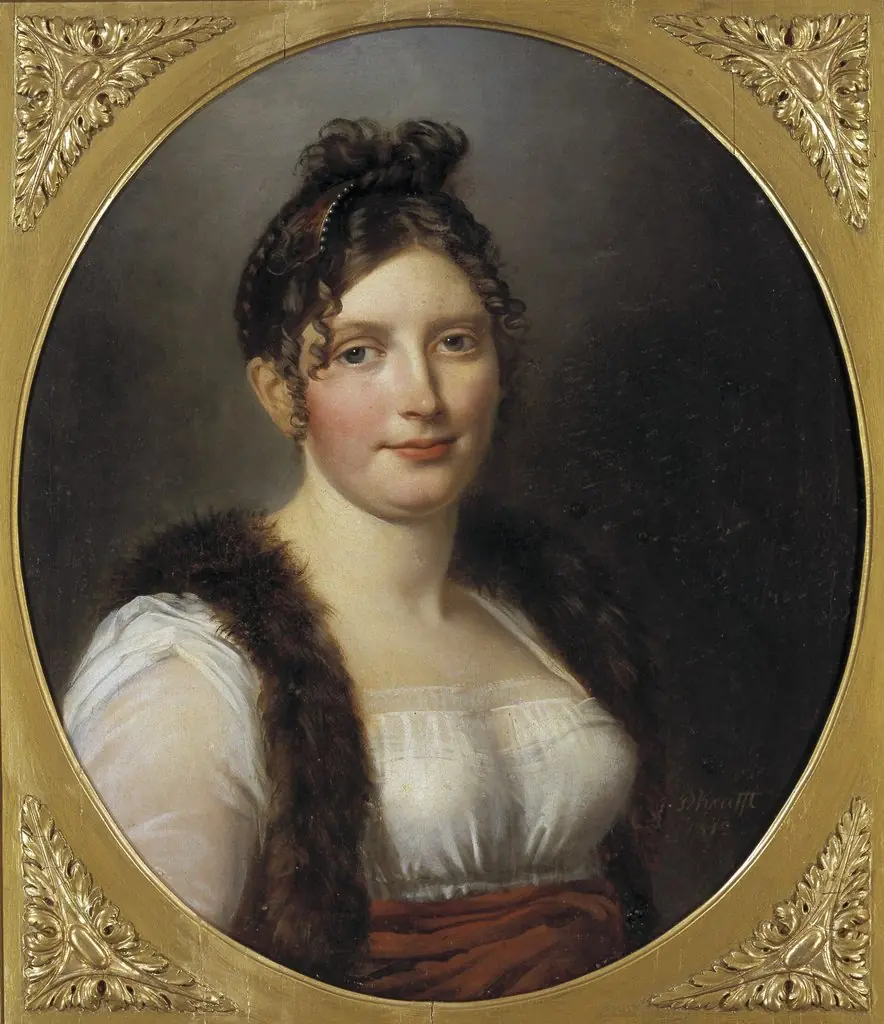 Catharina Charlotta Bågh (1777-1816), gift med friherre Pehr Erik Skjöldebrand
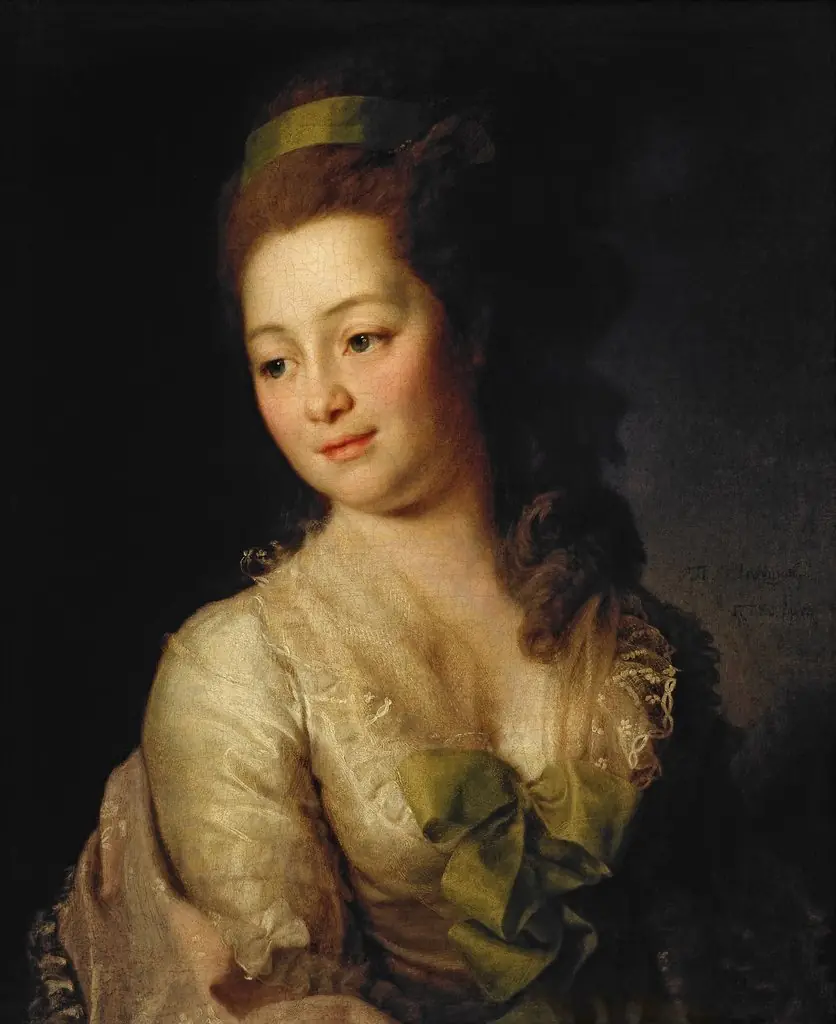 Portrait of Maria Dyakova
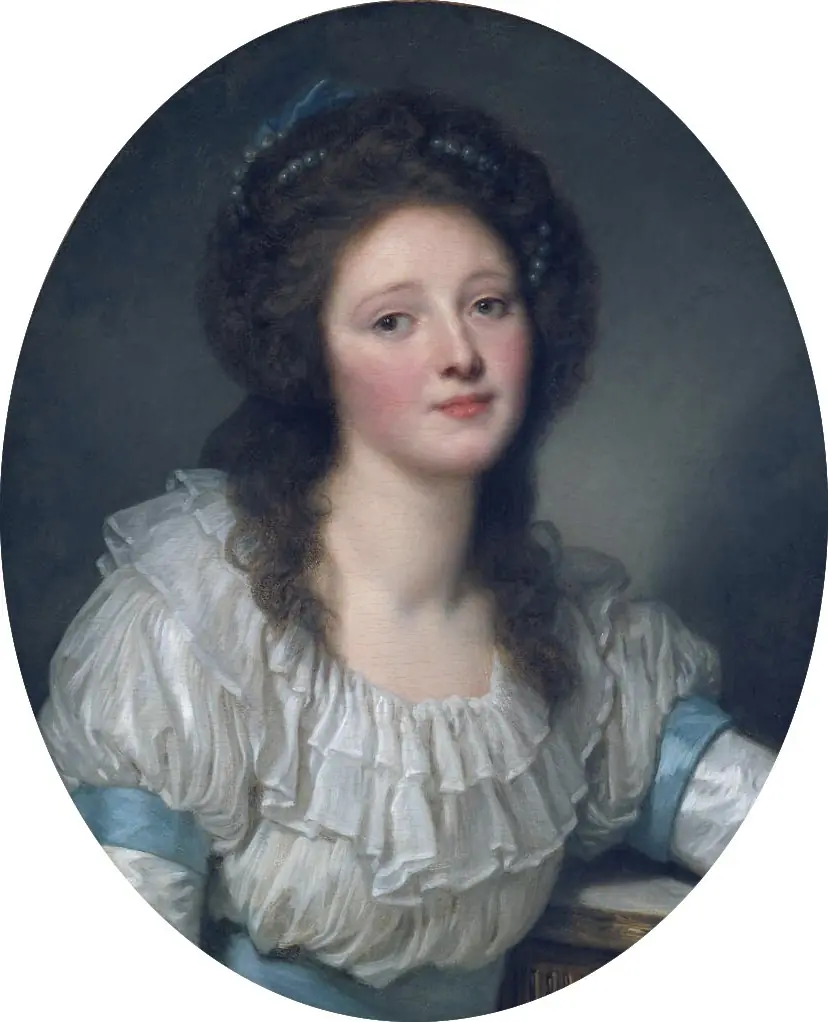 Portrait de Madame Mercier
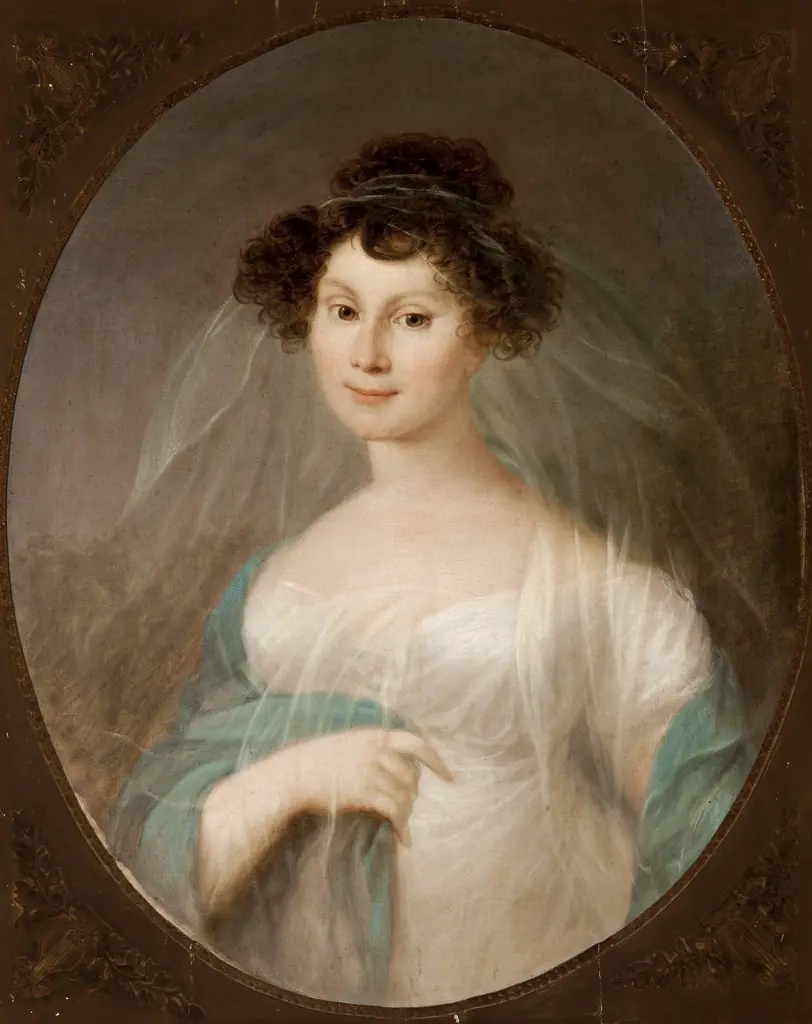 Portrait of Teresa Woydzina née Kuźnicz, Wife of the President of Warsaw
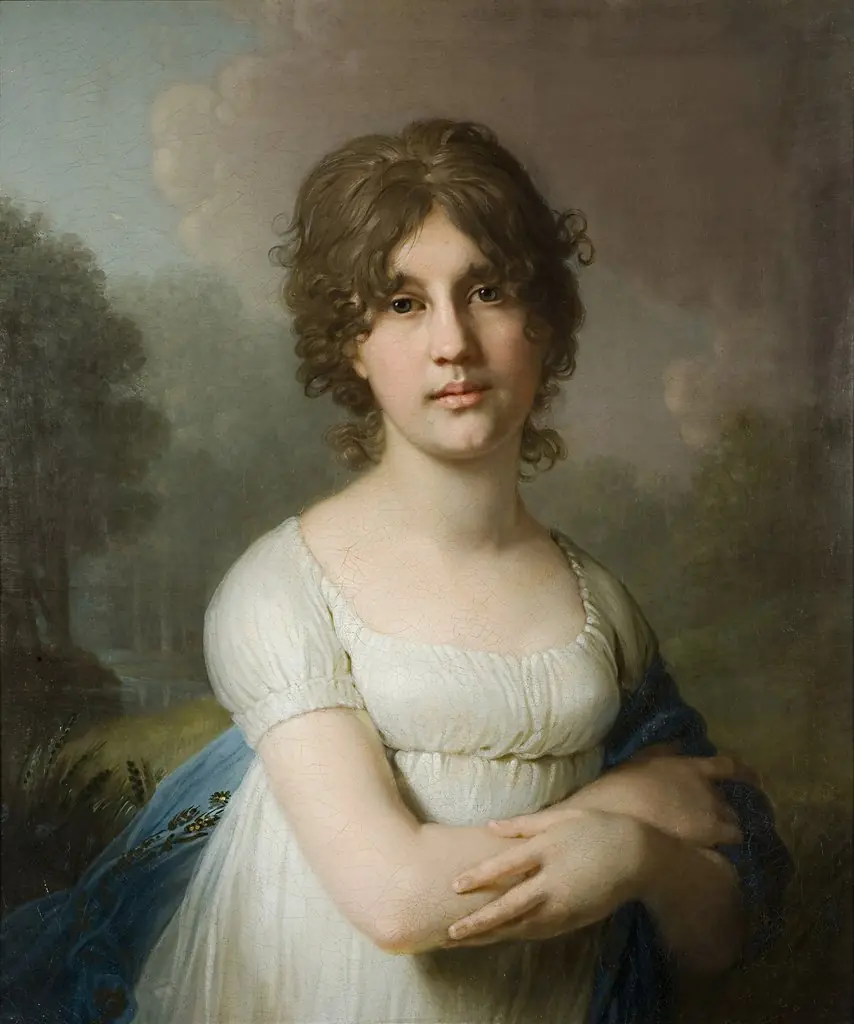 La Princesse Catherine Gavrilowna Gagarine