Artwork
The Departure of the Prodigal Son
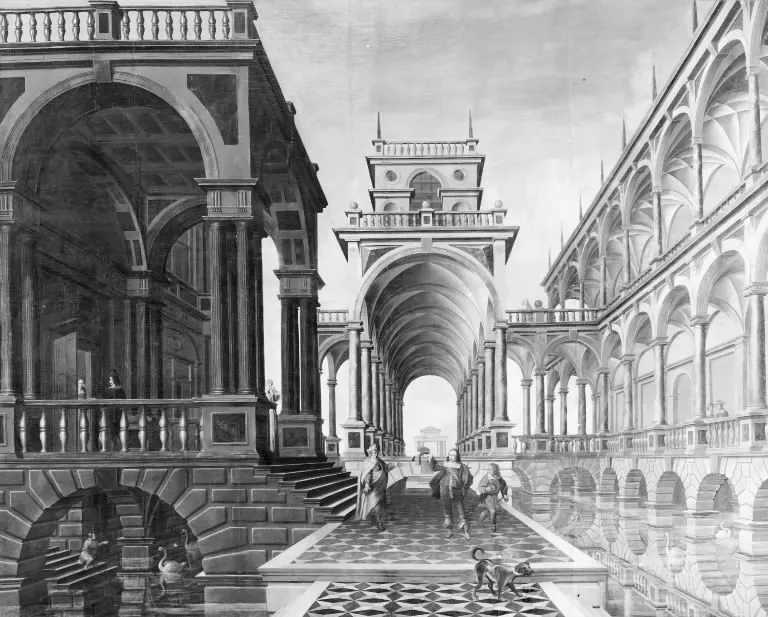
The Departure of the Prodigal Son is an oil painting by the Flemish Baroque painting artist Gabriel Engels. It dates from 1630 and is held in the collection of the Statens Museum for Kunst.
About this work
Overview
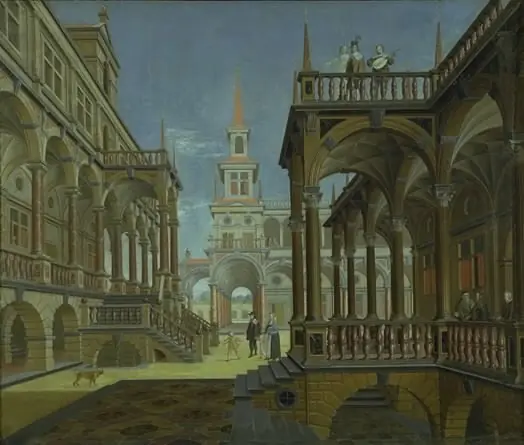
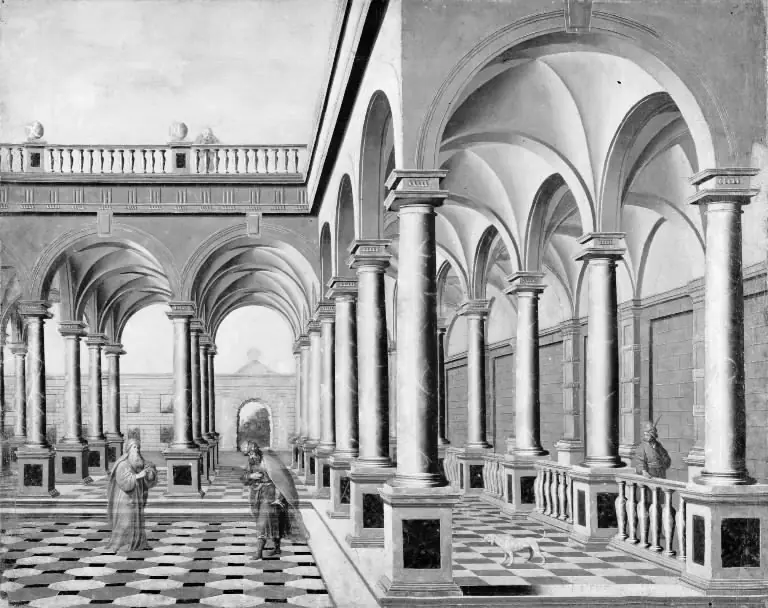
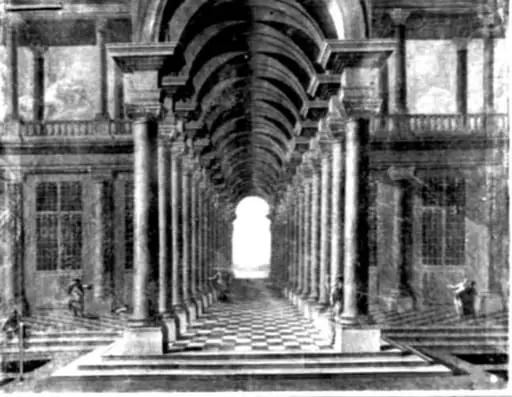
Sparse figures occupy the periphery, including a child playing on the steps, while the overall atmosphere remains still and contemplative.
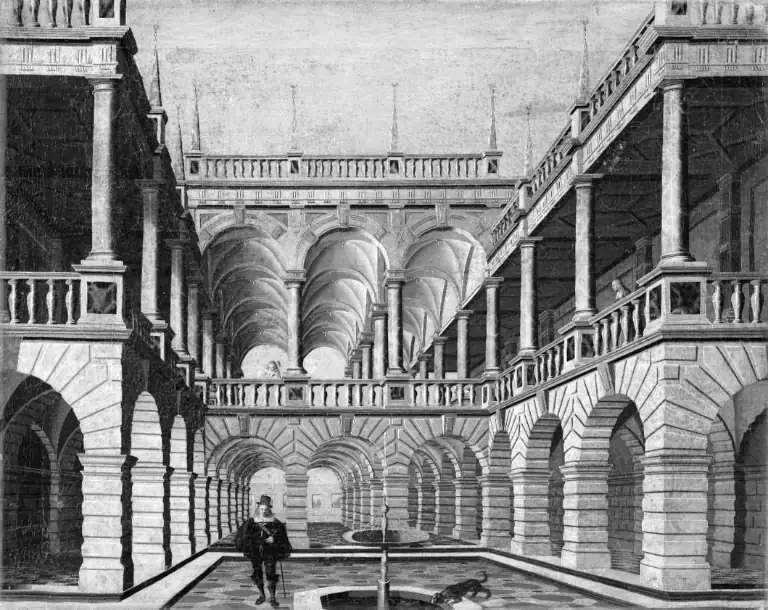
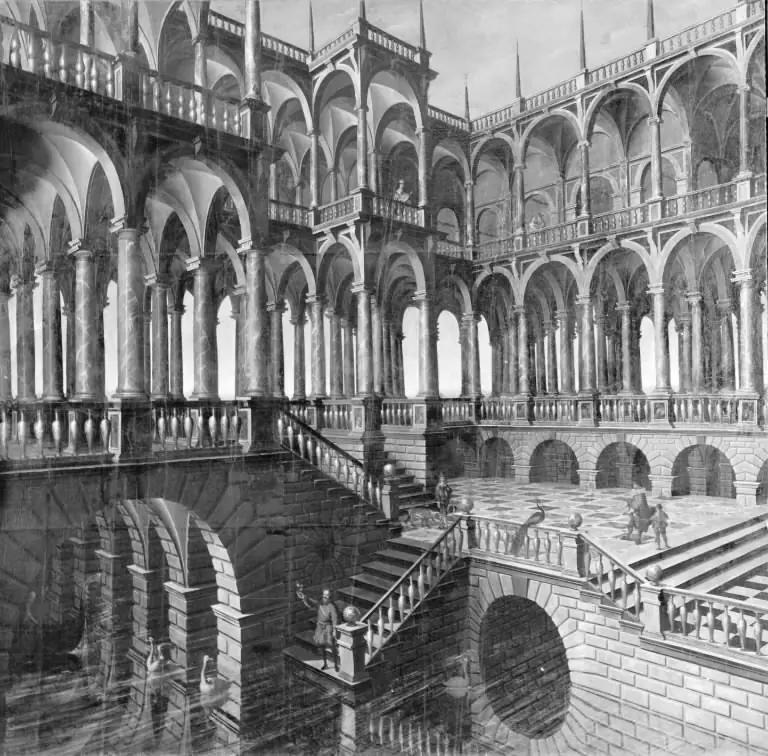
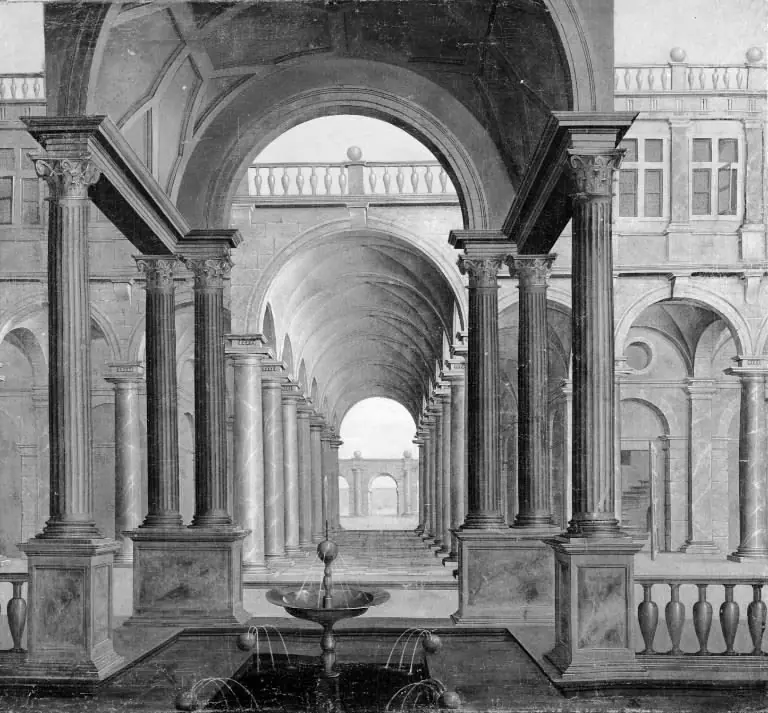
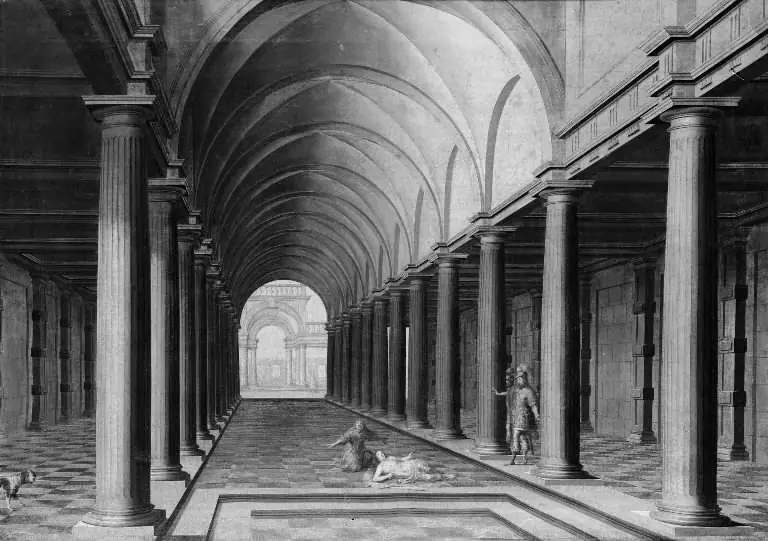
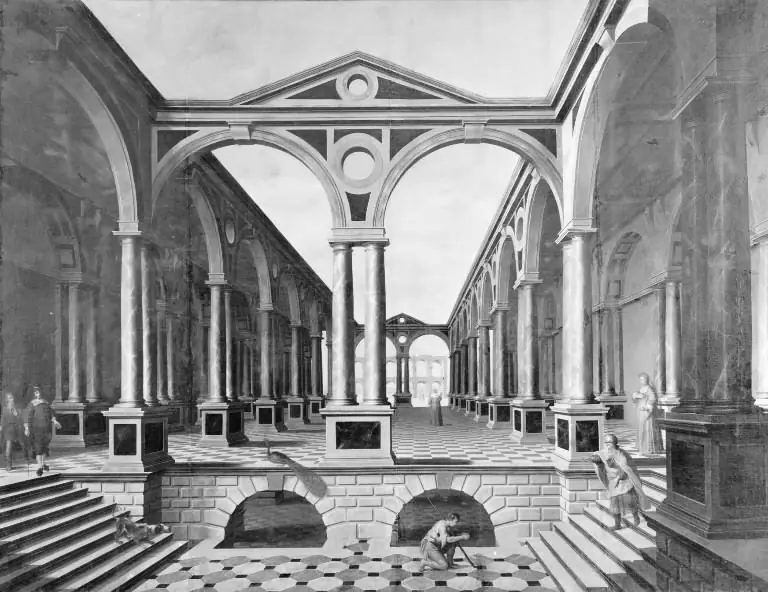
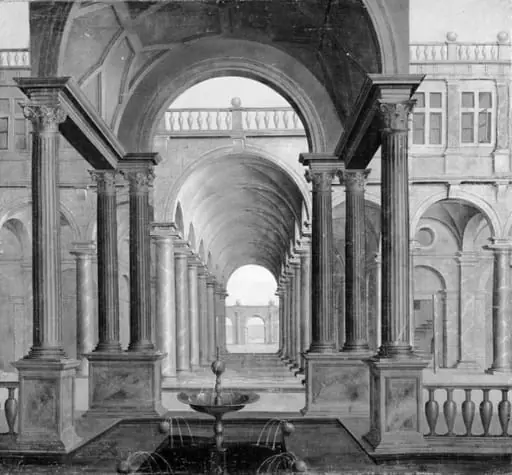
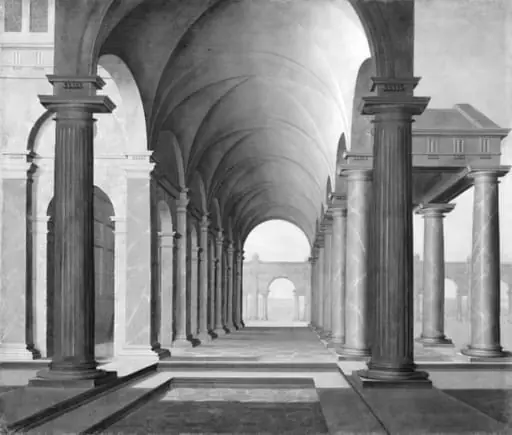
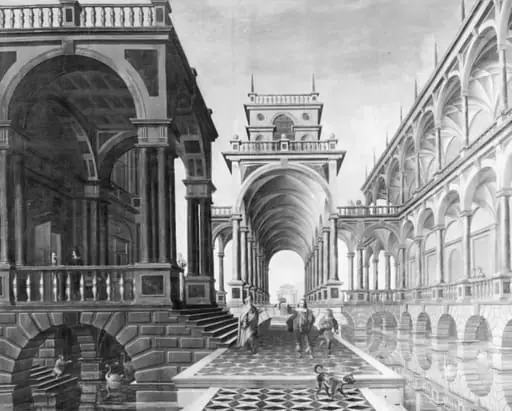
Created in 1630 by Gabriel Engels, this oil painting titled The Departure of the Prodigal Son depicts an expansive, empty courtyard framed by tall arches and columns. The floor is laid out in a black‑and‑white checkerboard pattern that mirrors the surrounding architecture. Sparse figures occupy the periphery, including a child playing on the steps, while the overall atmosphere remains still and contemplative.
Subject & Meaning
The work presents a moment of departure, suggested by the title, yet the scene itself is devoid of overt narrative action. The solitary figures and the quiet, orderly space invite reflection on themes of anticipation and solitude, echoing the biblical story’s focus on the prodigal son’s imminent journey away from home.
Technique & Style
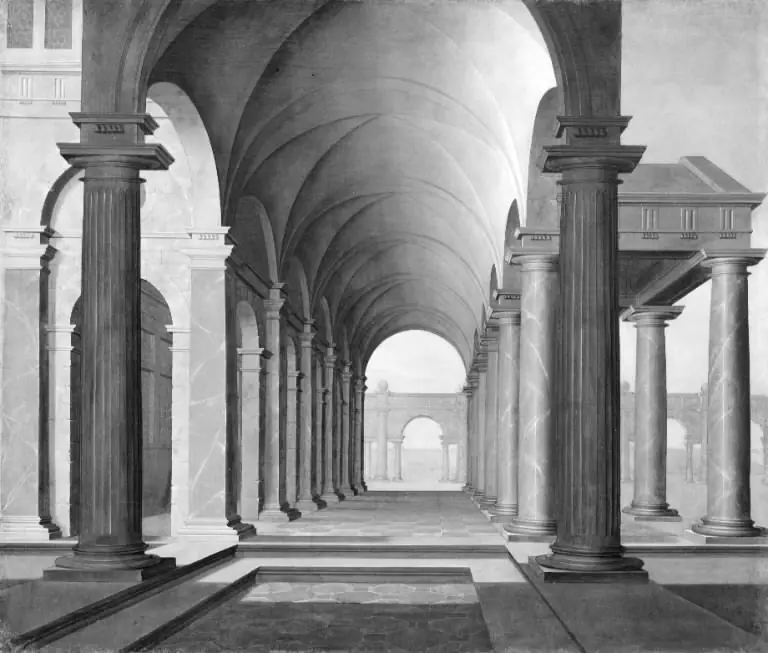
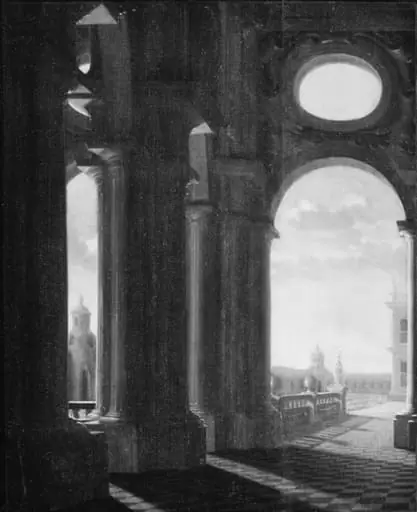
Engels employs a pronounced chiaroscuro, contrasting deep shadows with sharply illuminated surfaces to give the courtyard a sculptural depth. The checkerboard floor functions as a reflective plane, enhancing the sense of space. Precise rendering of architectural details, large windows, ornate columns, demonstrates a meticulous, almost academic approach to perspective and light.
History & Provenance
The painting entered the collection of Denmark’s Statens Museum for Kunst, where it remains on display. Its acquisition date is not recorded in the provided facts, but its presence in a national museum underscores its recognized value within the European baroque tradition.
Context
Executed during the early 17th century, the work reflects the period’s fascination with grand architectural interiors and the use of light to dramatize space. Engels’ choice of a biblical title aligns with contemporary practices of embedding moral or allegorical references within secular, city‑scape compositions.
Artist & collection