Artwork
Colonnade
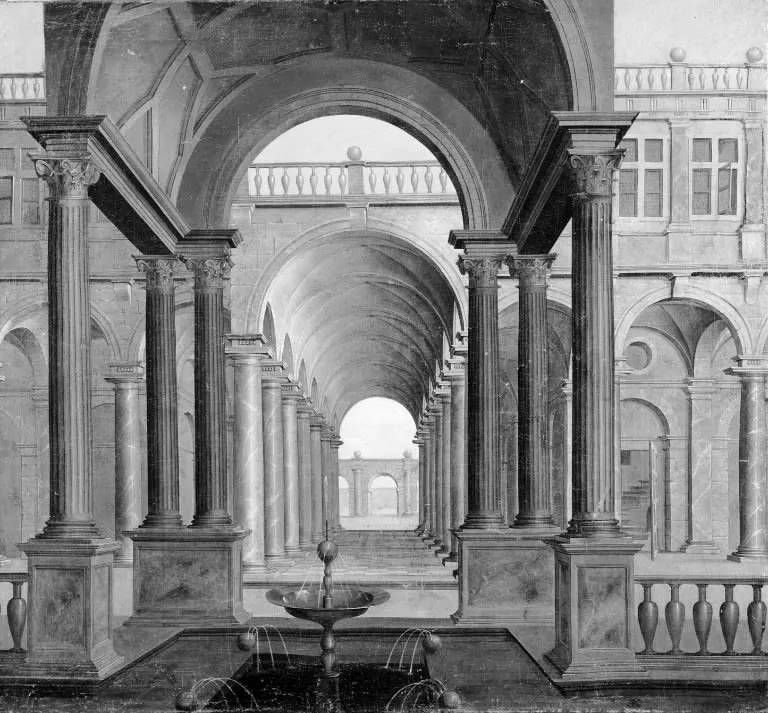
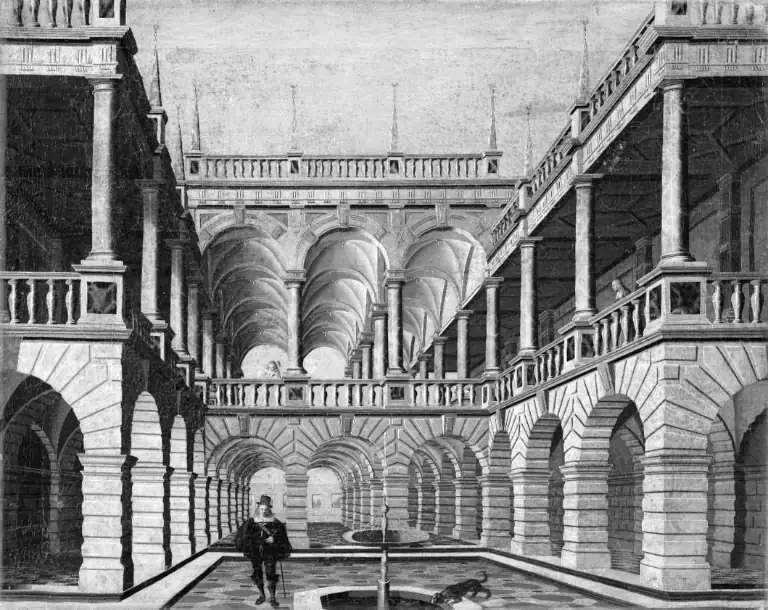
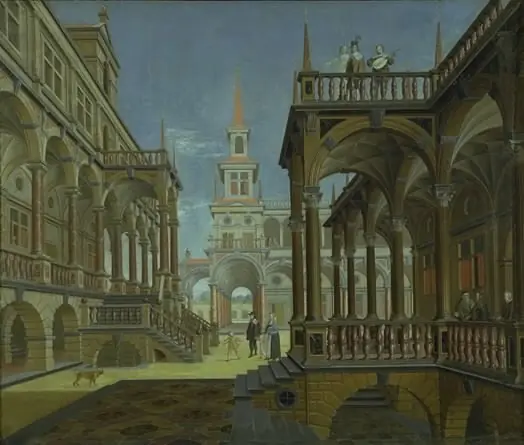
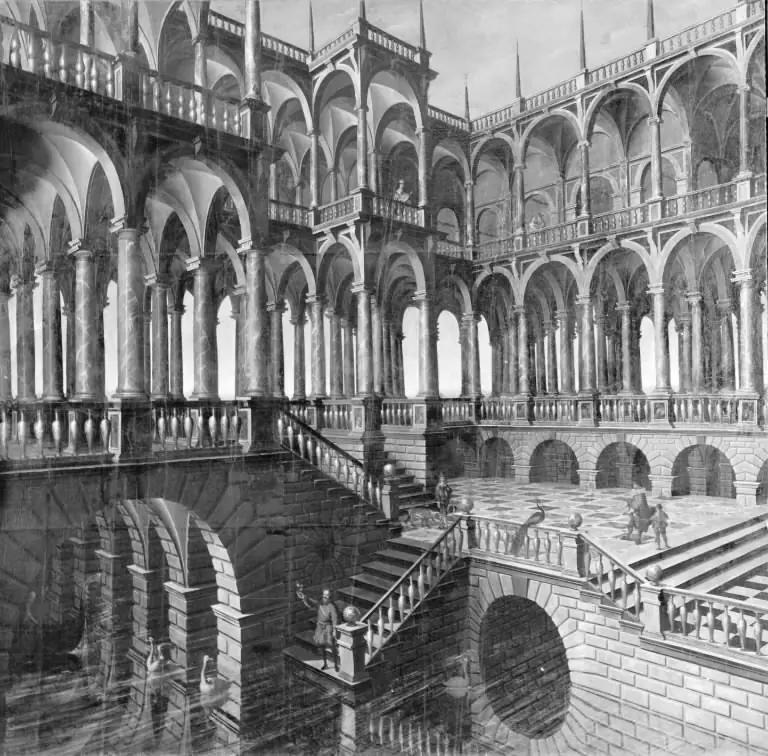
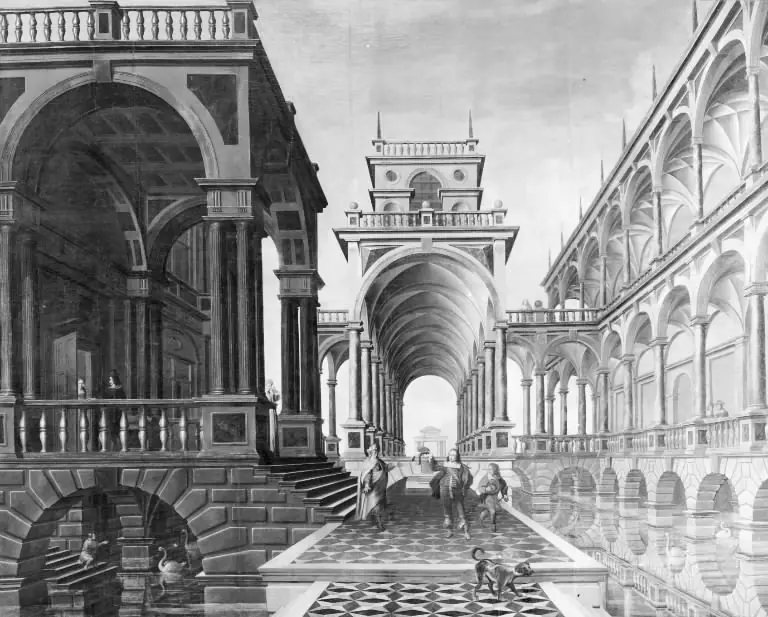
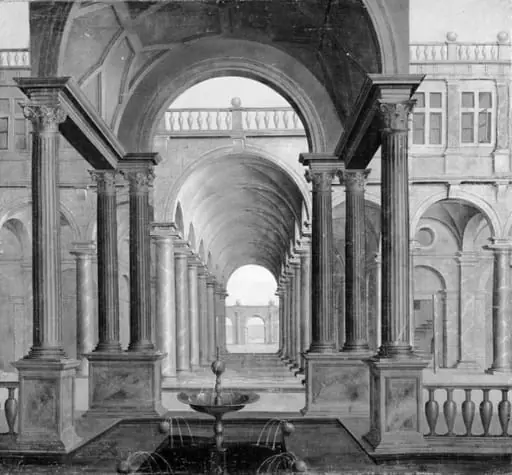
Colonnade is an oil painting by the Flemish Baroque painting artist Gabriel Engels. It dates from 1630 and is held in the collection of the Statens Museum for Kunst.
About this work
Overview
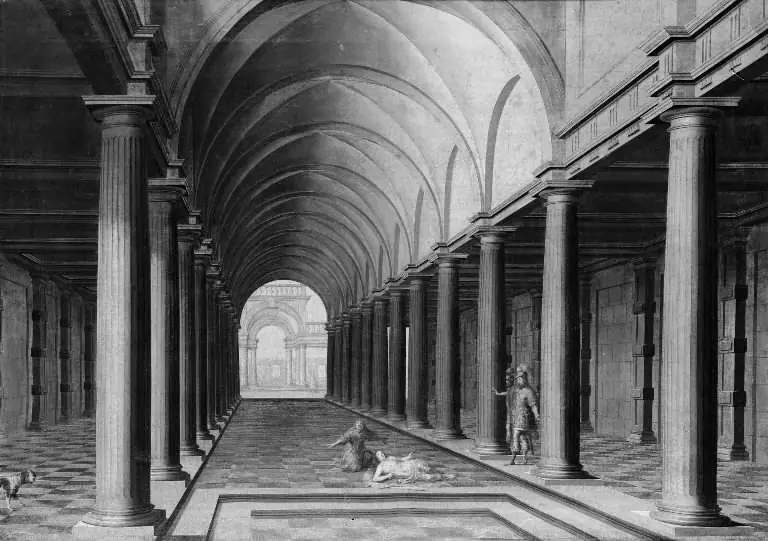
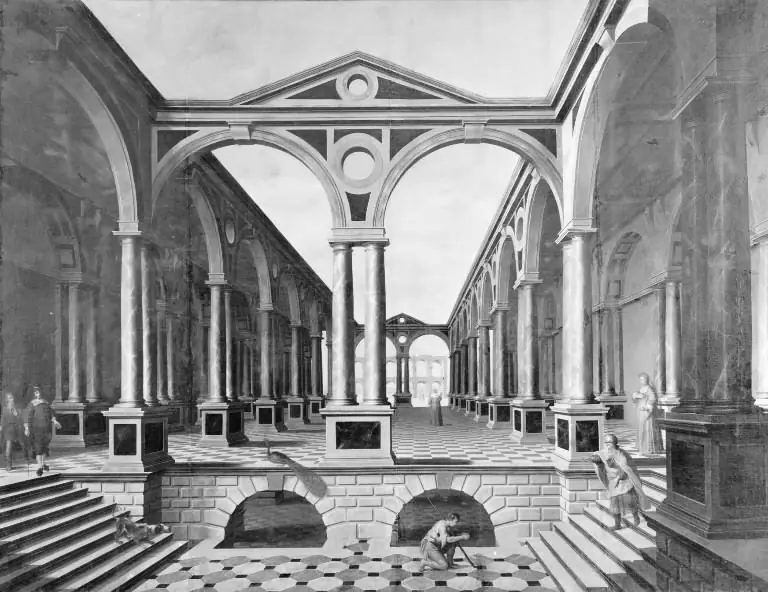
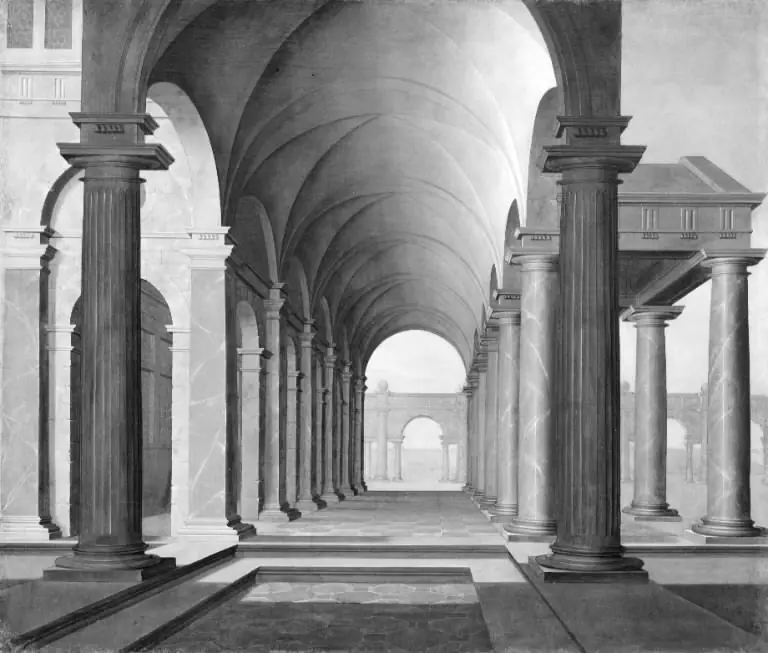
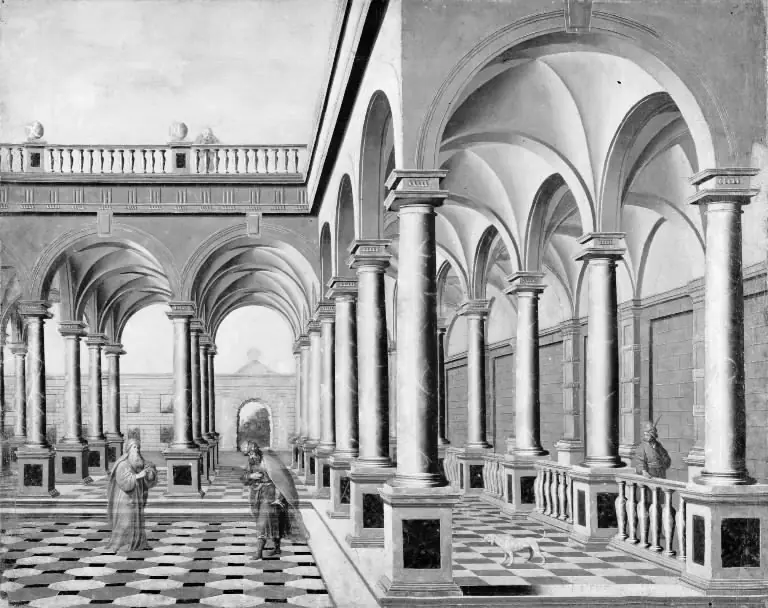
Colonnade, painted in oil in 1630 by Gabriel Engels, is a cityscape that depicts an expansive, empty courtyard framed by a series of tall stone arches and columns. At the center of the space a single fountain erupts water upward, while the surrounding walls and floor remain unadorned. The work is part of the collection of the Statens Museum for Kunst.
Subject & Meaning
The composition presents a stark architectural environment, emphasizing the interplay between built form and open space. The solitary fountain serves as a focal point, suggesting a quiet, contemplative atmosphere within an otherwise austere setting. The absence of human figures invites viewers to consider the timeless quality of the architecture and the subtle drama of light and shadow.
Technique & Style
Engels employs a chiaroscuro approach, contrasting deep shadows beneath the arches with illuminated stone surfaces to convey solidity and depth.
Engels employs a chiaroscuro approach, contrasting deep shadows beneath the arches with illuminated stone surfaces to convey solidity and depth. The tonal range of dark and light tones models the marble-like material, while the gradual shading creates an illusion of infinite recession. The brushwork is restrained, focusing on the precise rendering of architectural elements rather than decorative detail.
History & Provenance
Created in the early seventeenth century, Colonnade has remained in the public domain, eventually entering the holdings of Denmark’s national gallery, the Statens Museum for Kunst. The museum acquired the painting as part of its effort to represent Northern European art of the period, preserving Engels’ contribution to the tradition of architectural painting.
Artist & collection