Artwork
A Woman Seated at a Window
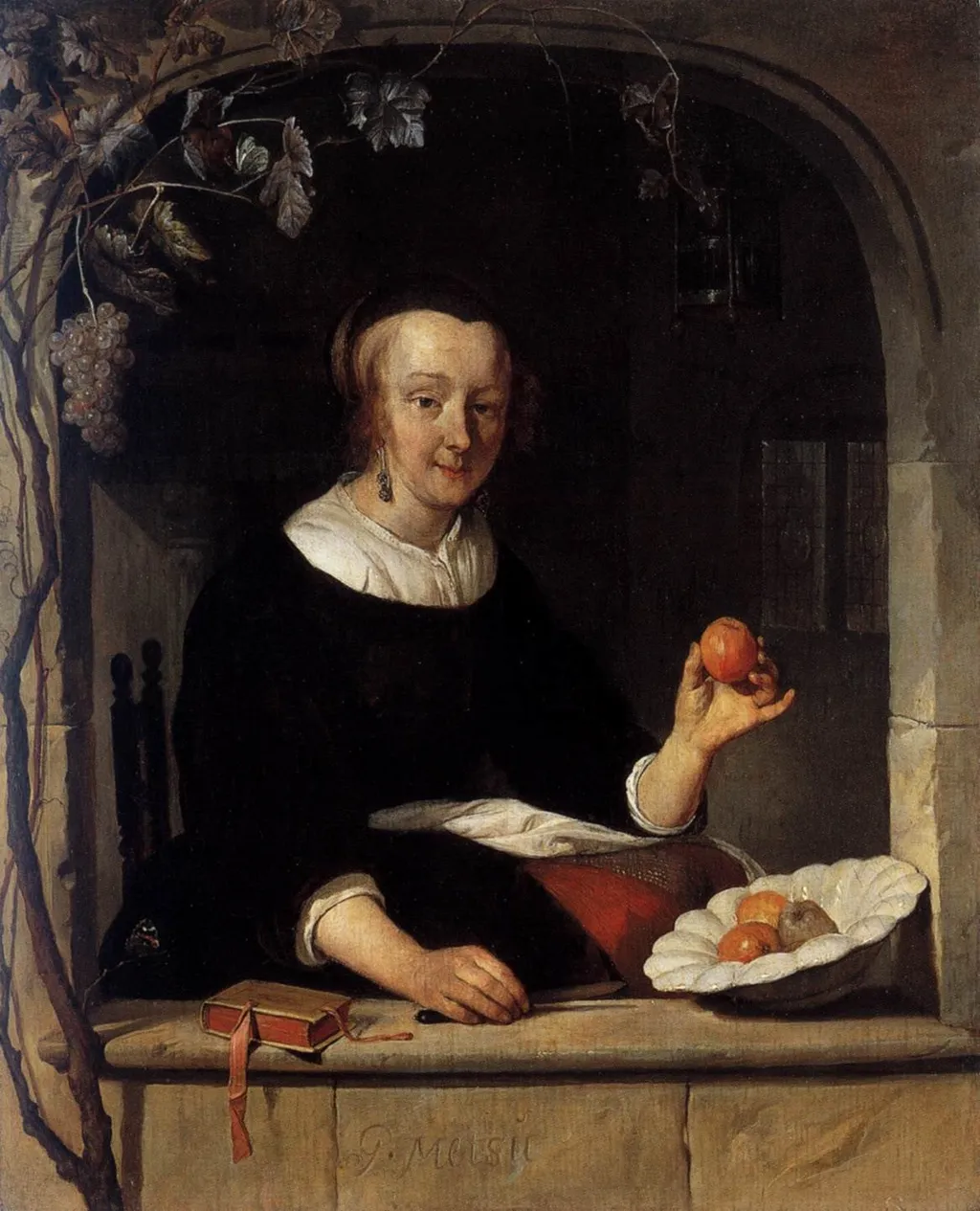
A Woman Seated at a Window is an oil painting by the Dutch Golden Age artist Gabriel Metsu. It dates from 1661 and is held in the collection of the Metropolitan Museum of Art.
About this work
Subject & Meaning
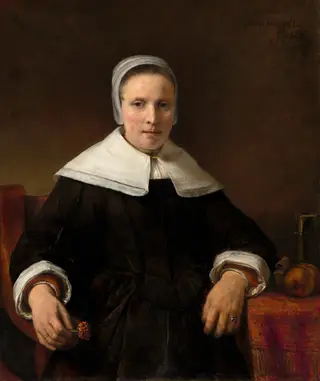
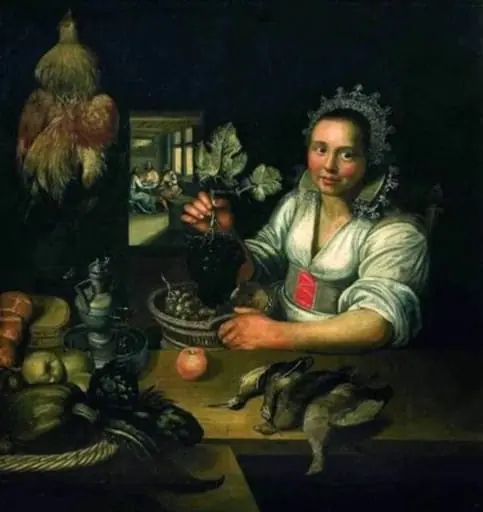
The painting is a portrait of a woman seated at a window, a domestic interior arrangement common in seventeenth-century Dutch genre work.
The painting is a portrait of a woman seated at a window, a domestic interior arrangement common in seventeenth-century Dutch genre work. According to the cataloguing, the composition depicts a woman together with a window, a book, and fruit, specifically grapes. Grapes carry symbolic weight in Dutch painting, traditionally associated with transience, abundance, or moral reflection, while the book suggests literacy, piety, or contemplative study.
The window functions as a framing device and a threshold between interior and exterior, often read as a metaphor for introspection. Together these elements present the woman as an embodiment of cultivated domestic virtue.
Technique & Style
Executed in oil paint on a wooden panel in 1661, the work places the seated woman in a shallow, window-lit space, with the still-life elements, fruit and a book, set on the windowsill. The sources confirm the medium, support, and date but do not detail the painting's handling or condition.
History & Provenance
A Woman Seated at a Window was painted in 1661 by Gabriel Metsu in oil on panel, measuring 27 × 22 cm. It is a portrait of a seated woman near a window, accompanied by symbolic objects such as fruit and a book. The painting entered the collection of the Metropolitan Museum of Art after passing through the ownership of the collectors Edmund Higginson and Marcus Kappel. No evidence of a specific commission is provided in the sources.
Overview
Gabriel Metsu's A Woman Seated at a Window, painted in 1661, is a refined example of Dutch Golden Age genre portraiture. The composition centers on a woman seated before an open window, her gaze directed outward to engage the viewer. She wears a dark dress contrasted by a crisp white collar and holds an orange in her right hand, a motif often associated with wealth or seasonal abundance in 17th-century Dutch art.
On the stone windowsill before her rests an open book and a bowl of fruit, elements that suggest domestic literacy and prosperity. Metsu employs a restrained palette and precise brushwork to render the textures of fabric, fruit skin, and stone with remarkable clarity. Created during the final years of the artist's life, this work reflects his mature style, characterized by psychological immediacy and the integration of symbolic objects within intimate interior settings.
The painting exemplifies the period's interest in depicting the quiet dignity of domestic life while embedding layers of meaning through carefully chosen props.
Artist & collection

Artist
Gabriël Metsu (1629–1667) was a Dutch painter of history paintings, still lifes, portraits, and genre works.