Artwork
Vertumnus and Pomona
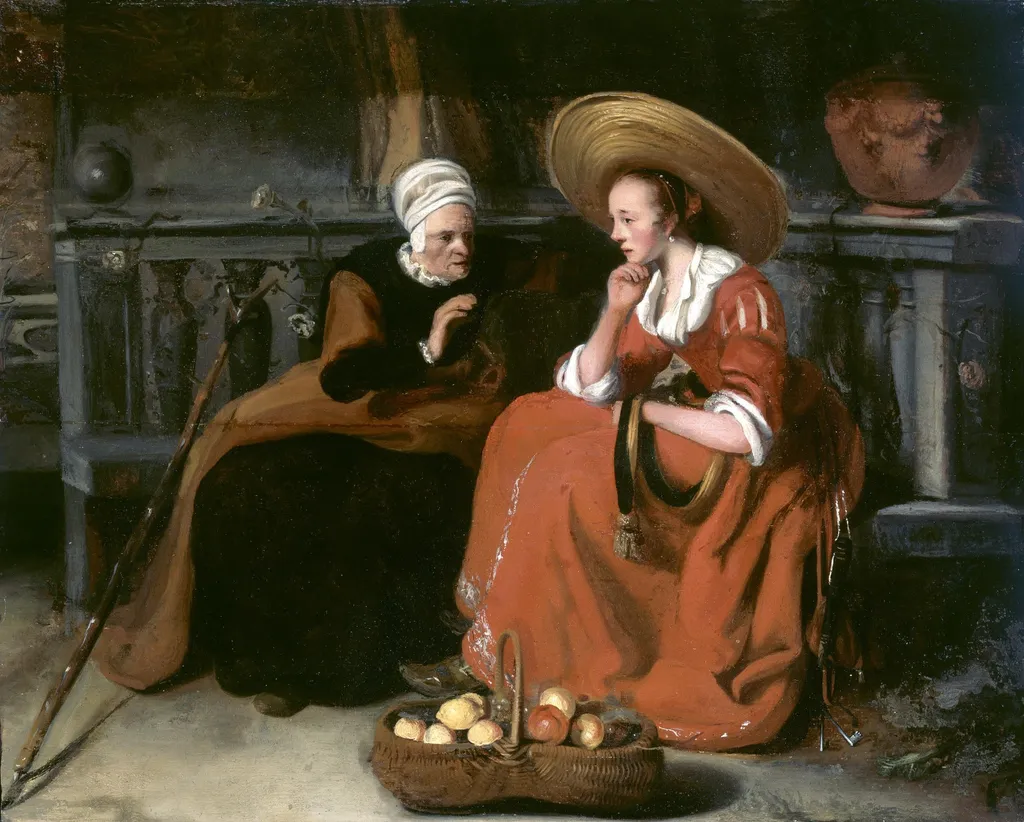
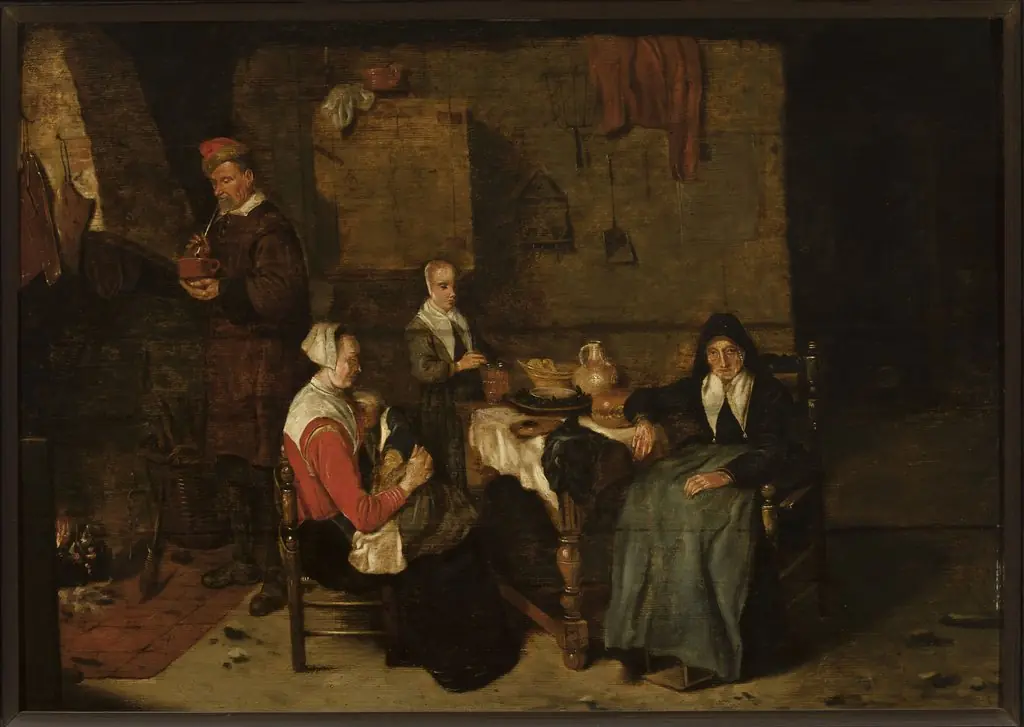
Vertumnus and Pomona is an oil painting by the Dutch Golden Age artist Nicolaes Maes. It dates from 1673 and is held in the collection of the National Gallery of Ireland.
About this work
Subject & Meaning
Vertumnus, the god of seasons and change, appears disguised as an old woman to court Pomona, the goddess of fruit trees and orchards, who resists his advances.
The painting depicts the Roman deities Vertumnus and Pomona, drawn from Ovid’s Metamorphoses. Vertumnus, the god of seasons and change, appears disguised as an old woman to court Pomona, the goddess of fruit trees and orchards, who resists his advances. Maes renders the encounter with restrained theatricality, emphasizing Pomona’s youthful beauty and Vertumnus’s disguised persistence.
The scene functions as an allegory of seasonal renewal and the inevitability of change, aligning with classical themes of metamorphosis and fertility.
The pairing reflects Dutch Golden Age interest in classical narratives reimagined through contemporary genre conventions, blending moral allegory with visual charm.
Technique & Style
The painting is executed in oil on canvas, measuring 48.5 cm by 60.4 cm, and portrays the mythological figures Vertumnus and Pomona in a tightly composed, intimate genre scene. Maes employs delicate brushwork and subtle chiaroscuro to render the textures of fabric and foliage, creating a naturalistic yet idealized visual language that blends narrative clarity with a refined, almost portrait-like handling of the figures.
History & Provenance
The painting Vertumnus and Pomona was created by the Dutch artist Nicolaes Maes in 1673. Executed in oil paint, the work depicts the mythological figures Vertumnus and Pomona alongside a woman, fitting within the genre art classification. The piece is currently held in the collection of the National Gallery of Ireland.
While the specific commission details and earlier ownership chain are not detailed in the provided sources, the work's inception is firmly dated to 1673, establishing its place in Maes's later career.
The painting Vertumnus and Pomona by Nicolaes Maes is held in the collection of the National Gallery of Ireland. Created in 1673, the oil on canvas work measures 48.5 cm in height and 60.4 cm in width. The provided sources confirm its current location and classification as a genre scene within the museum's holdings, though no specific inventory number or past exhibition history is detailed in the available records.
Context
Nicolaes Maes painted Vertumnus and Pomona in 1673, a genre scene depicting the mythological union of Vertumnus and Pomona. The work is housed in the National Gallery of Ireland and measures 48.5 cm by 60.4 cm. Critical reception and scholarly analysis often situate this painting within Maes' later oeuvre, highlighting his mastery of mythological subjects alongside his renowned domestic genre scenes. Its inclusion in a major institutional collection underscores its significance in Dutch Golden Age art history.
Legacy
The painting has been cited as an early example of mythological narrative rendered with psychological nuance, a point noted in scholarly surveys of Dutch Golden Age art. Its composition, in which the disguised deity courts Pomona, has informed discussions of gendered symbolism in later European painting, influencing artists who explored themes of pursuit and transformation. The work’s presence in a national collection has contributed to its visibility in exhibitions that trace the evolution of mythological subjects in modern museum displays.
Overview
Nicolaes Maes painted Vertumnus and Pomona in 1673, a work that belongs to the Dutch Golden Age. Executed in oil on canvas, the composition shows two women seated beside a fireplace, a basket of fruit at their feet, and a warm, subdued illumination. The piece is part of the National Gallery of Ireland’s collection.
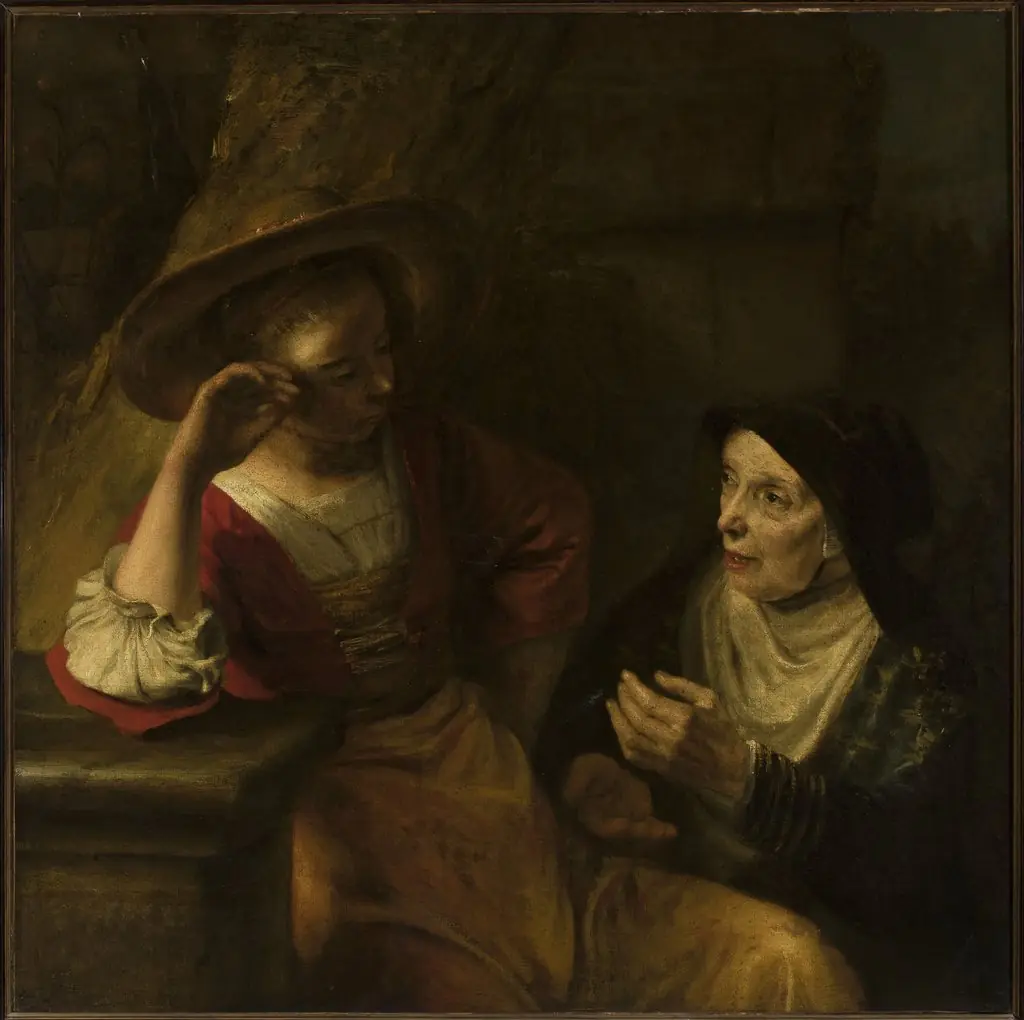
Own this work as a print
Artist & collection
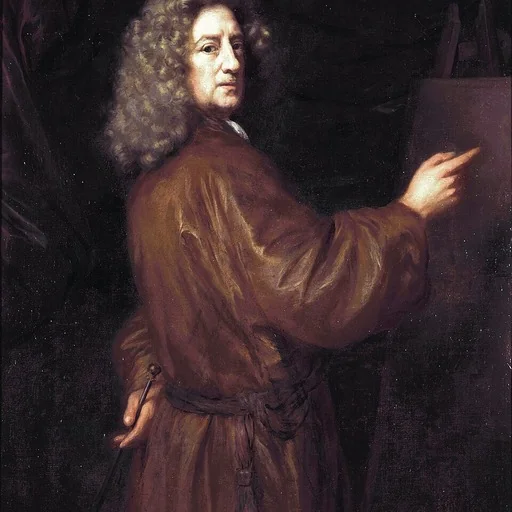
Artist
Nicolaes Maes (January 1634 – December 1693; buried 24 December 1693) was a Dutch painter known for his genre scenes, portraits, religious compositions and the occasional still life.

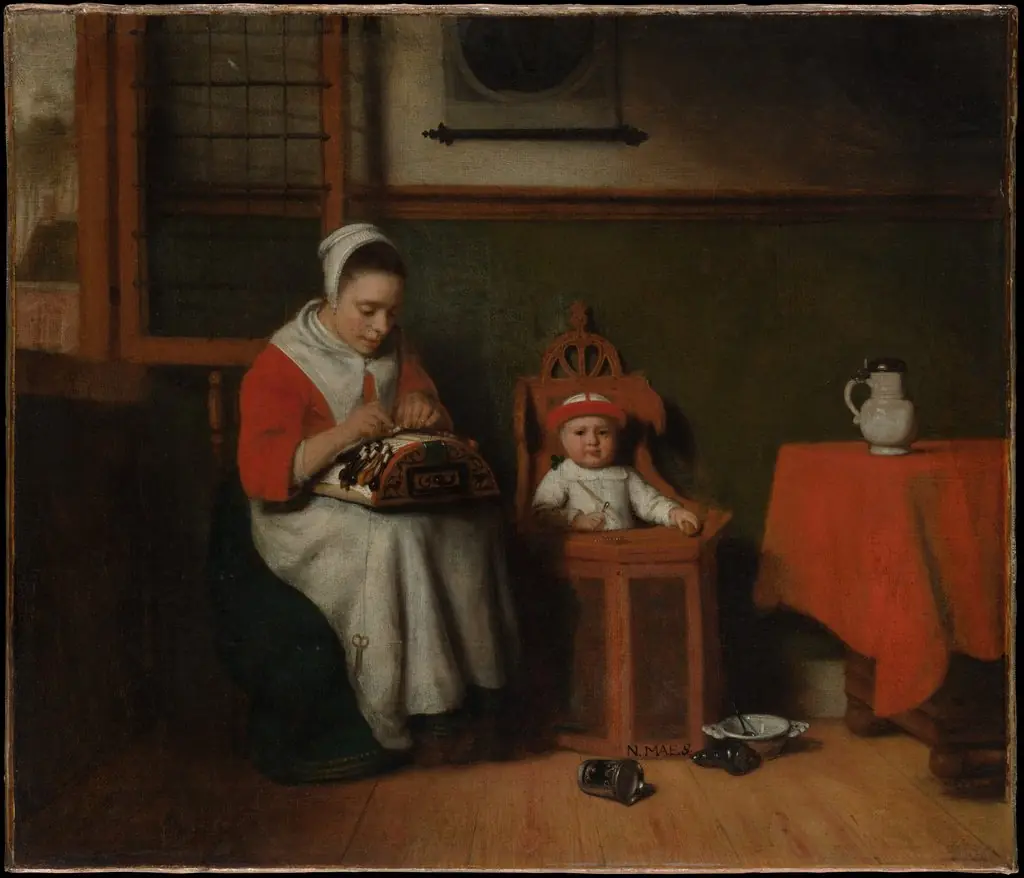
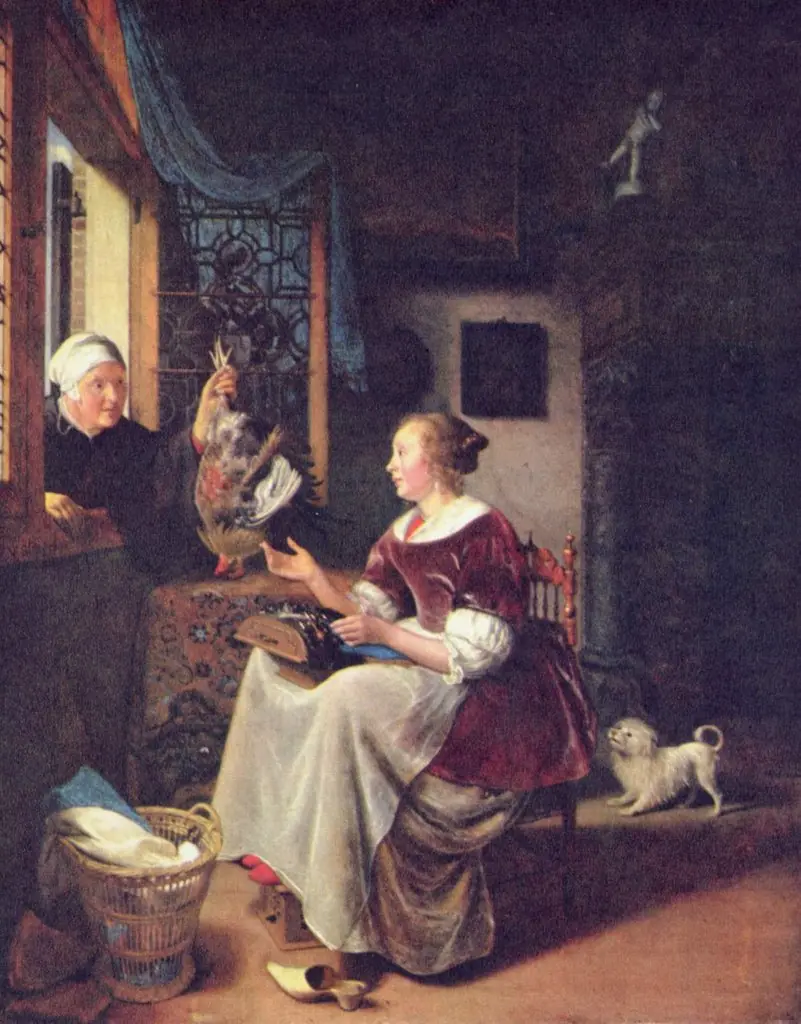 A young lacemaker is interrupted by a birdseller who offers her ware through the window
 A Sick Child
 Woman Reading a Letter
 Old Woman Eating Porridge
 Woman spinning
 Sitting Lady Reading a Letter with a man
 A Woman and a Procuress (Bathsheba)
 Magd am Brunnen (Art des)
 Peasant Interior with an Old Flute Player
 Family scene