Artwork
Temperance
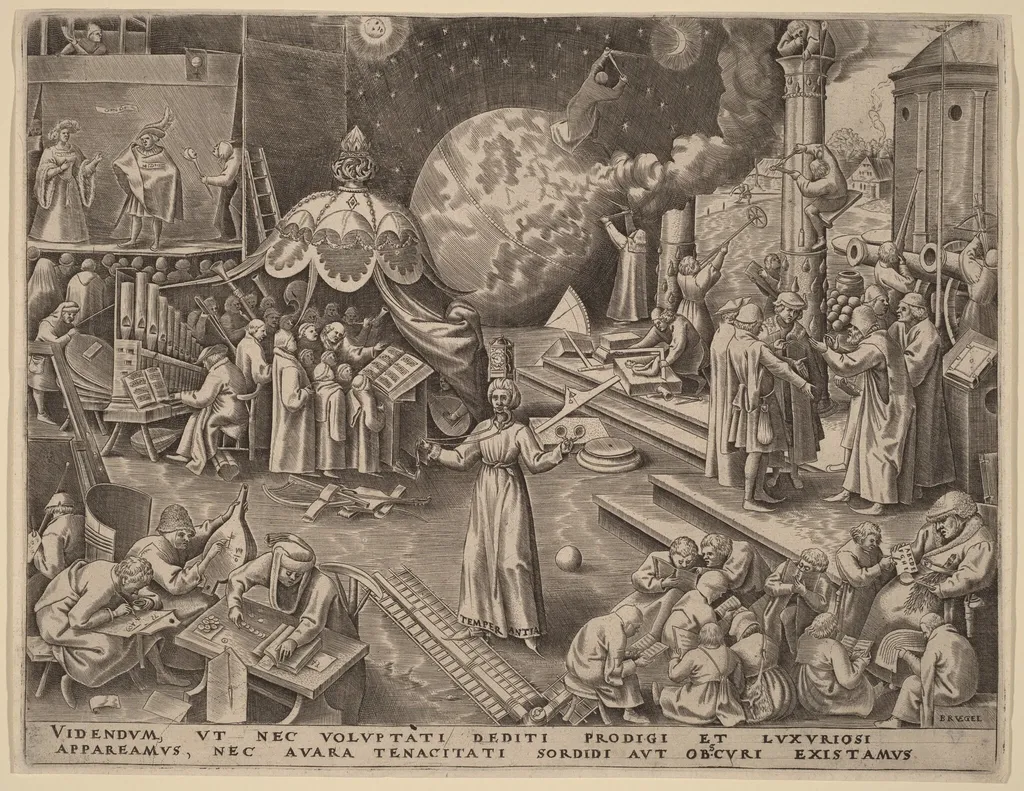
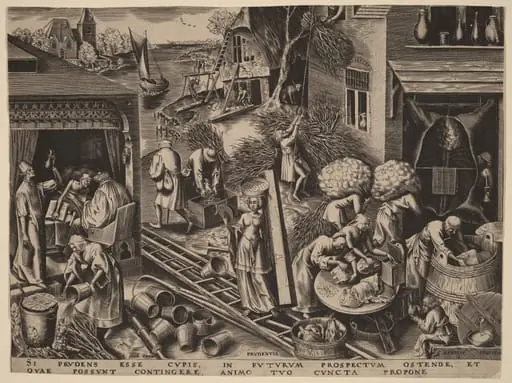
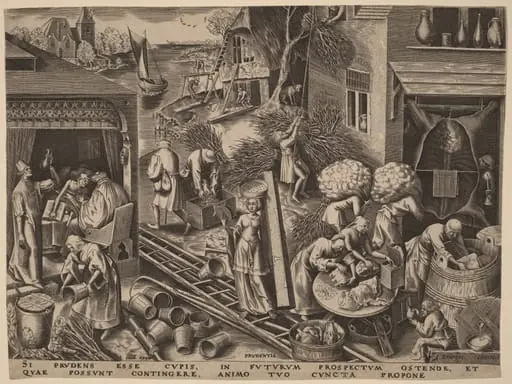
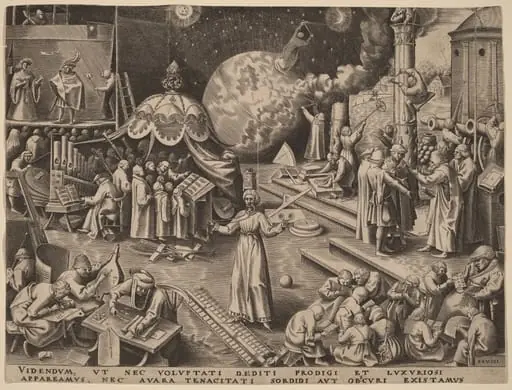
Temperance is an ink print by the Renaissance artist Philip Galle. It dates from 1559 and is held in the collection of the National Gallery of Art.
- Inscription
- Inscribed:lower center, on the hem of the central figure's clothes, in plate: TEMPERANTIA (Temperance); lower right, in image, in plate: BRVEGEL; lower margin, in plate: VIDENDVM, VT NEC VOLVPTATI DEDITI PRODIGI ET LVXVRIOSI / APPAREAMVS, NEC AVARA TENACITATE SORDIDI AVT OBSCVRI EXISTAMVS (We must look to it that, in the devotion to sensual pleasures, we do not become wasteful and luxuriant, but also that we do not, because of miserly greed, live in filth and ignorance) [translation from Nadine Orenstein, ed., Pieter Bruegel the Elder: Drawings and Prints. Exhibition catalogue. New York: Metropolitan Museum of Art, 2001, p. 191.]
About this work
Overview
Temperance is a 1559 engraving by Dutch publisher, engraver, and designer Philip Galle. It belongs to a series of reproductive prints after earlier masters, reflecting the 16th century’s interest in moral allegories through printmaking.
Subject & Meaning
The engraving depicts a bustling scene centered around a woman labeled Temperance, symbolizing balance and moderation. Surrounding her are scholars, builders, musicians, and others engaged in various activities, illustrating the harmony of diverse pursuits.
Technique & Style
As an engraving, Temperance showcases Galle’s skill in translating painted compositions into intricate, detailed prints. The crowded composition, with its mix of architectural elements (dome, tower with clock) and celestial background (stars), demonstrates the medium’s capacity for complexity.
History & Provenance
Created in 1559, Temperance is part of Galle’s output of reproductive prints, aimed at broadening the circulation of masterworks. The original masterwork it reproduces is not specified here, but the engraving itself is a product of Galle’s prolific publishing practice.
Context
Temperance reflects the 16th century’s engagement with moral allegories and the growing demand for widely distributable art forms. Printmaking, particularly engraving, played a crucial role in disseminating such themes and artworks to a broader audience.
Legacy
While specific lasting impacts of Temperance are not detailed, as a work by Galle, it contributes to the broader legacy of 16th-century Dutch printmaking and the dissemination of moral allegories during the period.
Own this work as a print
Artist & collection
Artist
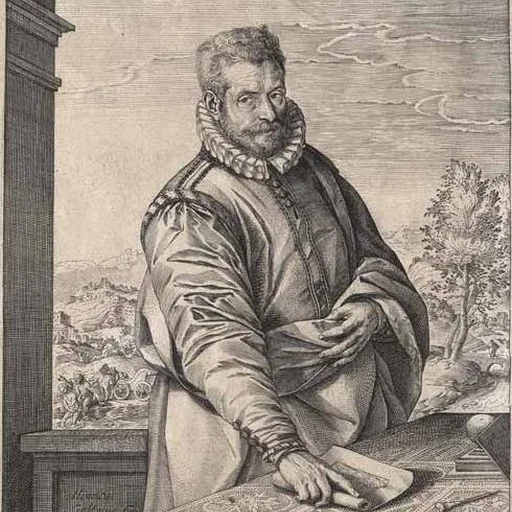
Philip (or Philips) Galle (1537 – March 1612) was a Dutch publisher, best known for publishing old master prints, which he also produced as designer and engraver. He is especially known for his reproductive engravings of paintings.

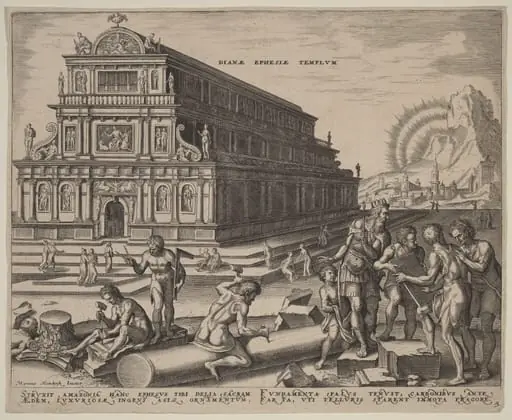 Dianae Ephesiae Templum (The Temple of Diana at Ephesus)
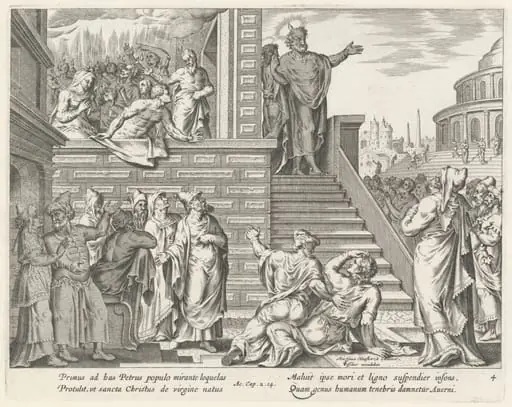 Saint Peter Speaks to the People about Christ
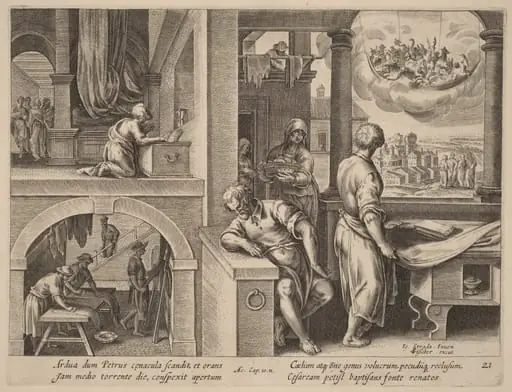 The Vision of Saint Peter
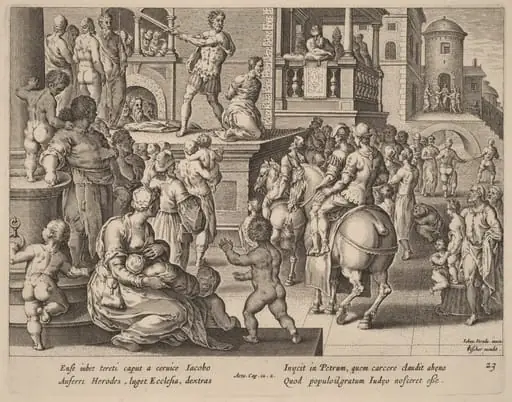 Beheading of Saint James
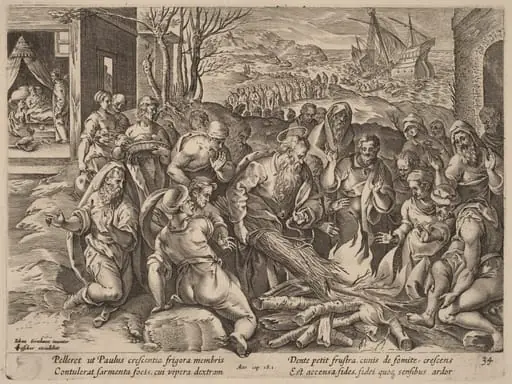 Saint Paul Shipwrecked on the Island of Melita
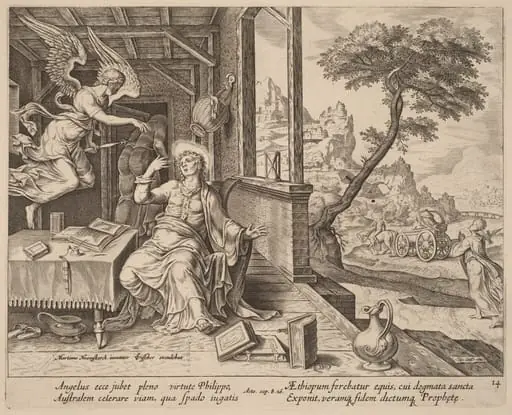 The Angel Orders Saint Philip to Accompany the Ethiopian Eunuch
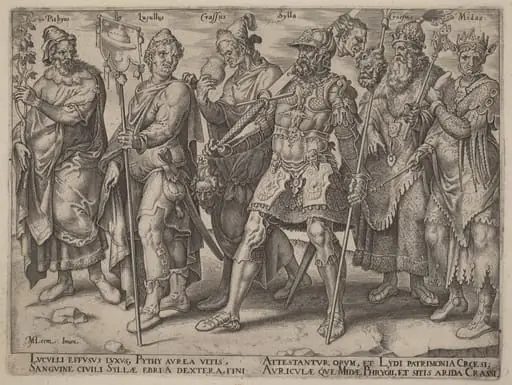 Notorious Examples of Wealth from Antiquity
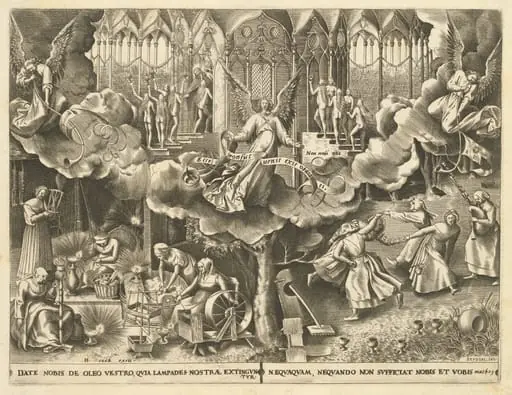 The Parable of the Wise and Foolish Virgins