Artwork
Jeremiah
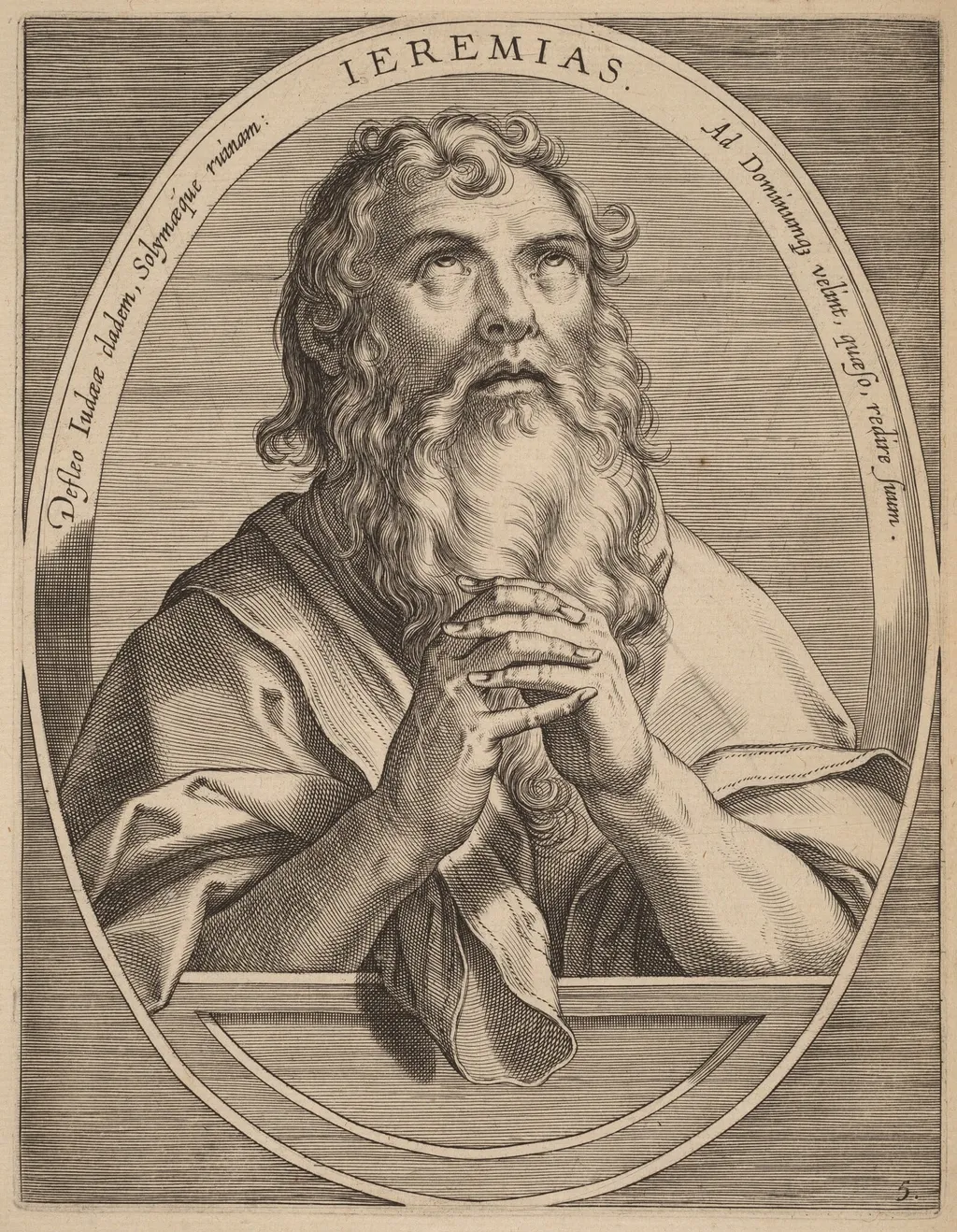
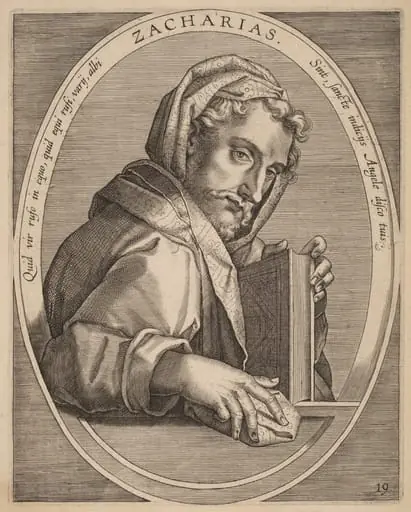
Jeremiah is an ink print by the Baroque artist Theodor Galle. It dates from 1613 and is held in the collection of the National Gallery of Art.
- Inscription
- Inscribed:lower right in plate: 5.; around oval in plate: Defleo Iudaeae cladem, Solymaeque ruinam: IEREMIAS. Ad Dominimq velint, quefo, redire Suum.
About this work
Overview
Created in 1613 by Theodor Galle, this engraving depicts the biblical prophet Jeremiah on laid paper. Rendered in monochrome, the work is a precise example of early 17th-century printmaking, using fine incised lines to convey form and depth. The composition is restrained, focusing entirely on the figure without decorative elements, emphasizing solemnity and introspection.
Subject & Meaning
The figure is identified as Jeremiah, a Hebrew prophet known for lamentations and warnings of divine judgment. His clasped hands and furrowed brow suggest contemplation or sorrow, aligning with his scriptural role as a voice of mourning. The Latin inscription 'Jeremias' at the top confirms his identity, situating the image within a tradition of religious portraiture meant to inspire reflection.
Technique & Style
Galle employed the burin to carve intricate lines into a metal plate, creating the image through cross-hatching and fine parallel strokes. These techniques build tonal gradations and texture, particularly in the beard, robe folds, and facial features. The plain background isolates the figure, directing attention to the meticulous rendering of light and shadow through controlled line work.
History & Provenance
The print was produced during a period when engraved religious figures were widely circulated in Northern Europe for devotional and educational use. Galle, active in Antwerp, was part of a network of printmakers who reproduced religious and historical subjects for a literate, middle-class audience. Its survival in collections today reflects its role in early modern visual piety.
Context
In the early 1600s, Protestant regions favored printed images of biblical figures as alternatives to painted altarpieces. Engravings like this one served as portable, reproducible aids for personal meditation. Jeremiah’s depiction aligns with contemporary iconographic norms: bearded, solemn, and robed, embodying the prophetic tradition without narrative detail.
Legacy
Galle’s engraving exemplifies the technical precision and devotional intent of Flemish printmaking at the turn of the century. While not widely known today, such works contributed to the dissemination of religious imagery across Europe. Their influence lies in their quiet, disciplined aesthetics, which shaped how biblical figures were visually understood for generations.
Own this work as a print
Artist & collection