Artwork
Untitled
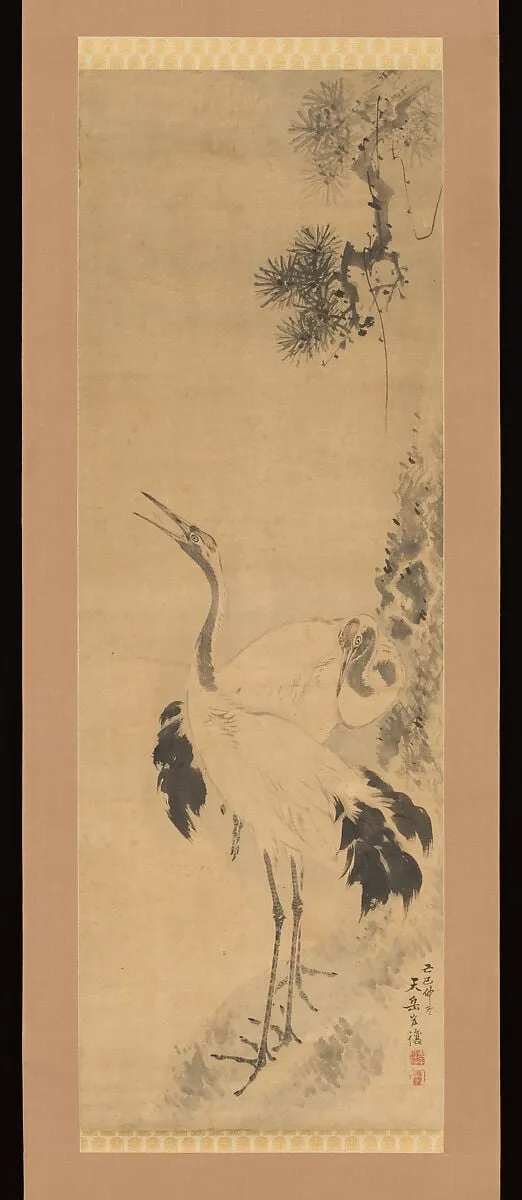
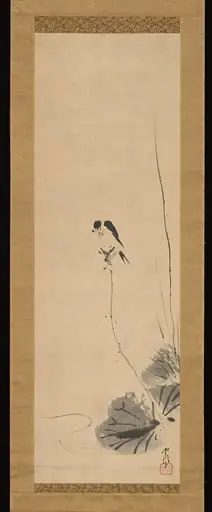
Untitled is an ink painting by the Impressionist artist Ganjō Tengaku. It dates from 1869 and is held in the collection of the Metropolitan Museum of Art.
About this work
Subject & Meaning
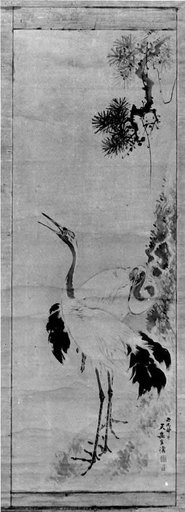
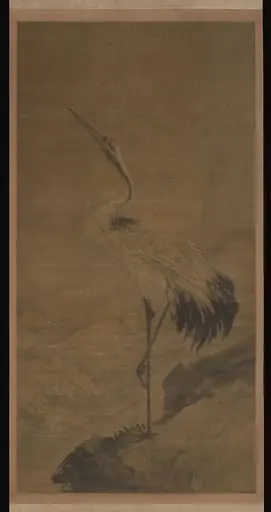
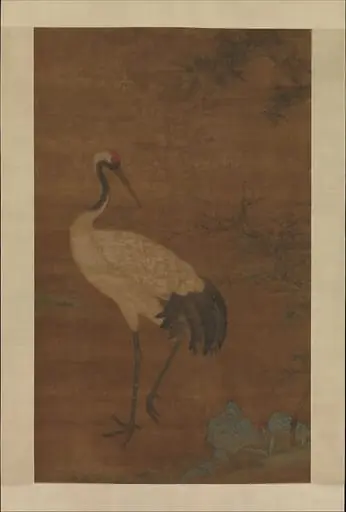
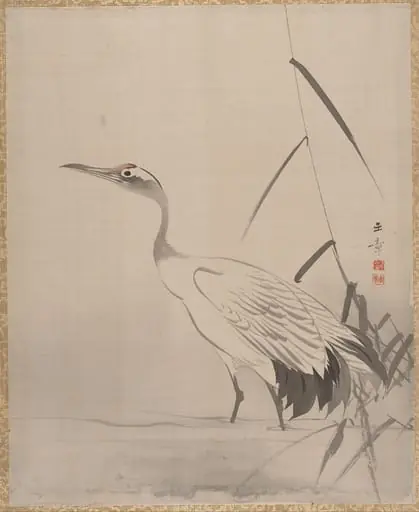
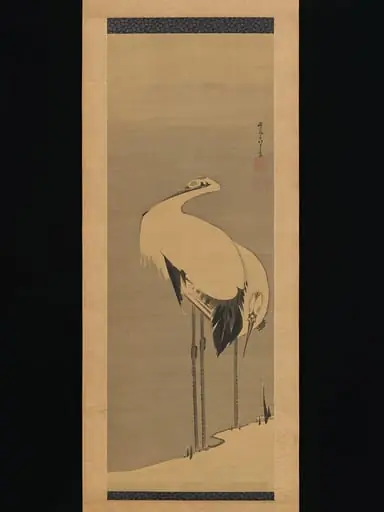
The primary subject depicted within the scene is a crane, a motif deeply rooted in East Asian artistic tradition.
Created in 1869 by Ganjō Tengaku, this hanging scroll presents a landscape composition executed in ink on paper. The primary subject depicted within the scene is a crane, a motif deeply rooted in East Asian artistic tradition. While the specific narrative context or broader symbolic intent of this particular work is not explicitly detailed in the available records, the inclusion of the crane typically invokes themes of longevity, fidelity, or good fortune in Japanese iconography.
The work functions as a representation of the natural world through the lens of the landscape genre, focusing on this singular avian figure as its central element.
Technique & Style
Untitled is a hanging scroll painted in ink on paper, measuring 131.4 cm in height and 45.7 cm in width. The work belongs to the landscape genre and portrays a crane, a motif that appears in Japanese bird imagery of the period. Executed in the mid-19th century, the piece exemplifies the restrained brushwork and subtle tonal gradations characteristic of ink wash landscapes, while its vertical format emphasizes the elongated form of the bird against a minimal background. The scroll was created in Japan and is housed in the Metropolitan Museum of Art.
History & Provenance
The hanging scroll Untitled by Ganjō Tengaku is dated to 1869, aligning with the artist's late Edo–early Meiji period activity. Executed in ink on paper and depicting a crane within a landscape format, it entered the collection of the Metropolitan Museum of Art, New York, where it is currently held. While the sources confirm its presence in the museum's holdings, they do not provide a specific inventory or accession number, and no exhibition history is recorded in the available data.
Legacy
The work Untitled by Ganjō Tengaku, completed in 1869, is part of the Metropolitan Museum of Art’s collection of Japanese paintings. As a hanging scroll in ink on paper measuring 131.4 cm by 45.7 cm, it exemplifies the landscape genre of the Meiji period and features a crane, a motif that has been examined for its symbolic resonance in Japanese art. Its inclusion in a major public institution has allowed continued scholarly study of the piece, influencing discussions of crane imagery and landscape representation in later Japanese visual culture.
Overview
This untitled hanging scroll, created by Ganjō Tengaku in 1869, presents a serene landscape rendered in ink on paper. The composition features two cranes standing in shallow water, with one gracefully bending its neck to drink. Executed shortly after Japan's opening to the West, the artwork subtly combines established ink painting traditions with a contemporary sensibility, reflecting a period of cultural transition.
Context
Created in 1869, this work emerged during a pivotal era in Japanese history, following the country's re-engagement with Western nations. This period of rapid modernization and cultural exchange often saw artists navigating between traditional aesthetics and new influences. Tengaku's "Untitled" exemplifies this dynamic, blending time-honored ink painting techniques with a fresh perspective that resonates with the era's evolving artistic landscape.
Artist & collection