Artwork
Untitled
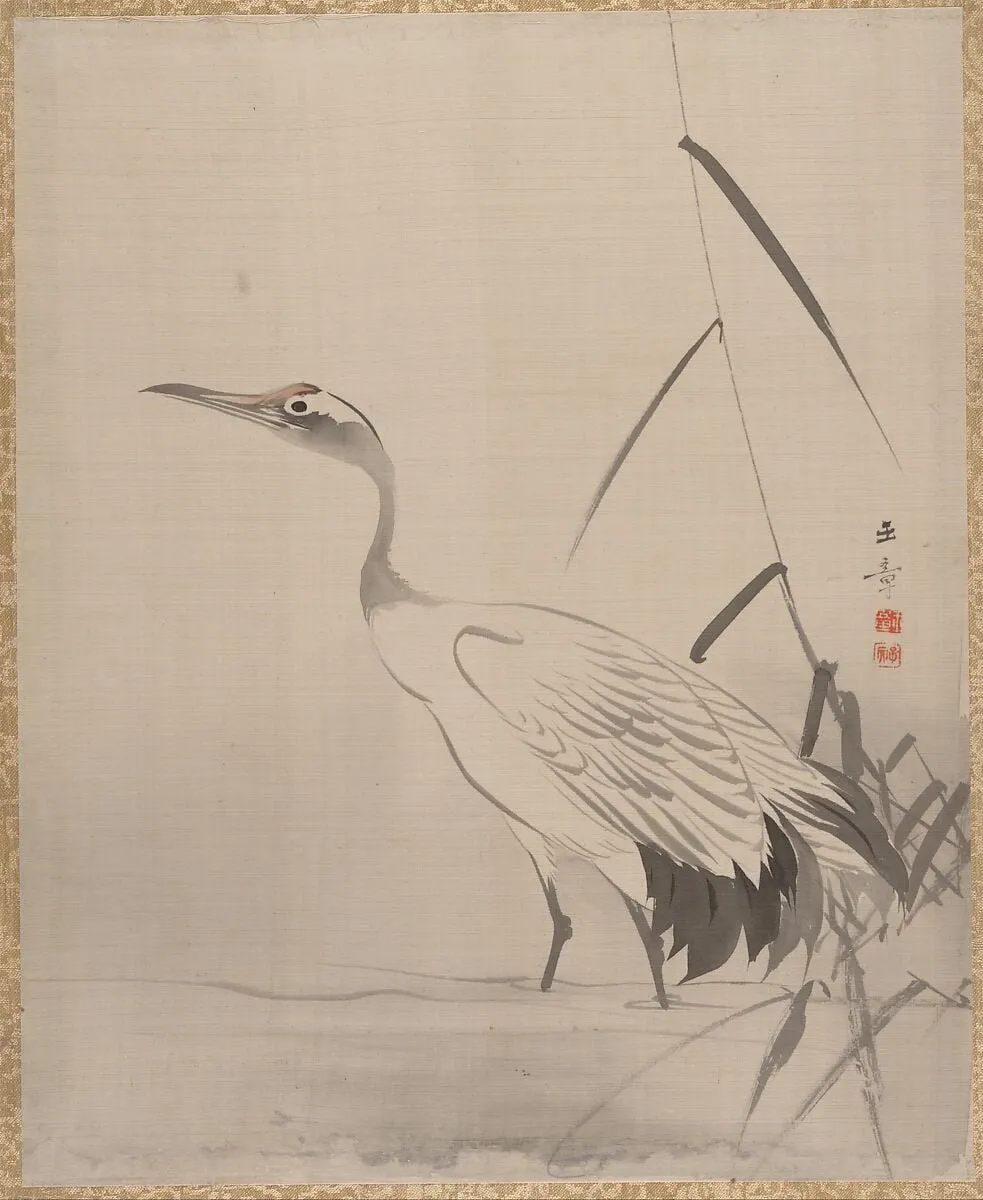
Untitled is an unspecified painting by the Impressionist artist Kawabata Gyokushō. It dates from 1890 and is held in the collection of the Metropolitan Museum of Art.
About this work
Subject & Meaning
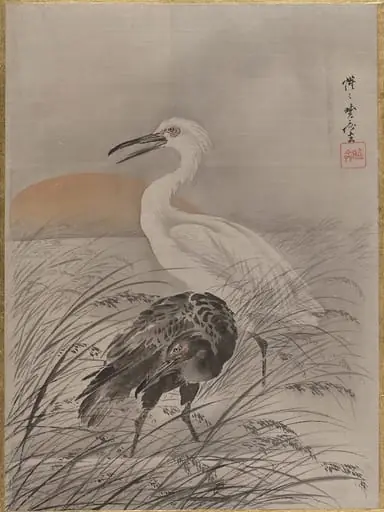
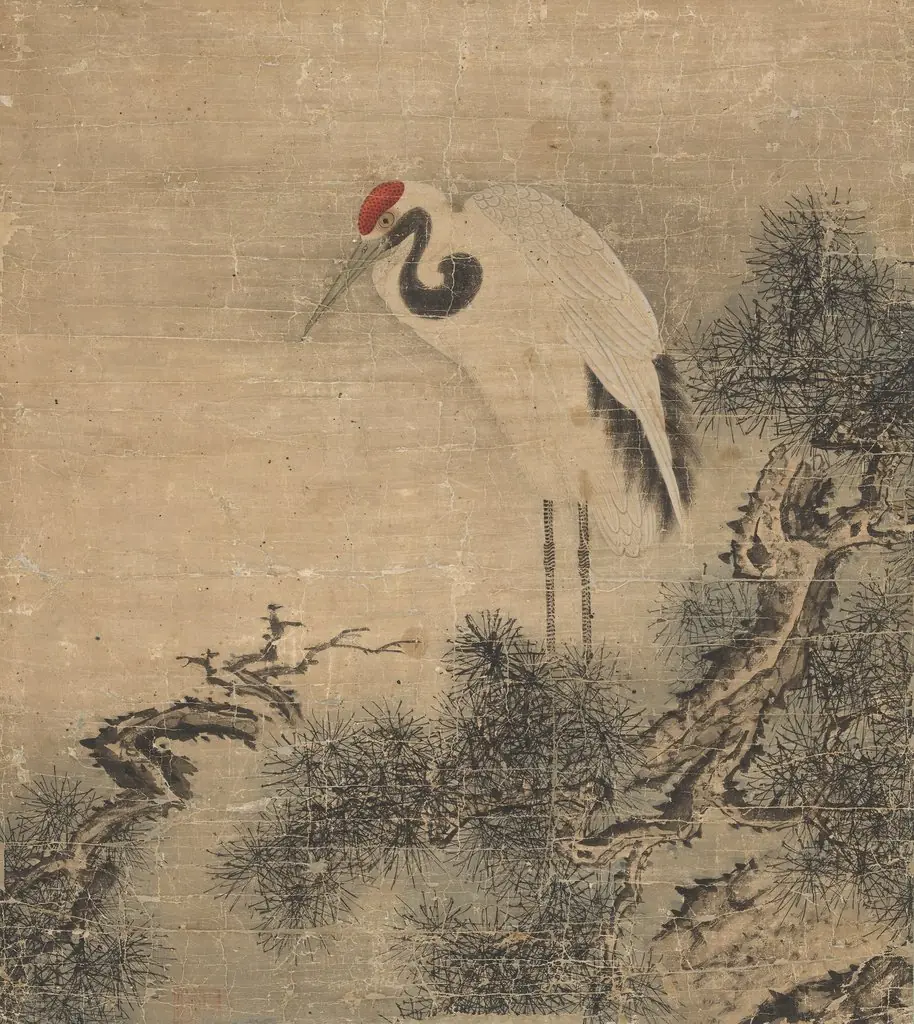
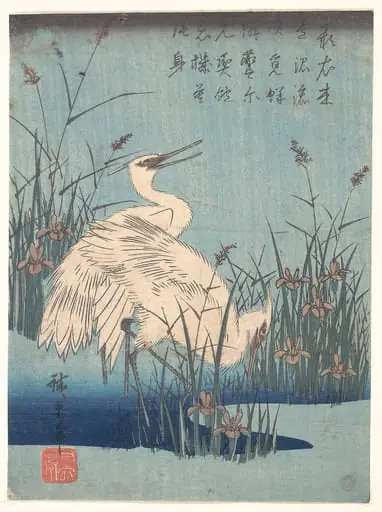
As a subject, the crane appears as a focal element, emphasizing the animal’s form against a minimal background.
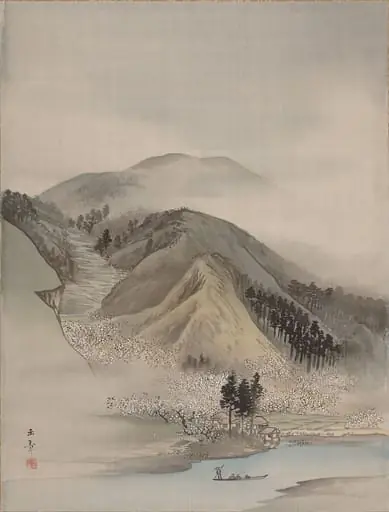
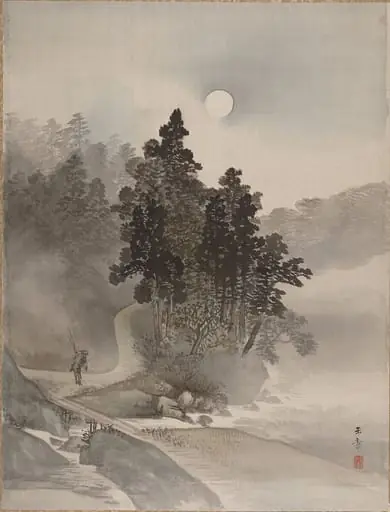
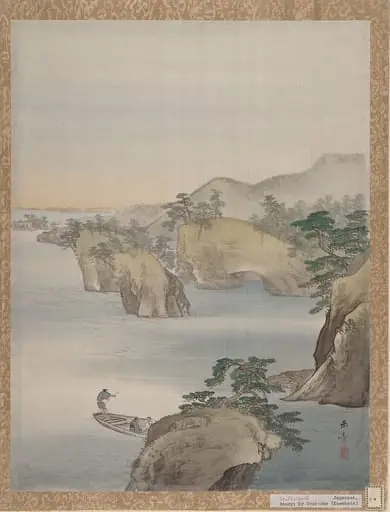
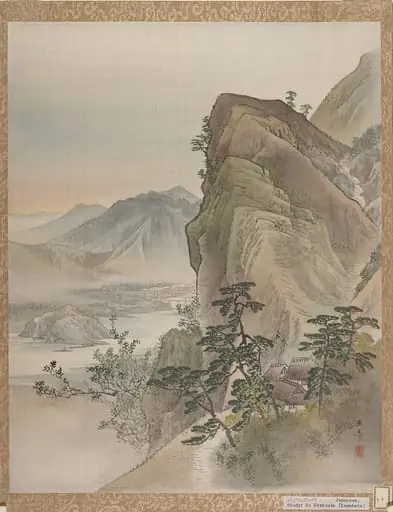
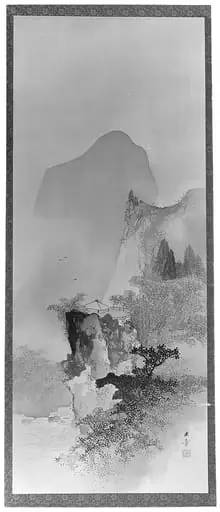
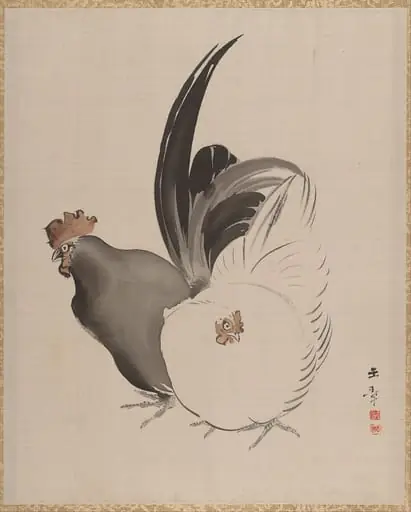
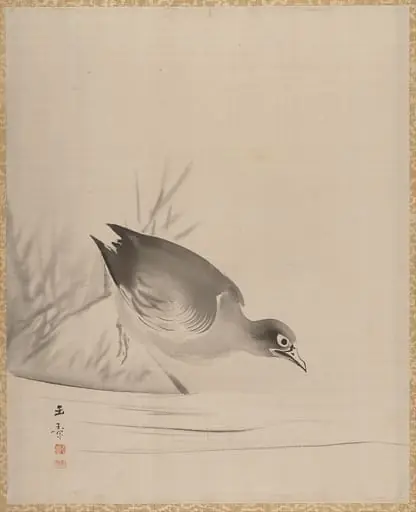
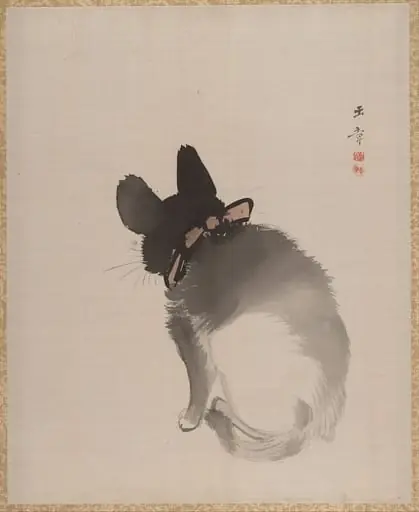
The painting presents a crane within a landscape composition, rendered on a silk album leaf in 1889. The work belongs to the landscape genre and measures 34.3 cm in height by 27.6 cm in width. It was produced in Japan and is part of the Metropolitan Museum of Art’s collection.
The crane is depicted in a naturalistic manner, occupying the central space of the image, and the surrounding scenery follows traditional compositional conventions of the period. As a subject, the crane appears as a focal element, emphasizing the animal’s form against a minimal background.
Technique & Style
The work is an album leaf painted on silk, classified as a painting within the landscape genre and depicting a crane; it was created in Japan in 1889 and measures 34.3 cm by 27.6 cm. The silk support provides a smooth, translucent surface that enhances the subtle tonal gradations of the scene. The composition balances the crane against expansive negative space, reflecting a restrained aesthetic typical of Japanese landscape painting. The piece is held in the collection of the Metropolitan Museum of Art in New York.
History & Provenance
Created in 1889 by the Japanese artist Kawabata Gyokushō, this album leaf on silk depicts a crane within a landscape composition. The work was produced in Japan during the late nineteenth century. It subsequently entered the collection of the Metropolitan Museum of Art, where it remains held.
The physical dimensions of the sheet are recorded as 34.3 cm in height and 27.6 cm in width.
Overview
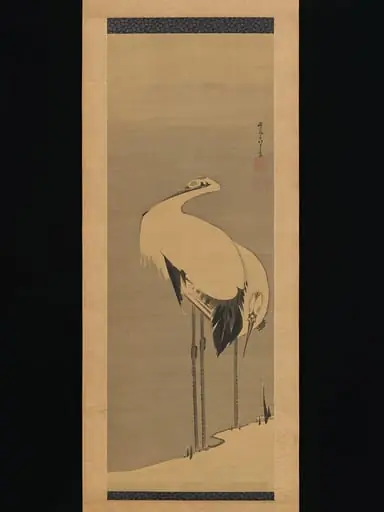
Created in 1890, this untitled album leaf by Kawabata Gyokushō depicts two cranes standing on a snow-covered bank beside a narrow stream. Executed on silk, the work exemplifies the artist's mastery of the Nanga literati tradition while incorporating precise observational details characteristic of late Meiji painting. Gyokushō employs extremely pale ink washes to render the birds, allowing their forms to blend subtly with the white ground, creating an effect of atmospheric unity.
The composition relies on minimalism, focusing the viewer's attention on the delicate brushwork that defines the texture of the feathers and the stillness of the winter landscape. This piece reflects Gyokushō's career-long dedication to capturing the quietude of nature through refined technique and restrained color. As an album leaf, it was designed for intimate viewing, likely as part of a larger collection of small-scale works intended for close appreciation.
The painting stands as a representative example of Gyokushō's ability to balance traditional Chinese-inspired aesthetics with a distinct Japanese sensitivity to seasonal atmosphere and natural detail.
Artist & collection