Artwork
David Chabodius
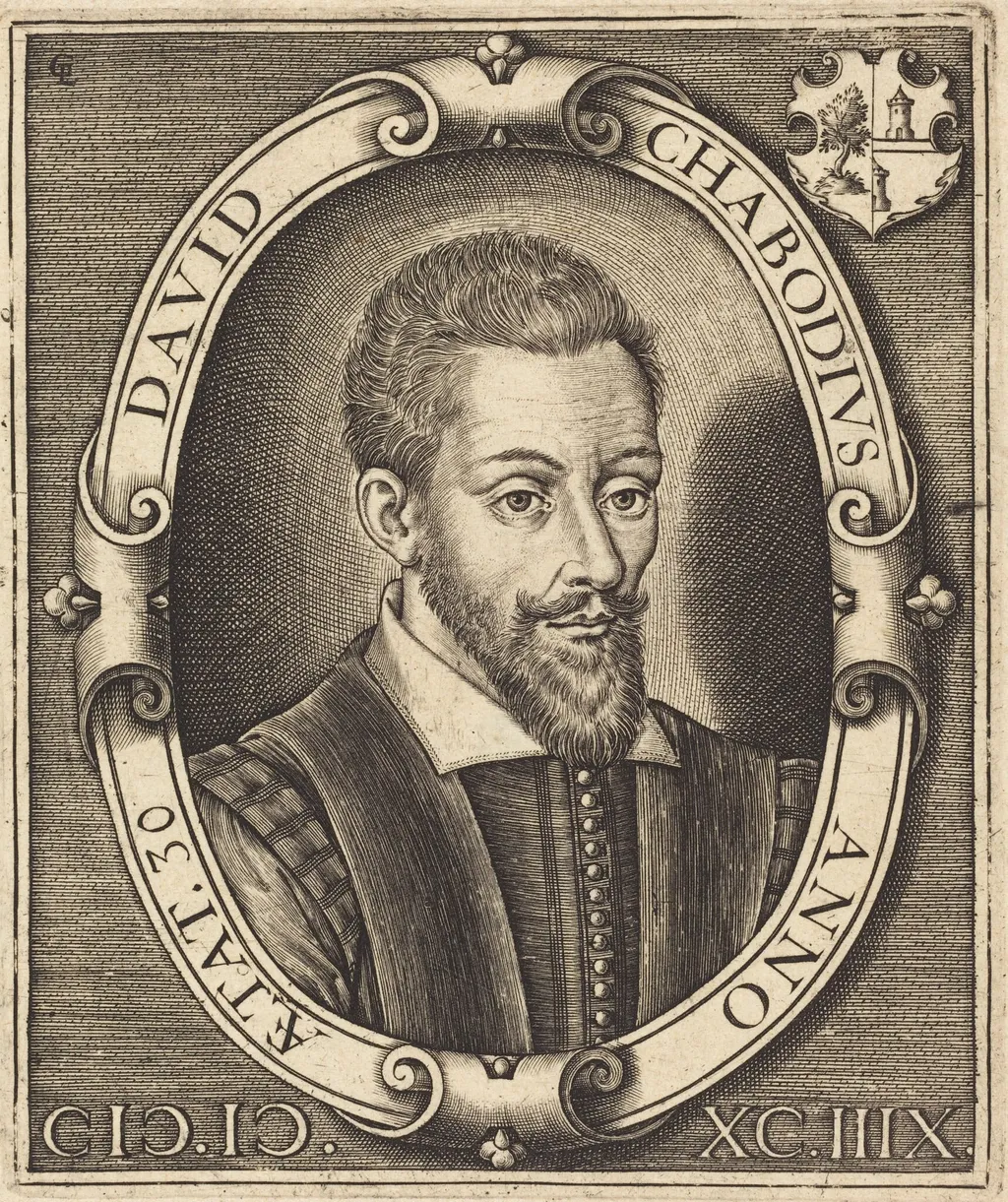
David Chabodius is an ink print by the Renaissance artist Léonard Gaultier. It dates from 1601 and is held in the collection of the National Gallery of Art.
About this work
Overview
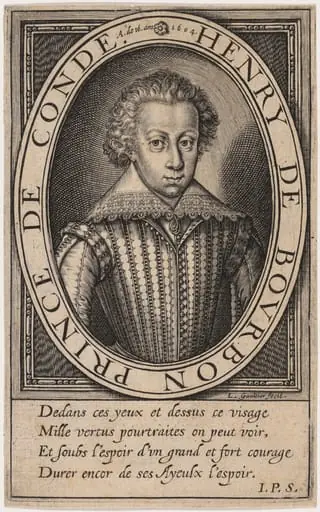
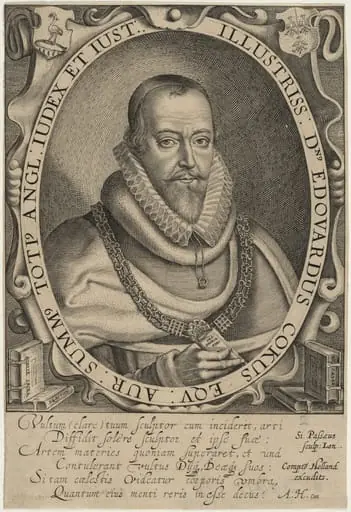
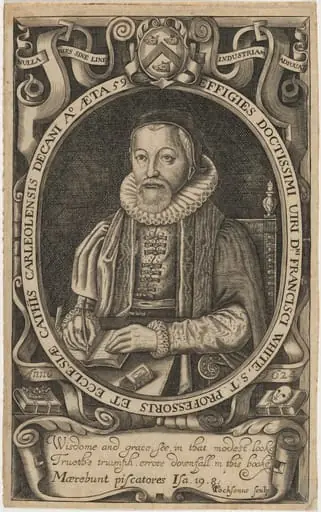
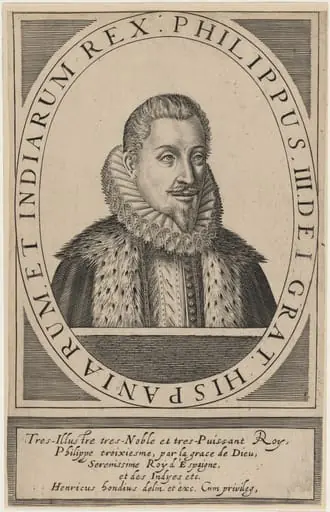
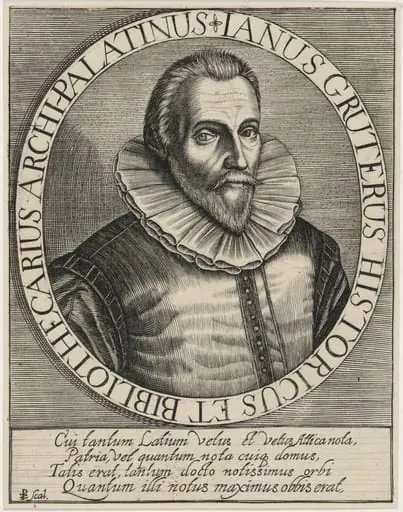
The 1601 engraving titled David Chabodius is a black‑and‑white portrait of a bearded man wearing a dark collar. The sitter looks directly at the viewer with a solemn expression, his curly hair framing the face. A decorative border of scrollwork surrounds the image, bearing the name of the subject in a stylised script.
Technique & Style
Executed entirely with a graver, the print demonstrates the precise, linear approach typical of early‑17th‑century French engraving.
Executed entirely with a graver, the print demonstrates the precise, linear approach typical of early‑17th‑century French engraving. Fine hatching creates modelling and shadow, giving the portrait a sense of depth despite the monochrome medium. The handling of line recalls the meticulous standards of contemporaries such as the Wierix brothers and Crispyn van de Passe, emphasizing controlled, labor‑intensive draftsmanship.
Subject & Meaning
The work portrays an individual identified as David Chabodius, presented in a formal, static pose that conveys status and seriousness. The absence of narrative elements focuses attention on the sitter’s visage and attire, suggesting a commemorative function, likely intended for personal or familial remembrance rather than allegorical interpretation.
History & Provenance
The engraving was produced by Léonard Gaultier, a French printmaker born in Mainz around 1561 who worked in Paris until his death in 1641. Gaultier frequently created portraits and other subjects from his own designs, and this piece forms part of a broader oeuvre of similarly rendered prints that have been recorded in historic collections.
Own this work as a print
Artist & collection
Artist
Léonard Gaultier, or, as he sometimes signed himself, Galter, a French engraver, was born at Mainz about 1561, and died in Paris in 1641.