Artwork
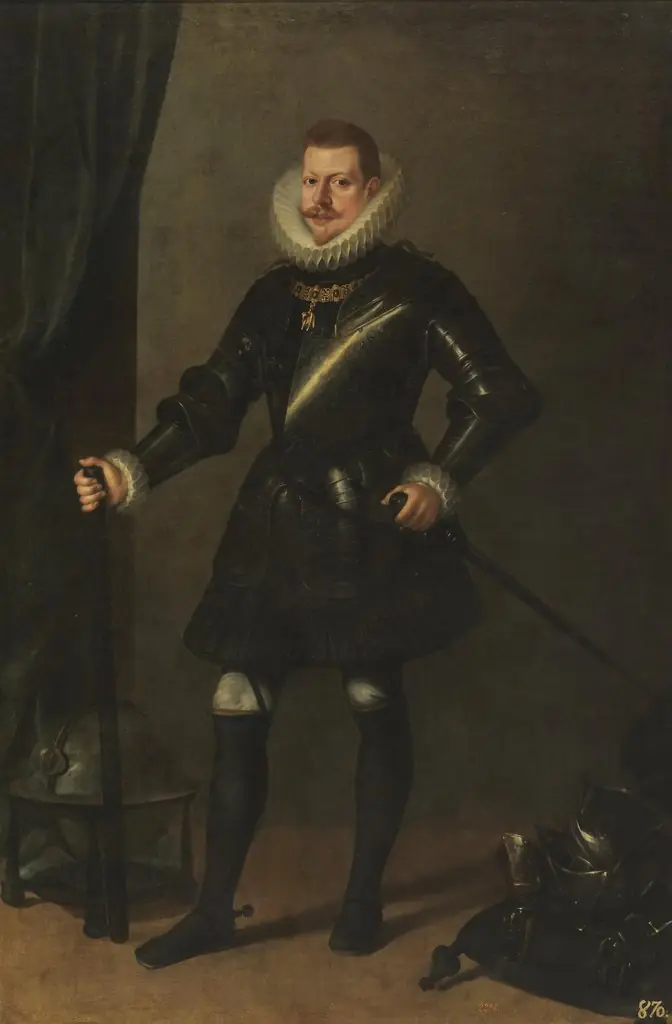
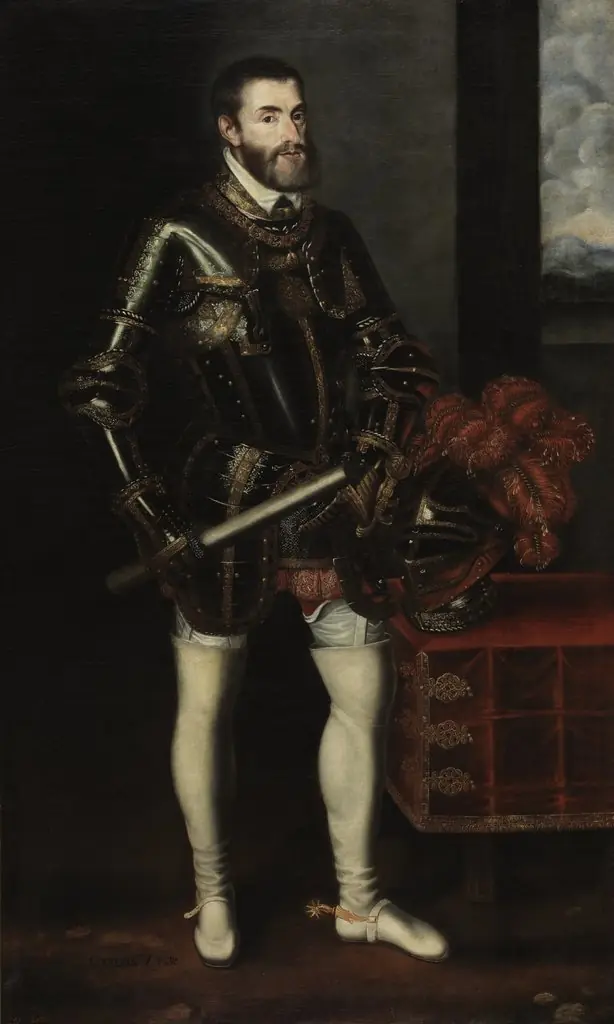
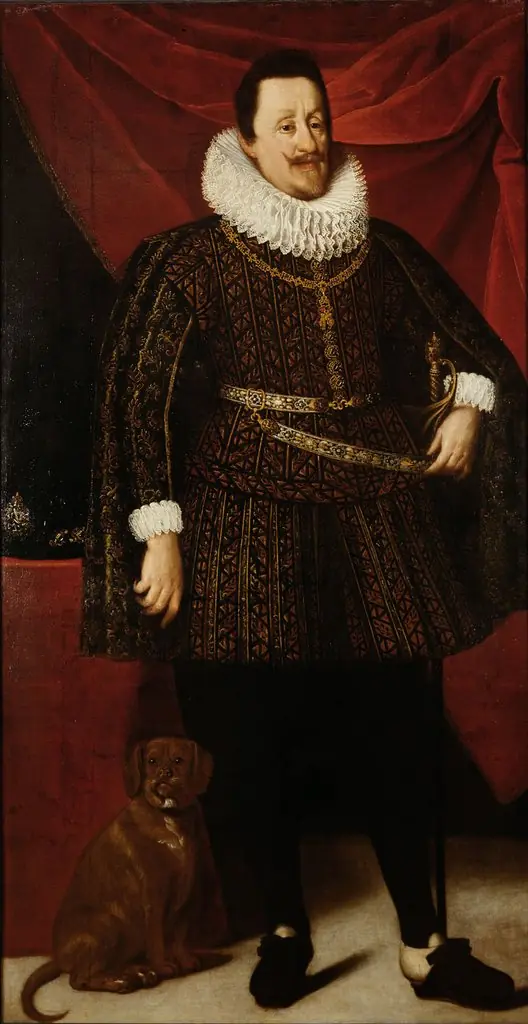
Emperor Ferdinand II. (1578-1637) in black armor, full-length
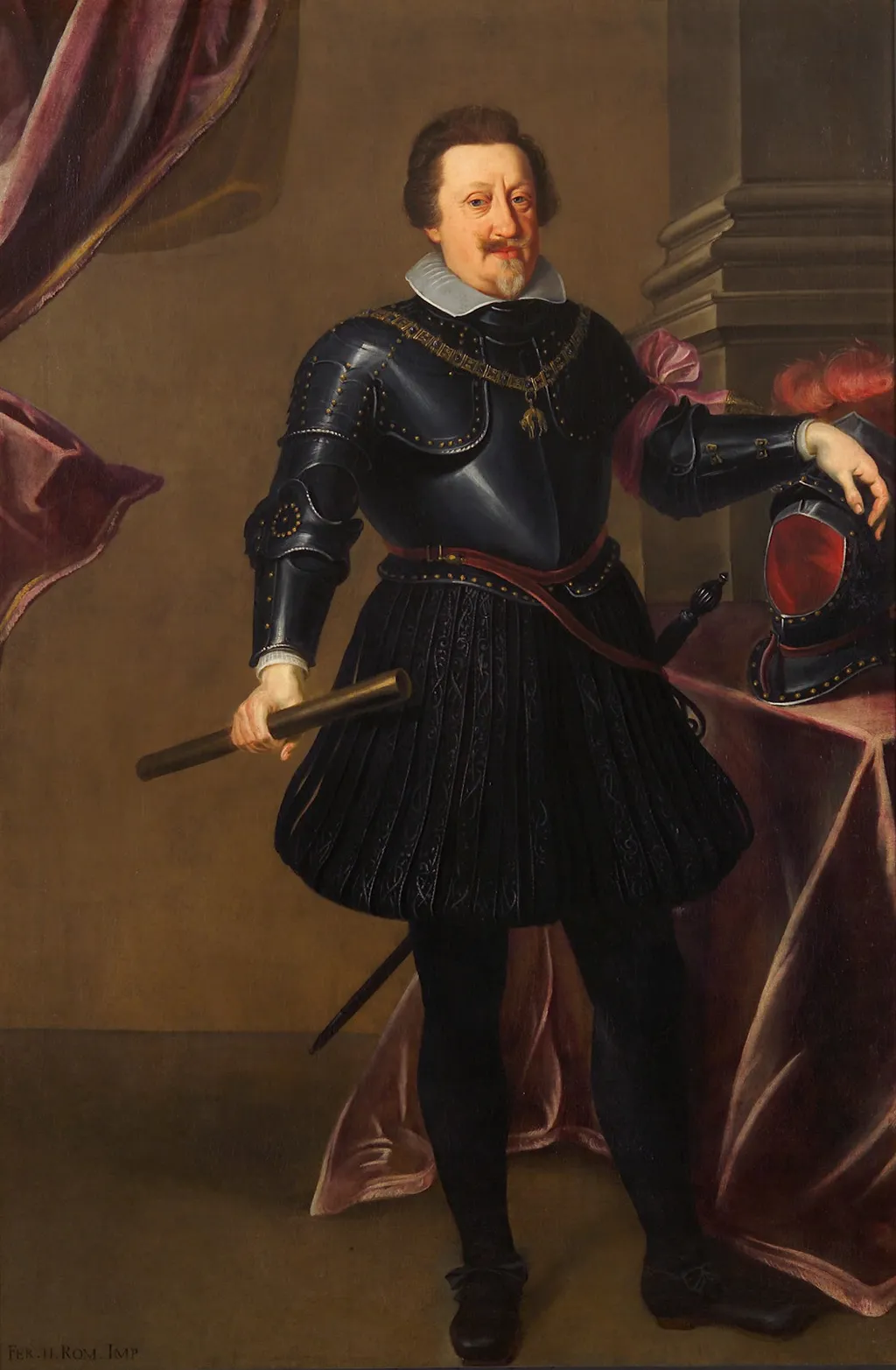
Emperor Ferdinand II. (1578-1637) in black armor, full-length is an oil painting by the Early Baroque Italian artist Georg Pachmann. It dates from 1635 and is held in the collection of the Kunsthistorisches Museum. This oil painting, created in 1635, depicts Emperor Ferdinand II in full-length black armor.
About this work
Subject & Meaning
The painting is a full-length portrait of Ferdinand II, Holy Roman Emperor (1578–1637), the Habsburg ruler whose reign shaped the early seventeenth-century Habsburg monarchy. The subject is shown in black armor, a conventional iconographic device for depicting sovereigns in their martial and imperial capacity, signaling readiness to defend the faith and the dynasty rather than recording a specific battle. By presenting the emperor standing at full length in this guise, the work functions as a state portrait, projecting authority, piety, and dynastic continuity associated with Ferdinand II's role as Holy Roman Emperor.
The choice of dark, burnished armor also carries Counter-Reformation symbolism, aligning the sitter with the militant Catholic identity that defined his rule and patronage.
Technique & Style
The handling of the medium emphasizes the subject's regal status through the detailed rendering of the armor and the full-length stance typical of the genre.
Created in 1635 by Georg Pachmann, this full-length portrait is executed in oil paint on a canvas support. The work measures 195 cm in height and 130 cm in width, adhering to the traditional scale of imperial portraiture. As a formal portrait, the composition focuses on the depiction of Ferdinand II, Holy Roman Emperor, clad in black armor.
The handling of the medium emphasizes the subject's regal status through the detailed rendering of the armor and the full-length stance typical of the genre.
History & Provenance
The full-length portrait of Emperor Ferdinand II in black armor was created in 1635 by the artist Georg Pachmann. Executed in oil paint on canvas, the work measures 195 cm in height and 130 cm in width. Originally associated with the collection at Schloss Ambras in Innsbruck, the painting is currently held by the Kunsthistorisches Museum.
The artwork serves as a formal depiction of the Holy Roman Emperor, capturing his likeness during the mid-1630s.
The painting is held in the collection of the Kunsthistorisches Museum, Vienna, and is located at Schloss Ambras Innsbruck. Its inventory or accession number is not specified in the available sources. No exhibition history is recorded in the provided sources.
Legacy
The portrait of Emperor Ferdinand II in black armor, painted by Georg Pachmann in 1635, established a visual archetype of Habsburg imperial authority that resonated through later European portraiture. Its formal severity and emphasis on martial dignity influenced court painters across the continent who sought to emulate its austere composition and symbolic use of armor to convey power. Reproductions of the work circulated in diplomatic circles, shaping contemporary perceptions of Habsburg legitimacy and inspiring derivative state portraits in the 17th century.
The painting's presence in the Kunsthistorisches Museum collection cemented its status as a reference point for scholarly studies of Baroque court iconography and Habsburg visual culture.
Overview
This oil painting, created in 1635, depicts Emperor Ferdinand II in full-length black armor. It is the work of Georg Pachmann, a painter known for his royal portraits.
Artist & collection
Artist
Georg Pachmann (c. 1600–1652) was a painter from the Holy Roman Empire. Pachmann was born in Frymburk. He specialized in painting portraits, including many royal subjects. Pachmann died in Vienna in 1652.