Artwork
A Chinese child
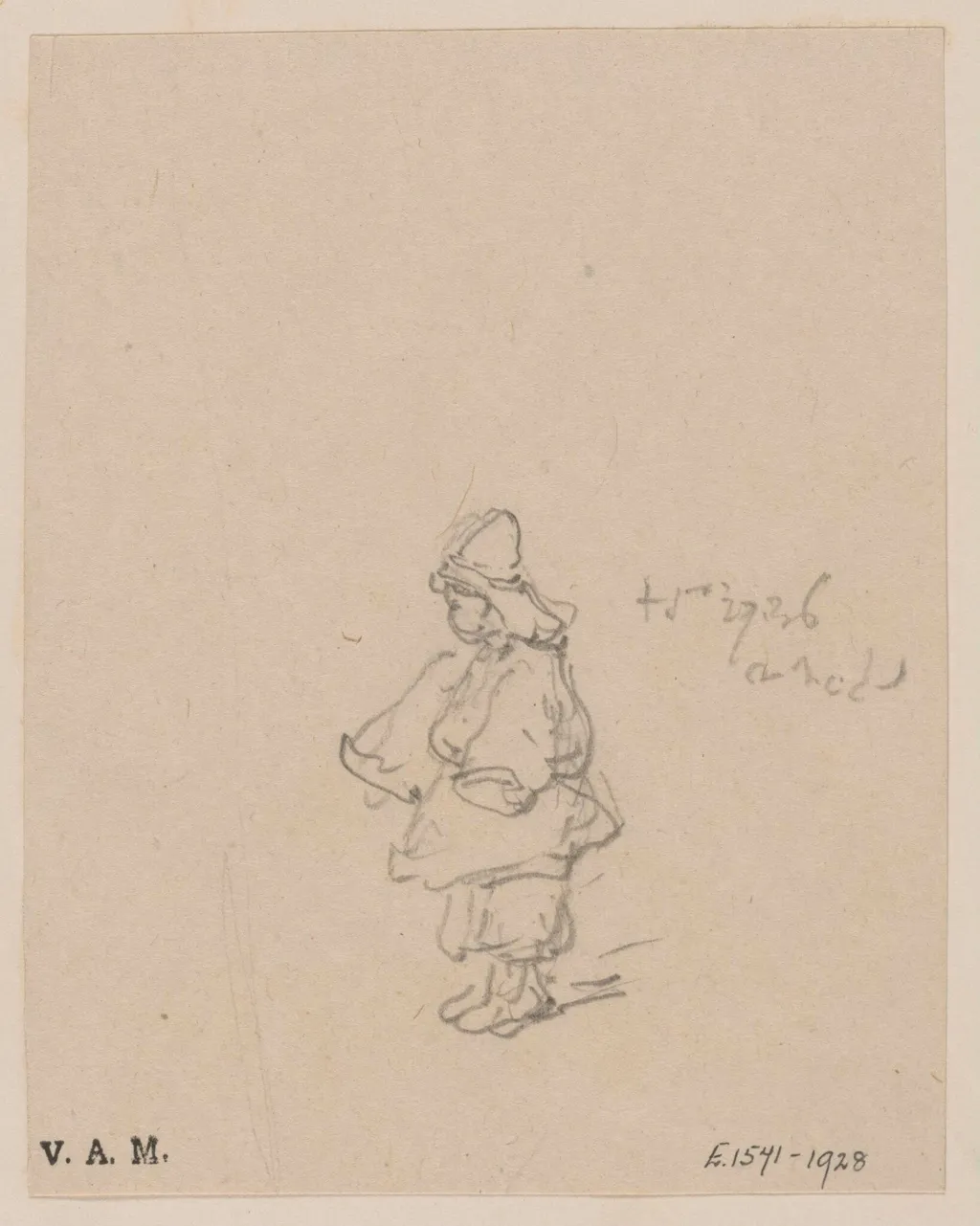
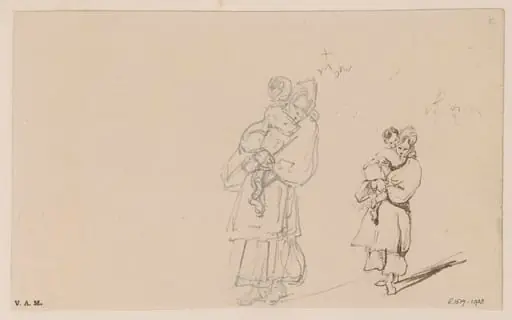
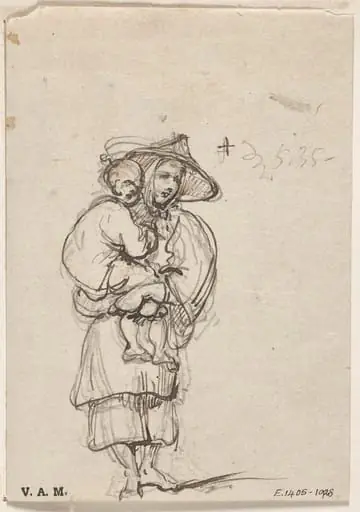
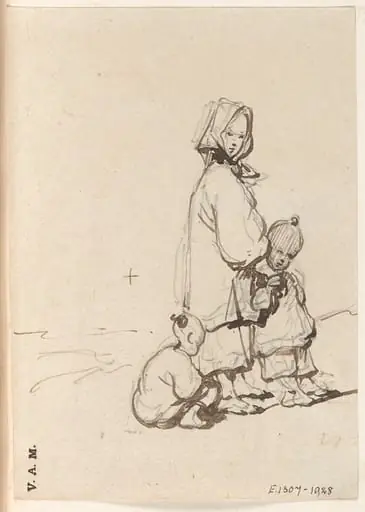
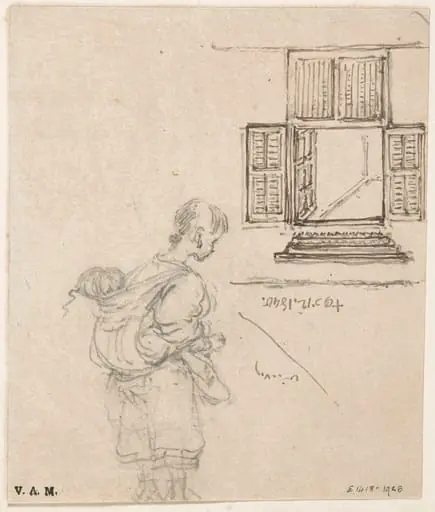
A Chinese child is a drawing by the Romanticist artist George Chinnery. It dates from 1836 and is held in the collection of the Victoria and Albert Museum. This drawing depicts a young child, identified as the offspring of a boatwoman.
About this work
Overview
This drawing depicts a young child, identified as the offspring of a boatwoman. Executed in a direct and unembellished manner, the work captures the subject with minimal detail, focusing on essential features. The simplicity of the composition suggests an observational rather than idealized approach, likely intended to document a specific individual within a particular social context.
Subject & Meaning
The subject’s identity as a boatwoman’s child situates the figure within a working-class milieu, where labor and daily life intersect.
The drawing portrays a child wearing a headscarf, a practical garment commonly used for protection against sun and wind. The scarf’s placement, covering the back of the neck, reinforces its utilitarian purpose. The subject’s identity as a boatwoman’s child situates the figure within a working-class milieu, where labor and daily life intersect. The image may reflect an interest in recording the lives of marginalized or laboring communities.
Technique & Style
Rendered in a straightforward linear style, the drawing employs minimal shading or tonal variation, emphasizing contour and outline. The artist’s approach appears economical, prioritizing clarity over decorative effect. The absence of elaborate detailing suggests a focus on immediacy, possibly executed from life or as a rapid study. The medium, though unspecified, aligns with common drawing materials such as ink or graphite.
History & Provenance
Details regarding the drawing’s creation, including its artist, date, and original purpose, remain unrecorded. Its survival as a standalone work implies it may have been part of a larger series or collection, though no such context has been established. The drawing’s current status and ownership are similarly undocumented, leaving its trajectory through private or institutional collections unclear.
Context
Drawings of this nature often emerged from travel, ethnographic, or social documentation, particularly in periods where Western artists engaged with non-European cultures. The depiction of a boatwoman’s child suggests an interest in labor roles within riverine or coastal communities. Such works could serve as visual records of daily life, though their interpretive framework depends heavily on the artist’s intent and cultural perspective.
Legacy
As an individual drawing, its influence on broader artistic trends is limited. However, works of this kind contribute to the historical understanding of how children and working-class figures were visually represented. If part of a larger body of similar studies, it may offer insights into the documentation practices of its time. Its value lies primarily in its role as a cultural artifact rather than a singular artistic achievement.
Own this work as a print
Artist & collection
Artist
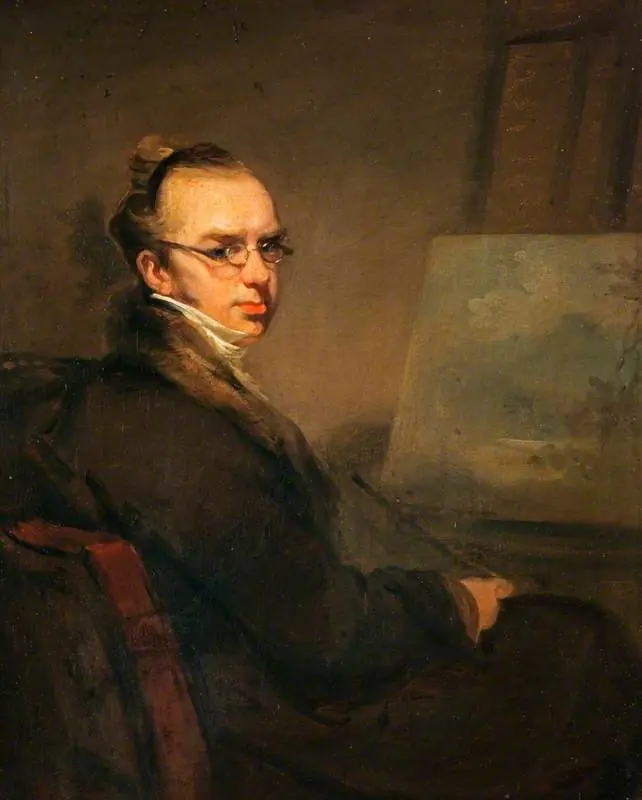
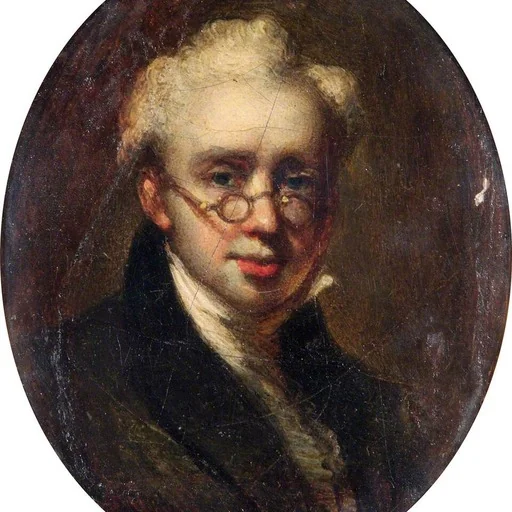
George Chinnery (Chinese: 錢納利; 5 January 1774 – 30 May 1852) was an English painter who spent most of his life in Asia, especially India and southern China.