Artwork
Portrait of Duke of Wellington (1769-1852)
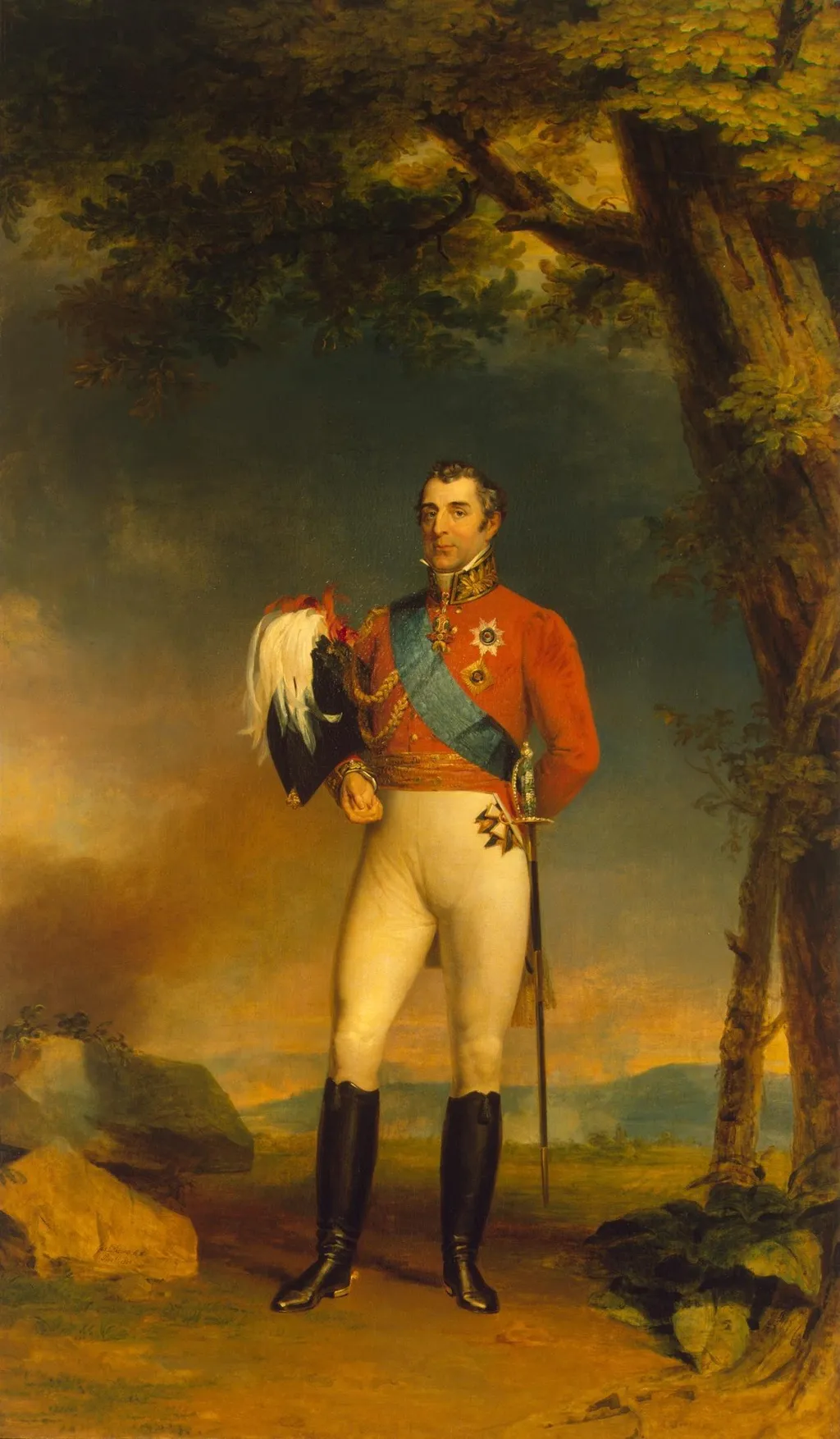
Portrait of Duke of Wellington (1769-1852) is an oil painting by the British Romanticist artist George Dawe. It dates from 1829 and is held in the collection of the Hermitage Museum.
About this work
Overview
The painting is now held in the collection of the State Hermitage Museum in Saint Petersburg, where it hangs in the 1812 War Gallery of the Winter Palace.
The Portrait of Duke of Wellington (1769-1852) is a full-length oil-on-canvas portrait painted by the British artist George Dawe in 1829, the final year of his life. Measuring 317 by 185 centimetres, the work depicts Arthur Wellesley, 1st Duke of Wellington, the celebrated field marshal who defeated Napoleon Bonaparte at the Battle of Waterloo. The painting is now held in the collection of the State Hermitage Museum in Saint Petersburg, where it hangs in the 1812 War Gallery of the Winter Palace. As one of Dawe's last major commissions, the portrait stands as a significant example of early nineteenth-century British military portraiture, combining academic finish with the romantic sensibility that characterised Dawe's approach to depicting national heroes.
Subject & Meaning
The portrait depicts Field Marshal Arthur Wellesley, 1st Duke of Wellington (1769-1852), at the height of his public stature. He is shown in full military regalia: a scarlet coat with gold embellishments, white breeches, and black knee boots, with a blue sash across his chest and star-shaped decorations pinned to his coat. In his right hand he holds a plumed hat with white and red feathers, while his left hand rests behind his back and a sword hangs at his left side. This presentation deliberately conveys his dual identity as both active military commander and statesman. The insignia, medals, and sash function not merely as decoration but as visual records of rank and achievement, signalling his field marshal's status and his victories during the Peninsular Campaign and at Waterloo. The overall effect is one of controlled authority and readiness, presenting Wellington as the embodiment of British military prestige at a moment when Britain sought to celebrate and consolidate its heroic narratives following the Napoleonic Wars.
Technique & Style
Dawe executed the portrait in oil on canvas, employing a technique that varies its finish across the pictorial surface. The figure of Wellington is rendered with smooth, highly finished brushwork that produces an enamel-like quality typical of academic portraiture, while the landscape and foliage are handled more loosely. Light falls from the left, illuminating the figure and creating soft shadows that model his form against the background. The palette is dominated by warm earth tones, scarlet, deep green, and golden light, with amber tones near the horizon shifting to darker grey-green in the upper sky. This combination of precise figural rendering with a more atmospheric treatment of setting reflects Dawe's characteristic fusion of realism with romantic elements, a style that distinguished his portraits from more idealised contemporary representations.
History & Provenance
The portrait was commissioned in 1829, during a period when Britain actively promoted the image of its military heroes. The work was acquired for the collection that would form the 1812 War Gallery in the Winter Palace, Saint Petersburg, where it remains today. The Hermitage Museum's accession records document its presence in this dedicated gallery space, which commemorates the Patriotic War of 1812 and the allied campaign against Napoleon. The painting's provenance thus reflects the international diplomatic and cultural significance of Wellington's image in the decade following Waterloo, as Russian and British interests aligned in celebrating the defeat of French imperial ambitions.
Context
George Dawe (1781-1829) established his reputation as a portrait painter through works that captured both the physical presence and the public significance of his sitters. His 1829 portrait of Wellington emerged at a cultural moment when military portraiture served explicit political functions, reinforcing national identity and confidence in the aftermath of prolonged warfare. The painting's placement in the Winter Palace's 1812 War Gallery underscores this transnational dimension: Wellington's image was claimed not only by Britain but by the broader coalition that had opposed Napoleon. Critical and scholarly attention to the work has focused on Dawe's distinctive ability to balance psychological depth with the ceremonial requirements of official portraiture, avoiding both empty idealisation and mere documentary recording. The portrait thus occupies an important position in the history of early nineteenth-century European portraiture, demonstrating how individual likeness could be made to carry collective national meaning.
Legacy
The portrait has sustained its significance as a historical document and as a representation of British national identity, embodying values of courage and leadership that continued to resonate in public memory. Wellington's cultural afterlife extended beyond painted portraiture into broader popular recognition, most notably in the Wellington boot, a practical calf-length leather boot named after him that became standard British outdoor and hunting wear in the early nineteenth century and later evolved into the rubberised form still known by his name. Within art history, Dawe's approach to Wellington's portrait has been recognised for setting a standard in military portraiture that subsequent artists would respond to, particularly in the balance between realistic characterisation and the symbolic requirements of depicting national heroes. The painting's continued display in the Hermitage Museum's 1812 War Gallery ensures its ongoing role in shaping international understanding of this pivotal figure and era.
Artist & collection
Artist
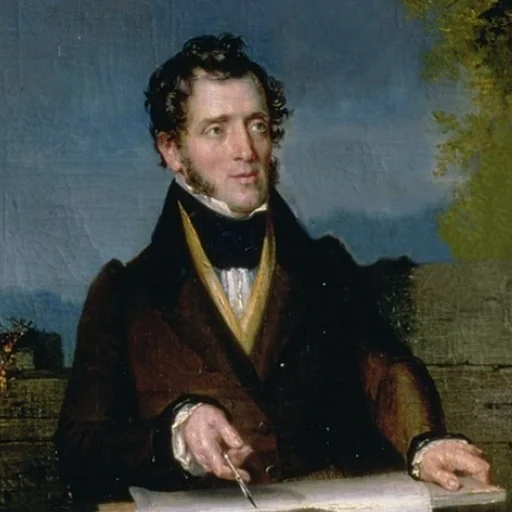
George Dawe (6 February 1781 – 15 October 1829) was an English portraitist who painted 329 portraits of Russian generals active during Napoleon's invasion of Russia for the Military Gallery of the Winter Palace.

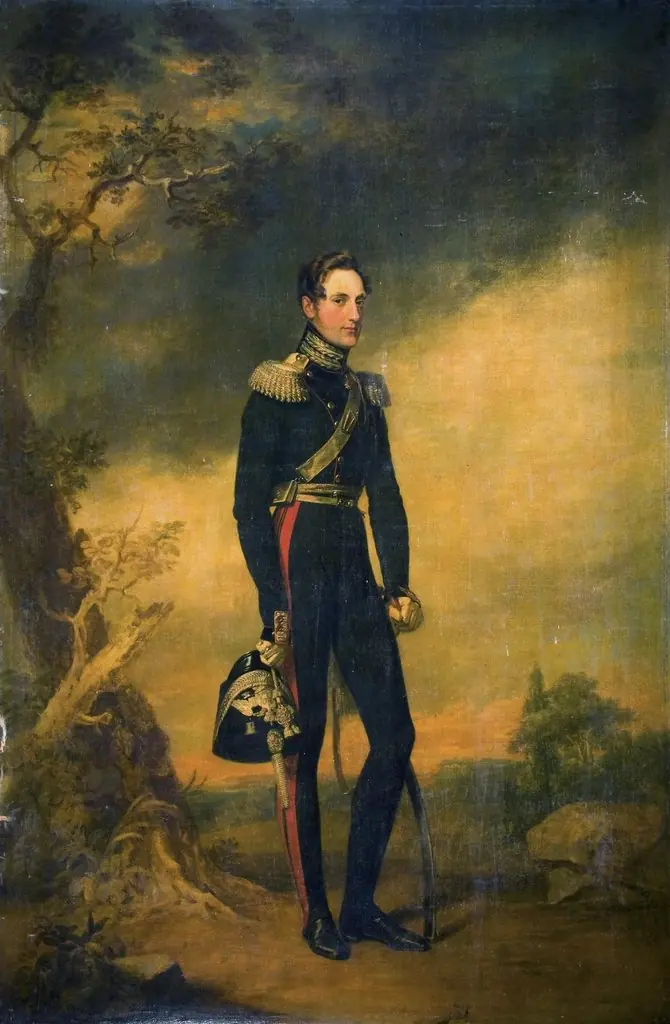 Portrait of Grand Duke Nikolai Pavlovich
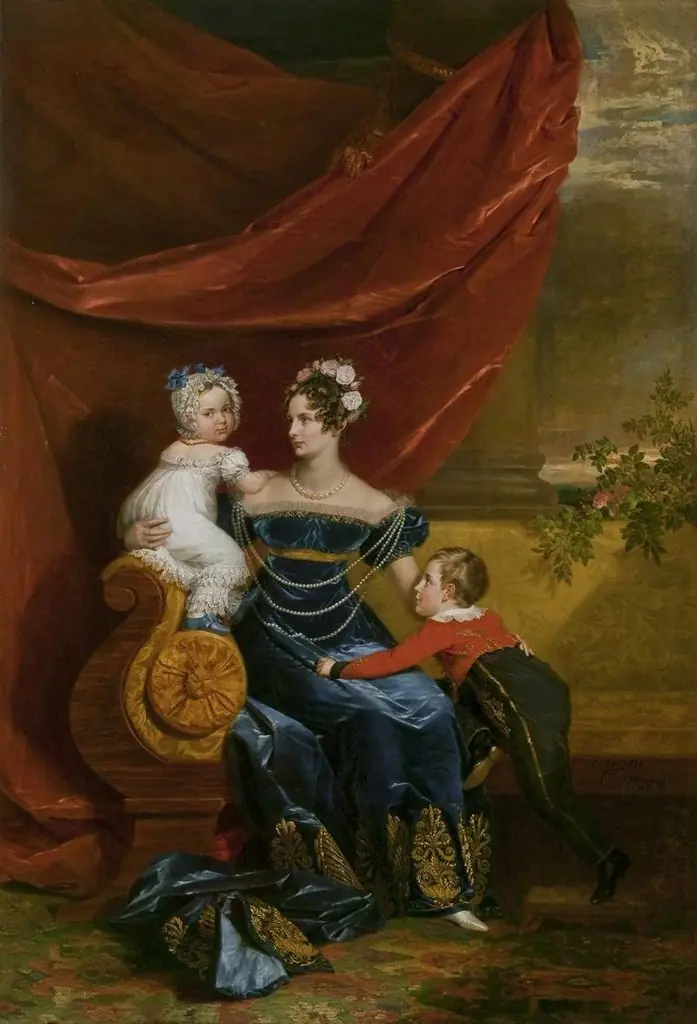 Portrait of Grand Duchess Alexandra Fiodorovna with Children
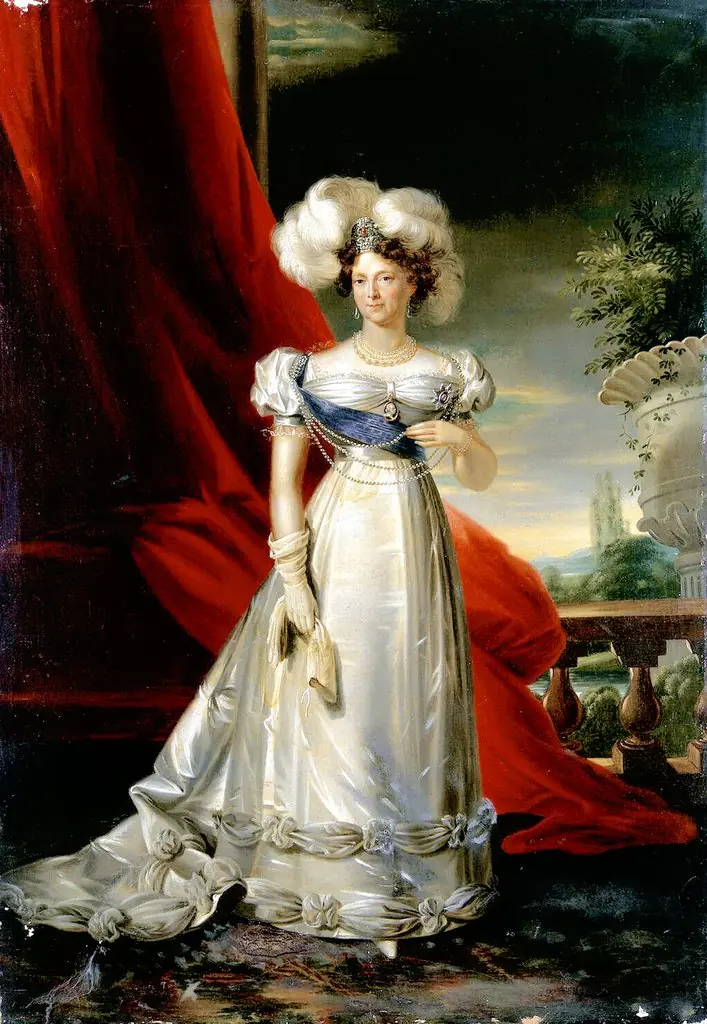 Portrait of the Empress Dowager Maria Feodorovna
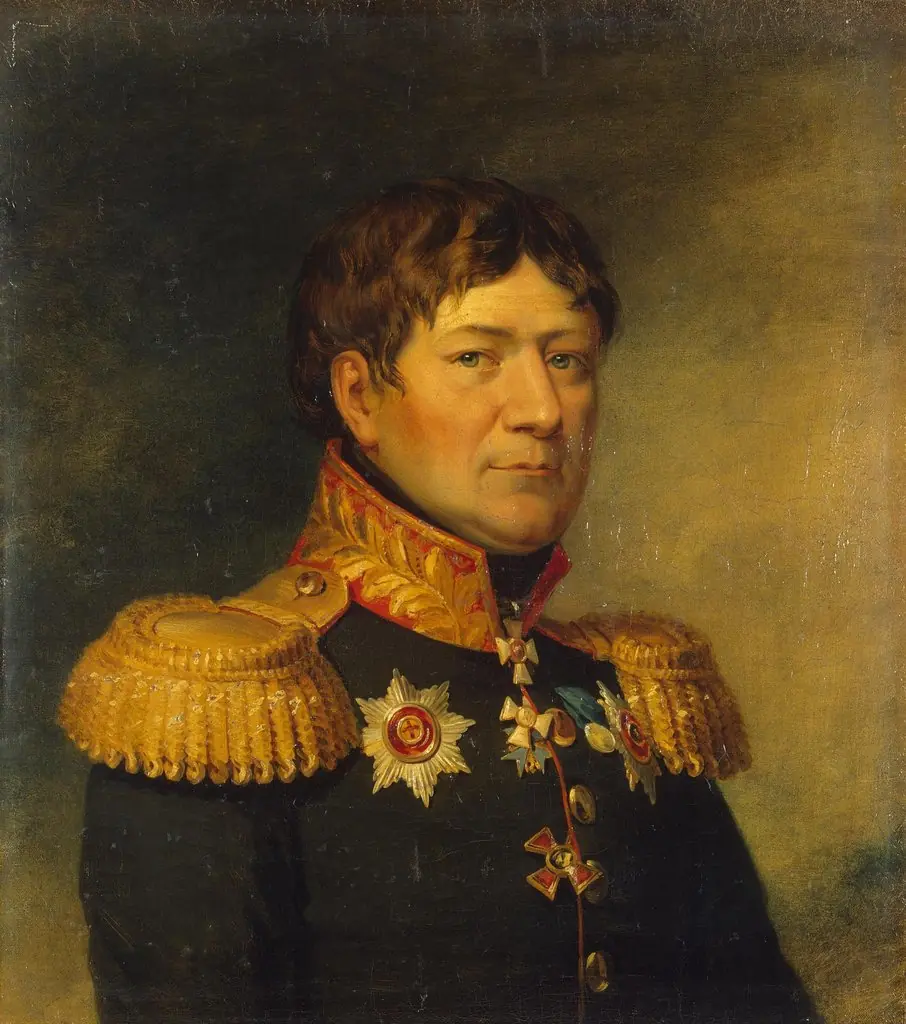 Portrait of Yegor M. Pillar (1767-1830)
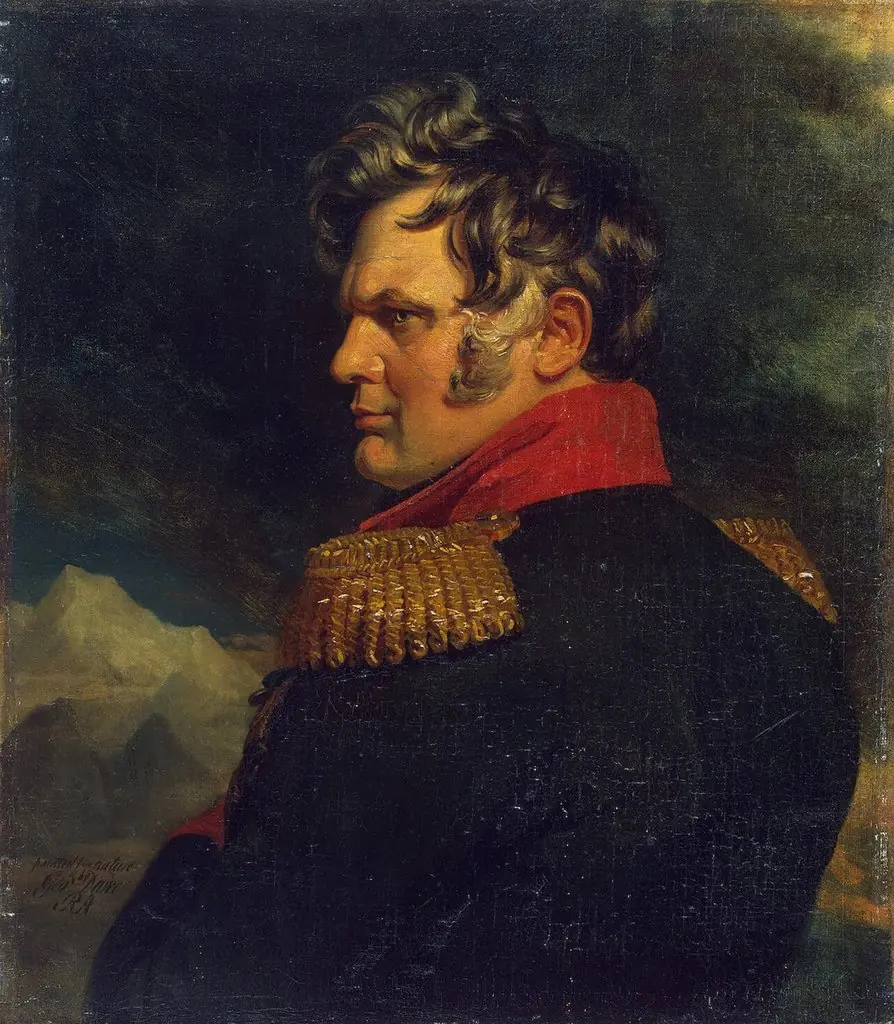 Portrait of Alexei P. Yermolov (1772/77-1861)
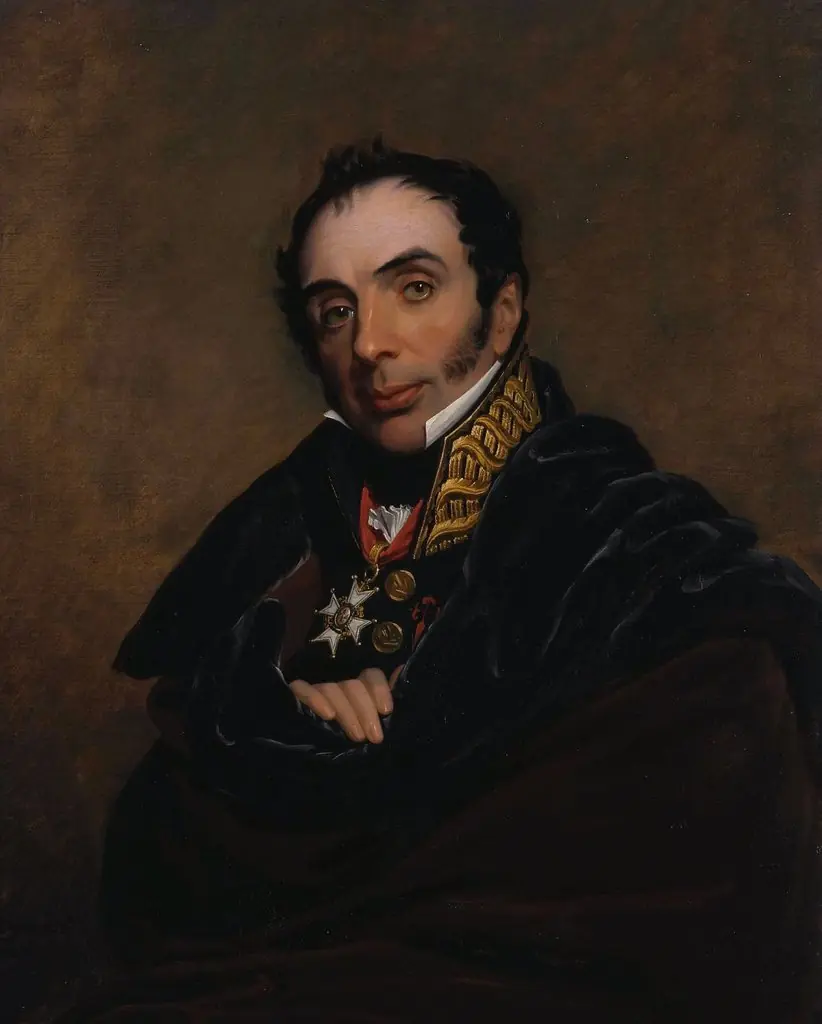 Portrait of Miguel Ricardo de Alava
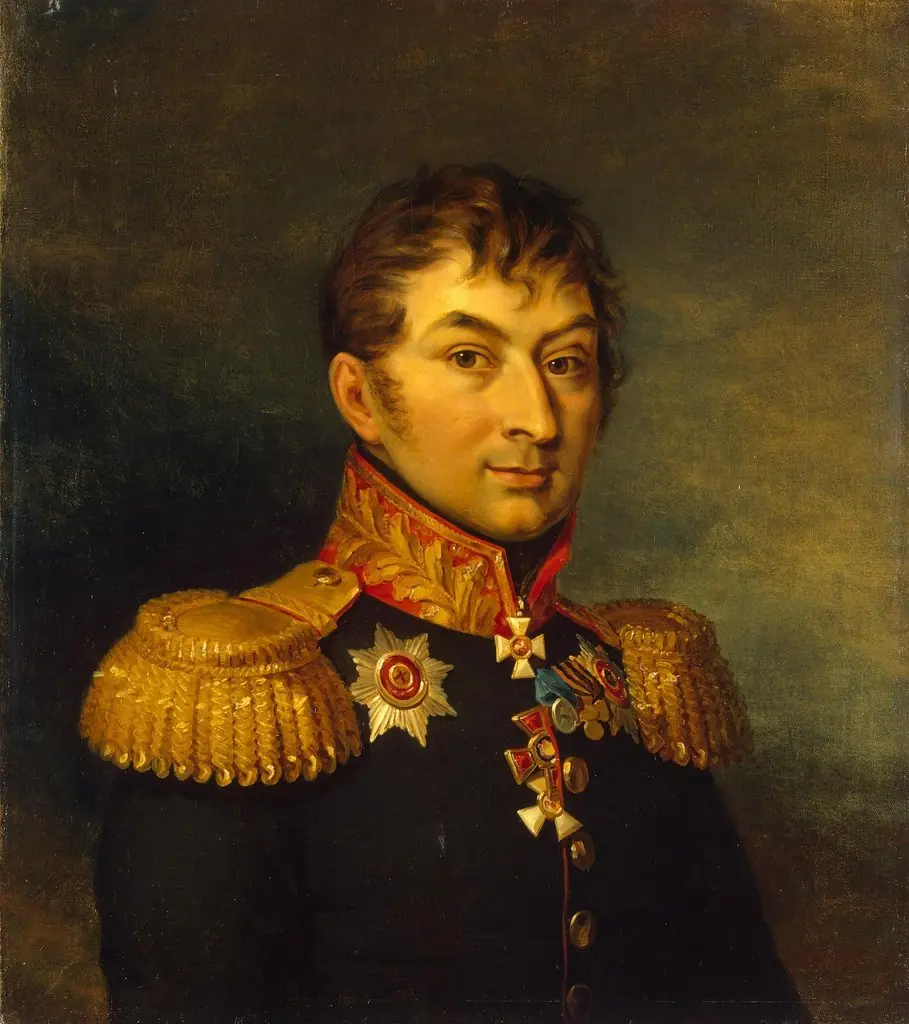 Portrait of Ivan D. Panchulidzev (1759-1815) (1st)
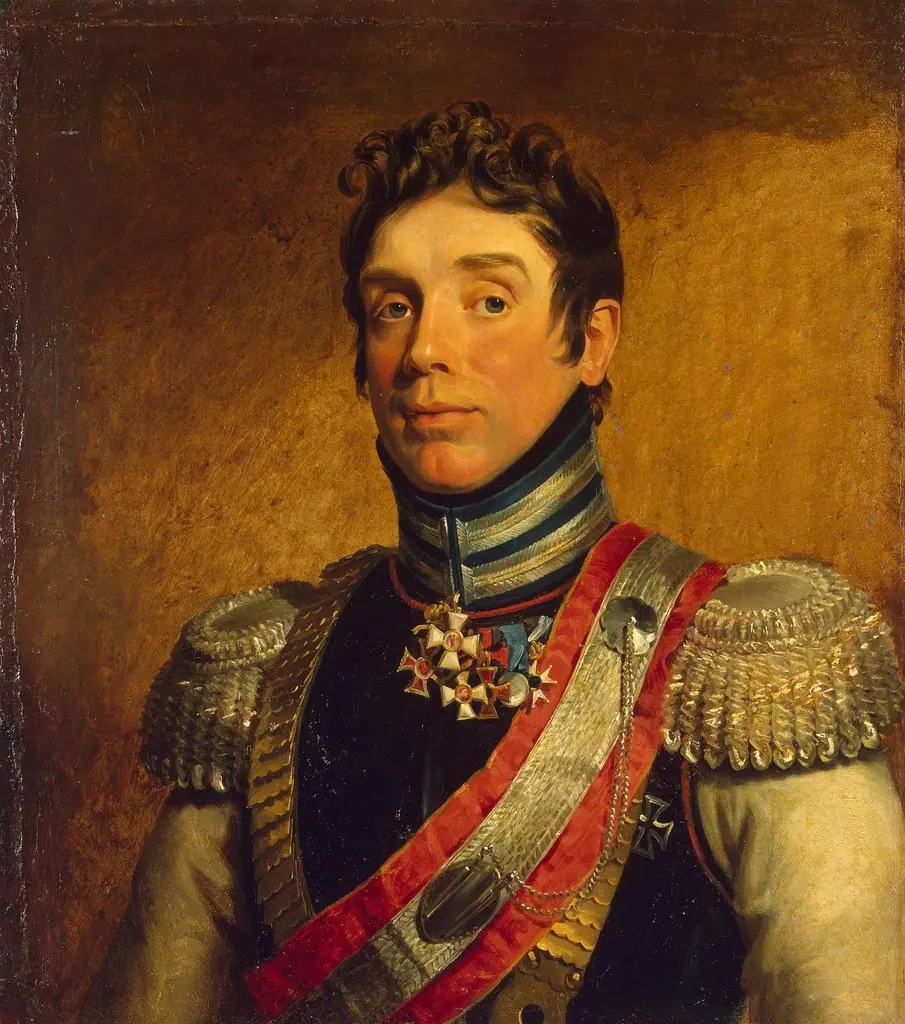 Portrait of Karl V. Budberg (1774-1829)
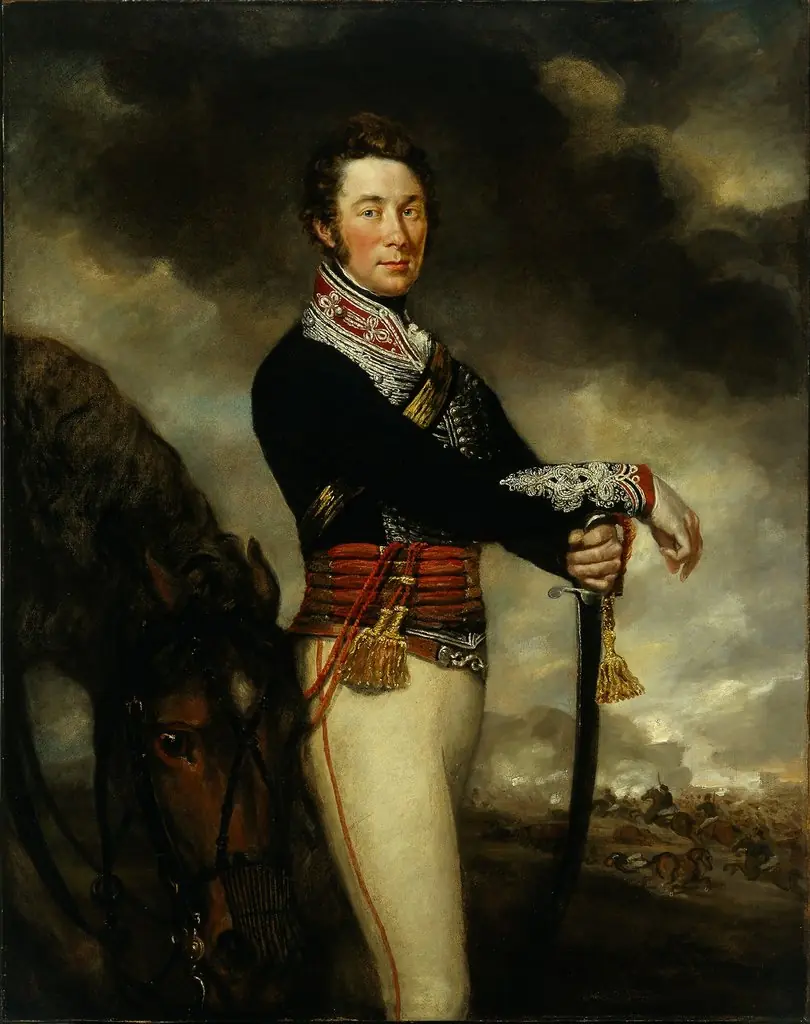 Captain Peter Hawker of the 14th Light Dragoons
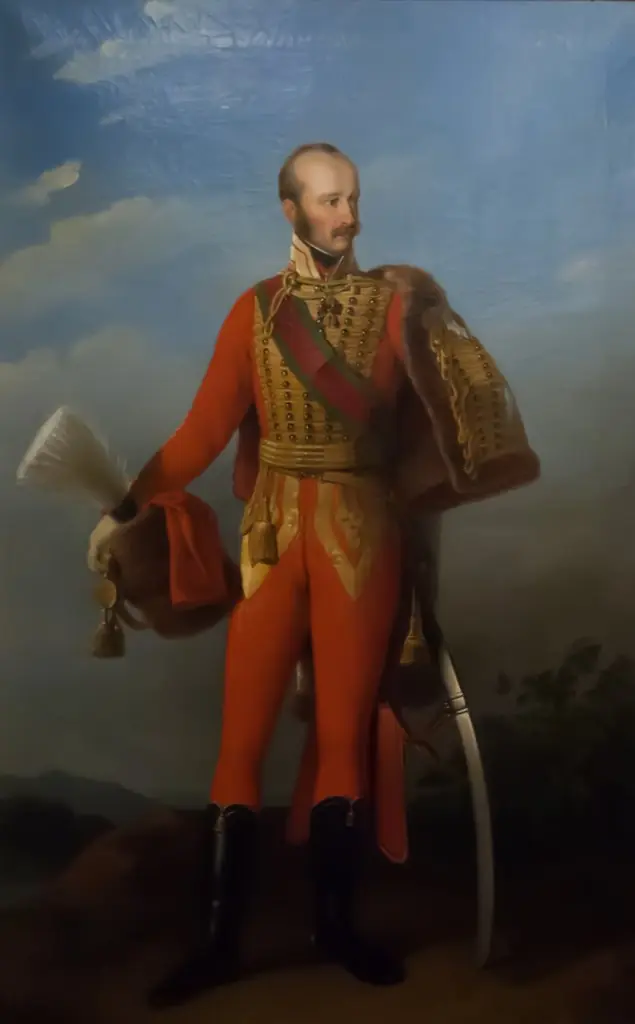 Porträt des Archduke Joseph, Palatine of Hungary (1776-1847)
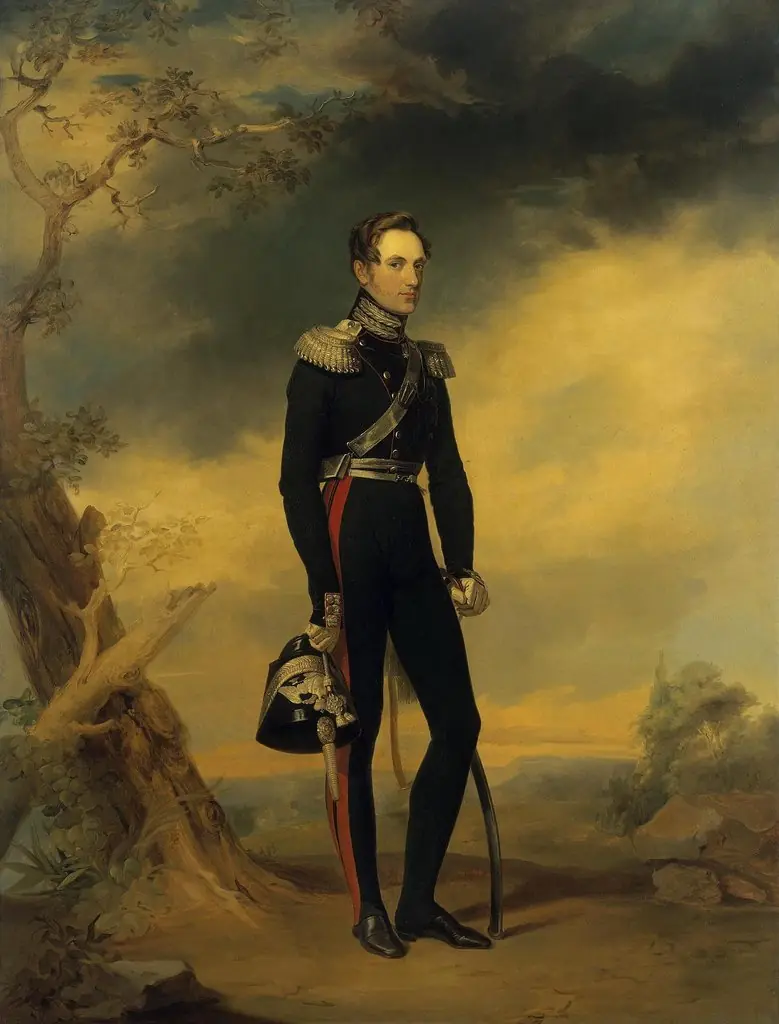 Portrait of Grand Duke Nikolai Pavlovich
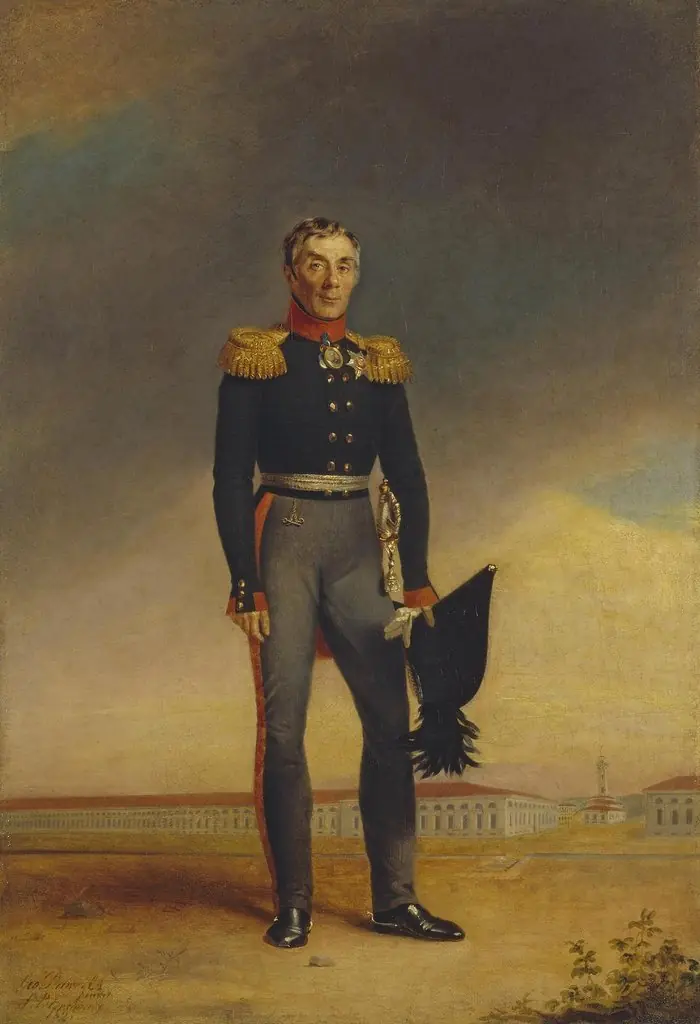 Portrait of Count Alexey Arakcheyev
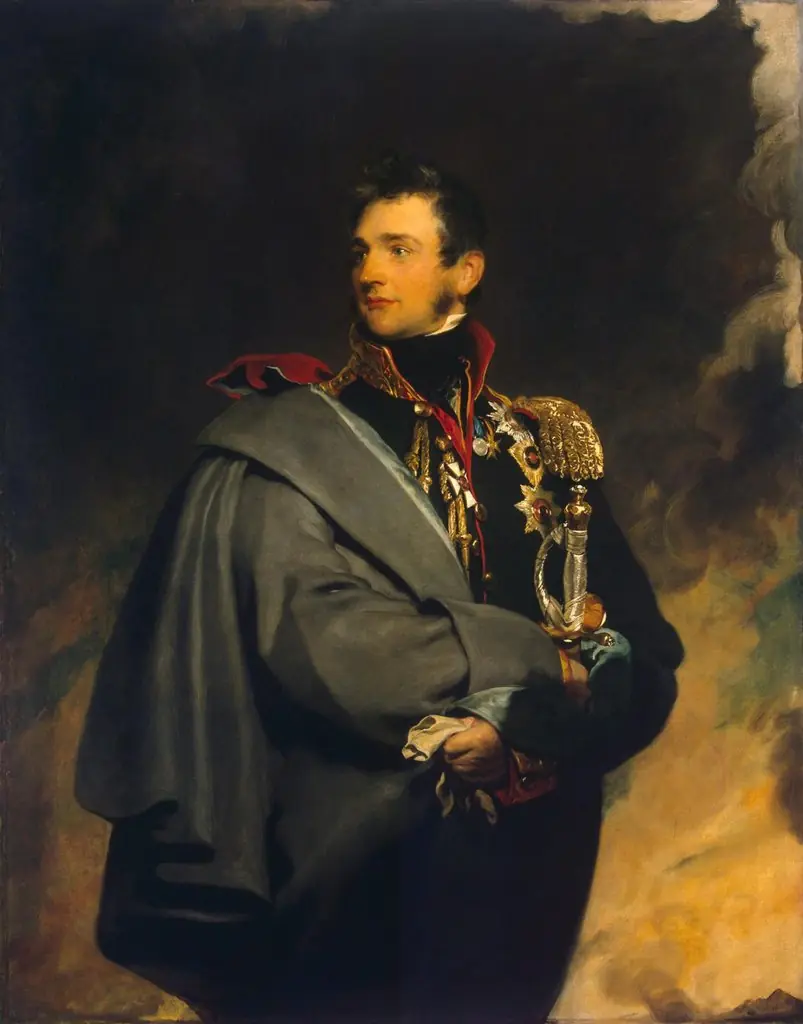 Portrait of Count Mikhail S. Vorontsov (1782-1856)
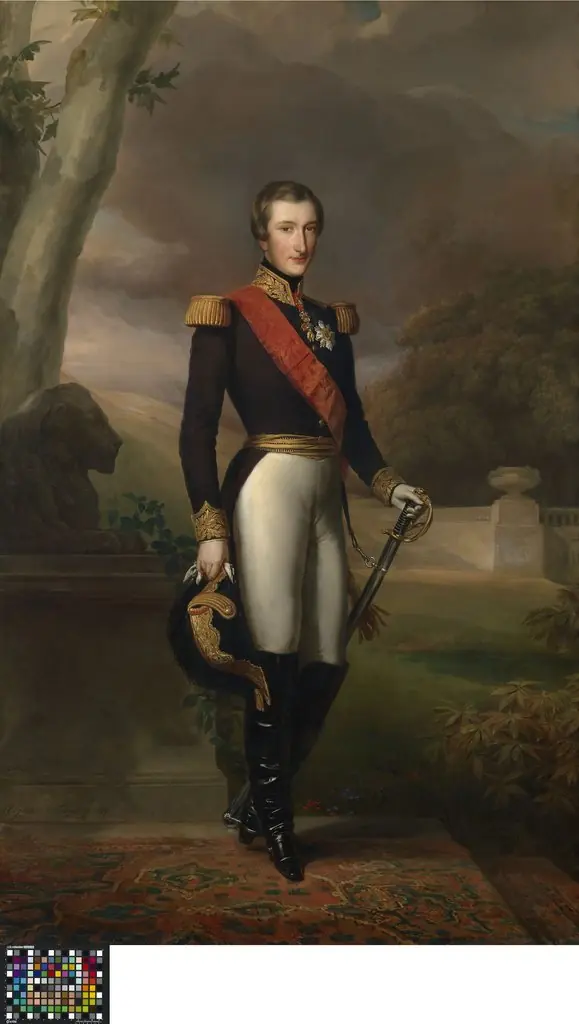 Portret van Leopold II, koning der Belgen, als hertog van Brabant
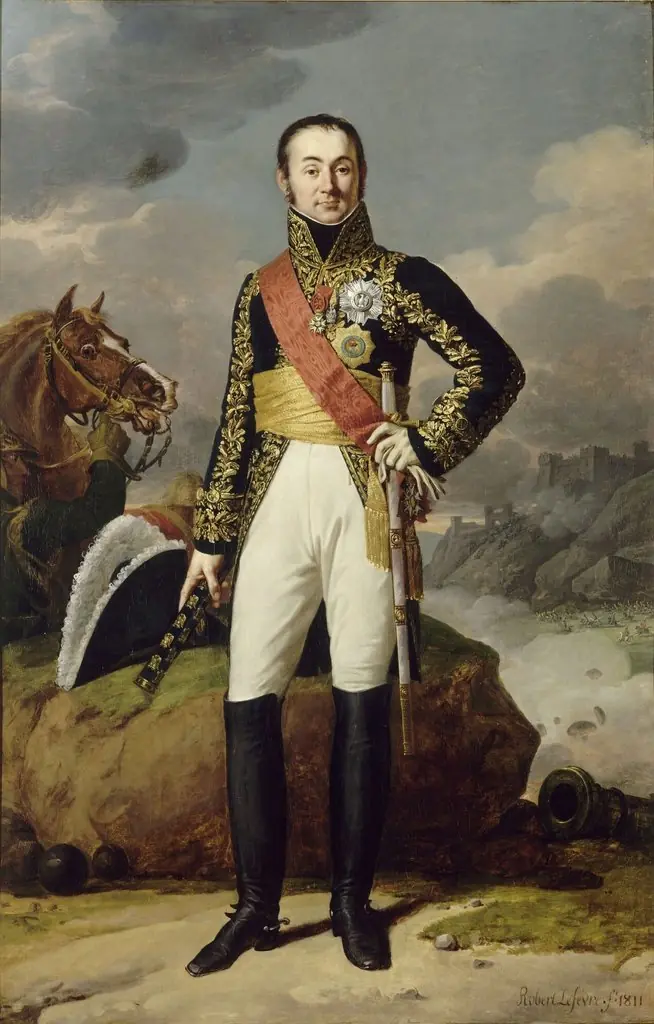 Nicolas-Charles Oudinot, Duke of Reggio, Marshal of France (1767-1847)
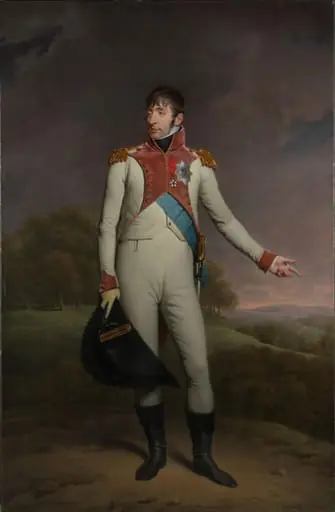 Portrait of Louis Napoleon, King of Holland
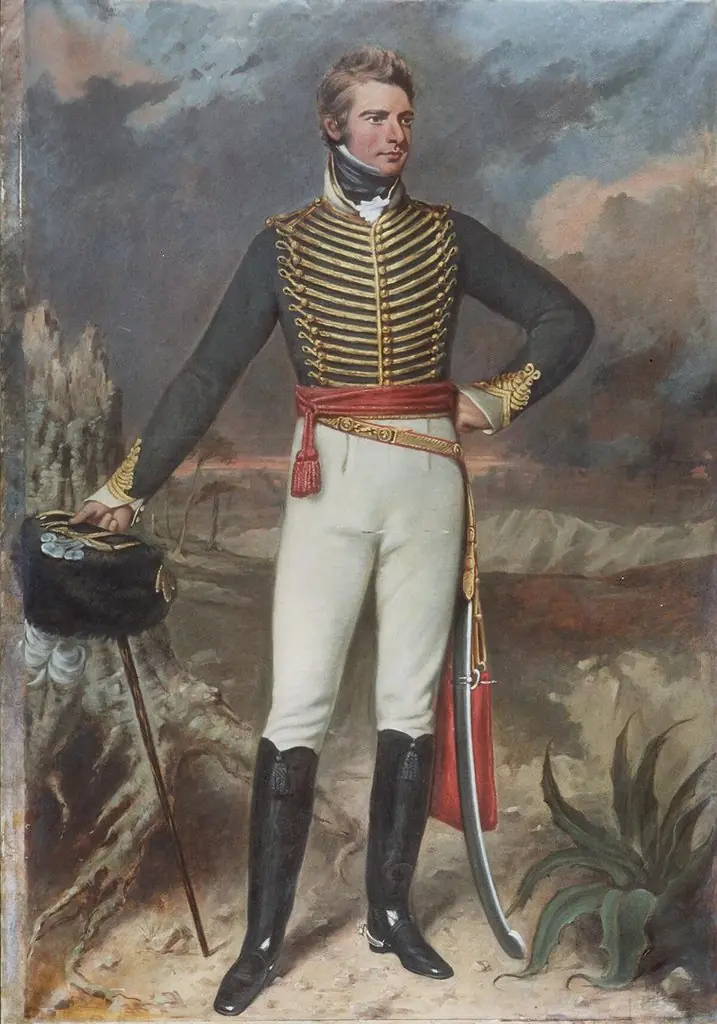 Henry Seymour