Artwork
Portrait of Miguel Ricardo de Alava
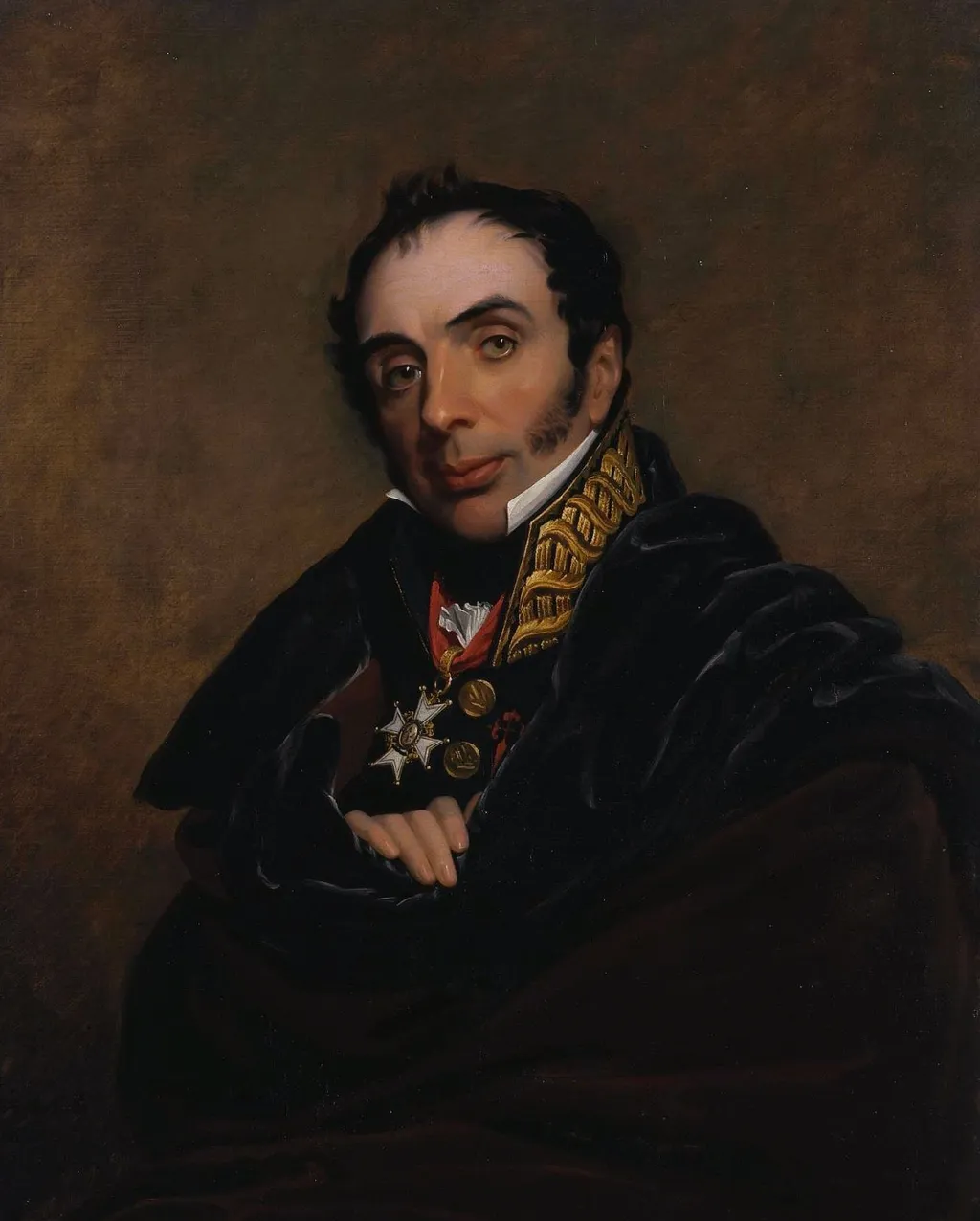
Portrait of Miguel Ricardo de Alava is an oil painting by the British Romanticist artist George Dawe. It dates from 1818 and is held in the collection of the Hermitage Museum.
About this work
Overview
5 cm in width, the work is a half-length depiction of the Spanish general and statesman Miguel Ricardo de Alava y Esquivel.
The Portrait of Miguel Ricardo de Alava is an oil painting on canvas executed by the English artist George Dawe in 1818. Measuring 91 cm in height and 71.5 cm in width, the work is a half-length depiction of the Spanish general and statesman Miguel Ricardo de Alava y Esquivel. The painting is held in the Hermitage Museum in Saint Petersburg, Russia. It stands as a significant record of a prominent military figure who uniquely witnessed both the Battle of Trafalgar and the Battle of Waterloo, captured by a portraitist renowned for his depictions of European military elites.
Subject & Meaning
The painting depicts Miguel Ricardo de Alava, a Spanish general who served as Prime Minister of Spain in 1835, though he is perhaps best known for his unique military distinction. He fought against the British at the Battle of Trafalgar as a marine aboard the Santa Ana, and later fought alongside them as an aide-de-camp to the Duke of Wellington at the Battle of Waterloo. The portrait conveys the gravity of his career through his formal military attire and the decorations on his chest, which include a star-shaped medal on a red ribbon alongside round medallions. These elements function as visual markers of his high rank and international military service. His expression carries a complex psychological weight, combining an air of quiet dignity with a subtle melancholy or weariness that suggests the burdens of his extensive military and political responsibilities.
Technique & Style
Dawe rendered the portrait in oil paint on canvas, employing a smooth and controlled brushwork that prioritizes careful modeling, particularly in the realistic articulation of the subject's facial features, skin texture, and hand. The composition is a three-quarter pose with the sitter positioned slightly off-center, creating a dynamic asymmetry. A dark blue or black cloak drapes across his shoulders and left arm, its folds modeled to convey volume and weight, while an elaborate gold-embroidered collar on his black military coat provides a striking textural contrast. The palette is dominated by deep browns, blacks, and gold, punctuated by touches of red and white. Light falls from the left, softly illuminating the sitter's face, gold collar, and resting right hand, while the lower right of the composition dissolves into shadow, heightening the overall sense of solemnity and gravitas.
History & Provenance
Created circa 1818, likely in Brussels, the portrait predates Dawe's permanent relocation to Russia in 1819. The painting eventually entered the collection of the Hermitage Museum in Saint Petersburg, where it remains today. Its presence in the Hermitage aligns with the museum's vast holdings of Dawe's work, which largely consist of the portraits of Russian generals he painted for the Military Gallery of the Winter Palace. The specific chain of ownership that brought this portrait of a Spanish general into the imperial Russian collection is not detailed in the available records, though the painting's execution coincides with the period just before Dawe received his pivotal commission from Alexander I.
Context
George Dawe painted this work during a pivotal transition in his career. Having established his early reputation with classical subjects, he shifted to the more lucrative field of portraiture, gaining the patronage of the Duke and Duchess of Kent. In 1819, the year following this portrait, Dawe traveled with the Duke of Kent through Europe, where his depictions of military staff and diplomats brought him to the attention of Alexander I. This led to his massive commission to paint over 300 portraits of Russian generals for the Winter Palace, a project that made him a celebrity in Europe and earned him the title of First Portrait Painter of the Imperial Court. The Alava portrait reflects this milieu of European military leadership that defined Dawe's most famous output, even though Alava himself was a Spanish diplomat and general rather than a Russian officer.
Own this work as a print
Artist & collection
Artist
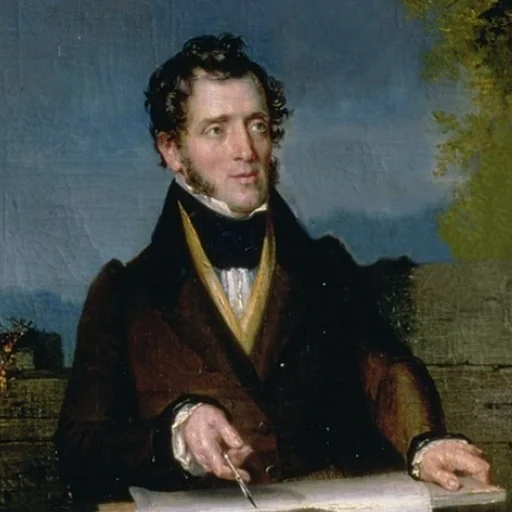
George Dawe (6 February 1781 – 15 October 1829) was an English portraitist who painted 329 portraits of Russian generals active during Napoleon's invasion of Russia for the Military Gallery of the Winter Palace.

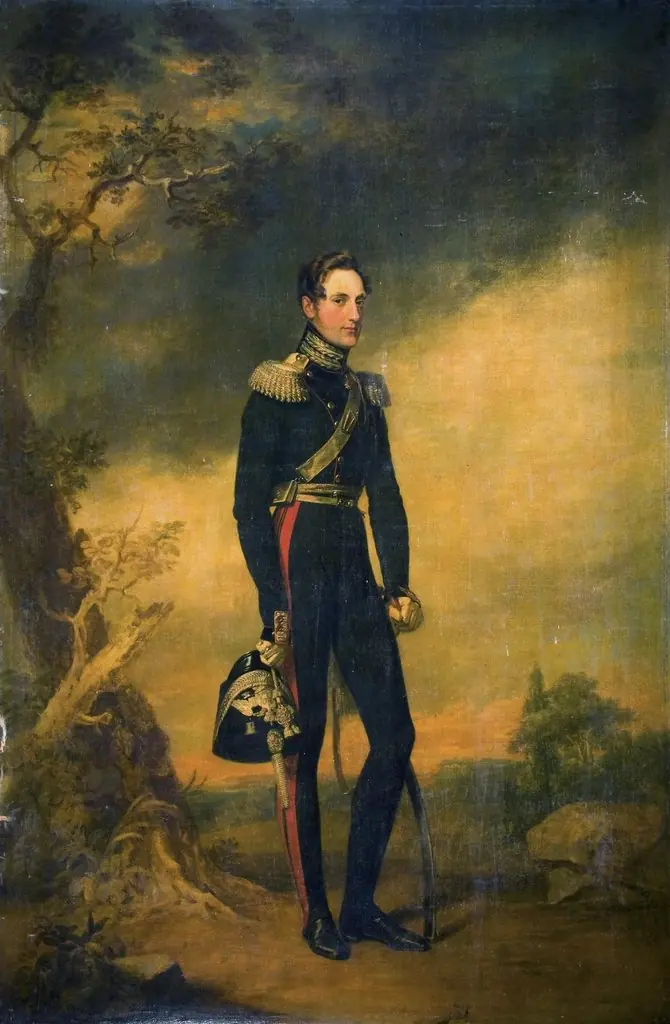 Portrait of Grand Duke Nikolai Pavlovich
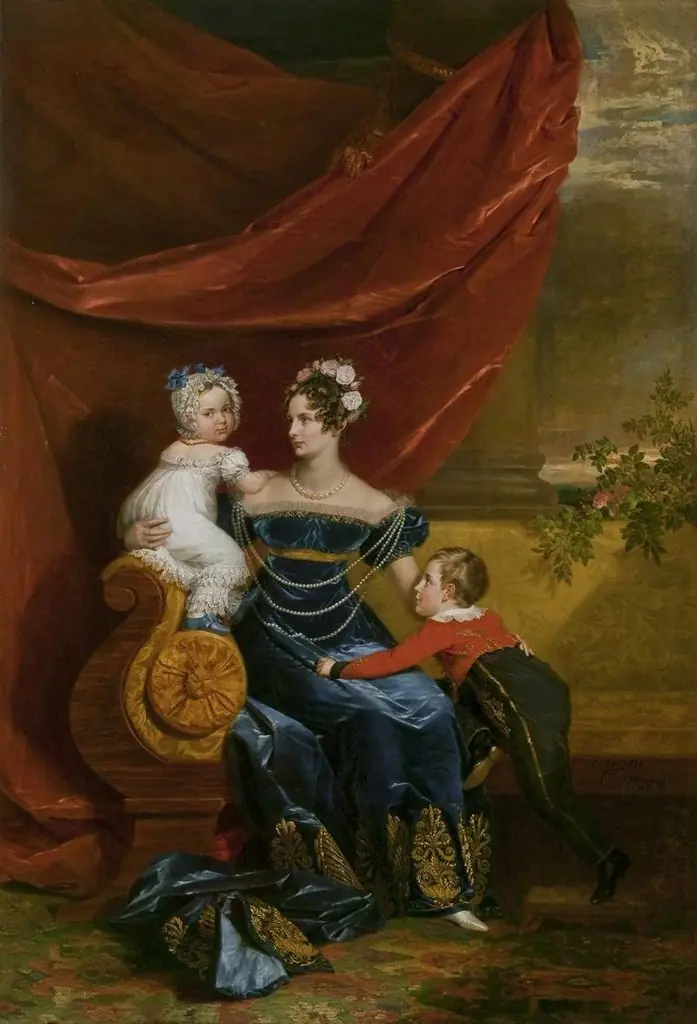 Portrait of Grand Duchess Alexandra Fiodorovna with Children
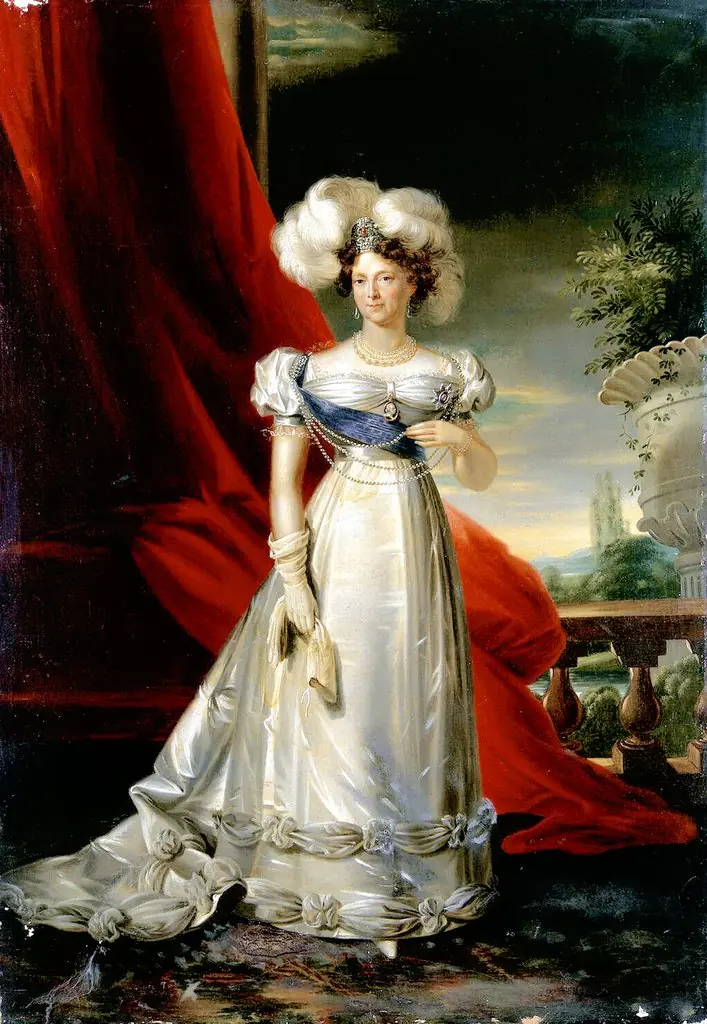 Portrait of the Empress Dowager Maria Feodorovna
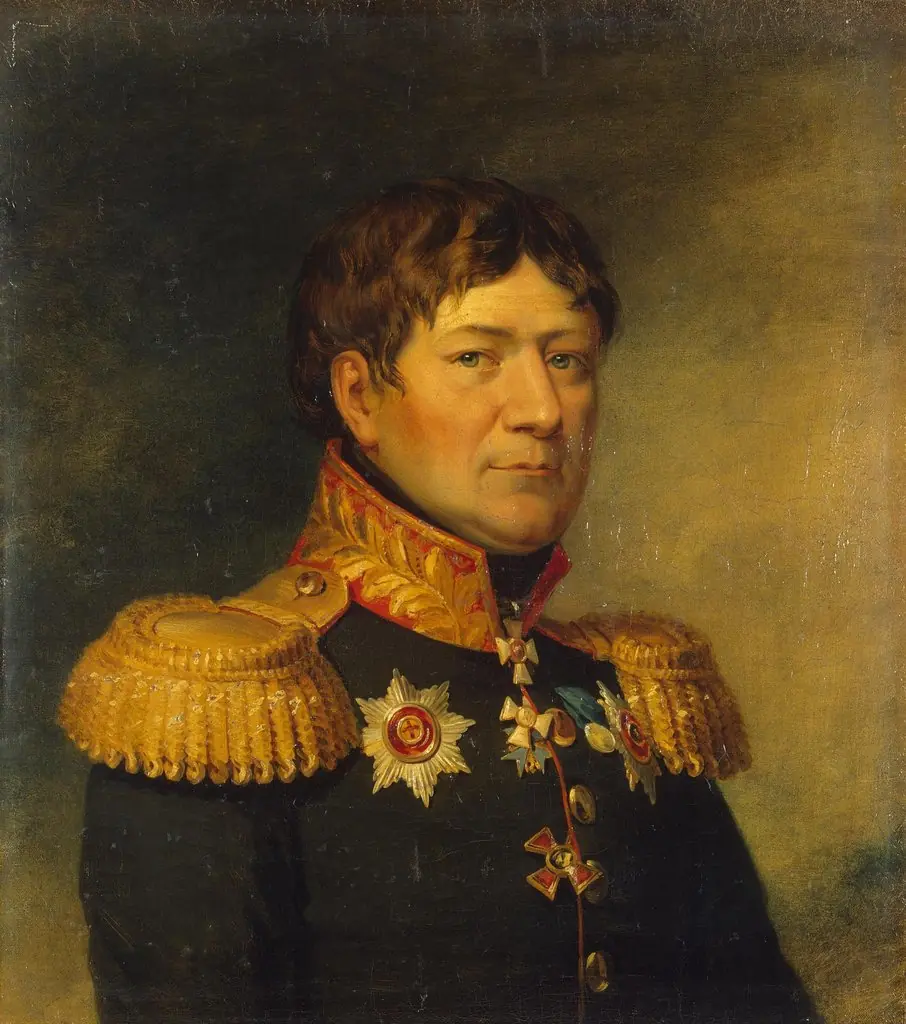 Portrait of Yegor M. Pillar (1767-1830)
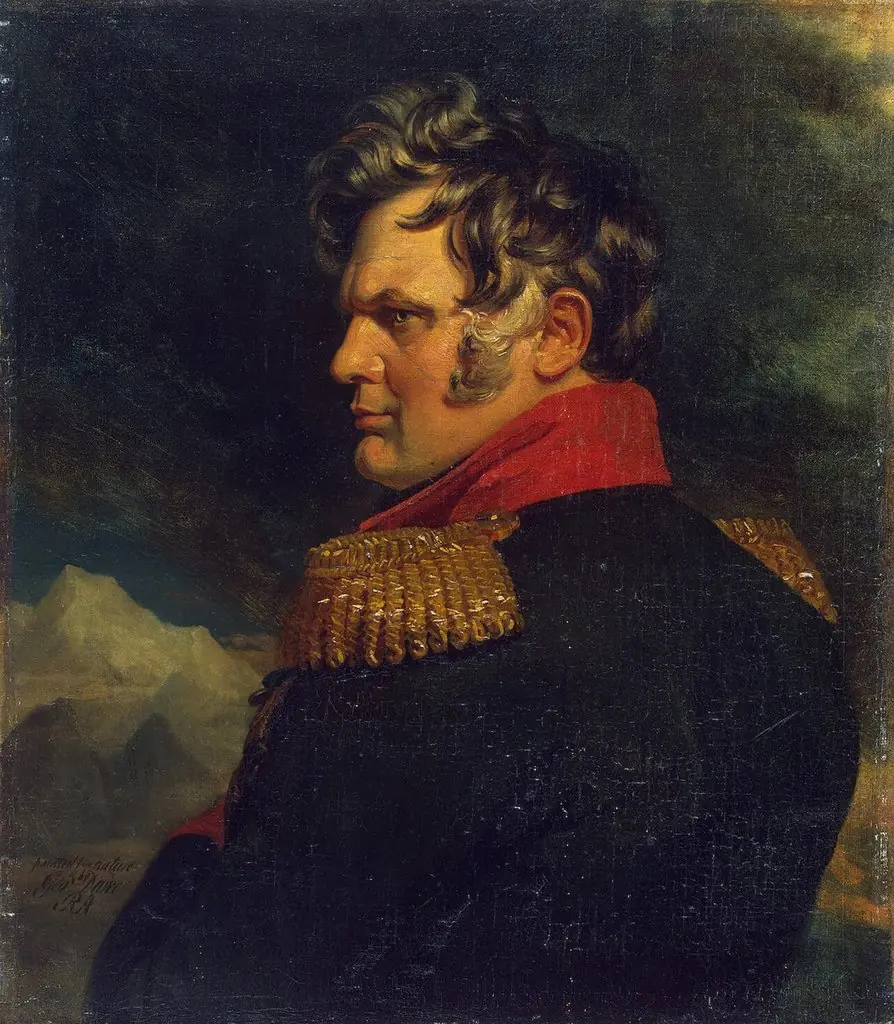 Portrait of Alexei P. Yermolov (1772/77-1861)
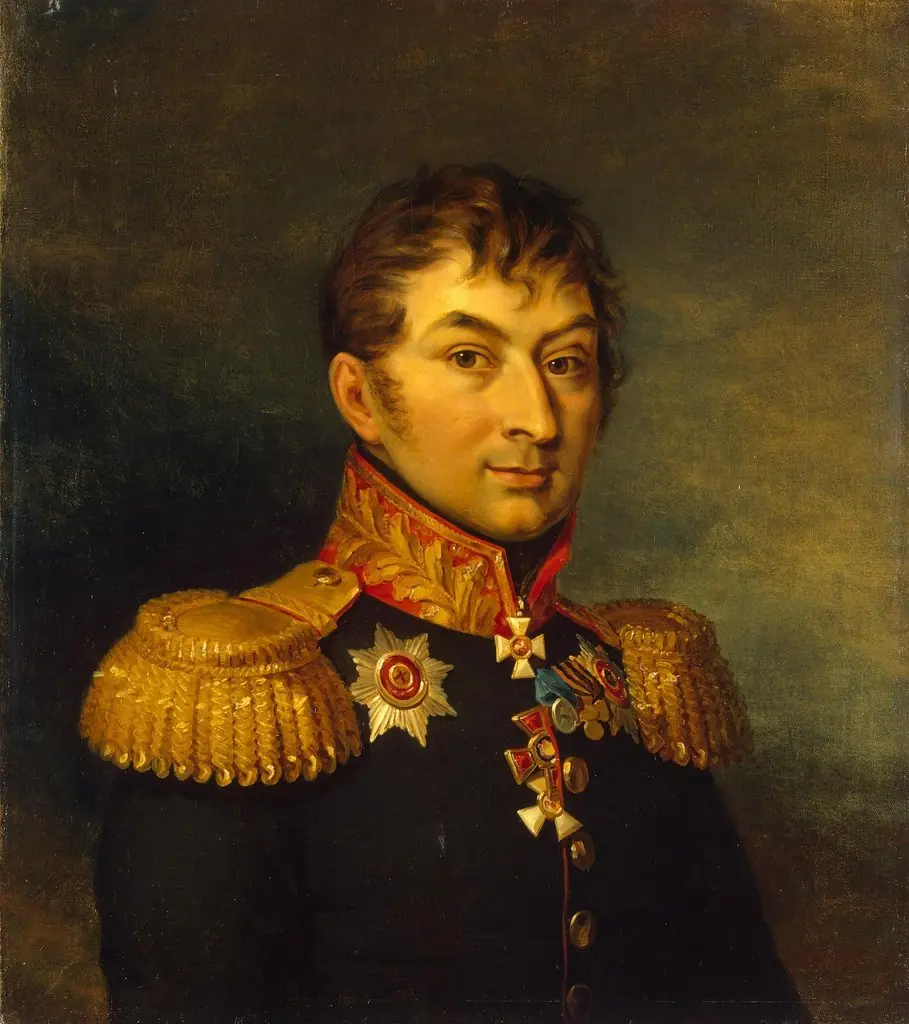 Portrait of Ivan D. Panchulidzev (1759-1815) (1st)
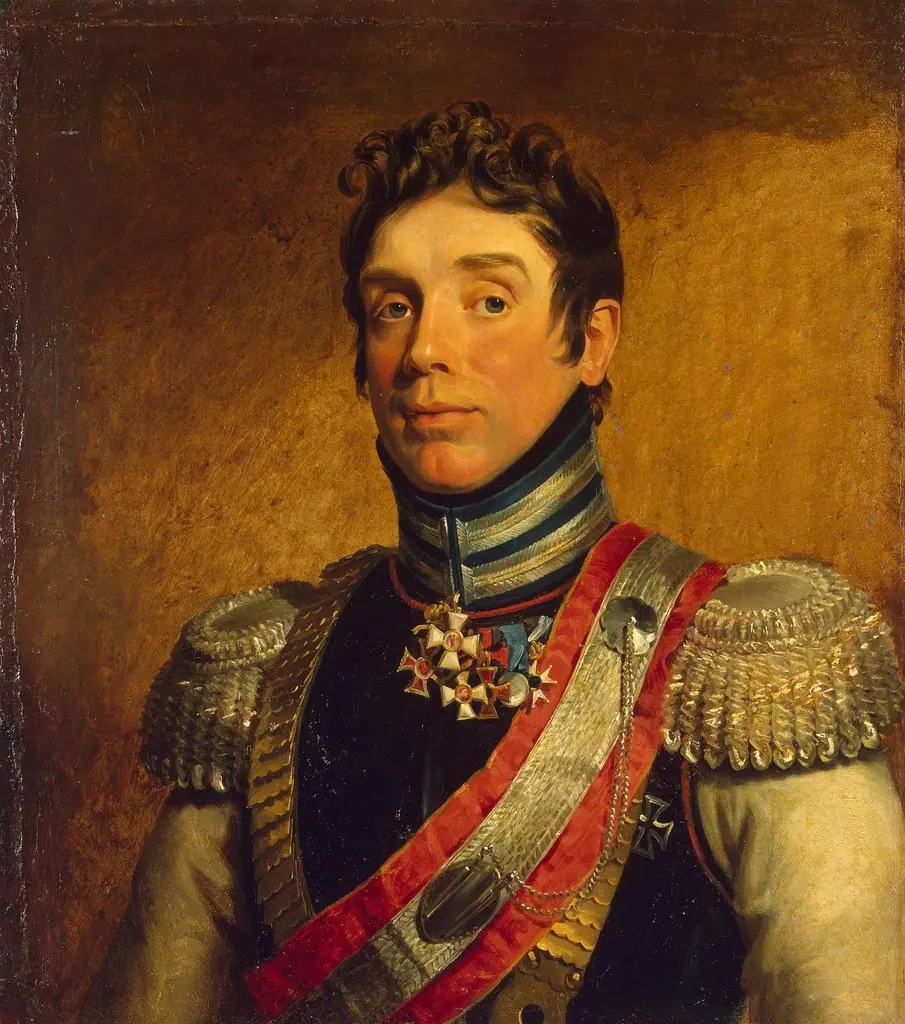 Portrait of Karl V. Budberg (1774-1829)
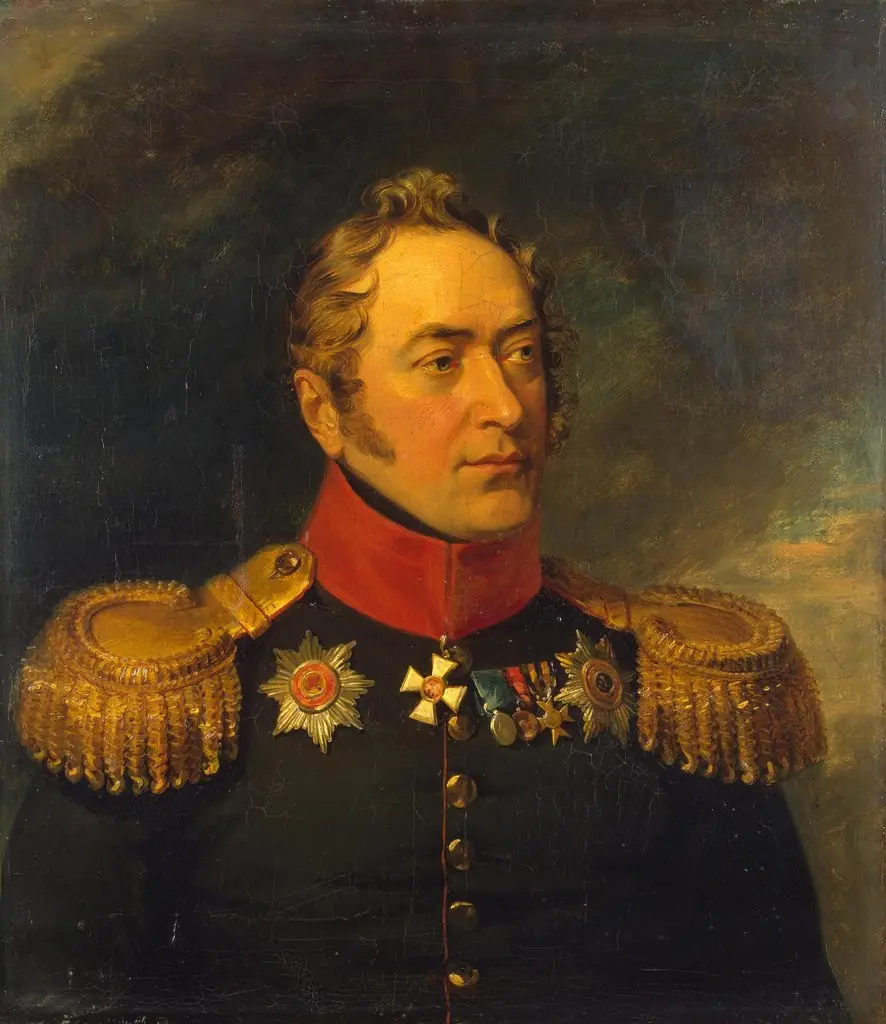 Portrait of Nikolai N. Khovansky (1777-1837)
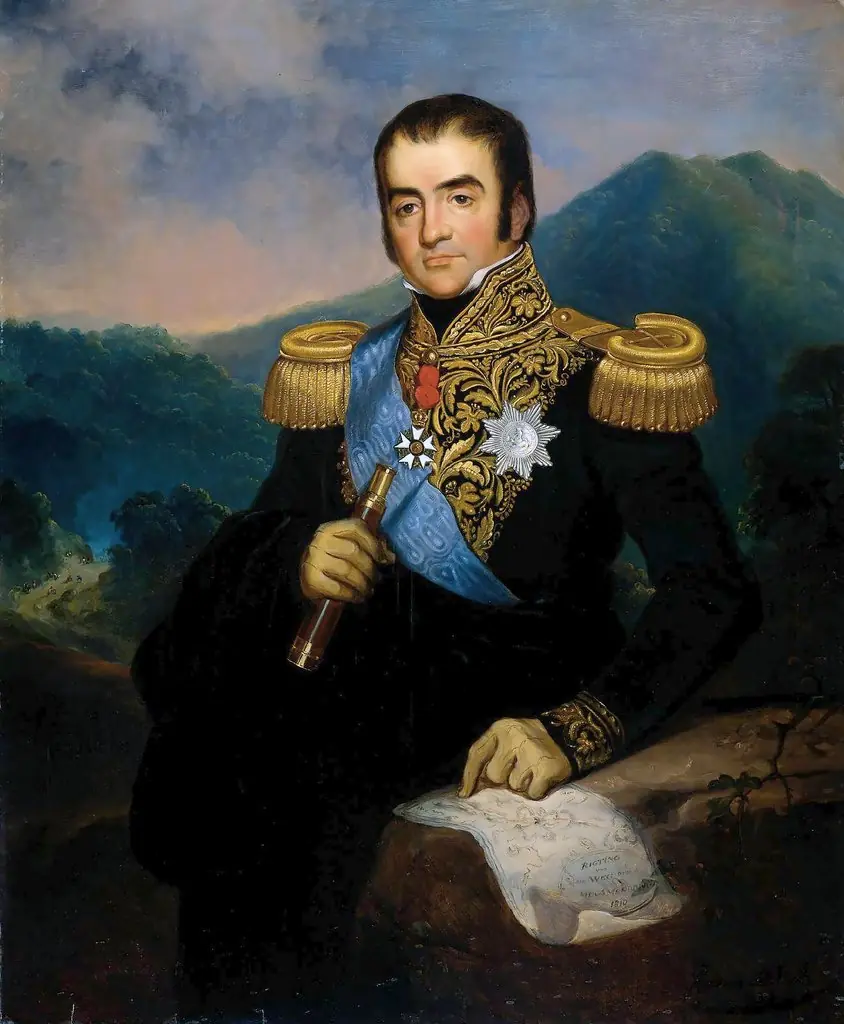
- Posthumous portrait of Herman Willem Daendels (1762-1818). Gouverneur-generaal (1808-10)
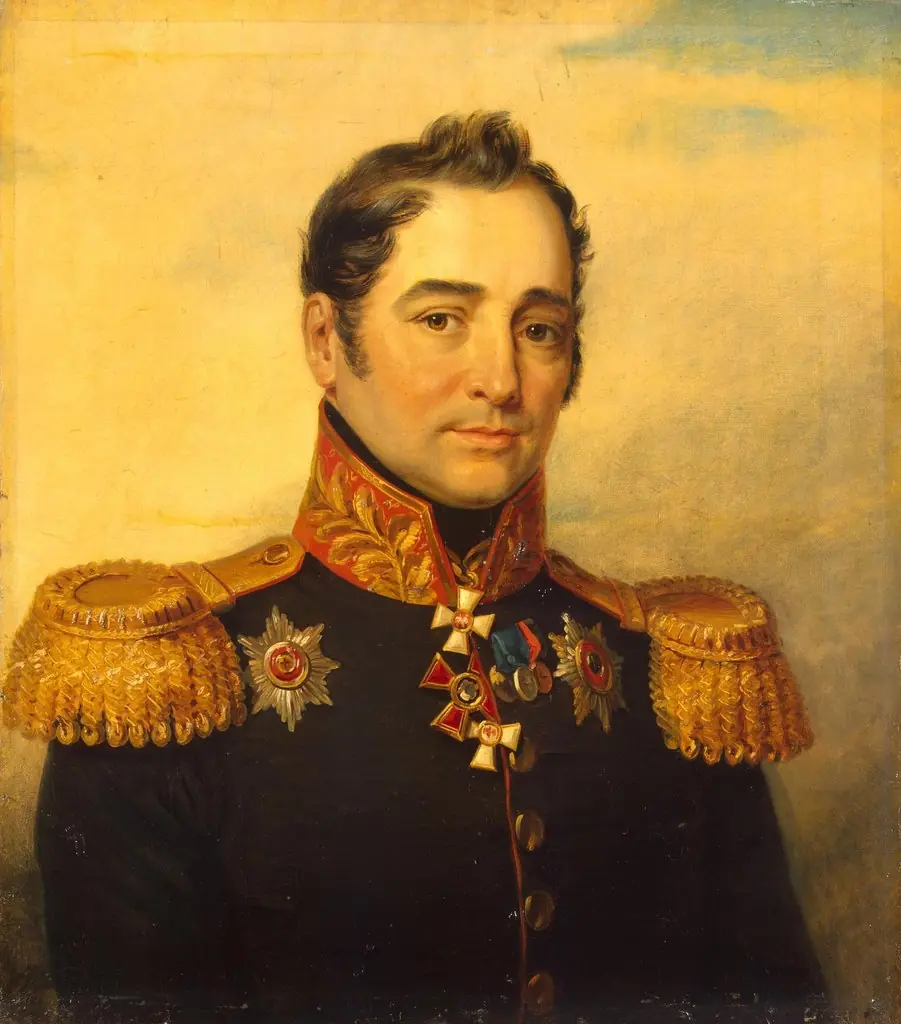 Portrait of Yegor I. Vlastov (1769/70-1837)
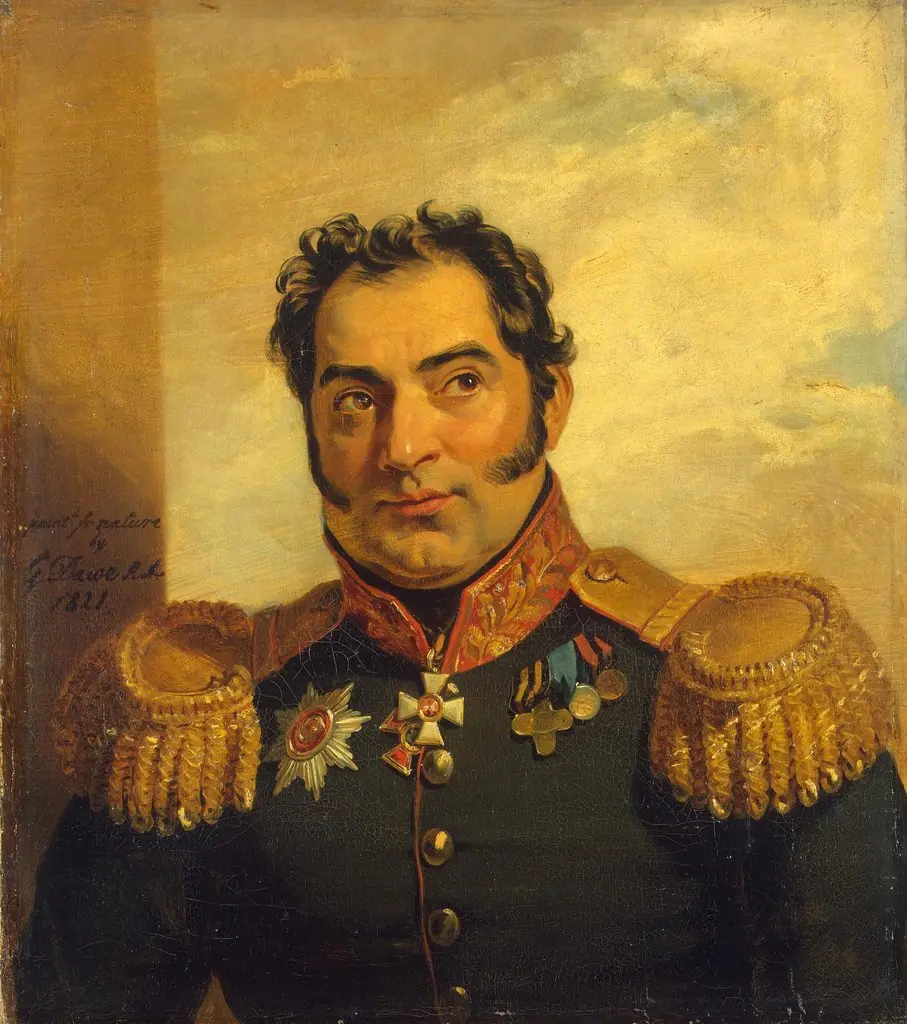 Portrait of Nikolai V. Vuich (1765-1836)
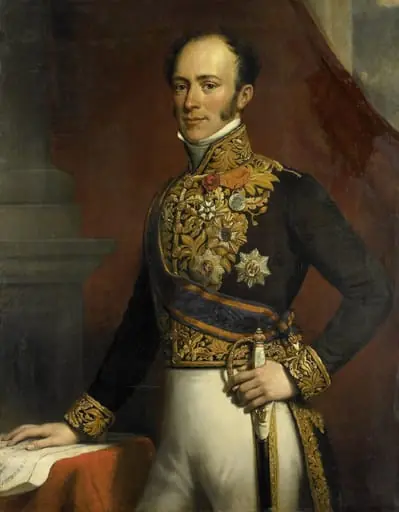 Portrait of Jan Jacob Rochussen, Governor-General of the Dutch East Indies
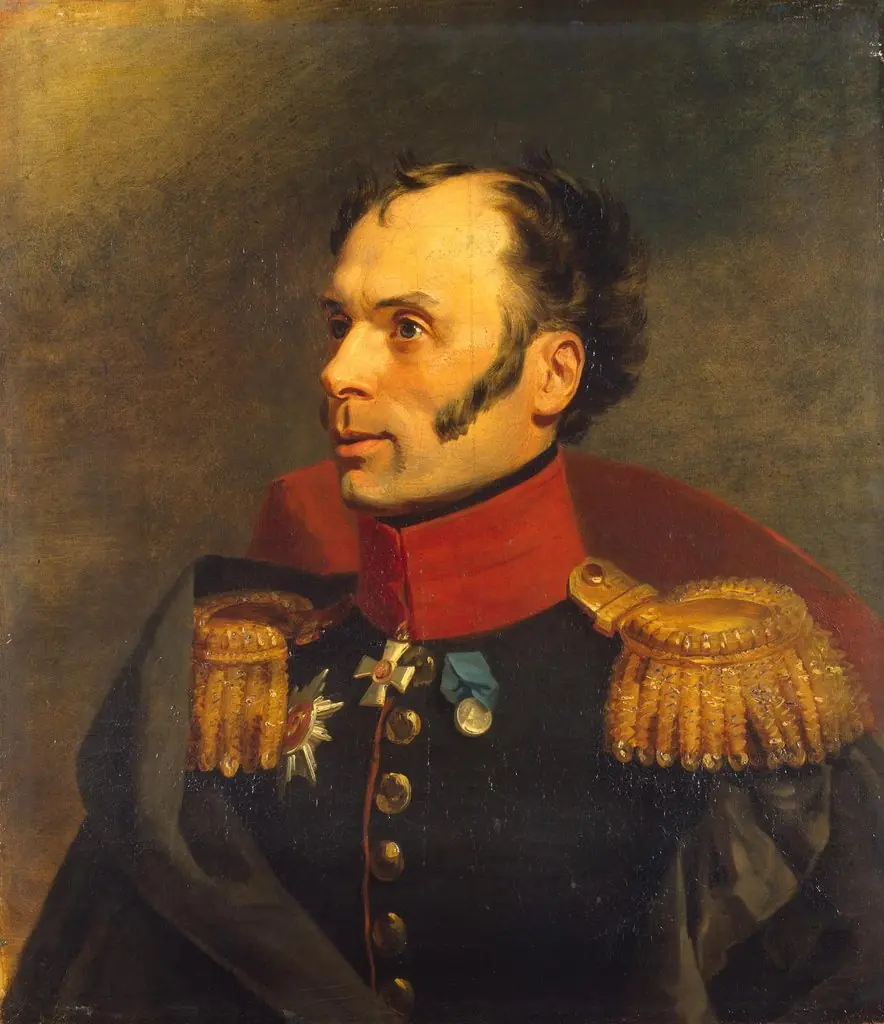 Portrait of Pavel I. Neudhardt (1779-1850)
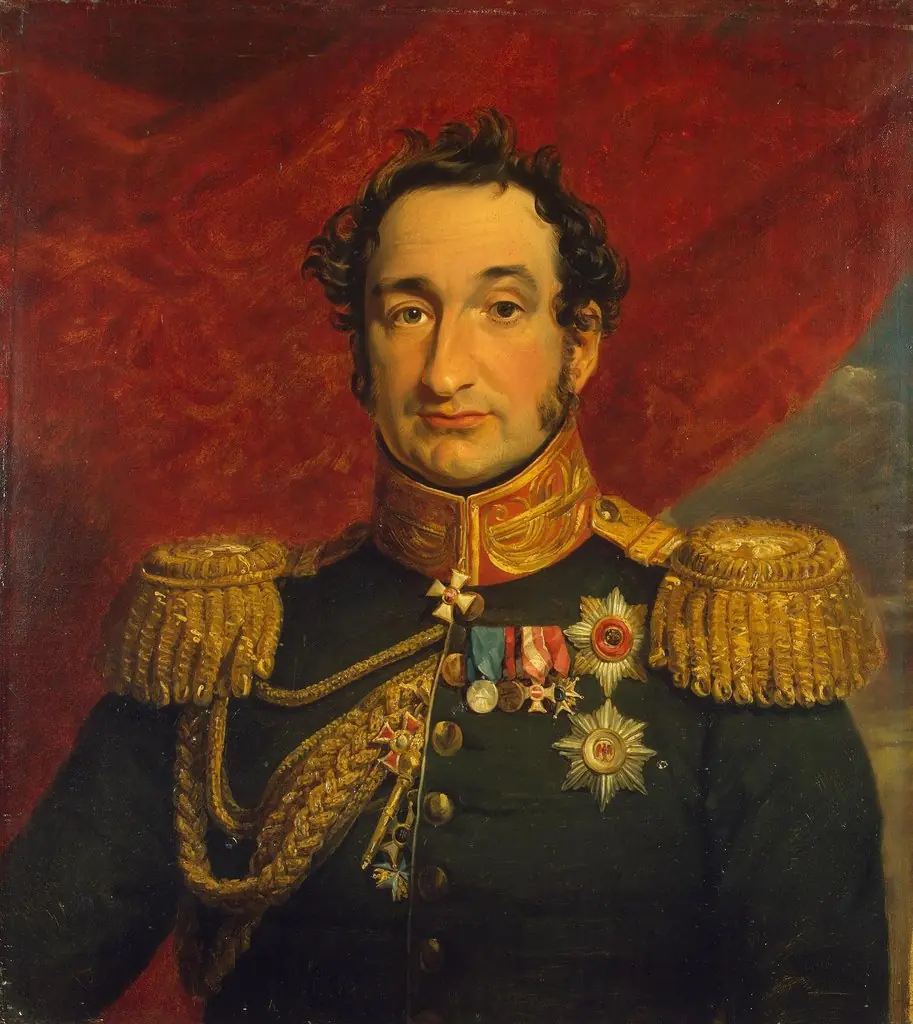 Portrait of Vasily S. Trubetskoy (1776-1841)
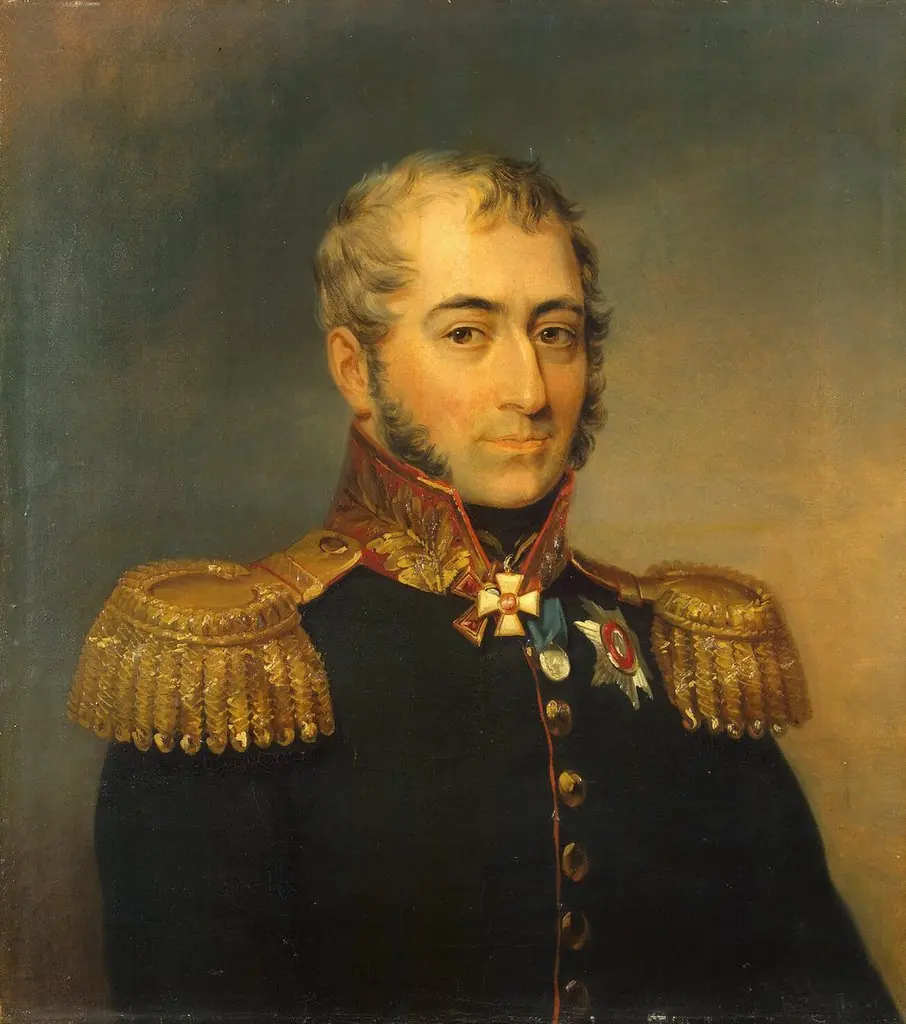 Portrait of Andrey P. Zass (1753-1816) (1st))
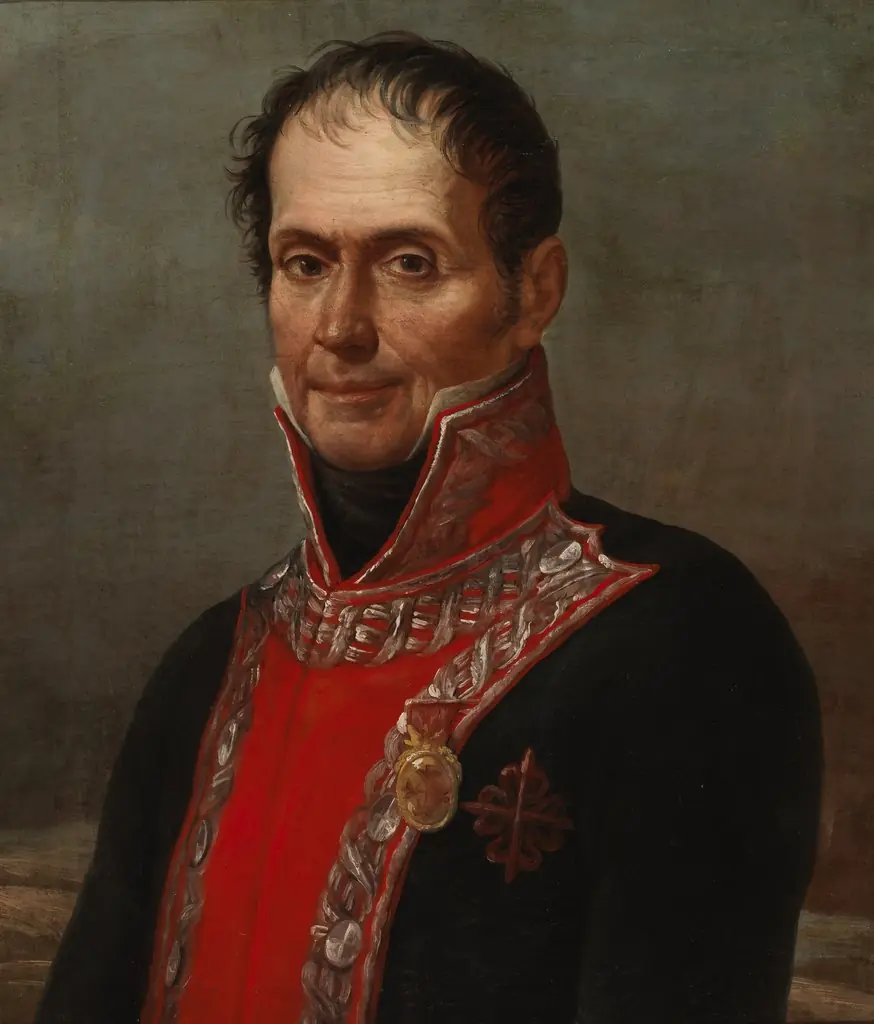 Francisco Javier Venegas y Saavedra
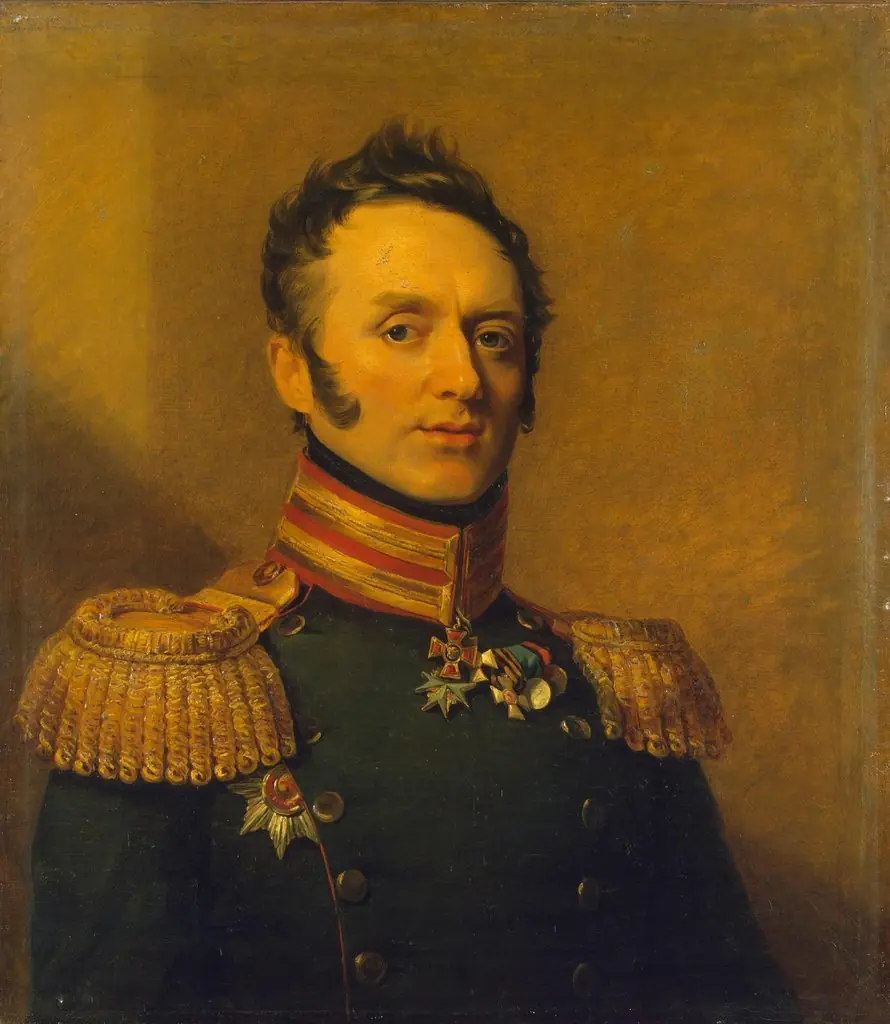 Portrait of Ivan F. Udom (1769-1821) (1st)
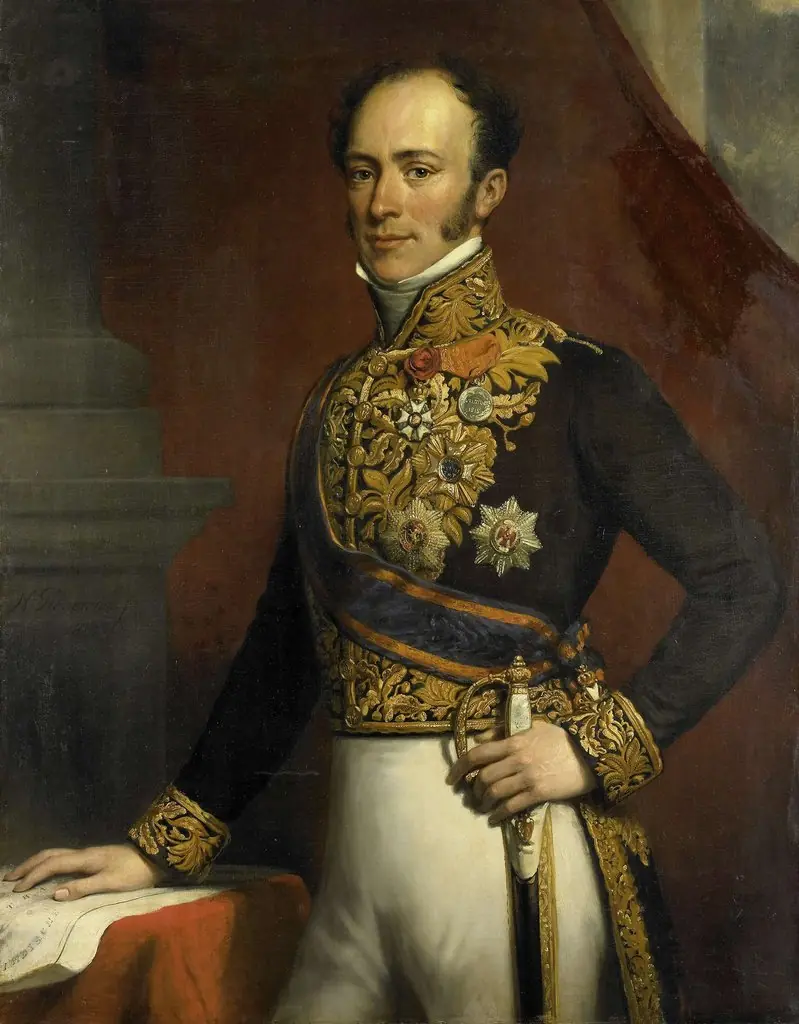 Portrait of Jan Jacob Rochussen, Governor-General of the Dutch East Indies
 Portrait of Jean Chrétien Baud (1789-1859), Gouverneur-generaal ad interim (1833-35)
 Portrait of Karl I. Oppermann (1765/66-1831)